
March 3, 2026
How to Minimize Disruption During an Office Move
Minimizing disruption during an office move is a critical objective for organizations aiming to maintain productivity, protect business operations, safeguard equipment and sensitive data, and uphold client relationships. Office relocations can be inherently disruptive, but a strategic and comprehensive approach can ensure a smooth transition with minimal downtime. Achieving this requires careful planning, clear communication, logistics coordination, technology management, employee engagement, risk mitigation, phased execution, vendor collaboration, and post-move evaluation to maintain operational continuity throughout the process.
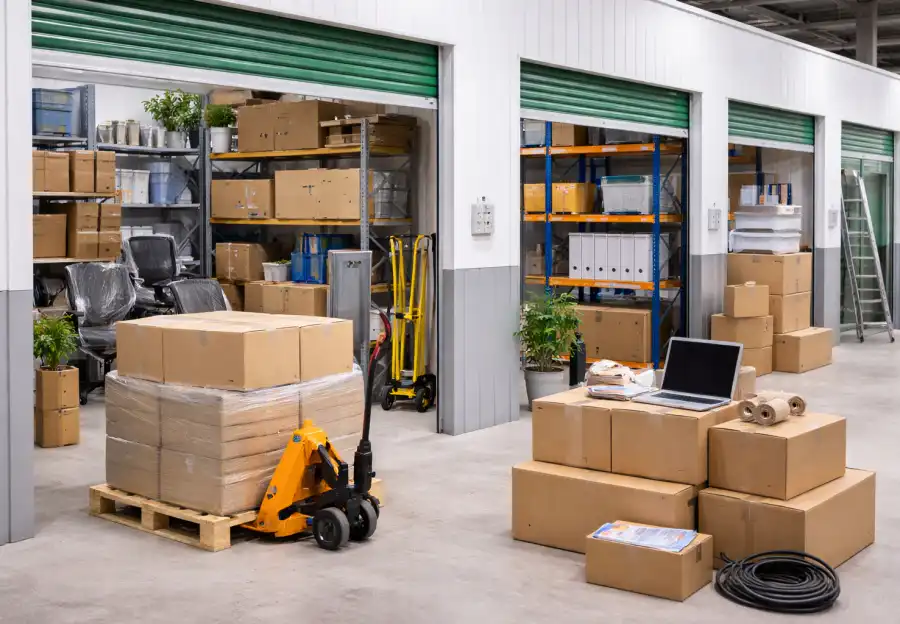
The first step in minimizing disruption is meticulous pre-move planning. This involves defining objectives, timelines, and responsibilities for all aspects of the relocation. Developing a detailed project plan with milestones, task assignments, and deadlines allows management to anticipate potential challenges, allocate resources efficiently, and coordinate activities such as packing, transportation, workspace setup, furniture installation, and IT relocation. Conducting a thorough inventory of all office assets—including equipment, furniture, supplies, documents, and digital resources—ensures that nothing is overlooked. Categorizing items by priority, fragility, and frequency of use allows critical assets to be packed and transported first, minimizing the risk of loss or damage and ensuring continuity of essential operations.
Clear and consistent employee communication is another vital component of a smooth move. Engaging staff early and providing detailed information on timelines, packing responsibilities, and relocation procedures reduces confusion and maintains morale. Offering checklists, step-by-step instructions, and training on safe packing, labeling, and handling procedures ensures employees contribute effectively without compromising operational efficiency or personal safety. By establishing expectations and promoting collaboration, management can prevent last-minute disruptions and ensure the move proceeds according to plan.
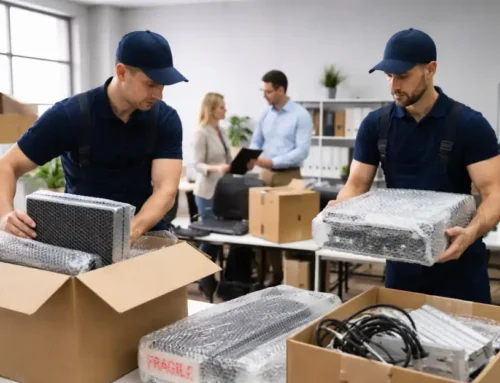
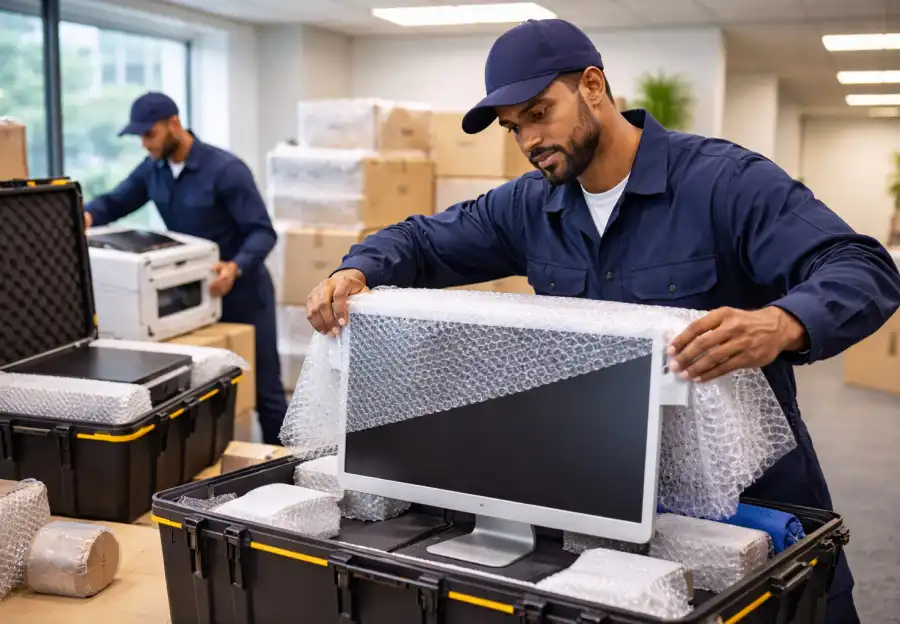
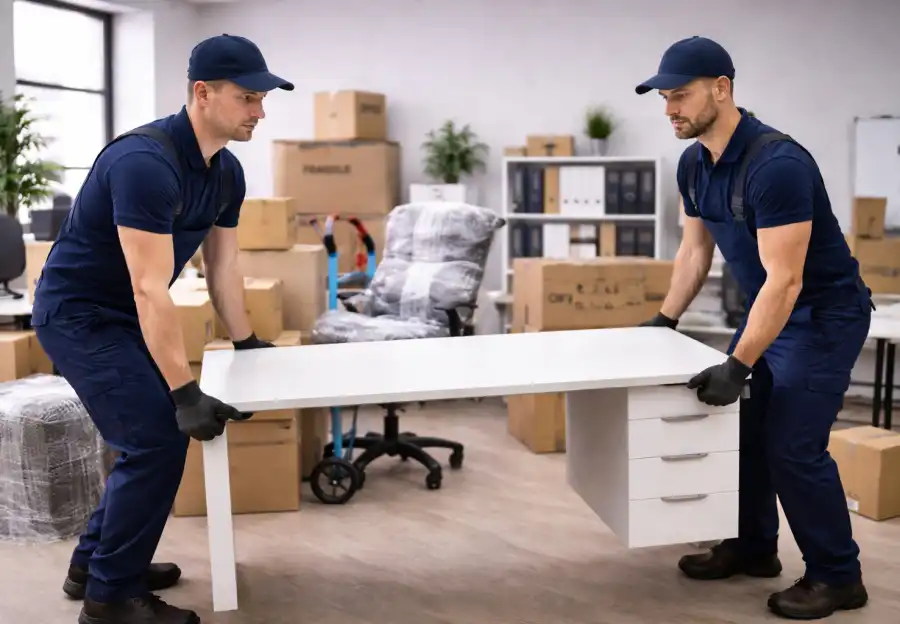
Engaging professional moving and relocation services further reduces disruption. Experienced movers specializing in office relocations can handle packing, transportation, and setup professionally and efficiently. Coordination with movers should cover scheduling, access requirements, equipment needs, and contingency plans to avoid delays during critical phases. Utilizing their expertise ensures that delicate items, technology, and office furniture are transported safely, reducing the risk of damage and downtime. Phased or staged relocation is also highly effective. Moving departments, teams, or functions incrementally allows parts of the office to remain operational while others transition. Essential services such as IT infrastructure, reception, customer service, and critical operational areas can remain functional, ensuring business continuity throughout the process.
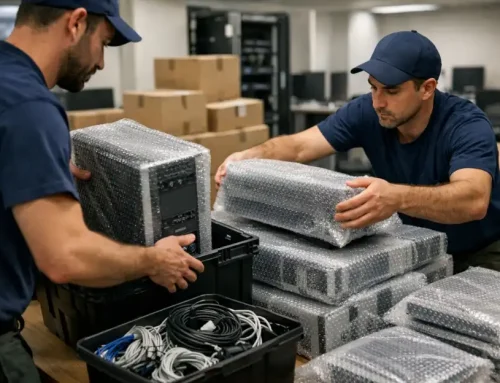
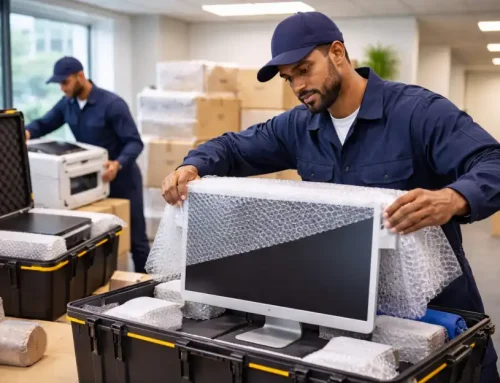
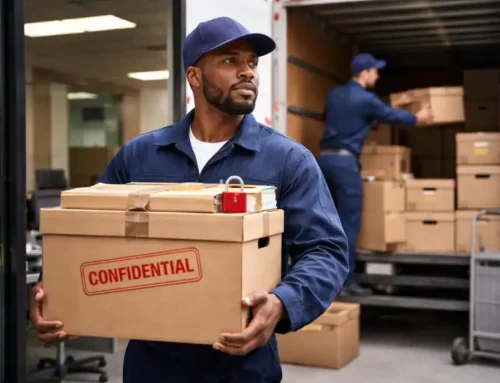
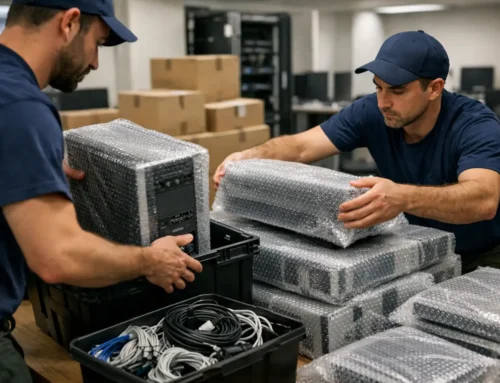
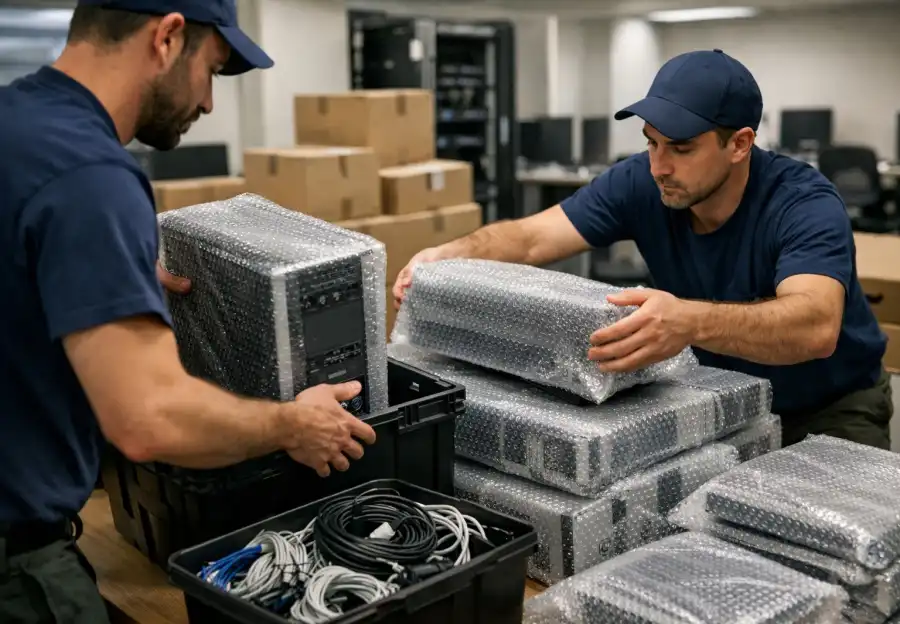
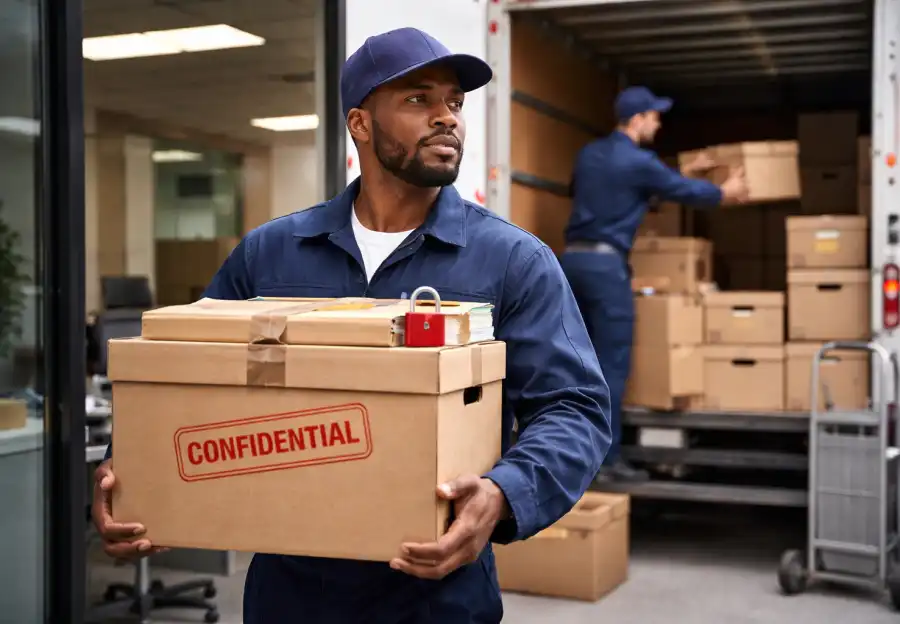
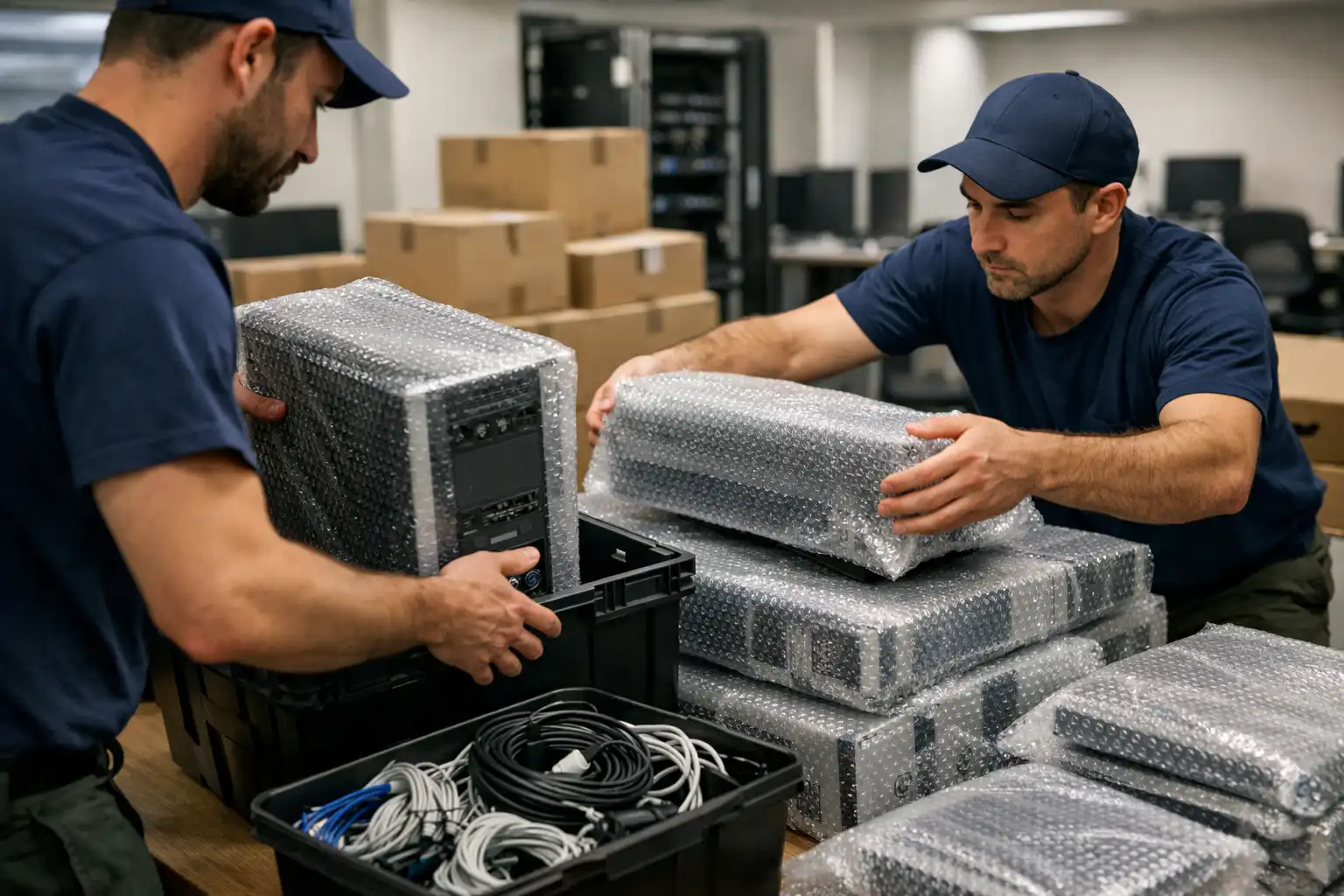
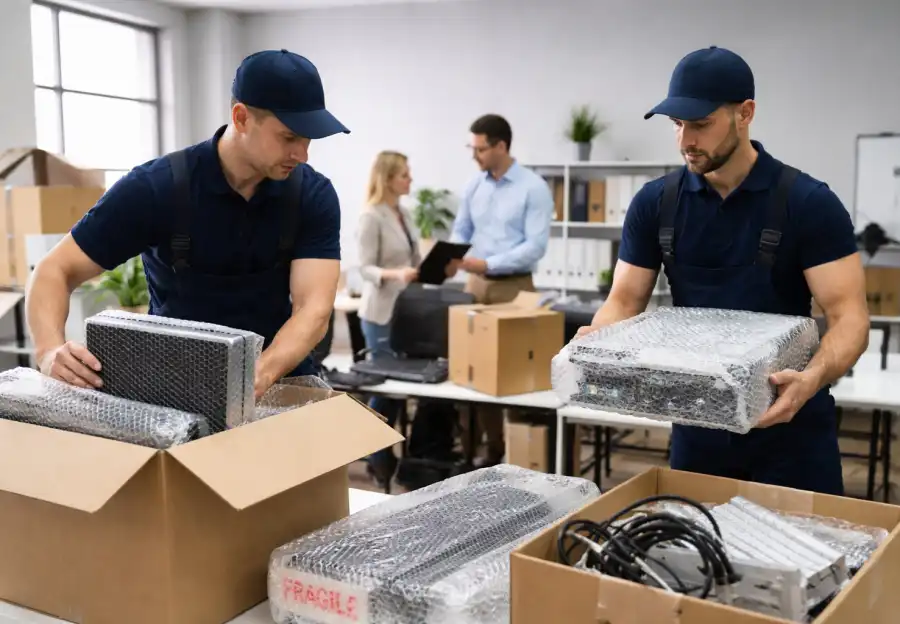
Technology management is a critical element in minimizing operational disruption. Backing up data, transferring servers, decommissioning and reinstalling hardware, and coordinating IT support ensures communication systems and digital operations remain uninterrupted. Proper labeling and packaging of IT equipment, pre-installation of software, and testing of network connectivity at the new location prevent technical issues and reduce downtime. Safeguarding sensitive information through secure packing, transport, and storage of confidential files, client records, and proprietary data is also essential. These measures ensure compliance with privacy regulations, protect business assets, and maintain client trust during the move.
Effective space planning and labeling contribute significantly to a seamless transition. Pre-planning office layouts ensures that furniture, workstations, meeting areas, and common spaces are installed efficiently. Accurate placement reduces the need for extensive rearrangement and allows employees to resume work quickly. Establishing a clear labeling and inventory system, including color-coded tags, detailed packing lists, and digital tracking, ensures that items are easily located, reducing time spent searching for essentials and minimizing workflow interruptions. Contingency planning, meanwhile, addresses unexpected challenges such as delays, equipment damage, traffic issues, or staffing shortages. Backup resources, flexible schedules, temporary workspaces, and emergency protocols mitigate disruptions and maintain operational stability.
Employee support throughout the move is crucial to reduce stress and maintain productivity. Providing moving supplies, designated packing areas, assistance for heavy lifting or technical setup, and clear instructions allows staff to complete tasks efficiently and safely. Encouraging collaboration, communication, and team coordination fosters a positive environment and minimizes frustration. Vendor coordination beyond moving services—including utilities, cleaning, security, catering, and facilities management—ensures that essential services are ready at the new location, preventing operational bottlenecks. Additionally, a well-structured communication plan for clients, partners, and stakeholders ensures transparency, manages expectations, and maintains professional relationships during the transition.
Real-time monitoring of the move allows management to track progress, identify issues, and respond promptly. Coordination among team leads, movers, and IT staff ensures smooth execution and minimizes operational interruptions. Post-move evaluation is equally important. Reviewing the relocation process, gathering employee feedback, assessing efficiency, and documenting lessons learned enable organizations to refine procedures and improve execution for future moves. Offering post-move orientation sessions helps employees acclimate to the new workspace, understand office layouts, IT systems, emergency protocols, and operational procedures, reducing confusion and enhancing productivity.
Stress management and flexible scheduling are also essential to maintain employee well-being during the relocation. Encouraging breaks, providing refreshments, creating quiet zones, and offering support for physically demanding tasks keeps staff energized and focused. Allocating extra time for packing, transportation, and setup reduces pressure on employees and movers, allowing tasks to be completed thoroughly and safely. Leadership engagement throughout the process reinforces accountability, provides guidance, and ensures strategic alignment with operational priorities.
In summary, minimizing disruption during an office move requires meticulous pre-move planning, inventory management, clear communication, professional movers, phased execution, careful IT management, protection of sensitive information, space planning, labeling, contingency planning, employee support, vendor coordination, client communication, real-time monitoring, post-move evaluation, orientation programs, stress management, flexible scheduling, and active leadership engagement. By implementing these strategies comprehensively, organizations can achieve a smooth relocation, maintain productivity, protect assets, uphold client relationships, and ensure a successful transition to a new workspace with minimal operational impact.