
March 2, 2026
How to Manage Packing for a Business Relocation
Managing packing for a business relocation is a highly specialized task that requires careful planning, structured organization, and methodical execution. Unlike personal moves, business relocations often involve a mix of sensitive equipment, critical documents, technology infrastructure, and operational supplies, each requiring different handling techniques. The process demands an understanding of workflow management, resource allocation, and risk mitigation to ensure minimal disruption to business operations. Properly managing packing not only safeguards physical assets but also contributes to operational continuity, allowing employees and management to transition smoothly into a new location.
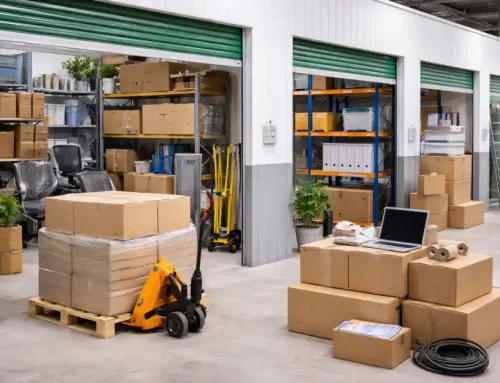
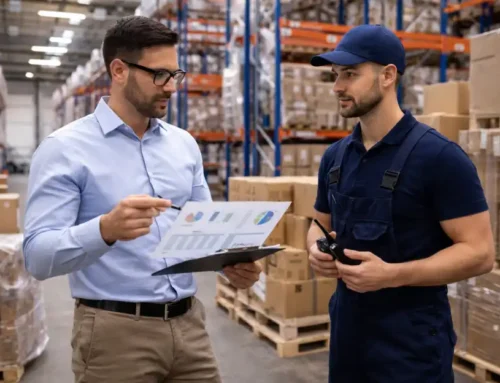
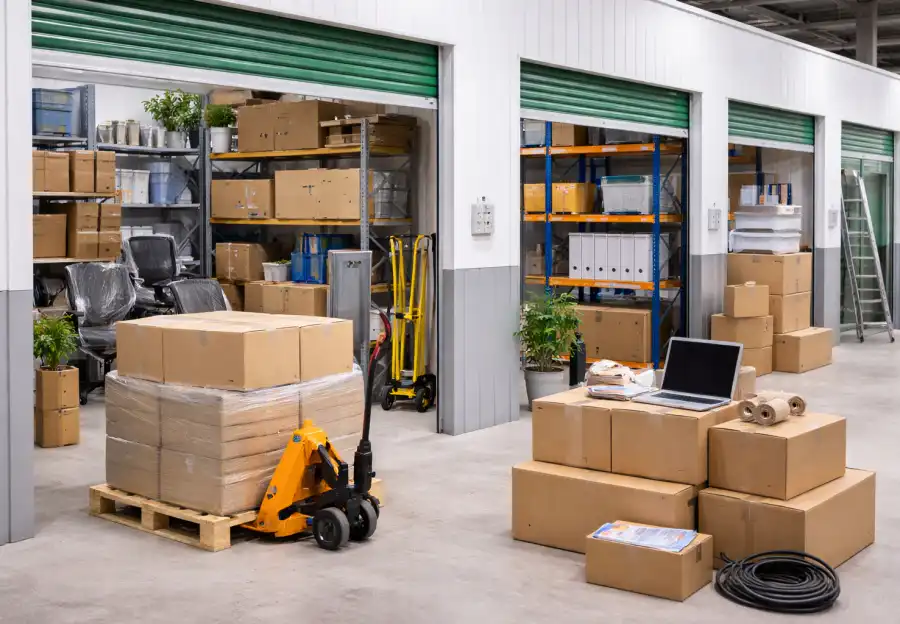
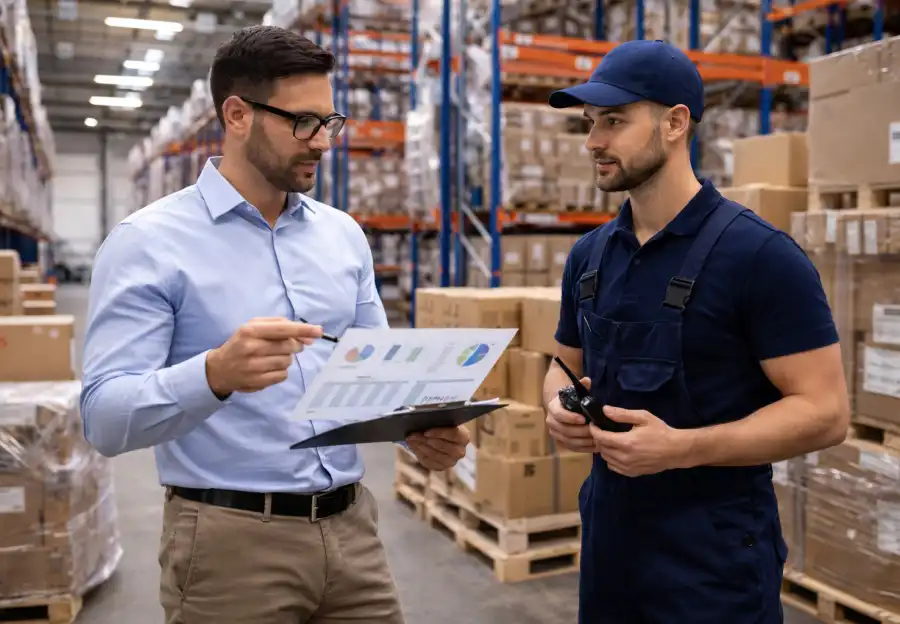
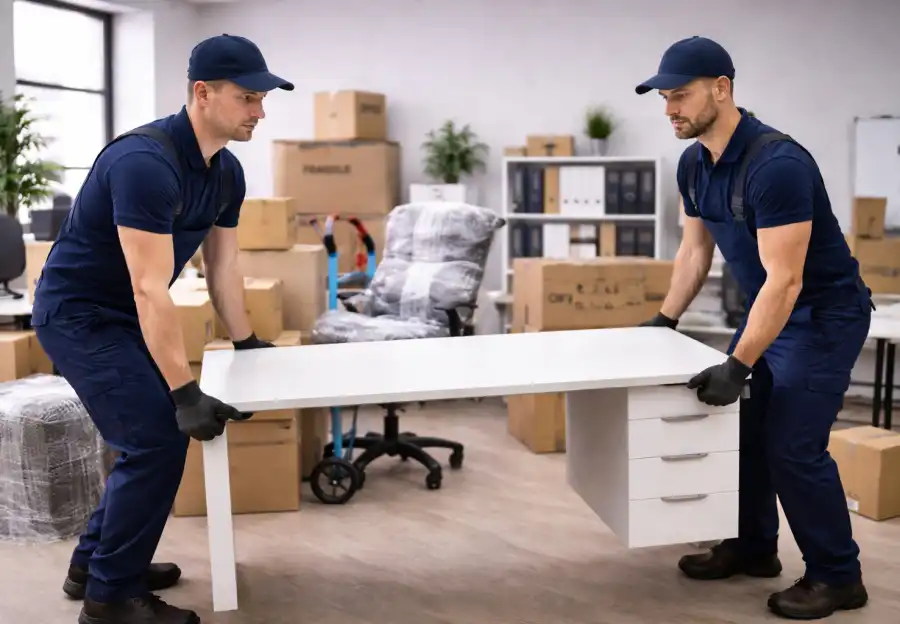
The first step in managing a business relocation is thorough planning and assessment. This involves taking stock of all items that need to be moved, categorizing them according to fragility, priority, and frequency of use. High-value equipment, confidential documents, and sensitive electronics must be identified and given top priority in packing strategies. By conducting an inventory, businesses can determine the materials required, estimate box sizes, and allocate staff or professional movers efficiently. Early planning also allows for the identification of potential challenges, such as oversized furniture, specialized machinery, or storage limitations at the new location, and provides the opportunity to develop contingency plans.
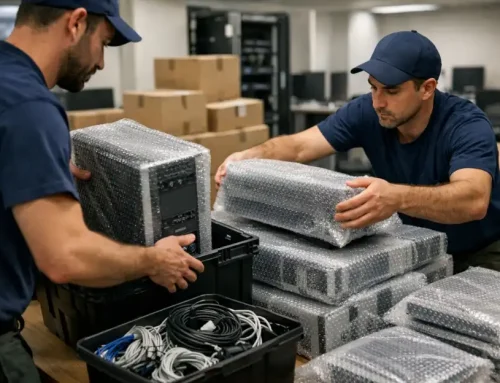
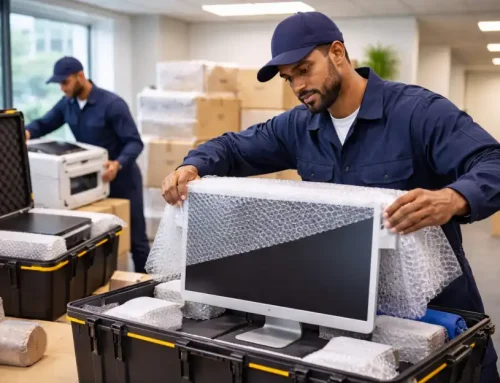
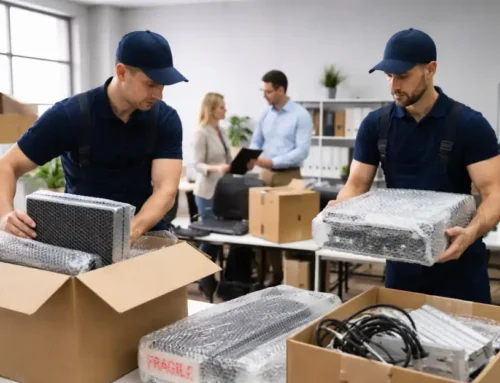
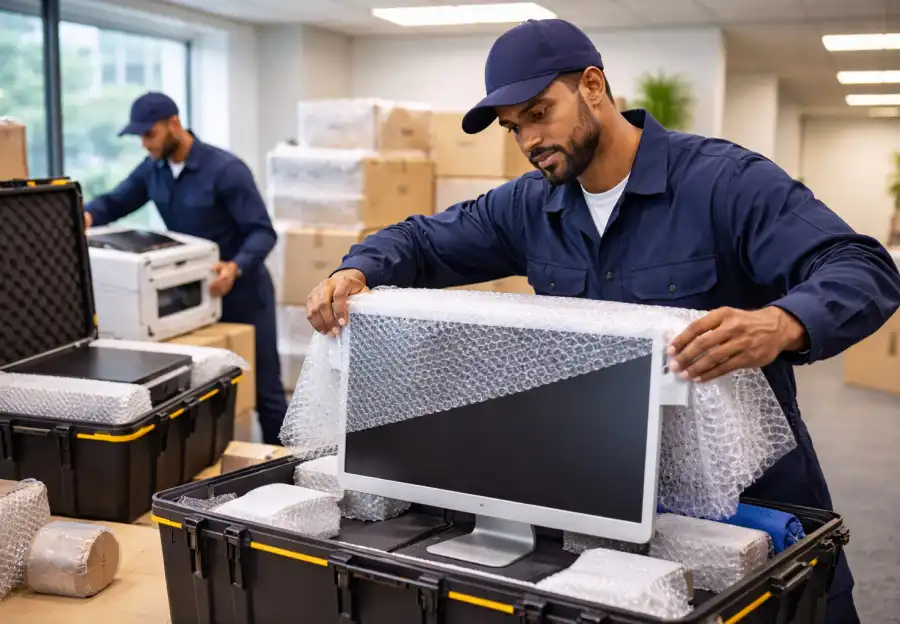
Selecting appropriate packing materials is another crucial aspect of a business move. Businesses require a combination of sturdy boxes, protective cushioning, bubble wrap, foam inserts, packing paper, and specialized containers for electronics or fragile items. Using the right materials ensures that sensitive equipment is protected from physical damage, moisture, and static during transport. Additionally, labeling boxes with detailed descriptions, destination departments, and handling instructions enhances organization and prevents confusion during both loading and unpacking. Clear labels help employees and movers understand the contents and the proper care required, reducing the risk of breakage or misplacement.
Implementing an organized workflow during packing is essential for efficiency and accountability. Assigning specific teams or individuals to manage certain categories of items streamlines the process, allowing simultaneous handling of multiple areas such as office furniture, IT equipment, and supplies. Creating a timeline with clearly defined milestones for packing, staging, and loading ensures that deadlines are met without unnecessary stress. Utilizing standardized packing protocols, such as wrapping fragile electronics in anti-static materials or separating critical documents in waterproof containers, promotes uniformity and prevents errors that can disrupt operations.
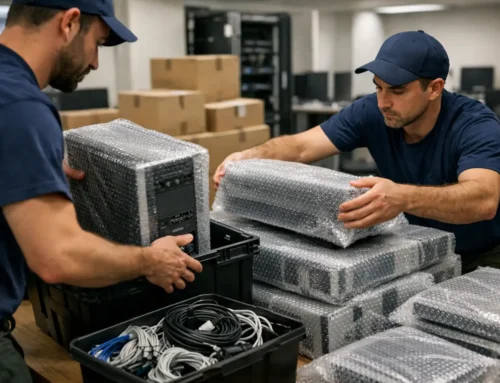
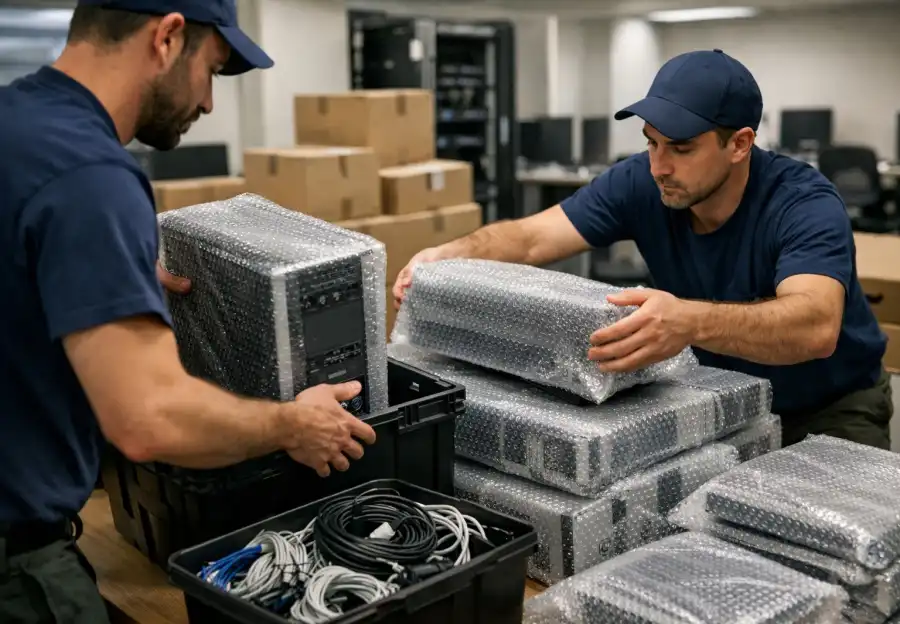
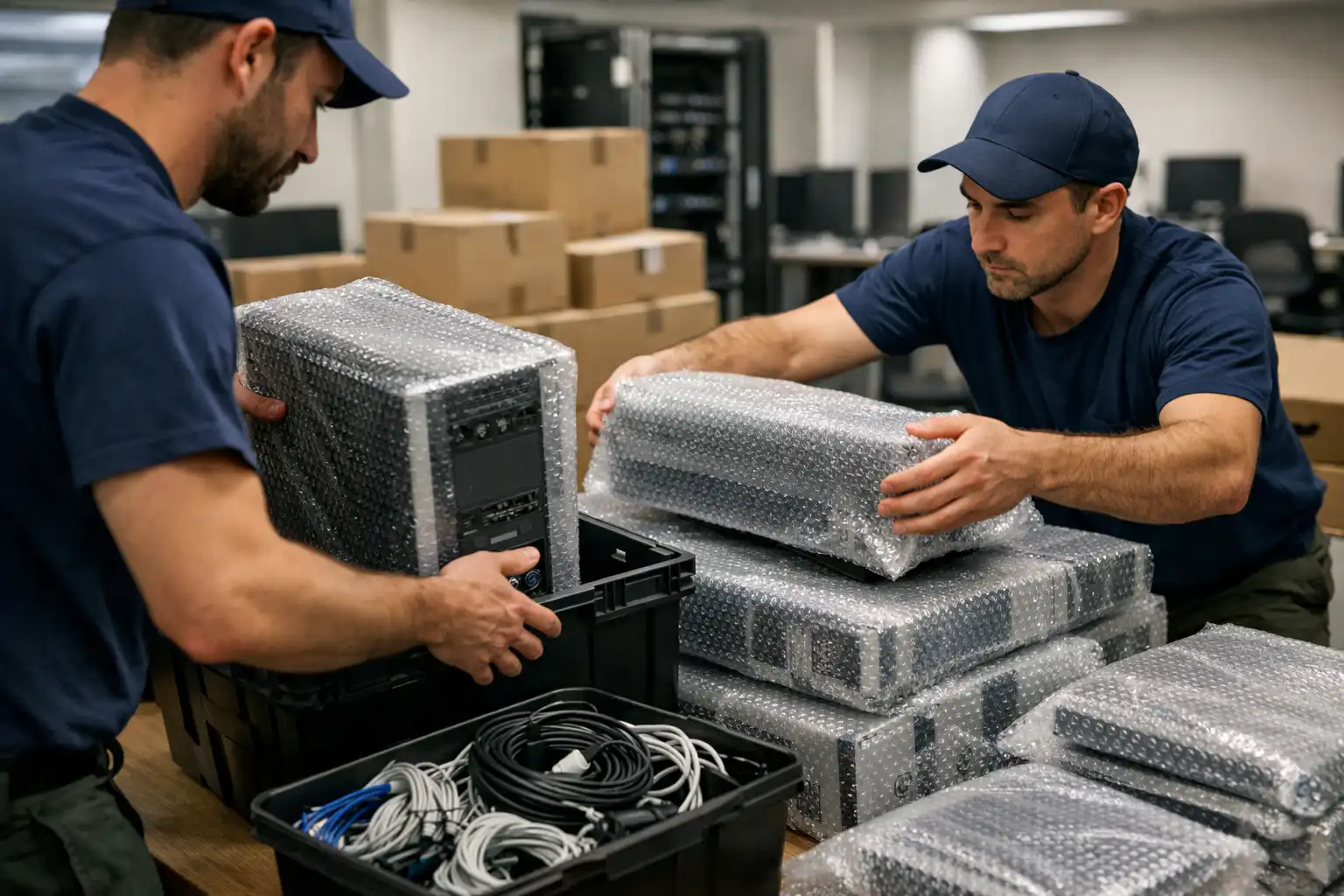
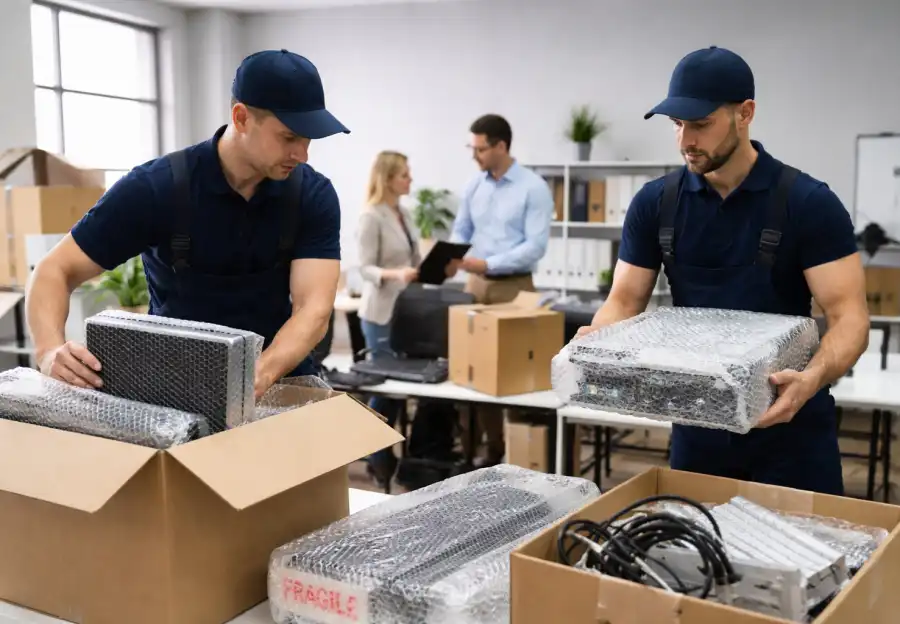
Technology and electronic equipment demand special attention during a business relocation. Computers, servers, printers, and other devices are vulnerable to damage from shocks, vibrations, or environmental factors. Proper packing includes removing or securing detachable components, cushioning devices individually, and labeling cables or connections for easy reassembly. In many cases, using professional services for handling IT infrastructure is advisable to prevent downtime or technical issues. Ensuring proper documentation of equipment and serial numbers also aids in inventory management and accountability during transport.
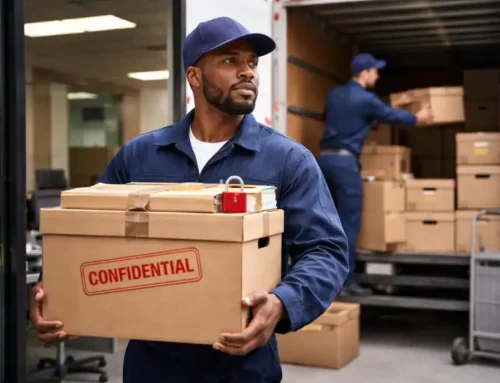
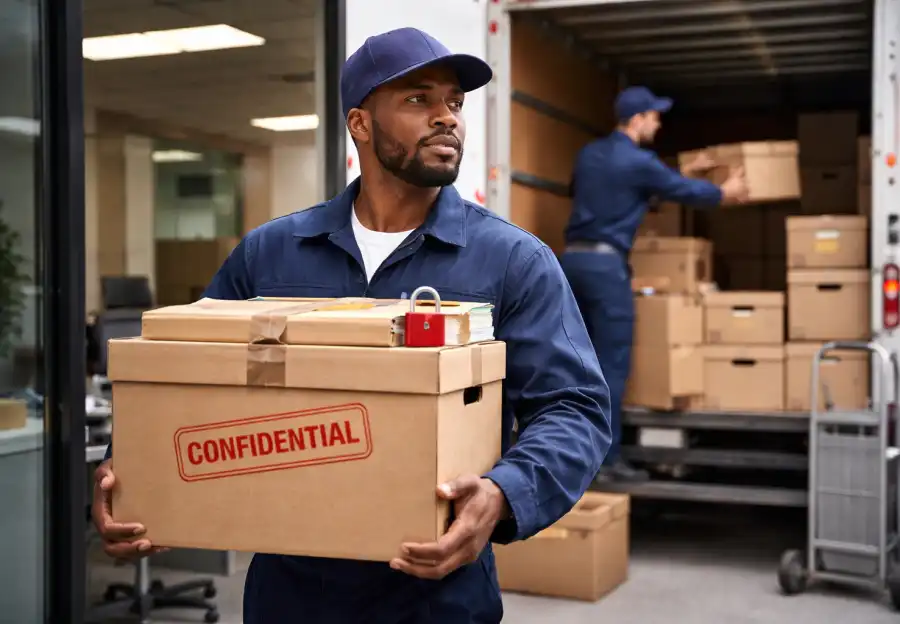
Document management is another critical element of a business move. Legal, financial, and operational documents must be protected from loss, damage, or unauthorized access. Secure boxes, locked filing containers, or digital backups ensure that sensitive information remains intact throughout the relocation. Organizing documents by department, project, or priority level facilitates quick access once unpacked, reducing downtime and helping employees resume normal operations promptly. Implementing a tracking system for critical items further enhances security and accountability.
Operational efficiency during packing also involves reducing clutter and unnecessary items. Decluttering offices, archiving outdated documents, and disposing of obsolete equipment can reduce the volume of items to be transported, cutting costs and simplifying logistics. Streamlining possessions before packing also creates an opportunity to reorganize workflows in the new location, ensuring that essential items are accessible and organized according to updated operational needs. This preparation can significantly reduce post-move confusion and enhance productivity.
Logistics and coordination are essential for a seamless transition. Scheduling moving personnel, coordinating transport vehicles, and arranging access to the new premises are critical to preventing delays and bottlenecks. Contingency planning for unforeseen events, such as delays in shipment, weather disruptions, or equipment malfunctions, ensures the business can continue operations with minimal interruptions. Proper communication with staff about packing procedures, responsibilities, and timelines fosters collaboration and reduces stress, making the relocation process smoother.
Finally, maintaining an organized approach during unpacking and setup is equally important. Clearly labeled boxes, department-specific staging areas, and prioritized unpacking schedules allow businesses to resume operations quickly. Monitoring inventory as boxes are unpacked ensures that nothing is lost or misplaced, and facilitates immediate identification of any damage or missing items. Implementing a systematic setup for office equipment, technology, and documentation supports operational continuity, enabling employees to adapt to the new environment efficiently.
In conclusion, managing packing for a business relocation requires a comprehensive approach that integrates planning, preparation, workflow management, material handling, and coordination. By combining careful assessment, strategic use of packing materials, methodical organization, and clear labeling, businesses can protect their assets, minimize operational disruption, and ensure a smooth transition to their new location. Mastering these processes not only safeguards equipment and documentation but also fosters efficiency, accountability, and resilience, allowing companies to settle into their new premises confidently and continue operations with minimal stress and maximum productivity.