February 12, 2026
How to Label Boxes Clearly for Quick Unpacking
Labeling boxes clearly for quick unpacking is one of the most important yet often overlooked aspects of a successful move. While packing and transporting belongings often receive the most attention, effective labeling plays a critical role in how smoothly the move concludes. Proper labels save time and effort during unloading, reduce stress, prevent confusion, and ensure that boxes are placed directly into the correct rooms. When labeling is done thoughtfully and consistently, unpacking becomes a structured and manageable task rather than a chaotic search for essentials.
The first step in labeling boxes effectively is creating a clear and consistent system that works for your household. A well-planned system allows movers and family members to immediately understand the purpose, destination, and contents of each box. This system might combine room names, brief content descriptions, color coding, and numbering. Consistency is key—using the same format on every box minimizes mistakes and ensures everyone involved follows the same logic. A reliable labeling system also helps homeowners track belongings easily and prevents boxes from being misplaced or forgotten during transit.
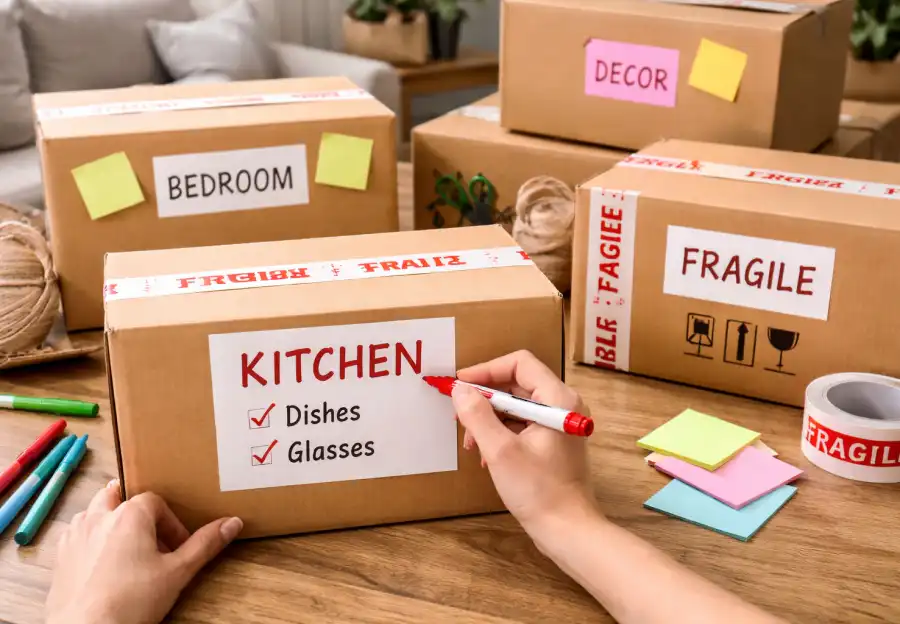
Categorization is the foundation of effective labeling. Grouping boxes by room, function, or priority ensures they are unloaded correctly and efficiently. Large, clear room labels such as “Kitchen,” “Living Room,” “Bedroom,” or “Bathroom” provide immediate direction. Adding more detailed descriptions like “Kitchen – Pots and Pans” or “Bedroom – Winter Clothes” further reduces guesswork. Including notes about fragility, weight, or urgency ensures boxes are handled correctly and placed where they are needed most, especially for items required immediately after arrival.
Color coding adds an extra layer of organization and efficiency to the labeling process. Assigning a specific color to each room allows movers to identify where boxes belong at a glance. Colored tape, stickers, or markers can be matched to corresponding signs in the new home, making placement quick and intuitive. Color coding is particularly helpful when unloading many boxes at once, as it reduces verbal instructions and minimizes errors. When combined with written labels, color coding provides redundancy, ensuring clarity even from a distance.
Clear and legible writing is essential for effective labeling. Using thick permanent markers and writing in large, bold letters ensures labels are easy to read. Avoiding abbreviations or unclear shorthand prevents confusion, especially for movers unfamiliar with your household. Labels should be placed on multiple sides of each box, not just the top, so they remain visible regardless of how boxes are stacked. This visibility helps movers handle boxes properly and prevents them from being placed in the wrong rooms.
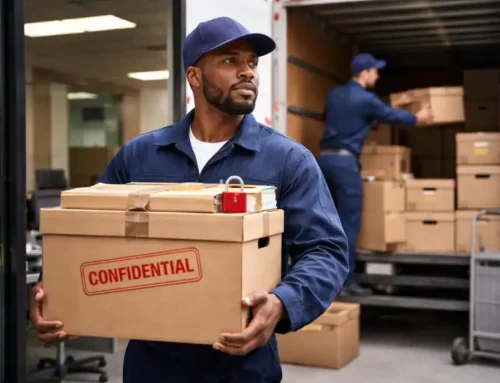
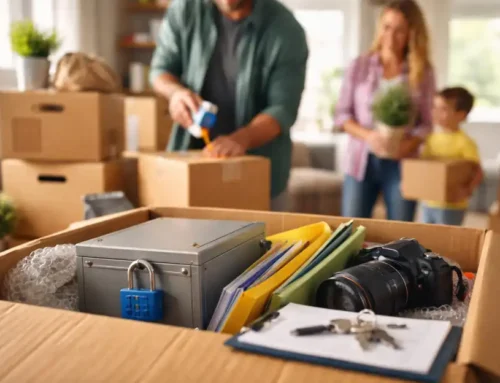
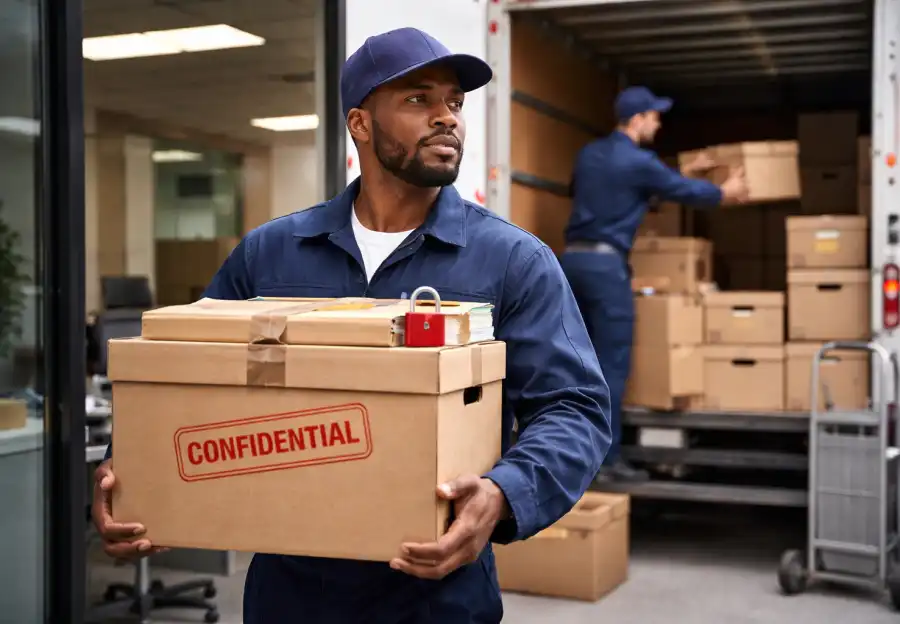
Including handling instructions on boxes is another important step. Boxes containing fragile items should be clearly marked with “Fragile” and “This Side Up,” while heavy boxes should be labeled accordingly to prevent injury or improper stacking. Marking priority boxes with labels such as “Open First” or “Essentials” ensures that items needed immediately—such as toiletries, basic kitchen supplies, or important documents—are easily accessible. These instructions help movers work safely and allow homeowners to settle in quickly without unnecessary searching.
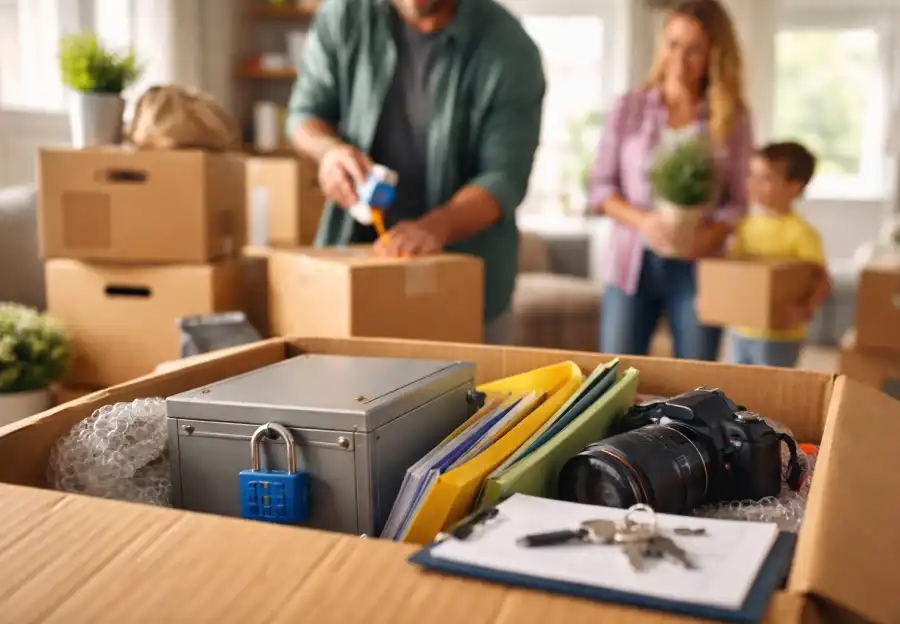
Numbering boxes and maintaining an inventory significantly improves organization, especially during large or complex moves. Assigning each box a number and recording its contents and destination in a master list creates a reliable tracking system. This inventory allows you to confirm that all boxes have arrived and helps you locate specific items without opening multiple boxes. Checking off boxes as they are unpacked provides a sense of progress and reduces anxiety about missing belongings.
Using consistent and durable labeling materials is also crucial. High-quality markers, strong adhesive labels, and durable tape prevent labels from smudging, fading, or peeling during transport. Waterproof or moisture-resistant labels are especially useful, as they protect information from spills or condensation. Reliable materials ensure that labels remain intact and readable throughout the move, maintaining organization from start to finish.
Technology can further enhance the labeling process. Taking photos of labeled boxes, creating a digital inventory, or using QR codes linked to detailed lists allows for quick reference and added accuracy. Digital backups provide peace of mind and make it easier to coordinate with movers or family members. Combining physical labels with digital tracking creates a robust system that minimizes the risk of lost or misplaced items.
Ultimately, patience, attention to detail, and consistency are essential for effective labeling. Rushed or inconsistent labels can undermine even the best packing efforts. By categorizing boxes, writing clearly, using color coding, numbering, adding handling instructions, and maintaining an inventory, homeowners can transform unpacking into an organized and efficient process. Clear labeling is not just a convenience—it is a vital strategy for reducing stress, protecting belongings, and settling into a new home quickly and confidently.