
January 14, 2026
How to Handle Fragile Items During a Move
Handling fragile items during a move requires careful planning, the right materials, and proper techniques to ensure delicate belongings such as glassware, ceramics, electronics, artwork, mirrors, and collectibles arrive safely at your new home. Fragile items are among the most vulnerable during transportation and can easily break, chip, or sustain damage if not packed and handled correctly. Taking a methodical approach from the very beginning significantly reduces the risk of damage and provides peace of mind throughout the moving process.
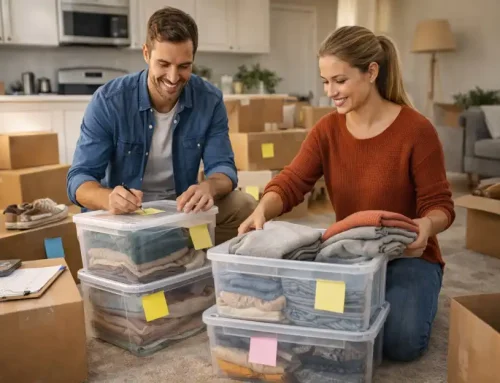
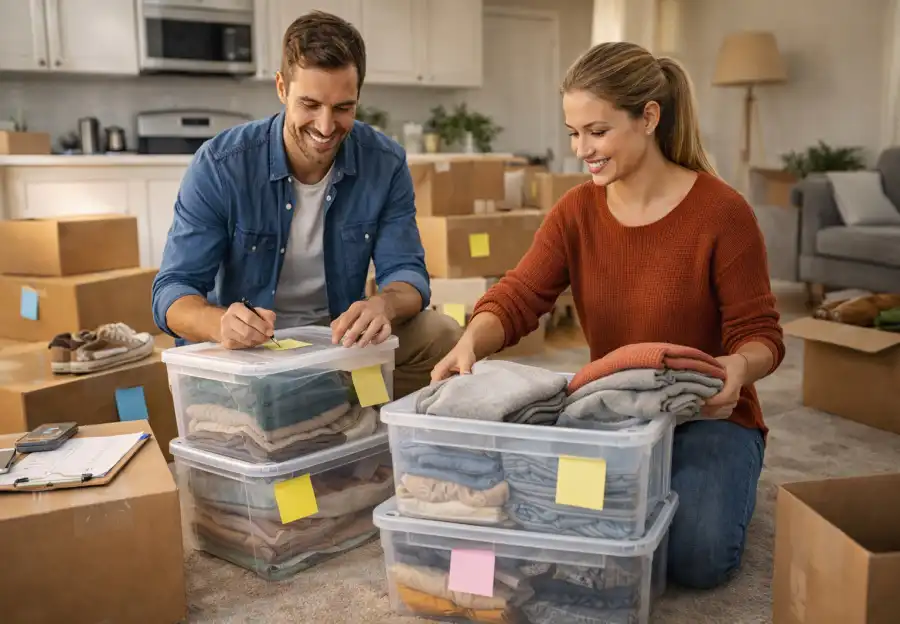
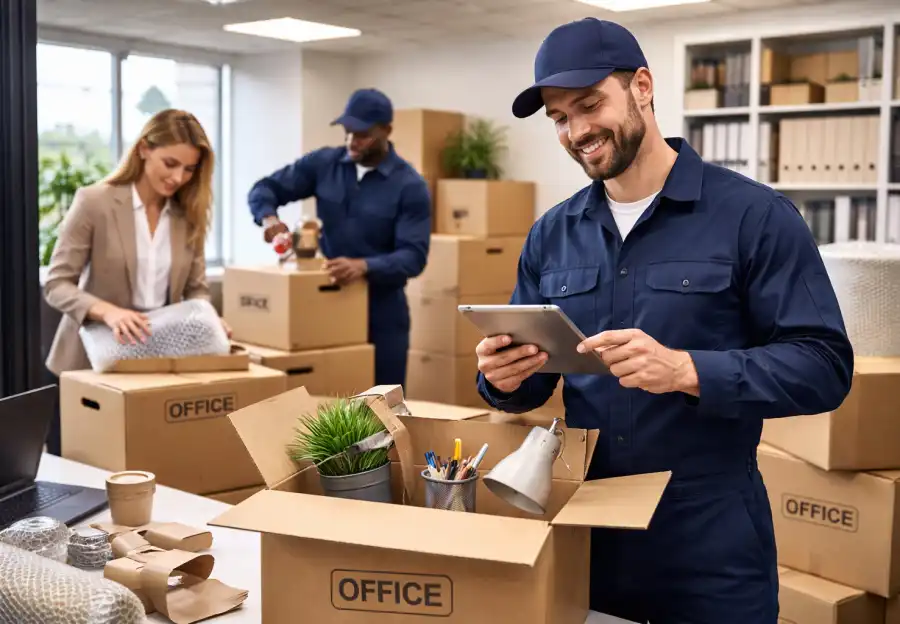
The first step in protecting fragile items is proper preparation, which begins with decluttering and sorting. Not all fragile items are essential to keep, and removing or donating items that are no longer needed reduces the overall volume to be packed and decreases the risk of damage. Sorting fragile belongings by size, weight, and material is also important, as it allows you to select appropriate packing methods and materials tailored to each item. Grouping similar items together—such as glassware, ceramics, or electronics—makes it easier to pack efficiently while ensuring that each category receives the protection it requires.
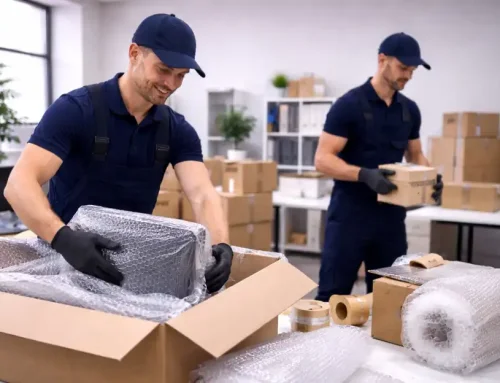
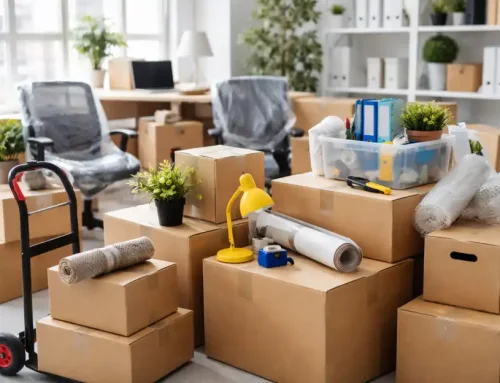
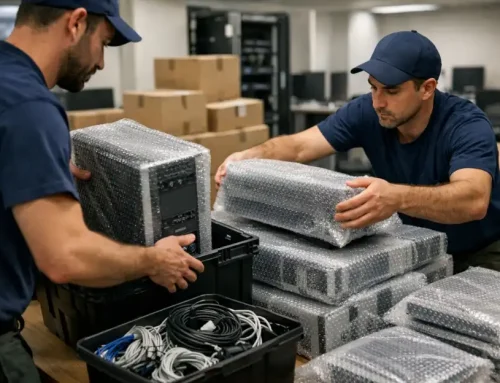
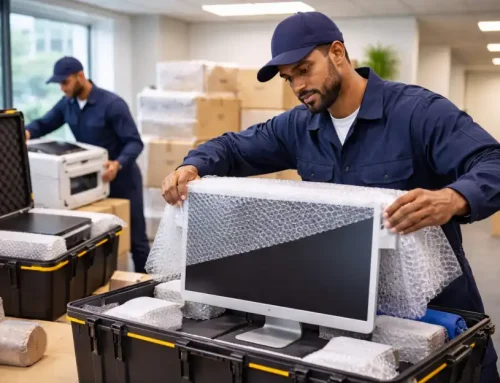
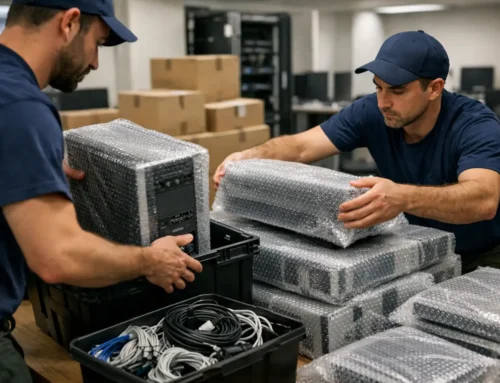
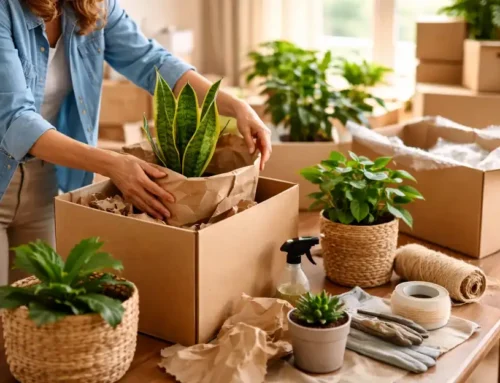
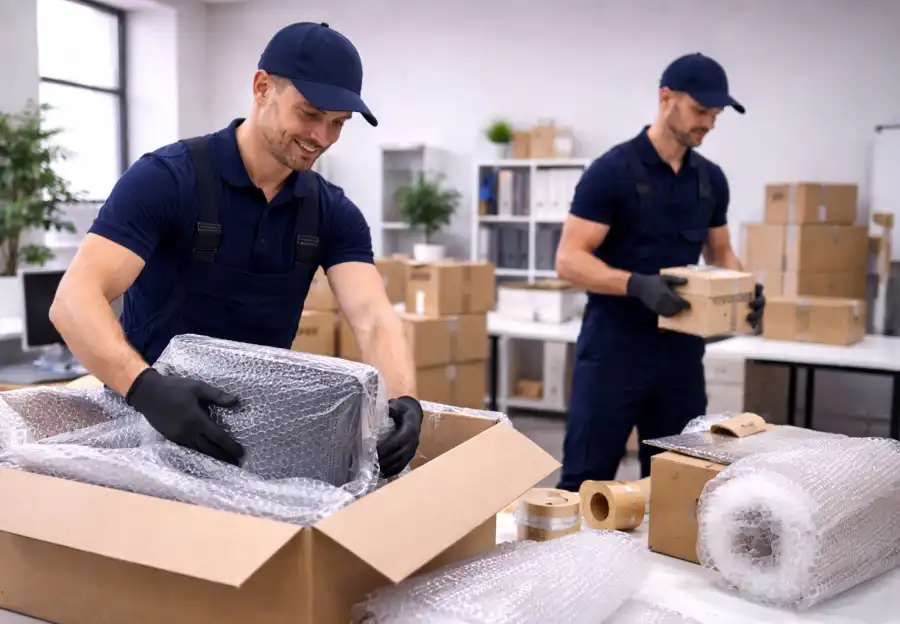
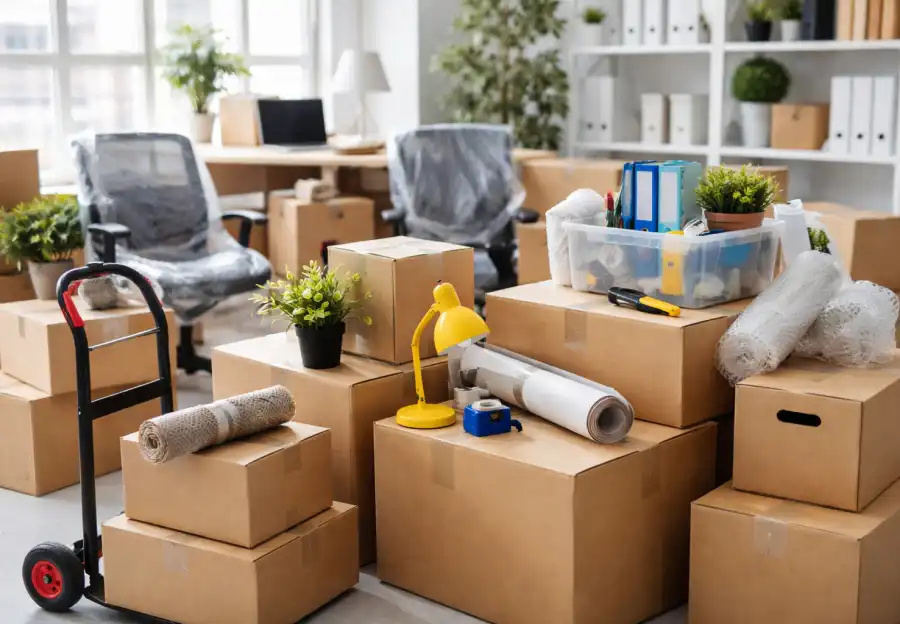
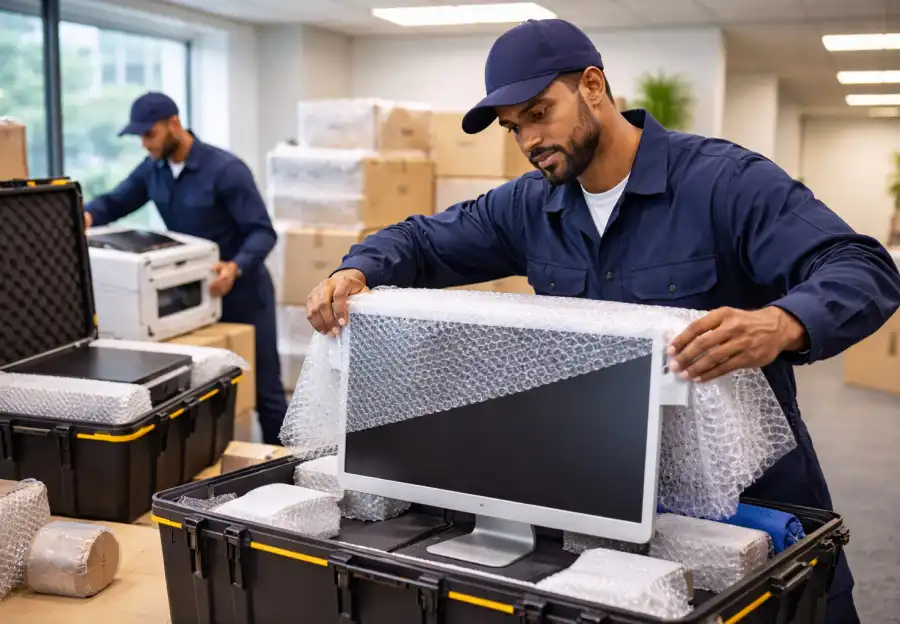
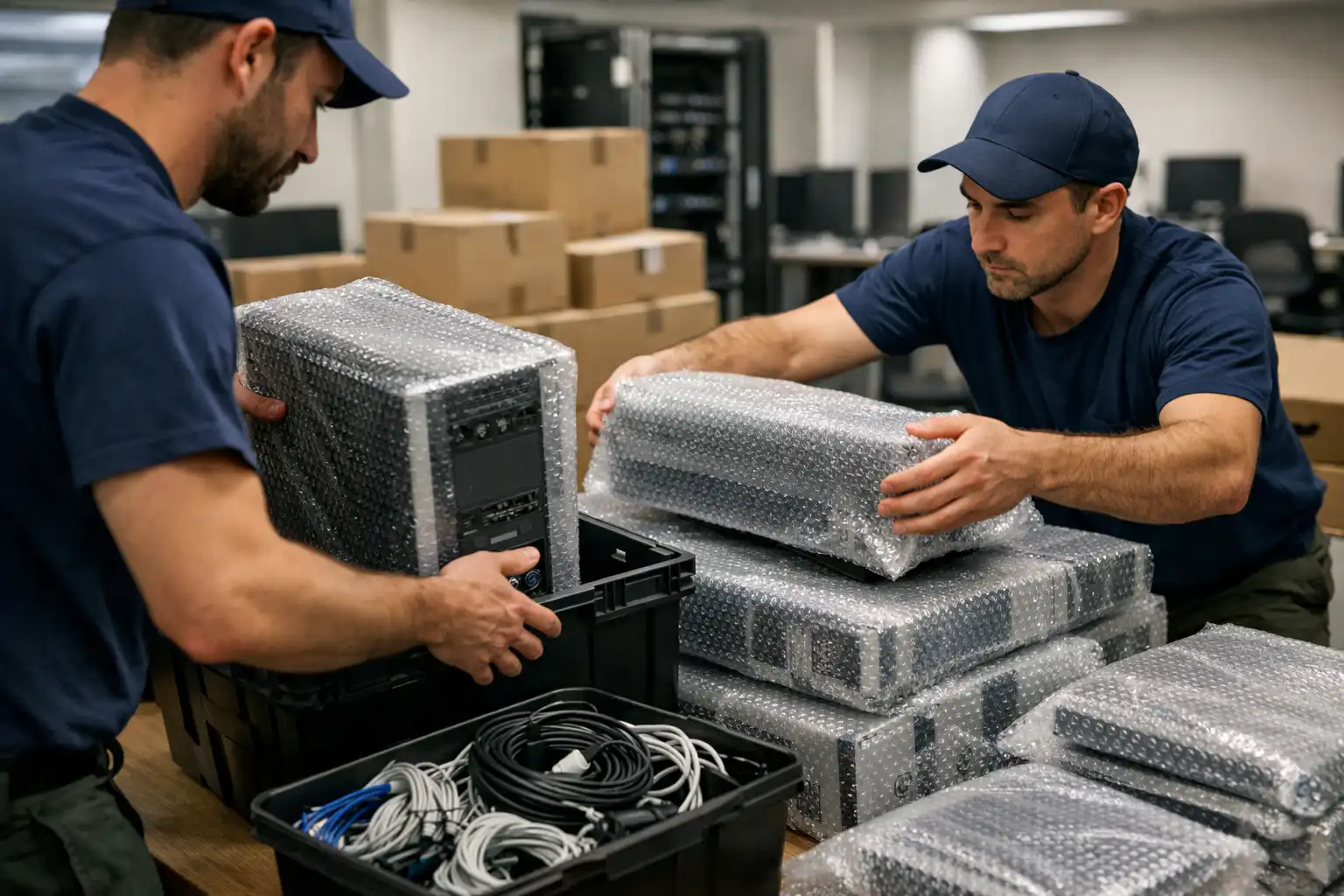
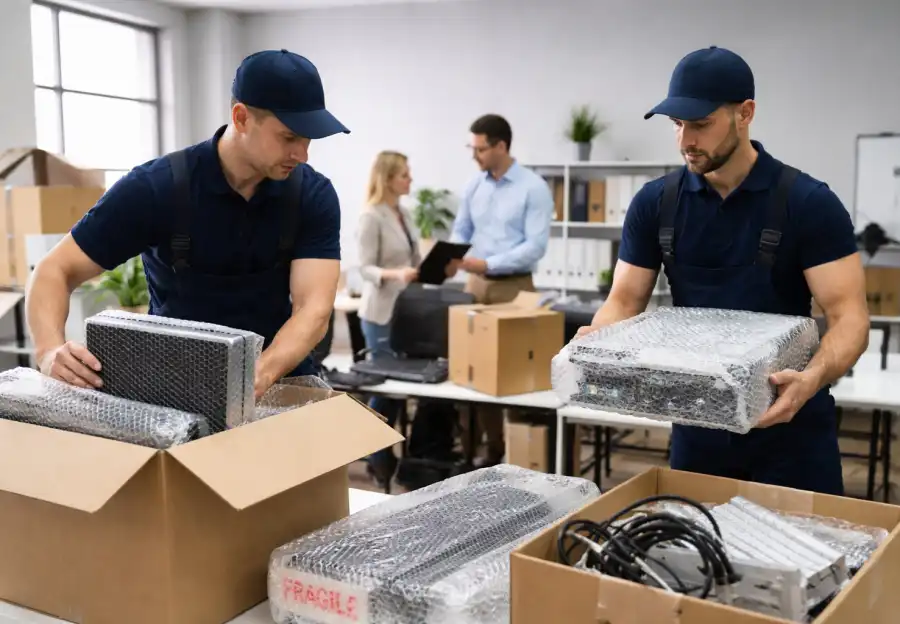
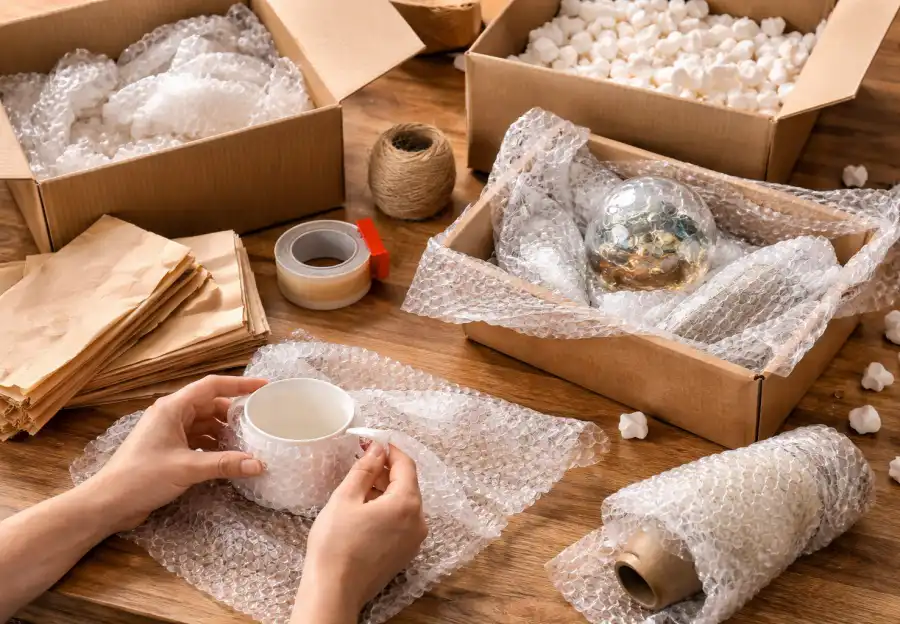
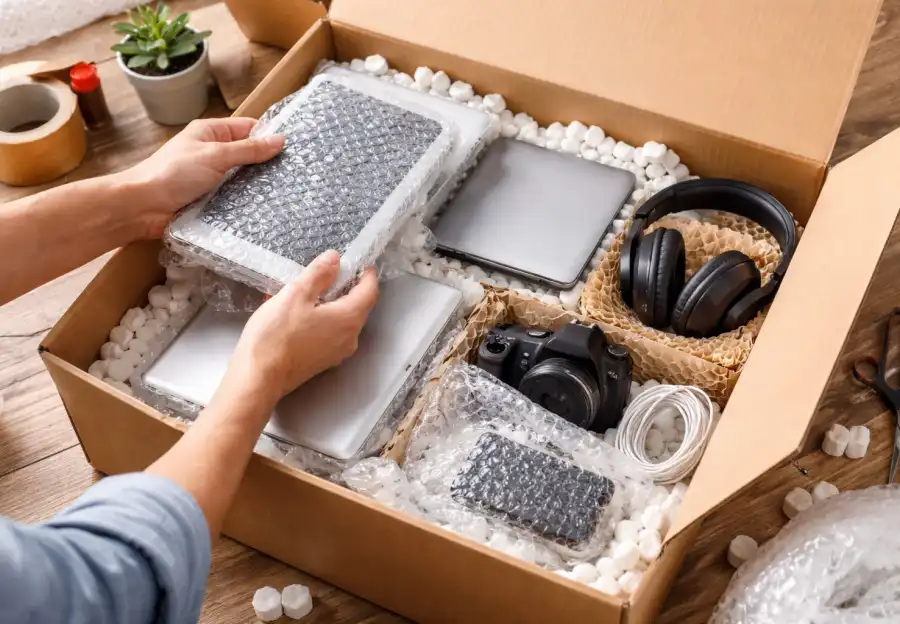
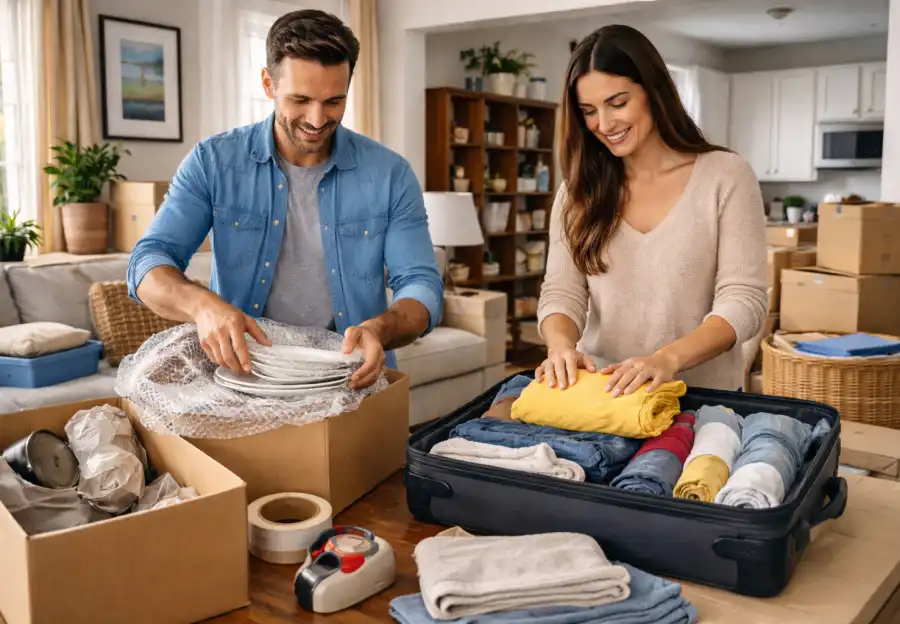
Choosing high-quality packing materials is crucial for safeguarding delicate items. Materials such as bubble wrap, packing paper, foam sheets, padded boxes, corner protectors, and sturdy corrugated cardboard boxes provide necessary cushioning and support. Using the right materials helps absorb shocks, prevent movement inside boxes, and protect delicate surfaces from scratches, chips, or cracks. Proper padding also ensures that even heavy or oddly shaped items remain secure during lifting and transportation, minimizing the chance of damage caused by sudden jolts or bumps during the move.
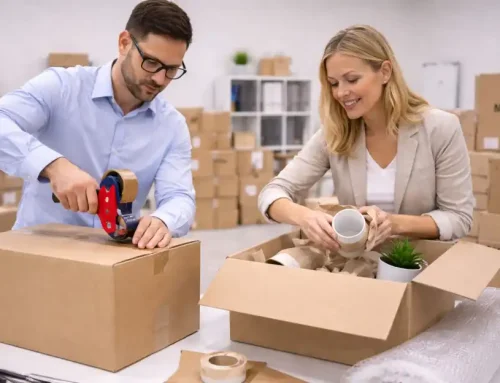
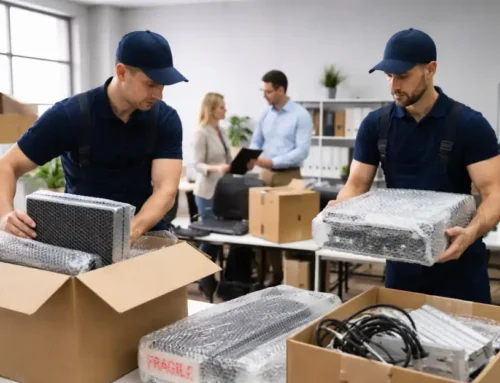
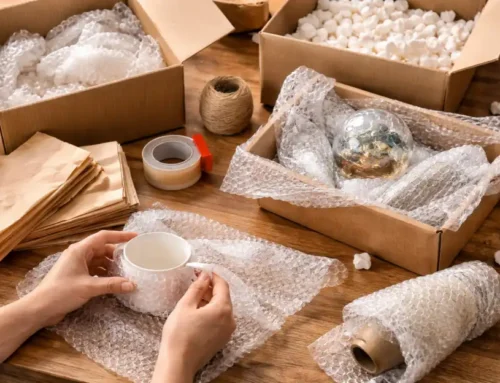
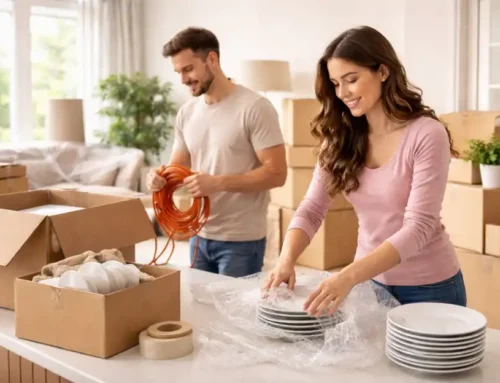
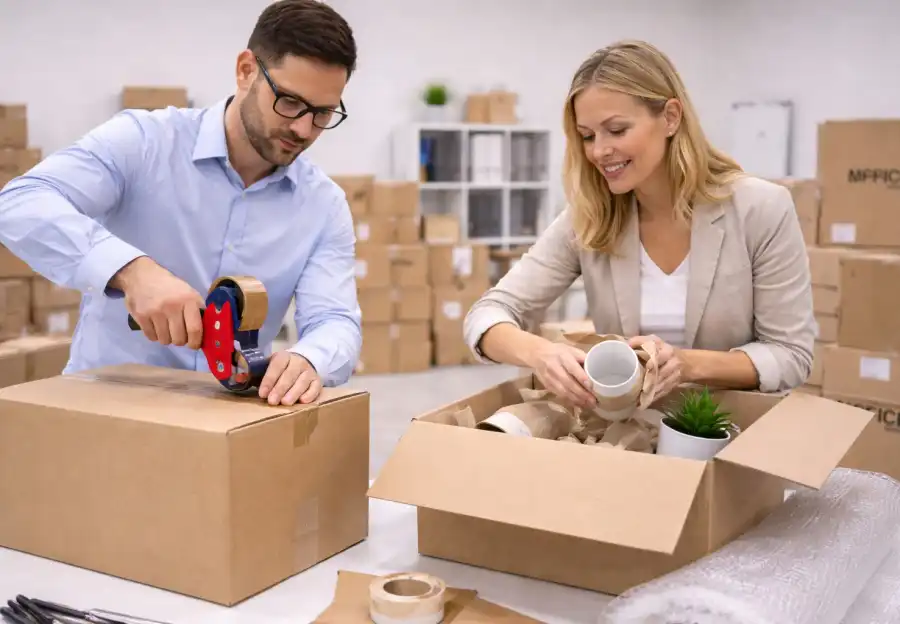
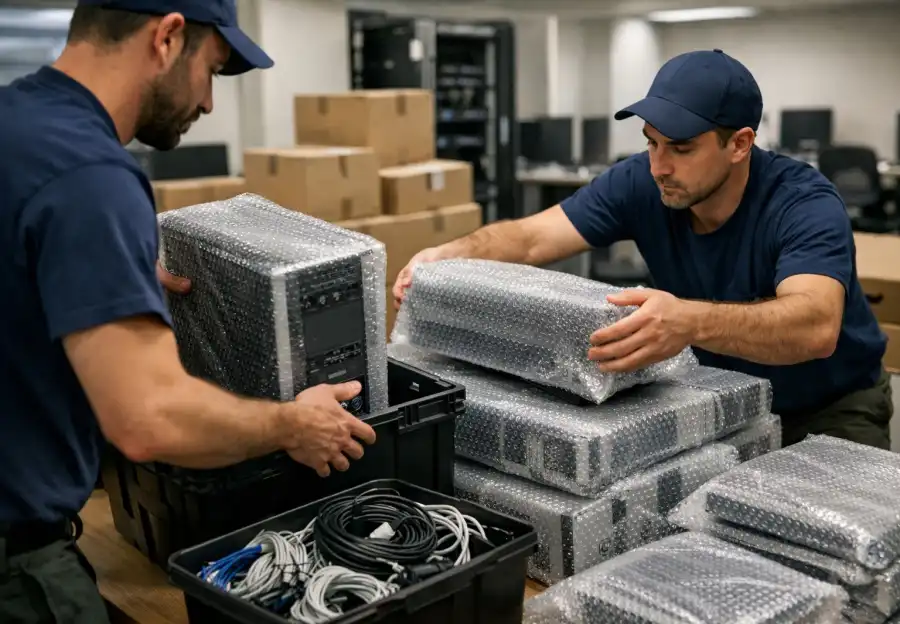
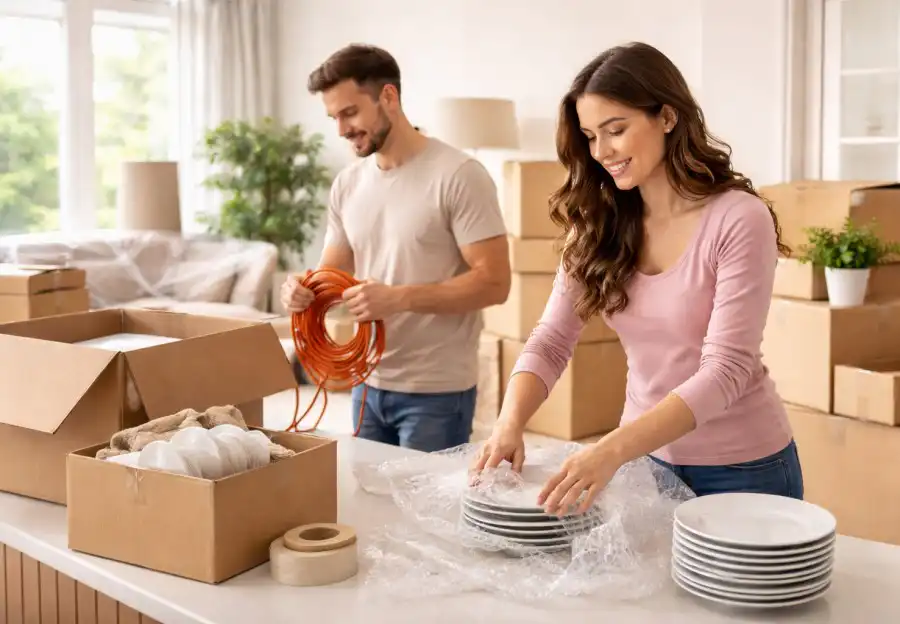
Wrapping each item individually is another essential practice. Fragile items should never be packed loosely with other belongings. Using multiple layers of protective material, such as bubble wrap or paper, ensures that each piece is insulated from impact. Additionally, filling gaps inside boxes with foam peanuts, crumpled paper, or other cushioning materials prevents items from shifting. When packing, placing fragile items vertically when appropriate, with heavier items on the bottom and lighter items on top, further reduces pressure and helps prevent breakage.
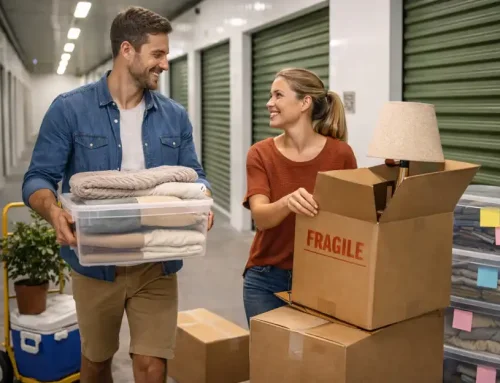
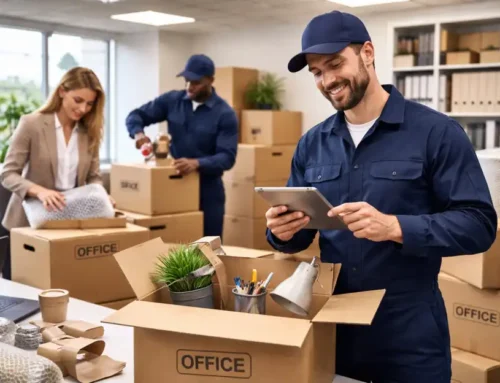
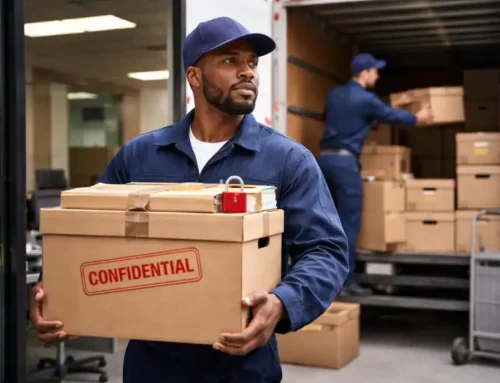
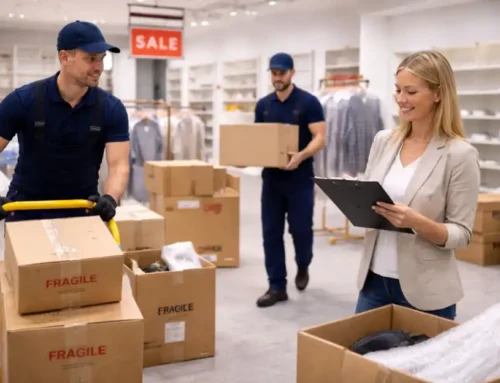
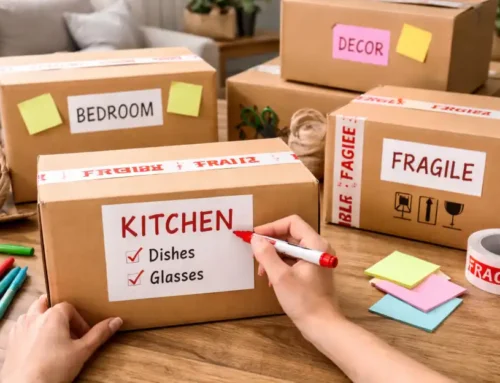
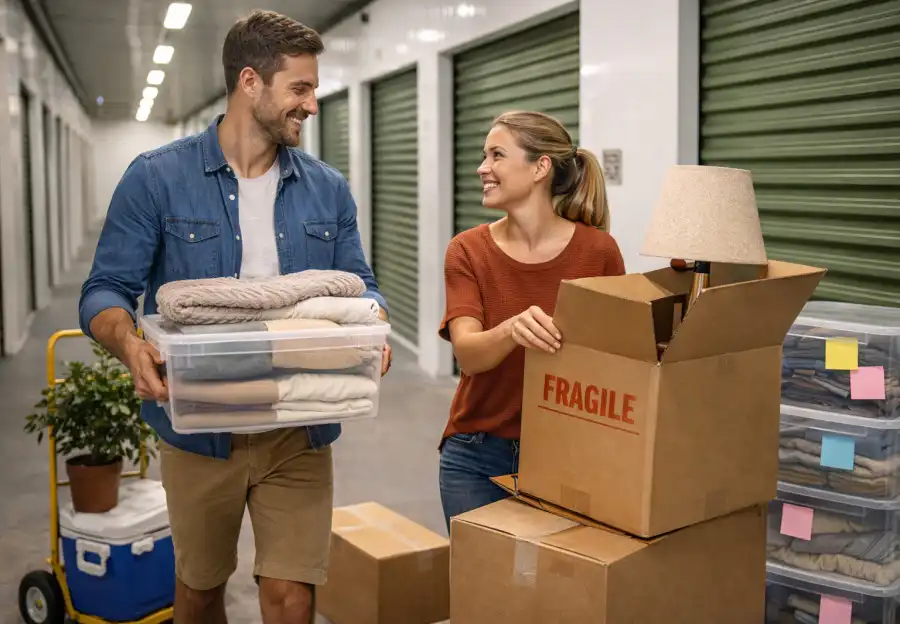
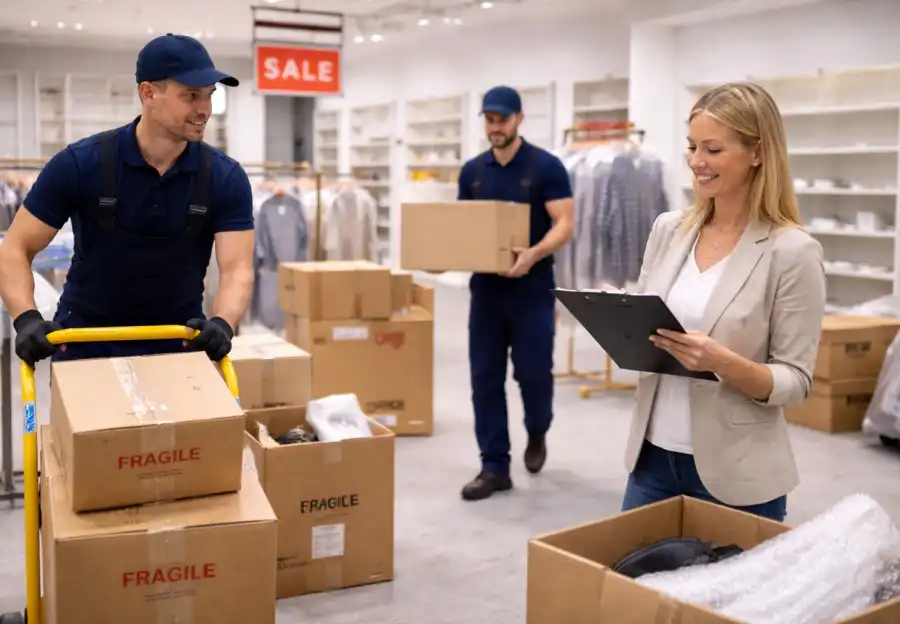
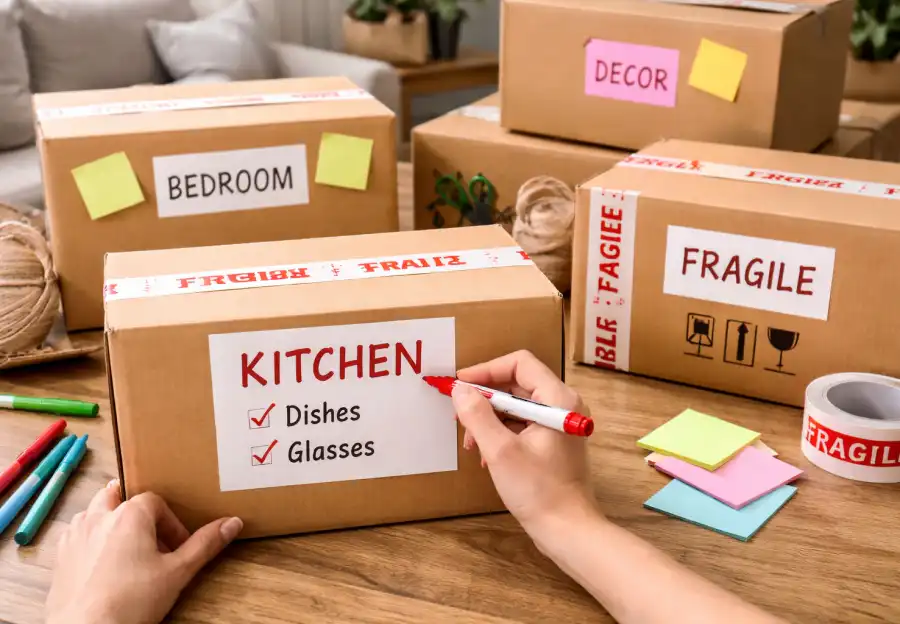
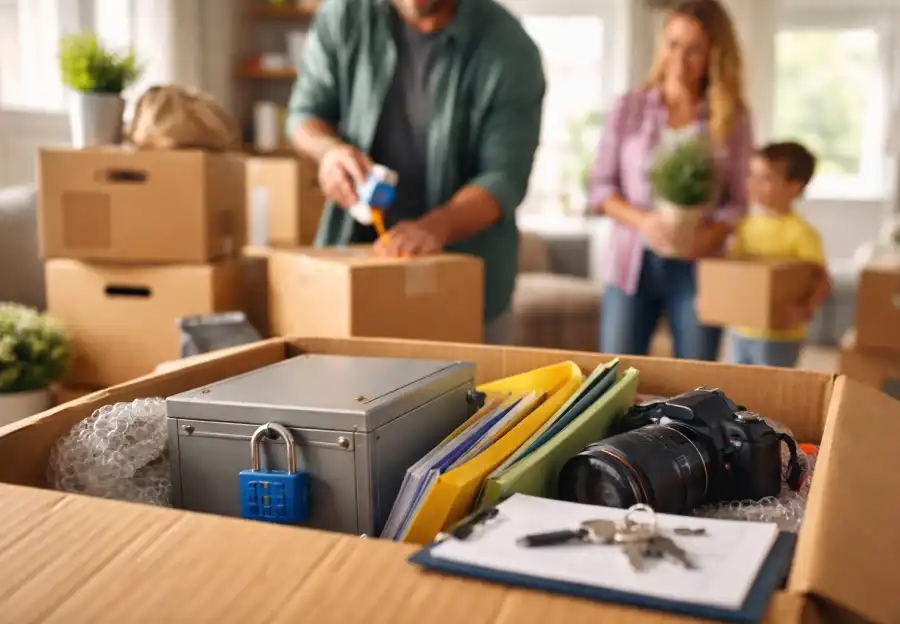
Labeling boxes containing fragile items clearly is equally important. Movers and anyone assisting with the move need to know which boxes require careful handling. Large, visible labels such as “FRAGILE,” “HANDLE WITH CARE,” or “THIS SIDE UP” ensure that boxes are treated appropriately. Labeling also helps movers decide placement in the truck, stacking arrangements, and prioritization for safe unloading. Boxes without clear labels are at higher risk of being mishandled or stacked under heavier items, increasing the likelihood of damage.
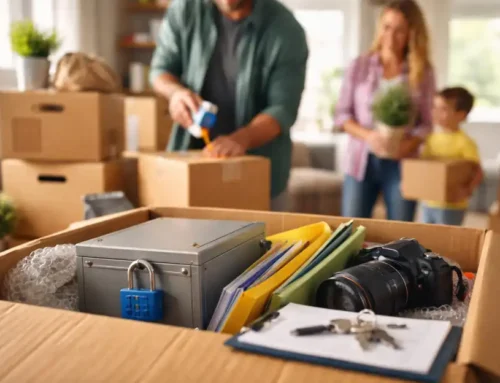
Using custom or reinforced boxes for particularly delicate or valuable items is highly recommended. Standard boxes may not provide sufficient protection for antiques, electronics, or artwork. Specialty boxes with foam inserts, double walls, or compartments offer extra security and ensure that high-value possessions survive transport intact. Many professional movers offer packing services with custom solutions for fragile items, which can be especially beneficial for homeowners seeking professional protection and reduced risk of damage.
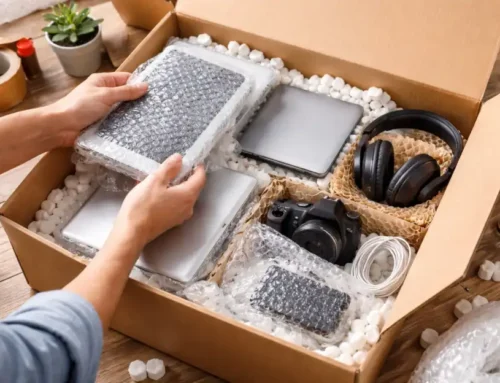
When packing glassware, plates, or dinnerware, proper techniques are essential. Items should be placed on edge rather than stacked flat, wrapped individually, and packed in boxes with dividers or compartments. This prevents direct contact between items, reduces stress on fragile surfaces, and absorbs shocks during transportation. Similarly, delicate figurines, collectibles, and electronics often require additional cushioning and anti-static packaging to protect against both physical and electrical damage.
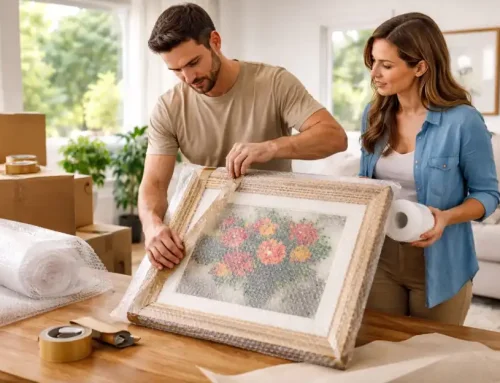
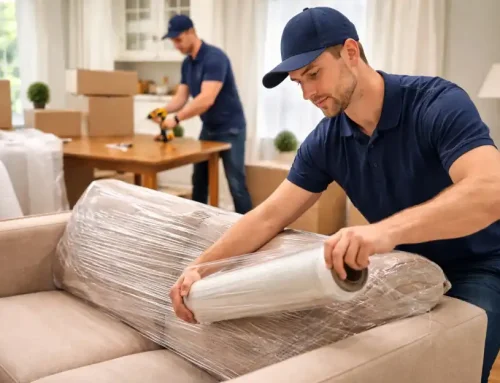
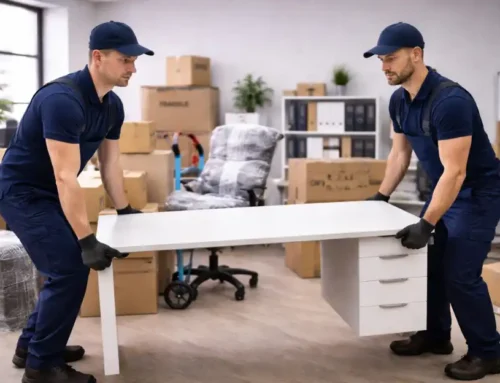
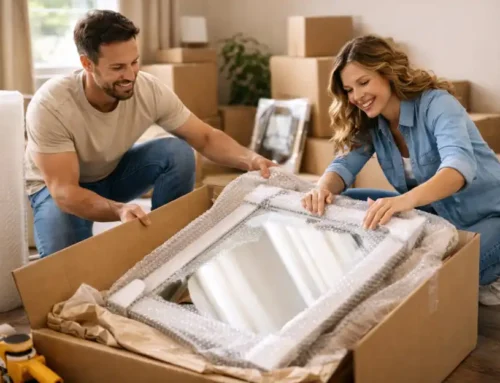
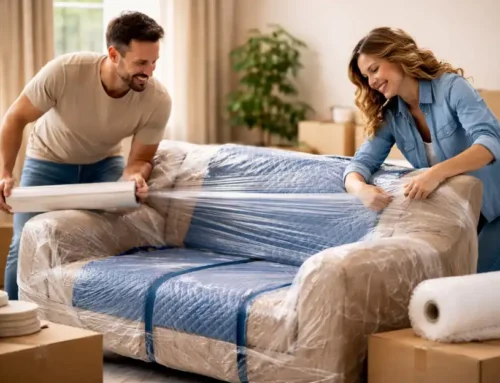
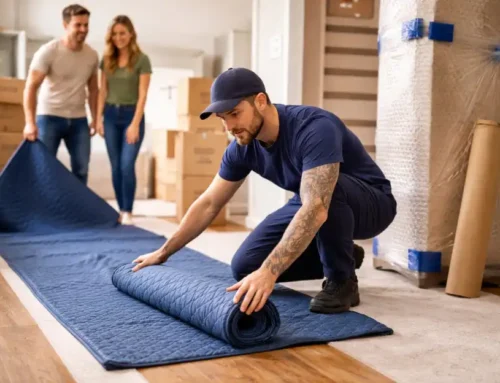
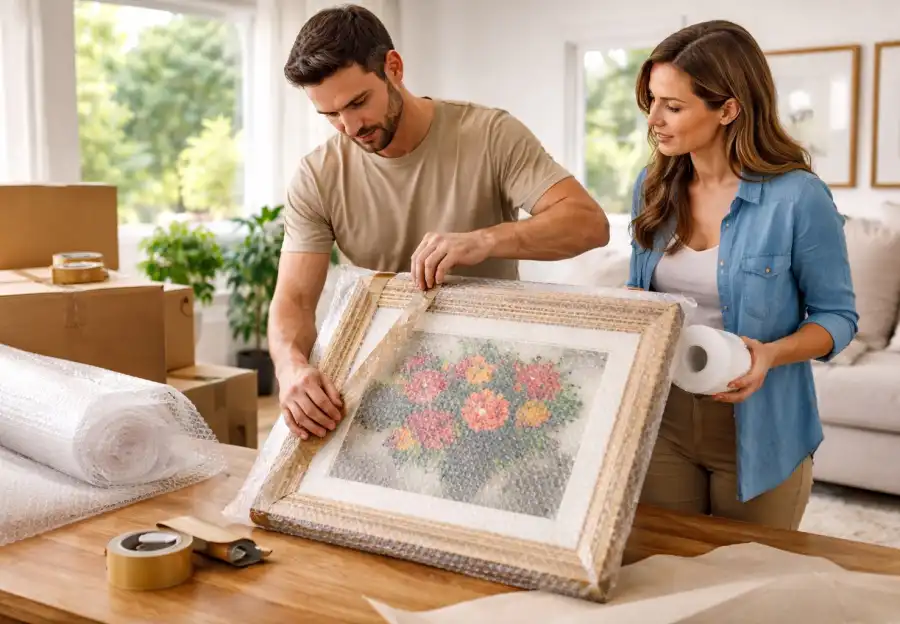
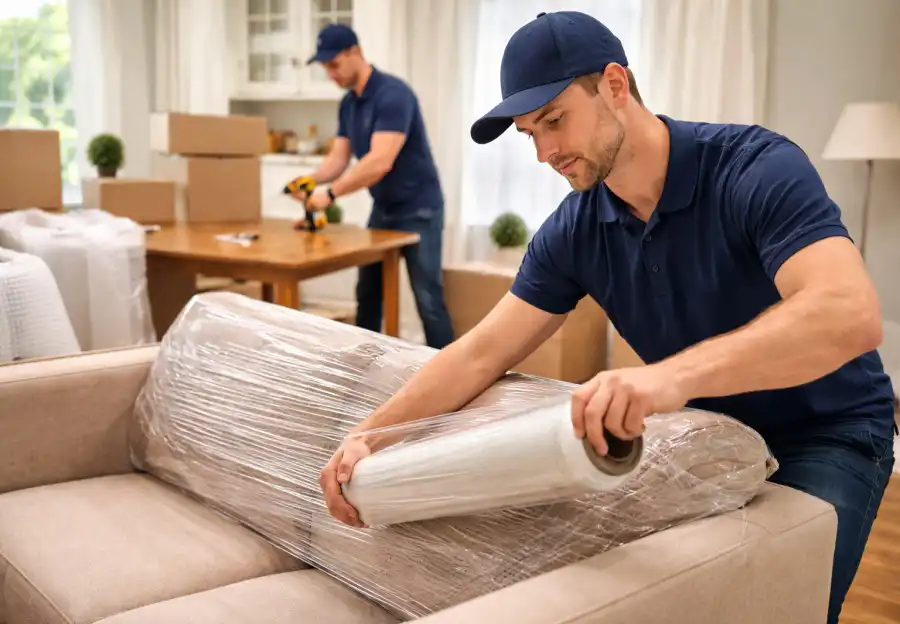
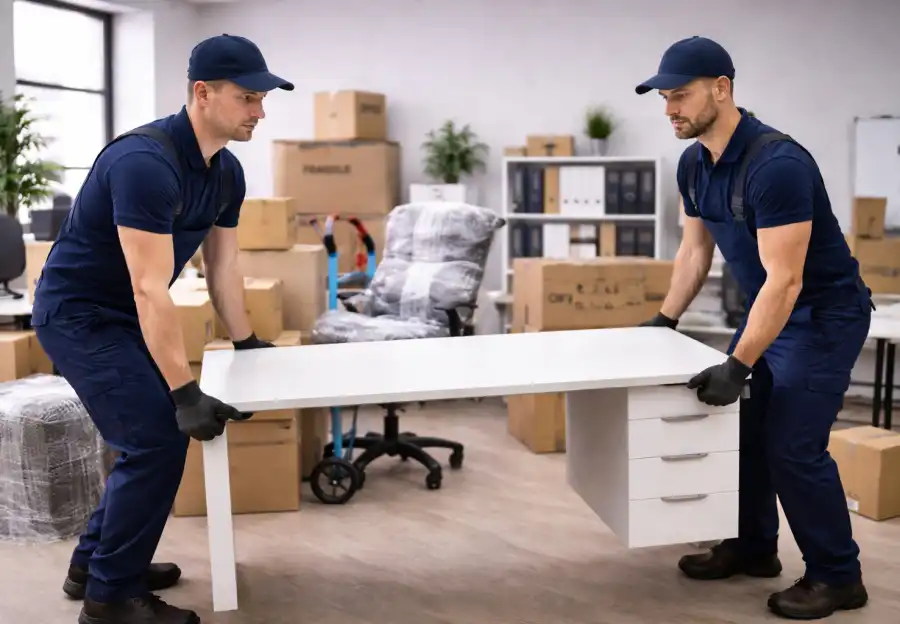
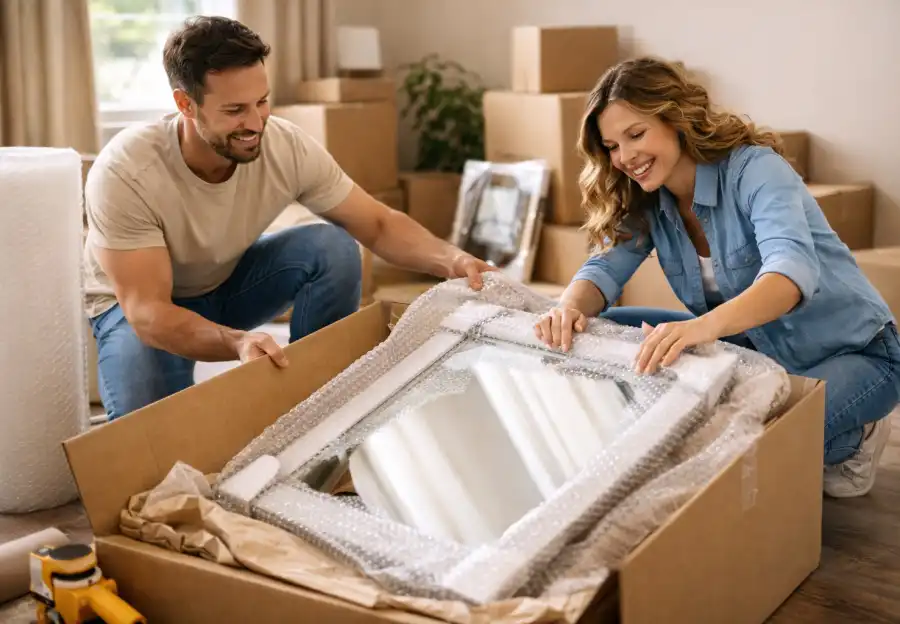
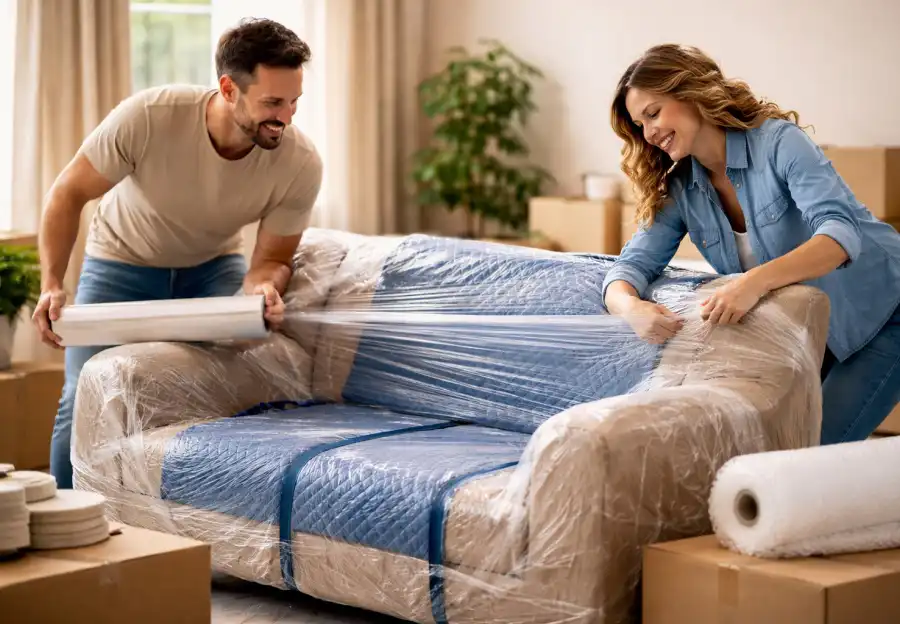
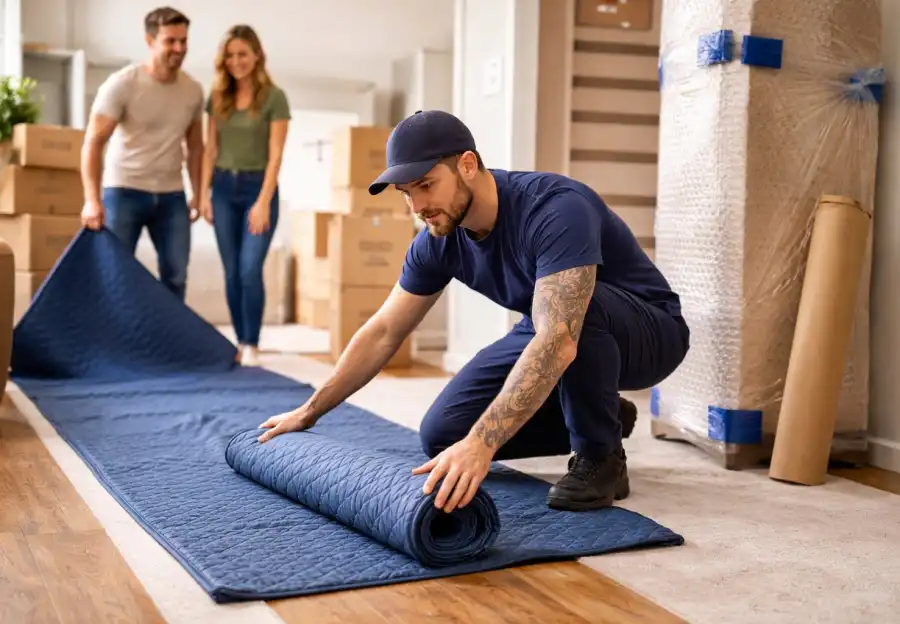
Handling furniture, mirrors, and artwork requires special consideration as well. These items are often large, heavy, and awkward to maneuver. Using furniture blankets, moving pads, corner protectors, and stretch wrap prevents scratches, dents, and cracks. Securing these items with straps, trolleys, or dollies reduces strain on movers and ensures safer lifting and transport. Fragile framed items should be wrapped with cardboard on all sides and secured with tape without covering the glass, offering protection while avoiding accidental breakage caused by improper handling.
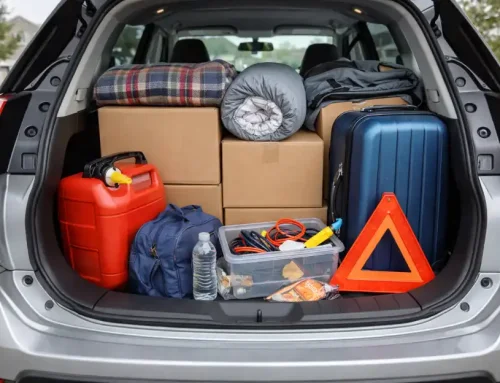
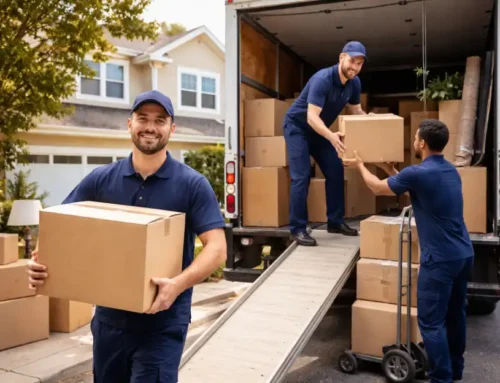
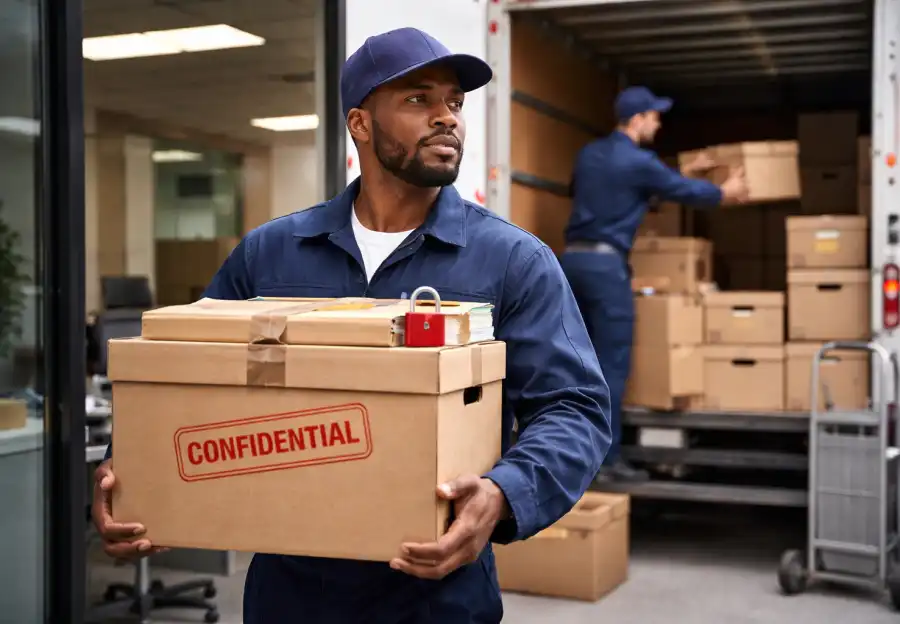
Loading fragile items into the moving truck requires strategic placement. Boxes containing delicate items should be stacked on top of heavier, more durable boxes, secured with straps or padding to prevent shifting, and kept away from areas of high movement or equipment. Maintaining a buffer zone between fragile items and heavy furniture ensures they are not jostled during transit. Careful truck organization maximizes space efficiency without compromising safety, ensuring that fragile items arrive in the same condition they were packed.
Unpacking fragile items demands attention as well. Rushing to remove boxes, dropping them, or unwrapping items carelessly can undo all the protective measures taken during packing. Having a designated unpacking area with soft surfaces, clean counters, and adequate space allows for safe removal, careful inspection, and organized placement of items. Checking for any damage upon arrival also helps document conditions for insurance claims if necessary.
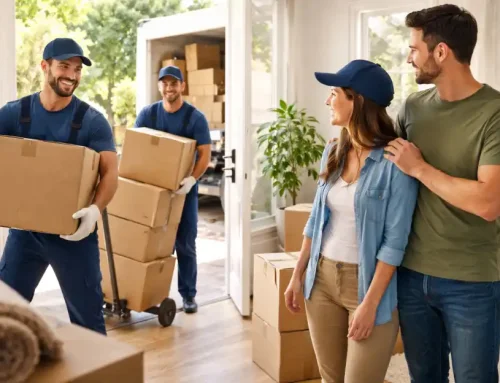
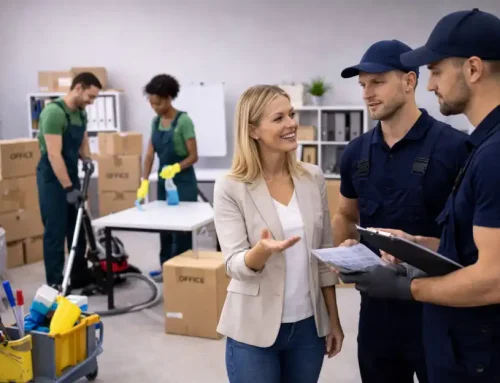
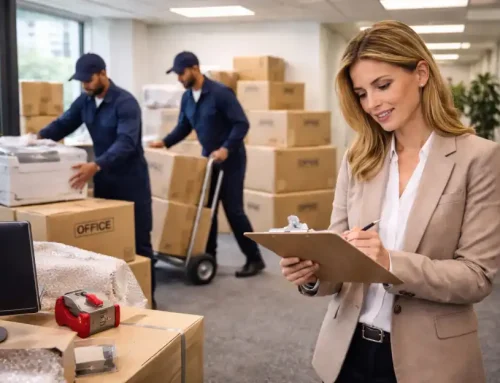
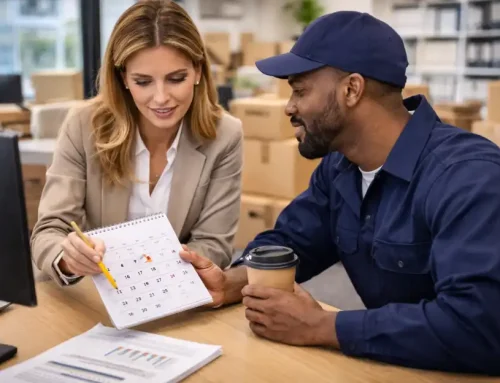
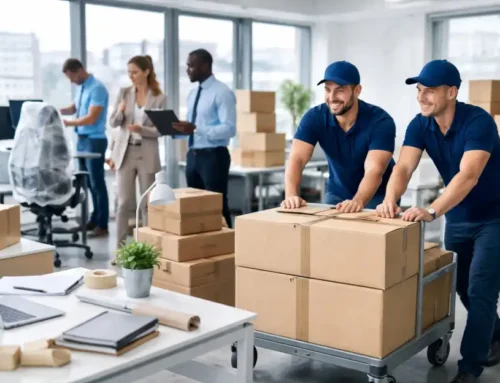
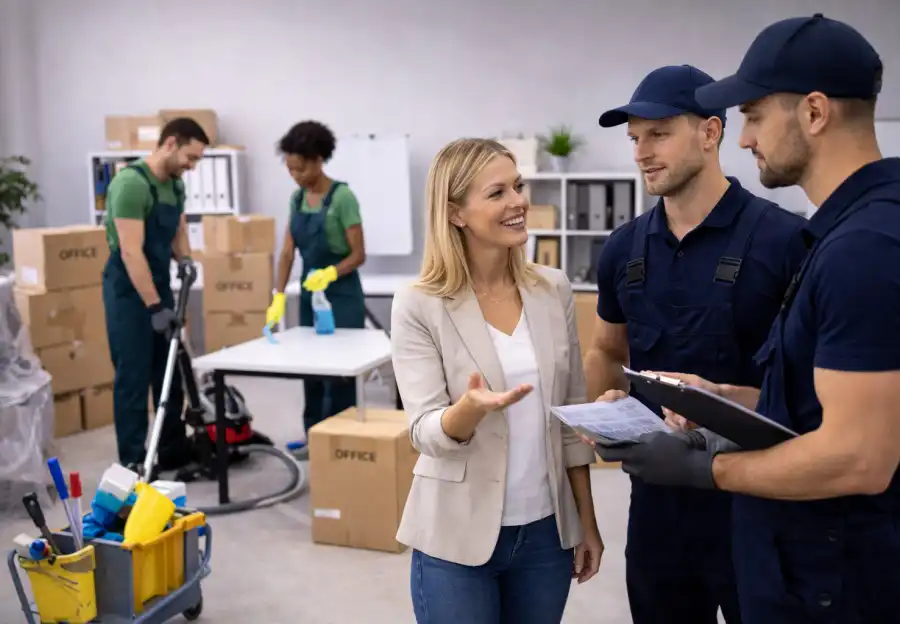
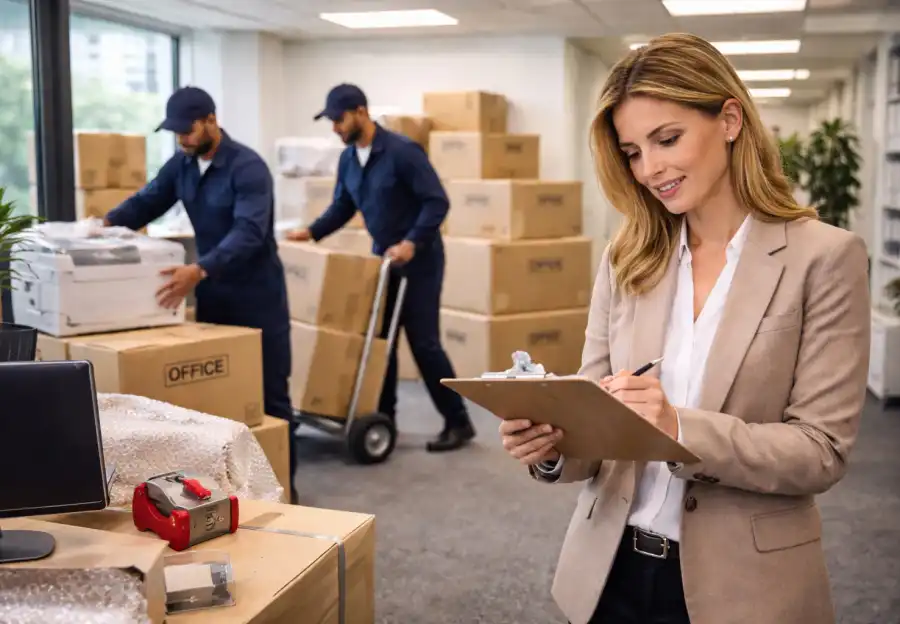
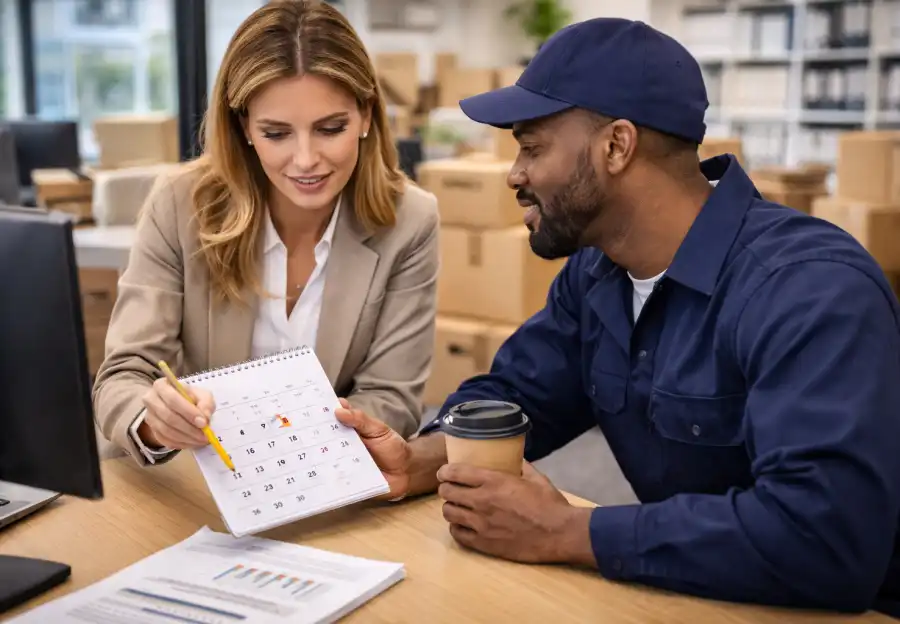
Finally, communication with movers is key. Informing them about the presence of fragile items, providing special instructions, and marking priority boxes ensures everyone involved understands how to handle delicate belongings. By combining professional expertise with careful planning, high-quality packing materials, strategic loading, clear labeling, and patient unpacking, homeowners can minimize risk and stress. With proper preparation, attention to detail, and a methodical approach, even the most fragile items can be safely transported, allowing for a seamless, efficient, and worry-free relocation experience from start to finish.