
March 17, 2026
How to Estimate Your Moving Costs Accurately
Estimating moving costs accurately is a critical component of planning any relocation, whether residential or commercial. Accurate cost projections allow individuals or businesses to budget effectively, avoid unexpected expenses, allocate resources efficiently, and make informed decisions regarding the type of moving services required. Achieving a precise estimate, however, involves a comprehensive evaluation of multiple factors, including the volume and weight of items, distance of the move, type of services selected, labor costs, packing materials, insurance, access and logistics challenges, timing, seasonal variations, and potential hidden costs. Careful research, professional consultations, and systematic calculation are all essential to ensure projected expenses reflect the actual financial outlay of a move.
The first step in estimating moving costs is understanding the scope and scale of the move. Creating a detailed inventory of all items to be relocated is essential, categorizing them by size, weight, fragility, and any special handling requirements. Bulky furniture, electronics, fragile equipment, and specialty items such as pianos, artwork, or industrial machinery often incur higher handling fees due to additional labor, packaging, and equipment requirements. Accurate measurement and assessment of both volume and weight allow moving companies to calculate transportation needs, labor hours, and packing materials, forming a solid foundation for a reliable cost estimate.
Distance is another primary factor that determines moving costs. Local moves generally charge based on hourly labor rates and mileage, whereas long-distance or interstate moves consider total weight, cubic footage, fuel costs, tolls, and travel time. Understanding the exact starting and ending points, including potential detours, road conditions, and access constraints, enables movers to provide more precise pricing and helps clients anticipate transportation-related expenses. Accurate distance assessments prevent unexpected charges and ensure the move stays within budget.
The type of moving service selected significantly influences the overall cost. Full-service movers, offering packing, loading, transport, unpacking, and setup, typically incur higher charges than partial or labor-only services. Self-service or DIY moves can reduce expenses but require careful consideration of rental equipment, fuel, insurance, and potential risks. Evaluating the level of service needed ensures that estimates accurately reflect the chosen approach while balancing convenience, safety, and cost.
Labor costs must also be considered carefully. Charges depend on the number of movers required, the complexity of handling items, and the duration of the move. Skilled labor for heavy or delicate items may be priced at higher rates, and overtime or weekend services can increase expenses. Accurately projecting labor requirements prevents underestimation and ensures sufficient personnel are available to complete the move safely and efficiently.
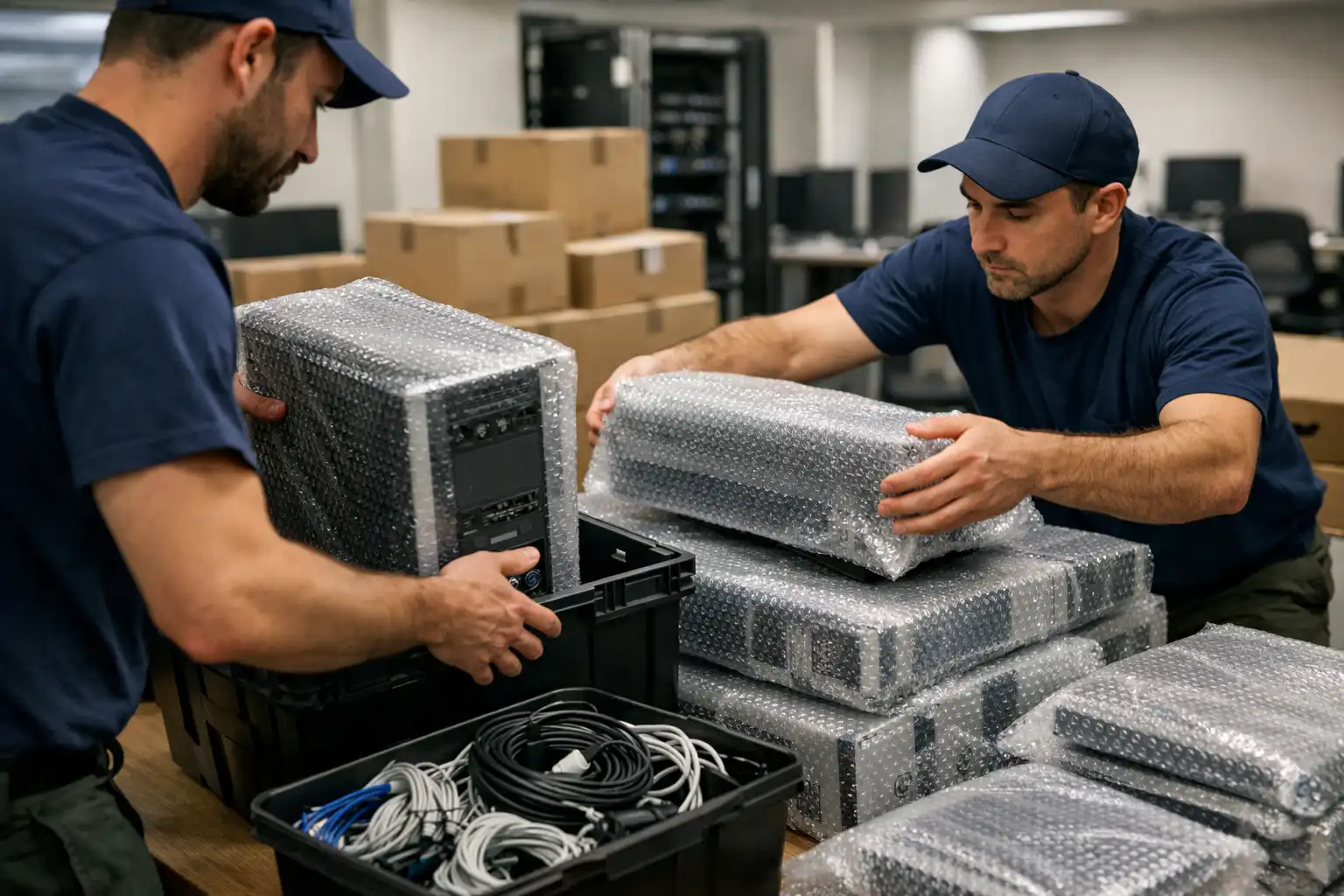
Packing materials are another important component of moving costs. Boxes, crates, bubble wrap, tape, padding, and specialty containers are often necessary to protect items, especially fragile or irregularly shaped objects. Estimating the quantity and type of materials required allows for precise budgeting. Professional movers may include these materials as part of their service package, whereas self-managed moves require clients to source and purchase them, adding to overall expenses.
Insurance and liability coverage must also be factored into moving cost estimates. Moving companies typically offer various protection levels, ranging from basic valuation coverage to full replacement insurance for high-value or fragile items. Understanding the value of belongings and selecting appropriate insurance ensures financial protection and contributes to the total cost estimate.
Access and logistics challenges can significantly affect pricing. Narrow staircases, elevators, long carry distances, limited parking, or restricted delivery hours may require additional labor, specialized equipment, or extended time. Assessing the moving environment in advance allows for accurate cost projections and helps prevent unexpected charges during execution.
Timing and scheduling also influence moving costs. Peak moving seasons, weekends, and end-of-month periods often command higher rates due to increased demand. Conversely, scheduling during off-peak periods may offer cost savings. Considering timing, flexibility, and potential surcharges contributes to a more realistic estimate and better financial planning.
Potential hidden costs should be identified and included in the estimate. These may include fees for disassembly and reassembly of furniture, storage charges, fuel surcharges, elevator usage, tipping, or additional packing services. Incorporating these potential expenses prevents underestimation and ensures the total cost aligns with actual expenditure.
Researching multiple moving companies and obtaining written estimates is essential for accuracy. Comparing quotes, understanding included services, clarifying exclusions, and asking detailed questions help clients gauge realistic costs, avoid hidden fees, and select a provider that aligns with their budget and expectations. Online tools and calculators offered by professional movers can supplement estimates, providing preliminary figures based on weight, distance, and service level, though in-person consultations remain more reliable.
Contingency planning is equally important. Allocating a buffer for unexpected expenses, such as additional labor, last-minute packing, or minor damages, ensures financial flexibility and prevents stress during the move. Reviewing previous relocations, if applicable, provides practical insights into actual costs, labor requirements, and service needs, refining the accuracy of current estimates.
Coordination with ancillary services, such as temporary storage, cleaning, or utility setup, may also impact overall moving costs. Including these services in the estimate allows for comprehensive budgeting and avoids fragmented financial planning. Proper documentation and record-keeping, including quotes, contracts, invoices, and receipts, enhance cost accuracy, ensure transparency, and provide evidence in case of disputes or billing adjustments.