
March 10, 2026
How to Ensure Business Continuity During Relocation
Ensuring business continuity during relocation is a critical consideration for any organization or individual managing significant transitions. Unlike standard moving advice, this process requires a structured approach to maintain operations, safeguard resources, and minimize disruptions. Relocation often involves complex logistics, including moving sensitive equipment, critical documents, and essential technology systems. Without careful planning, businesses can experience downtime, loss of productivity, and financial setbacks. By prioritizing continuity, organizations create a roadmap that allows operations to proceed smoothly, regardless of the physical transition, ensuring stability and confidence among employees, clients, and stakeholders.
The first essential step in maintaining continuity is comprehensive planning and preparation. This involves a detailed assessment of all processes, identifying the most critical functions, and understanding dependencies across departments. By creating a relocation plan that includes timelines, responsibilities, and resource allocation, organizations reduce the risk of oversight and operational gaps. Preparation also involves identifying potential challenges, such as equipment delays, access restrictions, or data security concerns. Anticipating these scenarios allows decision-makers to implement contingency strategies and maintain service delivery throughout the move.
Another key aspect is communication. Ensuring that all employees, clients, and partners are informed about the relocation timeline, expectations, and interim procedures prevents confusion and helps maintain trust. Clear communication protocols should be established to provide real-time updates and address issues as they arise. Internally, assigning point persons for each department ensures accountability, enabling teams to coordinate efficiently. Externally, clients and suppliers should be notified about any temporary disruptions, with assurances that operations will continue seamlessly, minimizing the risk of reputational damage.
Technology plays a central role in preserving business continuity during relocation. Critical systems, such as IT networks, databases, and communication platforms, must be carefully mapped, backed up, and secured before the move. Implementing temporary remote access or cloud-based solutions can ensure that essential operations continue without interruption. IT teams should perform pre-move testing, ensuring that systems function correctly in the new location. By addressing these technical requirements proactively, organizations avoid downtime, protect sensitive information, and maintain productivity during the transition period.
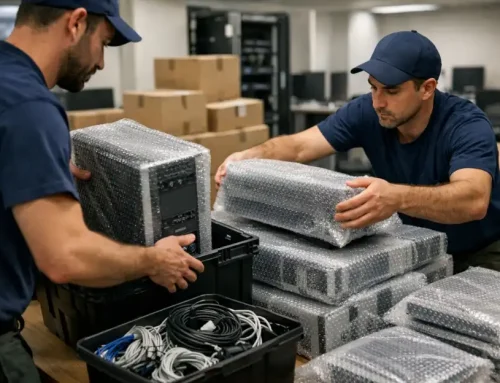
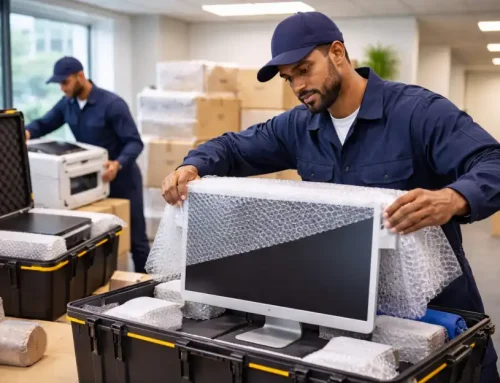
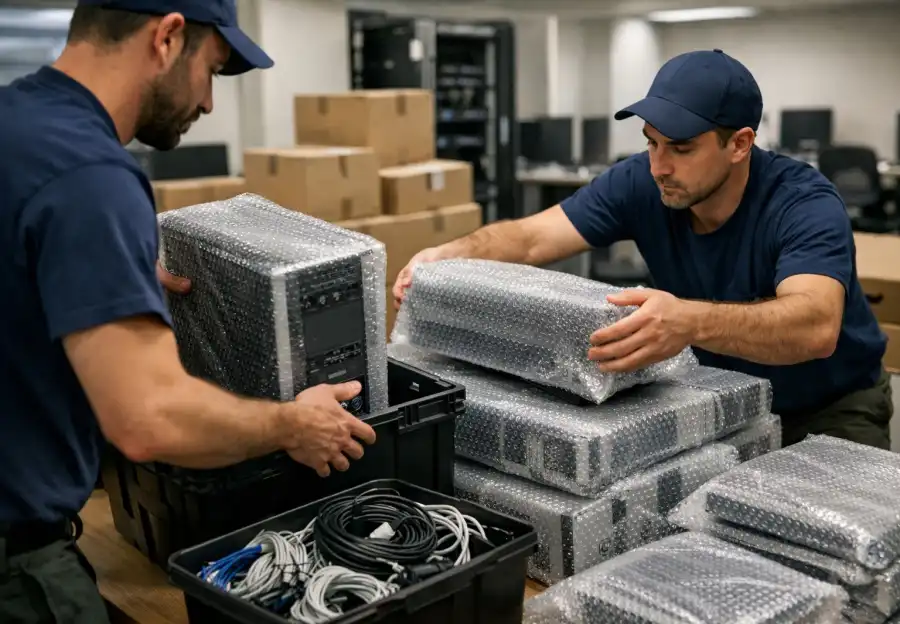
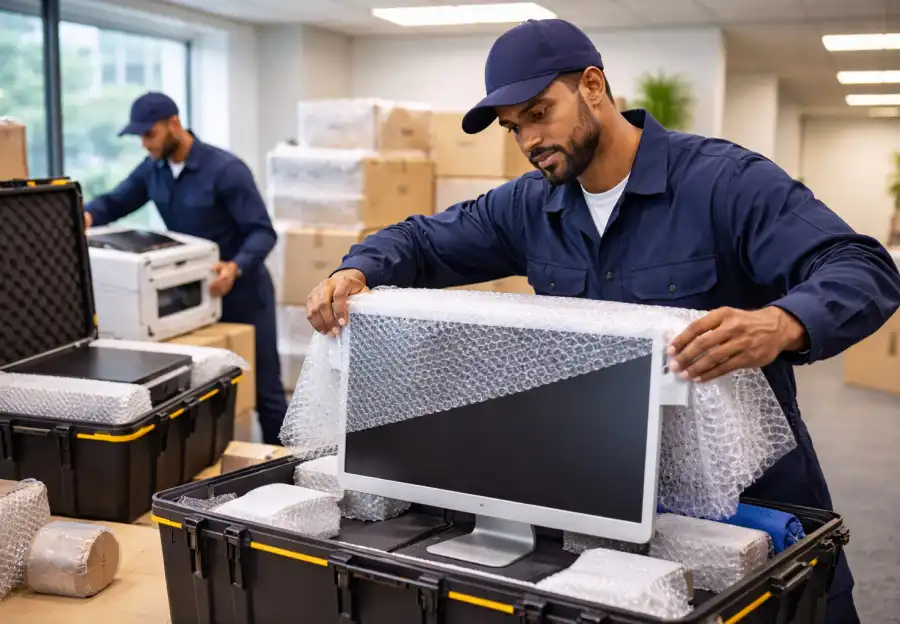
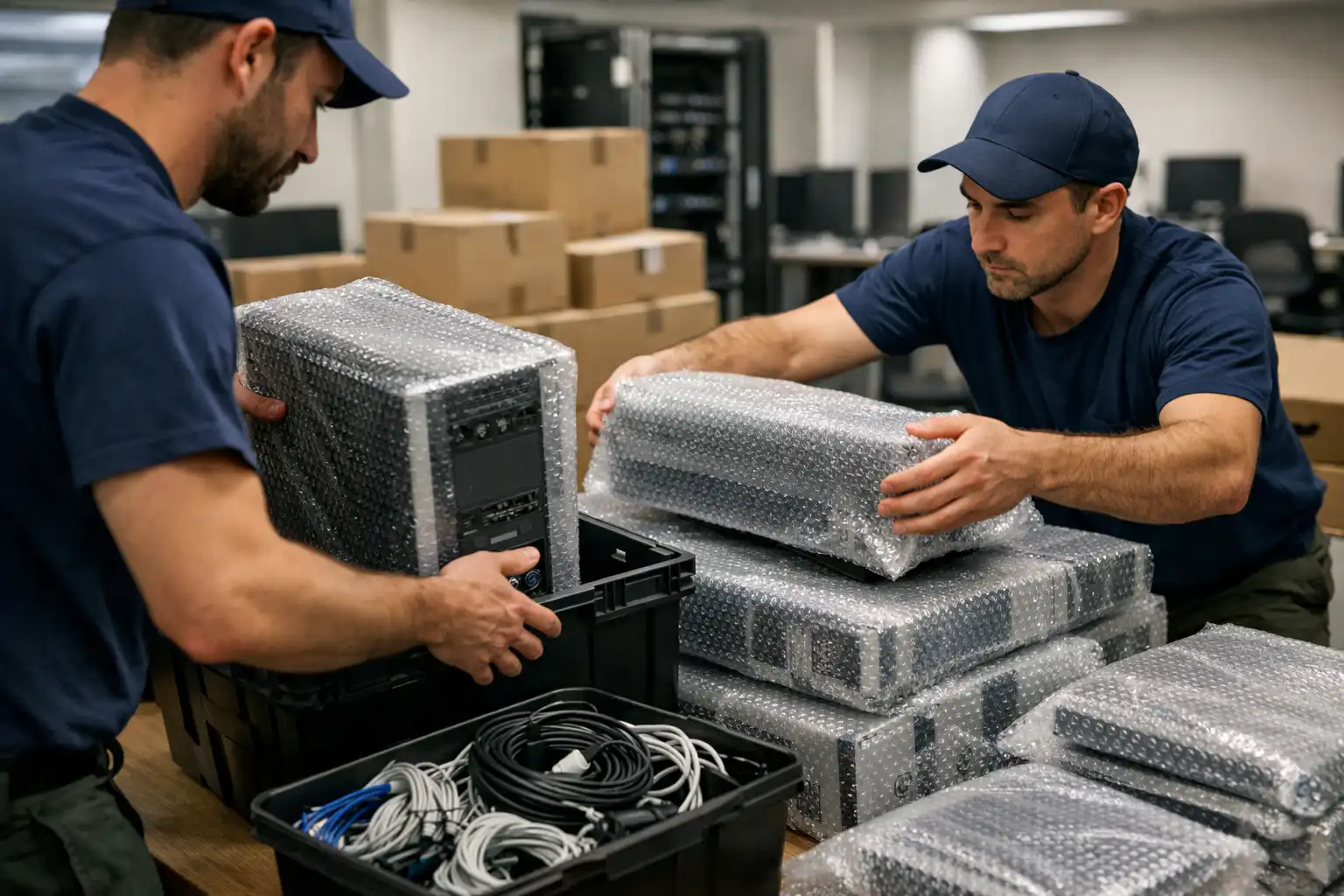
Physical assets, including office equipment, inventory, and furniture, also require strategic handling. Items should be categorized by importance, fragility, and necessity for day-to-day operations. Essential equipment should be prioritized for immediate setup at the new location, while non-critical items can be scheduled for later transport. Employing specialized packing materials and professional movers for sensitive assets reduces the risk of damage. Clear labeling and inventory tracking ensure that nothing is lost, misplaced, or delayed, supporting a smooth operational resumption after relocation.
Another important factor is workforce readiness and adaptability. Employees should be briefed on relocation procedures, their roles during the transition, and any temporary adjustments in workflow. Training staff to handle unexpected situations and maintain productivity under changing conditions enhances resilience. Encouraging team collaboration, problem-solving, and flexibility helps the organization adapt quickly to disruptions, ensuring that service standards and operational objectives are upheld despite the logistical challenges of the move.
Risk management and contingency planning are vital for maintaining continuity. Organizations should prepare for possible disruptions, including transportation delays, utility outages, or equipment malfunctions. Developing backup plans, alternative workflows, and emergency contact lists ensures that critical functions remain operational even under unexpected circumstances. Insurance coverage, data redundancy, and temporary support arrangements further reduce vulnerability, providing confidence that operations can withstand unforeseen challenges during relocation.
Documentation and process standardization are also essential components. Maintaining clear records of inventory, equipment manuals, procedural guidelines, and relocation checklists ensures that tasks are executed consistently. Standardized procedures reduce errors, accelerate setup in the new location, and enable rapid troubleshooting if issues arise. Detailed documentation also facilitates knowledge transfer, allowing teams to resume normal operations efficiently while minimizing disruption to clients or internal workflows.
Post-move evaluation and adjustment are equally important for sustaining business continuity. Once operations have resumed at the new site, organizations should review the relocation process, identify areas for improvement, and address any gaps in workflow, technology, or logistics. Feedback from employees and stakeholders provides valuable insights for future transitions, helping refine continuity strategies. Continuous monitoring ensures that processes remain effective, risks are mitigated, and productivity levels return to or exceed pre-move benchmarks.
Ultimately, ensuring business continuity during relocation requires a holistic approach that integrates planning, communication, technology management, asset handling, workforce readiness, risk mitigation, and process standardization. By approaching the move with a clear strategy, organizations maintain operational stability, protect critical assets, and preserve stakeholder confidence. Structured planning, attention to detail, and proactive management enable businesses to navigate the inherent challenges of relocation while minimizing downtime and disruption.
In conclusion, mastering continuity during relocation provides both immediate and long-term benefits. Beyond ensuring smooth operational transitions, it cultivates organizational resilience, enhances employee preparedness, and strengthens client trust. By applying structured methods, efficient workflow systems, and contingency strategies, businesses can achieve seamless relocations while sustaining productivity, security, and service excellence. This approach demonstrates that relocation is not merely a logistical task but an opportunity to reinforce operational robustness, strategic foresight, and organizational adaptability in the face of change.