
March 25, 2026
How to Avoid Moving Scams
Avoiding moving scams plays a crucial role in ensuring that individuals can plan, manage, and execute relocation tasks efficiently and safely. Moving involves numerous steps, including packing, transport, storage, and unpacking, and without careful oversight, homeowners can fall victim to fraudulent movers or deceptive practices. Unlike general moving advice, learning how to avoid scams focuses on specific decision-making strategies, awareness of warning signs, and proactive measures that reduce risk. A structured approach to this topic not only protects possessions but also alleviates stress, saves money, and improves overall time management during a move.
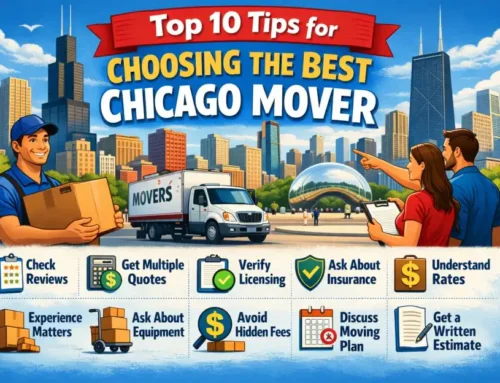
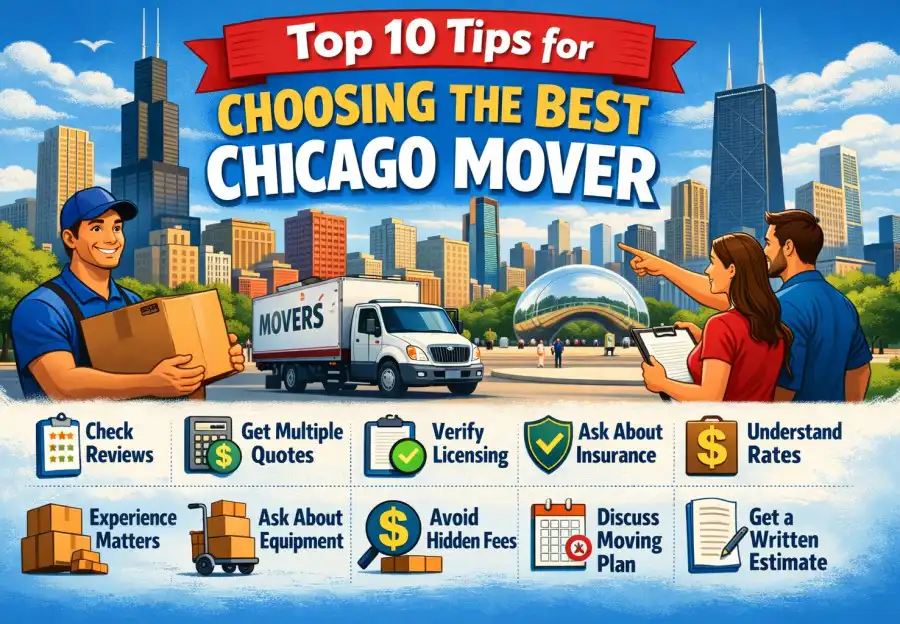
The first and most important step in avoiding moving scams is conducting thorough research. Checking the reputation, licensing, and credentials of moving companies is essential before committing to any service. Verified movers often have a US Department of Transportation (DOT) number or an appropriate license, which ensures they meet federal and state regulations. Online reviews, Better Business Bureau ratings, and recommendations from friends or family provide additional insight into reliability and professionalism. Understanding these factors allows individuals to distinguish between legitimate service providers and potentially fraudulent operators.
Requesting written estimates and clearly understanding pricing structures is another critical strategy. Many scams occur when movers provide verbal quotes that are later inflated or unclear. Obtaining detailed, written estimates that outline labor, transport, packing, and additional fees ensures transparency. A trustworthy moving company will provide binding or at least not-to-exceed quotes, preventing surprise charges at delivery. Comparing multiple estimates also offers a benchmark for fair pricing and reduces the likelihood of overpaying for services.
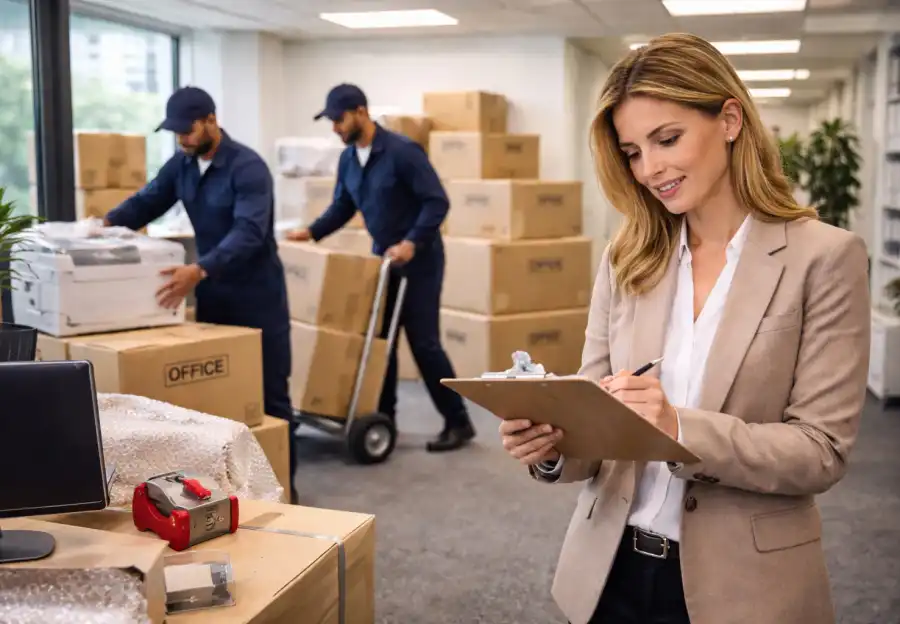
Communication and documentation play pivotal roles in preventing scams. Every agreement, invoice, or special instruction should be documented in writing. Signed contracts, receipts, and clear correspondence help maintain accountability. Additionally, keeping copies of identification numbers, vehicle information, and personnel involved in the move provides a reference in case any disputes arise. Maintaining detailed records not only protects belongings but also serves as evidence should legal action be necessary.
Being alert to warning signs can help avoid scams before they escalate. Red flags include unusually low estimates, requests for large upfront deposits, vague or evasive answers to questions, and companies that refuse in-home inspections or surveys. Movers who pressure clients into quick decisions or discourage written agreements are often untrustworthy. Recognizing these warning signs early allows individuals to halt interactions and seek alternative, verified services, ensuring a safer relocation experience.
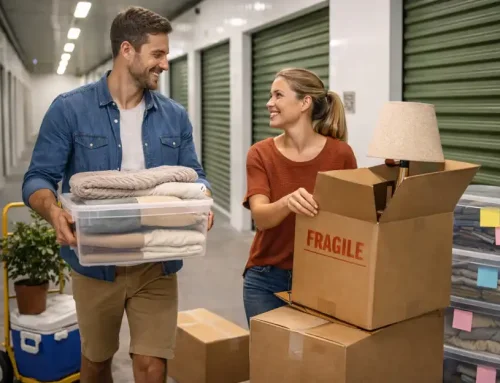
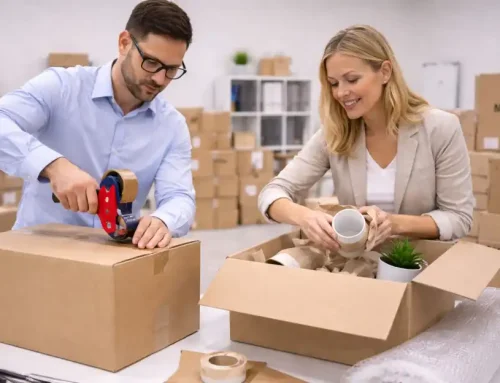
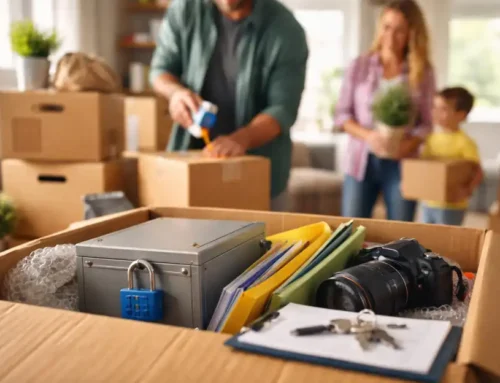
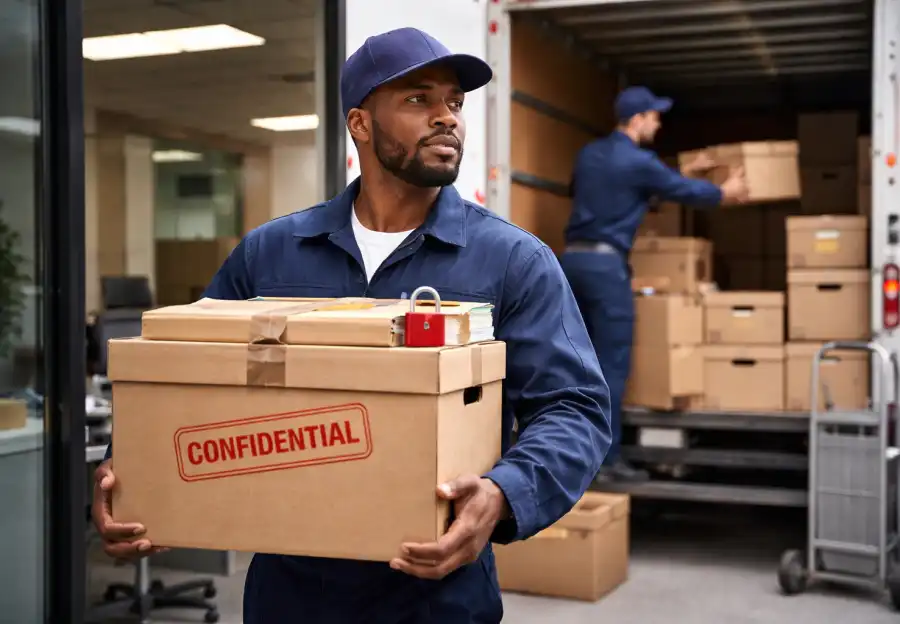
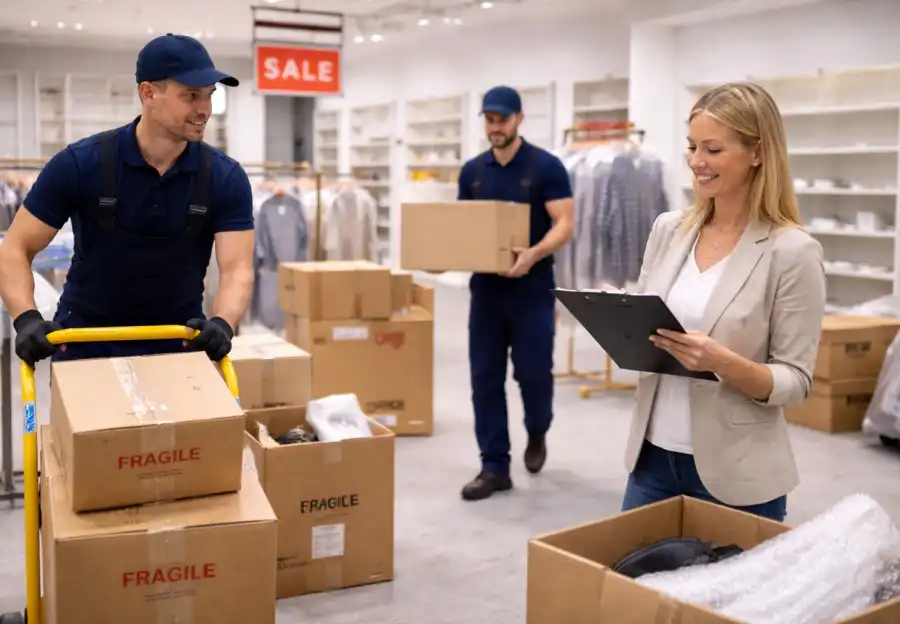
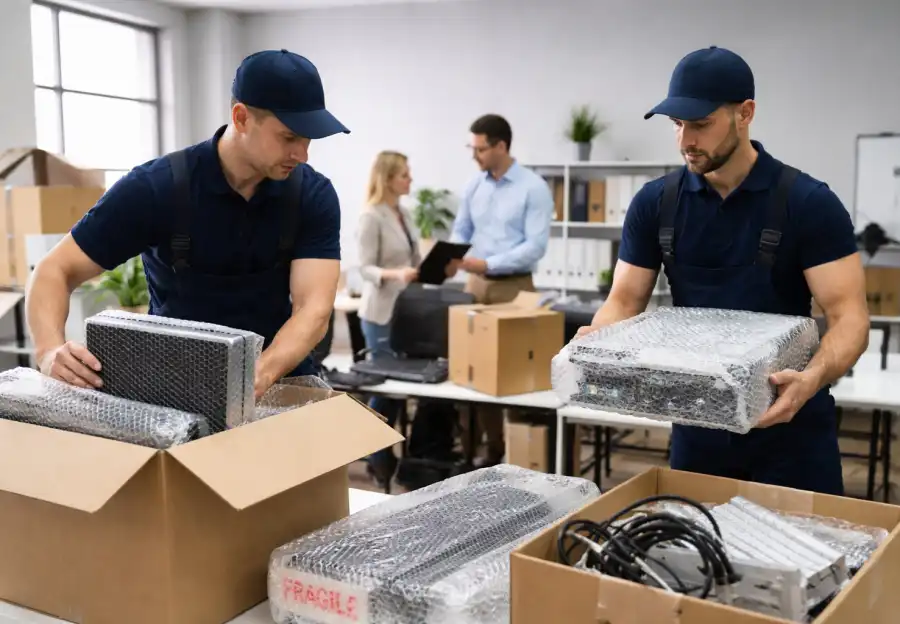
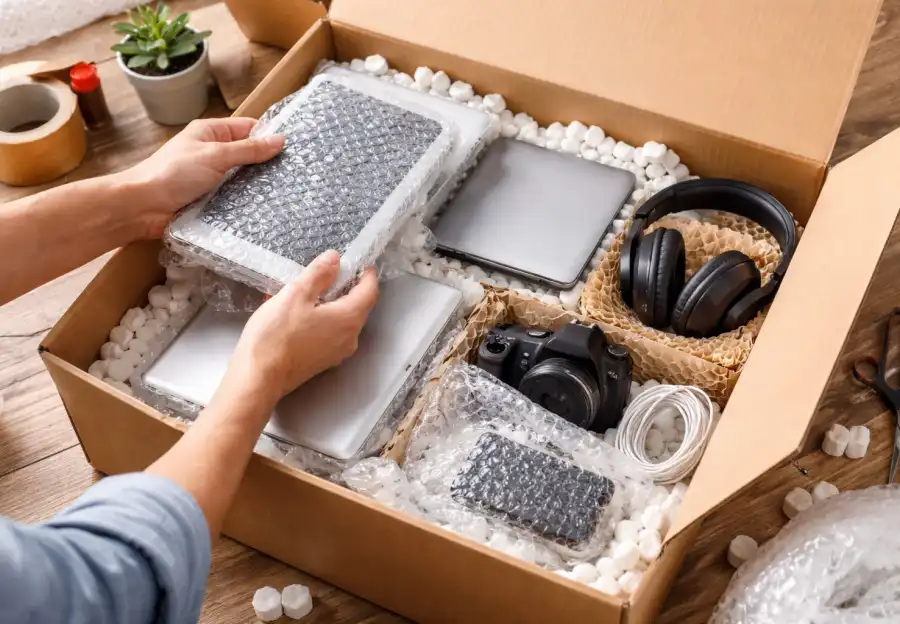
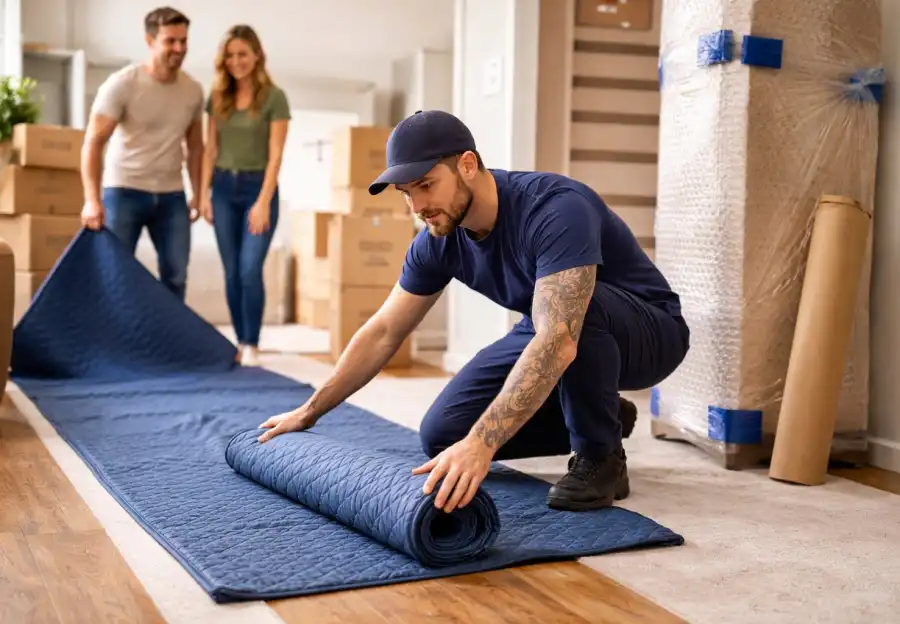
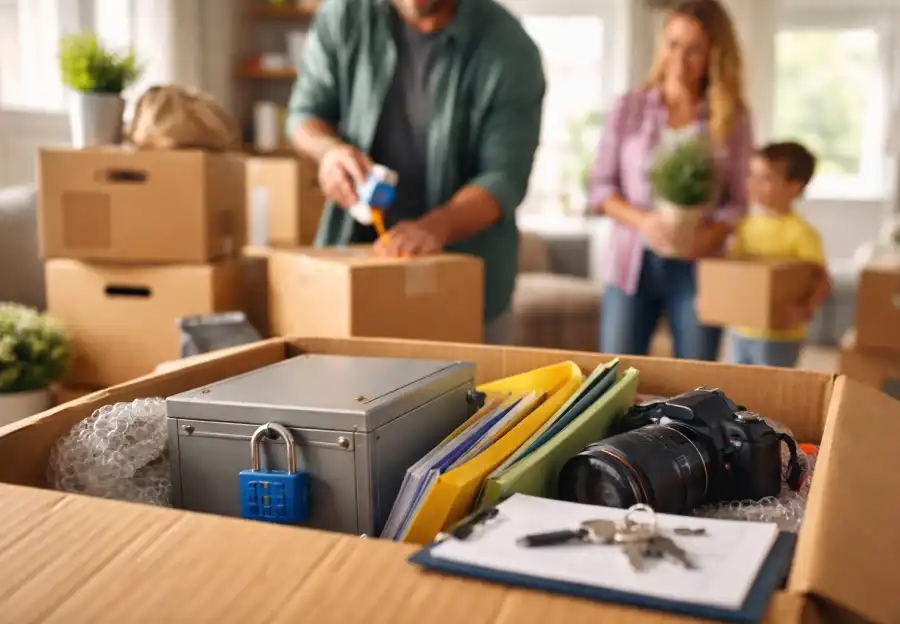
Proper preparation and organization significantly reduce the risk of falling victim to moving scams. Creating an inventory of all possessions, taking photographs of valuable or fragile items, and labeling boxes accurately ensures accountability throughout the move. Organized documentation helps track which items were transported, reducing opportunities for fraudulent claims or theft. Additionally, carefully monitoring the loading and unloading process provides extra security, as movers are less likely to mishandle or misappropriate items when observed.
Understanding insurance and liability options further safeguards against potential scams. Legitimate moving companies typically offer several levels of coverage for personal belongings. Knowing the difference between full-value protection and released-value coverage enables individuals to choose a policy appropriate for their needs. Clarifying insurance coverage in writing ensures that in case of damage or loss, compensation is fair and transparent. Awareness of liability options reduces anxiety and provides peace of mind throughout the moving process.
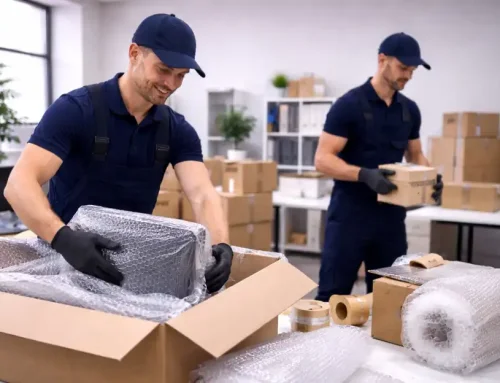
Verification of company credentials and licenses extends to subcontractors and third-party providers. Some moving companies outsource parts of the job, and ensuring that these additional personnel are legitimate is equally important. Confirming that all parties involved comply with regulations and adhere to safety standards prevents gaps in accountability and reduces exposure to scams. A proactive approach to verification ensures that the entire moving experience is professionally managed and secure.
Developing a systematic workflow for hiring movers also minimizes the likelihood of scams. Breaking down the selection process into steps—research, estimate comparison, contract review, documentation, and verification—creates an organized approach. Following a structured sequence ensures that no critical detail is overlooked and that every aspect of the move is carefully monitored. This method not only prevents fraud but also improves efficiency, reduces stress, and allows homeowners to plan effectively for all eventualities.
Finally, education and vigilance remain central to avoiding moving scams. Staying informed about common tactics used by fraudulent movers, understanding consumer rights, and seeking guidance from reputable organizations empowers individuals to make informed decisions. Maintaining awareness throughout every stage of the move—from initial research to final delivery—ensures that belongings are protected, contracts are respected, and the moving process proceeds smoothly. By combining preparation, organization, verification, and education, people can navigate their relocation safely, confidently, and with minimal risk of encountering scams.
Conclusion
Avoiding moving scams requires a deliberate, methodical approach encompassing research, documentation, verification, and vigilance. By understanding warning signs, requesting written estimates, confirming licensing and insurance, and maintaining organized records, individuals can safeguard their belongings and reduce stress. A structured workflow, careful observation during loading and unloading, and awareness of all parties involved create a secure moving experience. Ultimately, mastering these strategies not only protects possessions but also fosters transferable skills in planning, organization, and decision-making, ensuring that every move is safe, efficient, and free from fraudulent disruption.