
February 4, 2026
Eco-Friendly Moving Tips
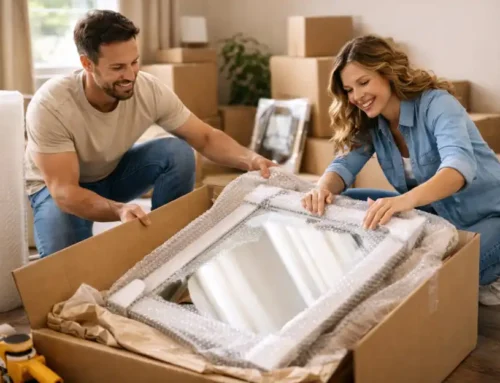
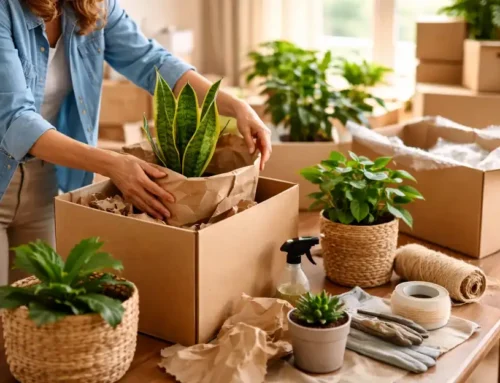
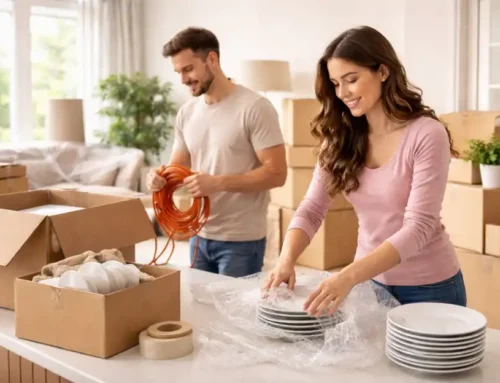
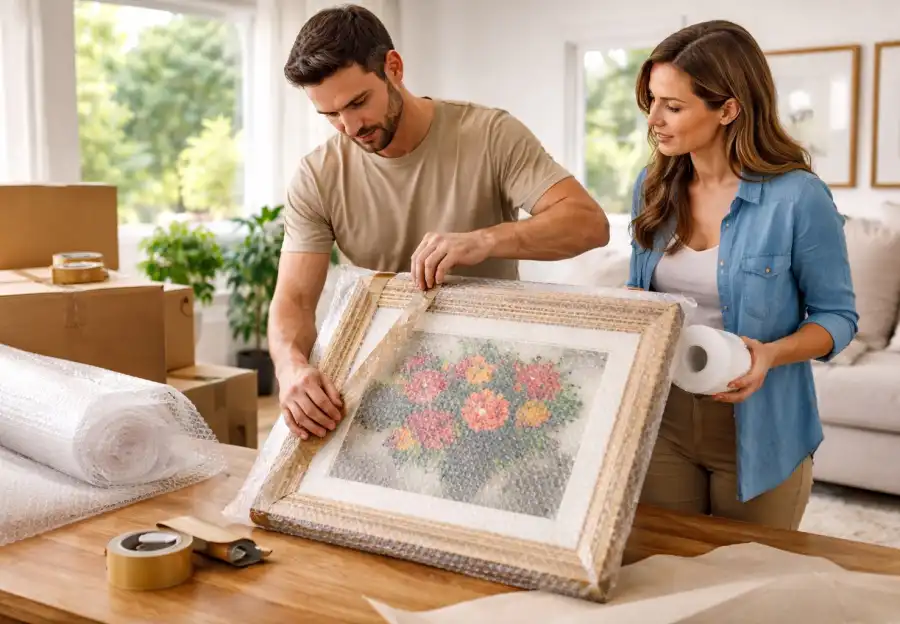
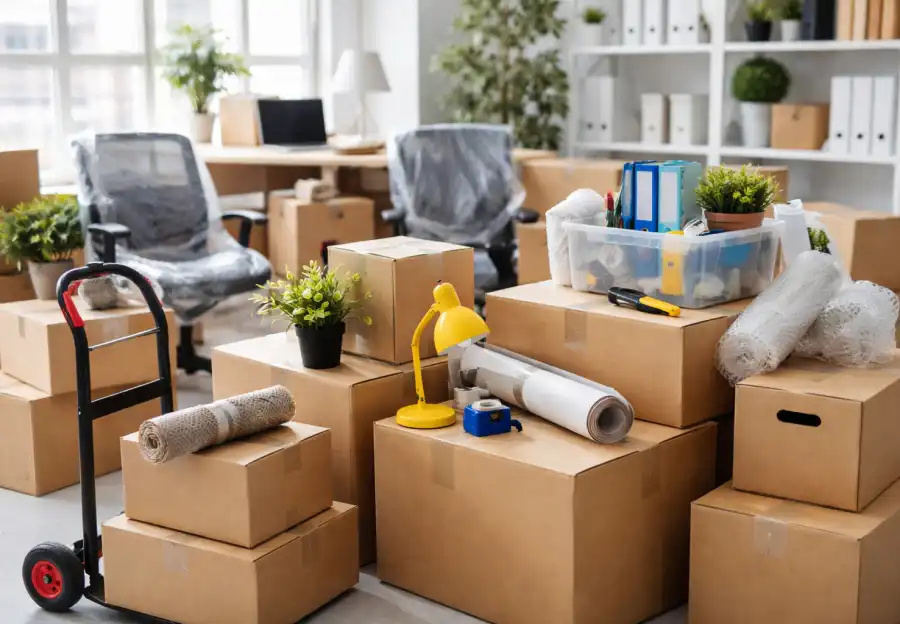
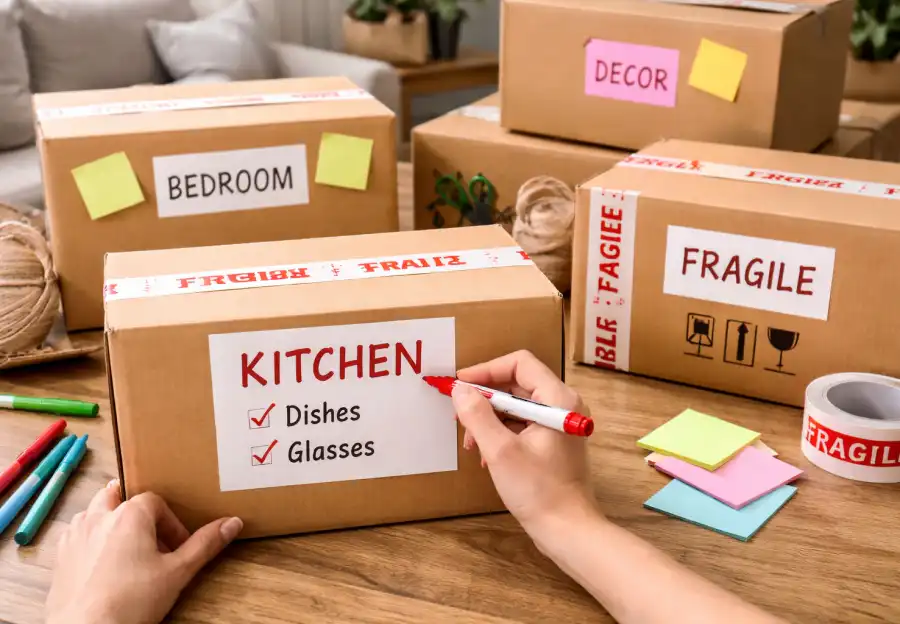
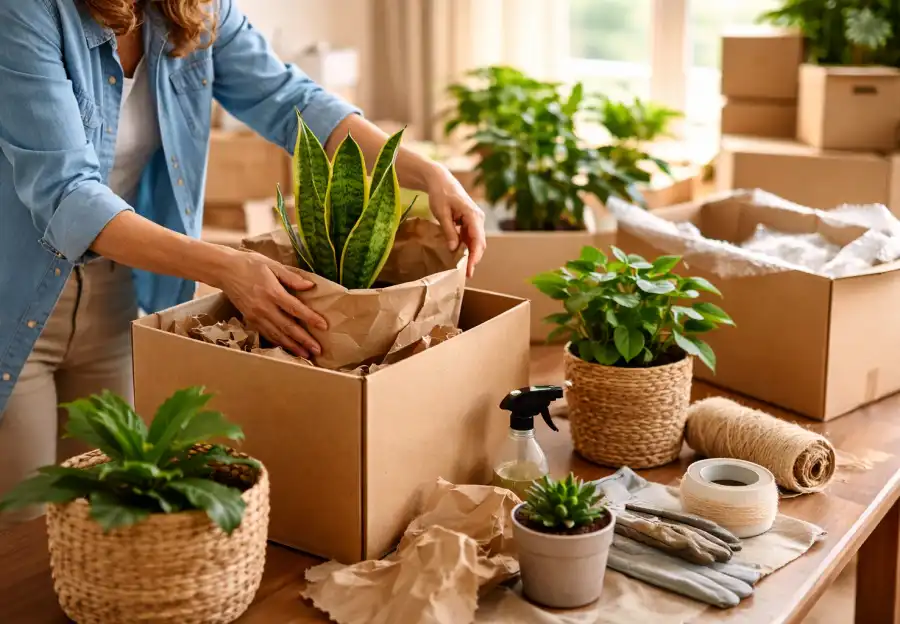
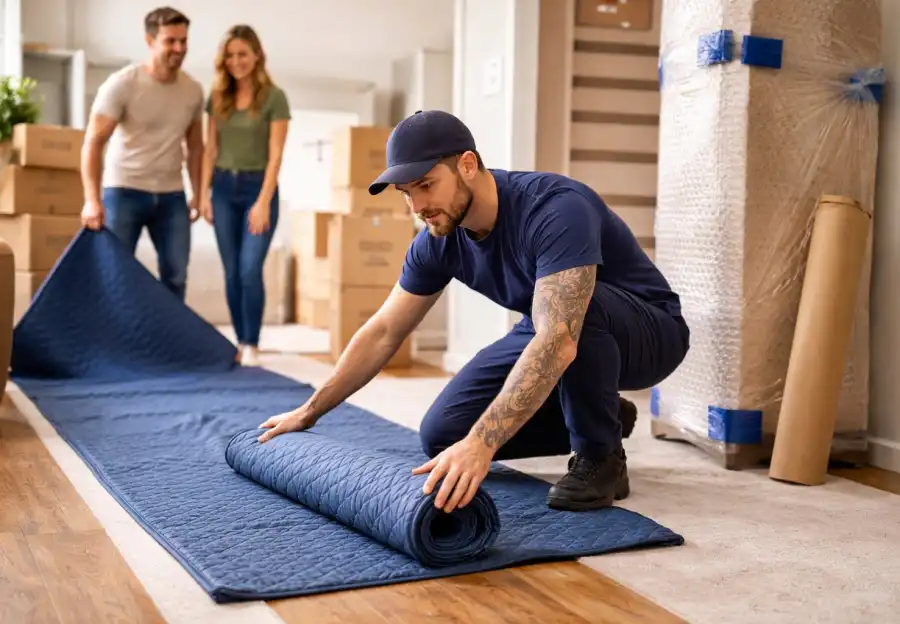
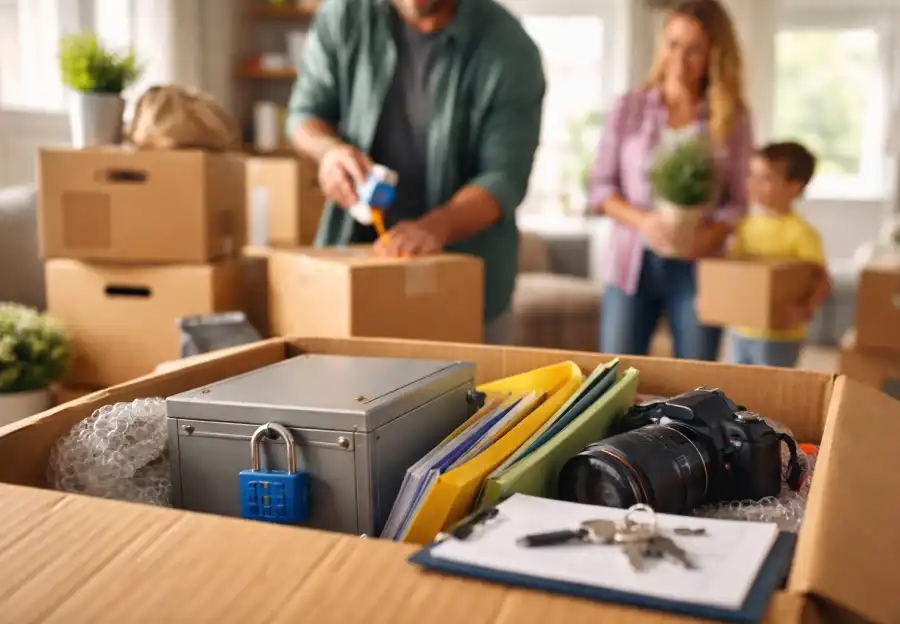
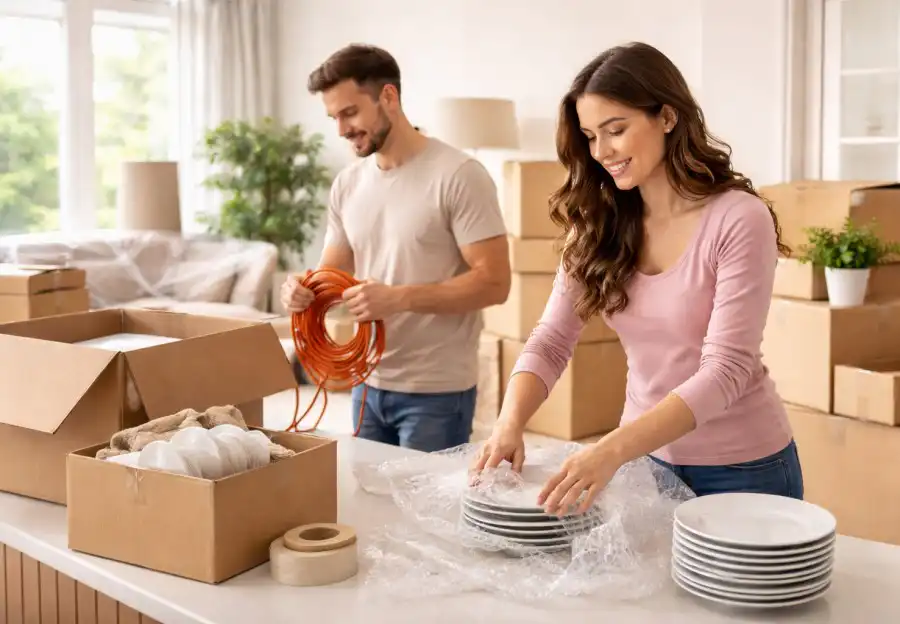
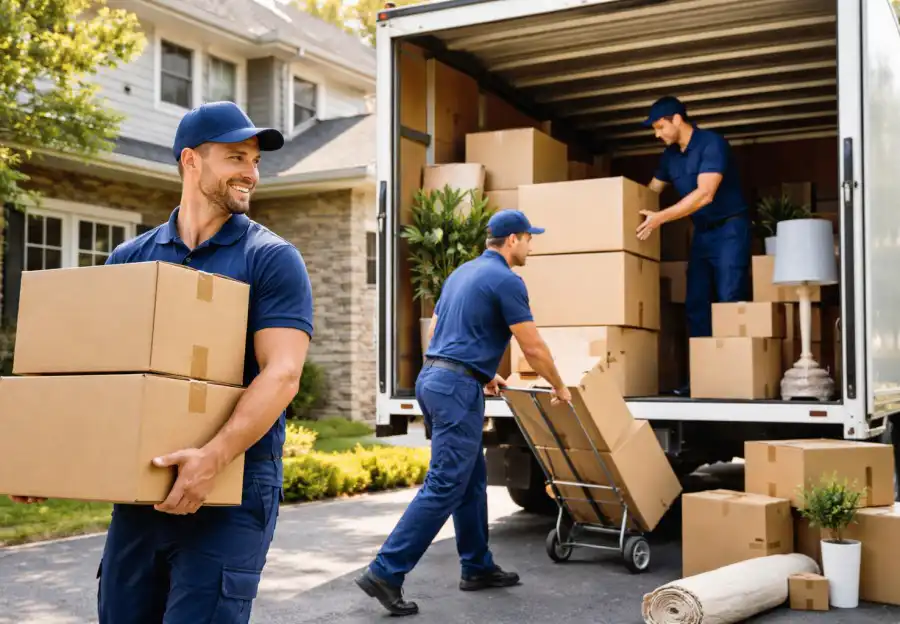
Eco-friendly moving tips are essential for anyone who wants to minimize their environmental impact while relocating, because traditional moving methods often generate significant waste, consume excessive resources, and contribute to pollution, and by adopting sustainable practices, homeowners can reduce their carbon footprint, save money, and create a more efficient, organized, and environmentally responsible move, and the first step in an eco-friendly move is to declutter before packing, because reducing the number of items you transport not only saves space and time but also decreases fuel consumption, packaging materials, and overall waste, and items that are no longer needed can be responsibly donated, sold, or recycled, which extends their life and reduces the strain on landfills, while helping others in the process; using reusable or recycled packing materials is another key strategy, because instead of purchasing new cardboard boxes, bubble wrap, or packing paper, homeowners can source gently used boxes from friends, online marketplaces, or local stores, and reuse newspaper, old sheets, towels, or blankets to cushion fragile items, which reduces demand for new materials, lowers moving costs, and ensures that items are adequately protected during transit, while promoting sustainability and creative problem-solving; minimizing the use of single-use plastics is also important, because plastic wrap, packing peanuts, and disposable tape often end up in landfills or pollute waterways, and alternatives such as biodegradable packing peanuts, recycled paper, or reusable silicone wraps can provide similar protective qualities without harming the environment, while also encouraging a conscious approach to material consumption and waste management during the moving process; planning an energy-efficient move is another essential eco-friendly tip, because optimizing transportation reduces fuel consumption and greenhouse gas emissions, and by consolidating trips, renting appropriately sized moving trucks, or using hybrid or low-emission vehicles when possible, homeowners can lower their environmental impact, while careful route planning ensures fewer miles traveled, less traffic congestion, and more efficient logistics, which benefits both the planet and the wallet, and collaborating with local, eco-conscious moving companies that prioritize sustainable practices further amplifies the environmental benefits of the move; digital organization and minimal paper use are also critical components of eco-friendly moving, because creating inventories, checklists, and schedules electronically eliminates the need for printed lists, labels, or documents, while also making it easier to track items, communicate with movers, and stay organized, and by leveraging smartphone apps, spreadsheets, or cloud-based tools, homeowners can streamline planning, reduce paper waste, and maintain a highly efficient and environmentally responsible moving process; packing smartly with efficiency in mind contributes to sustainability as well, because filling boxes fully, using space wisely, and protecting items with reusable padding or soft household textiles reduces the number of boxes required and minimizes the risk of damage, which in turn decreases the need for replacement items and additional packaging materials, while making loading, unloading, and unpacking faster and less resource-intensive, and grouping similar items together and labeling boxes clearly ensures an organized move with minimal energy expenditure; donating, selling, or giving away unwanted items is another eco-conscious strategy, because these possessions can find a second life instead of ending up in landfills, and by partnering with local charities, thrift stores, or online marketplaces, homeowners can help others, reduce waste, and support a circular economy, while also lightening the load for a more efficient move, saving fuel, labor, and materials, and making the relocation process smoother and more cost-effective; minimizing water and energy use during the moving process is also important, because cleaning, packing, and transporting items efficiently without excessive water, electricity, or gas consumption contributes to a lower environmental impact, and simple steps such as using energy-efficient lighting, washing items in full loads, and shutting off unused appliances ensure that the move is as eco-friendly as possible, while instilling habits that can carry over into the new home; finally, considering long-term sustainability in your new home reinforces eco-friendly moving practices, because setting up recycling systems, donating or composting packing materials after use, investing in energy-efficient appliances, and maintaining organized storage reduces ongoing waste and energy consumption, while promoting an environmentally conscious lifestyle that starts with the move and continues indefinitely, and by combining thoughtful decluttering, reusable and recycled packing materials, smart transportation planning, minimal single-use plastics, digital organization, efficient packing, donation or resale of unwanted items, reduced energy and water consumption, and a focus on long-term sustainability, homeowners can achieve a move that is not only organized and efficient but also responsible, environmentally friendly, and aligned with modern sustainability principles, ensuring that each relocation is a step toward a greener, cleaner, and more mindful future.