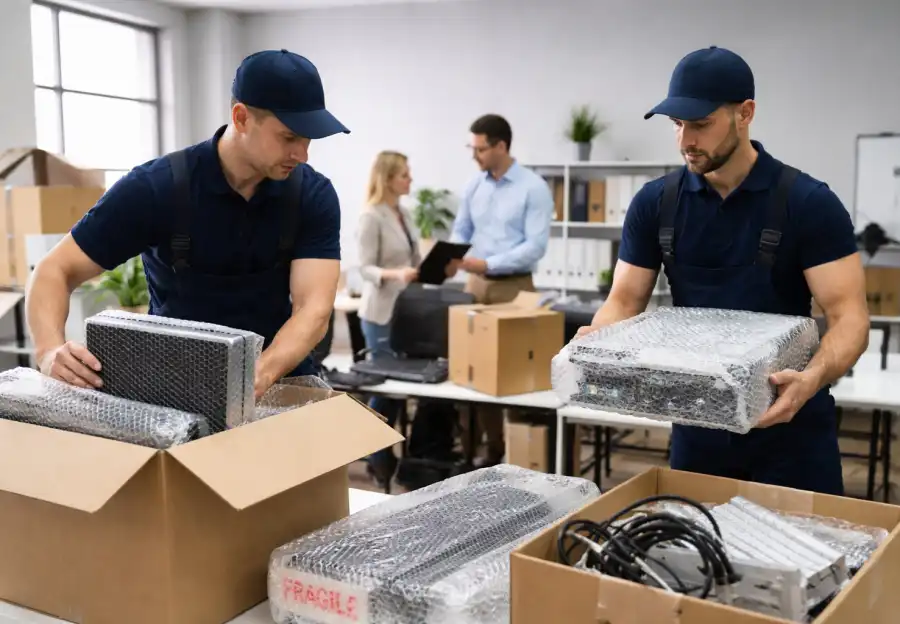
How to make your move eco-friendly plays a crucial role in shaping how individuals plan, manage, and execute a relocation in a more responsible and mindful way. Moving is often associated with excess—excess packing materials, excess fuel use, and excess waste. However, with thoughtful planning and deliberate choices, a move can become an opportunity to reduce environmental impact while also improving efficiency and lowering stress.
Unlike general moving advice, an eco-friendly approach focuses on conscious decision-making at every stage of the process. It encourages individuals to look beyond convenience and consider how each action affects resources, energy use, and long-term sustainability. This mindset does not complicate the move; instead, it brings structure and intention, transforming what can feel chaotic into a more organized and purposeful experience.
One of the most powerful aspects of an eco-friendly move is preparation. Planning ahead allows individuals to avoid rushed decisions that often lead to waste. When timelines are clear and steps are organized, it becomes easier to reuse materials, coordinate transportation efficiently, and eliminate unnecessary consumption. Preparation also helps identify opportunities to reduce volume, which directly lowers environmental impact.
Decluttering is a natural starting point for an environmentally responsible move. Transporting items that are no longer useful consumes energy and resources without providing value. Thoughtful sorting allows individuals to donate, recycle, or repurpose belongings instead of discarding them. This process reduces landfill waste and supports a more sustainable cycle of use. It also simplifies packing and lowers transportation demands, making the move more efficient overall.
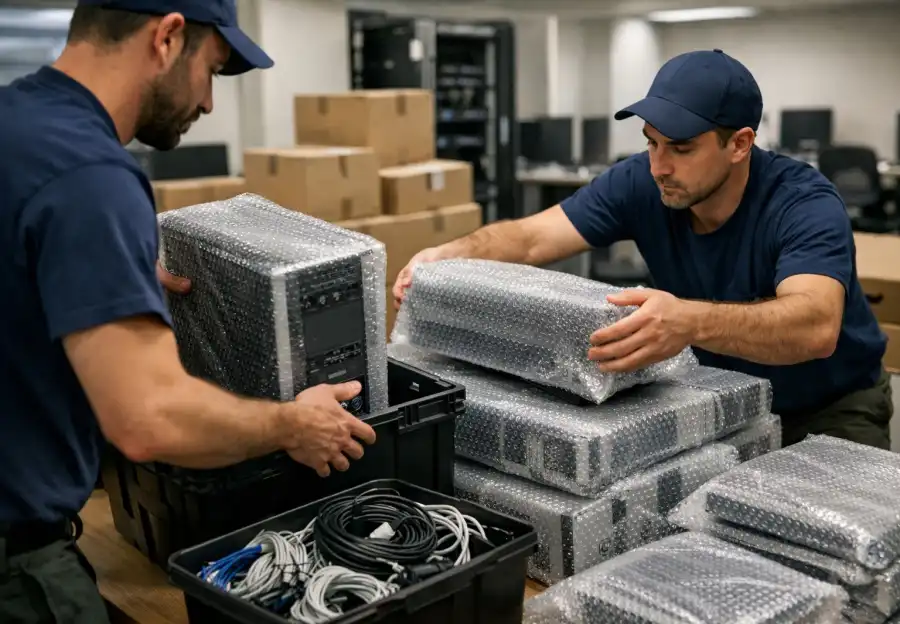
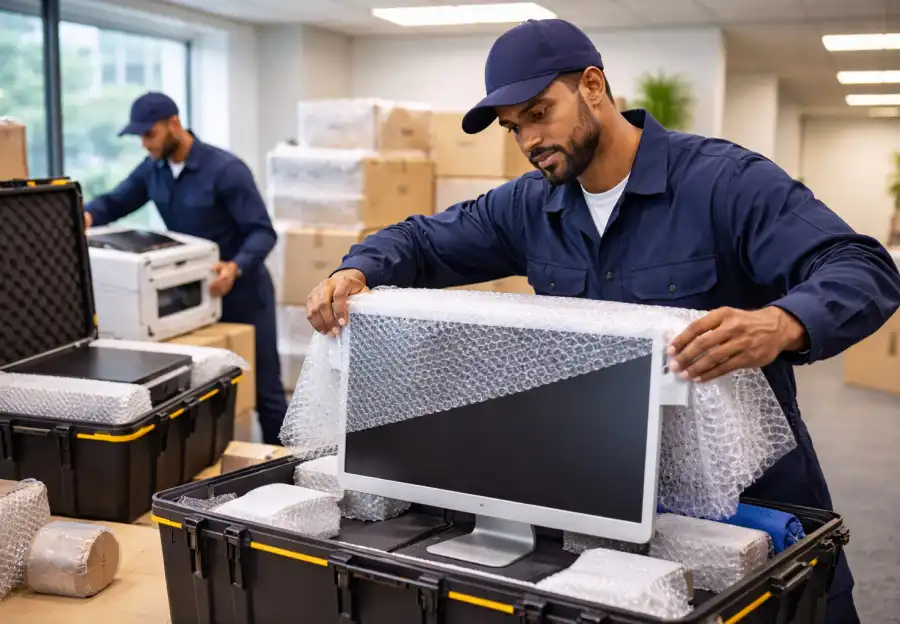
Packing choices play a significant role in sustainability. Many moving materials are used only once and then discarded. An eco-friendly approach emphasizes reuse and adaptability. Using durable containers, borrowed boxes, or reusable wrapping materials reduces waste while still protecting belongings. This approach also encourages better organization, as reusable materials often require more intentional packing strategies.
Transportation efficiency is another critical factor. Moves often involve multiple trips, oversized vehicles, or inefficient routing. Planning transportation carefully minimizes fuel use and emissions. Consolidating loads, choosing appropriately sized vehicles, and coordinating schedules reduces unnecessary travel. Even small improvements in efficiency can have a meaningful environmental impact when applied consistently.
Energy awareness extends beyond transportation. Timing a move to align with daylight hours, minimizing idle time for vehicles, and reducing unnecessary equipment use all contribute to a lower energy footprint. These practices also support smoother execution by reducing delays and operational strain. Efficiency and sustainability often reinforce each other when approached thoughtfully.
An eco-friendly move also encourages mindful consumption during the transition. Temporary living arrangements, short-term purchases, and impulse replacements can generate waste if not planned carefully. By anticipating needs and prioritizing reusable or long-lasting solutions, individuals avoid unnecessary spending and environmental impact. This approach promotes intentional living rather than reactive consumption.
Setting up the new space responsibly is equally important. An eco-friendly mindset continues beyond arrival, influencing how utilities are used, how waste is managed, and how spaces are organized. Thoughtful placement of items reduces the need for frequent rearranging, while mindful energy use establishes sustainable habits from the beginning. The move becomes a starting point for long-term environmental responsibility rather than a temporary disruption.
Another often overlooked benefit of eco-friendly moving is reduced stress. Wasteful practices often stem from last-minute decisions and disorganization. A structured, sustainable approach creates clarity and predictability. Knowing that each step aligns with a larger purpose reduces mental clutter and emotional fatigue. This sense of alignment provides psychological relief during a time of change.
Eco-friendly moving also fosters better decision-making under pressure. When individuals commit to sustainability principles, choices become clearer. Instead of weighing countless options, decisions are guided by defined values such as efficiency, reuse, and minimal waste. This clarity speeds up the process and reduces decision fatigue.
There is also a strong educational component to making a move eco-friendly. The process highlights how everyday actions contribute to larger environmental outcomes. Individuals become more aware of their consumption patterns and more skilled at managing resources. These insights extend into daily life, influencing future decisions related to storage, organization, travel, and purchasing.
Collaboration improves when sustainability is part of the plan. Whether working with family members, roommates, or service providers, a shared eco-friendly goal aligns efforts and reduces conflict. Everyone understands why certain choices are made and how they support the overall objective. This shared purpose strengthens cooperation and creates a more positive moving experience.
An environmentally responsible move also supports financial efficiency. Reducing waste often means spending less on disposable materials, excess fuel, and unnecessary replacements. Sustainable choices frequently lead to long-term savings, reinforcing the idea that environmental responsibility and cost efficiency can coexist.
Perhaps most importantly, making your move eco-friendly builds habits that last beyond relocation. The skills developed—planning ahead, reducing waste, prioritizing efficiency, and thinking systemically—apply to many areas of life. These habits support a more organized, intentional, and responsible lifestyle long after the move is complete.
Ultimately, how to make your move eco-friendly is not about perfection or sacrifice. It is about awareness, intention, and thoughtful execution. By aligning planning, organization, and sustainability, individuals transform moving from a resource-heavy event into a meaningful transition. The result is a move that supports not only personal goals but also broader environmental responsibility, creating a positive impact that extends well beyond the moment of arrival.