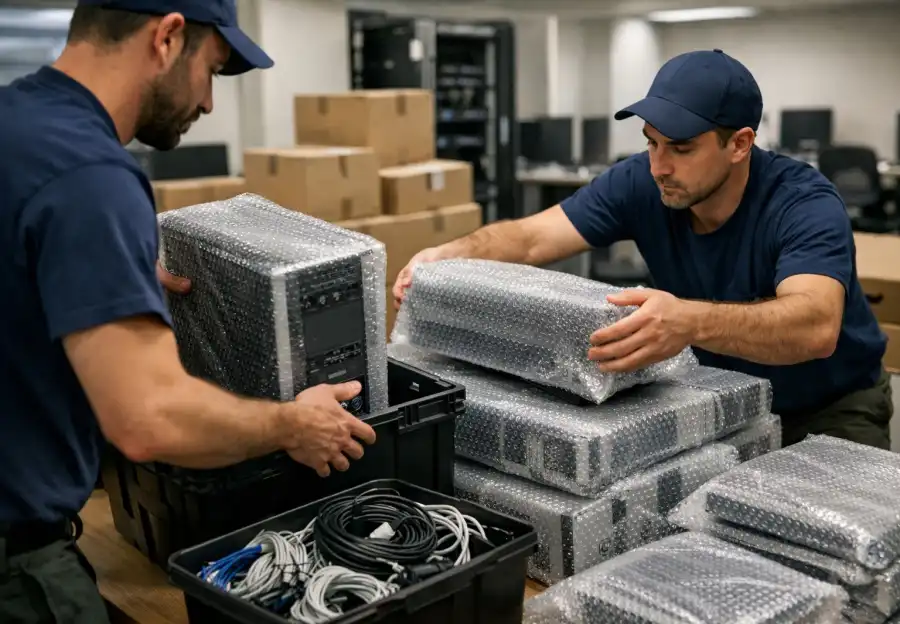
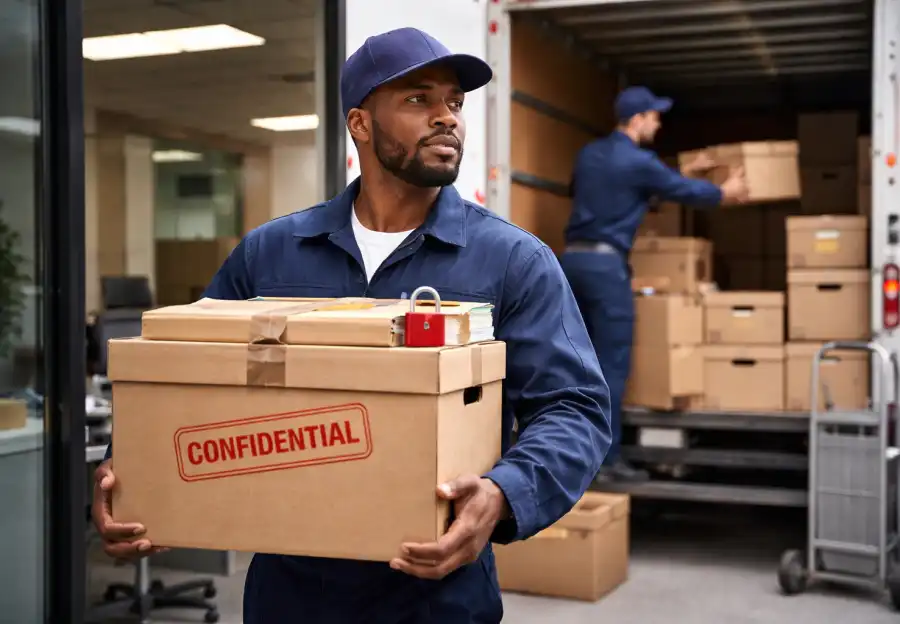
How to handle lost or damaged items plays a critical role in shaping how individuals plan, manage, and execute tasks related to relocation, storage, sorting, or reorganizing important materials. Whether the transition involves moving homes, transporting business assets, or storing belongings temporarily, the possibility of loss or damage is always present. What separates a stressful experience from a manageable one is not the absence of problems, but the ability to respond calmly and methodically when issues arise.
Unlike general moving or packing advice, handling lost or damaged items focuses on response strategies rather than prevention alone. It emphasizes awareness, documentation, communication, and decision-making at moments when frustration and confusion often take over. People frequently underestimate how disruptive even a single missing or damaged item can be, both practically and emotionally. Without a clear approach, small setbacks can escalate into larger delays, disputes, or unnecessary expenses.
One of the most important foundations for handling lost or damaged items is preparedness. When individuals enter a transition with clear records, defined responsibilities, and realistic expectations, they are far better equipped to respond effectively if something goes wrong. Preparation does not eliminate problems, but it transforms uncertainty into actionable steps. This mindset shift allows people to address issues logically instead of reacting emotionally.
Handling loss or damage begins with recognition and assessment. When an item cannot be located or arrives in poor condition, the first step is to pause and verify the situation. Items are often misplaced temporarily due to labeling errors, unpacking order, or storage reshuffling. A systematic review of records, containers, and timelines helps determine whether the item is truly lost or simply delayed. This structured approach prevents unnecessary panic and ensures that energy is directed toward real issues.
Documentation plays a central role throughout this process. Having written or digital records of items, their condition before transit, and their expected location creates a reliable reference point. When damage occurs, comparing the current condition with earlier documentation clarifies responsibility and next steps. This is especially important when third parties such as movers, storage facilities, or shipping services are involved. Clear documentation supports fair resolution and avoids disputes based on assumptions or memory alone.
Communication is another key element in handling lost or damaged items. Timely, clear communication ensures that concerns are addressed before they escalate. Reporting issues promptly allows responsible parties to investigate whiles quickly and increases the likelihood of recovery or compensation. Delayed reporting often reduces available options and complicates resolution. Effective communication is not confrontational; it is factual, calm, and focused on solutions rather than blame.
Decision-making becomes especially important once the situation is confirmed. Individuals must determine whether an item should be replaced, repaired, recovered, or documented for compensation. These decisions depend on factors such as value, sentimental importance, time sensitivity, and available alternatives. A structured approach helps prioritize actions instead of treating all losses equally. This prioritization reduces overwhelm and ensures that resources are used wisely.
Handling damaged items also requires emotional regulation. Damage can feel personal, especially when it involves meaningful belongings or items tied to important memories. Acknowledging this emotional response is important, but effective handling requires stepping back and focusing on what can be controlled. By separating emotional impact from practical response, individuals regain clarity and reduce long-term stress.
Another often-overlooked aspect is learning from the experience. Each incident of loss or damage provides insights into system gaps, communication breakdowns, or planning weaknesses. Reflecting on what contributed to the issue allows individuals to refine future processes. This continuous improvement mindset transforms setbacks into valuable lessons rather than recurring problems.
Handling lost or damaged items also supports better coordination among multiple people. In shared moves, family transitions, or workplace relocations, having a clear response framework reduces conflict. Everyone understands what steps to take, who is responsible, and how decisions are made. This shared structure minimizes confusion and protects relationships during already stressful situations.
Time efficiency is another significant benefit of a structured approach. Without a plan, individuals often waste hours retracing steps, searching aimlessly, or debating next actions. A defined handling process shortens response time and accelerates resolution. This efficiency is especially valuable during transitions where timelines are tight and delays can affect housing, work, or operations.
From a broader perspective, mastering how to handle lost or damaged items builds transferable life skills. It strengthens problem-solving abilities, improves communication habits, and encourages proactive planning. These skills extend well beyond moving or storage situations and apply to project management, asset tracking, and everyday organization.
There is also an environmental and financial dimension to consider. Thoughtful handling reduces unnecessary waste by encouraging repair, recovery, or responsible replacement instead of impulsive disposal. It also helps individuals make informed financial decisions rather than reactive purchases driven by frustration or urgency.
Psychologically, having a clear handling strategy provides reassurance. Knowing that there is a plan for unexpected problems reduces anxiety before they even occur. This sense of preparedness allows individuals to approach transitions with confidence instead of fear. Order and predictability become stabilizing forces during periods of change.
Ultimately, how to handle lost or damaged items is not about avoiding mistakes or guaranteeing perfect outcomes. It is about resilience, clarity, and adaptability. By establishing structured response methods, individuals maintain control even when circumstances deviate from the plan. This ability to respond effectively under pressure is what transforms challenging transitions into manageable experiences.
Mastering this approach ensures that setbacks do not define the transition. Instead, they become manageable moments within a larger, organized process. With the right mindset and structure, handling lost or damaged items becomes less about recovery and more about continuity, stability, and informed decision-making long after the transition is complete.