
April 7, 2026
How to Create a Moving Budget
How to Create a Moving Budget creating a moving budget is one of the most important steps in planning a successful relocation. Whether you are moving locally or long distance, a clear budget helps you stay in control of expenses, avoid last-minute surprises, and make confident decisions throughout the moving process. Unlike general moving advice, a well-planned budget focuses on foresight, organization, and realistic cost assessment.
A moving budget is more than a list of numbers. It is a planning system that allows you to evaluate your needs, compare options, and allocate resources efficiently. When done correctly, it reduces stress, prevents overspending, and keeps your move on schedule.
Start With a Clear Scope of Your Move the first step in creating a moving budget is understanding the scope of your relocation. Consider factors such as the distance of the move, the size of your household, the number of items being transported, and any special requirements like fragile items, storage, or large furniture. These details directly affect costs and help you avoid underestimating your budget.
Clarifying whether you are hiring professional movers, renting a truck, or combining multiple services will also shape your overall financial plan.
Many people only budget for the moving company and overlook smaller costs that add up quickly. A complete moving budget should include:
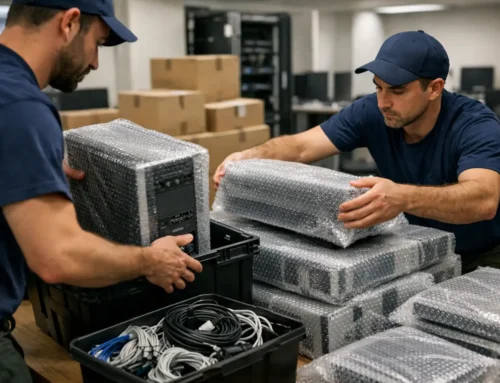
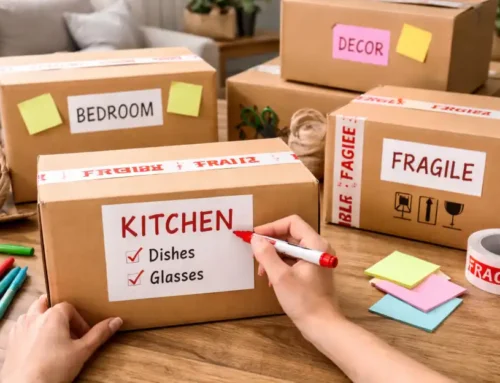
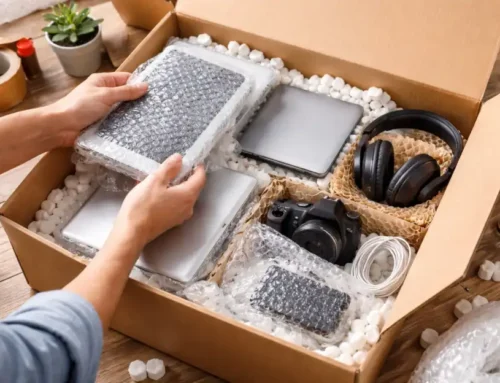
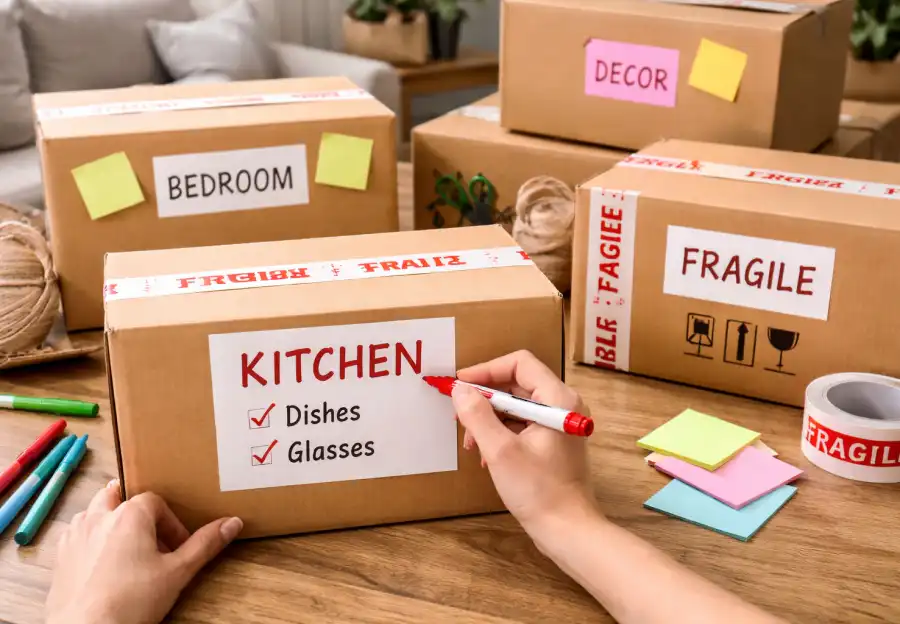
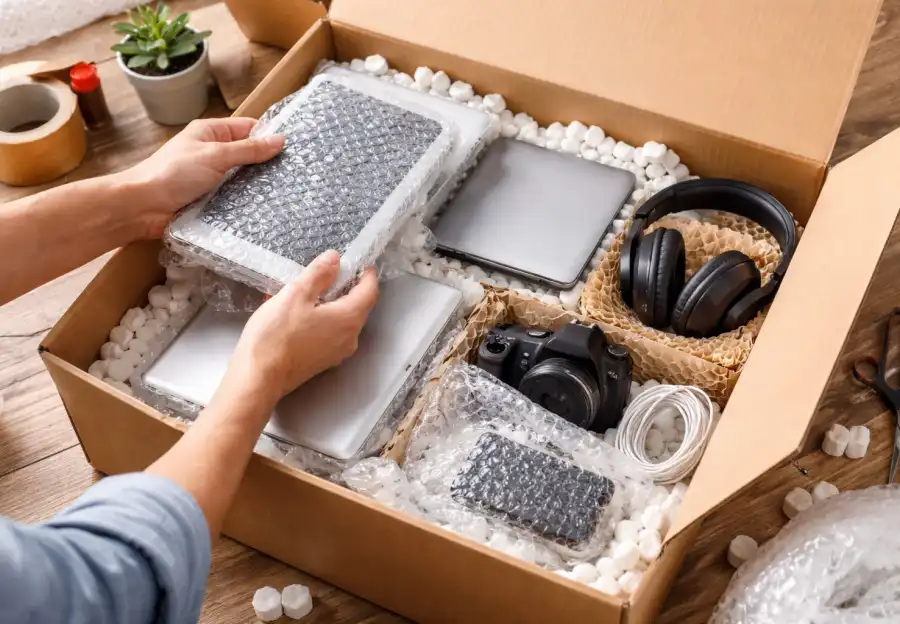
- Packing supplies such as boxes, tape, and protective materials
- Moving company or truck rental fees
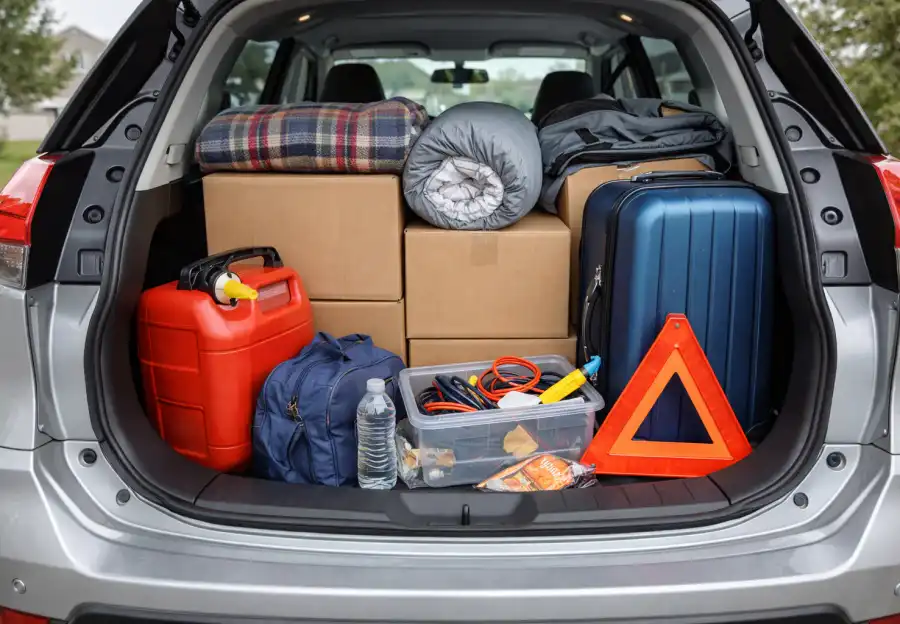
- Fuel, tolls, and parking permits
- Temporary storage if needed
- Insurance or valuation coverage
- Cleaning services for your old or new home
- Utility setup or transfer fees
- Travel expenses such as hotels or meals during transit
By listing every possible expense upfront, you gain a realistic picture of what the move will actually cost.
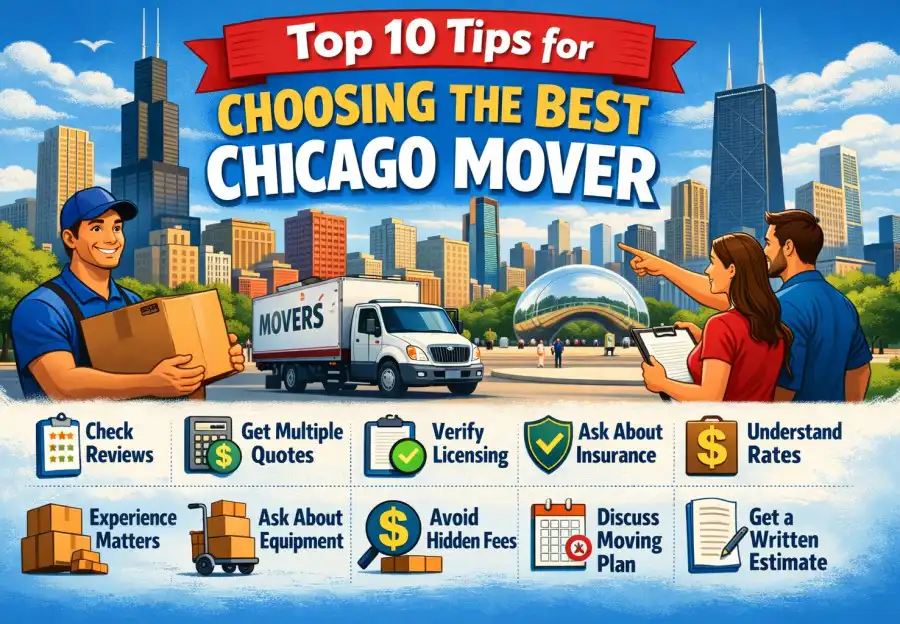
Once you know what expenses to expect, research average costs in advance. Get multiple quotes from moving companies, compare truck rental rates, and price out packing materials from different suppliers. This step helps you spot unusually high estimates and identify opportunities to save without compromising quality.
Early research also gives you time to adjust your plan if costs exceed your initial expectations.
Not all moving expenses carry the same importance. Decide which services are essential and where you can cut back if necessary. For example, you may prioritize professional packing for fragile items but handle non-essential items yourself.
It is equally important to include a contingency buffer in your budget. Unexpected expenses are common during moves, and setting aside a small reserve helps you stay calm and prepared if plans change.
A moving budget is only effective if you actively use it. Track expenses as they occur and compare them against your planned amounts. This habit allows you to make quick adjustments and prevents small overruns from turning into major financial issues.
Tracking also creates clarity, giving you confidence that your move is staying on course.
Beyond controlling costs, a moving budget helps guide smarter decisions. It allows you to evaluate trade-offs, such as choosing between faster delivery and lower pricing, or deciding whether storage is truly necessary. Having clear financial boundaries reduces emotional decision-making and keeps the process efficient.
Learning how to create a moving budget provides skills that extend well beyond relocation. It strengthens planning habits, improves prioritization, and encourages thoughtful resource management. These skills are transferable to home organization, future moves, and even everyday financial decisions.
Most importantly, a moving budget provides peace of mind. Knowing that every expense, timeline, and resource has been considered creates a sense of order during what can otherwise feel like a chaotic transition.