April 6, 2026
How to Protect Valuable Artwork During a Move
How to protect valuable artwork during a move plays a critical role in ensuring that relocation is not only efficient but also safe for irreplaceable items. Artwork carries financial, cultural, and emotional value, making it uniquely vulnerable during transitions. Unlike ordinary household items, artwork requires intentional planning, specialized handling, and structured execution to prevent damage, loss, or deterioration.
Preparation is the foundational method for protecting valuable artwork. Long before moving day, individuals must assess each piece carefully, considering size, material, fragility, and environmental sensitivity. Paintings, sculptures, framed works, and mixed-media pieces each demand different handling approaches. Early preparation allows for proper resource allocation, reducing last-minute decisions that often lead to mistakes.
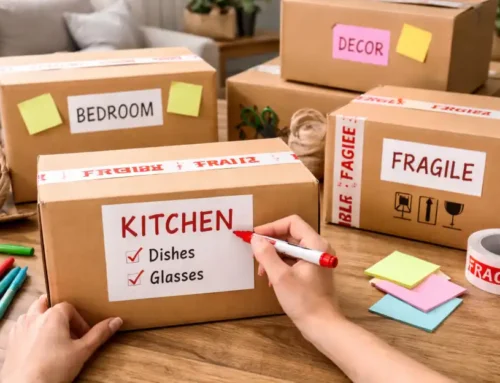
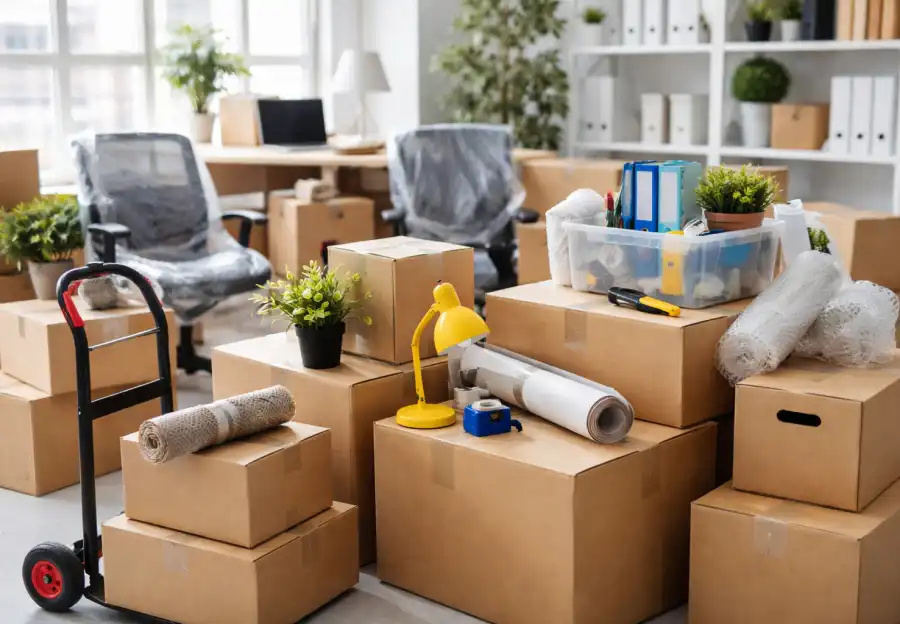
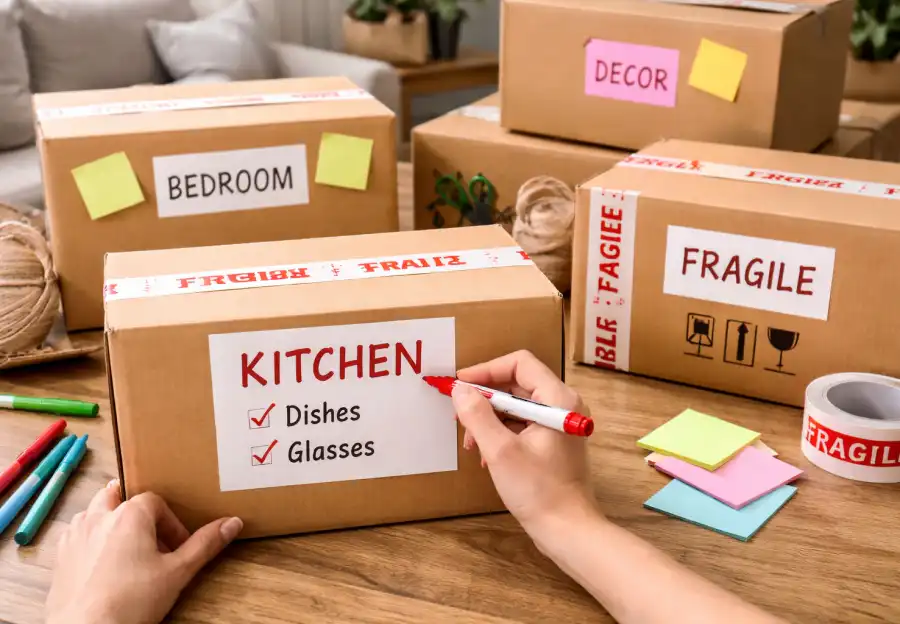
Organization is essential in managing artwork safely. Each piece should be documented, labeled, and assigned a clear handling plan. This organized approach ensures accountability and reduces confusion when multiple items are moved simultaneously. When artwork is treated as a priority category rather than mixed with general belongings, the entire workflow becomes more controlled and predictable.
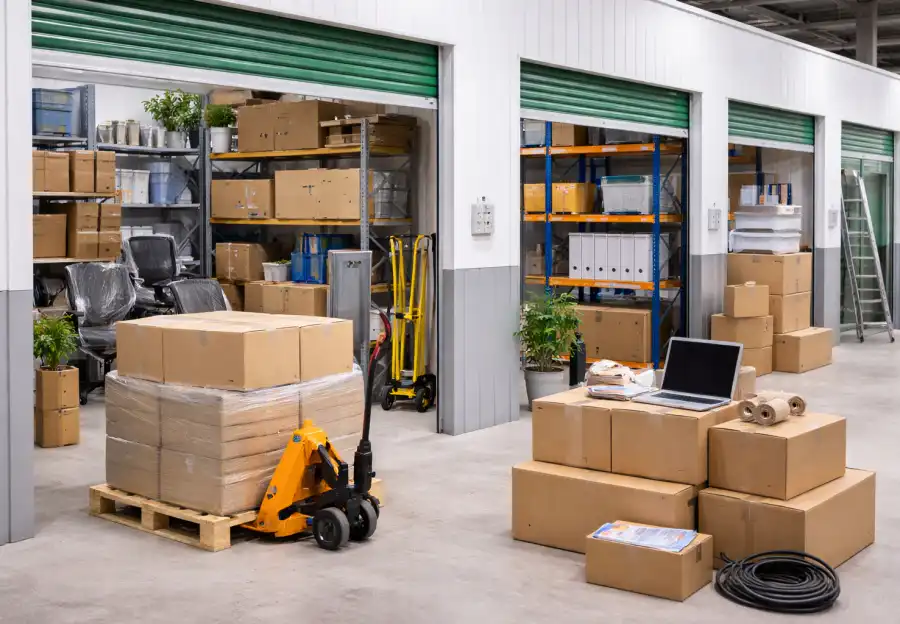
A key insight in protecting artwork is understanding environmental risks. Changes in temperature, humidity, and light exposure can cause long-term damage. Planning transport routes, storage conditions, and timing helps minimize these risks. This strategic planning is especially important during long-distance or multi-day moves, where artwork may remain in transit for extended periods.
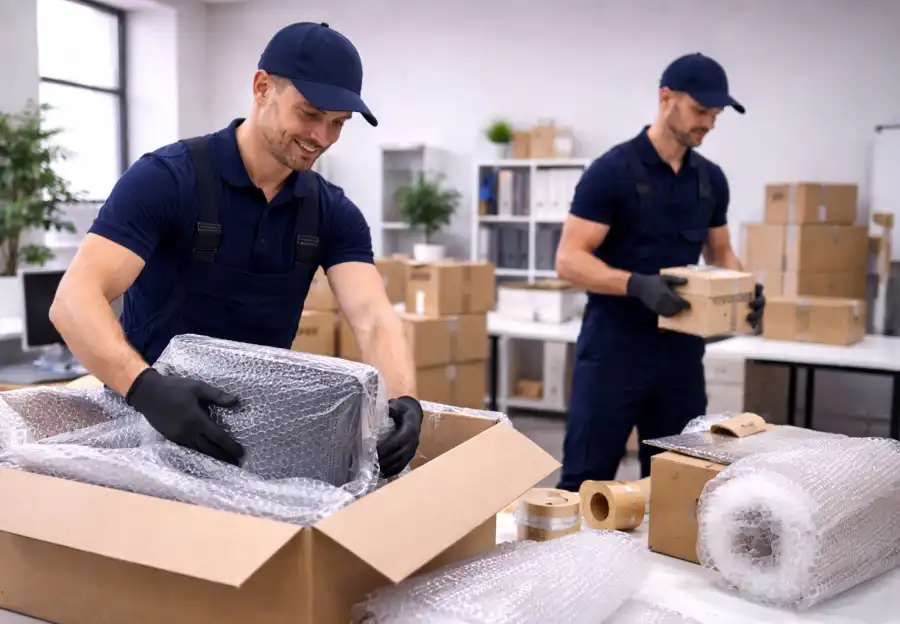
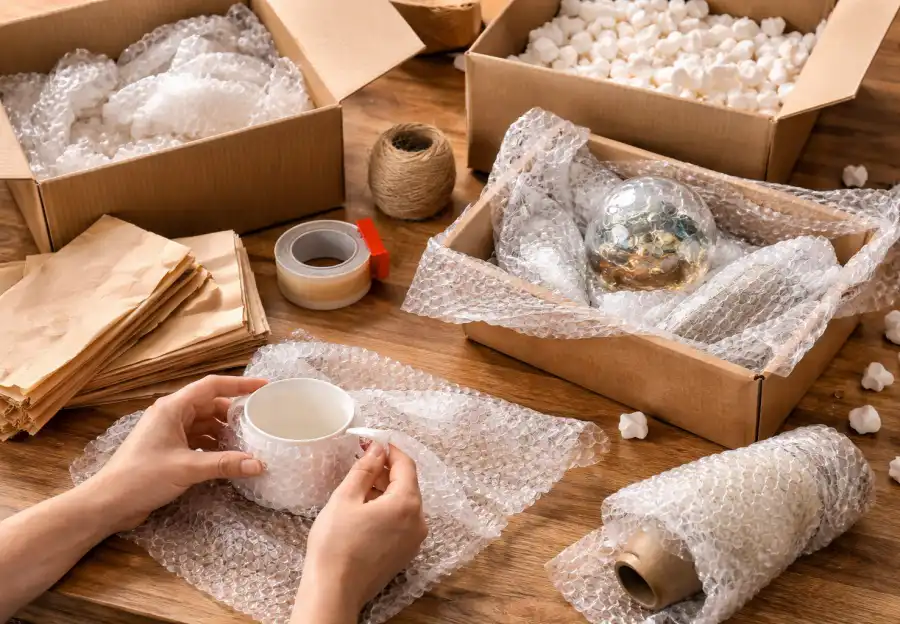
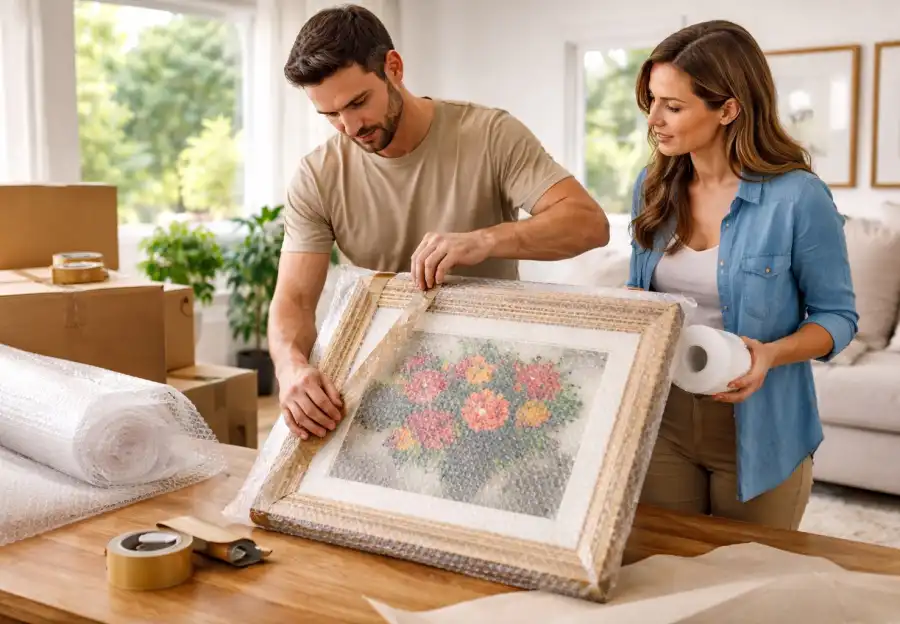
Handling techniques must follow established principles rather than improvisation. Artwork should always be handled with clean hands, proper support, and controlled movement. Rushing increases the risk of impact or bending, particularly for framed or canvas-based works. Applying deliberate handling methods reduces physical strain and ensures stability during lifting and placement.
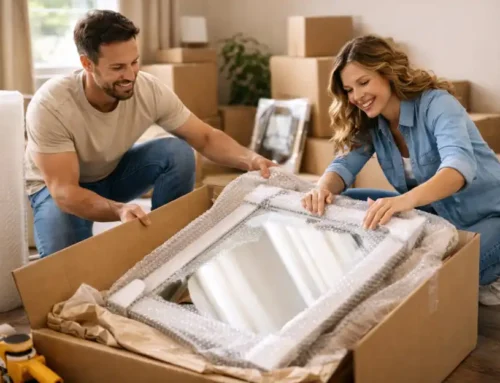
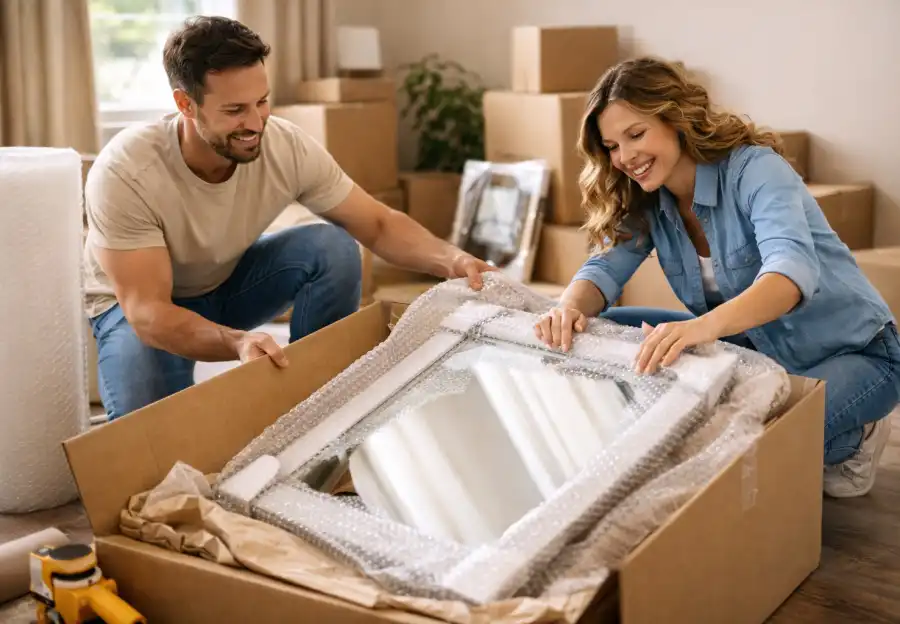
Arrangement strategy plays a significant role in protection. Artwork should never be placed flat beneath heavy items or exposed to pressure points. Vertical positioning, adequate spacing, and secure bracing are essential techniques during loading. These arrangement principles prevent shifting, friction, and compression, which are among the most common causes of damage during transport.
Execution depends on maintaining consistency throughout the process. The same care applied during preparation must continue during loading, transport, and unloading. Breaks in execution discipline—such as stacking artwork temporarily or leaving it unattended—create opportunities for damage. A system-based execution approach ensures that each step aligns with the overall protection strategy.
Efficiency does not mean speed when dealing with valuable artwork. Efficient execution focuses on minimizing unnecessary movement and repeated handling. The fewer times a piece is touched or repositioned, the lower the risk of accidental damage. Efficiency, in this context, supports preservation rather than haste.
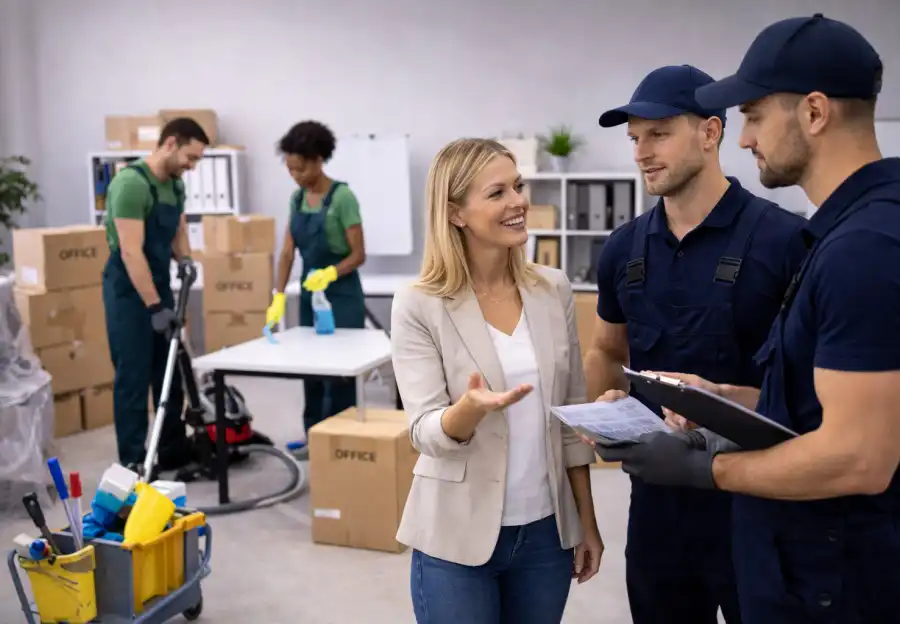
Another important insight is the value of clear communication. Anyone involved in the move must understand which items are classified as artwork and how they should be handled. Clear guidelines reduce misunderstandings and prevent well-meaning but harmful actions. Communication aligns the entire system around a shared protection objective.
Psychological relief is a significant benefit of structured artwork protection. Knowing that each piece has a defined plan, method, and handling guideline reduces anxiety. This predictability allows individuals to focus on broader aspects of the move without constant worry about potential loss or damage. Emotional fatigue is greatly reduced when valuable items are managed systematically.
Protecting artwork during a move also involves risk anticipation. Corners, doorways, staircases, and loading areas present predictable hazards. Planning routes and identifying obstacles in advance allows for smoother execution. This anticipation transforms reactive problem-solving into proactive control.
Environmental responsibility can be integrated into artwork protection as well. Reusable protective materials, thoughtful packing methods, and minimal waste reflect a sustainable mindset. This approach aligns preservation with efficiency and responsibility, reinforcing long-term value beyond the move itself.
Another advantage of mastering how to protect valuable artwork during a move is the development of transferable skills. Attention to detail, strategic planning, and process-based thinking are valuable in many areas of life. These skills improve decision-making and organization in both personal and professional contexts.
Handling artwork carefully also supports physical safety. Improper lifting or rushed movement increases the risk of injury. Following technique-based handling principles protects both the artwork and the individuals involved. Safety and preservation are closely linked when execution is structured and mindful.
Ultimately, how to protect valuable artwork during a move is about treating the process as a system rather than a single task. Preparation, organization, handling, arrangement, and execution must work together seamlessly. When these elements are aligned, artwork remains secure, and the move progresses with clarity and confidence.
By applying structured methods, strategic planning, and disciplined execution, individuals can ensure that valuable artwork arrives safely at its destination. Protection is not achieved through caution alone but through intentional systems and informed decision-making. Mastering this approach transforms a high-risk aspect of moving into a controlled and manageable process, preserving both physical pieces and peace of mind.