
April 2, 2026
How to Coordinate Movers and Cleaners
Knowing how to coordinate movers and cleaners is a critical yet often overlooked component of a successful relocation or reorganization process. While many people focus on packing or transportation alone, poor coordination between moving and cleaning services can lead to wasted time, added costs, and unnecessary stress. A well-planned coordination strategy ensures that tasks flow in the correct sequence, responsibilities are clearly defined, and transitions occur smoothly without overlap or conflict.
Preparation is the foundation of effective coordination. Before any dates are booked, individuals should identify the scope of work required from both movers and cleaners. This includes understanding which areas must be cleaned before items are removed, which spaces require post-move cleaning, and what access each service will need. Preparation at this stage prevents confusion later and allows both services to operate efficiently within a shared timeline.
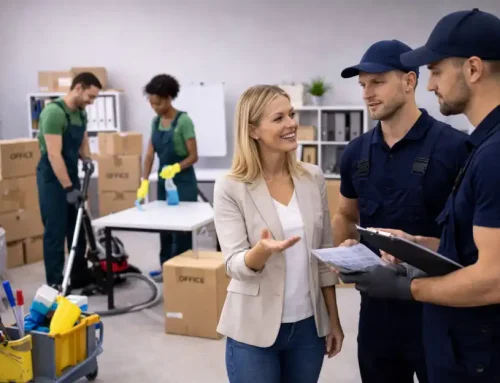
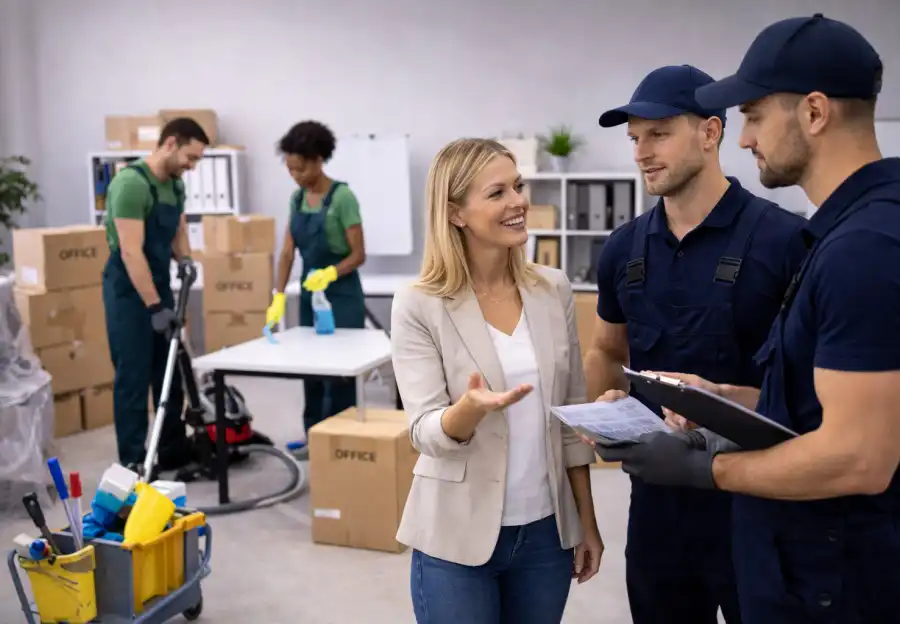
A structured planning approach helps align movers and cleaners within a single workflow. Rather than treating them as separate services, successful coordination integrates both into one organized system. For example, planning may involve scheduling cleaners to handle storage rooms or unused areas first, followed by movers clearing primary living spaces, and concluding with final deep cleaning. This workflow-based method eliminates idle time and ensures that each service complements the other.
Execution relies heavily on timing and communication. Coordinating movers and cleaners requires precise scheduling, with buffer periods built in to account for delays or unexpected challenges. Clear execution guidelines should outline when movers finish specific zones and when cleaners begin. This sequential execution prevents physical obstruction, reduces safety risks, and maintains efficiency throughout the process.
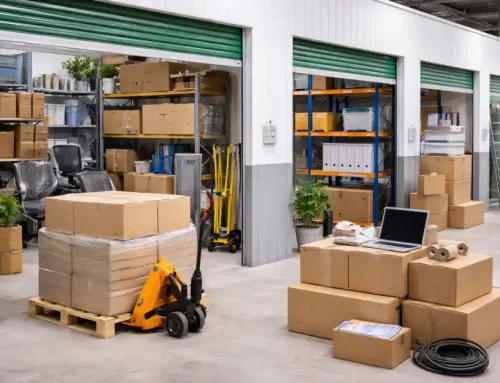
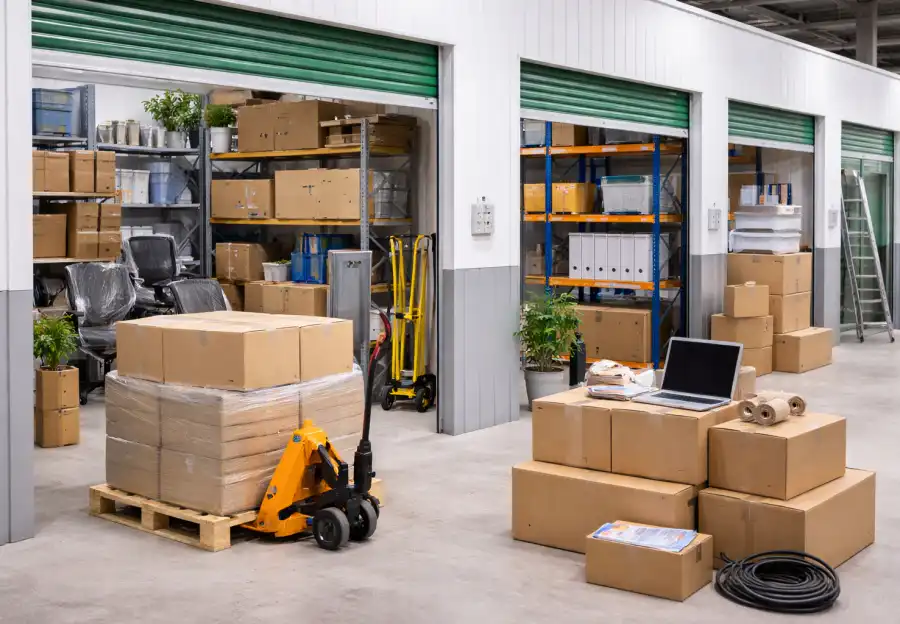
One of the most effective techniques in coordination is task segmentation. Breaking the property into zones—such as bedrooms, common areas, and storage spaces—allows movers and cleaners to work independently without interference. This technique improves handling efficiency and reduces the likelihood of re-cleaning areas that are disrupted by ongoing movement. Segmentation transforms a complex process into a manageable system.
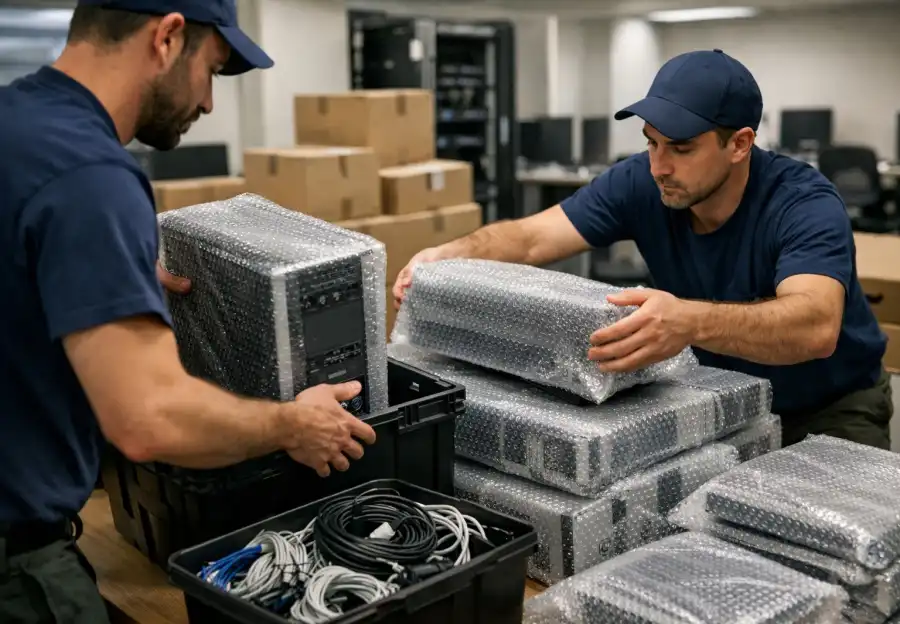
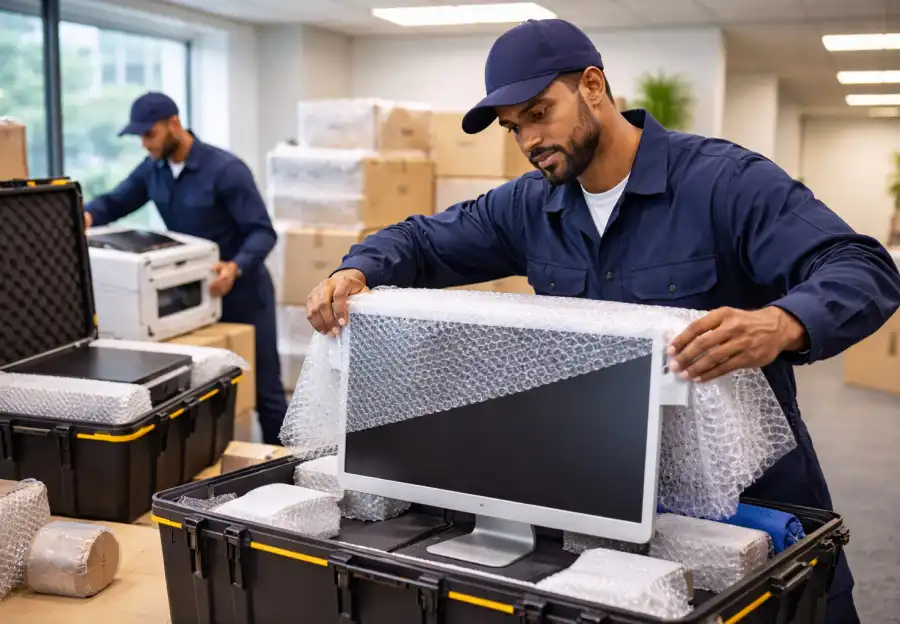
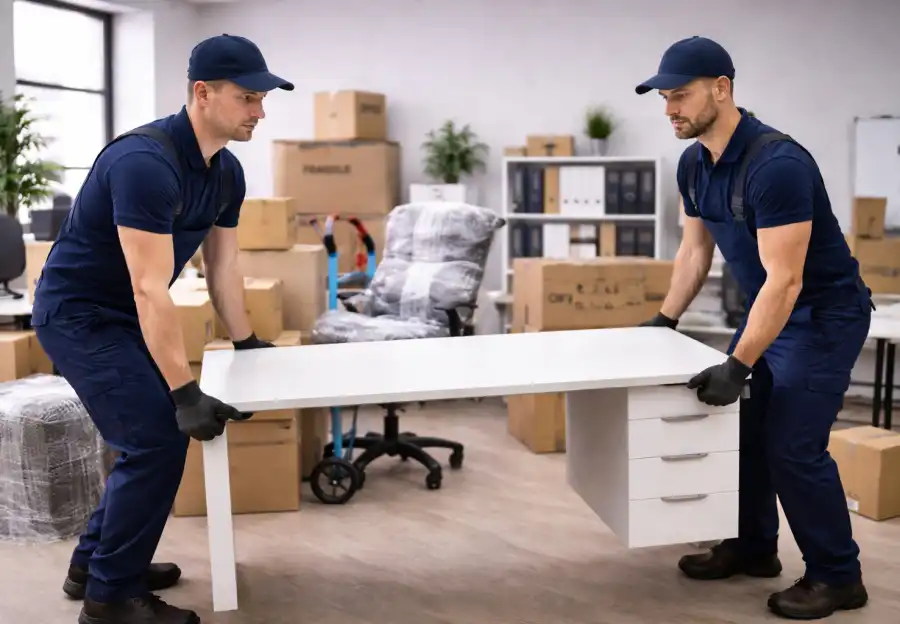
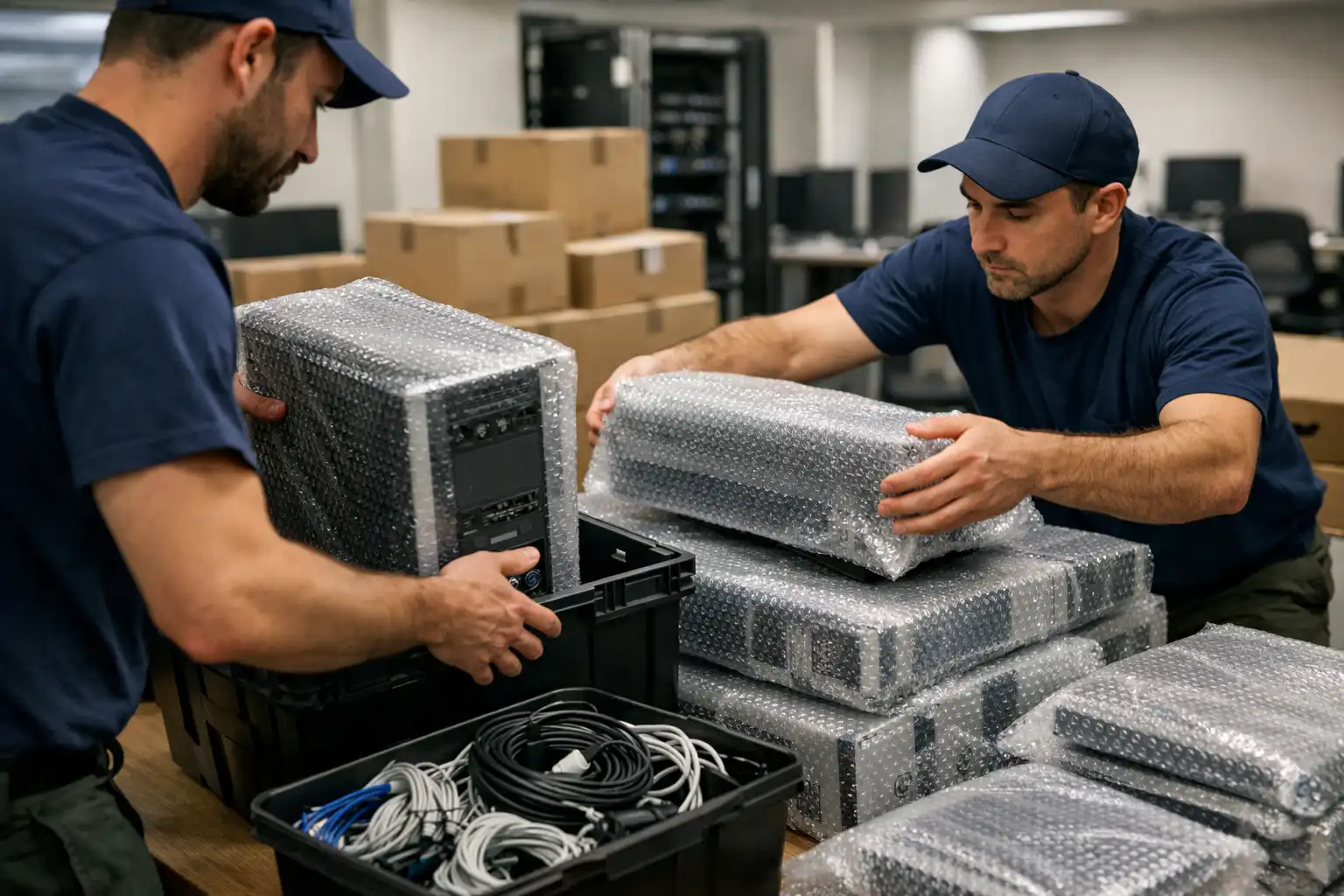
Efficiency is significantly improved when responsibilities are clearly defined. Movers should be responsible solely for transport, handling, and placement of items, while cleaners focus on sanitation, surface preparation, and finishing tasks. Blurred roles often result in inefficiencies, such as cleaners waiting for spaces to clear or movers navigating wet or freshly cleaned areas. Clear role definition supports a smoother execution strategy.
Unexpected issues are inevitable, which is why coordination must include contingency planning. Delays in transport, access restrictions, or last-minute changes in inventory can disrupt even the best plans. A solution-oriented approach anticipates these challenges by including flexible time windows and backup options. This adaptability ensures that coordination remains intact even when circumstances shift.
Psychological relief is a significant benefit of proper coordination. When movers and cleaners operate within an organized system, individuals experience less cognitive overload. Predictability reduces emotional fatigue, allowing people to focus on decision-making rather than damage control. Knowing that tasks are sequenced logically creates confidence and reduces the anxiety often associated with relocation or reorganization.
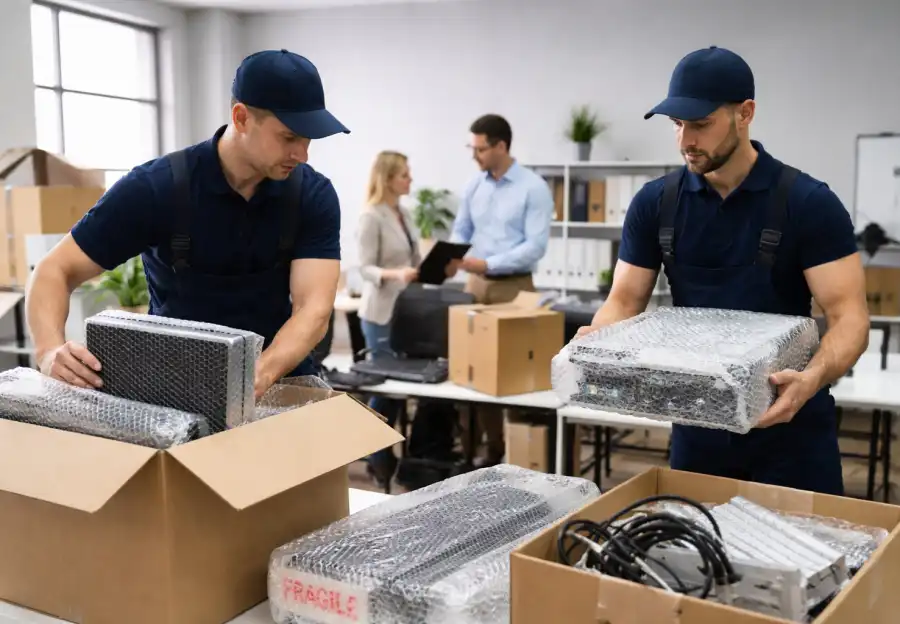
Another key insight is the importance of information flow. Providing both movers and cleaners with the same schedule, access instructions, and priorities prevents misalignment. This shared insight ensures that everyone operates under the same expectations. Consistent information flow strengthens the overall system and minimizes miscommunication-related errors.
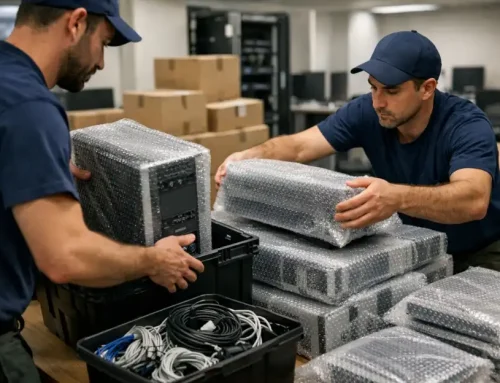
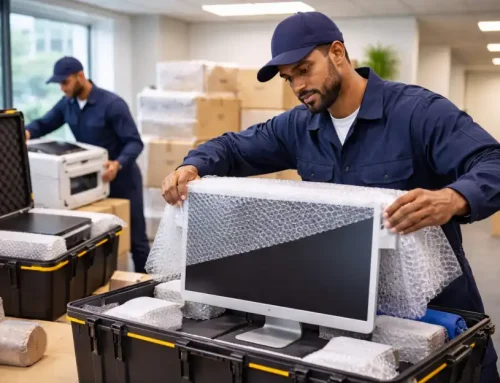
Coordination also supports physical safety and material protection. Proper sequencing prevents cleaners from working around heavy equipment and reduces the risk of slips, collisions, or damage. Movers benefit from clear, unobstructed paths, while cleaners can work thoroughly without interruptions. Safety becomes a natural outcome of efficient organization rather than an afterthought.
Beyond the immediate task, mastering how to coordinate movers and cleaners develops transferable planning skills. Individuals learn how to manage parallel workflows, allocate resources intelligently, and execute complex tasks in stages. These skills extend into professional environments, project management, and everyday organization, making coordination expertise broadly valuable.
Environmental responsibility can also be incorporated into coordinated workflows. Efficient scheduling reduces repeated cleaning, unnecessary energy use, and wasted supplies. Strategic coordination allows for mindful disposal, recycling, and reuse practices, aligning efficiency with sustainability. This approach reflects a higher level of organizational maturity.
Ultimately, how to coordinate movers and cleaners is about creating a unified process rather than managing isolated tasks. When preparation, planning, execution, and adaptability function together, the entire operation becomes streamlined. Coordination transforms a potentially chaotic experience into a controlled, efficient transition marked by clarity and confidence.
By applying structured methods, clear guidelines, and solution-focused thinking, individuals can ensure that movers and cleaners operate as part of a cohesive system. This organized approach reduces stress, saves time, and delivers a smoother, more predictable outcome—proving that thoughtful coordination is just as important as the move itself.