
April 1, 2026
How to Transition Smoothly Between Homes
Transitioning from one home to another is more than a logistical exercise; it is a layered process that requires thoughtful planning, deliberate execution, and adaptive decision-making. Understanding how to transition smoothly between homes allows individuals to move beyond reactive behavior and adopt a structured, proactive approach. Rather than relying on generic advice, a well-designed transition framework focuses on preparation, efficiency, and emotional balance, ensuring that the experience is manageable rather than overwhelming.
One of the most important principles of a smooth home transition is early preparation. Preparation begins long before boxes are packed or schedules are finalized. It involves evaluating what needs to move, what should be stored, and what no longer serves a purpose. This process reduces physical strain and prevents unnecessary time loss later. When preparation is guided by a clear method rather than impulse, individuals gain control over the transition and avoid last-minute disruptions that often create stress.
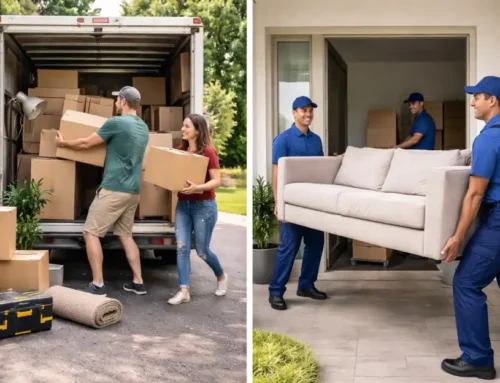
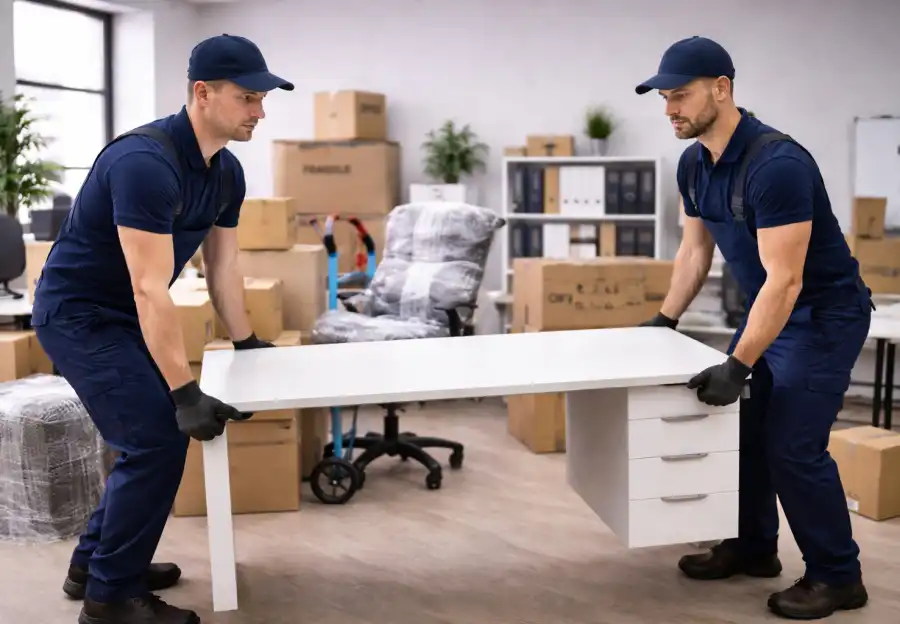
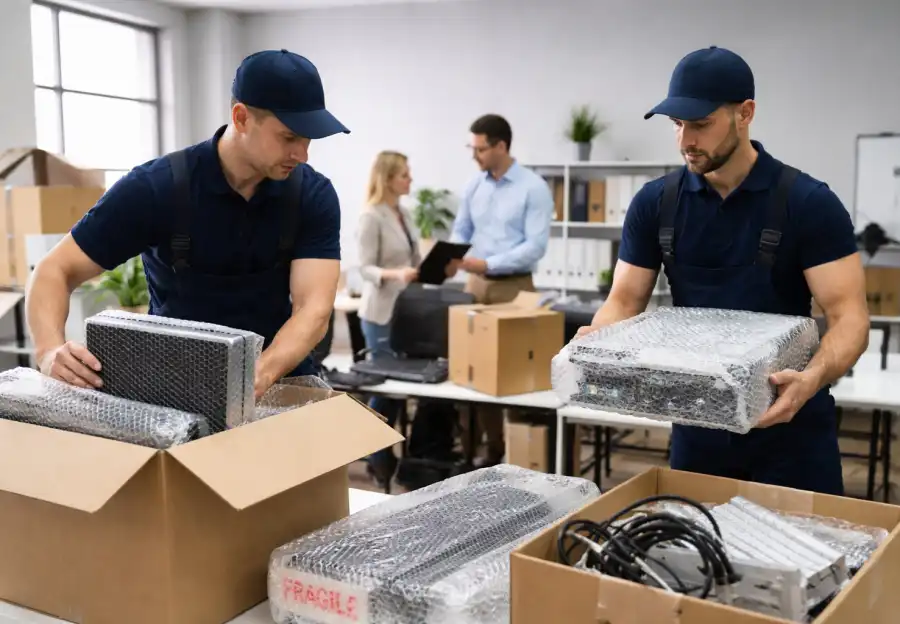
Planning plays a central role in successful execution. A structured plan breaks the transition into phases—sorting, packing, transport, and setup—so each step can be handled efficiently. This workflow-based approach prevents overload by distributing effort evenly over time. Planning also allows for realistic time allocation, helping individuals anticipate delays or complications without panic. When the plan is flexible yet structured, it becomes a reliable system rather than a rigid checklist.
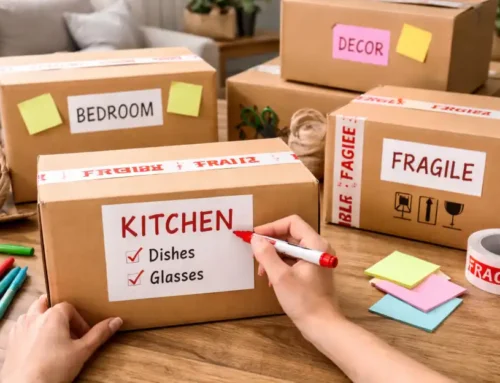
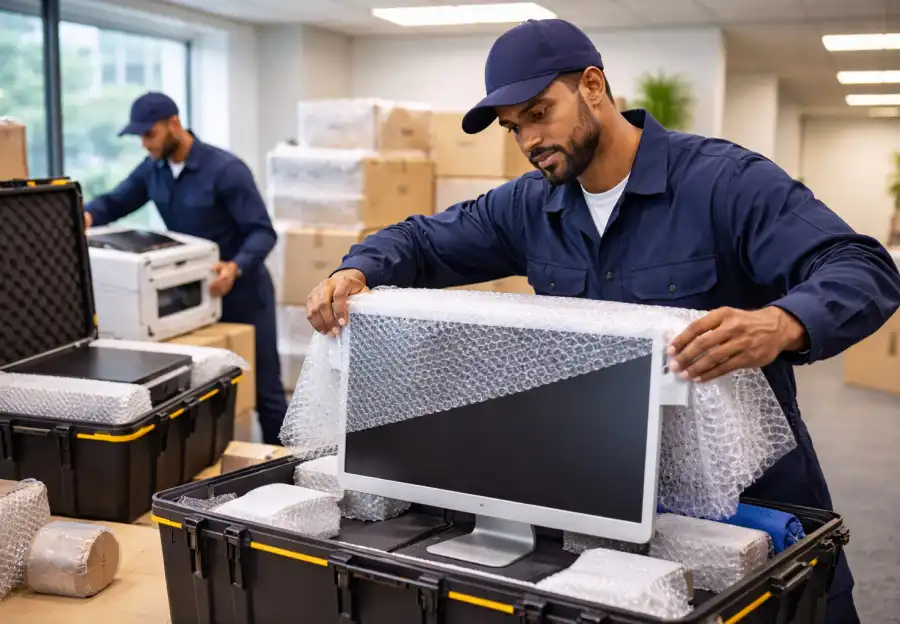
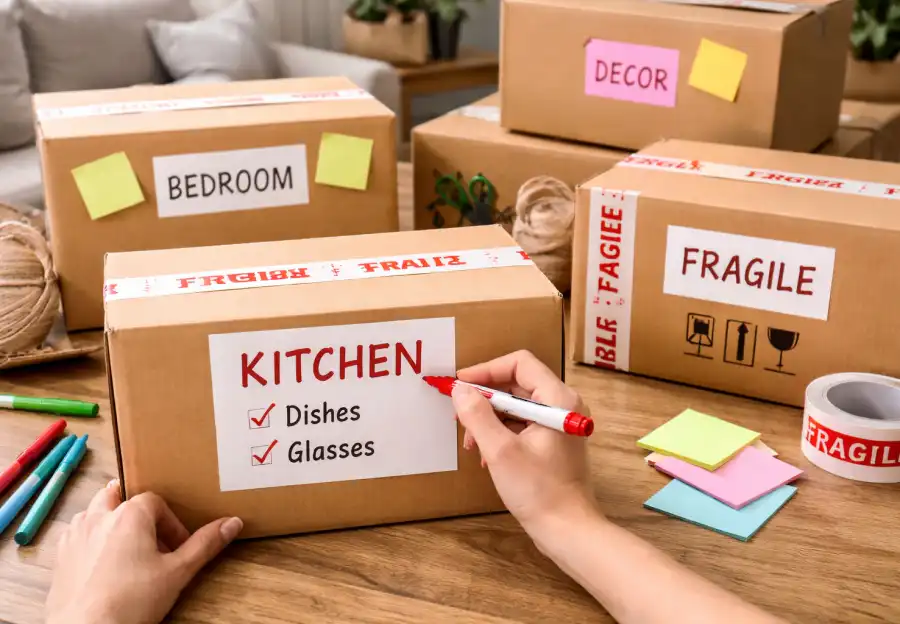
Organization is another key technique that supports smooth transitions. Labeling systems, categorized packing, and intentional placement of essential items all contribute to clarity during the move. Organization reduces confusion and ensures that critical items are accessible when needed. More importantly, it creates predictability, which minimizes emotional fatigue. Knowing where things belong—even temporarily—helps individuals remain focused and composed during an otherwise chaotic period.
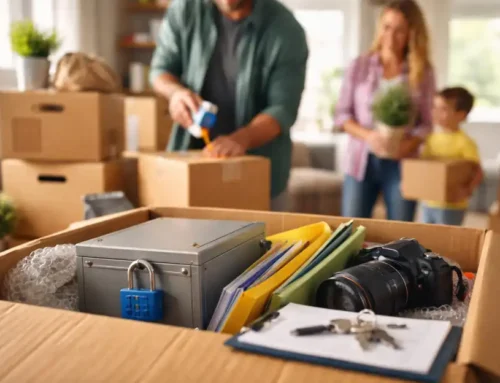
Execution is most effective when it follows a defined strategy rather than spontaneous action. Strategic execution prioritizes high-impact tasks first, such as securing important documents, preparing daily-use items, and confirming timelines. This principle-based execution method reduces errors and prevents avoidable setbacks. When execution aligns with planning, the entire transition feels purposeful instead of rushed.
Handling unexpected challenges is another essential aspect of transitioning smoothly between homes. Delays, damaged items, or schedule changes are common, but a well-prepared system anticipates these possibilities. By building buffer time and backup solutions into the workflow, individuals can respond calmly rather than react emotionally. This adaptability is a hallmark of efficient transitions and separates successful outcomes from stressful experiences.
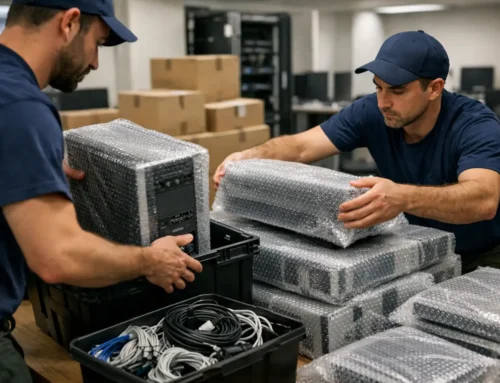
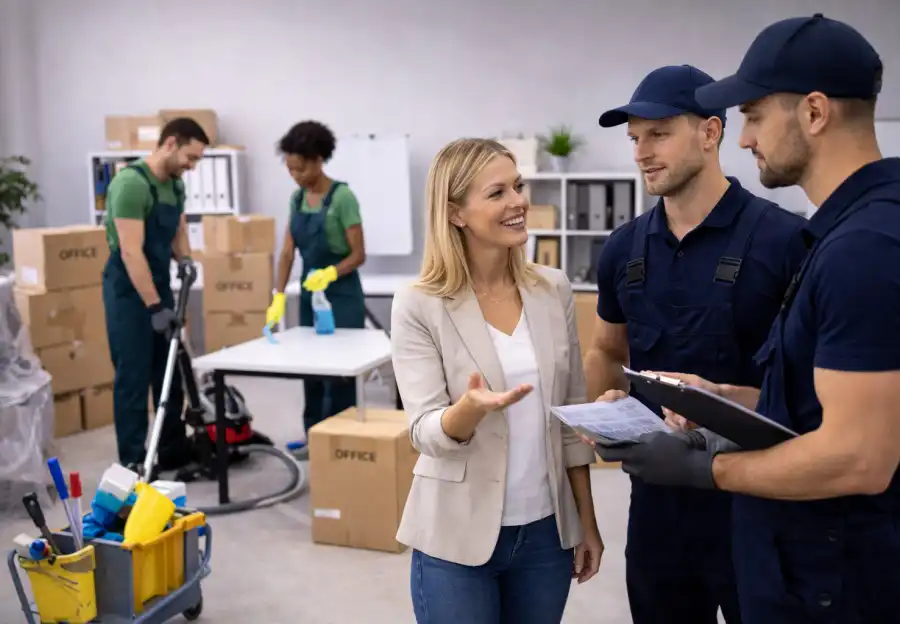
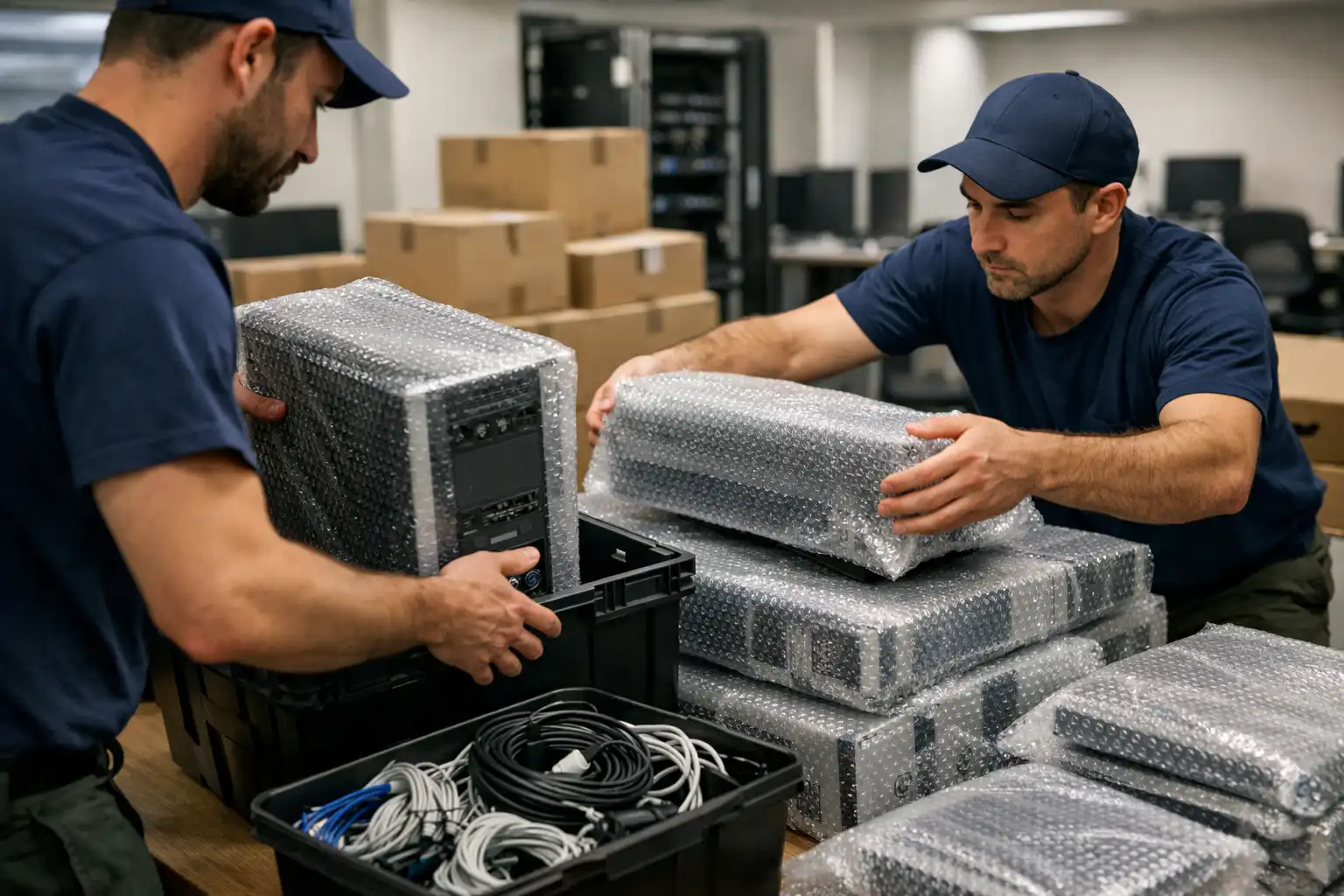
Efficiency is not about speed alone; it is about using effort wisely. Efficient transitions rely on smart prioritization, not exhaustion. For example, grouping tasks by location or function reduces repetitive movement and wasted energy. Efficiency techniques also include delegating tasks where possible and using appropriate tools or storage methods. When efficiency is treated as a guiding principle, the transition becomes sustainable rather than draining.
Another often overlooked element is the psychological impact of a home transition. Moving between homes disrupts routines and emotional anchors, making predictability especially valuable. Structured methods provide a sense of control during uncertainty. This psychological relief allows individuals to remain focused, make better decisions, and maintain emotional stability throughout the process. Order and predictability are not just practical benefits; they are mental safeguards.
A smooth transition also encourages better decision-making habits that extend beyond the move itself. Skills such as prioritization, systematic thinking, and workflow management are transferable to daily life. Individuals who master these techniques often find improvements in time management, organization, and long-term planning. In this way, learning how to transition smoothly between homes becomes a broader life skill rather than a one-time necessity.
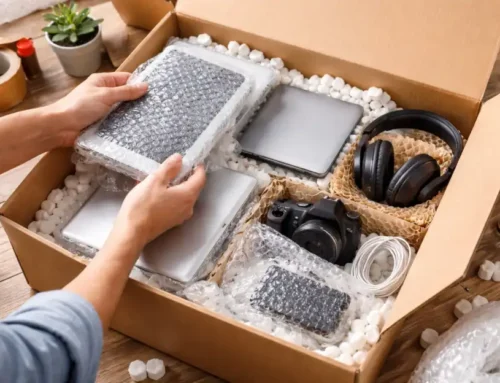
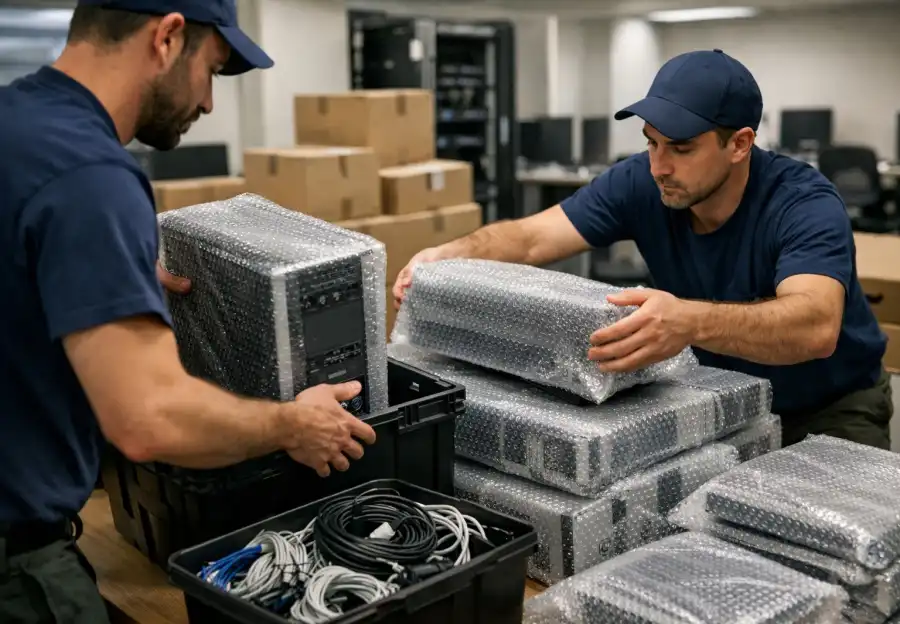
Environmental responsibility can also be integrated into the transition process. Thoughtful sorting reduces waste, while planned packing minimizes unnecessary materials. Reusing containers and responsibly discarding unwanted items reflect a conscious approach to change. This alignment between efficiency and responsibility adds another layer of purpose to the transition.
Ultimately, how to transition smoothly between homes is about combining preparation, strategy, and execution into a cohesive system. When each element supports the others, the process becomes manageable and even empowering. Instead of viewing relocation as a disruption, individuals can approach it as a structured transformation. With the right principles and methods in place, transitions become opportunities for clarity, renewal, and improved organization rather than sources of stress.