
March 31, 2026
How to Move With a Newborn
Moving with a newborn requires careful planning, preparation, and organization, as it involves balancing the logistics of relocation with the delicate needs of an infant. Unlike standard moving advice, relocating with a newborn focuses on detailed strategies that ensure both safety and efficiency while minimizing stress for parents and child. Planning ahead allows caregivers to break down tasks into manageable steps, prioritize essential items, and allocate time for feeding, rest, and comforting the baby. Understanding these principles empowers families to approach a move with a structured mindset, reducing physical strain and emotional fatigue, and creating a smoother transition for everyone involved.
The first critical step in moving with a newborn is establishing a well-thought-out timeline. Parents should identify key milestones such as packing non-essential items, scheduling moving services, and preparing the infant’s daily needs. By prioritizing essential items like diapers, formula, clothing, and blankets, parents can create a hierarchy of urgency, ensuring that critical supplies remain accessible throughout the move. This approach also allows for contingency planning, anticipating potential delays, and avoiding last-minute chaos that can overwhelm both caregivers and infants.
Organizing and sorting household items is another essential component of moving with a newborn. Parents should declutter possessions well in advance, separating items to donate, discard, or store. Focusing on the most frequently used items first helps maintain daily routines while reducing unnecessary packing. Packing strategies should involve clearly labeled boxes, color-coded systems, and lists of contents to streamline unpacking. Maintaining an orderly workflow ensures that the relocation proceeds methodically, reducing stress and enabling parents to focus on the newborn’s needs rather than becoming distracted by misplaced or unorganized items.
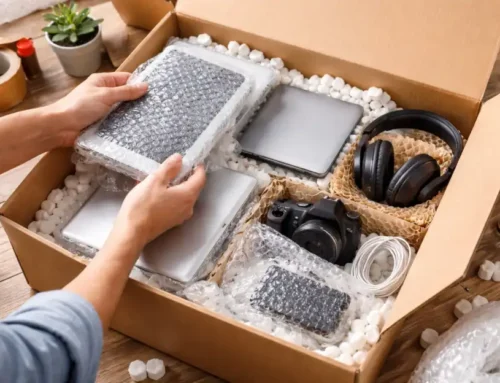
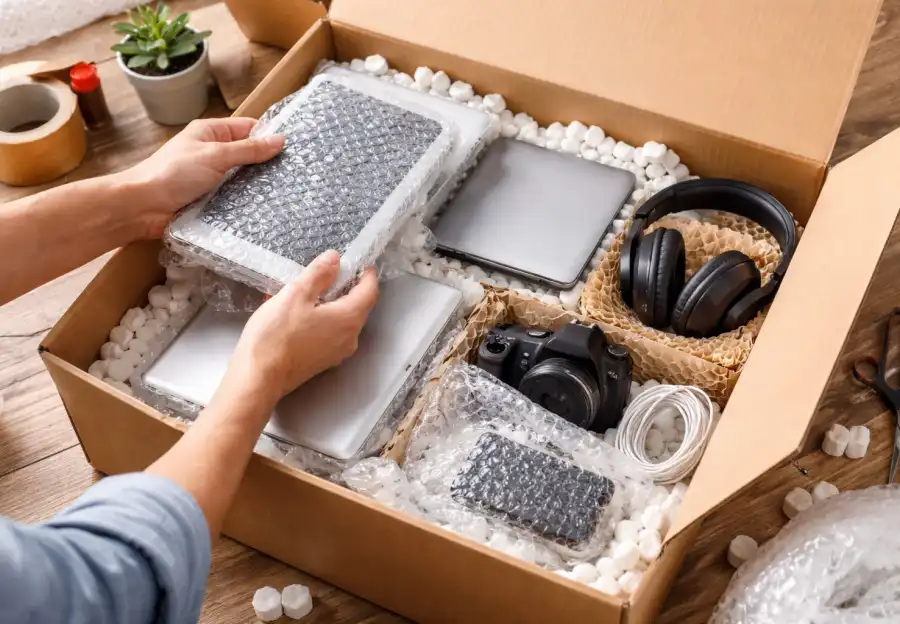
When packing a newborn’s essentials, parents should prioritize accessibility and functionality. Items such as diapers, wipes, clothing, feeding bottles, and blankets should be packed in a separate, clearly marked bag or box that can remain with the caregivers throughout the move. This ensures that essential supplies are immediately available, avoiding interruptions in feeding or care. Additionally, packing a small first-aid kit and any necessary medications for the baby helps ensure safety during transit. Using soft, padded containers or bags protects fragile items such as baby monitors or bottles and prevents damage during transport.
Transportation planning is particularly important when moving with an infant. Whether traveling by car, plane, or other means, parents must consider comfort, safety, and accessibility. Car travel requires securing the infant in a properly installed car seat and planning frequent stops for feeding, diaper changes, and breaks from confinement. Carrying familiar items such as toys, pacifiers, or blankets in the vehicle helps soothe the newborn and provides comfort during transitions. For longer journeys, parents may also benefit from planning routes that minimize travel time and avoid unnecessary delays or hazardous conditions.
Managing the moving day itself requires special attention to timing, coordination, and environment. Creating a calm, controlled atmosphere benefits both the newborn and the caregivers. Assigning specific roles, such as monitoring the baby while movers handle heavy lifting, ensures safety and prevents unnecessary exposure to stress or hazards. Maintaining predictable routines for feeding and sleep, even amidst the disruption, helps the infant feel secure. Parents should also plan quiet areas for the baby away from noise, commotion, or excessive activity during the packing and loading process.
Upon arrival at the new home, establishing a familiar environment is crucial for helping the newborn adjust. Setting up a designated space with bedding, essential supplies, and toys allows the baby to feel secure immediately. Gradually introducing the infant to new rooms and surroundings prevents overstimulation and helps maintain a sense of stability. Parents should aim to replicate familiar routines, including feeding schedules, sleep patterns, and playtime, to reduce stress and foster comfort. Organizing unpacked items in advance ensures that essentials are readily accessible, supporting smooth caregiving and household setup.
Safety and supervision remain central considerations throughout the move. Infants are particularly vulnerable to hazards such as unsecured boxes, cords, and unpacked furniture. Parents should create safe zones where the newborn can be placed temporarily while completing moving tasks. Keeping hazardous items out of reach and monitoring interactions with the environment helps prevent accidents. Similarly, supervising outdoor areas, including stairs, porches, and new surroundings, reduces risk and encourages a secure adjustment to the new home.
Finally, maintaining patience, flexibility, and observation is essential when moving with a newborn. Infants respond unpredictably to change, and recognizing signs of discomfort, stress, or fatigue allows parents to intervene promptly. Balancing the logistical demands of the move with the emotional and physical needs of the baby ensures a safe and successful transition. Thoughtful preparation, structured organization, and a focus on routine provide parents with the tools to navigate challenges efficiently, allowing both caregivers and newborns to settle into the new home with confidence and minimal stress.
In conclusion, moving with a newborn requires a strategic, organized approach that addresses both logistical and caregiving needs. From early planning and decluttering to packing essential items, arranging transportation, and creating a safe, familiar environment in the new home, each step plays a vital role in reducing stress and ensuring the infant’s comfort. By following structured workflows, maintaining routines, and prioritizing the baby’s needs, families can achieve a smooth, safe, and efficient relocation. Mastering these principles not only facilitates the move itself but also fosters transferable skills in planning, organization, and problem-solving, benefiting parents in daily life and future transitions alike.