
March 29, 2026
How to Handle Unexpected Moving Delays
Handling unexpected moving delays is an essential skill that significantly influences how individuals plan, manage, and execute relocation-related tasks. Unlike general moving advice, addressing delays requires a structured, adaptable approach to problem-solving. Delays can arise from a variety of factors, including transportation issues, weather conditions, logistical errors, or personal scheduling conflicts. The ability to anticipate and manage these interruptions reduces stress, minimizes physical strain, and ensures that the move continues as smoothly as possible, even under unforeseen circumstances.
The first step in handling unexpected moving delays is principle preparation. Establishing a well-organized plan in advance helps mitigate the effects of interruptions. This includes creating an inventory of all items, labeling boxes clearly, and arranging critical belongings in an accessible manner. When delays occur, knowing exactly where each item is located prevents wasted time and frustration. Furthermore, preparation extends to scheduling, where building flexibility into timelines, reserving additional moving days, and having backup transportation options allow for a smoother adjustment to sudden changes.
Another crucial aspect is insight-based organization. Understanding the nature of the delay, whether minor or significant, allows individuals to prioritize tasks efficiently. For example, if a moving truck is delayed, focus can shift to packing remaining items, sorting documents, or handling non-essential tasks that do not require immediate transport. This approach ensures that time is not lost and that progress continues even when primary plans are interrupted. Insight into potential bottlenecks allows for proactive problem-solving, improving overall workflow efficiency.
A systematic method for dealing with delays involves breaking down the moving process into smaller, manageable components. Tasks such as disassembling furniture, labeling boxes, or organizing pantry items can be addressed in stages, which reduces the sense of overwhelm. By using methodical checklists and time-blocking strategies, movers can maintain a clear view of priorities, adapt to changing circumstances, and ensure that essential tasks are completed first. This step-by-step approach creates a sense of control and reduces anxiety, even in the face of unforeseen obstacles.
Communication plays a vital role when unexpected delays occur. Maintaining contact with moving companies, service providers, or helpers allows for real-time adjustments and coordination. Clear communication ensures that all parties are aware of revised timelines and responsibilities, minimizing confusion and misunderstandings. Additionally, communicating with household members about the status of the move helps manage expectations, reduces stress, and keeps everyone aligned on priorities, enabling a smoother and more organized execution of remaining tasks.
Flexibility is an indispensable principle when managing moving delays. Being adaptable allows individuals to adjust to new circumstances without panicking. For instance, if a moving truck arrives late, it may be an opportunity to complete packing in a more organized manner or tackle previously postponed tasks. Adopting a flexible mindset ensures that setbacks are treated as temporary challenges rather than crises. This mental approach enhances efficiency, prevents frustration, and promotes a more positive experience throughout the moving process.
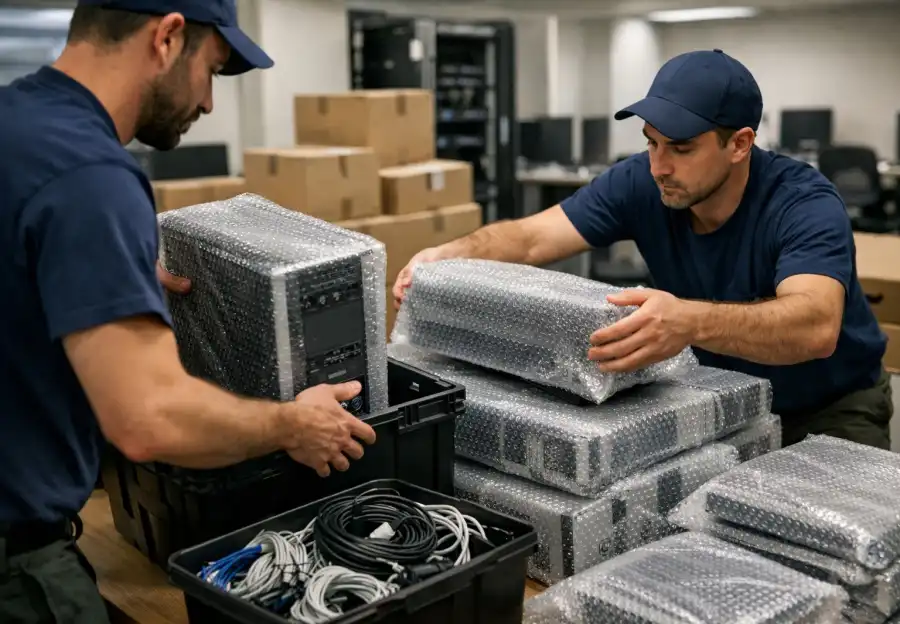
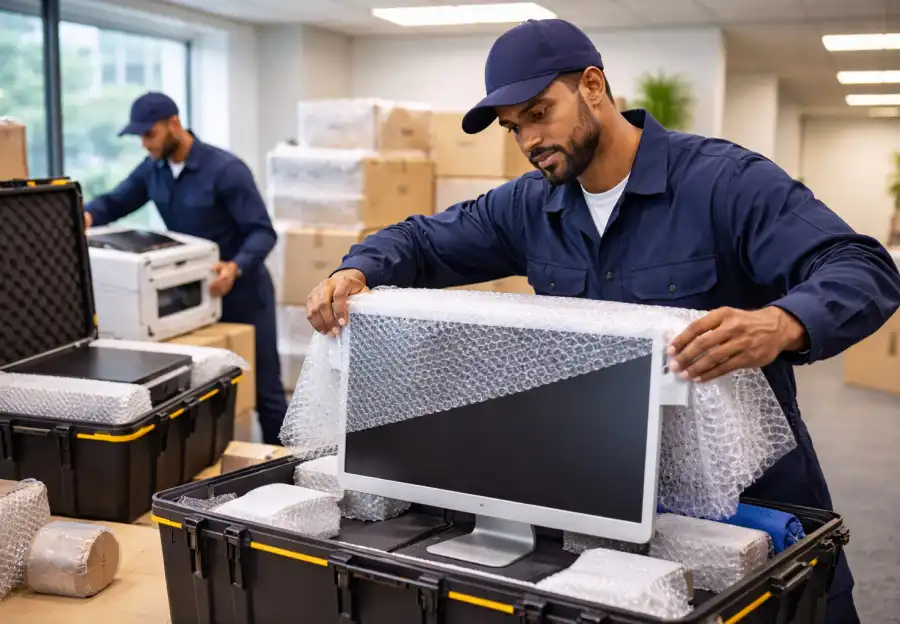
Safety and practicality should never be overlooked when delays arise. Unexpected interruptions can lead to rushed actions, increasing the risk of injury or damage to belongings. Maintaining awareness of lifting techniques, handling fragile items carefully, and ensuring a clear workspace prevents accidents. Additionally, practical considerations such as ensuring adequate hydration, snacks, and breaks during extended delays contribute to the well-being of all involved, keeping energy levels up and reducing fatigue.
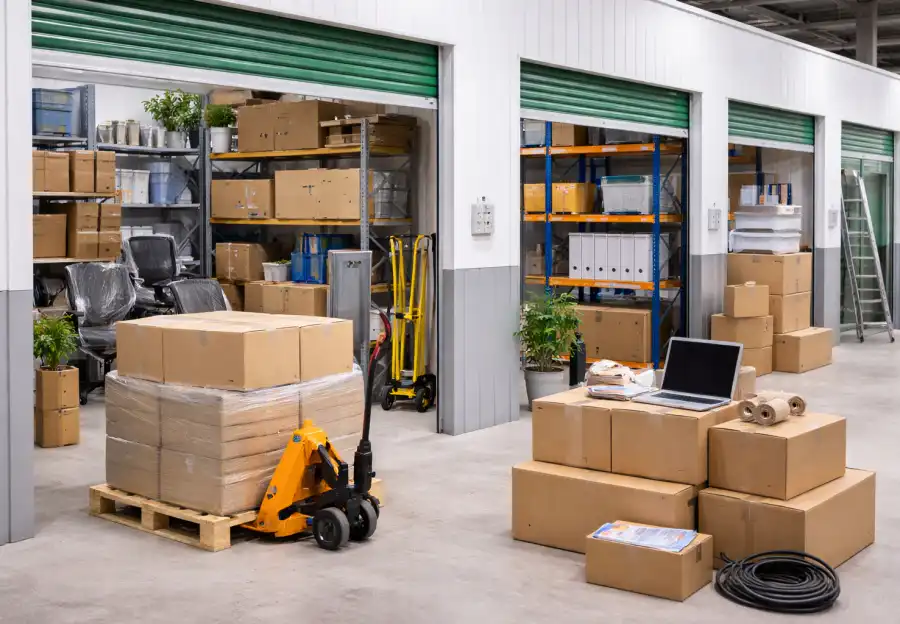
Documenting changes and creating contingency plans is another key strategy. Recording revised schedules, noting items that need special attention, and tracking which tasks have been completed allows movers to maintain order. Contingency plans might include identifying temporary storage solutions, backup transportation options, or alternative accommodation arrangements. Having these strategies in place provides reassurance and clarity, allowing individuals to respond efficiently to evolving circumstances while minimizing disruption.
Finally, maintaining a calm, patient, and solution-oriented mindset is essential. Unexpected moving delays are inherently stressful, but viewing them as manageable challenges rather than insurmountable obstacles improves overall execution. By combining preparation, systematic organization, flexibility, communication, safety, and documentation, individuals can navigate delays effectively. This holistic approach not only ensures the safe and efficient relocation of belongings but also enhances the ability to adapt to future challenges, building transferable skills for other areas of life.
In conclusion, handling unexpected moving delays requires a comprehensive, structured approach that blends preparation, insight, systematic organization, effective communication, and flexibility. By anticipating problems, breaking down tasks into manageable steps, prioritizing critical actions, and maintaining safety and patience, individuals can reduce stress, prevent errors, and maintain control throughout the moving process. Developing these strategies transforms potential setbacks into opportunities for efficiency, resilience, and problem-solving, ensuring a successful and organized relocation regardless of unforeseen interruptions.