
March 28, 2026
How to Plan Your Move-In Day Efficiently
Planning your move-in day efficiently is a crucial component of a smooth relocation. Unlike general packing or moving advice, this process emphasizes detailed practices, careful decision-making, and strategic organization to help individuals manage the influx of tasks associated with relocating into a new space. A well-structured plan for move-in day allows homeowners or renters to anticipate challenges, allocate resources effectively, and minimize both stress and physical strain. By breaking the day into organized steps, people can approach the transition with clarity, ensuring that every box, piece of furniture, and personal item is placed systematically.
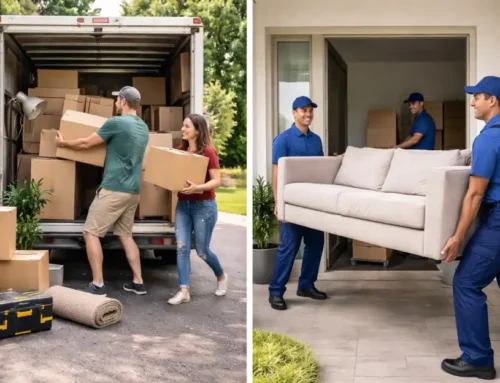
One of the first aspects of efficient move-in planning is creating a timeline. By establishing a clear schedule, individuals can prioritize tasks such as furniture placement, unpacking essential items, and setting up utilities or appliances. The timeline should account for expected arrival times of movers, delivery windows for large items, and any preparation work required before items are moved inside, such as clearing pathways, protecting flooring, or designating spaces for boxes. With a detailed schedule in place, homeowners are able to coordinate efforts between family members, professional movers, or friends, ensuring that every stage of the move is synchronized.
Organizing your new space in advance also contributes significantly to efficiency. Creating a room-by-room plan and designating areas for furniture and storage ensures that boxes and items are not left in inconvenient locations. Marking rooms clearly with labels or color-coded stickers allows movers to place items directly in their intended spaces, reducing the need for repeated handling. This pre-planning also helps individuals visualize how their furniture, appliances, and personal belongings will fit into the new environment, streamlining decisions about placement and minimizing confusion on move-in day.
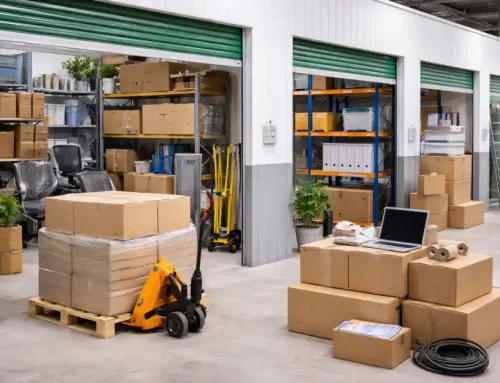
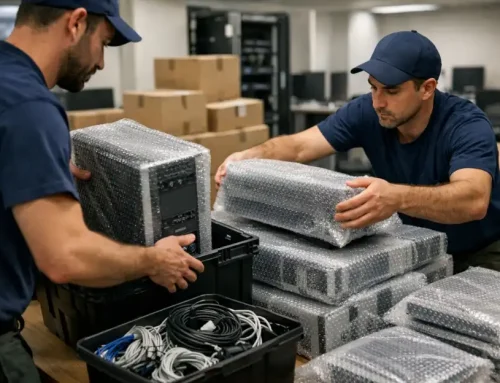
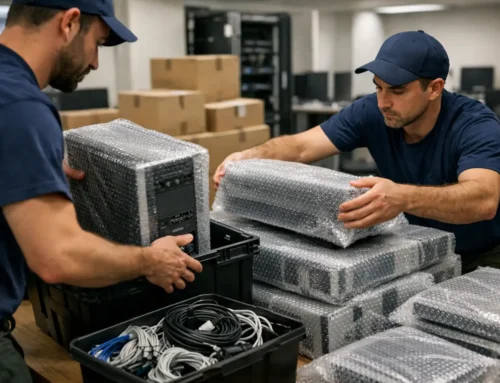
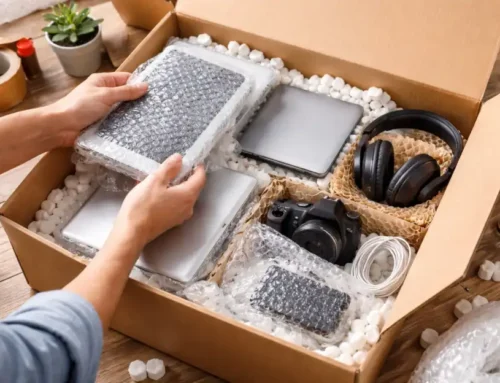
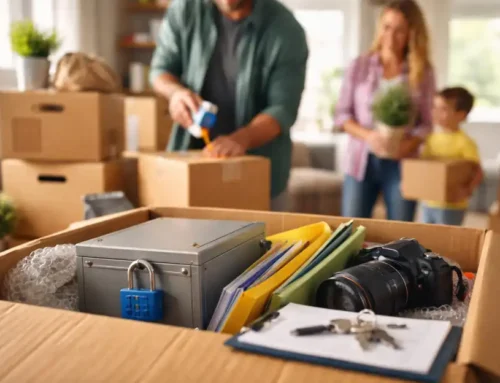
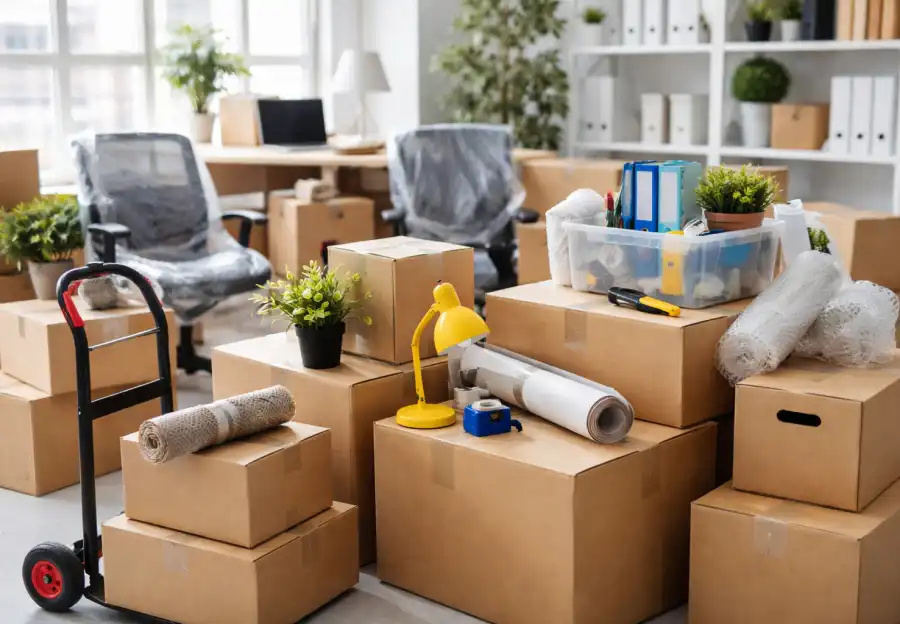
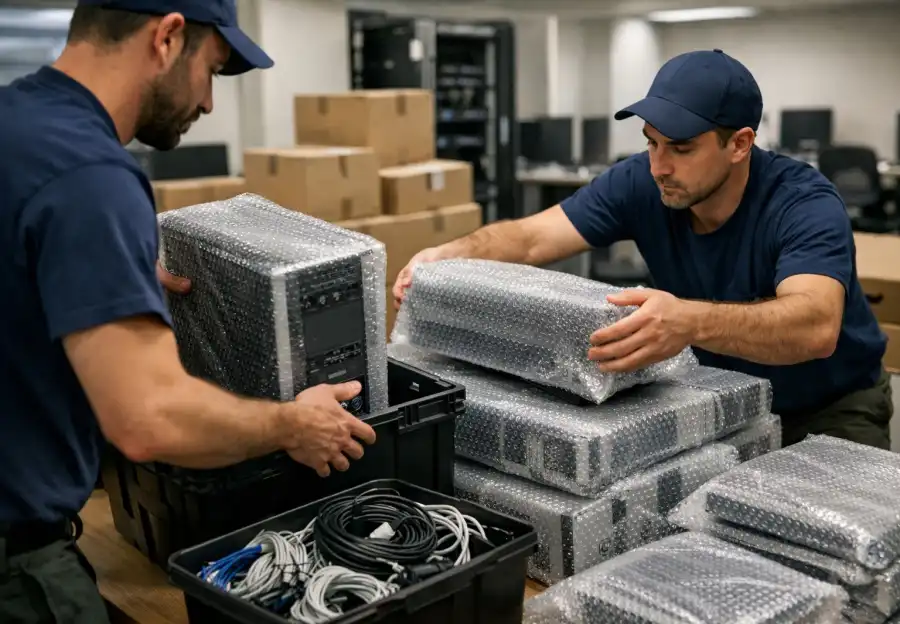
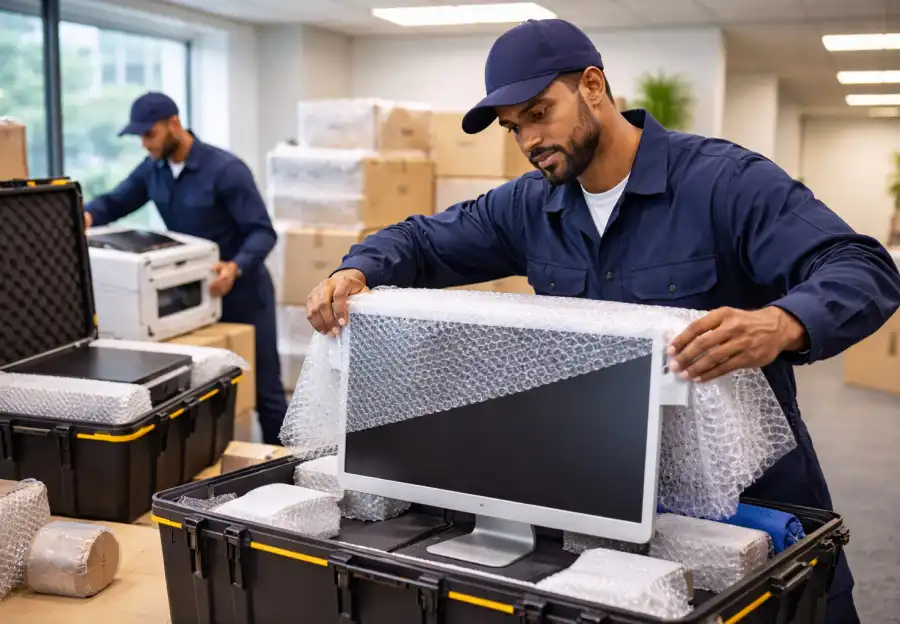
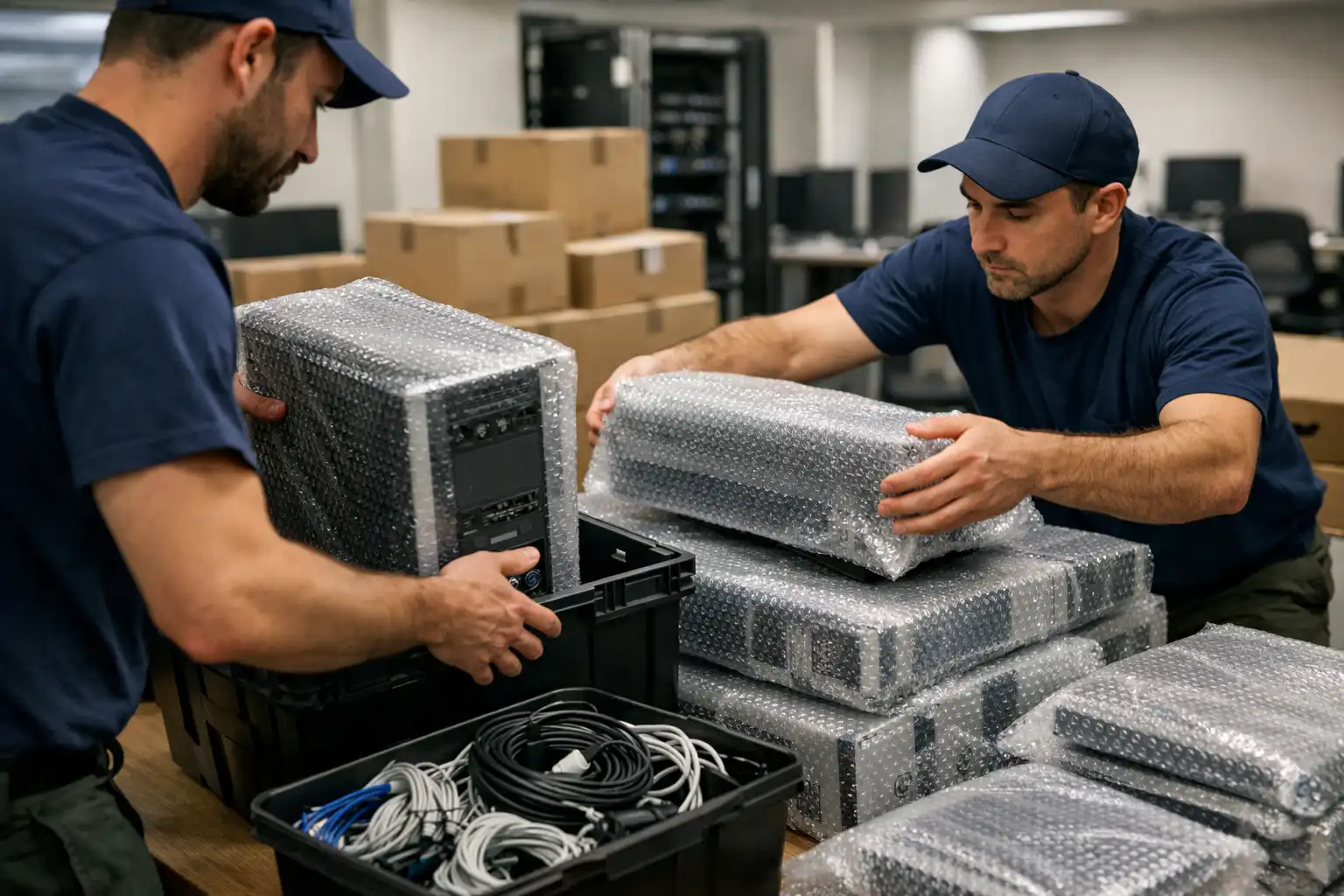
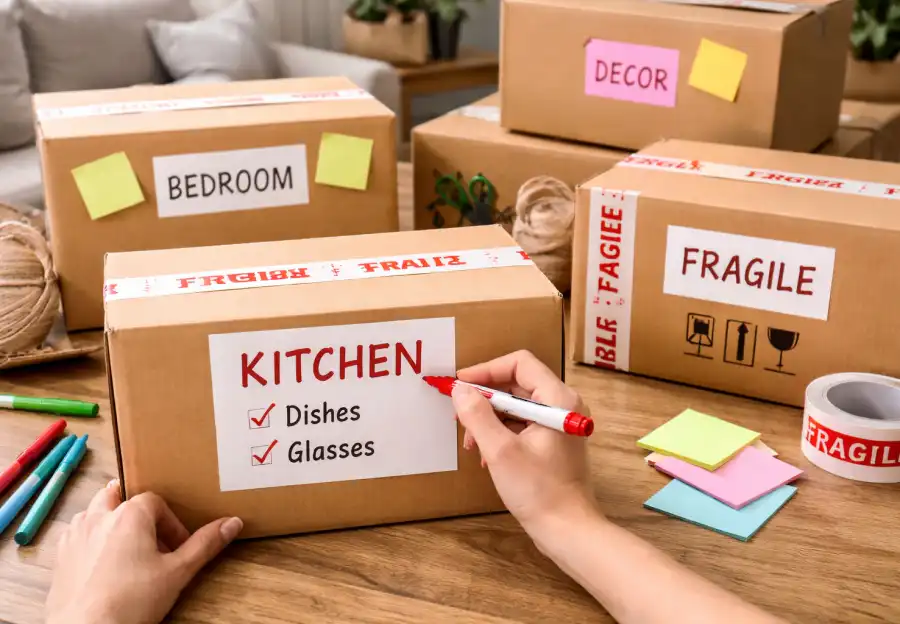
Preparation of materials and tools is another essential consideration. Items such as packing supplies, cleaning materials, dollies, and protective coverings should be readily accessible. Ensuring that boxes are labeled with contents and destination rooms reduces uncertainty and speeds up unpacking. Additionally, having necessary tools for furniture assembly or disassembly on hand prevents unnecessary delays. By gathering these resources in advance, individuals avoid last-minute scrambling and can focus on executing the move systematically rather than searching for essential items in the chaos of relocation.
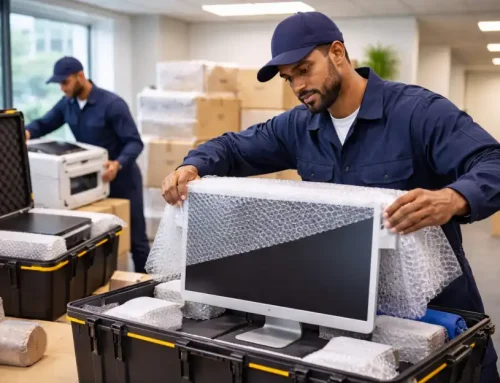
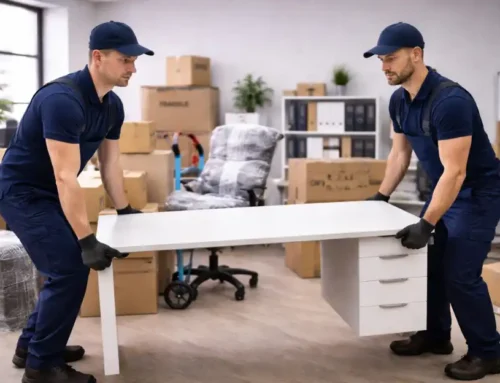
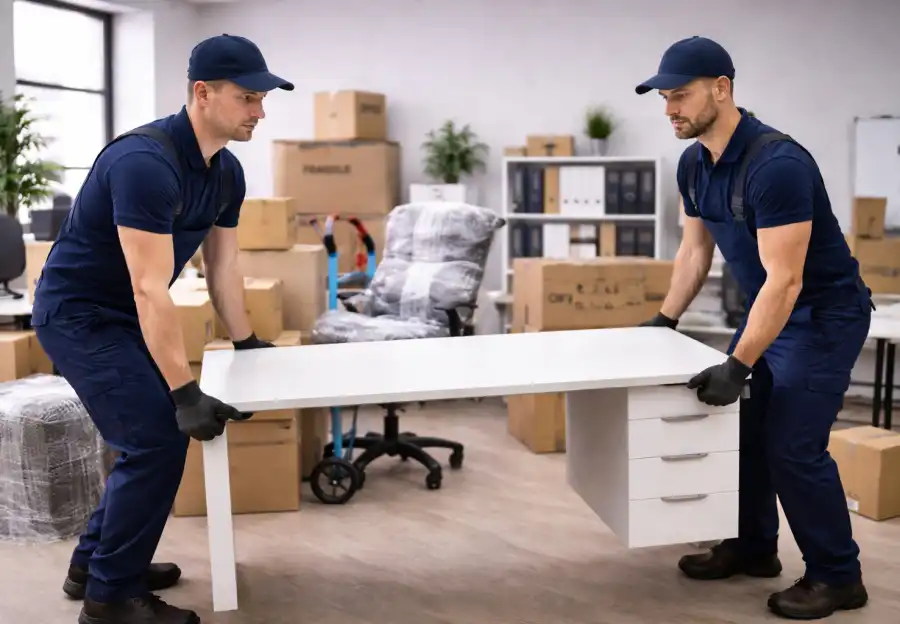
Efficient handling and workflow during move-in day is critical. Prioritizing essential items, such as kitchen supplies, bedding, and toiletries, allows for immediate functionality in the new home, ensuring that the first hours post-move are comfortable. Large or heavy items should be moved first, followed by medium and lighter boxes, allowing for clear pathways and reducing the risk of accidents. Establishing a workflow—where one team handles heavy items, another focuses on unpacking essentials, and a third organizes smaller belongings—maximizes efficiency while minimizing physical fatigue and confusion.
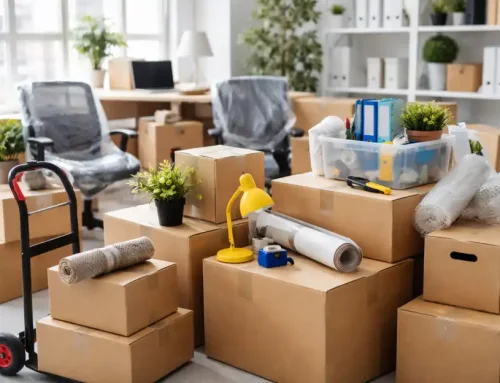
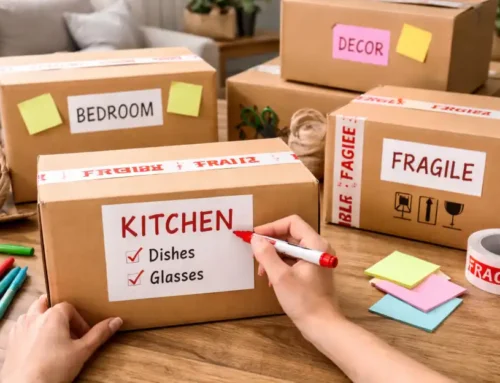
Attention to organization and labeling enhances efficiency throughout the move. Keeping an inventory of boxes and items provides a reference point to ensure nothing is misplaced. Detailed labeling, including room destination, fragility indicators, and brief descriptions of contents, allows for faster identification during unpacking and reduces the likelihood of misplacement or damage. This practice also enables team members to work independently, knowing exactly where each item belongs without repeated instructions or supervision, improving overall time management and reducing stress.
Handling unexpected challenges is another aspect of planning move-in day efficiently. Delays, missing items, or furniture that does not fit as expected can cause frustration. By anticipating these scenarios and building flexibility into the schedule, individuals can maintain control and reduce stress. Keeping essential items accessible, having backup tools or packing materials, and allowing extra time for assembly or arrangement ensures that unforeseen obstacles do not derail the entire day. This adaptability contributes to a smoother, more manageable moving experience.
Strategic placement of items during the move-in process also improves long-term organization. Grouping similar items together, designating zones for frequently used objects, and planning storage solutions in advance reduces clutter and ensures that unpacking proceeds logically. Immediate attention to high-use areas such as the kitchen, bedroom, and bathroom allows for functional living from the first day, while secondary areas such as storage rooms, closets, and decorative spaces can be addressed progressively. This methodical approach maximizes efficiency and prevents overwhelming accumulation of boxes in the early stages of settling in.
Finally, maintaining an organized mindset throughout move-in day is essential for reducing stress and improving overall efficiency. Consistently referring to the established plan, communicating effectively with helpers, and systematically following the workflow ensures that tasks are completed in an orderly manner. Attention to detail, patience, and flexibility allow individuals to adapt to challenges without losing control or momentum. By integrating preparation, organization, strategic placement, and workflow management, move-in day can proceed smoothly, allowing residents to settle into their new space quickly, confidently, and with minimal disruption.
In conclusion, planning your move-in day efficiently requires a combination of foresight, organization, and strategic execution. Creating a timeline, preparing materials, designating spaces, coordinating movers or helpers, and prioritizing essential items all contribute to a seamless relocation experience. Attention to labeling, workflow management, and contingency planning ensures that the day remains structured, even when unexpected challenges arise. By approaching move-in day with a methodical mindset, individuals can reduce stress, avoid physical strain, optimize time, and transition into their new home with clarity and confidence, transforming a potentially chaotic experience into a controlled, productive, and successful process.