March 22, 2026
How to Unpack Faster and Stay Organized
Unpacking faster and staying organized after a move requires careful planning, systematic execution, and thoughtful prioritization. Moves often involve a large number of boxes, furniture, and miscellaneous items, and without a clear strategy, unpacking can become overwhelming and time-consuming. To achieve an efficient and organized setup, it is essential to approach the process with a combination of preparation, categorization, labeling, storage solutions, workflow sequencing, and continuous evaluation, ensuring that belongings are both accessible and functional while minimizing stress and potential damage.
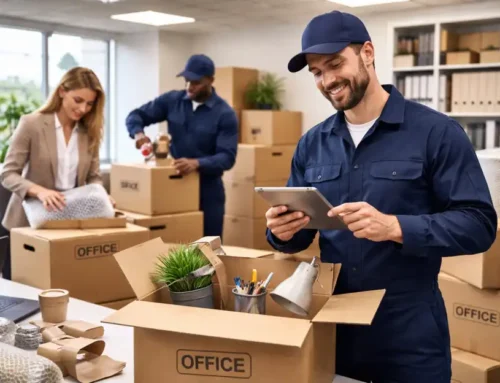
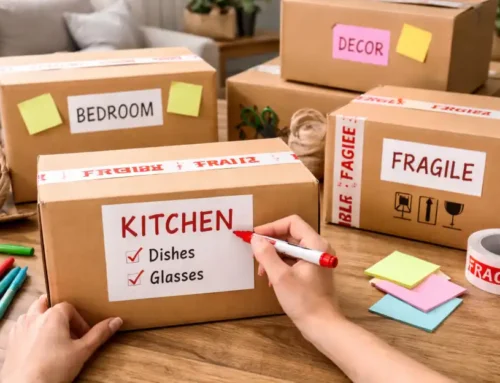
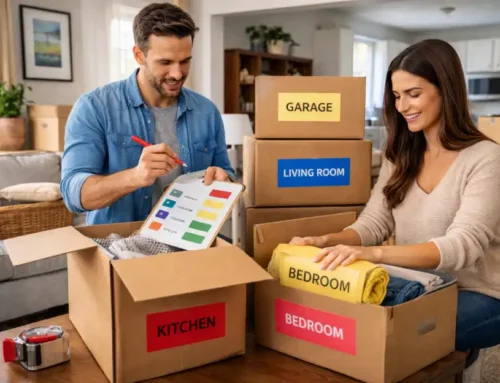
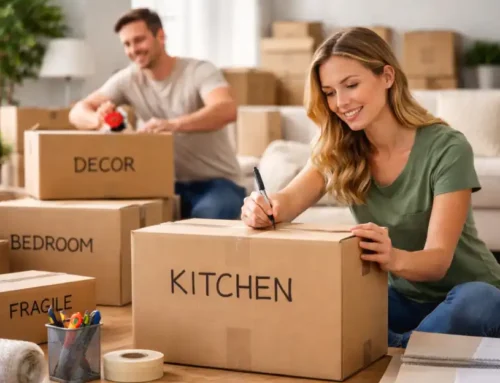
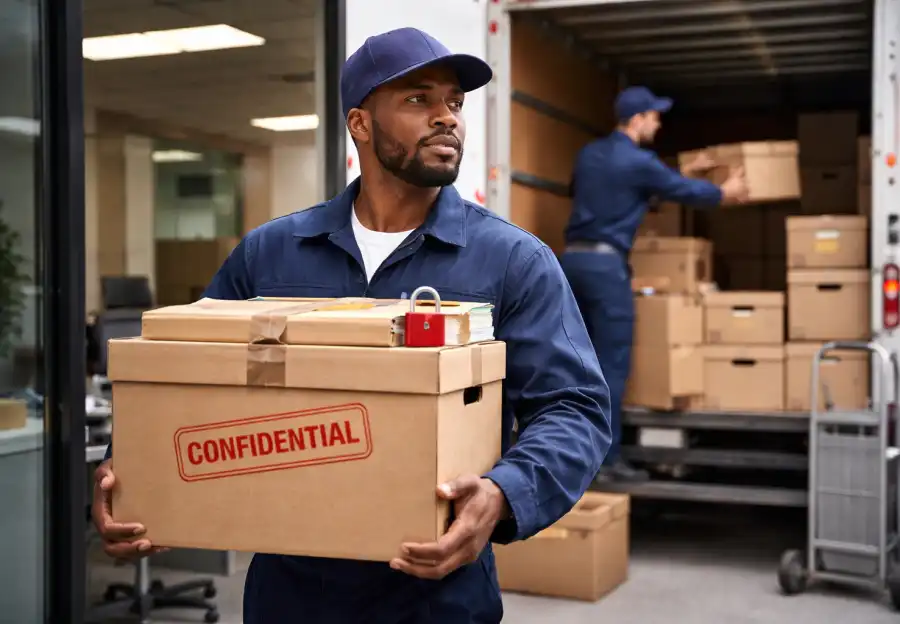
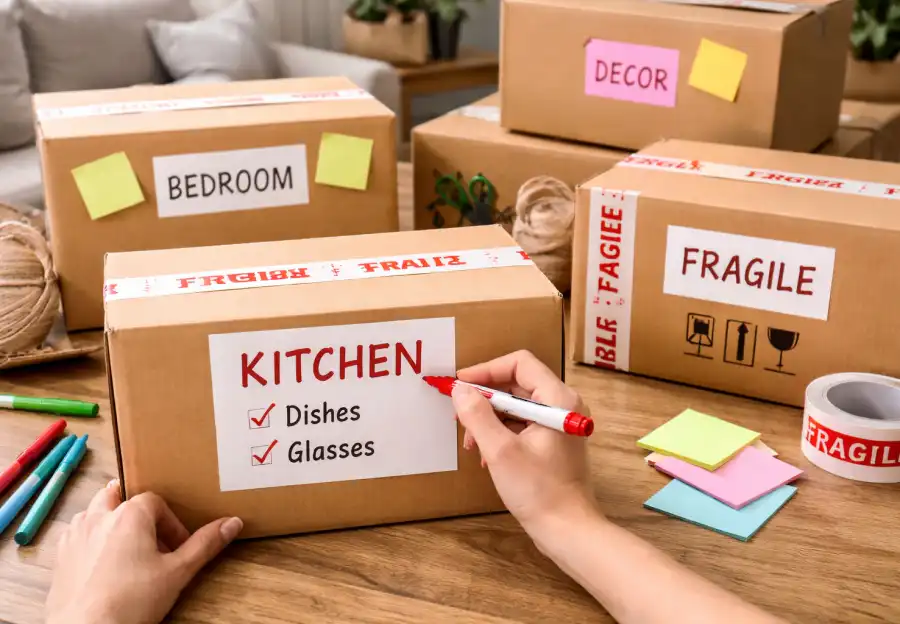
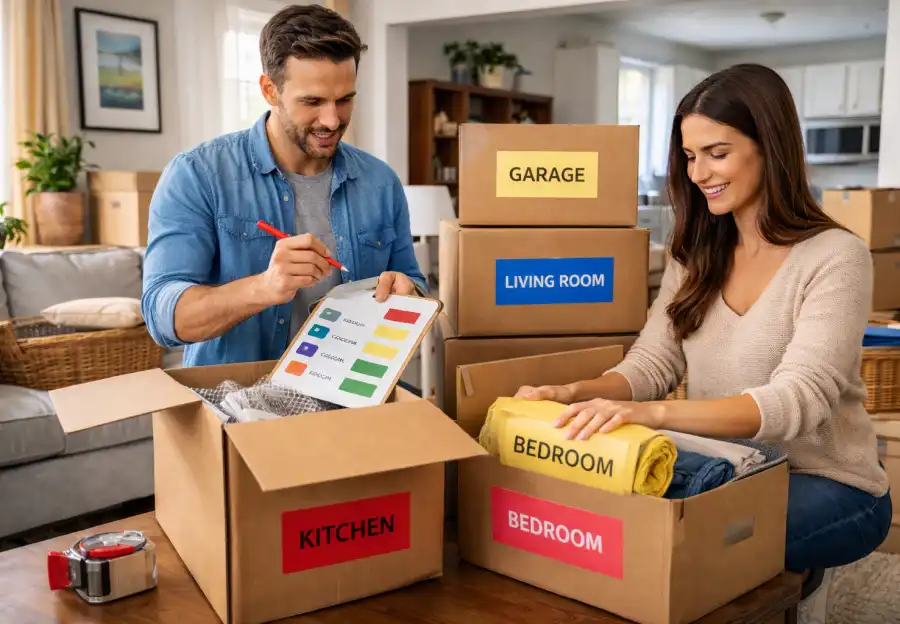
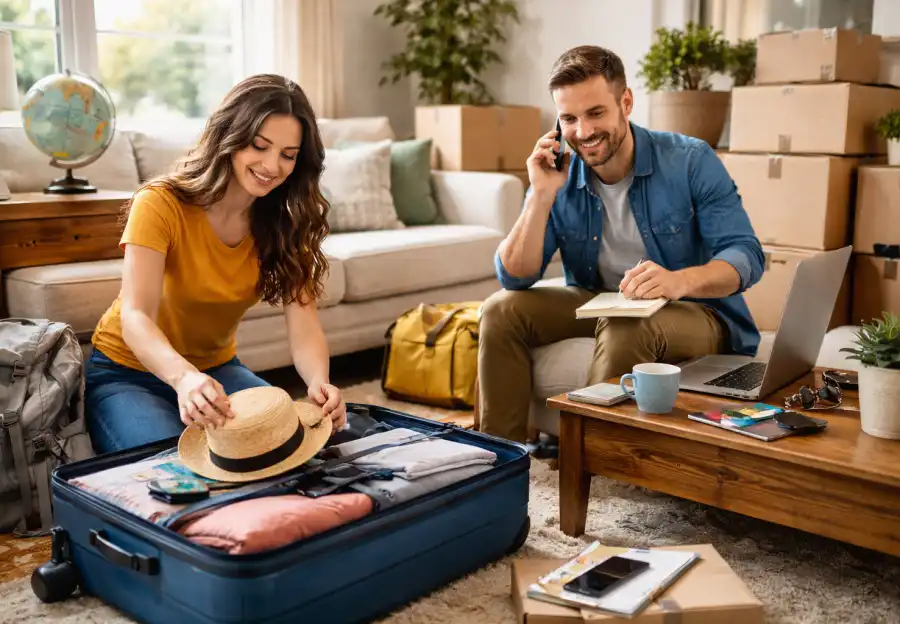
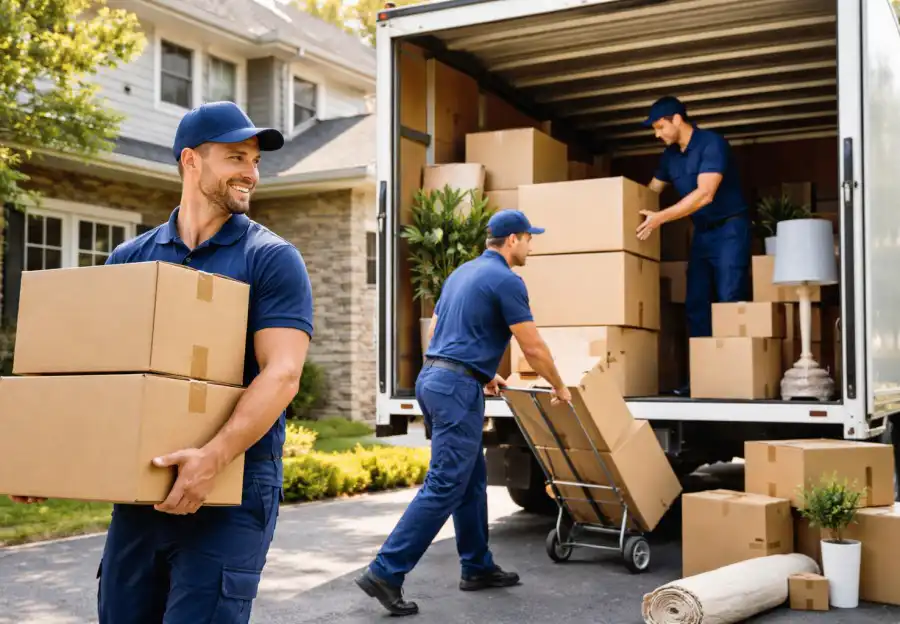
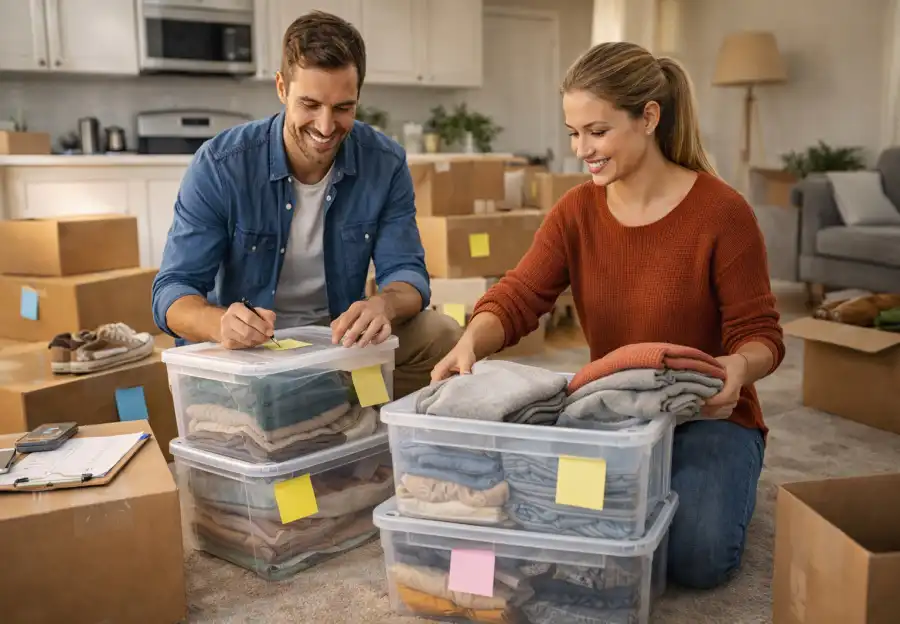
The first step in unpacking efficiently is preparation before moving day. Creating a detailed plan that identifies which rooms should be set up first, which items are essential for immediate use, and which can be stored for later saves time and prevents confusion. Packing boxes with clear labels indicating contents, destination room, and handling instructions allows movers or family members to place boxes directly in the correct locations. This approach reduces repeated handling, accelerates the unpacking process, and ensures that essential items are available as soon as they arrive in the new space.
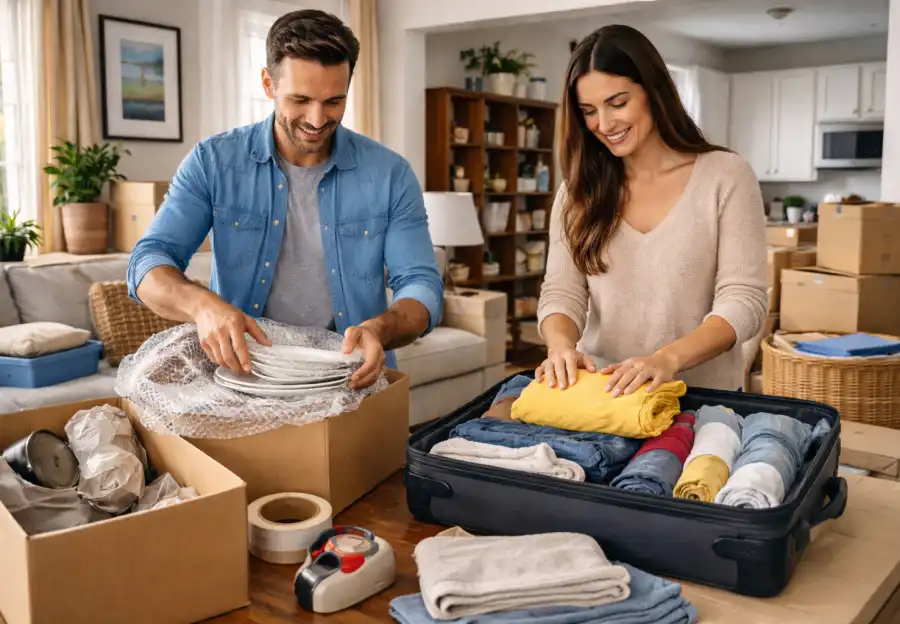
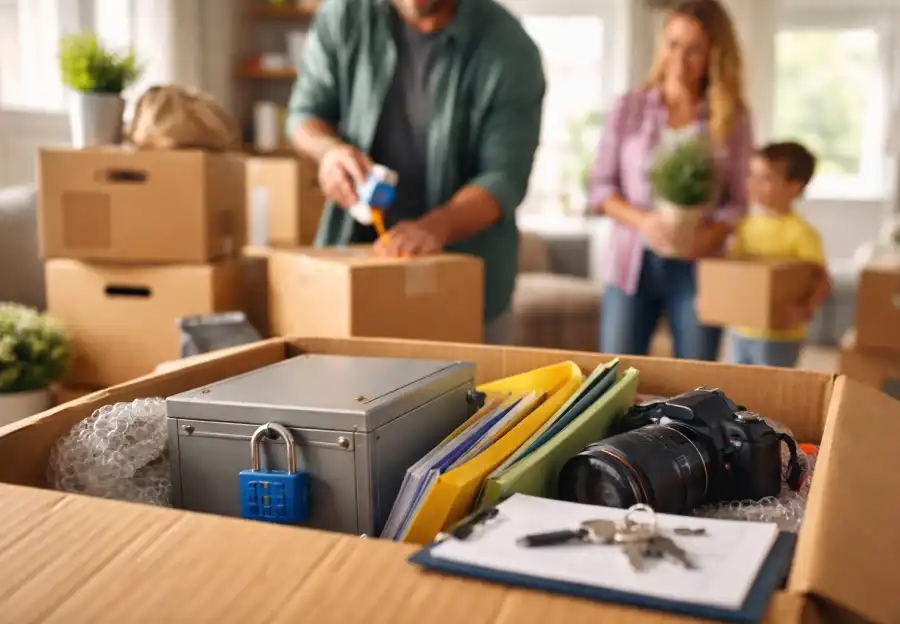
Prioritizing unpacking tasks is critical for maintaining functionality during the move-in period. Essential items such as kitchenware, toiletries, bedding, work-related materials, and important documents should be unpacked first. This enables the household or office to operate normally immediately. Non-essential items, including decorative objects, seasonal clothing, or rarely used equipment, can be unpacked later according to available time and space. Sorting items by category during unpacking further supports organization, as grouping similar objects like electronics, books, clothing, or office supplies allows for systematic placement, better use of storage solutions, and easier access in the future.
Decluttering as you unpack is an effective strategy to maintain a clean and organized environment. Evaluating each item when removed from boxes—deciding whether to keep, donate, recycle, or discard—prevents unnecessary accumulation of belongings. This not only maximizes storage space but also creates a more functional and streamlined environment. Utilizing storage solutions such as shelves, bins, drawer organizers, hooks, and closet systems ensures that items have designated locations. Frequently used items should be placed within easy reach, while less-used items can be stored in higher shelves, under furniture, or in less accessible areas, optimizing both accessibility and spatial efficiency.
Workflow sequencing enhances speed and efficiency during unpacking. Tackling one room at a time rather than moving randomly through the house or office minimizes repetitive trips and confusion. Setting up essential furniture and appliances first creates a functional foundation for arranging smaller items and decor. Similarly, using labeling and color-coding systems simplifies organization. Colored tape, stickers, or markers can indicate specific rooms or item categories, preventing misplacement and streamlining the unpacking process. Maintaining an inventory of unpacked items allows tracking of progress and ensures nothing is lost during the transition.
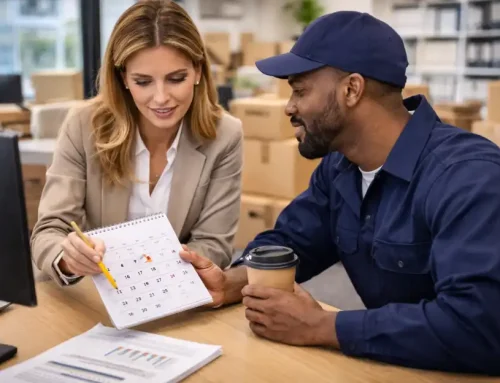
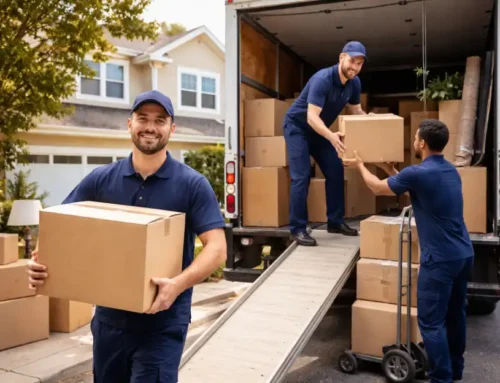
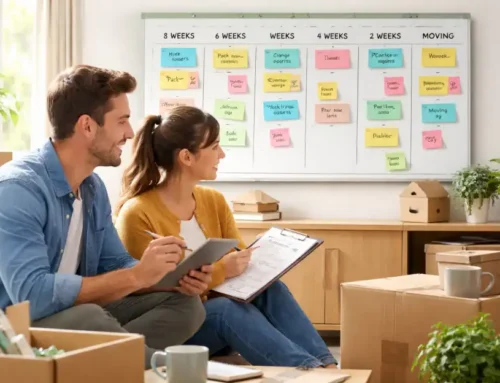
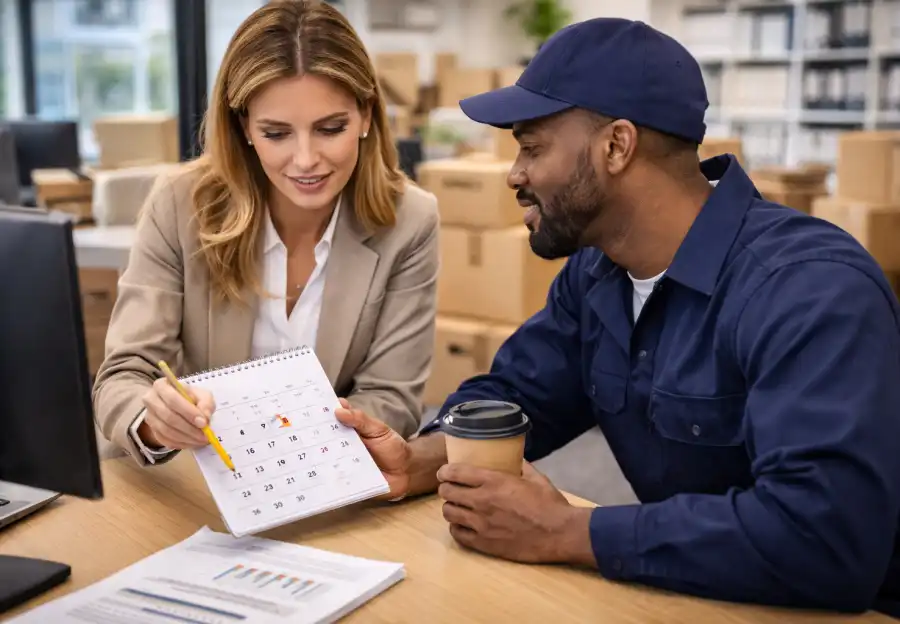
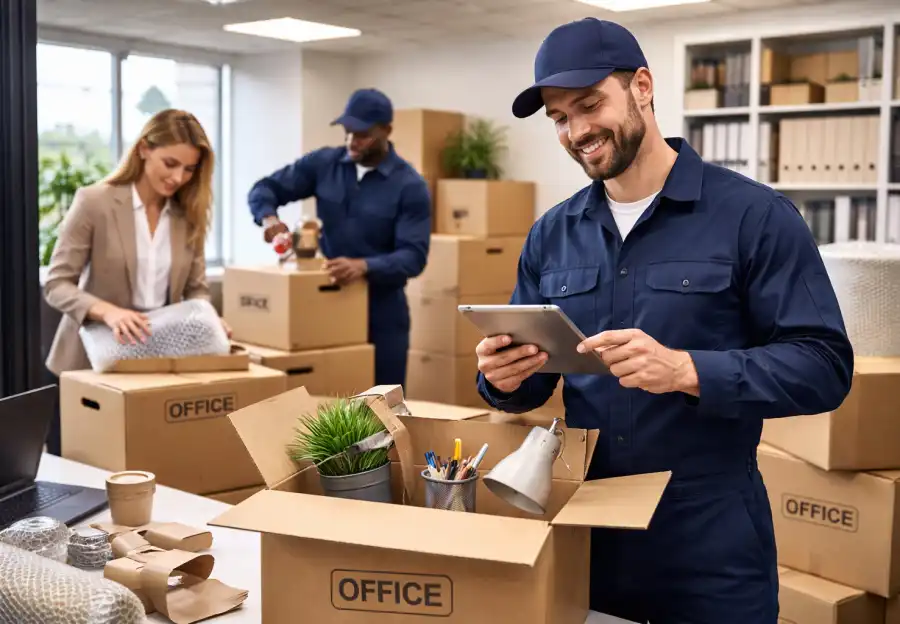
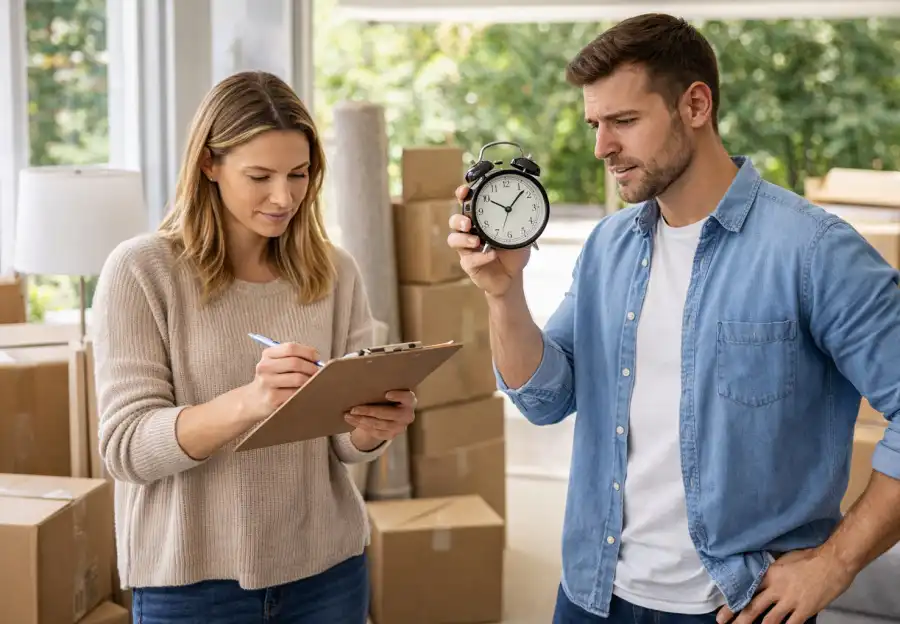
Time management is another essential factor for efficient unpacking. Setting realistic goals, allocating specific time blocks for tasks, and scheduling breaks helps maintain focus and prevents fatigue. Creating a timeline or checklist for each room allows for monitoring completion and maintaining motivation throughout the process. Teamwork and delegation also accelerate unpacking. Involving family members, colleagues, or hired movers to handle specific rooms or tasks allows multiple areas to be unpacked simultaneously, reducing individual workload and promoting efficient task distribution. Clear communication and defined responsibilities prevent duplication of effort and confusion.
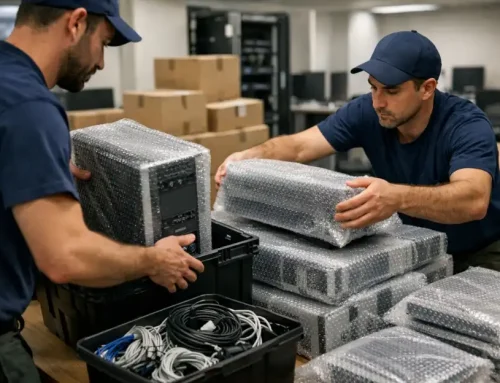
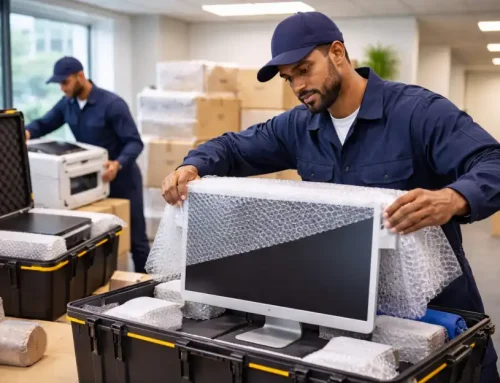
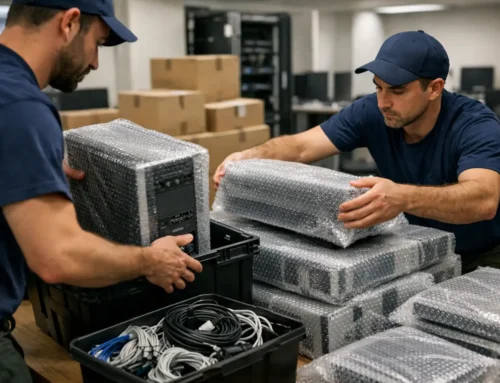
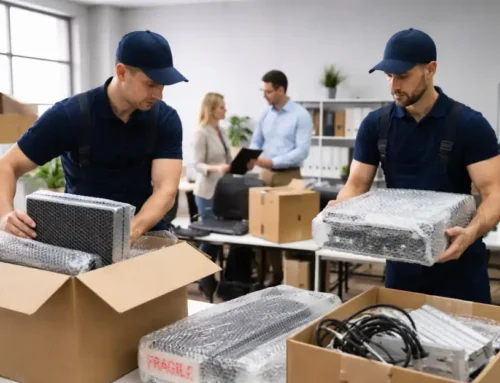
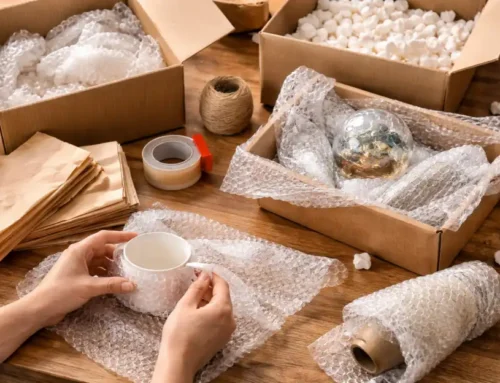
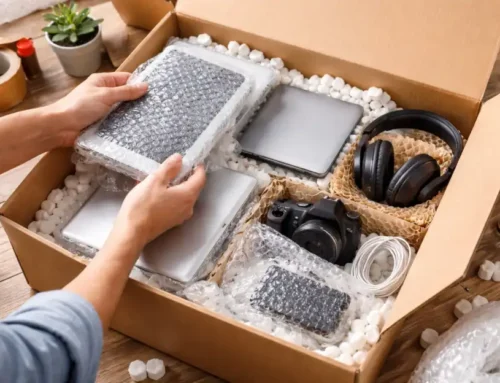
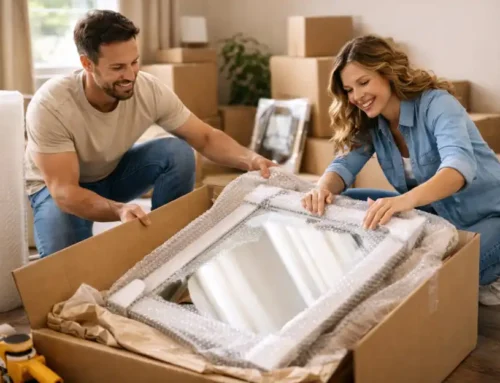
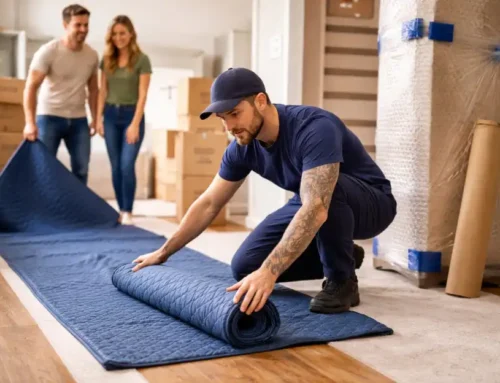
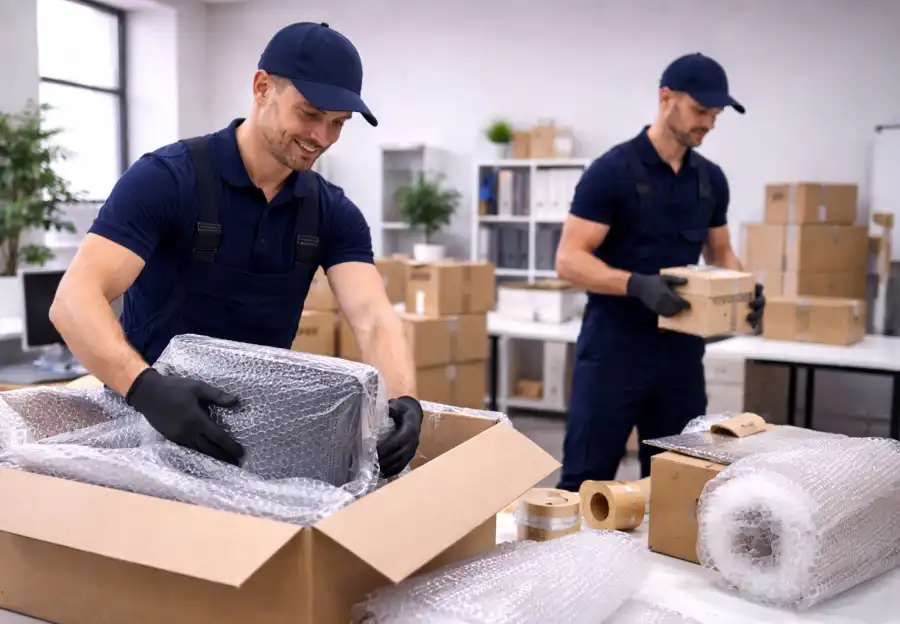
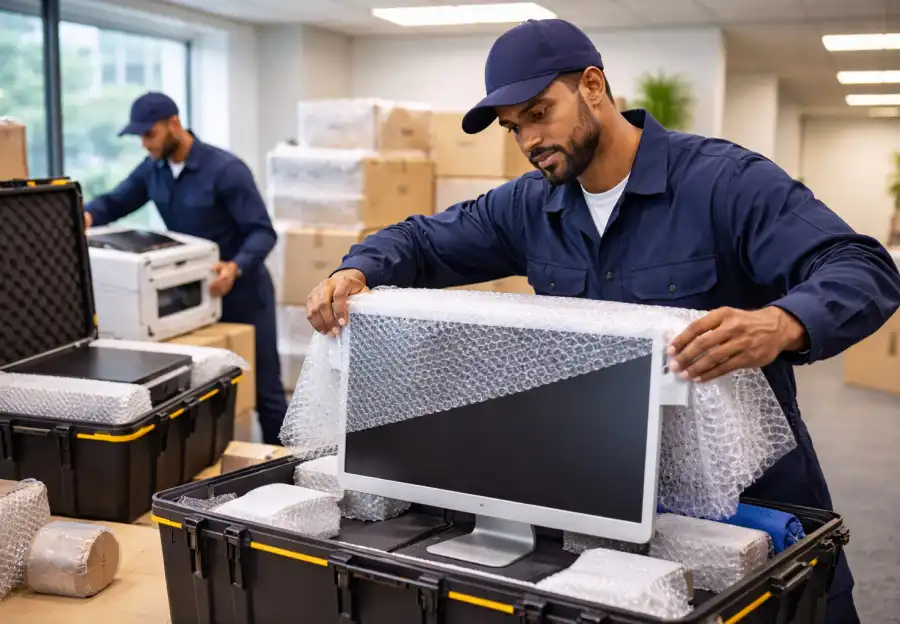
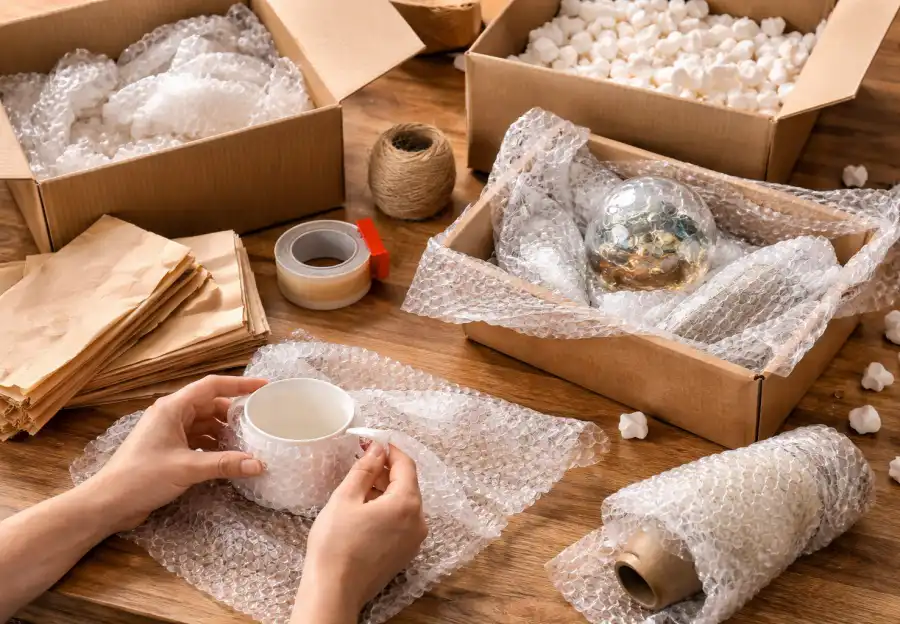
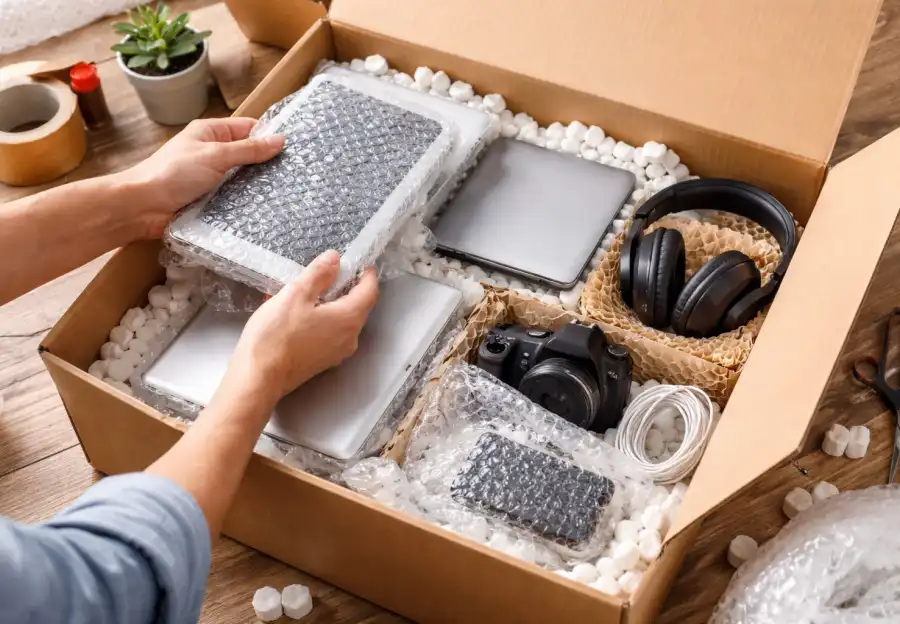
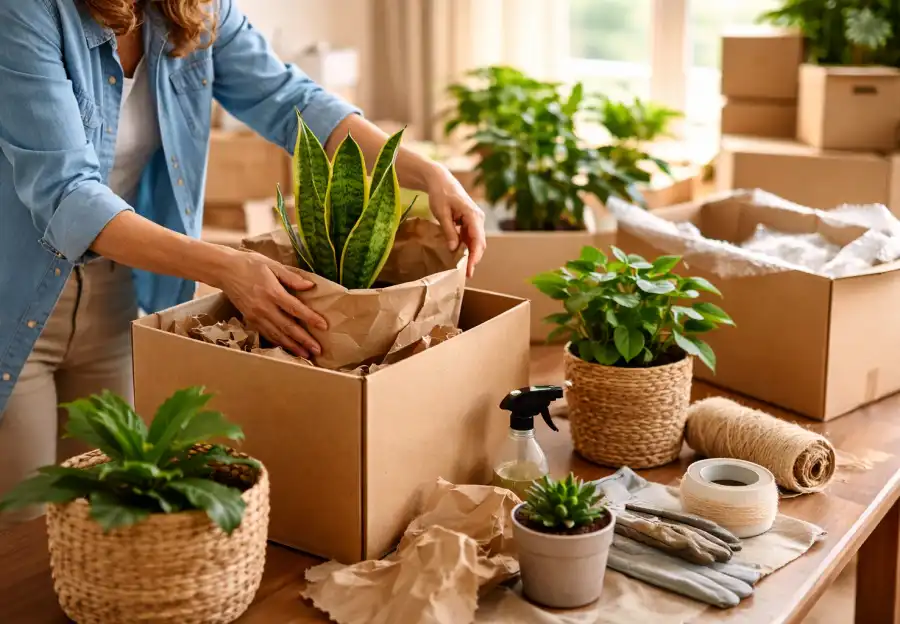
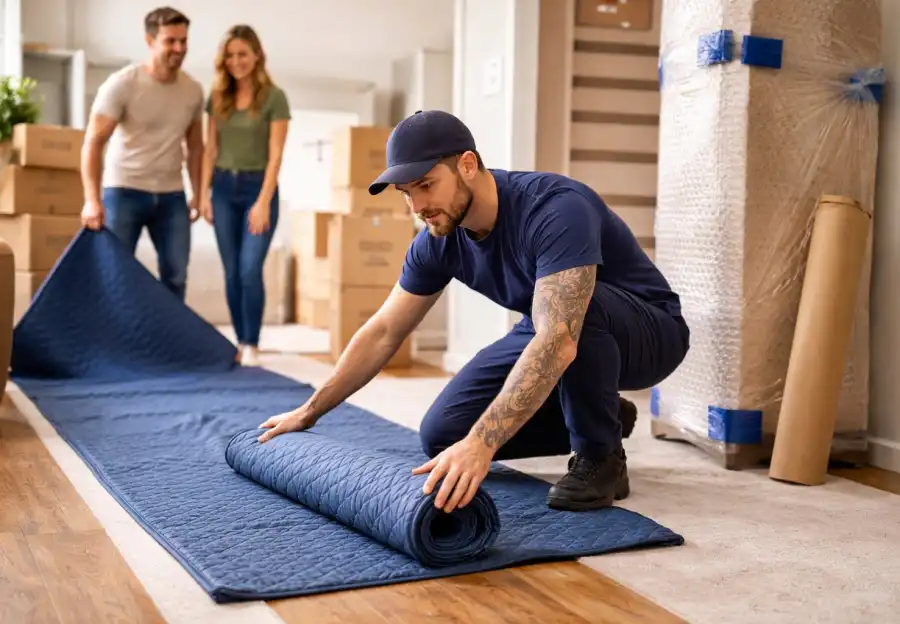
Handling fragile or high-value items with care is essential to prevent damage during unpacking. Protective materials should be used, and delicate objects should be unpacked before heavier or bulkier items. Integrating technology and tools, such as inventory management apps, digital checklists, or photo documentation of item placement, supports tracking, prevents loss, and simplifies future retrieval. Maintaining cleanliness during the process by disposing of packing materials, trash, and debris as unpacking progresses prevents clutter accumulation and ensures a safe, functional, and pleasant environment.
Flexibility in adjusting plans is also important, as unexpected challenges like missing items, furniture rearrangement, or space limitations can arise. Creating functional zones in each room during unpacking supports organization by designating areas for storage, daily use, and temporary placement, ensuring items are consistently returned to their proper locations. Monitoring progress and reviewing completed areas allows for timely adjustments, while reinforcing labeling and storage habits during daily routines promotes long-term organization.
Maximizing storage spaces through vertical and hidden areas such as wall-mounted shelving, under-bed storage, and multipurpose furniture keeps items accessible yet out of the way, maintaining a clean appearance. Financial and resource management, including budgeting for organizational tools, storage solutions, and labeling materials, ensures unpacking proceeds smoothly without interruptions or improvisation. Post-unpacking evaluation allows refinement of storage arrangements and accessibility, while incorporating ergonomic principles, like placing heavy items at waist height and arranging commonly used objects for easy reach, enhances comfort and safety.
In summary, unpacking faster and staying organized requires a systematic approach encompassing pre-move planning, room-by-room strategies, prioritization of essential items, sorting and categorization, decluttering, effective use of storage solutions, workflow sequencing, labeling, time management, teamwork, careful handling of fragile items, technology integration, cleanliness, flexibility, functional zoning, progress monitoring, reinforcement of organizational habits, space optimization, resource management, post-unpacking evaluation, and ergonomic considerations. By implementing these strategies, individuals and businesses can ensure a smooth, efficient, and stress-free move-in, resulting in a well-organized, functional, and accessible environment that supports productivity, comfort, and long-term order.