
March 20, 2026
How to Move Across States With Ease
Moving across states with ease requires careful planning, methodical preparation, and strategic execution to ensure that the relocation process is as smooth, efficient, and stress-free as possible. Unlike local moves, long-distance relocations involve added complexities such as coordinating transportation, managing timelines across multiple days, and navigating state-specific regulations. Successfully managing these challenges begins with developing a structured system that breaks down the move into manageable tasks, allowing individuals to maintain clarity and organization throughout the process. From packing to transportation, every step benefits from a deliberate approach that minimizes uncertainty and maximizes efficiency.
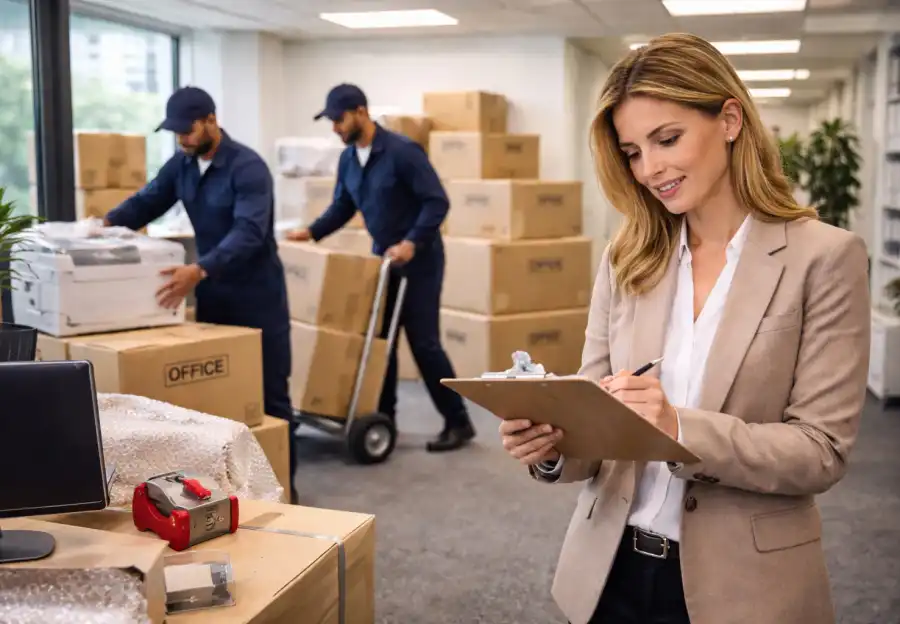
The first critical element in moving across states is preparation. This includes taking inventory of belongings, categorizing items by fragility, weight, and priority, and determining what to transport, donate, or discard. Proper preparation also involves researching moving options, such as professional moving companies, rental trucks, or hybrid solutions. Evaluating the costs, timelines, and services of different providers enables individuals to choose a method that aligns with both their budget and their logistical needs. Early preparation ensures that surprises, delays, or additional expenses are minimized and provides peace of mind as the move date approaches.
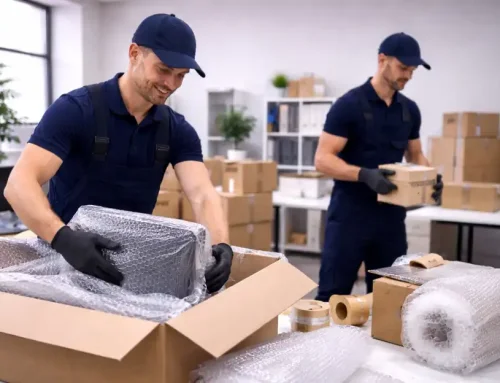
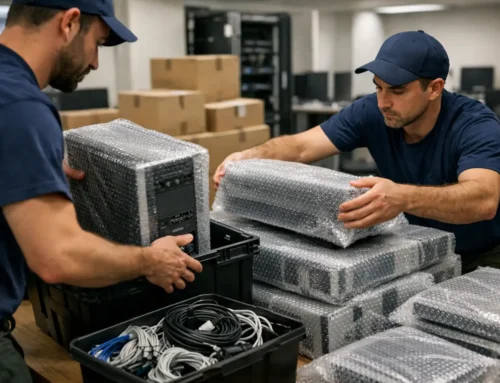
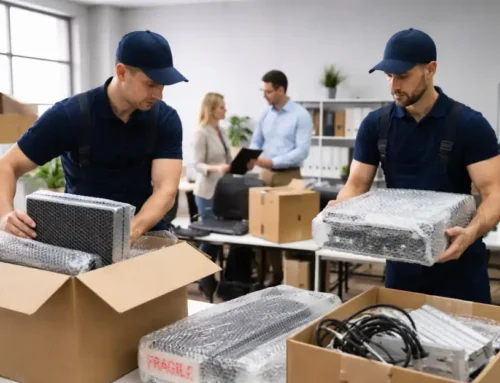
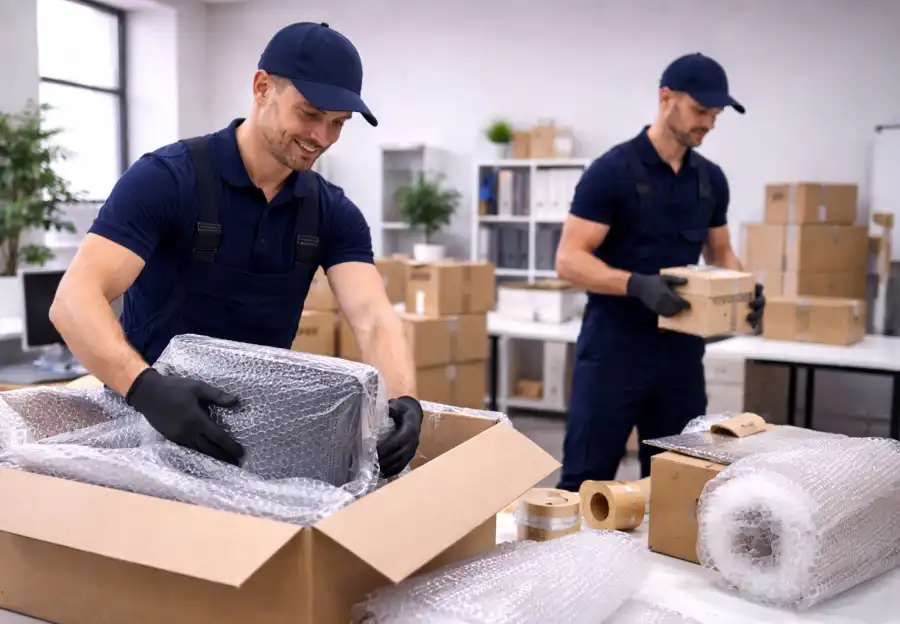
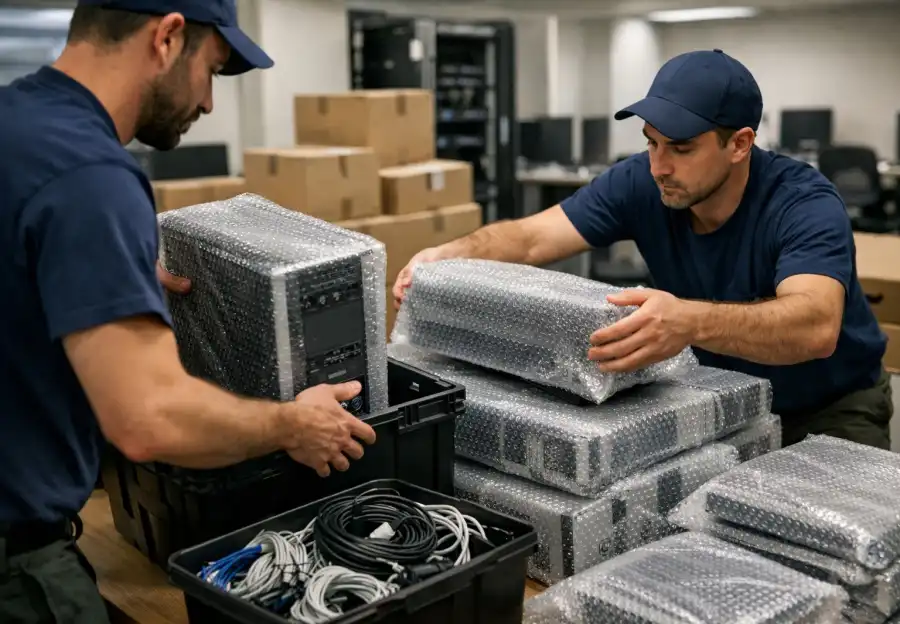
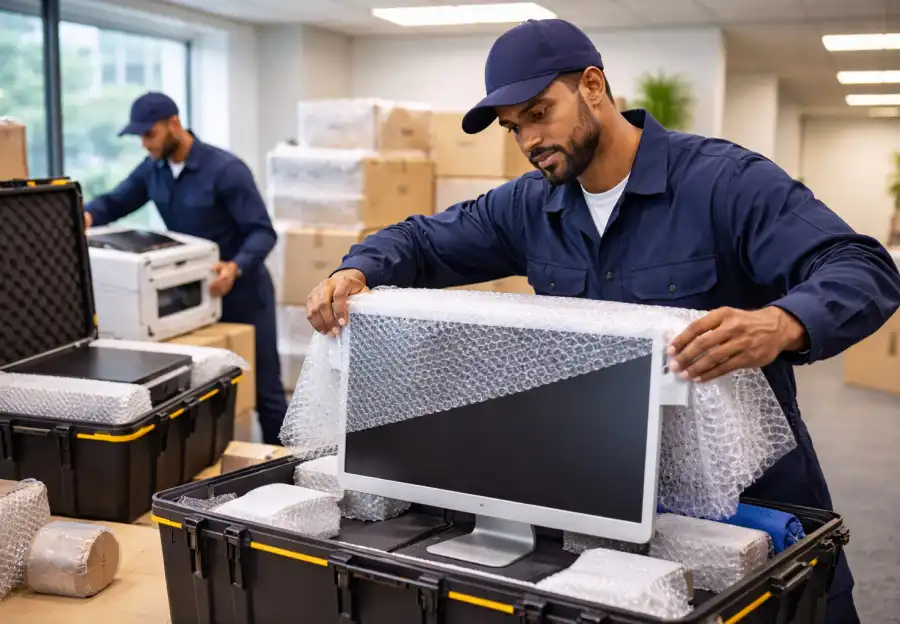
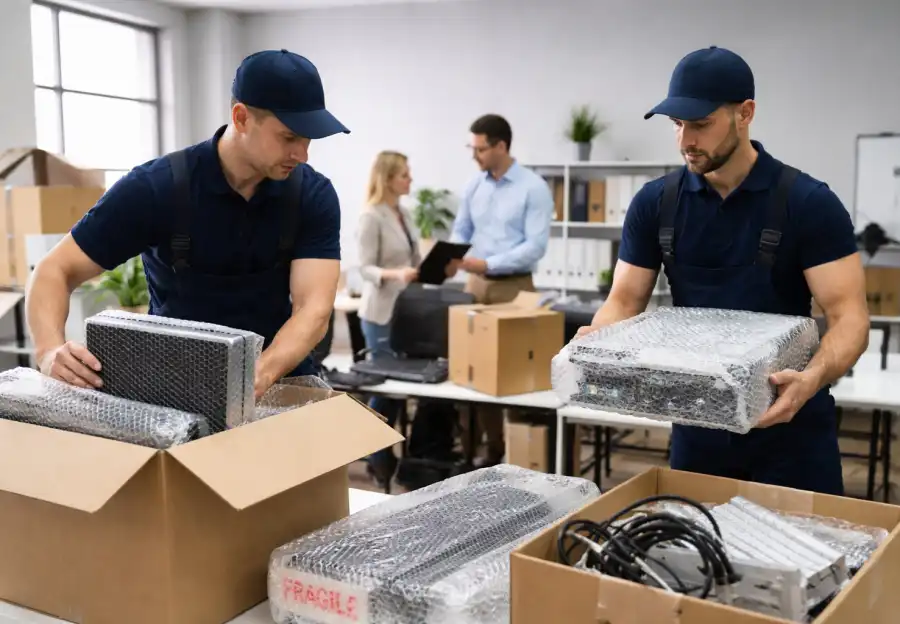
Organizing packing materials and planning the packing workflow is equally important. Using appropriate boxes, padding, and labeling systems protects fragile items and simplifies the unpacking process at the destination. Assigning specific boxes to rooms and labeling them with contents and handling instructions ensures that movers or family members can place items in the correct locations upon arrival. Efficient packing not only protects belongings but also reduces time spent on loading, transportation, and unloading. Nesting similar items, using dividers for delicate objects, and consolidating lightweight items in larger containers are practical strategies that maximize space and minimize damage during transit.
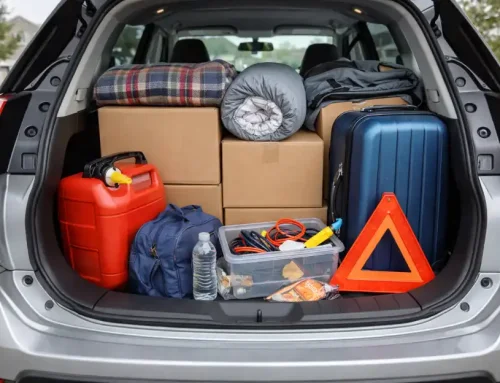
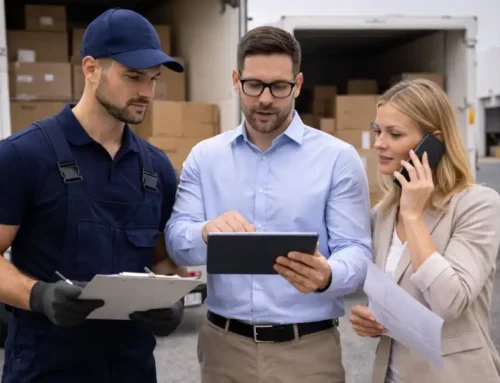
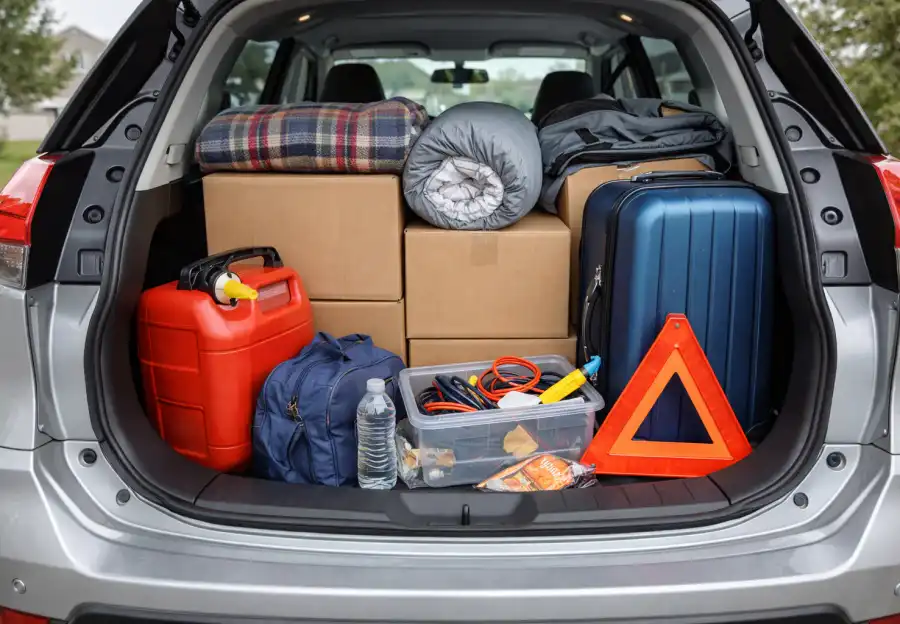
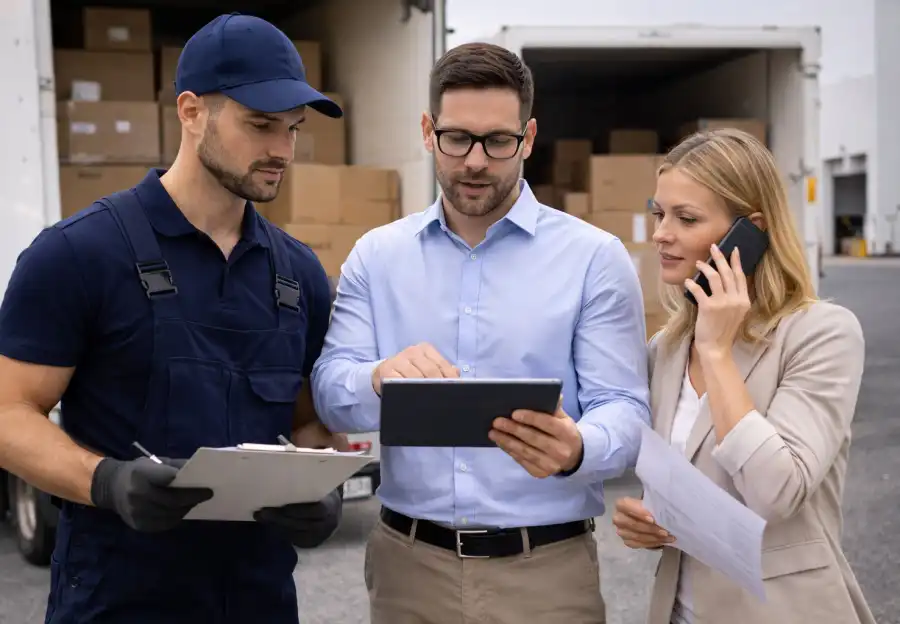
Transportation logistics play a central role in ensuring a state-to-state move is successful. Determining the most suitable mode of travel—whether driving a rental truck, hiring professional movers, or using a combination of shipping and self-transport—requires careful consideration of factors such as distance, timing, costs, and the nature of the items being moved. For personal vehicles, maintaining a stable travel schedule, allowing for regular breaks, and ensuring proper loading and securing of items reduces risks and protects the integrity of belongings. Professional movers offer expertise and specialized equipment, but clear communication regarding timelines, packing preferences, and special requirements is essential for a smooth transition.
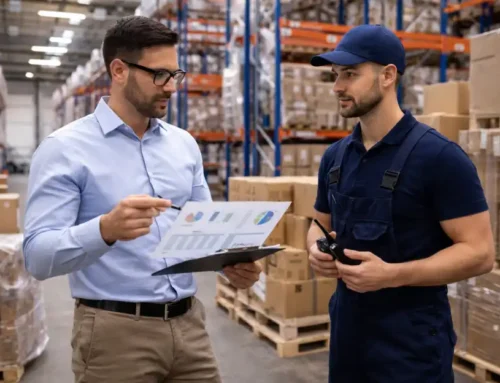
Timing and scheduling are critical components of long-distance moves. Coordinating the packing, loading, and departure dates, while factoring in potential delays due to traffic, weather, or state regulations, ensures that the move progresses according to plan. Preparing a moving calendar or checklist allows individuals to prioritize tasks, monitor progress, and maintain a sense of control. Scheduling utility transfers, address changes, and essential services at the destination in advance further reduces stress and helps prevent last-minute complications. Proper scheduling also ensures that both the departure and arrival processes remain organized and predictable.
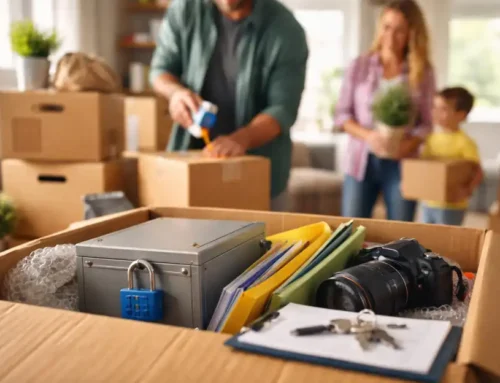
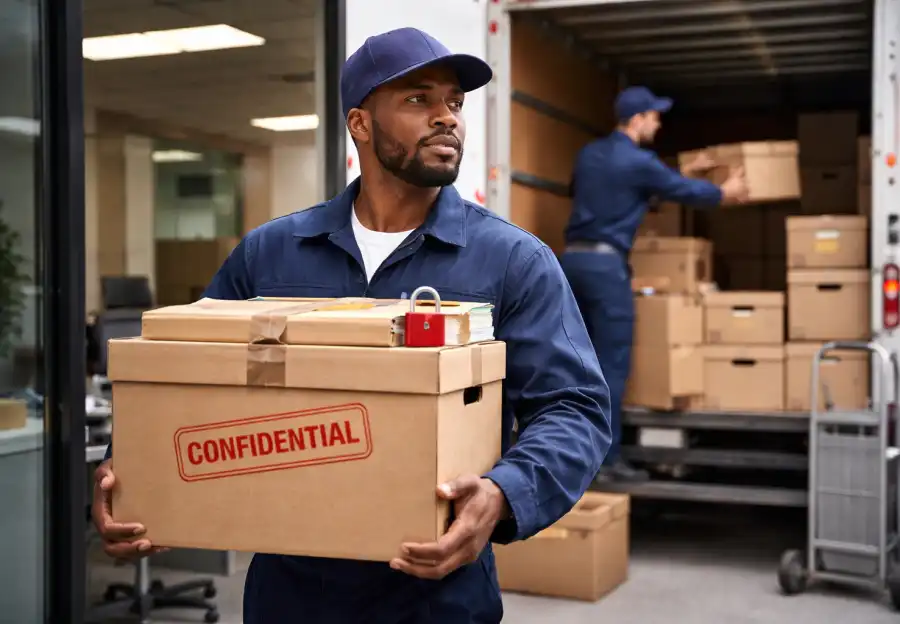
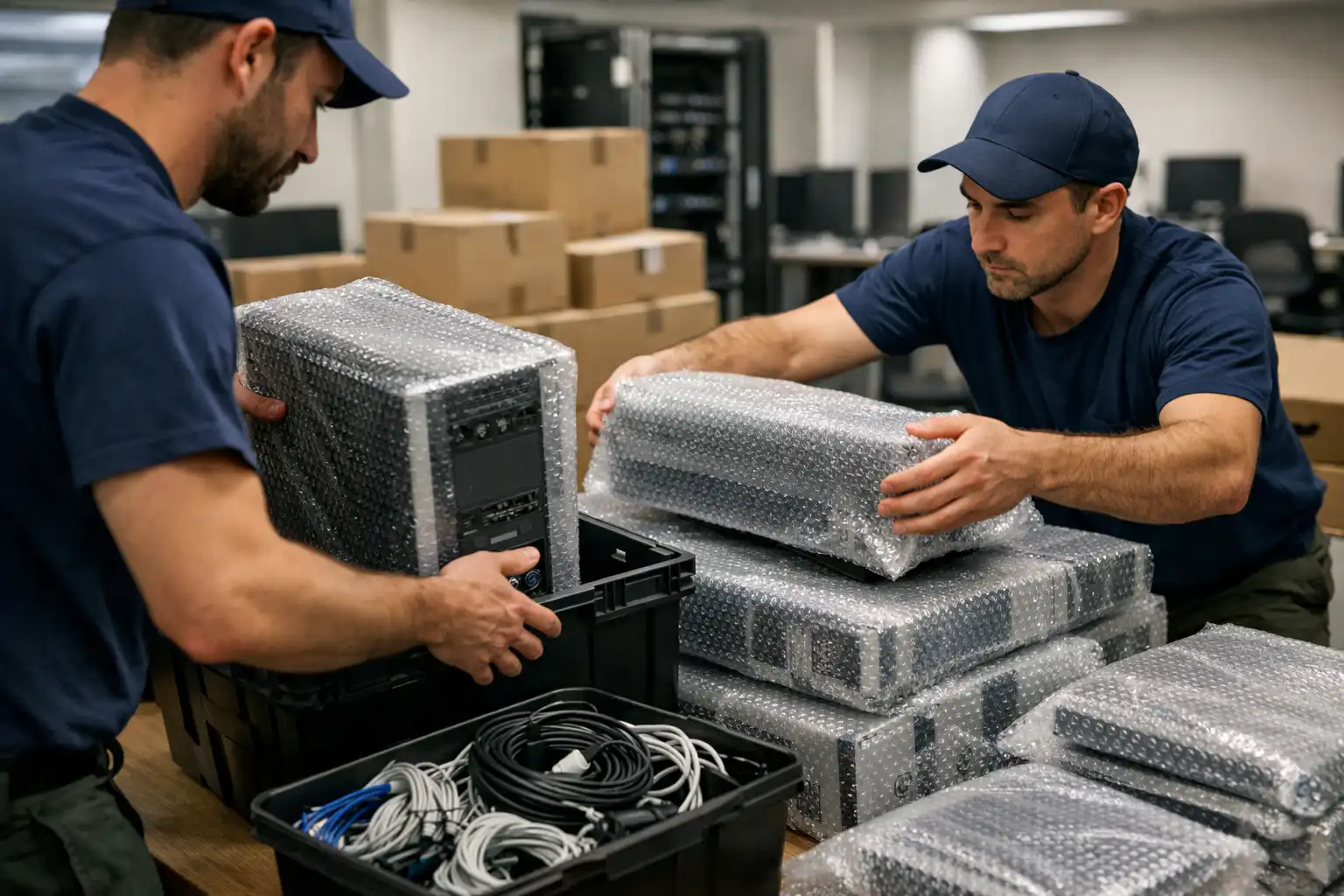
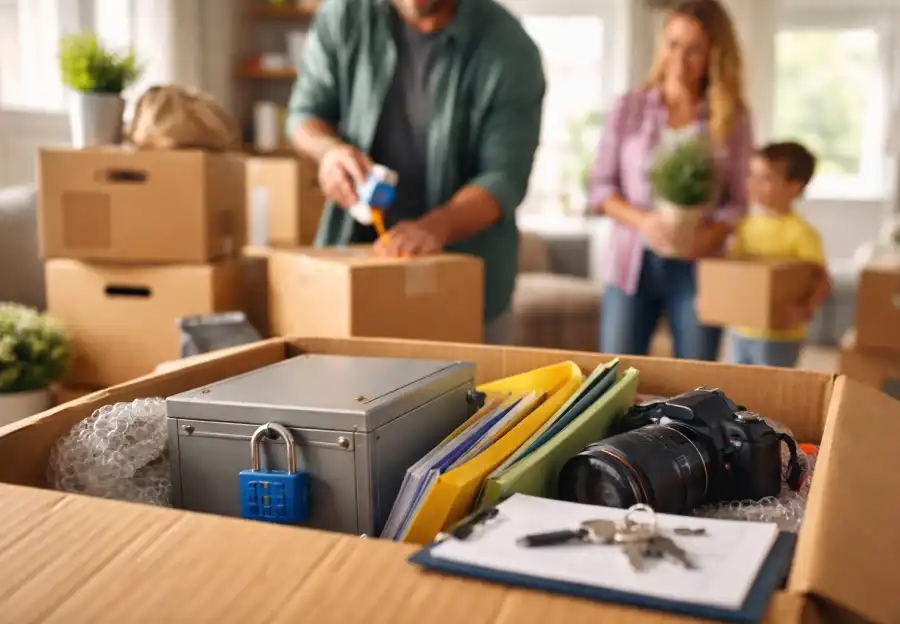
Safety and security considerations must also be addressed. Protecting valuable, fragile, or sensitive items with adequate padding, wrapping, and secure placement in transport vehicles reduces the risk of damage during long-distance travel. Securing personal documents, medical records, and other critical items separately ensures they remain accessible and safe. Additionally, ensuring compliance with traffic laws, vehicle weight limits, and state-specific moving regulations mitigates potential fines, delays, or other legal issues that could disrupt the relocation process.
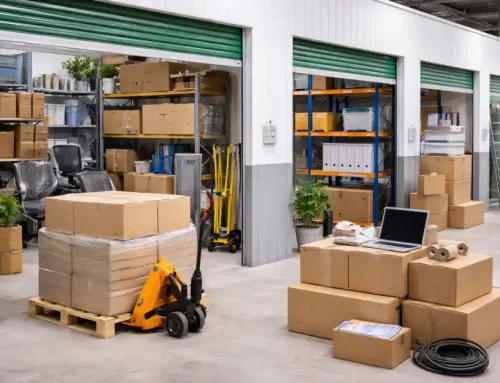
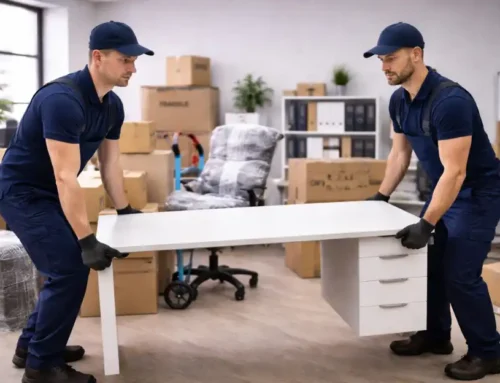
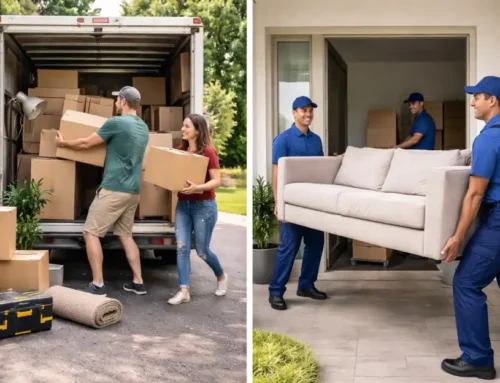
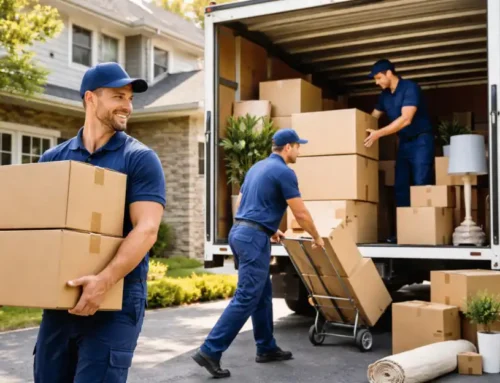
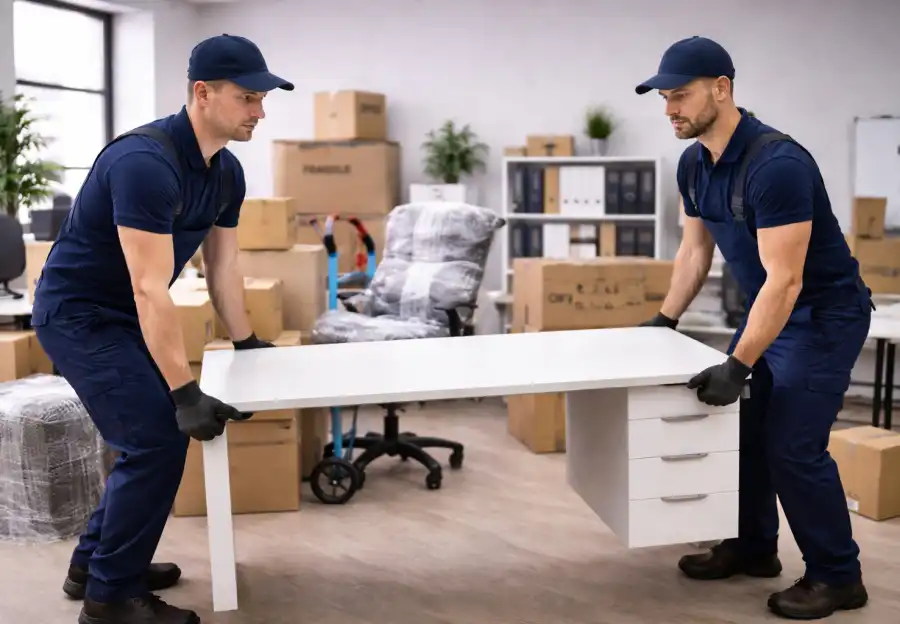
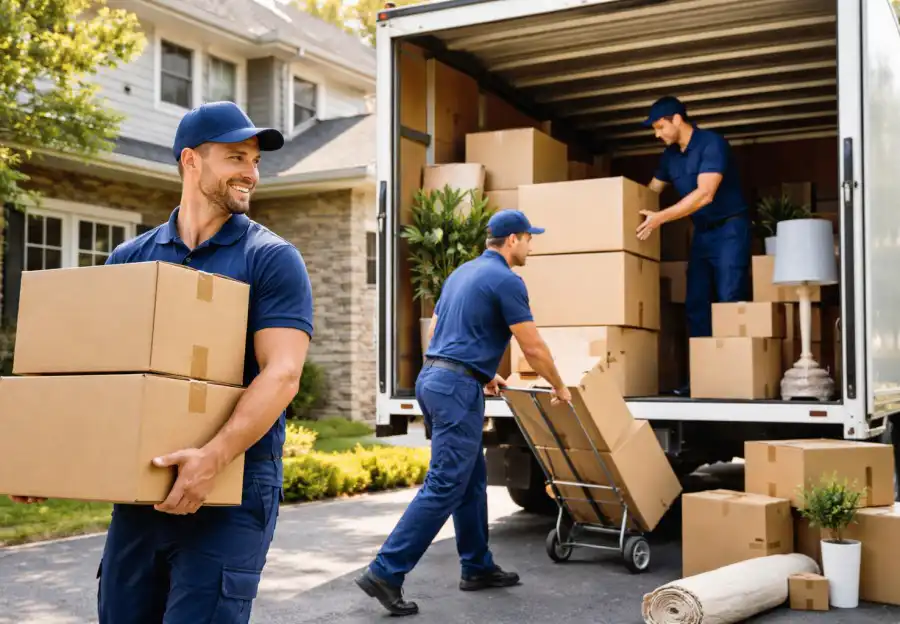
Efficient handling of belongings during loading and unloading is another key factor. Proper lifting techniques, use of dollies or straps, and assistance from additional movers reduce physical strain and prevent injuries. Clear labeling, color-coding, and systematic placement of boxes during loading ensures that items can be accessed easily upon arrival. Once at the new location, unpacking in a structured manner—starting with essential items and high-priority rooms—facilitates rapid organization and allows the household to resume normal routines quickly. Following a well-planned unloading process ensures that furniture and boxes are placed strategically, reducing clutter and confusion.
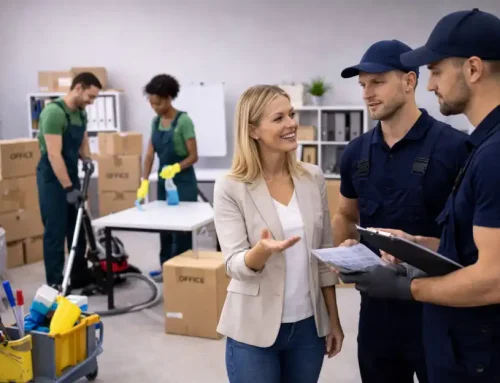
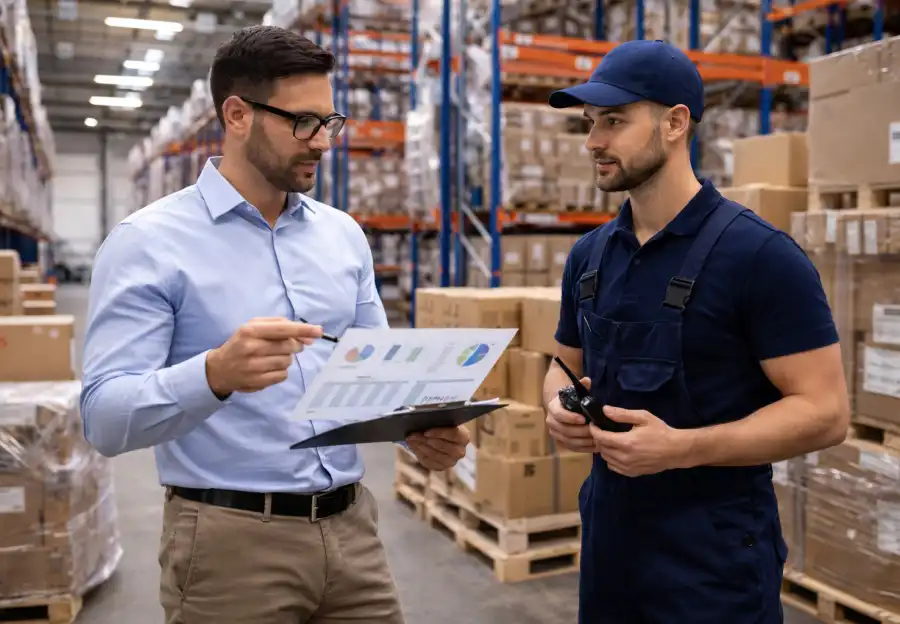
Throughout the relocation, maintaining clear communication and documentation is essential. Keeping track of inventory, receipts, insurance policies, and contracts allows for efficient problem-solving if items are lost or damaged. Communication with movers, service providers, and family members ensures that expectations are aligned and that each stage of the move is executed according to plan. Documenting each step and maintaining an organized workflow allows individuals to anticipate challenges, allocate resources efficiently, and respond proactively to unforeseen issues.
Finally, adopting a mindset of adaptability and resilience enhances the overall ease of moving across states. Long-distance relocation often involves unpredictable factors, from traffic delays to unexpected weather conditions. By maintaining flexibility, following a structured system, and relying on detailed planning, individuals can navigate obstacles with minimal stress. Combining careful preparation, organized packing, efficient transportation, safety considerations, and structured timelines ensures a smooth transition, allowing homeowners to settle into their new state with confidence, security, and efficiency.
In conclusion, moving across states with ease depends on a systematic approach that encompasses preparation, packing, transportation, scheduling, safety, and organized handling. By implementing well-designed methods and thoughtful strategies, individuals can reduce stress, prevent damage, and save time while navigating the complexities of long-distance relocation. Each stage, from decluttering and inventorying to loading, transporting, and unpacking, benefits from careful planning and clear execution. Mastering these principles not only ensures a successful move but also provides transferable skills for future planning, organization, and problem-solving, making state-to-state relocation a manageable and controlled experience.