March 19, 2026
How to Prepare Your Car for a Long-Distance Move
Preparing your car for a long-distance move is an essential part of the relocation process that often goes underestimated, yet it plays a vital role in ensuring safety, efficiency, and peace of mind throughout the journey. Unlike general moving advice, focusing specifically on your vehicle emphasizes strategic planning, systematic preparation, and careful execution, all of which reduce the risk of unexpected breakdowns, delays, or accidents. Understanding how to prepare your car properly allows movers to anticipate challenges, allocate resources effectively, and maintain clarity and control during a potentially stressful and exhausting trip. A well-prepared vehicle not only protects your belongings but also provides psychological relief, giving you confidence that each step of the move has been carefully considered.
The first stage of preparation involves a thorough inspection and maintenance check of your car. Before embarking on a long-distance journey, it is important to examine all critical systems, including brakes, tires, fluids, battery, lights, and windshield wipers. Scheduling a professional service ensures that any worn parts or potential issues are addressed proactively, reducing the likelihood of roadside emergencies. Checking tire pressure, oil levels, and coolant, as well as ensuring that spare tires and emergency kits are in place, is critical for both safety and efficiency. Regular maintenance before a move not only protects your vehicle but also prevents costly repairs that could disrupt the relocation schedule.
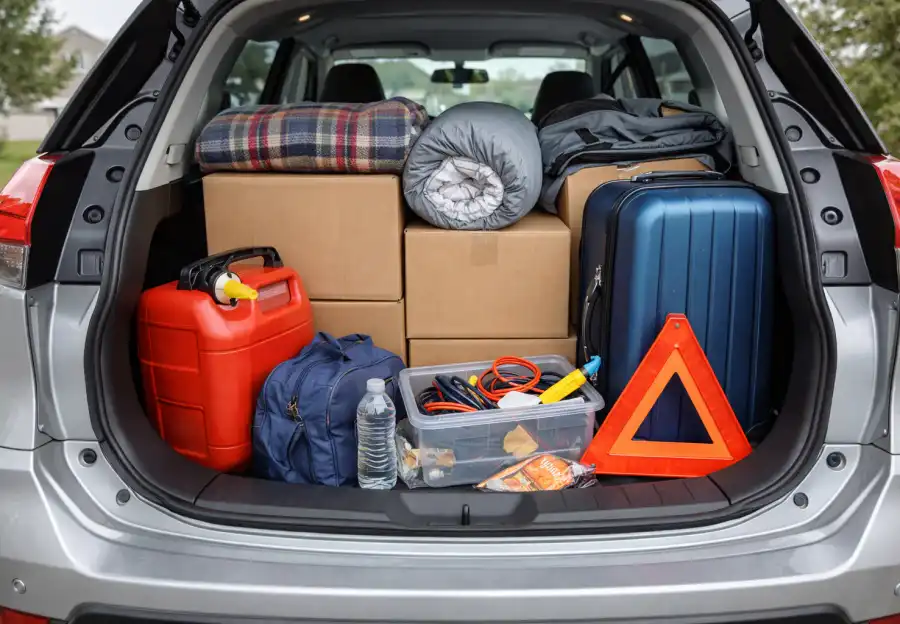
Organizing the interior and storage spaces of your car is another key aspect of preparation. Removing unnecessary items, clutter, or debris frees up space for essential belongings and reduces distractions while driving. Thoughtful placement of items ensures weight is balanced, which enhances vehicle stability and handling during long drives. Heavy objects should be secured in the trunk or cargo area, while lighter items can be stored in the cabin or back seats. Using storage bins, seat organizers, or cargo nets prevents movement of belongings during transit, minimizing damage to both your possessions and the vehicle itself.
Preparing for emergencies is an often-overlooked but crucial step in long-distance travel. Equipping your car with a first-aid kit, flashlight, jumper cables, tire repair kit, and basic tools provides security in unexpected situations. Roadside assistance memberships or insurance coverage for mechanical issues can also reduce stress in case of breakdowns. Planning your route in advance, including rest stops, refueling points, and overnight accommodations if necessary, ensures that you can respond flexibly to delays, traffic, or adverse weather conditions without compromising safety.
Fuel management and vehicle efficiency are equally important when preparing your car for a long-distance move. Ensuring that your fuel tank is full before departure, monitoring mileage, and planning fuel stops along the route prevent unnecessary interruptions. Checking for potential load impacts on fuel consumption helps anticipate costs and timing more accurately. Additionally, maintaining optimal tire pressure, removing excess weight, and driving at moderate speeds enhance fuel efficiency, which is especially important when covering long distances with a fully loaded vehicle.
Weather conditions and seasonal considerations also play a significant role in car preparation. Ensuring your vehicle is equipped to handle rain, snow, or extreme temperatures reduces the likelihood of weather-related complications. Items such as windshield washer fluid, antifreeze, and snow chains or tires may be necessary depending on the season and route. Preparing for changes in weather ensures consistent vehicle performance and driver confidence throughout the journey.
Securing personal documents and essentials within easy reach is another critical element. Items such as driver’s license, registration, insurance papers, navigation devices, emergency contacts, and a well-stocked travel kit should be readily accessible. Having these essentials organized avoids unnecessary distractions or delays during the move, ensuring smooth compliance with traffic regulations and efficient problem-solving if issues arise on the road.
Monitoring vehicle performance during the journey is a continuation of preparation. Regularly checking engine temperature, tire pressure, and fuel levels, as well as listening for unusual sounds or vibrations, allows drivers to address potential issues early. Planning rest stops for both driver and vehicle maintenance, such as tire inspection or fluid top-ups, supports long-term reliability and reduces the risk of fatigue-related incidents. Maintaining vigilance throughout the trip ensures that both the car and driver remain in optimal condition for safe arrival at the destination.
Additionally, packing strategies within the car itself are crucial for efficiency and safety. Using protective materials such as blankets, padding, or seat covers prevents damage to interior surfaces. Arranging items to minimize shifting during travel enhances stability, while clear labeling of personal belongings facilitates quick access and unloading upon arrival. Thoughtful packing reduces stress, prevents damage, and allows for smoother unloading and organization at the new location.
Finally, preparing your car for a long-distance move reinforces transferable life skills, including planning, organization, and proactive problem-solving. The structured approach required for vehicle preparation—inspection, maintenance, packing, and route planning—can be applied to other aspects of relocation and daily life. By taking these steps, individuals ensure their move is executed efficiently, safely, and with minimal stress, protecting both personal safety and valuable belongings. Through careful attention to detail and strategic preparation, the vehicle becomes a reliable partner in the relocation process, enabling a smoother transition and peace of mind throughout the journey.