
January 30, 2026
Why You Should Declutter before Packing
Decluttering before packing is one of the most important steps in preparing for a move because it simplifies the moving process, reduces stress, saves time, and lowers costs. Despite its clear benefits, many people overlook this critical step, leading to longer packing sessions, higher moving expenses, and unnecessary clutter in their new homes. By approaching a move with a decluttering mindset, homeowners can streamline the process, focus on what truly matters, and set themselves up for a smoother transition. Decluttering is more than just tidying; it is a strategic step that maximizes efficiency, safety, and organization while enhancing the overall moving experience.
One of the primary advantages of decluttering is that it significantly reduces the volume of items that need to be packed, transported, and unpacked. The fewer possessions you have, the faster packing becomes, and the less space is required on moving trucks. This reduction in volume also eases the physical and mental strain associated with handling boxes and furniture, whether performed by movers or family members. Fewer items allow you to focus on essentials and prioritize important belongings while eliminating those that are no longer useful, wanted, or needed. A streamlined moving load not only saves time but also makes the physical labor of moving more manageable and less overwhelming.
Cost savings are another compelling reason to declutter before a move. Moving companies often charge based on the volume or weight of items being transported, meaning that reducing unnecessary belongings directly lowers moving fees. Smaller loads require less fuel, may eliminate the need for a larger truck, and can reduce the number of trips necessary to complete the move. Decluttering also reduces the need for packing materials such as boxes, bubble wrap, and tape. By being selective about what is transported, homeowners avoid paying to move items that serve no practical purpose, creating a financially efficient relocation process that benefits both the budget and overall logistics.
Decluttering also provides an opportunity to make thoughtful decisions about what to keep, donate, sell, or discard. By carefully evaluating each room and item, homeowners can assess the value, usefulness, and sentimental attachment of their belongings. Items that are broken, outdated, or no longer fit the homeowner’s lifestyle can be responsibly disposed of or donated to charity, helping others while reducing clutter in the new home. Selling unwanted items at a garage sale or online marketplace can generate extra funds to offset moving expenses, making decluttering a dual-purpose strategy that supports both organization and financial planning.
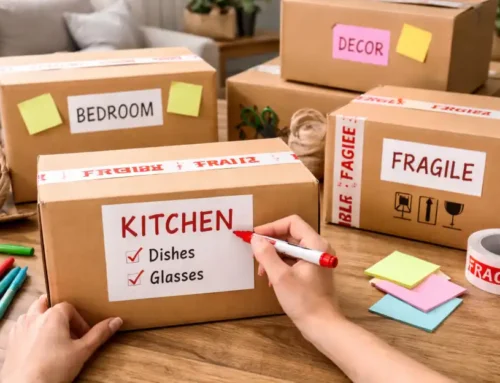
In addition to reducing volume and costs, decluttering enhances organization during the packing process. With fewer items to manage, possessions can be grouped by category or room, and boxes can be labeled more efficiently. This systematic approach facilitates smoother unpacking and setup in the new home, ensuring that essential items are easy to locate and that fragile or valuable items are handled appropriately. When each box contains only carefully selected belongings, confusion is minimized, and unpacking becomes less stressful, saving time and energy while maintaining a sense of order during the transition.
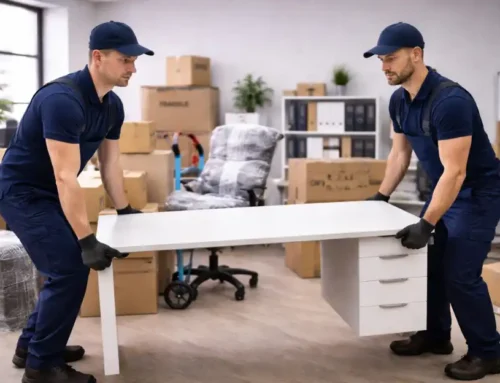
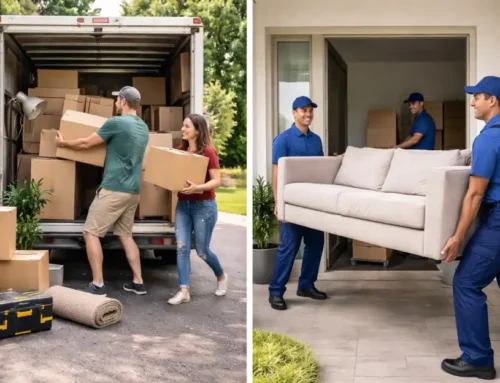
Decluttering also improves safety and efficiency during the move itself. Moving fewer items reduces the risk of injury, accidents, and damage to furniture or property. Lighter boxes, fewer trips, and less clutter in hallways, stairwells, or doorways allow movers to navigate tight spaces more easily, minimizing the potential for scratches, dents, or broken items. This creates a safer environment for everyone involved, including children, pets, and friends or family assisting with the move. By reducing obstacles and unnecessary weight, homeowners can ensure that the moving process proceeds smoothly and safely.
Beyond the practical advantages, decluttering has psychological benefits as well. Letting go of unnecessary possessions reduces stress, clears mental space, and provides a sense of accomplishment. Approaching a move with a clear and organized mindset promotes a smoother experience and encourages excitement about a fresh start in a new home. The act of thoughtfully evaluating each item allows homeowners to make conscious choices about the environment they are bringing into their next space, fostering intentional living and a more positive transition.
Decluttering also encourages responsible disposal, donation, and recycling. Organizing belongings into categories such as trash, donate, sell, or keep contributes to sustainability, supports those in need, and reduces the environmental impact of moving. By ensuring that only functional, meaningful items are transported, homeowners simplify the logistics of their move while demonstrating social responsibility. This proactive approach enhances efficiency while contributing positively to the broader community.
Finally, decluttering helps streamline the setup of a new home. Moving fewer items allows homeowners to thoughtfully arrange furniture, create functional living spaces, and maintain an organized environment from the start. By beginning fresh with only necessary and valued belongings, homeowners reduce future clutter accumulation, simplify cleaning and maintenance, and create a space that reflects their lifestyle, priorities, and aesthetic preferences. This thoughtful preparation reduces stress, saves money, and makes the move more enjoyable for everyone involved.
In summary, decluttering before packing is a strategic, practical, and psychological approach to moving that offers numerous benefits. It reduces volume, saves costs, improves organization, enhances safety, supports responsible disposal, and fosters mental clarity. By carefully evaluating belongings, donating or selling unwanted items, and keeping only what is necessary or meaningful, homeowners can make their move more efficient, cost-effective, and stress-free. Decluttering ensures a smoother transition into a new home, allowing residents to start fresh in a space that is organized, intentional, and reflective of their lifestyle, demonstrating that this step is essential for both the moving process and long-term well-being.