February 22, 2026
Tips for Moving Office Furniture Safely
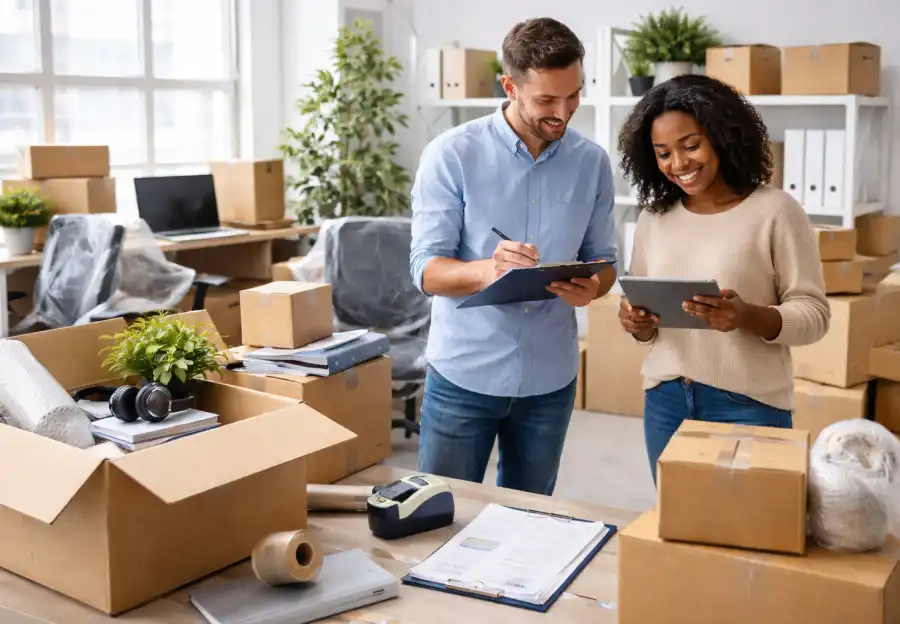
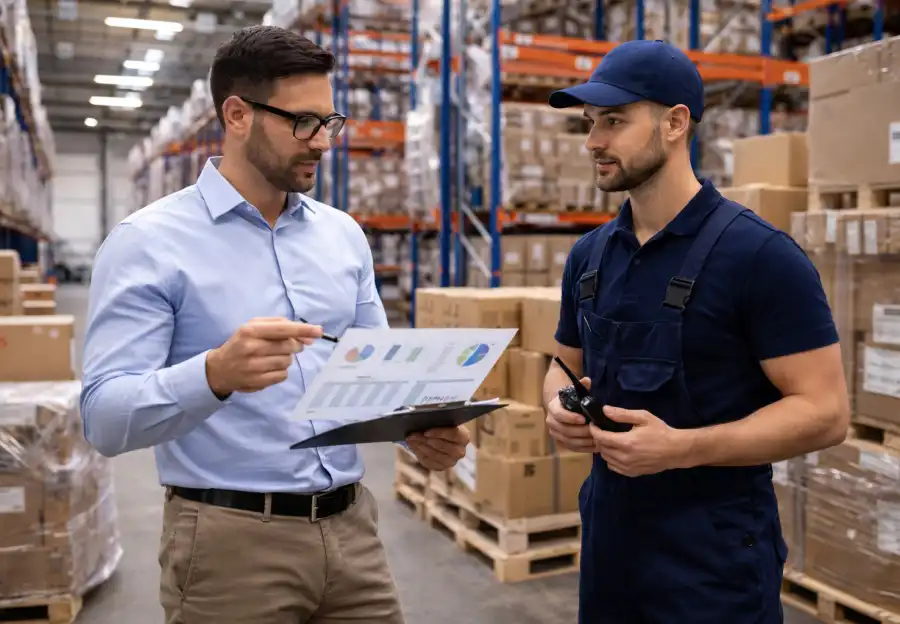
Moving office furniture safely during a business relocation requires careful planning, meticulous preparation, and strategic execution. Office furniture is often heavy, bulky, fragile, or valuable, and improper handling can result in injuries, damage to property, or disruption of business operations. To prevent these risks, the first step is conducting a detailed inventory of all furniture items. Noting each item’s size, weight, condition, and any special handling requirements helps identify pieces that may require disassembly, custom packing, or professional moving services. Understanding the physical characteristics of furniture allows movers to select appropriate equipment, packing materials, and handling techniques, ensuring that items are transported securely and efficiently.
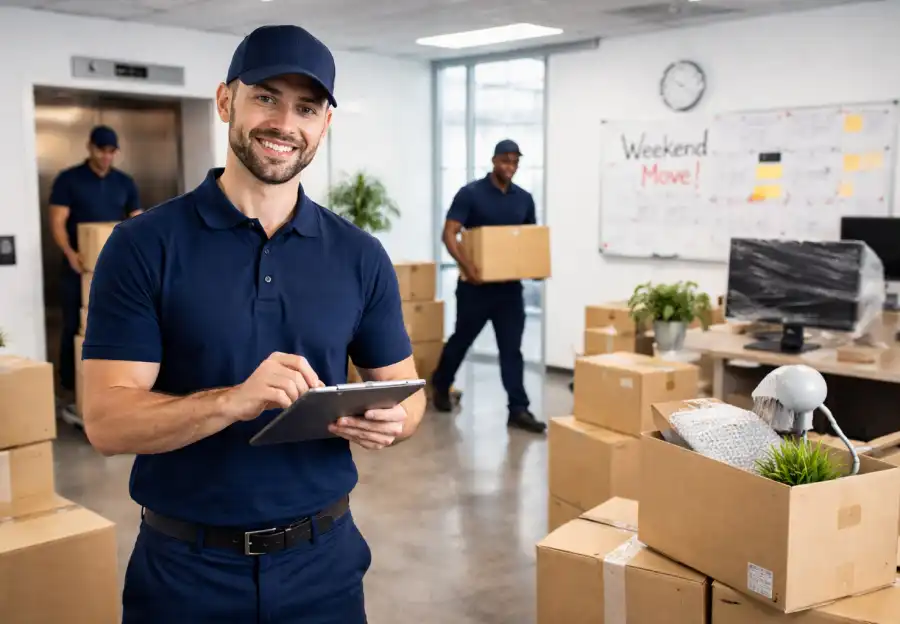
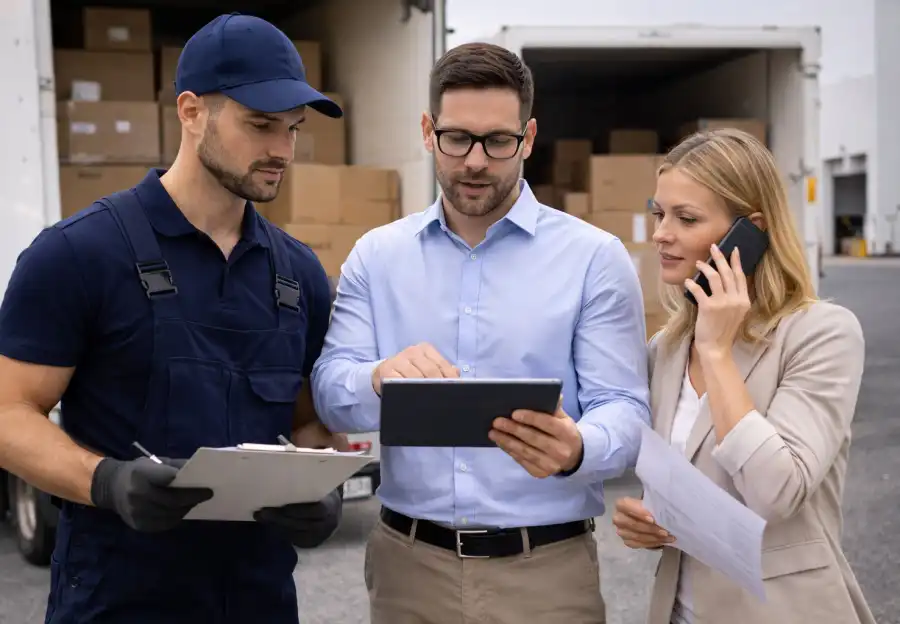
Planning the layout and logistics of the move is essential because office spaces often present challenges such as narrow hallways, staircases, elevators, and tight doorways. Measuring these areas in advance allows for proper route planning, ensuring that furniture can be moved without causing damage to walls, floors, or building fixtures. Coordinating with building management to secure elevator reservations, loading docks, or parking spaces helps prevent delays and bottlenecks. Additionally, contingency plans for unforeseen obstacles, such as traffic, weather, or equipment malfunctions, ensure that the move remains on schedule and minimizes operational disruptions.
Proper disassembly and preparation of furniture is another critical component of a safe move. Many desks, shelving units, cubicles, and conference tables cannot be transported safely in one piece. Removing detachable parts such as drawers, shelves, and hardware reduces weight, prevents shifting during transit, and minimizes the risk of damage. Labeling all components and storing screws, bolts, and small pieces in clearly marked bags ensures efficient reassembly at the new location. Documenting assembly instructions or taking photographs before disassembly provides a visual reference, streamlining setup and preventing errors during reinstallation.
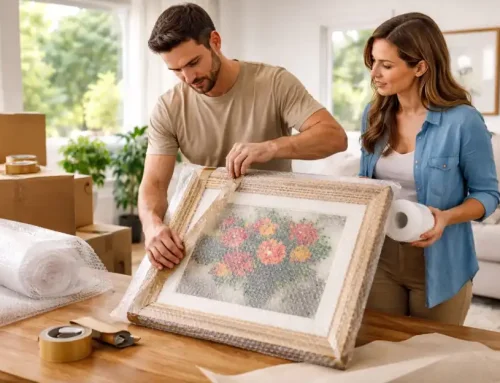
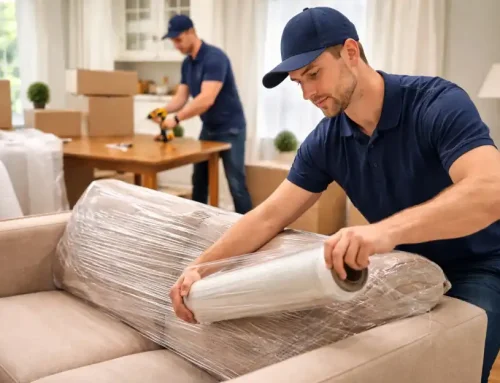
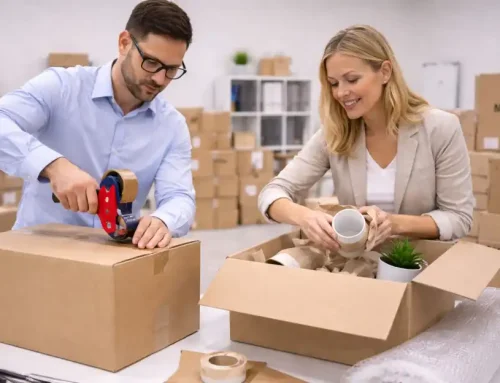
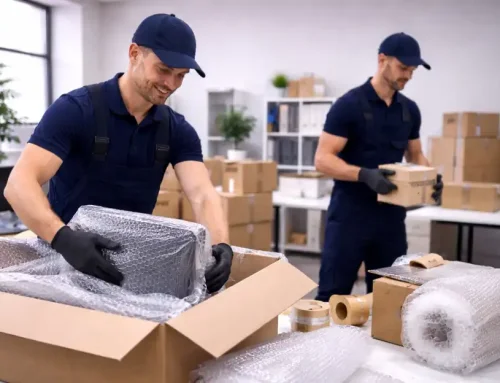
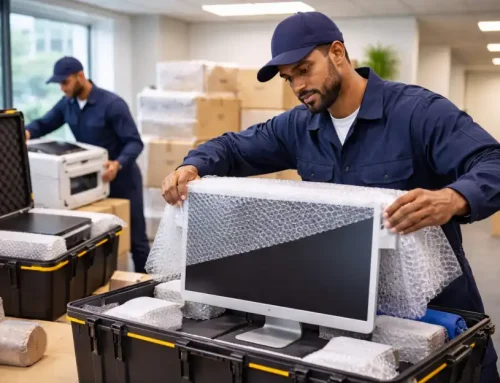
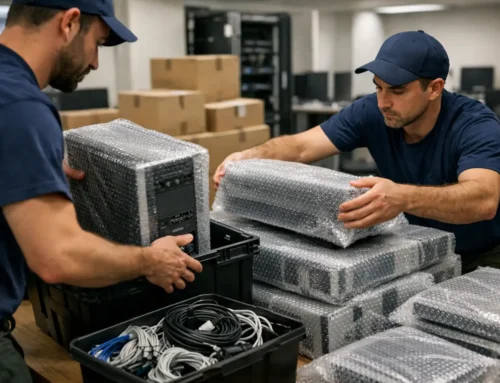
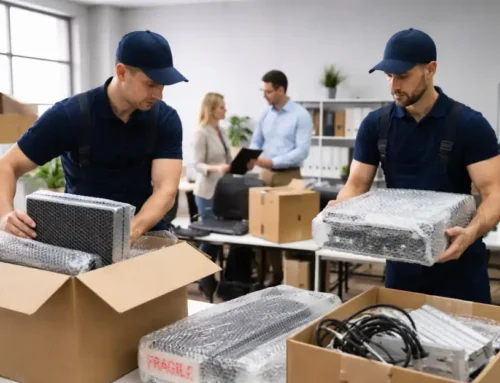
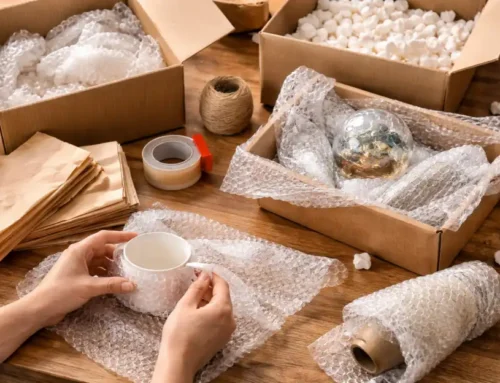
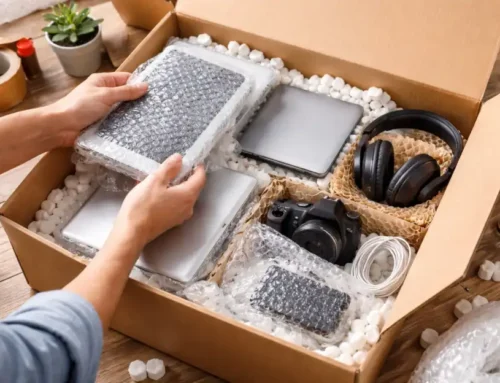
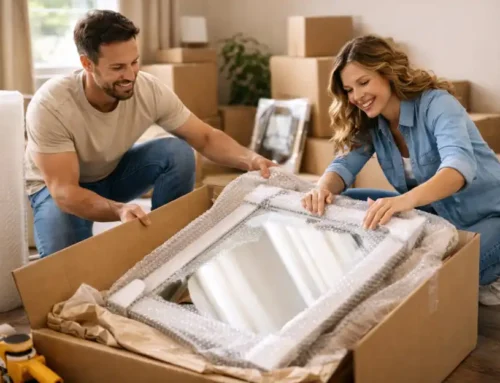
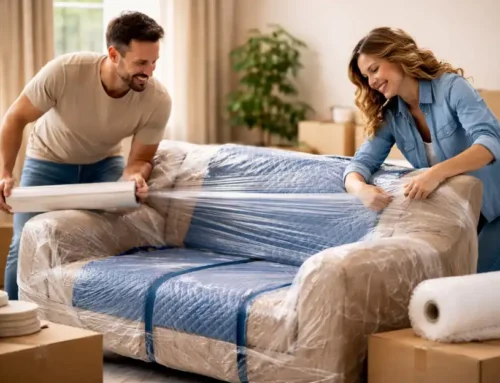
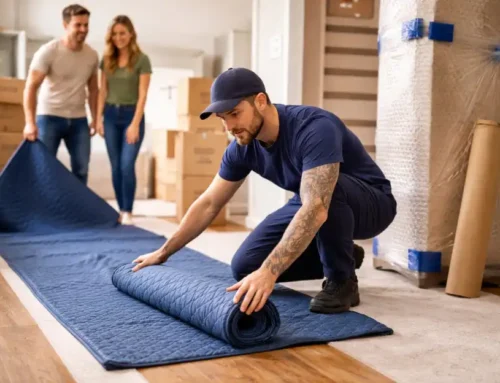
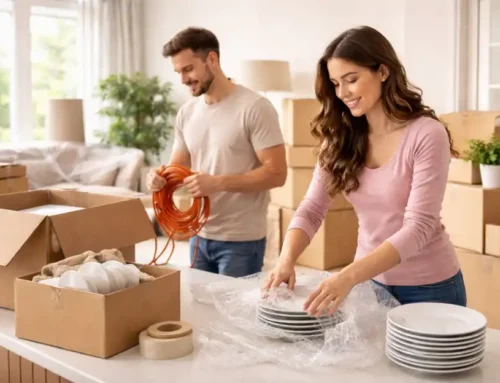
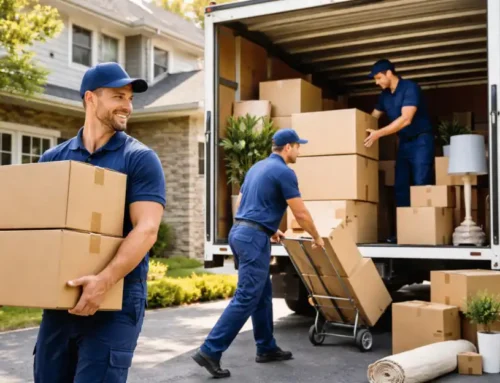
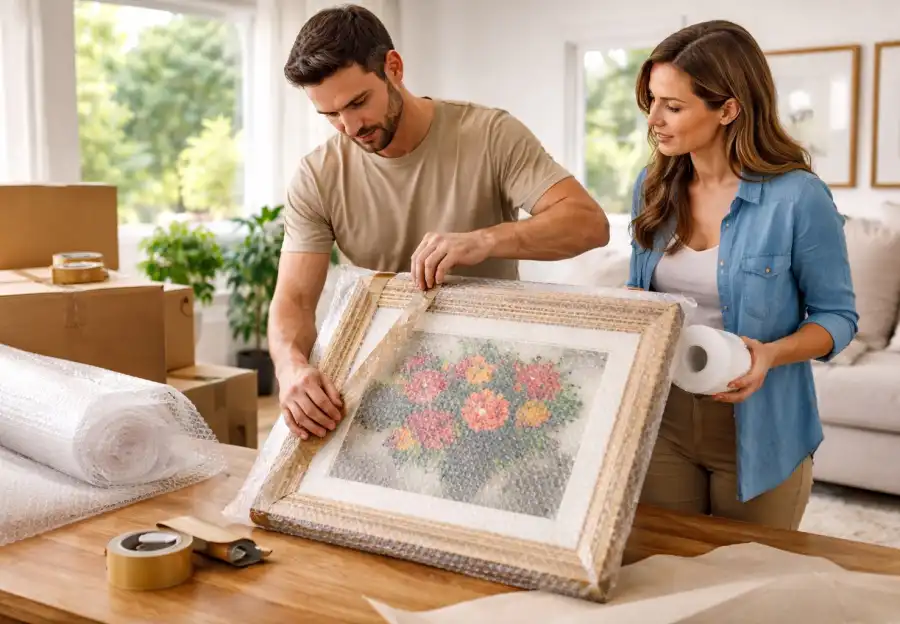
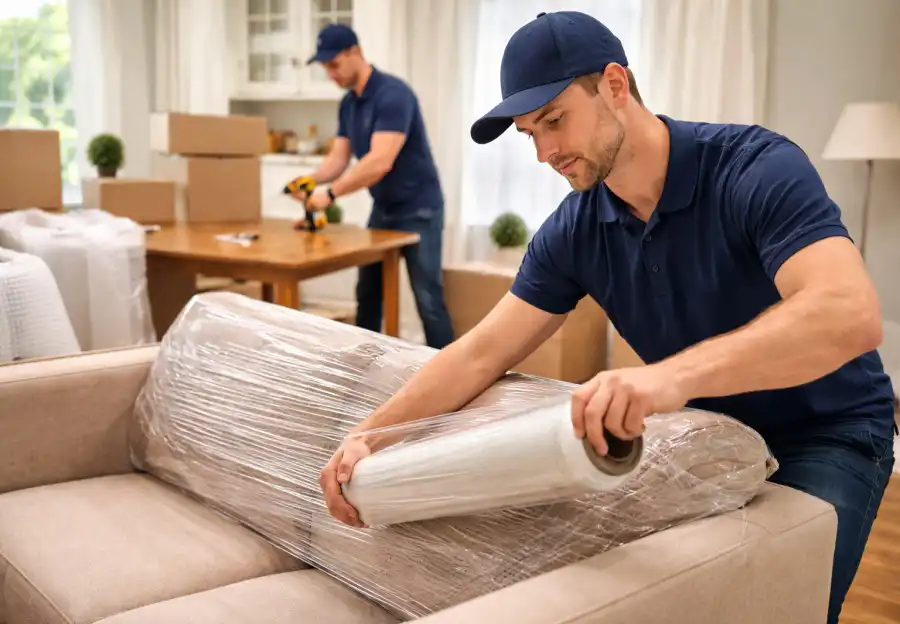
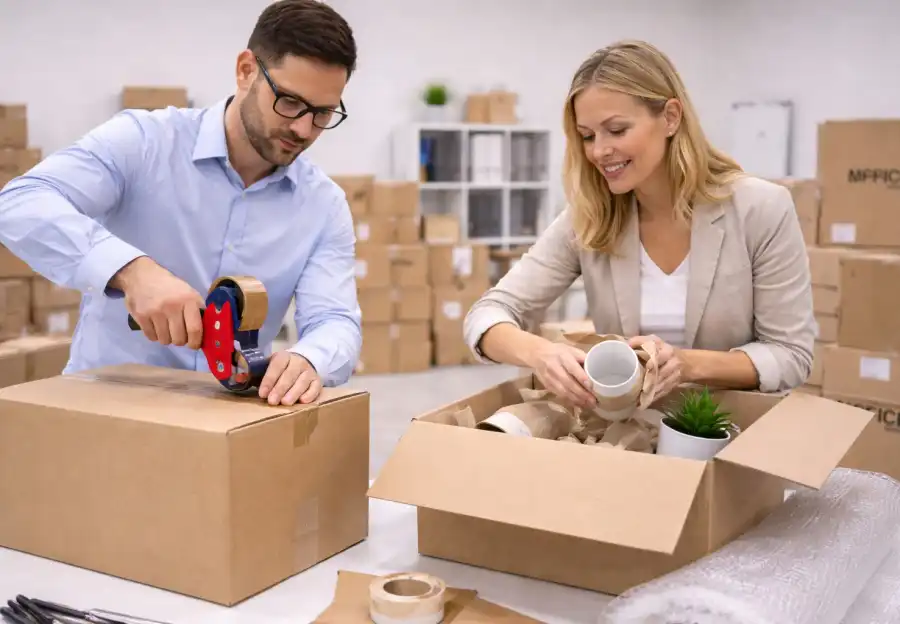
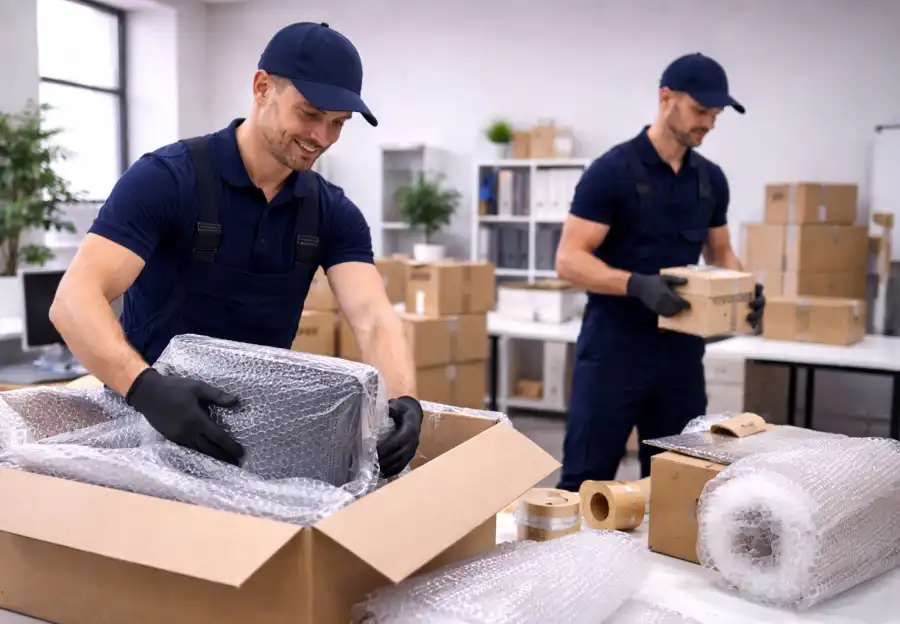
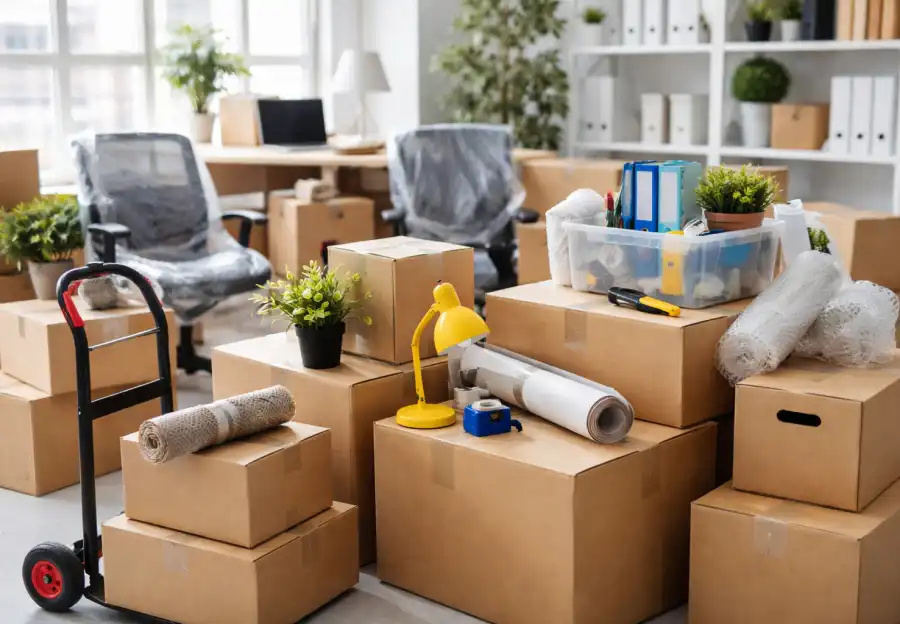
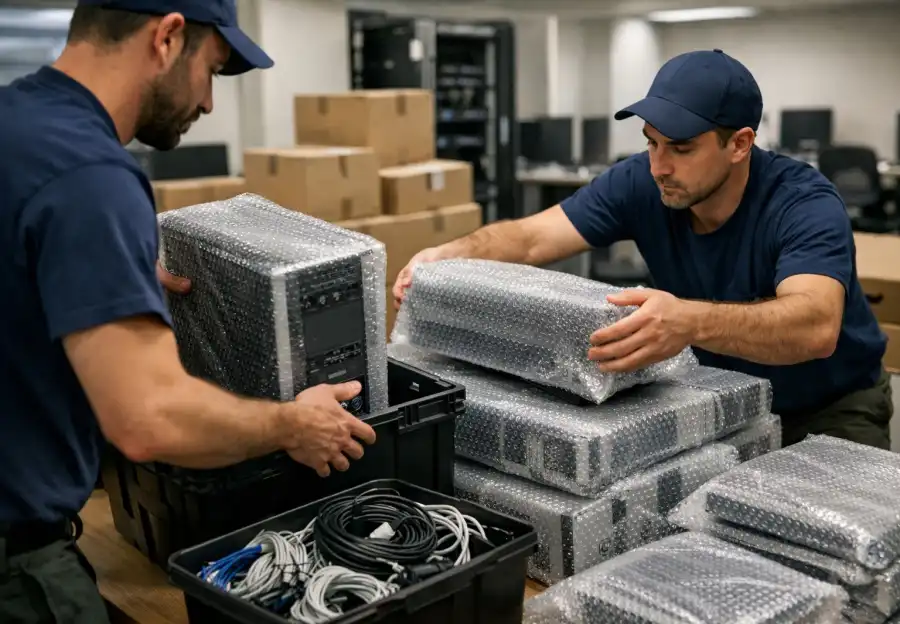
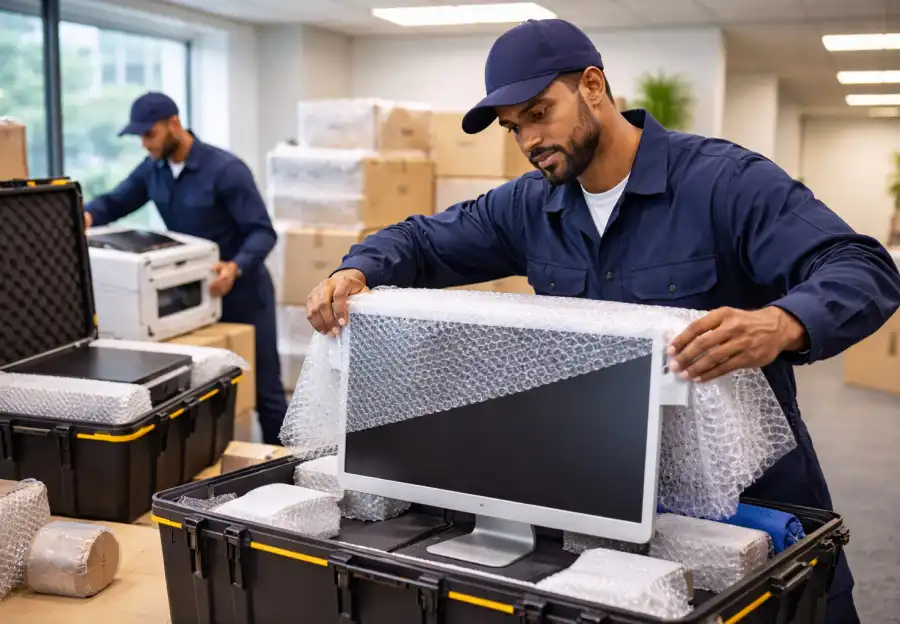
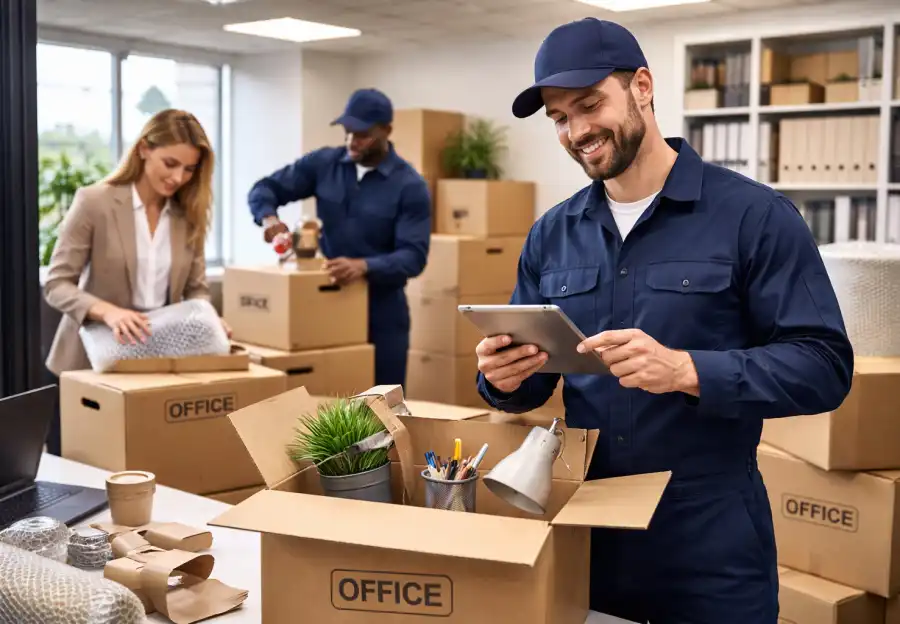
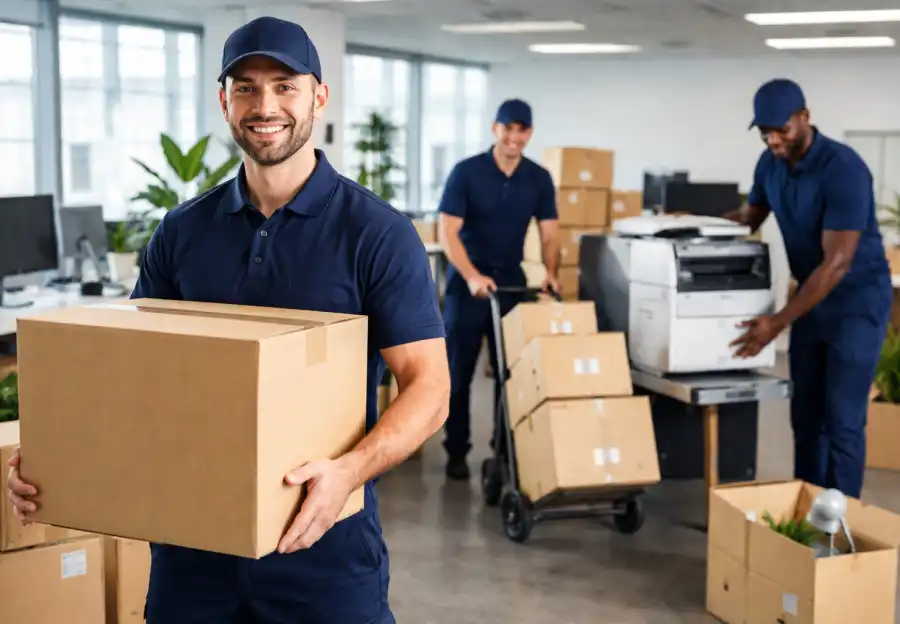
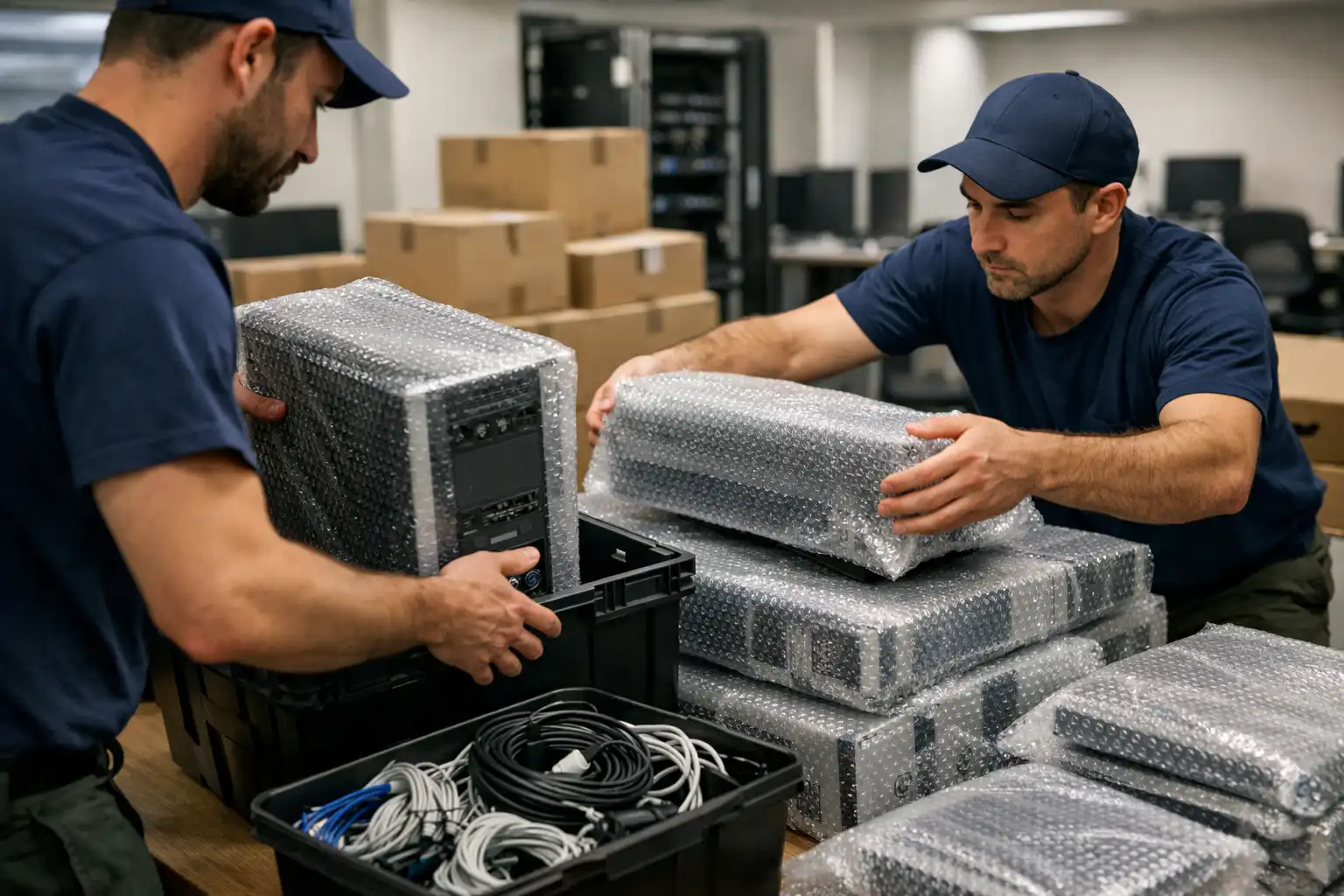
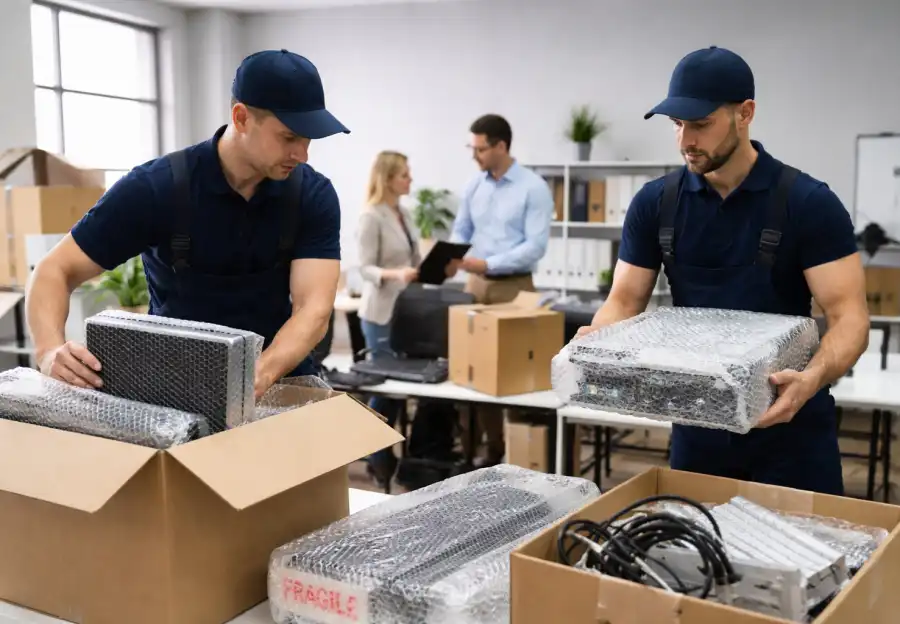
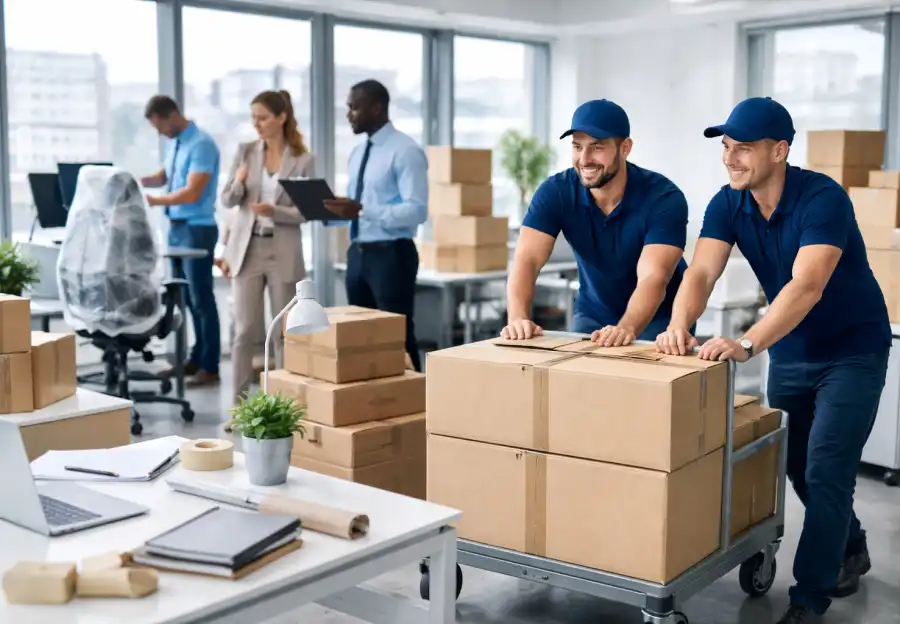
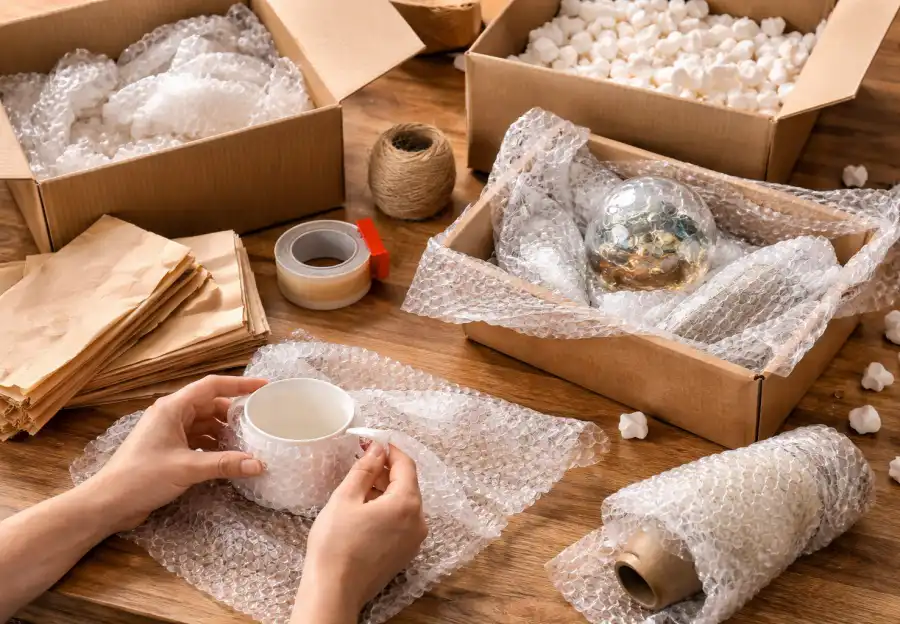
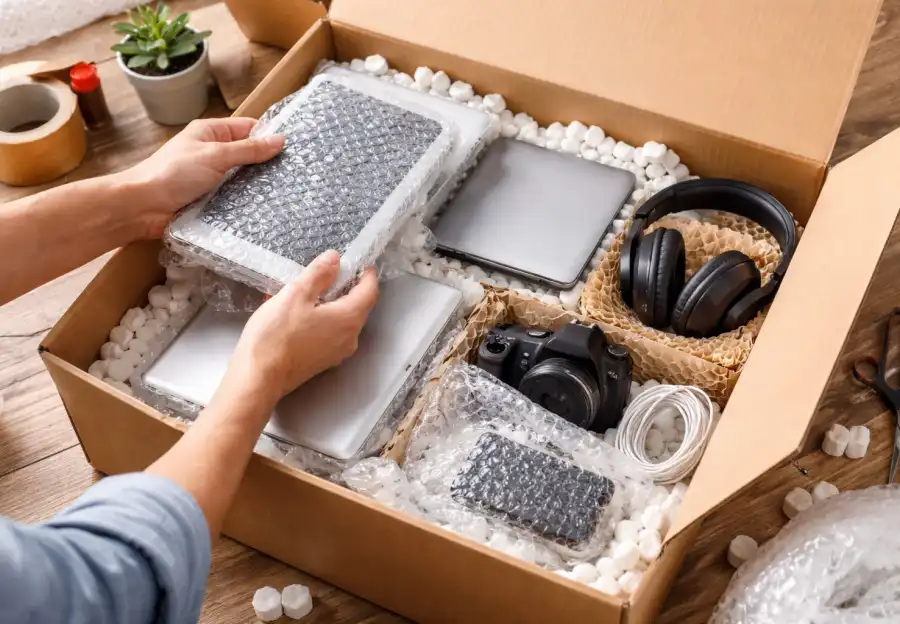
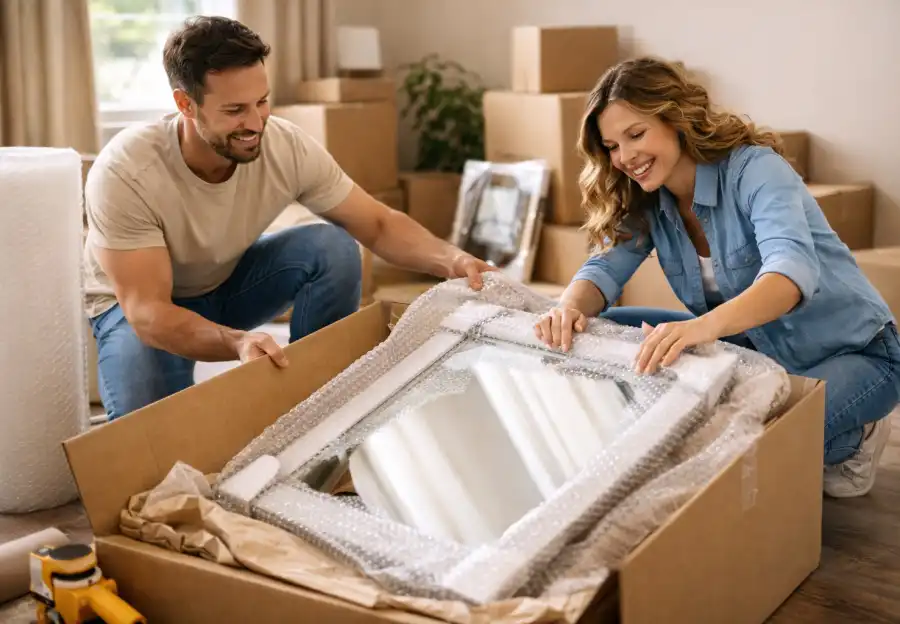
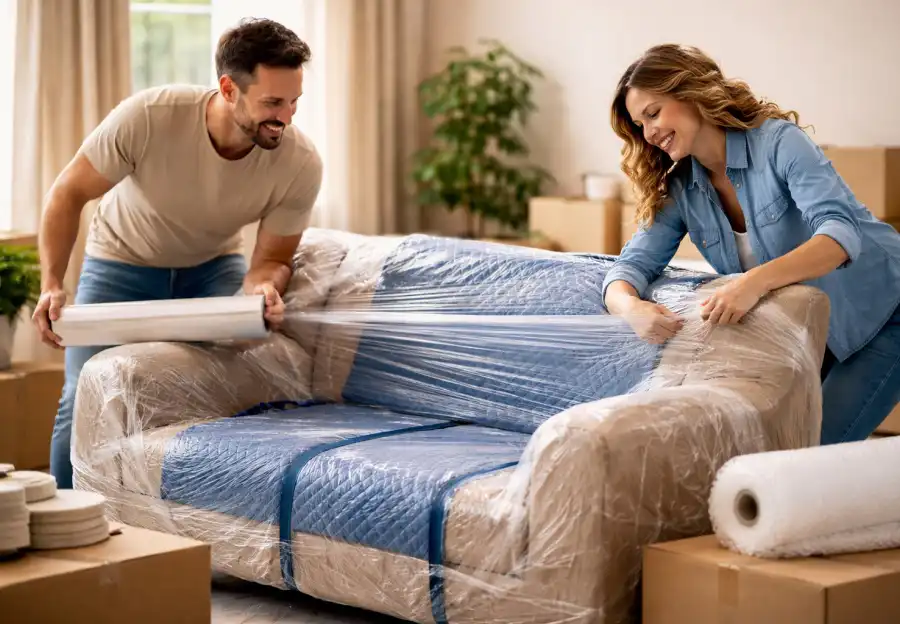
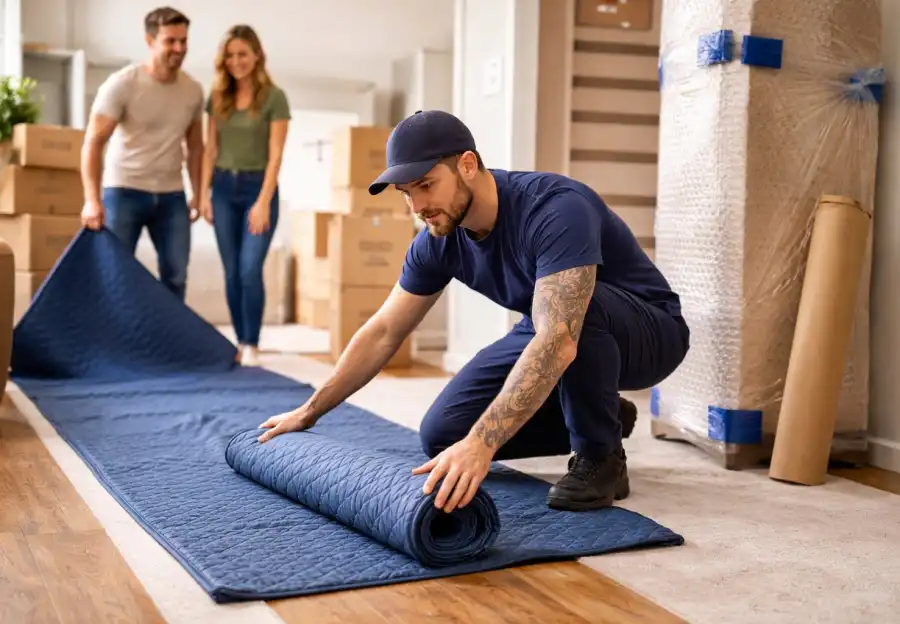
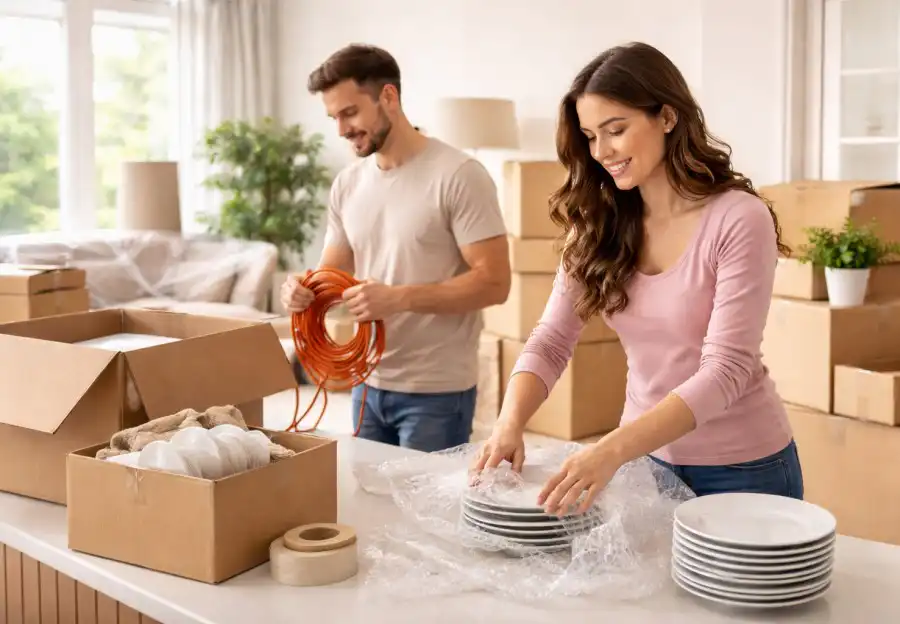
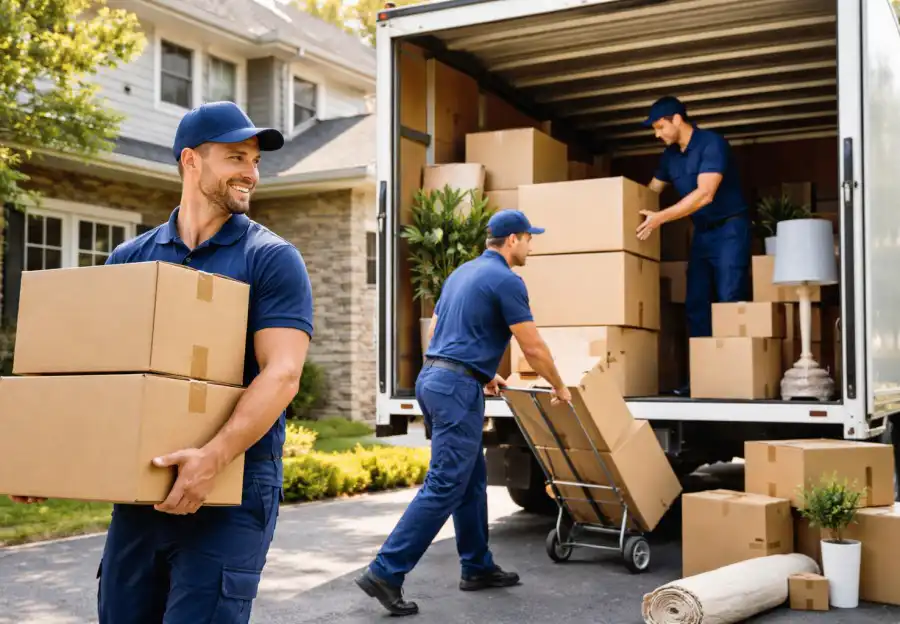
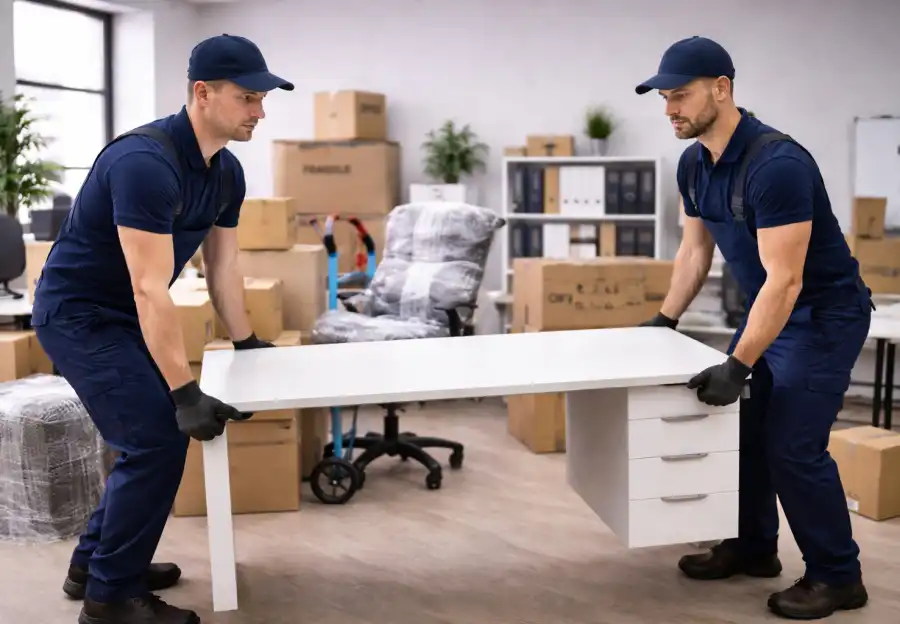
Using the right moving equipment and protective materials is crucial for preventing injury and damage. Heavy office furniture can strain movers and become compromised if not handled properly. Dollies, hand trucks, sliders, furniture blankets, straps, and padding help reduce physical effort while offering cushioning and protection. Wrapping corners and edges with protective materials prevents scratches, dents, and impact damage, while securing items with straps or shrink wrap stabilizes them during transport. Personal protective equipment, such as gloves, back braces, and appropriate footwear, further safeguards movers against injury, ensuring both safety and efficiency throughout the relocation process.
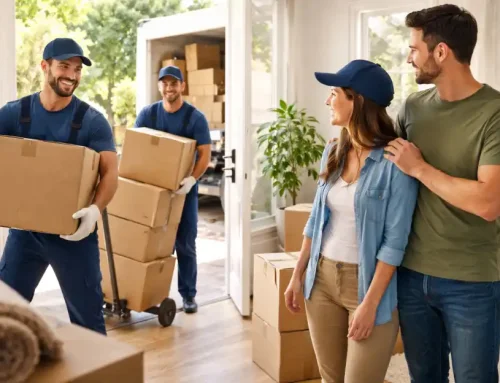
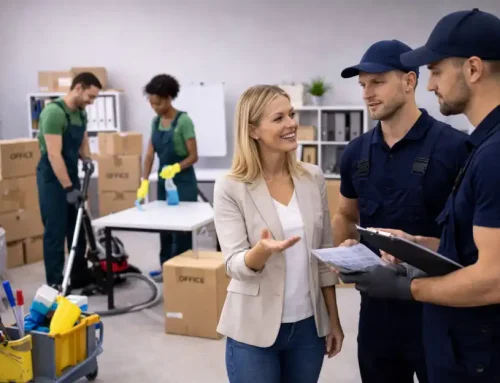
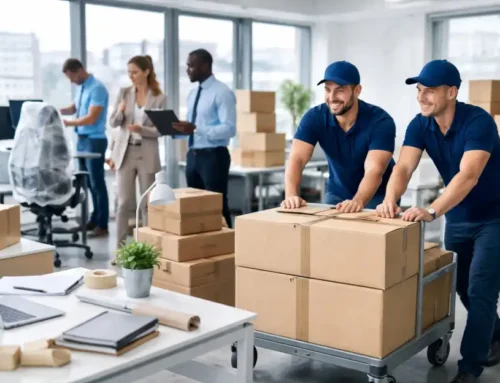
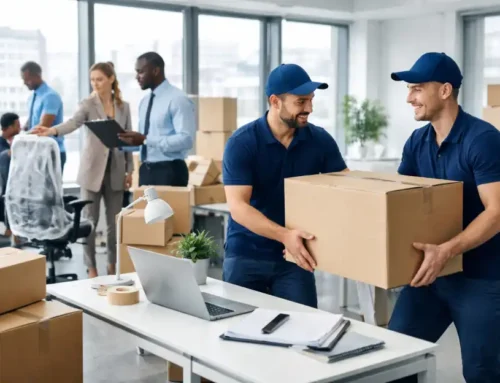
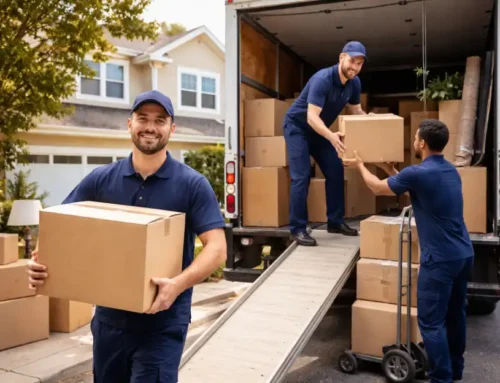
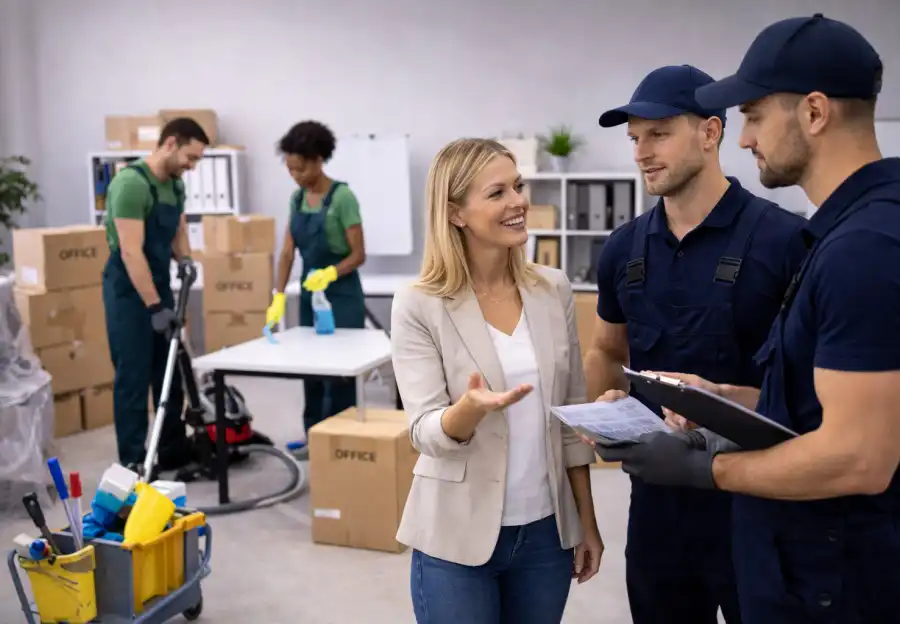
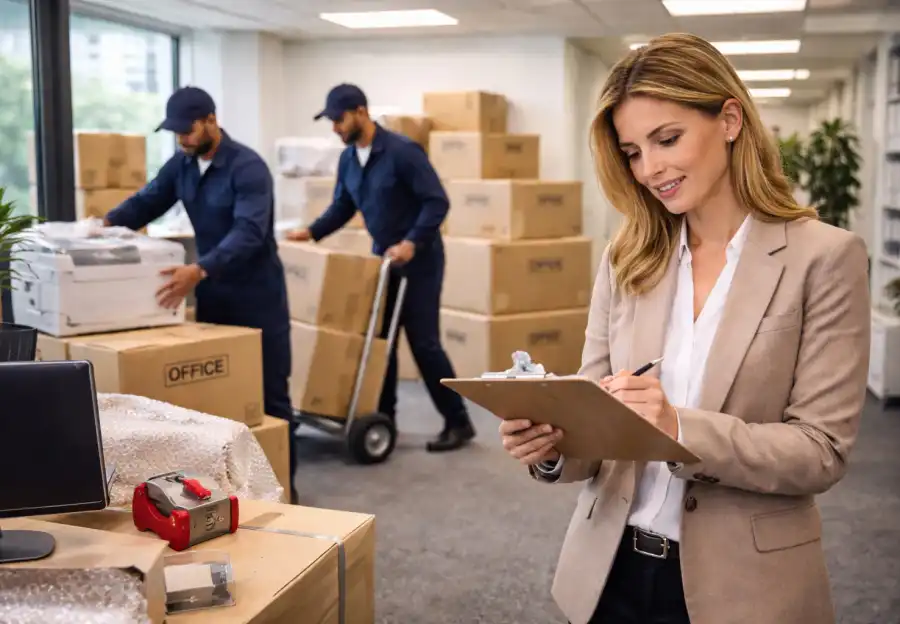
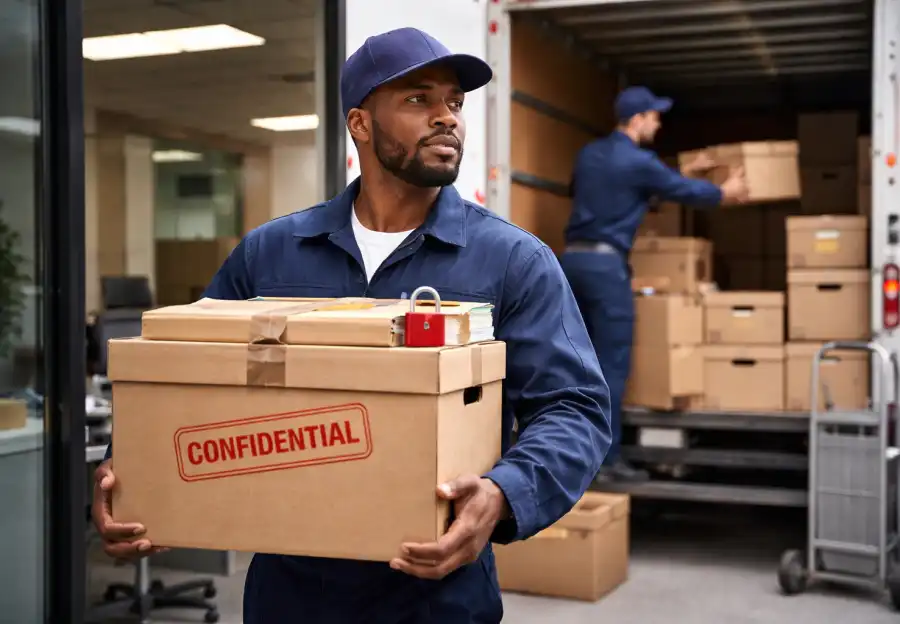
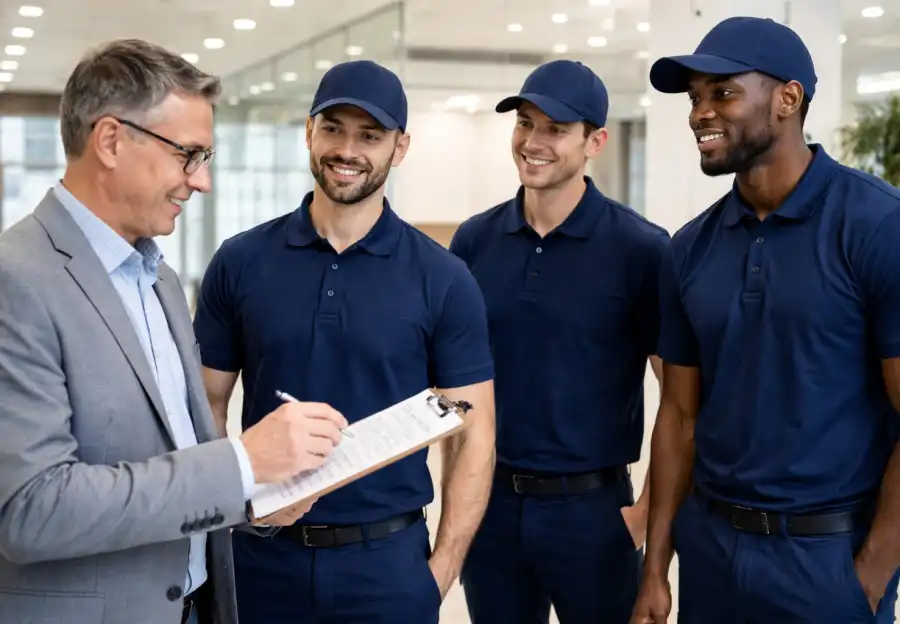
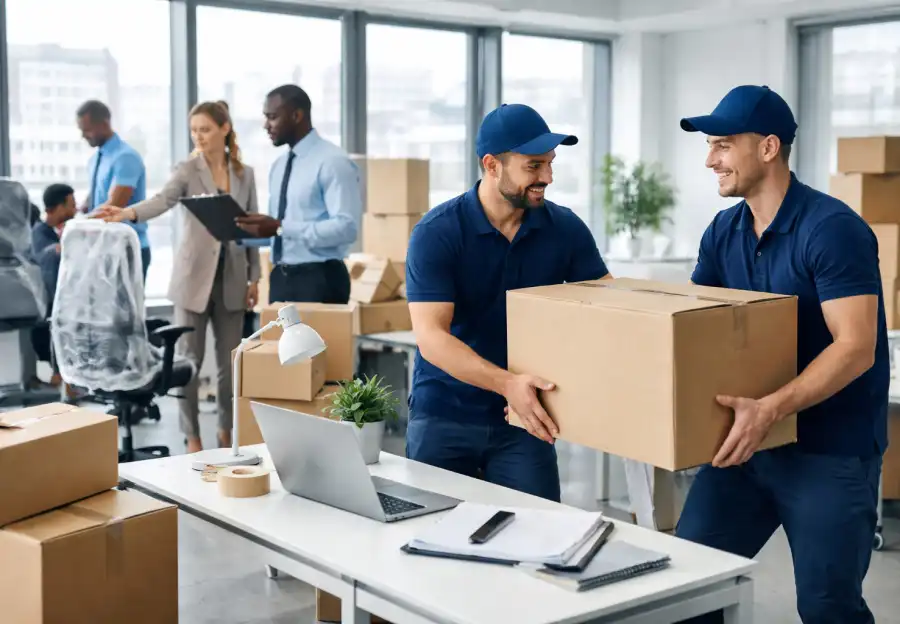
Engaging professional movers or specialized teams can significantly enhance the safety of the move. Experienced personnel are trained in proper lifting techniques, handling procedures, and packing methods for various types of office furniture. Outsourcing the transport of complex or bulky items, including large desks, filing cabinets, conference tables, or modular furniture, minimizes risk to employees and prevents damage. Coordinating professional movers with internal staff ensures that critical areas are cleared, items are moved systematically, and communication flows smoothly between teams. Expertise is especially valuable for fragile or high-value furniture, such as glass tabletops, custom cabinetry, or antique pieces, providing an additional layer of security and assurance.
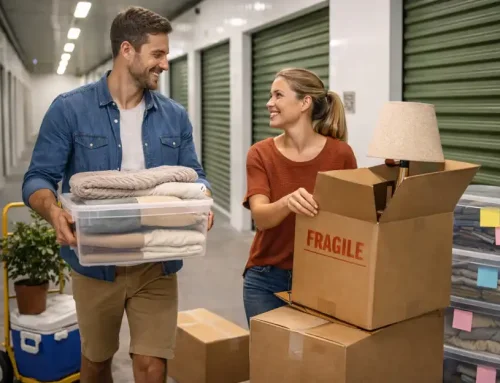
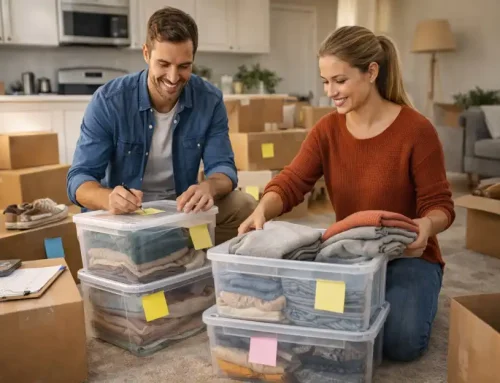
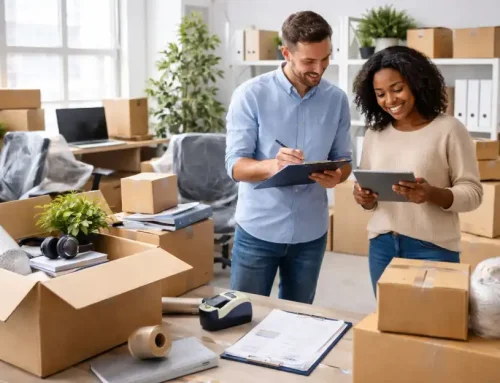
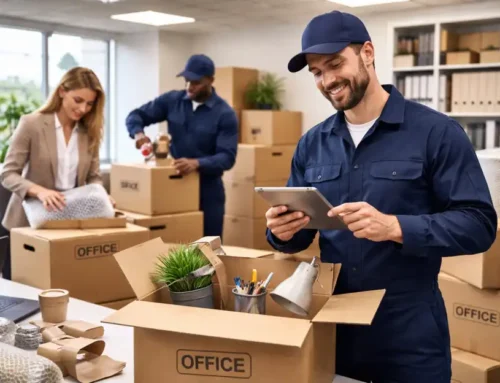
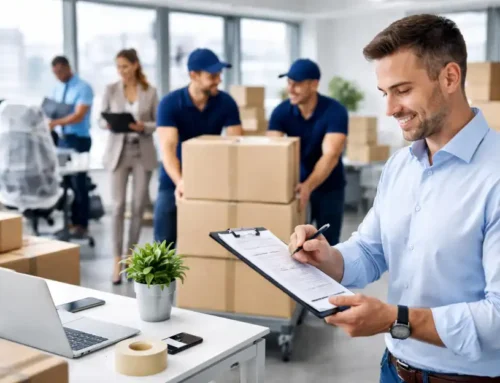
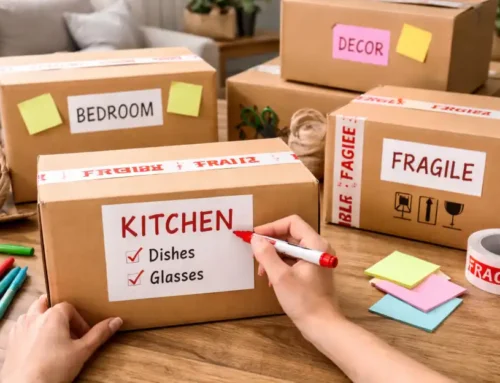
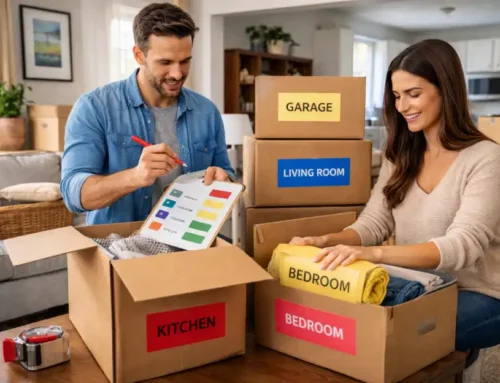
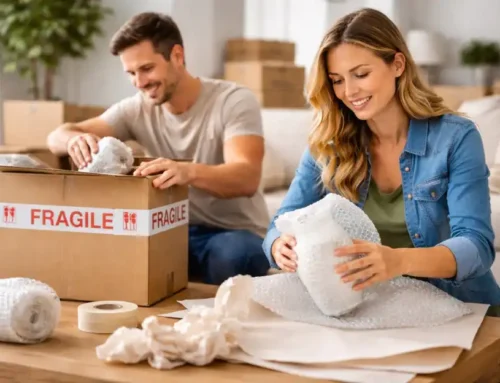
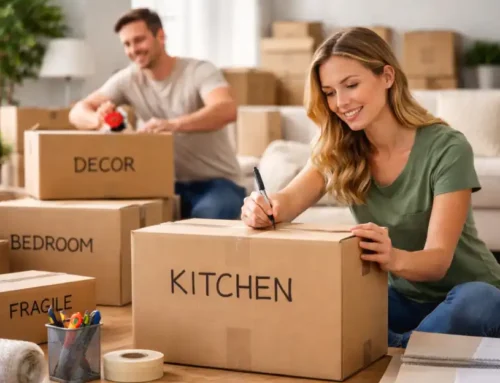
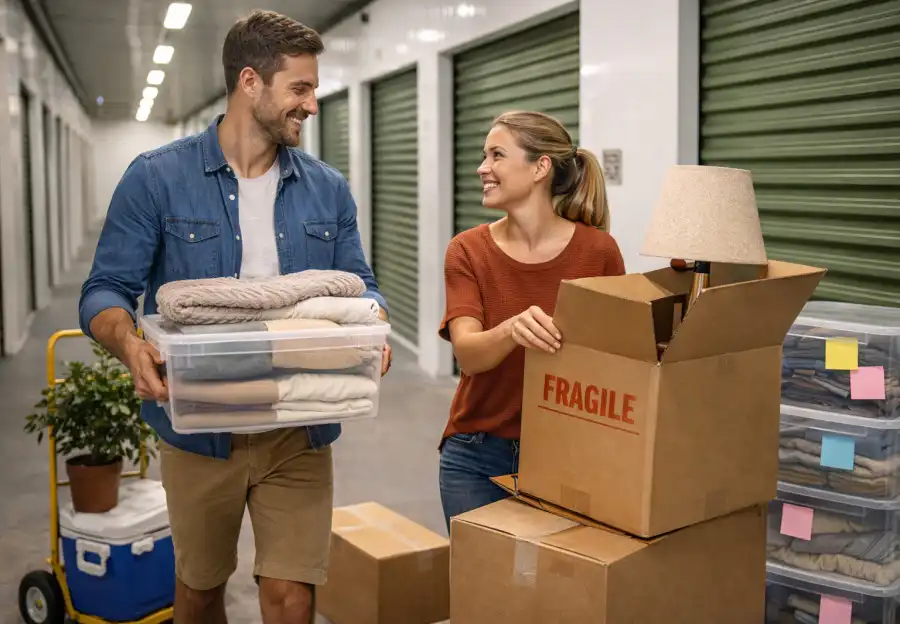
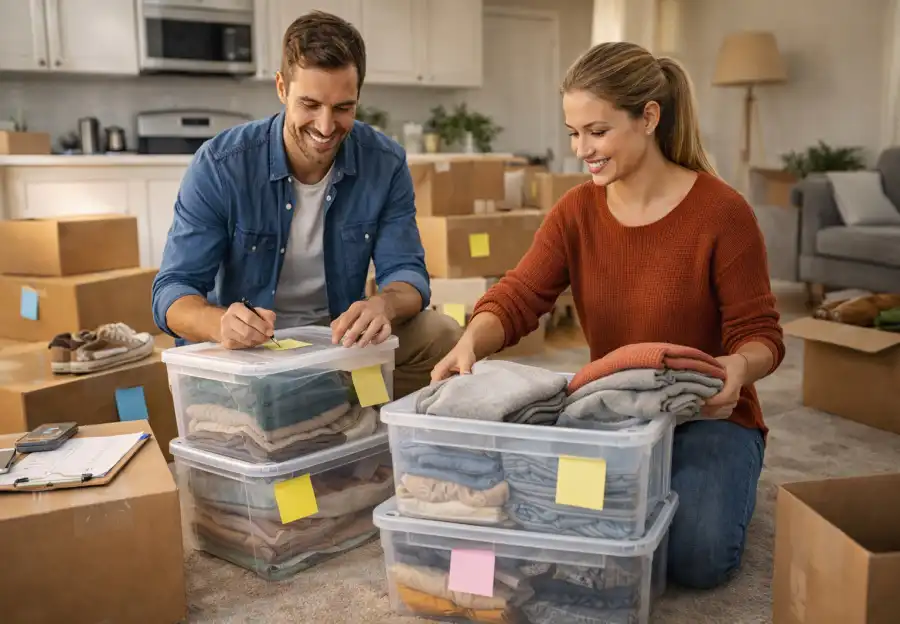
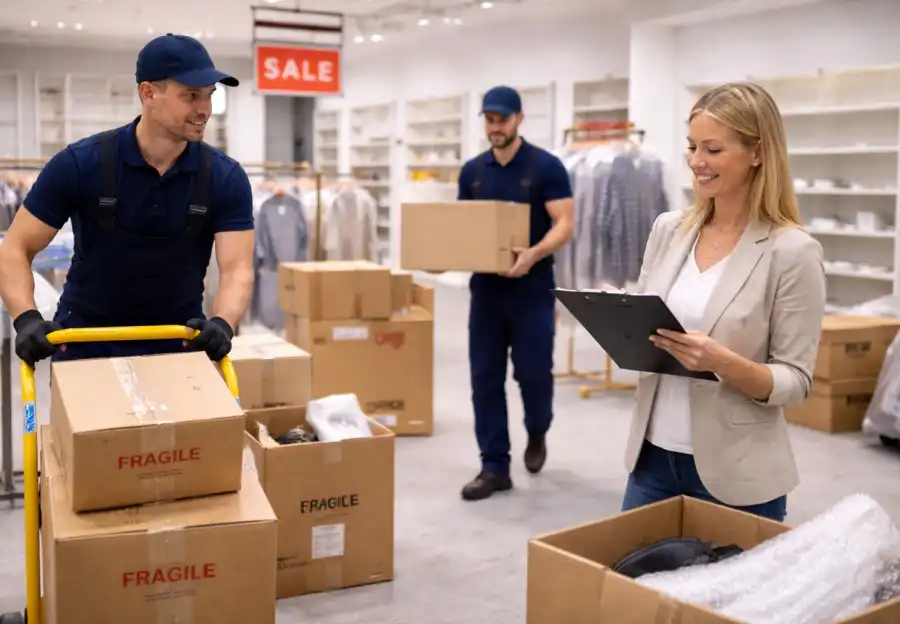
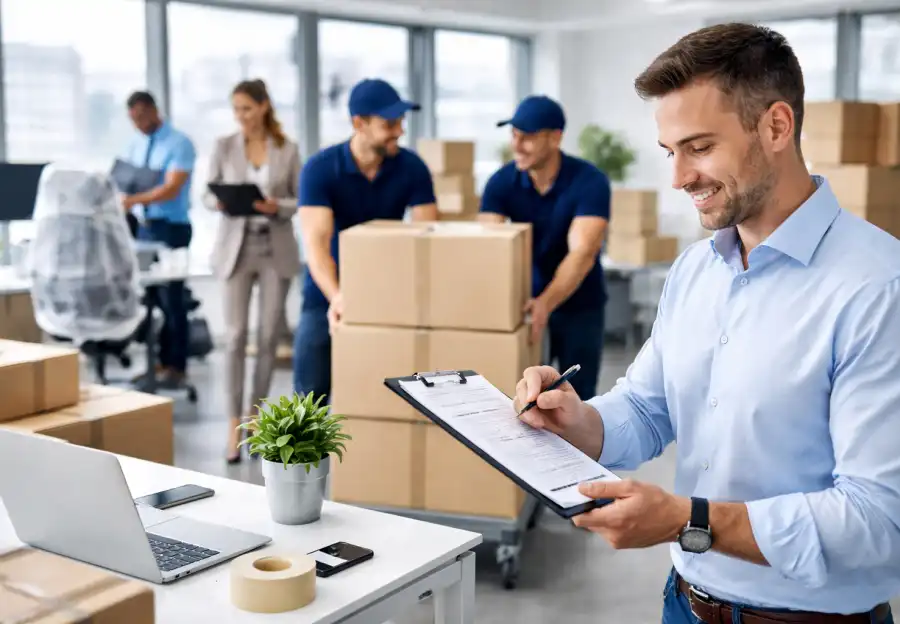
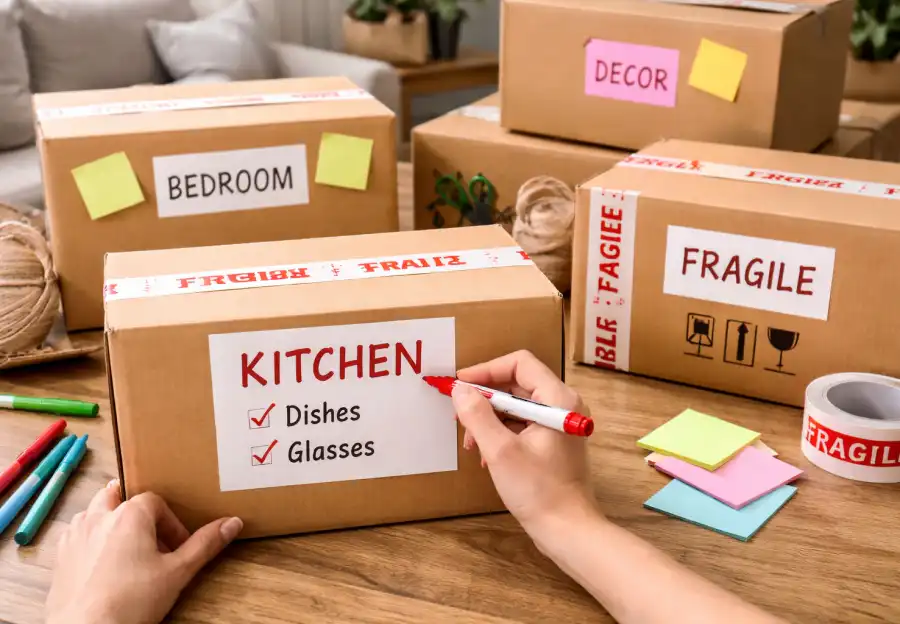
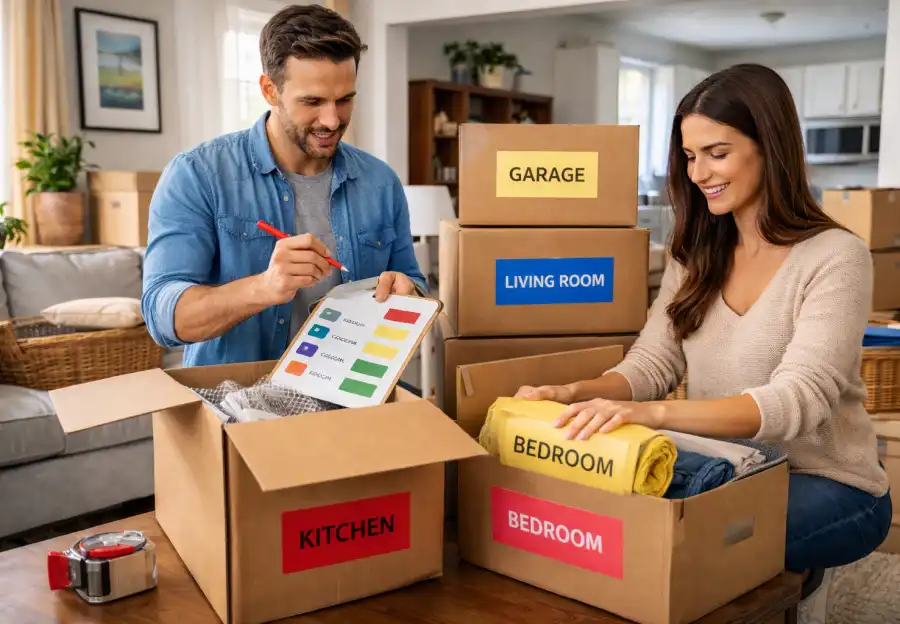
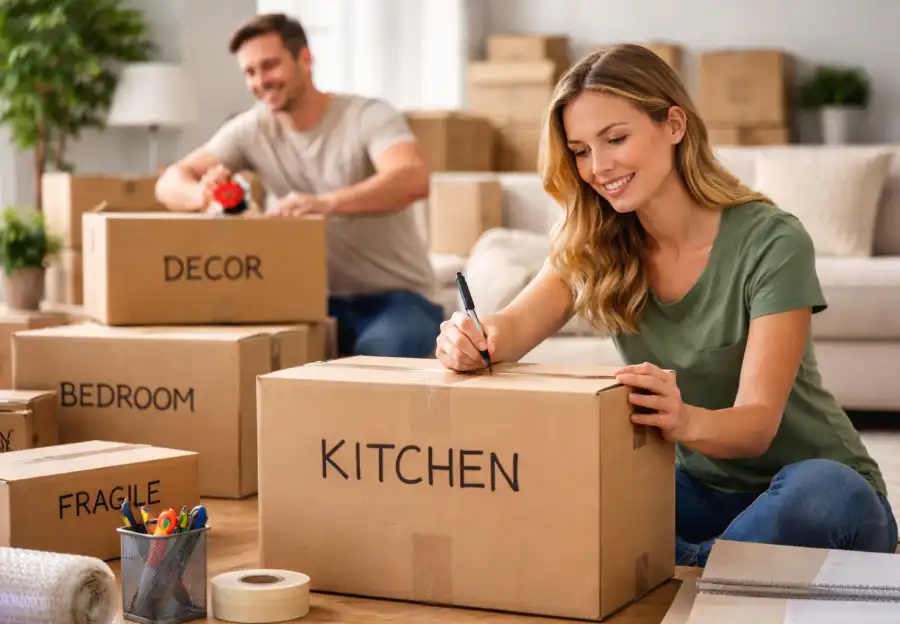
Labeling and organization are key factors for a seamless move. Clear identification of furniture ensures that movers know which pieces belong to specific departments or offices. Priority items and fragile components should be clearly marked for careful handling and immediate access at the new location. Maintaining an organized inventory and checklist promotes accountability, prevents items from being misplaced, and facilitates efficient unpacking and placement. Color-coding or numbering systems simplify tracking and allow for a smoother transition, reducing downtime and maintaining operational continuity.
Environmental and situational considerations also impact furniture safety during a move. Temperature, weather, and floor surfaces can affect both furniture and building infrastructure. Using ramps for staircases, covering floors to prevent scratches or slips, and ensuring secure loads during transit protect both items and facilities. Monitoring vehicle conditions and minimizing movement during transport preserves structural integrity and prevents accidents. Scheduling the move during favorable weather conditions further reduces risks associated with rain, snow, or extreme heat, contributing to a safer relocation process.
Upon arrival at the new office, careful placement, reassembly, and inspection are essential. Ensuring that all items are correctly reassembled, leveled, and positioned in designated areas prevents operational disruption and promotes a functional workspace. Checking for damage, missing components, or alignment issues allows for immediate corrective action, maintaining both aesthetics and usability. Providing guidance to employees on workstation setup supports efficiency, safety, and comfort, ensuring that staff can resume work without unnecessary delays.
Ultimately, moving office furniture safely combines assessment, planning, disassembly, use of proper equipment, protective packing, expert involvement, clear labeling, logistical coordination, and post-move inspection. By following these steps, businesses can relocate furniture efficiently and with minimal stress, safeguarding both employees and property. This approach maintains productivity, reduces risk, and creates a positive relocation experience, demonstrating that attention to detail, strategic execution, and professional support can transform a potentially high-risk and complex process into a controlled, safe, and successful office move.