
February 21, 2026
The Importance of Communication During a Business Relocation
Effective communication during a business relocation is one of the most critical factors in ensuring that the move is successful, efficient, and minimally disruptive. Company relocations involve numerous moving parts, including employees, management, vendors, clients, IT systems, office equipment, and logistical coordination. Without clear, consistent communication, misunderstandings, confusion, and operational delays are almost inevitable. Establishing a comprehensive communication strategy from the outset is therefore essential. This begins with informing employees about the move as early as possible, explaining the reasons behind the relocation, the anticipated timeline, expectations for each department, and the overall goals of the transition. Transparency fosters trust, reduces anxiety, and ensures that staff are engaged and prepared to participate proactively throughout the relocation process.
Internal communication should continue consistently throughout both the planning and execution stages of the move. Frequent updates help employees understand changes in schedules, responsibilities, and priorities. Regular briefings, emails, newsletters, or digital collaboration platforms can be used to disseminate information efficiently, while also allowing staff to ask questions, provide feedback, and voice concerns. Addressing potential issues early prevents small problems from escalating into larger disruptions. Designating point persons or forming a relocation committee to coordinate communication centralizes information, prevents conflicting messages, and ensures accountability, so that every employee knows where to seek guidance and clarity when needed.
Communication with external stakeholders such as clients, vendors, and business partners is equally important. These parties need to be aware of the relocation to avoid service interruptions, missed deliveries, or miscommunication regarding business operations. Sending notifications well in advance, providing updated contact information, and outlining expected downtime or changes in procedures demonstrates professionalism and reinforces confidence in the company’s ability to manage the move effectively. Proactively engaging key partners also allows for contingency planning and helps maintain strong relationships, as it signals that the company values their time and continuity of service during the relocation process.
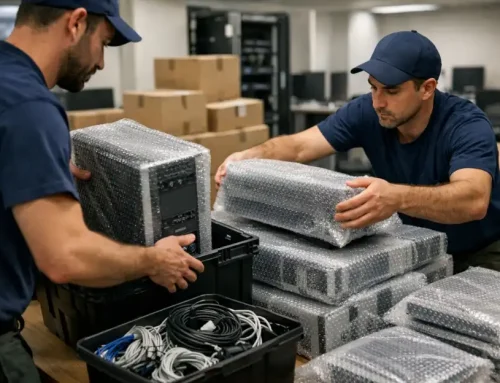
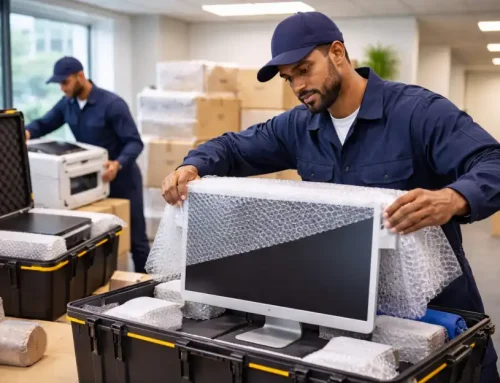
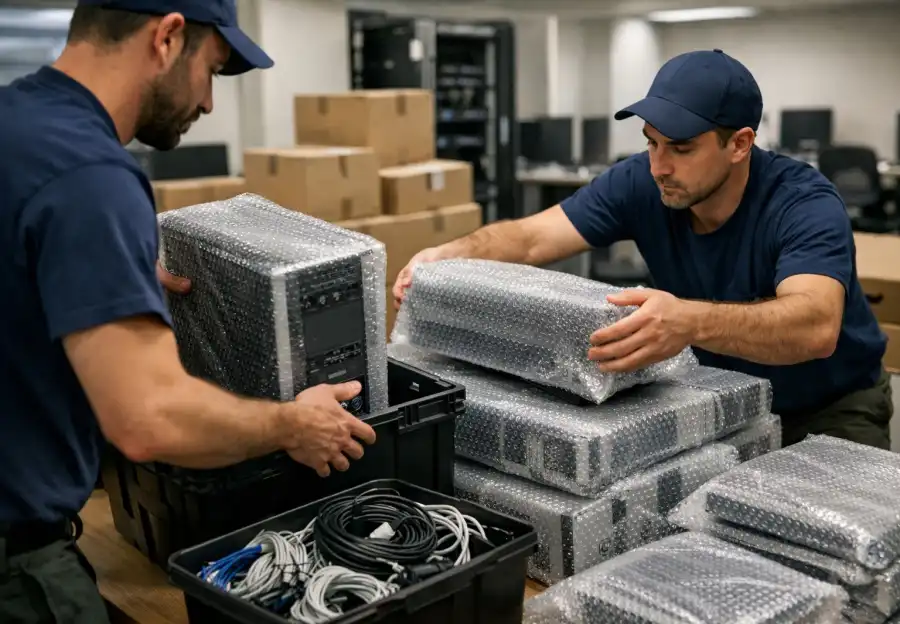
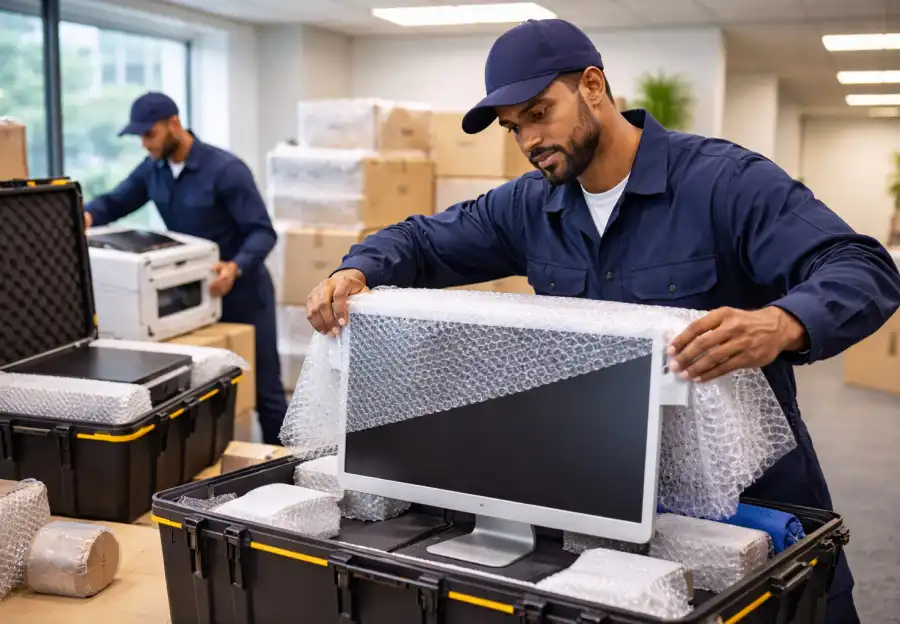
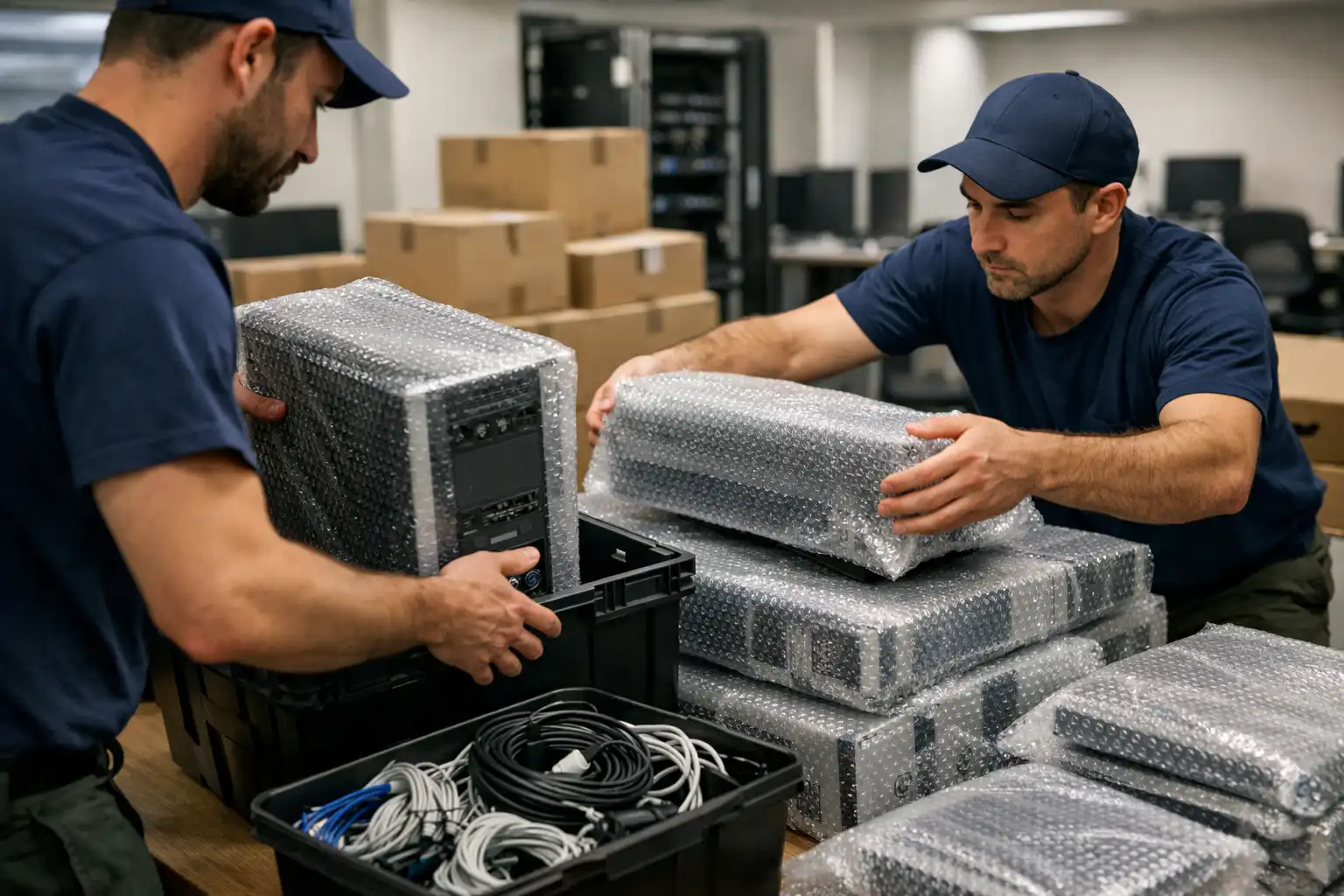
Technology and IT systems require careful communication planning because any downtime, data migration, or system reconfiguration can directly impact employee productivity and client service. Informing staff about scheduled IT shutdowns, equipment handling procedures, backup protocols, and reinstallation timelines ensures that critical systems are protected and business operations continue with minimal disruption. Coordinating with IT professionals and communicating clearly with both internal and external teams helps prevent errors, data loss, or equipment damage. Providing detailed instructions for handling sensitive technology reduces stress and uncertainty for employees who may be unfamiliar with IT processes, allowing them to feel confident and supported throughout the move.
The move itself depends heavily on communication, as logistical coordination is essential for efficiency and safety. Packing, labeling, transportation schedules, building access, loading dock usage, and elevator coordination all require precise alignment among movers, facilities teams, and employees. Clear instructions ensure that items are handled appropriately, fragile or high-priority assets are prioritized, and relocation proceeds according to plan. In the event of delays, accidents, or changes, timely updates prevent confusion, maintain workflow, and minimize unnecessary downtime, ensuring that operations can resume as smoothly as possible.
Communication also plays a key role in maintaining morale and organizational culture during a move. Business relocations can be stressful and may impact employee satisfaction, so maintaining open channels for staff to express concerns, ask questions, and receive reassurance helps reduce anxiety. Recognizing employee efforts and celebrating milestones—such as completing packing, arriving at the new location, or the first day in the new office—reinforces positivity and engagement. This attention to morale supports productivity, collaboration, and overall success, ensuring that employees remain motivated and involved throughout the transition.
Post-move communication is just as vital as pre-move planning. Employees, clients, and vendors need confirmation that operations have resumed, issues have been addressed, and processes are fully functional. Soliciting feedback after the move allows management to identify lessons learned, address any lingering concerns, and refine future relocation strategies. Documenting communication strategies, channels, and key messages provides a valuable reference for future operational changes, reinforcing a culture of transparency, accountability, and continuous improvement.
Ultimately, combining early, frequent, and clear internal communication with proactive external updates, structured IT and logistical coordination, and morale-focused engagement enables businesses to manage the complexities of relocation successfully. Employees feel informed and supported, clients remain confident, critical operations continue uninterrupted, and the overall transition proceeds smoothly and efficiently. Effective communication is not merely a supplementary aspect of a business move; it is a central pillar that safeguards productivity, preserves relationships, protects assets, and enables a seamless transition to a new office environment. Every stage of the relocation, from planning through post-move follow-up, relies on clear, consistent, and strategic communication to achieve optimal outcomes for the organization, its employees, and its stakeholders.