
February 15, 2026
Moving Your Business: Minimizing Downtime
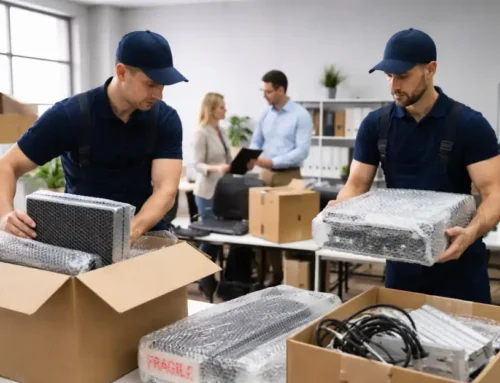
Minimizing downtime during a business move is essential because even short interruptions can affect revenue, productivity, client relationships, and employee morale. A business relocation involves far more than transporting furniture and equipment; it requires careful coordination of people, processes, and technology. Without a structured approach, operations can stall, deadlines can be missed, and costs can escalate quickly. With detailed planning, clear communication, and strategic execution, however, businesses can relocate efficiently while maintaining continuity and stability throughout the transition.
The first step in reducing downtime is conducting a comprehensive assessment of current business operations. This includes identifying critical workflows, essential equipment, technology systems, physical files, and inventory that must remain accessible. Understanding which functions are mission-critical allows leaders to prioritize what must be moved first and what can be temporarily paused. This assessment also helps identify potential bottlenecks, such as specialized equipment or systems that require expert handling. Planning solutions in advance ensures that these challenges do not cause unexpected delays during the move.
Developing a phased relocation plan is another key strategy. Moving an entire business at once can create chaos and halt operations completely. Breaking the move into manageable phases—such as preparation, packing, transport, setup, and testing—allows certain functions to remain operational throughout the process. Assigning responsibilities to project managers or team leads ensures accountability and smooth coordination. A detailed timeline with clear deadlines keeps everyone aligned, reduces confusion, and provides a structured roadmap for the relocation.
Budgeting and resource management play a significant role in minimizing downtime. Unexpected expenses or shortages of labor and equipment can quickly derail a move. Allocating funds for professional movers, IT specialists, packing materials, and temporary staffing helps prevent last-minute delays. Maintaining a contingency budget provides flexibility for unforeseen issues. Businesses can also explore cost-efficient strategies, such as scheduling moves during off-hours, staggering employee involvement, or reusing packing materials, to manage expenses without compromising efficiency or safety.
Clear and consistent communication is critical throughout the relocation process. Employees, vendors, and clients need to understand the moving timeline, expectations, and any temporary limitations. Regular updates through emails, meetings, or shared digital platforms ensure transparency and preparedness. Providing detailed instructions on packing responsibilities, equipment shutdown procedures, and new workspace arrangements minimizes confusion. Informing clients and partners in advance about potential service interruptions or changes in contact information maintains trust and helps preserve professional relationships.
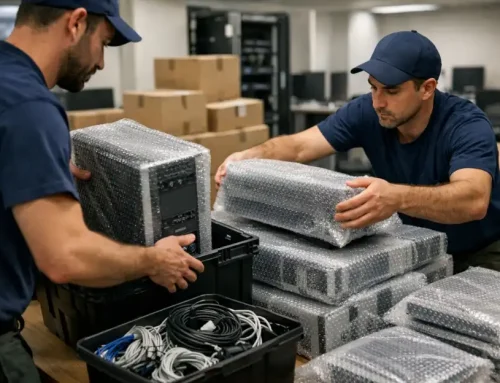
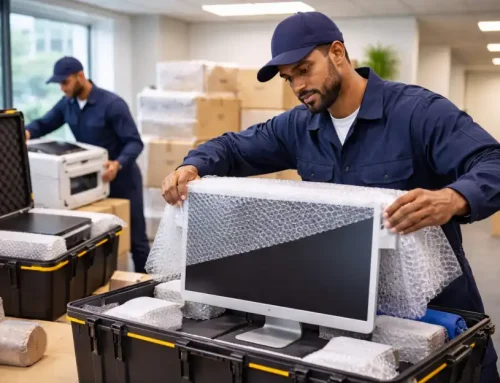
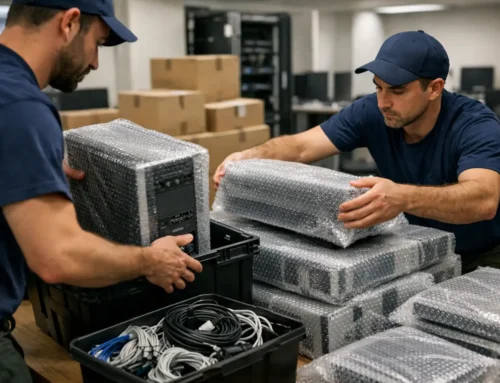
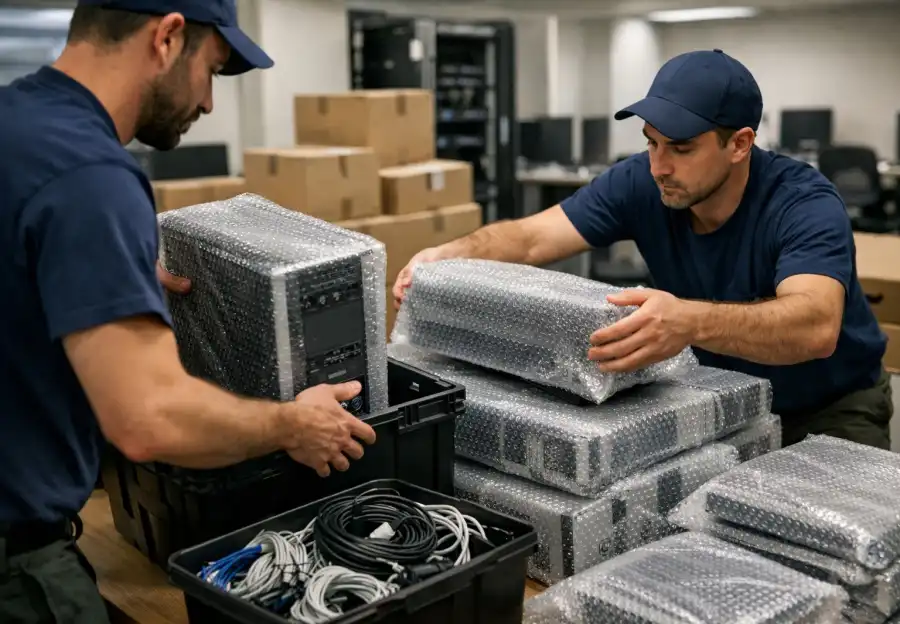
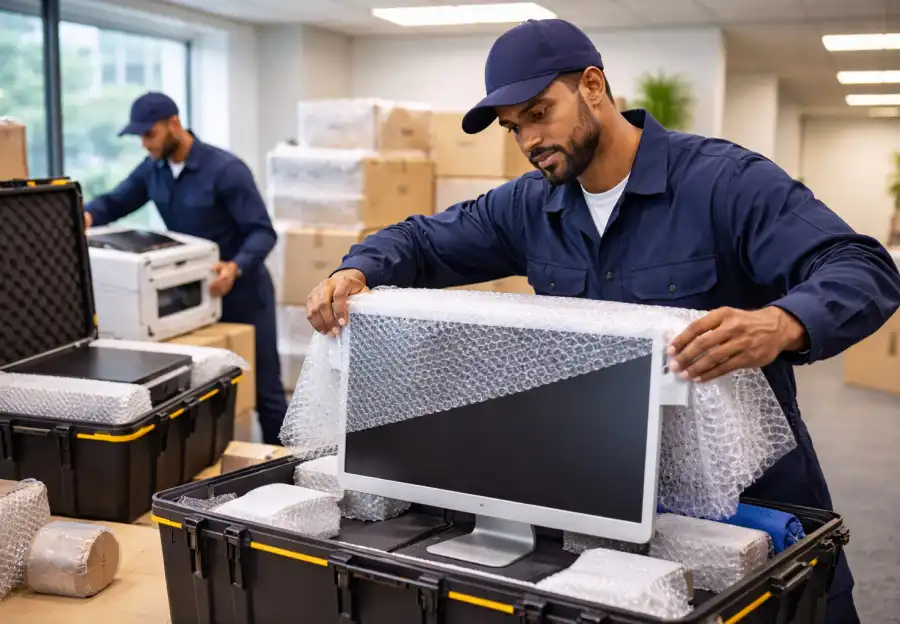
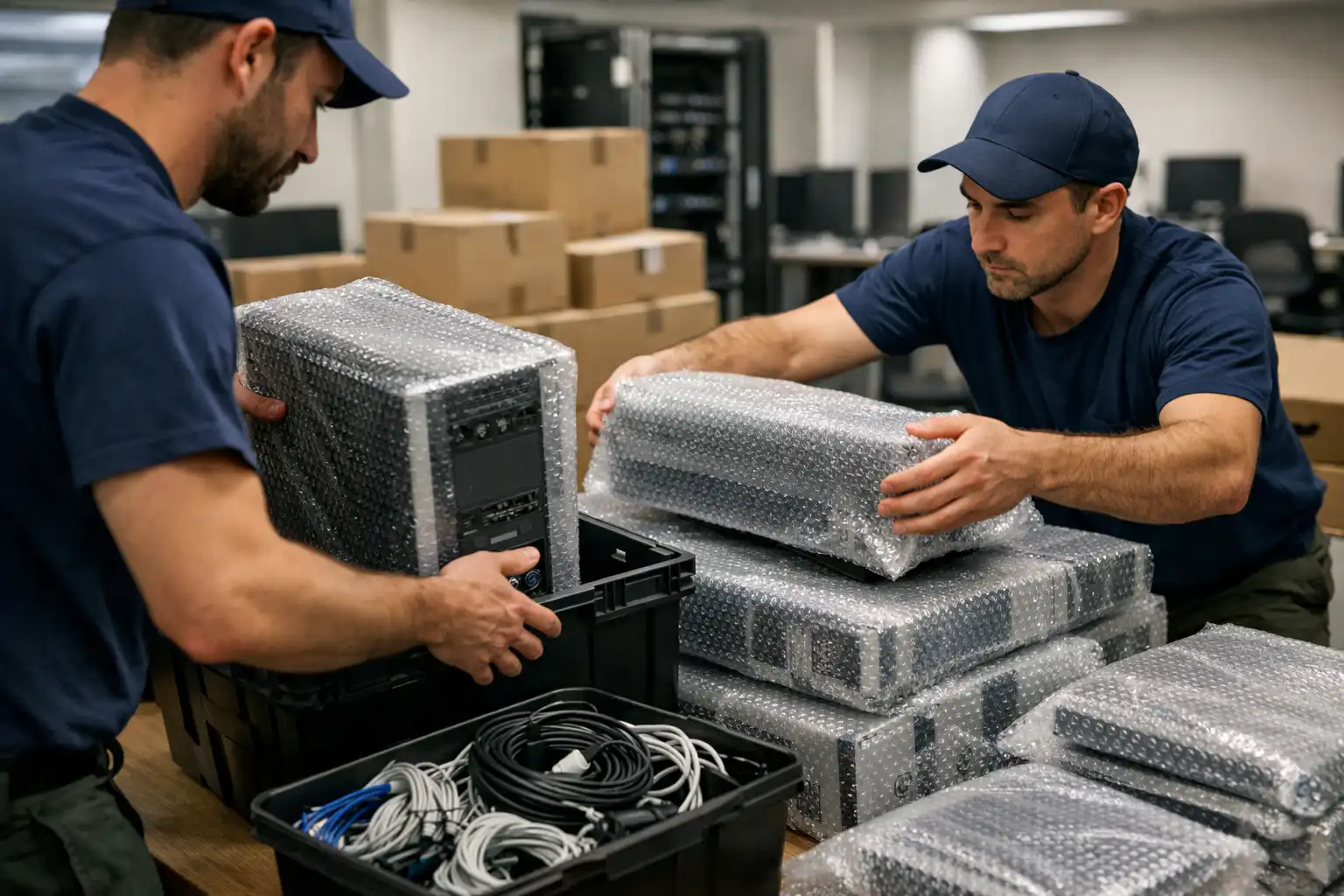
Technology and IT infrastructure must be treated as top priorities, as disruptions in systems can bring operations to a complete standstill. Careful planning is required for the shutdown, transport, and reinstallation of computers, servers, phone systems, and internet connections. Backing up all data before the move protects against loss, while coordinating with IT professionals ensures secure handling and rapid setup. Cloud-based systems and remote access tools can further reduce downtime by allowing employees to continue working during the transition.
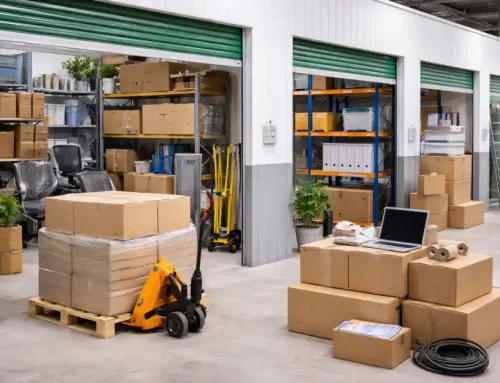
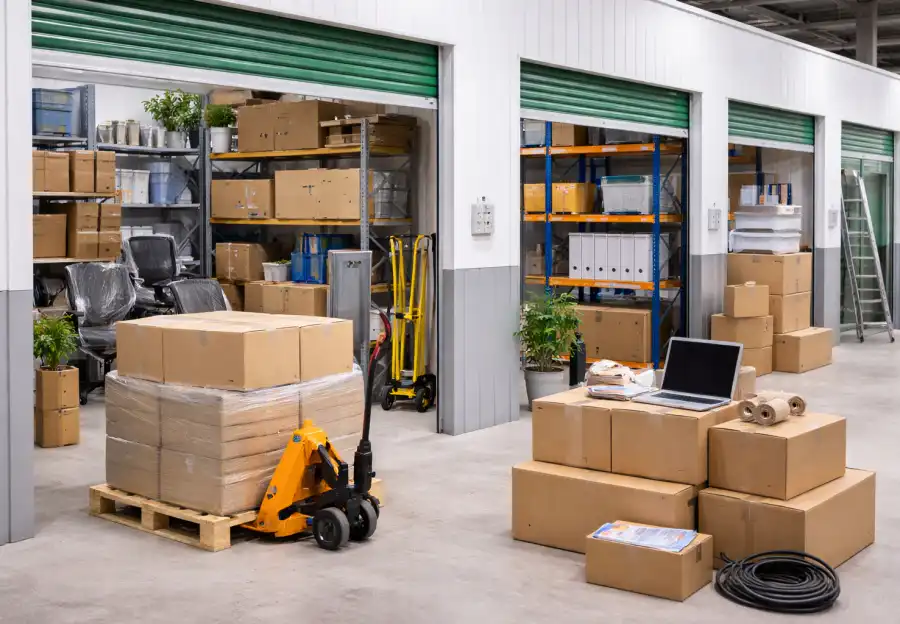
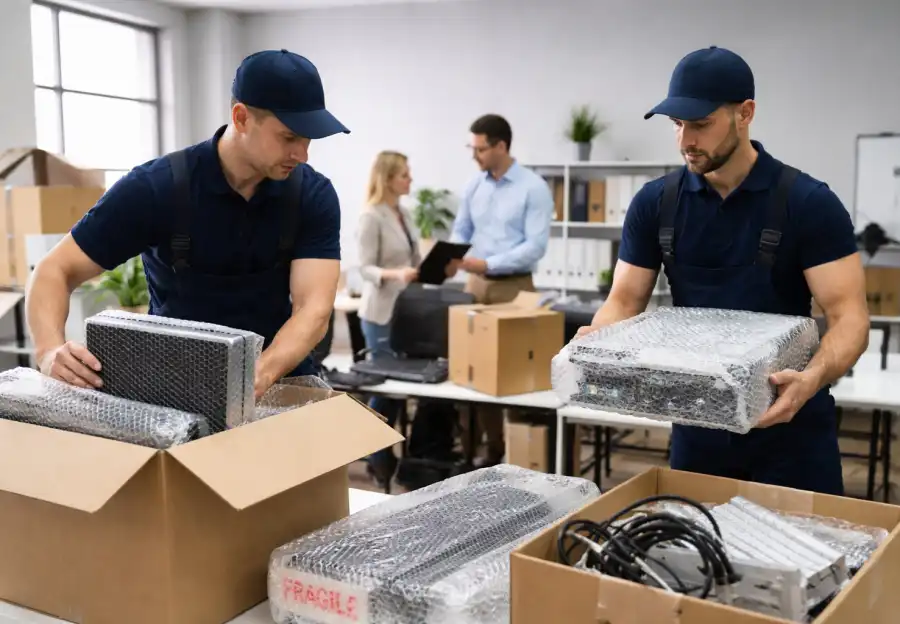
Organized packing and labeling strategies are also essential for efficiency. Using standardized boxes, clear labels, and logical categorization ensures that critical items are easy to locate upon arrival. Priority equipment, documents, and tools should be packed separately and clearly marked to allow immediate access. This approach prevents time wasted searching through boxes and allows essential departments to resume operations quickly, even while non-essential items are still being unpacked.
Logistical coordination is another factor that can significantly influence downtime. Scheduling transportation, securing building access, and coordinating loading docks, elevators, and parking areas are all necessary to avoid delays. Confirming details with movers, building management, and internal teams ensures that everyone is aligned on move day. Preparing contingency plans for traffic, weather, or equipment failures further reduces risk. Planning the layout of the new office in advance allows employees to move directly into functional workspaces without unnecessary adjustments.
Maintaining employee engagement throughout the move is vital to productivity. Relocations can be stressful and disruptive, and uncertainty can negatively affect morale. Involving employees in planning, providing clear expectations, and offering support during the transition helps create a sense of ownership and cooperation. Recognizing milestones, addressing concerns promptly, and allowing breaks during move day reduce fatigue and stress. A motivated, informed workforce adapts more quickly and contributes to a smoother relocation.
Post-move organization and testing are the final steps in minimizing downtime. Verifying that technology, communication systems, and workspaces are fully functional prevents ongoing disruptions. Priority areas should be unpacked first, and any issues should be resolved immediately. Conducting a post-move review and documenting lessons learned helps improve planning for future relocations. By assessing needs, planning in phases, managing resources, prioritizing IT, organizing logistics, and supporting employees, businesses can relocate efficiently while maintaining continuity, productivity, and confidence throughout the entire move.