
February 2, 2026
How to Use Color Coding for Moving Boxes
Using color coding for moving boxes is one of the most effective strategies for organizing a move because it simplifies every stage of the relocation process, from packing and loading to transportation and unpacking. Moving involves coordinating dozens, sometimes hundreds, of boxes across multiple rooms, and without a clear system, confusion is almost inevitable. Color coding introduces an immediate visual structure that reduces stress, saves time, and prevents misplaced or lost items. When implemented thoughtfully, it allows everyone involved—professional movers, friends, or family members—to understand where each box belongs at a glance, creating a smoother and more efficient moving experience.
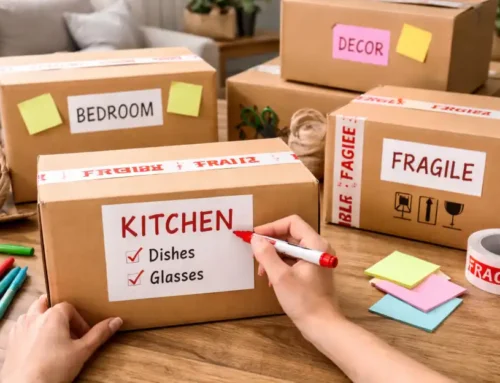
The foundation of an effective color-coding system is assigning a specific color to each room in the new home. For example, the kitchen might be labeled with yellow, the living room with blue, bedrooms with green, and bathrooms with red. These colors can be applied using stickers, tape, labels, or markers placed prominently on multiple sides of each box. Bright, contrasting colors are best because they stand out even when boxes are stacked or moved quickly. Combining color labels with written room names provides an extra layer of clarity, ensuring that even if a color is partially hidden or lighting is poor, the destination remains clear.
Beyond room identification, color coding can also be used to communicate priority. Not all boxes are equally important on moving day, and some need to be unpacked immediately. Designating a specific color for “open first” or essentials boxes makes it easy to identify items like bedding, toiletries, kitchen basics, or important documents. When movers see this color, they know these boxes should be unloaded first and placed in accessible areas. This simple step can dramatically reduce the frustration of searching for necessities after a long moving day.
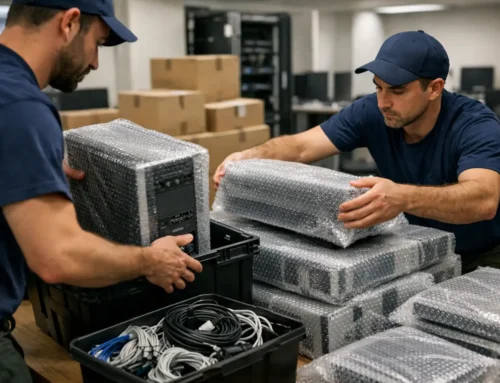
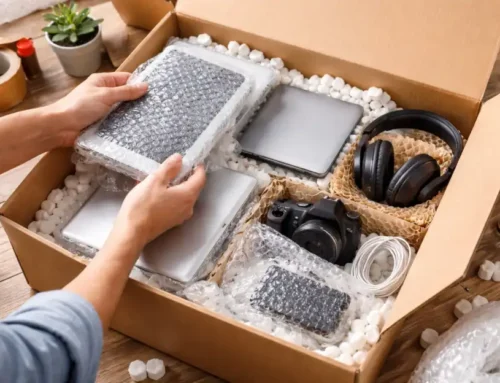
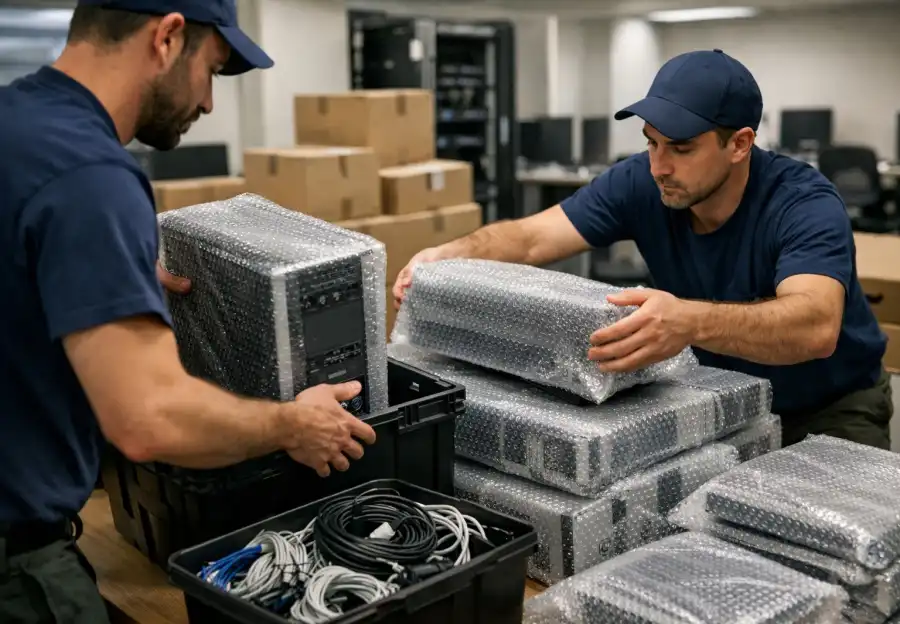
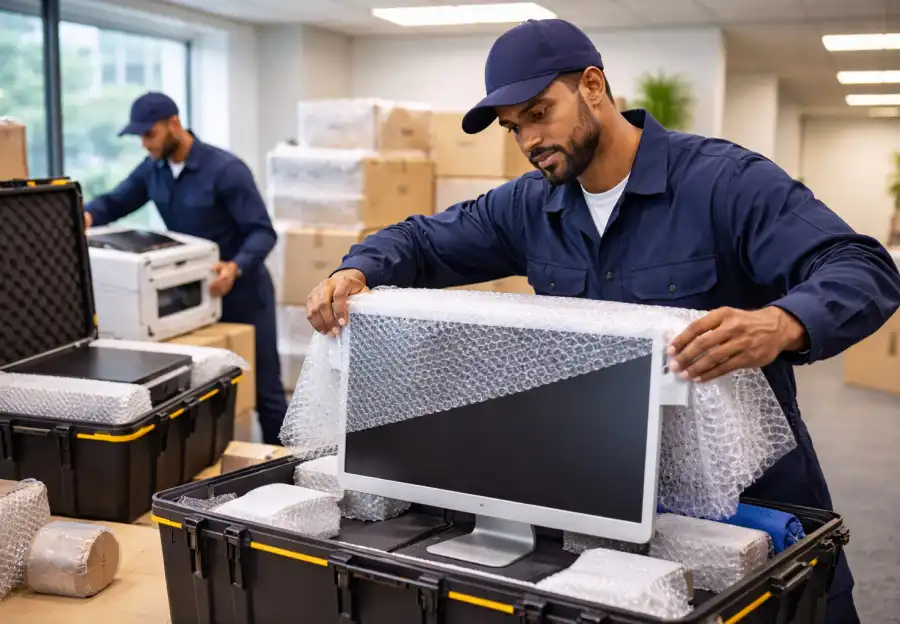
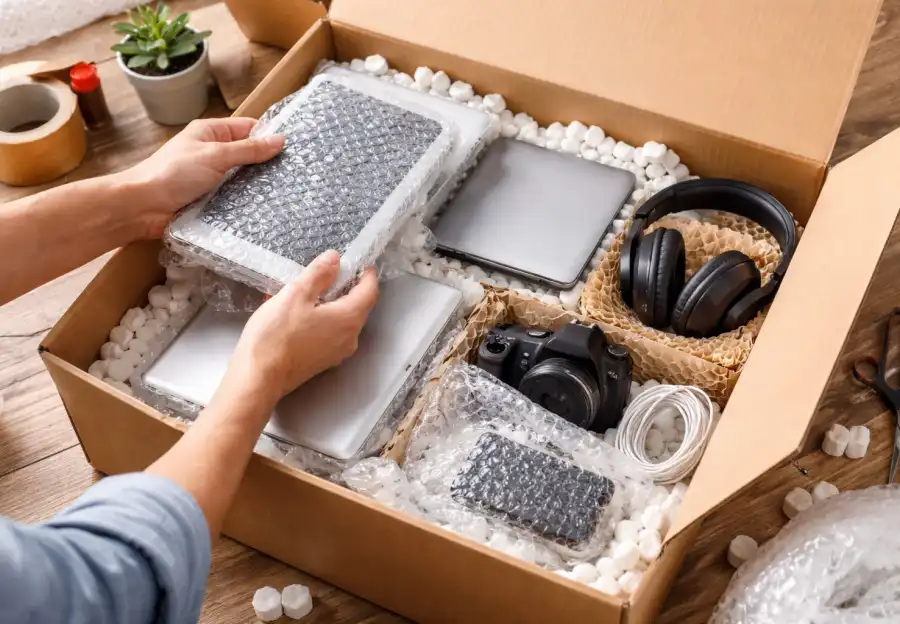
Fragility is another critical category that benefits from color coding. Assigning a distinct color to fragile items ensures that boxes containing glassware, electronics, artwork, or delicate décor receive special handling. Movers can instantly recognize that these boxes require careful placement, minimal stacking, and added protection. When combined with written labels and visual symbols such as arrows or “fragile” icons, color coding reduces the risk of damage and helps protect valuable or sentimental belongings.
Color coding also improves the packing process itself. When you know each room’s assigned color in advance, packing becomes more systematic and organized. Items naturally stay grouped by room, reducing the chance of mixing belongings from different areas. This consistency allows for better weight distribution and stacking, as heavy boxes can be placed strategically and lighter or fragile boxes handled appropriately. The result is a more efficient loading process and a safer working environment for everyone involved.
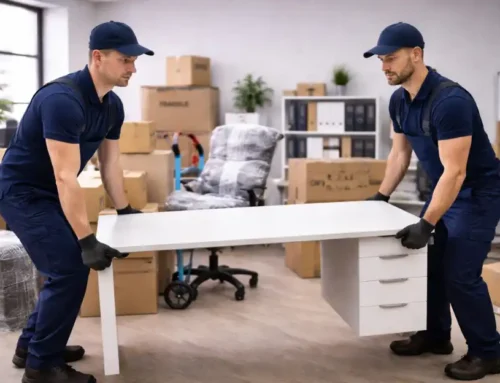
For larger or more complex moves, color coding becomes even more valuable. When multiple movers or helpers are involved, a visual system minimizes the need for repeated instructions. Instead of constantly directing people verbally, you can rely on colors to guide box placement. This is especially helpful in multi-story homes, apartment buildings, or moves involving multiple destinations. Color coding ensures that boxes are delivered to the correct rooms or locations without confusion, saving time and preventing costly mistakes.
Unpacking is where the benefits of color coding become most apparent. As boxes arrive at the new home, they can be placed directly into their assigned rooms based on color. This eliminates the need to move boxes multiple times after unloading and keeps pathways clear. It also allows you to focus on one room at a time, making the unpacking process feel more manageable. Because essential boxes are clearly marked, you can quickly access what you need and establish a sense of order right away.
Integrating color coding with digital organization tools can further enhance efficiency. Creating a simple color-coded inventory list or spreadsheet allows you to track boxes and their contents. Taking photos of labeled boxes before the move provides a visual record that can be referenced later. Some moving apps even allow color-based tracking, making it easier to monitor progress and identify missing boxes. These tools add accountability and provide peace of mind, especially during long-distance moves.
Durability and visibility are important considerations when implementing a color-coding system. Using strong tape, waterproof labels, or bold markers ensures that colors remain visible throughout handling and transport. Applying color indicators on multiple sides and the top of each box increases visibility regardless of how boxes are stacked. This attention to detail ensures that the system remains effective from start to finish.
Finally, color coding offers significant psychological benefits. The visual organization reduces anxiety, provides a sense of control, and makes the entire move feel less chaotic. Seeing clearly labeled, color-coordinated boxes creates confidence that everything is accounted for and heading to the right place. By assigning room-specific colors, marking priority and fragile items, using durable materials, and combining visual cues with written labels and digital tracking, color coding transforms moving from a stressful ordeal into a structured, efficient process. It proves that a simple visual system can deliver maximum clarity, efficiency, and peace of mind during any move, regardless of size or complexity.