
January 9, 2026
How to Simplify Your Move With Technology
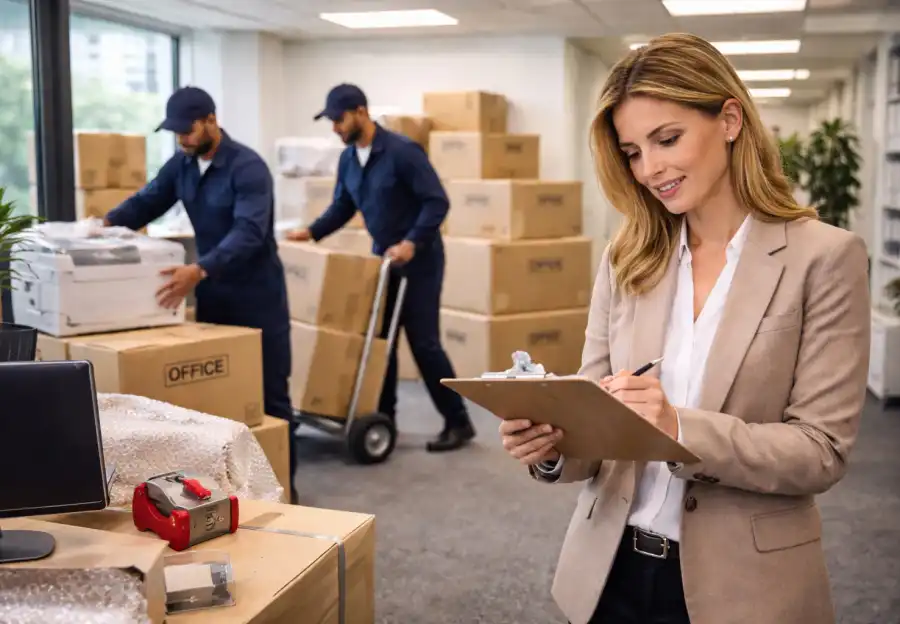
Moving can be one of life’s most stressful experiences, but using technology effectively can transform a complicated relocation into a more organized, efficient, and manageable process. From planning and packing to transportation and settling into a new home, modern tools help reduce errors, save time, and provide peace of mind. One of the most impactful ways technology simplifies moving is through online research and comparison tools. Moving companies, packing services, storage facilities, and truck rentals can now be researched and compared quickly using websites and apps. Homeowners can review pricing, check licensing and insurance, read customer feedback, and request estimates online, eliminating the need for countless phone calls or in-person visits.
Digital organization tools play a major role in keeping a move on track. Moving involves dozens of tasks, deadlines, and responsibilities that can easily become overwhelming. Online checklists, calendar apps, and moving-specific planners allow individuals to create timelines, set reminders, and track progress in real time. These tools can be shared across devices, making coordination between family members, roommates, or professionals seamless. Cloud-based storage further enhances organization by keeping contracts, receipts, inventories, and important documents accessible at all times, even while traveling between homes.
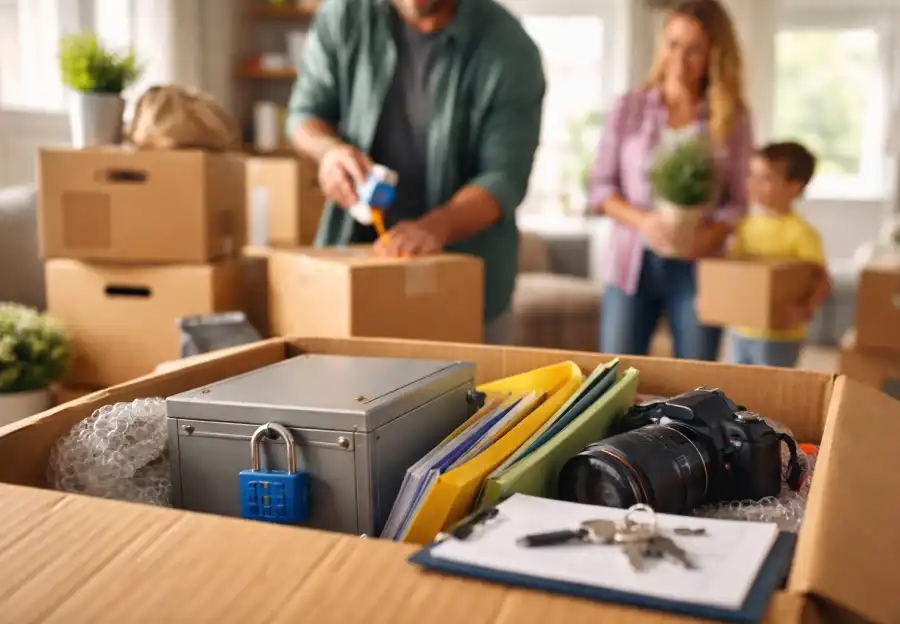
Technology also improves inventory management, which is essential for keeping belongings safe and organized. Moving apps, spreadsheets, and specialized software enable homeowners to catalog items, assign box numbers, note contents, and attach photos of valuable or fragile belongings. This digital inventory is invaluable for tracking items during loading and unloading, simplifying unpacking, and supporting insurance claims if damage or loss occurs. Unlike paper lists, digital inventories can be updated instantly and accessed from anywhere, providing better oversight and accuracy.
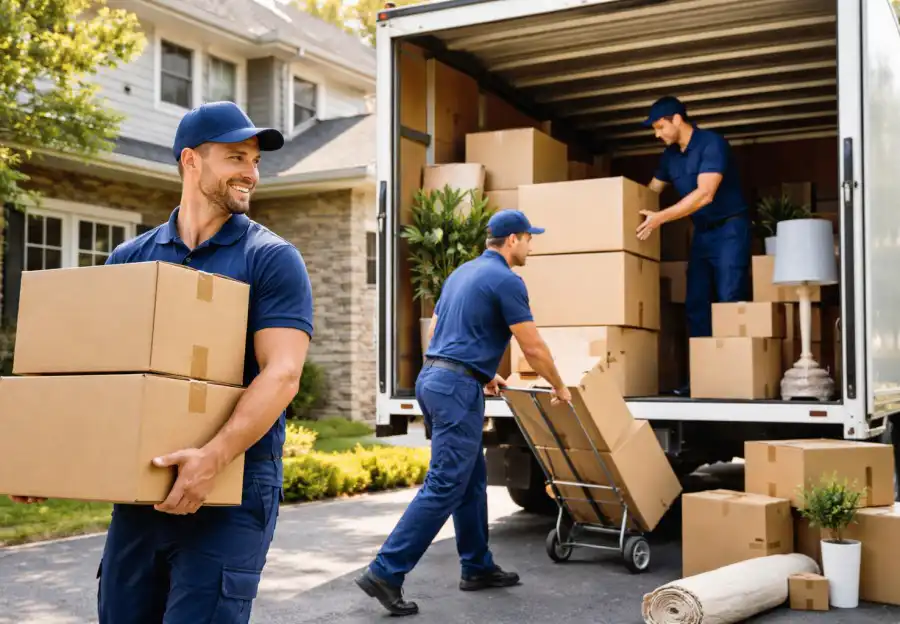
Navigation and route planning tools significantly reduce the stress of transportation. GPS apps, traffic monitoring software, and route optimization tools help movers identify the fastest and safest routes, avoid construction zones or heavy traffic, and estimate arrival times accurately. These tools are especially beneficial for long-distance moves, where delays can be costly and frustrating. Real-time updates allow for quick adjustments, saving fuel, reducing travel time, and improving coordination between drivers and recipients.
Communication during a move is also greatly enhanced by technology. Smartphones, messaging apps, email, and video calls make it easy to stay in touch with movers, family members, and service providers. Questions can be answered quickly, instructions clarified, and updates shared in real time. Many moving companies now offer digital tracking or notification systems that provide updates on truck location and delivery windows, offering transparency and reassurance throughout the move.
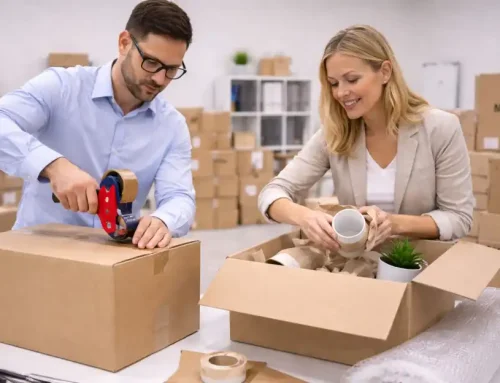
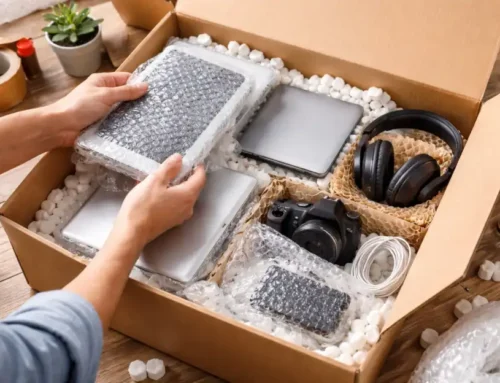
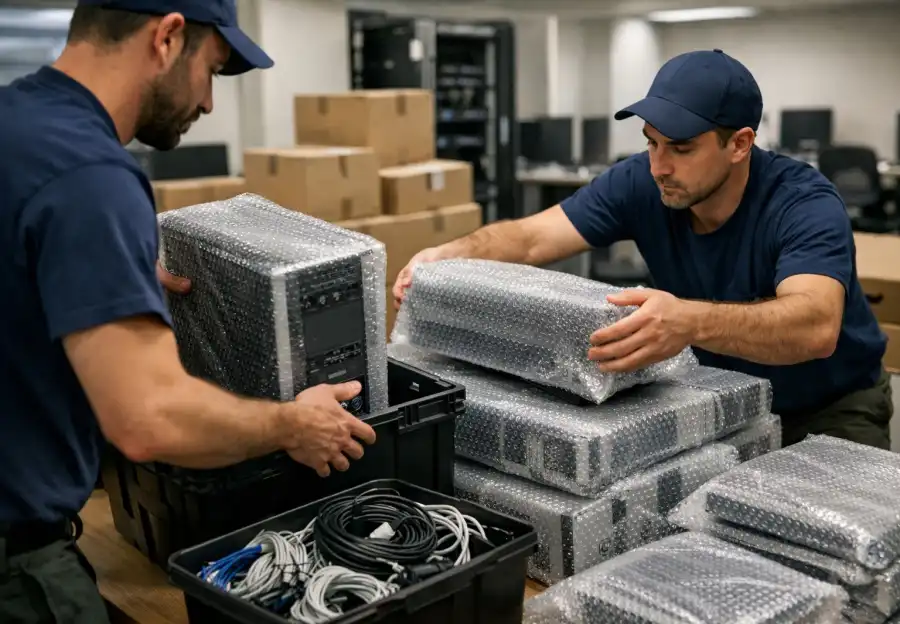
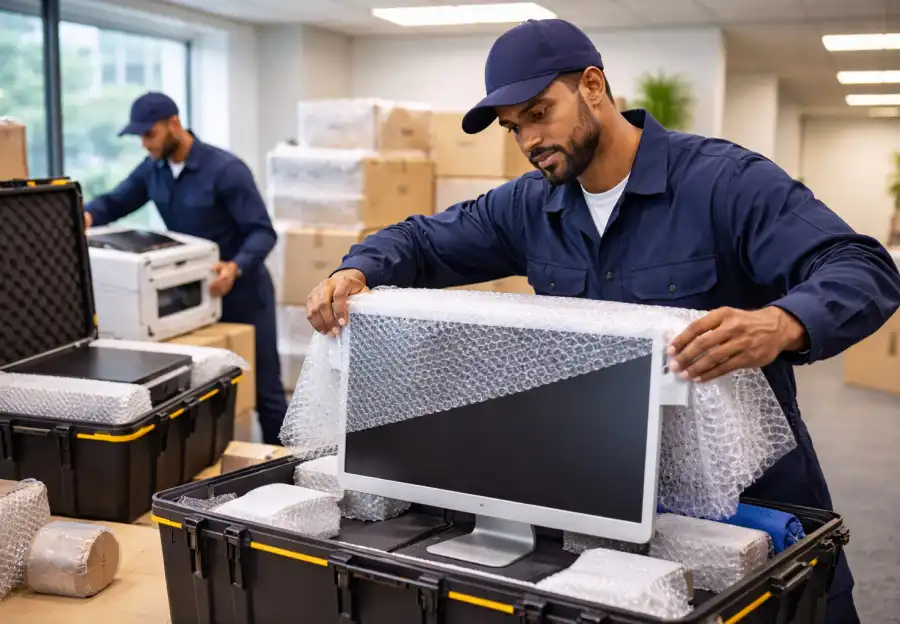
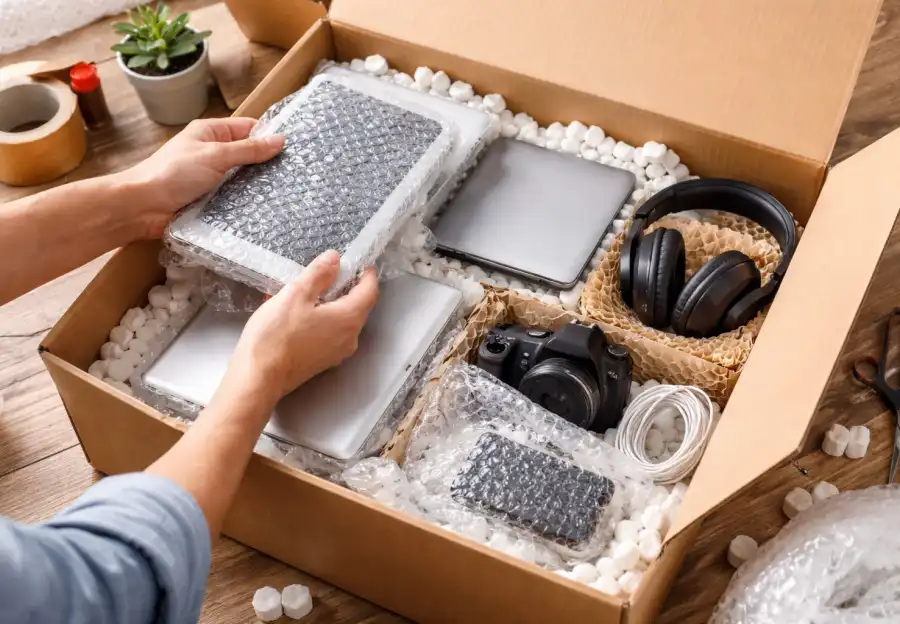
Packing becomes more efficient with access to online tutorials, video guides, and interactive apps. Step-by-step demonstrations show how to pack fragile, heavy, or oddly shaped items safely. Some tools even allow users to visualize furniture placement in their new home, helping determine how items should be packed and labeled. Barcode or QR code systems can link physical boxes to digital inventories, making it easy to locate specific items during unpacking.
Technology also simplifies budgeting and financial management. Online calculators, budgeting apps, and spreadsheets help movers track expenses, compare quotes, and monitor spending in real time. This visibility reduces the risk of overspending or overlooking hidden costs. Digital payment systems further streamline the process by making deposits, invoices, and tips fast, secure, and easily traceable.
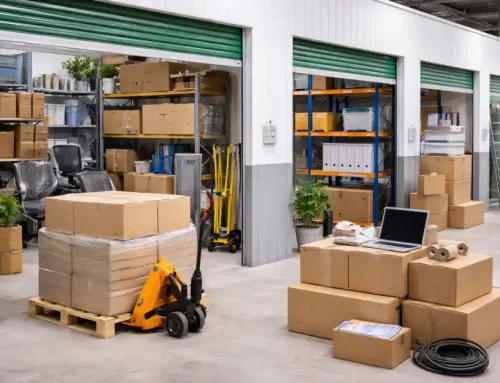
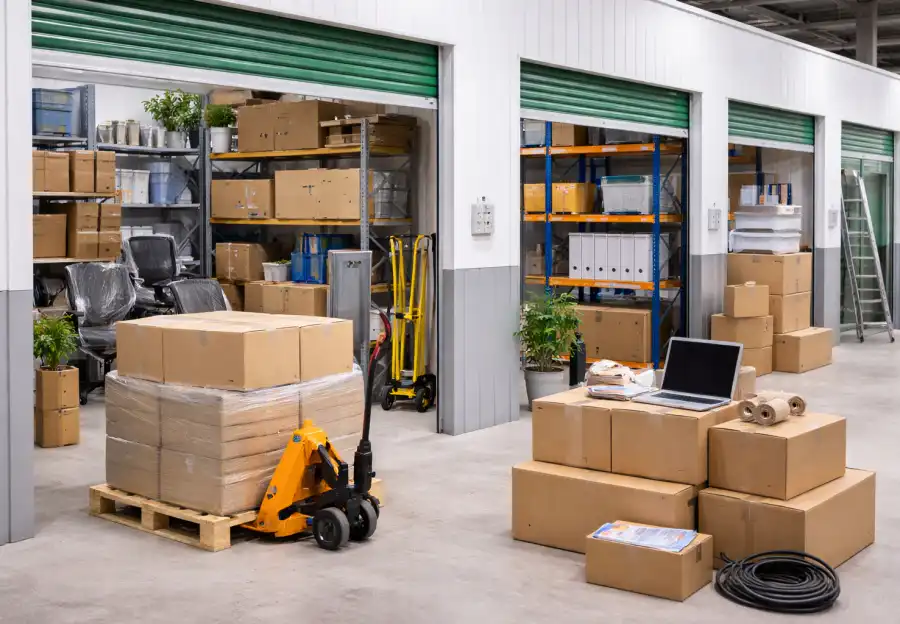
Temporary storage is easier to manage with technology as well. Many storage facilities offer online reservations, digital account management, and even remote monitoring of climate-controlled units. These features allow homeowners to reserve space, review billing, and ensure that stored belongings remain protected without needing frequent in-person visits.
Even after the move, technology continues to help. Unpacking schedules, home layout apps, and smart home tools assist with setting up furniture, appliances, and utilities efficiently. Digital reminders help ensure address updates, service activations, and administrative tasks are completed on time. By integrating technology into every stage of the move, homeowners can maintain control, reduce stress, and create a smoother transition into their new home.