
January 17, 2026
How to Save Money on Moving Supplies
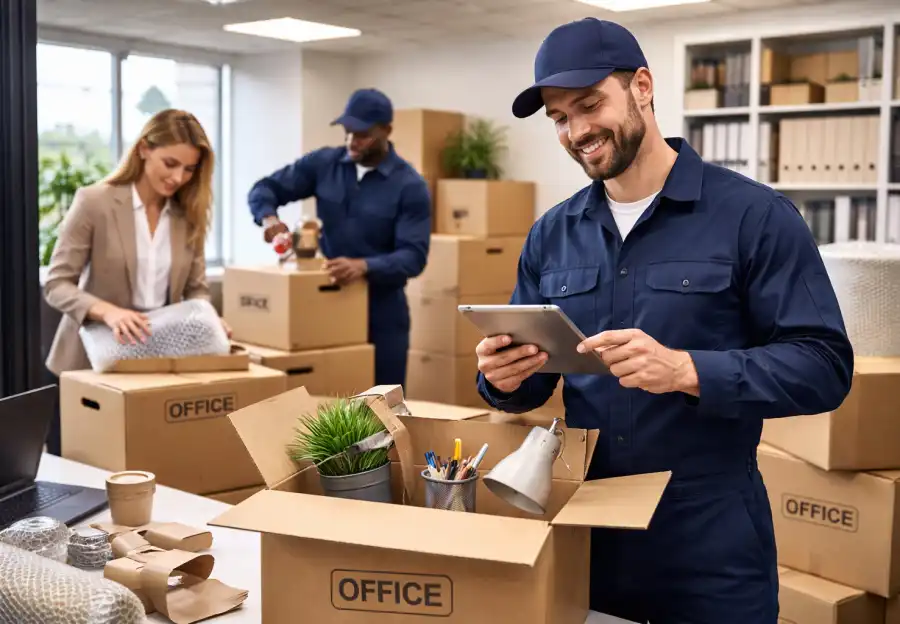
Saving money on moving supplies is an important consideration for anyone planning a relocation, because moving expenses can escalate quickly, and cutting costs on boxes, packing materials, tape, and protective equipment allows homeowners to allocate more of their budget toward transportation, professional movers, or other essential moving needs. With careful planning and creativity, it is possible to reduce these costs significantly without compromising the safety or organization of belongings. The first step is to take inventory of what you already have at home. Many households possess leftover boxes, containers, bubble wrap, or packing paper from previous moves, online orders, or deliveries. Reusing these materials not only reduces expenses but also promotes eco-friendly practices by minimizing waste, making the move both cost-effective and sustainable.
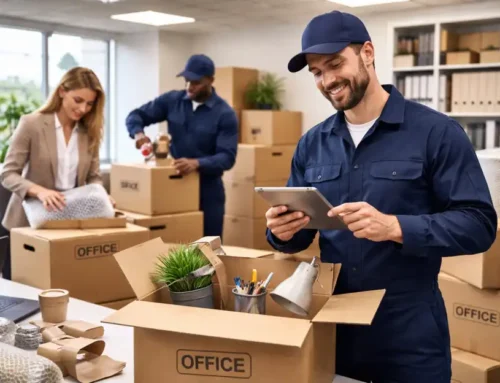
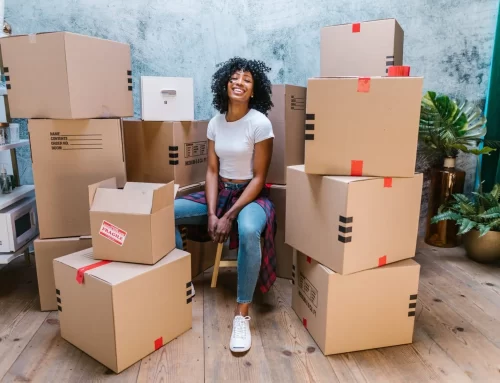
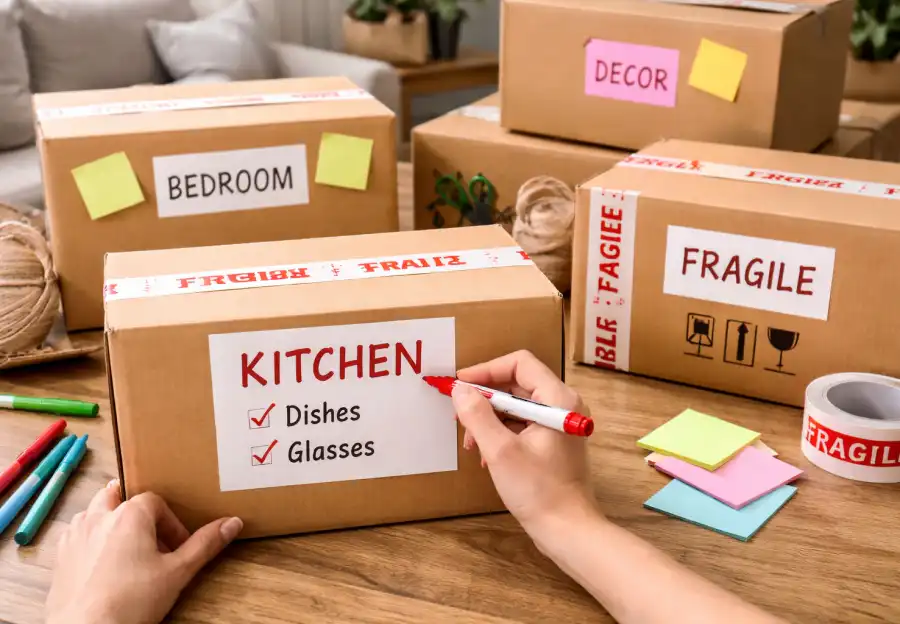
Another strategy for saving money is to source free or low-cost boxes. Local grocery stores, liquor stores, bookstores, and retail outlets often have sturdy boxes available at no charge. Online communities, social media groups, and classified ads can also serve as excellent resources for locating used boxes, packing crates, or containers in good condition. By tapping into these sources, homeowners can obtain various box sizes suitable for different household items without purchasing expensive new boxes. This approach not only reduces costs but also provides a diverse selection of materials that may better suit specific packing needs.
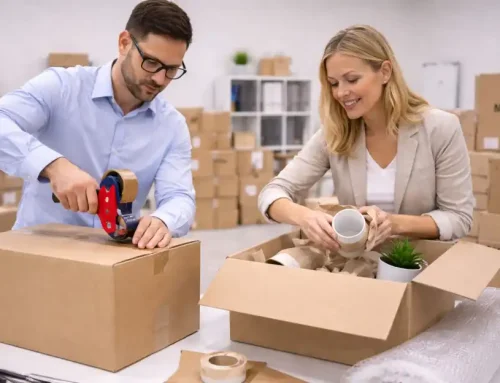
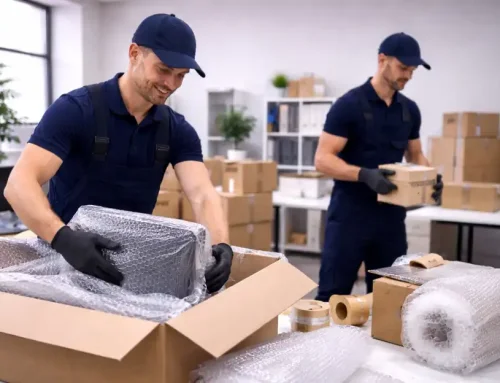
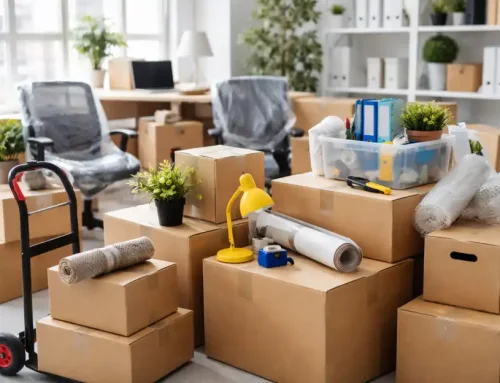
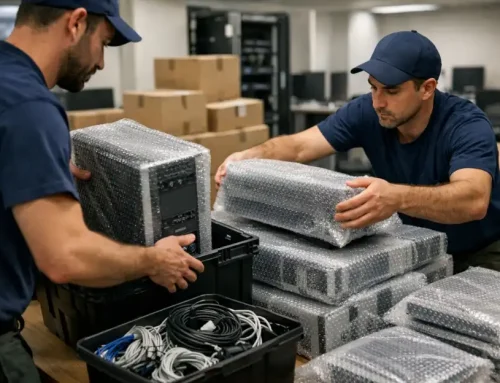
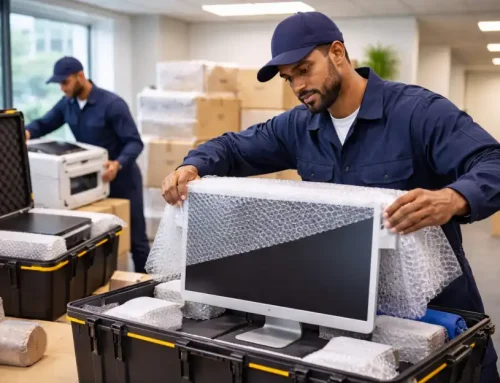
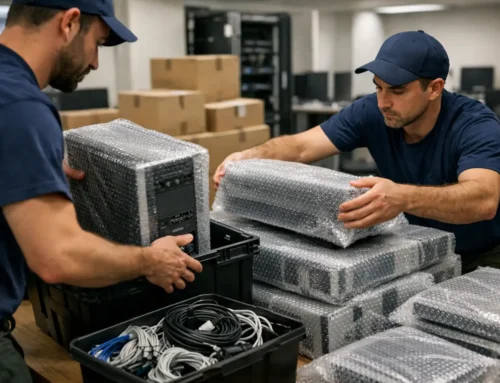
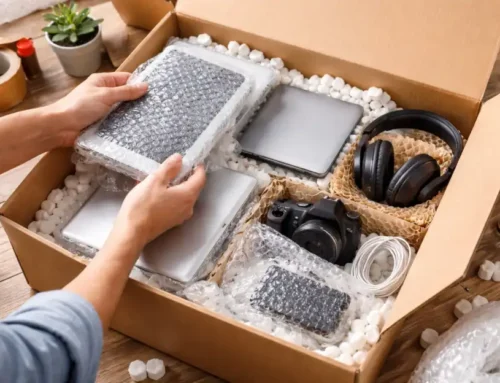
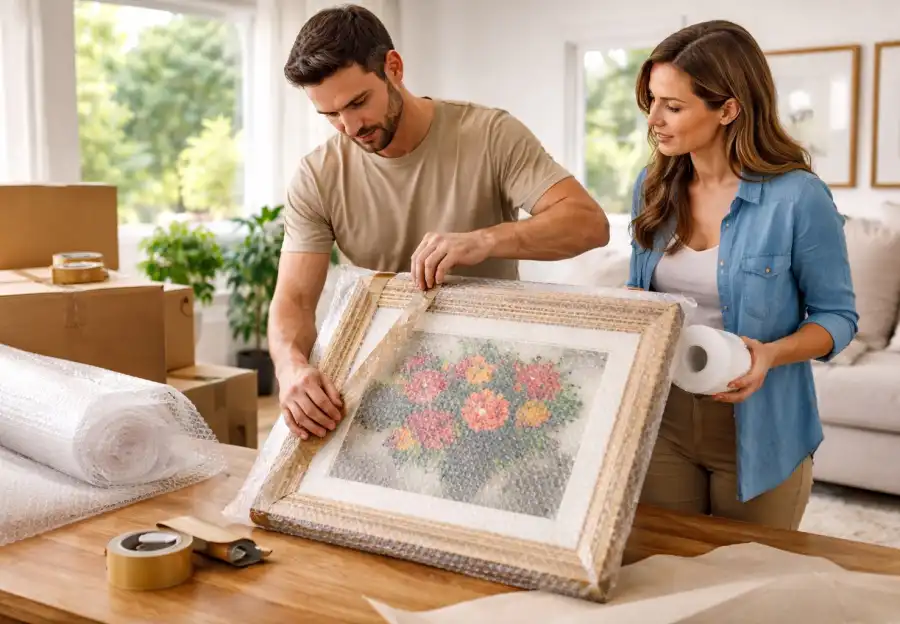
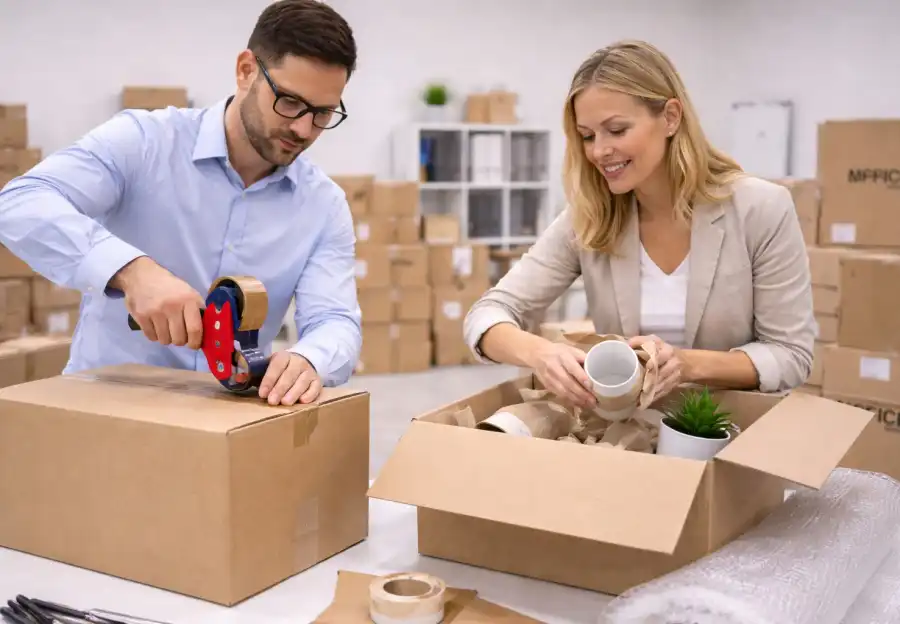
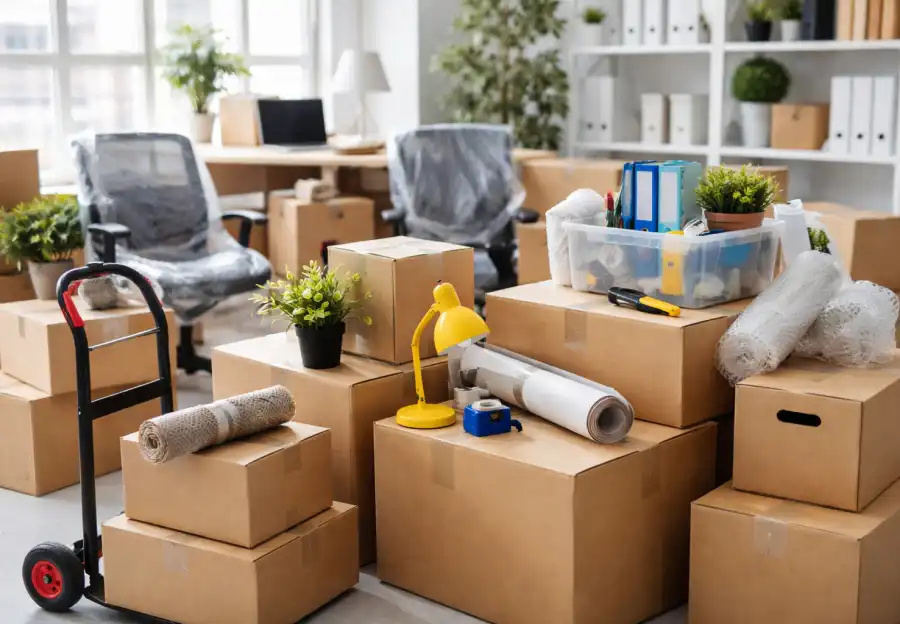
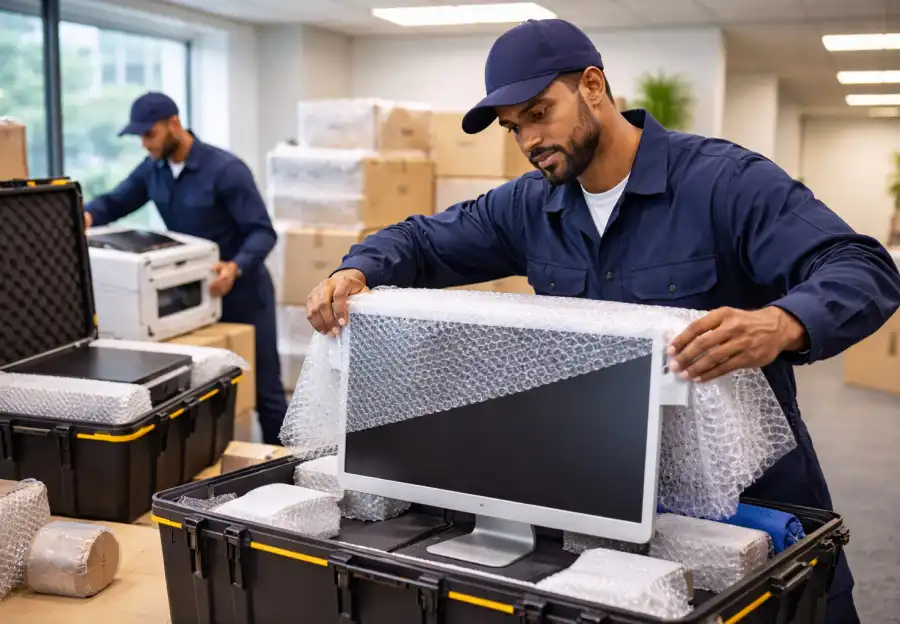
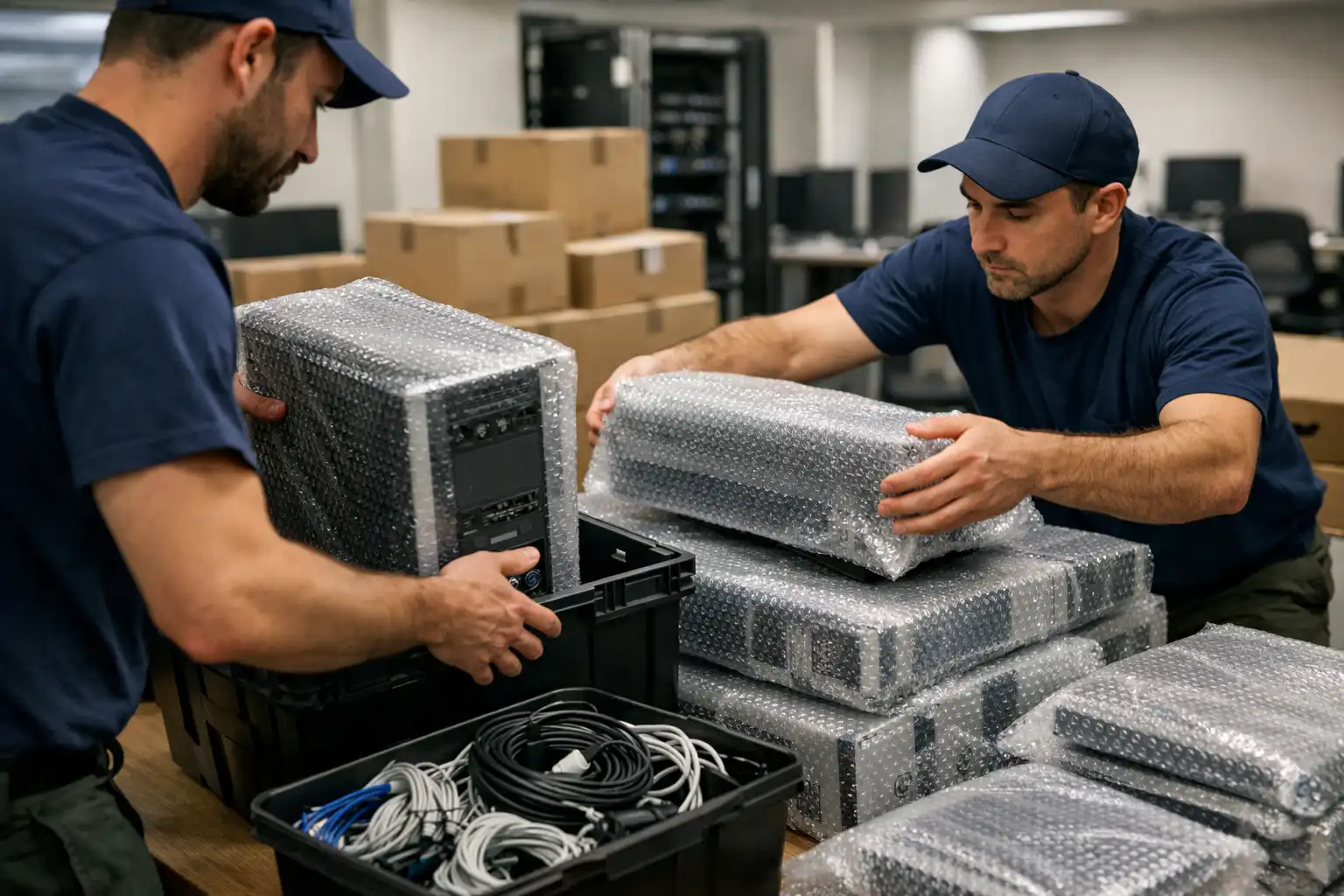
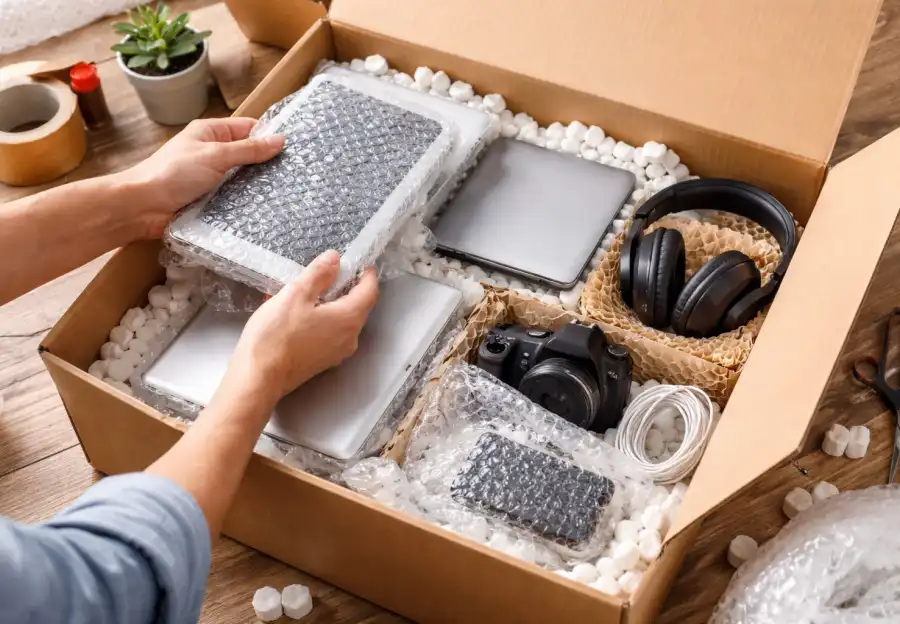
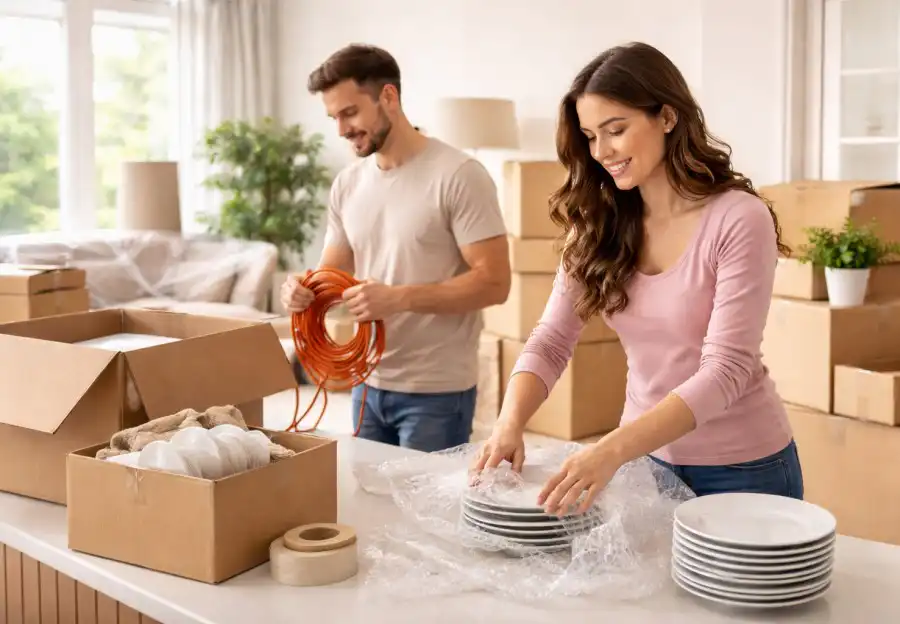
Creativity in packing materials can lead to significant savings as well. Everyday household items such as towels, blankets, clothing, newspapers, or shredded paper can be repurposed as cushioning for fragile items, replacing bubble wrap or foam peanuts. Old sheets, pillowcases, or towels can wrap furniture and delicate possessions, providing protection while avoiding additional purchases. Even small items like plastic grocery bags can be reused to bundle loose objects or fill gaps in boxes. This resourcefulness allows homeowners to save money while maintaining the integrity and safety of their belongings during transport.
Buying in bulk or from discount stores is another cost-saving approach. Purchasing packing tape, boxes, and protective materials in larger quantities from wholesale retailers often reduces the per-unit cost compared to buying small retail-sized packages. Comparing prices online before making purchases ensures the best value, and taking advantage of seasonal sales, coupons, or special offers from moving supply companies can further lower expenses. Planning ahead for bulk purchases not only reduces costs but also ensures that all necessary supplies are on hand before moving day, avoiding last-minute, high-priced purchases.
Strategic packing is equally important. Reducing the number of boxes needed decreases the amount of tape, packing materials, and space required. Decluttering before the move—donating, selling, or discarding items that are no longer needed—minimizes packing and transportation costs, while also streamlining the move. Fewer items mean less weight, fewer boxes, and reduced labor, which can save both money and time, whether using professional movers or completing a DIY relocation.
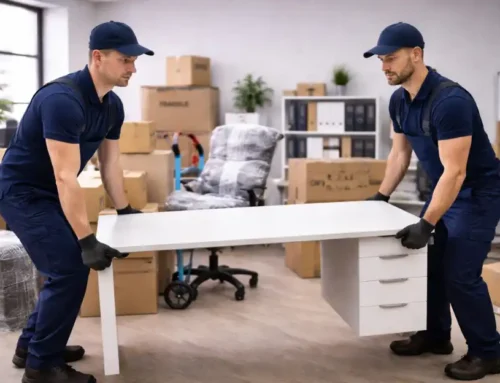
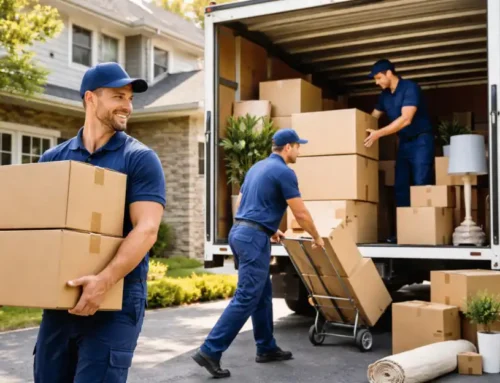
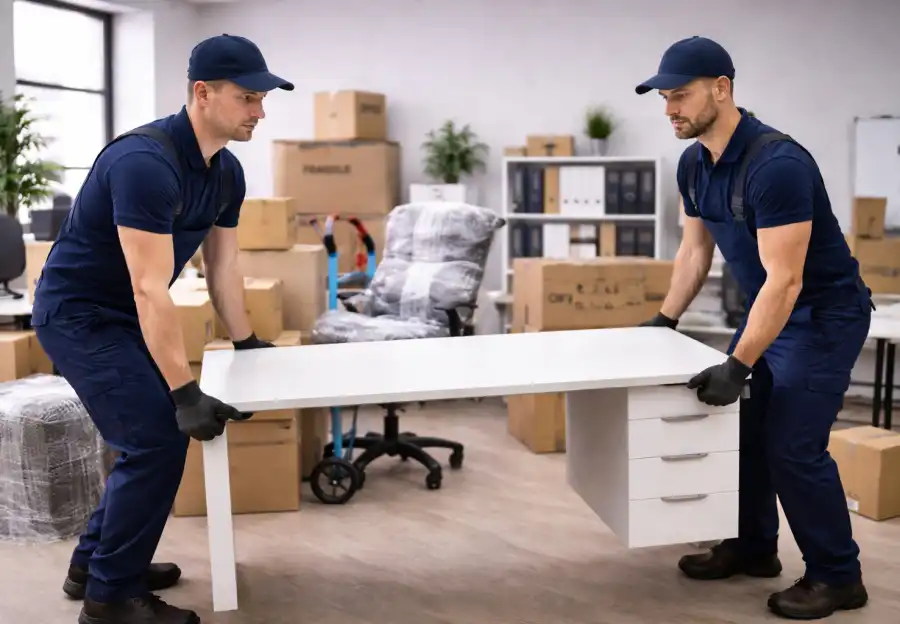
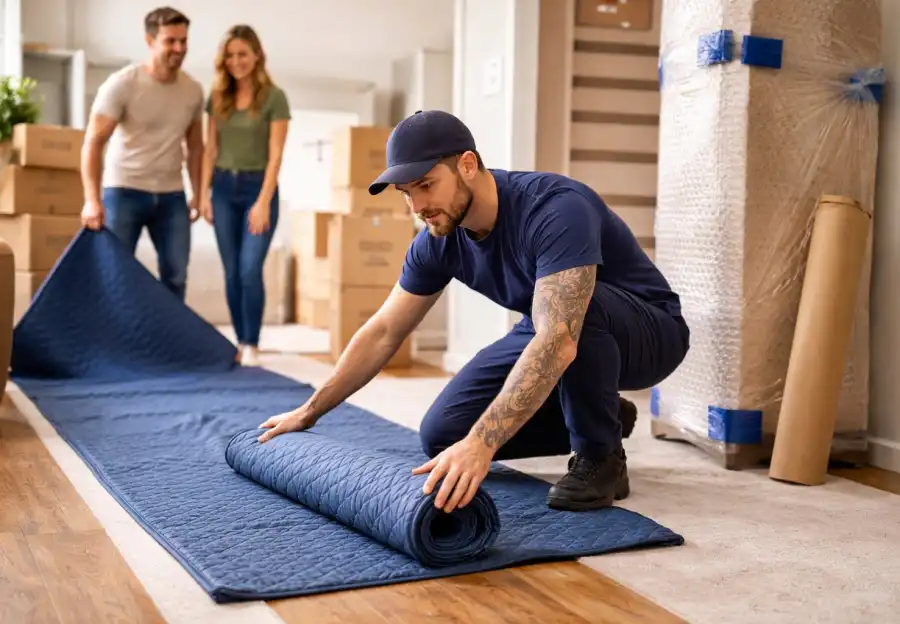
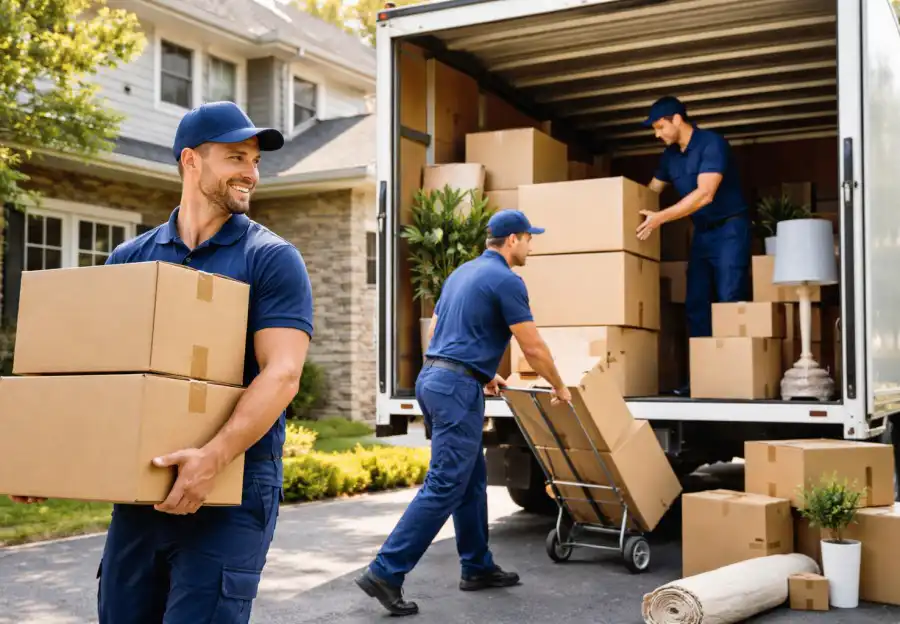
Borrowing or renting specialized moving equipment such as dollies, furniture sliders, or moving blankets can also help reduce costs. These items are often only needed temporarily, and rental services, moving companies, or even friends and family may provide access to the equipment necessary for a safe and efficient move. Renting rather than purchasing ensures that belongings are protected without the expense of buying items that may only be used once. This approach combines cost-effectiveness with practicality.
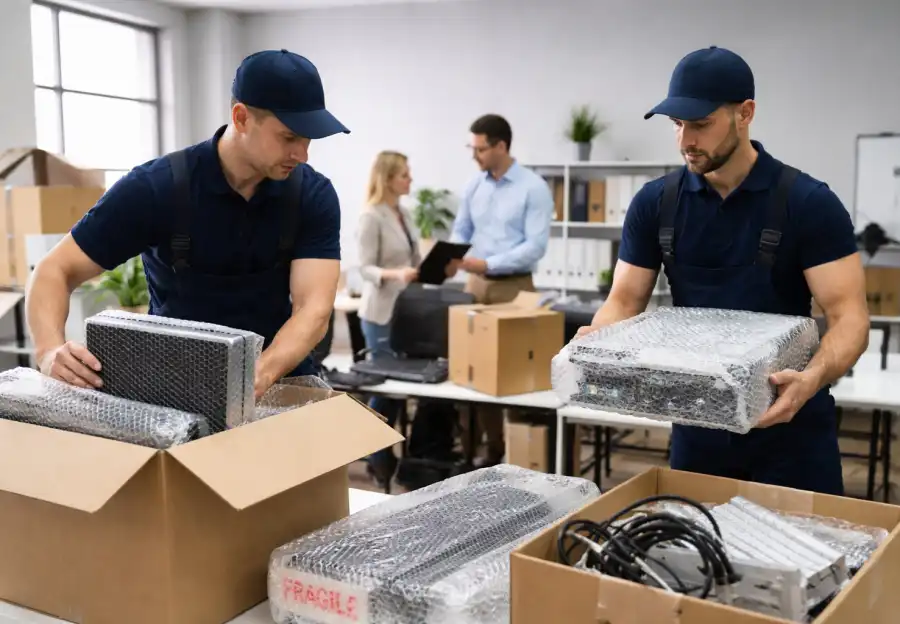
Efficient packing techniques further contribute to savings. Using appropriately sized boxes, avoiding overpacking or underpacking, and arranging items to maximize space reduces the total number of boxes and materials needed. Efficient packing also prevents damage to fragile items that could result in replacement costs and streamlines loading and unloading, which can reduce time-based charges if hiring movers. By combining space optimization with careful handling, homeowners protect belongings and save money simultaneously.
Community resources can also provide free or inexpensive moving supplies. Coordinating with friends, neighbors, or local businesses to obtain surplus boxes, organizing a supply swap, or participating in buy-nothing or recycling groups allows homeowners to gather materials at no cost. This collaborative approach not only saves money but also fosters a sense of community and environmental responsibility.
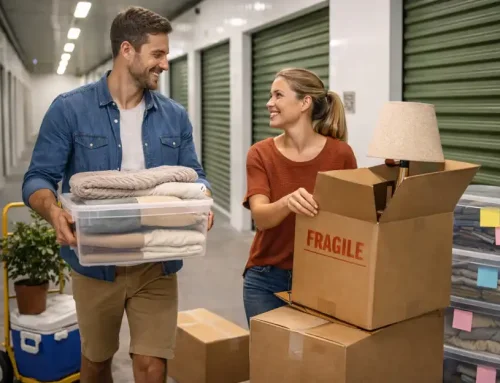
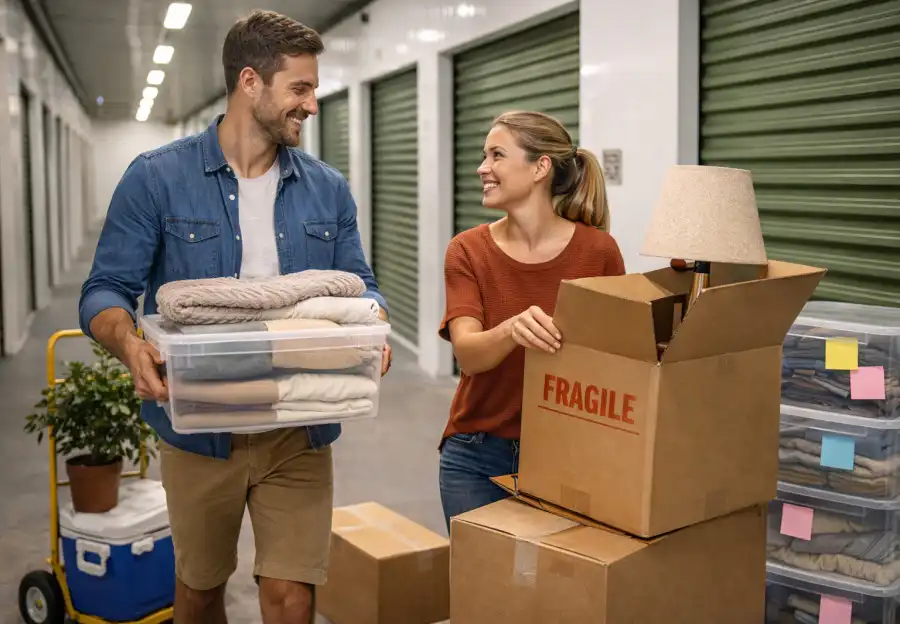
Reusable containers like plastic bins, crates, or storage tubs can be a cost-effective long-term investment. While their initial cost may be higher than cardboard boxes, these containers can be reused for multiple moves, storage, or organization tasks. They provide better durability and protection for heavy or fragile items, reducing the likelihood of damage and eliminating the need to purchase new boxes in future relocations.
Finally, planning ahead is critical to maximizing savings. Gathering supplies early prevents the need to buy last-minute items at premium prices, and allows homeowners to find free, discounted, or alternative solutions, compare prices, and make informed choices that balance cost and quality. By combining resourcefulness, strategic planning, reuse, bulk purchasing, borrowing, and careful packing techniques, homeowners can significantly reduce expenses on moving supplies while maintaining safety, organization, and efficiency.
In conclusion, saving money on moving supplies is entirely achievable with foresight, creativity, and smart decision-making. Reusing materials, sourcing free or discounted supplies, employing household items as packing materials, buying in bulk, borrowing equipment, packing efficiently, and planning ahead all contribute to a more affordable, less stressful, and environmentally friendly move. With these strategies, homeowners can maintain high standards of protection and organization for their belongings while optimizing their moving budget, proving that cost-conscious planning can coexist with an efficient and successful relocation.