
February 16, 2026
How to Relocate Your Office Efficiently
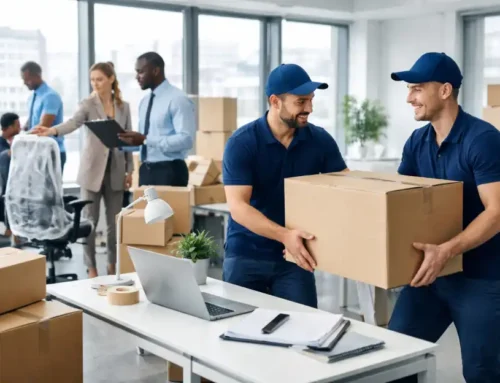
Relocating an office efficiently requires careful planning, strategic organization, and clear communication, as an office move involves far more complexity than a residential relocation. Beyond furniture and boxes, businesses must coordinate employees, technology, documents, equipment, and daily operations while minimizing downtime. Without a structured approach, office relocations can lead to confusion, lost productivity, damaged assets, and dissatisfied staff or clients. A well-executed office move, however, can be smooth, cost-effective, and even an opportunity to improve workflows and organization.
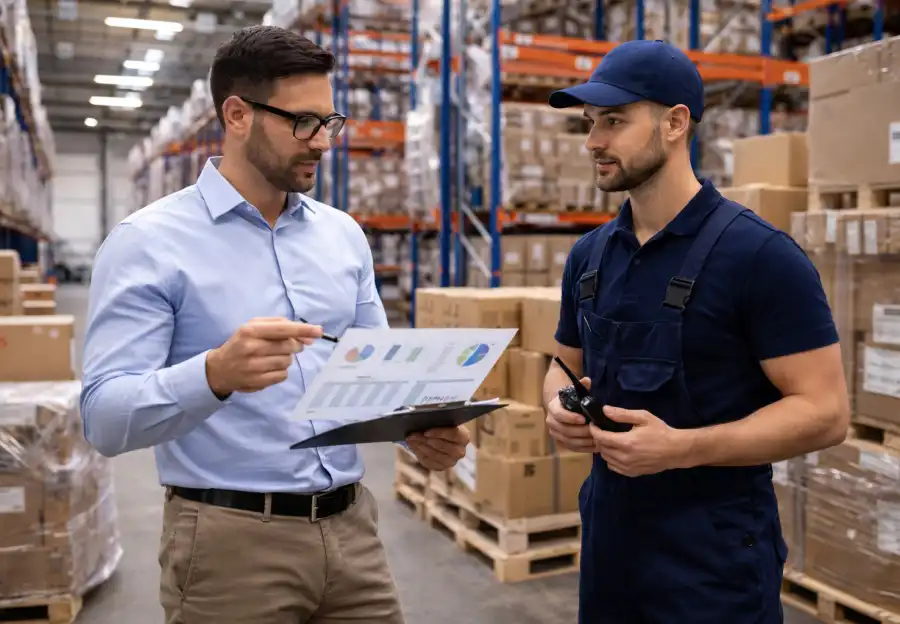
The first step toward an efficient office relocation is conducting a comprehensive assessment of the current workspace. This involves evaluating the size of the office, the quantity and type of items to be moved, and the specific requirements of each department. Identifying what needs to be relocated, upgraded, donated, or discarded helps reduce clutter and unnecessary transportation costs. This assessment also supports accurate budgeting and reveals potential challenges, such as oversized furniture, sensitive equipment, or storage limitations at the new location. By streamlining what is moved, businesses save time, money, and reduce the risk of damage or loss.
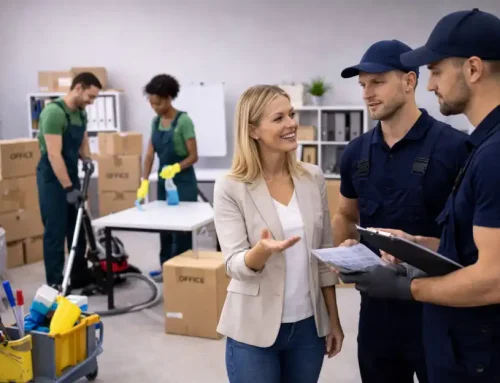
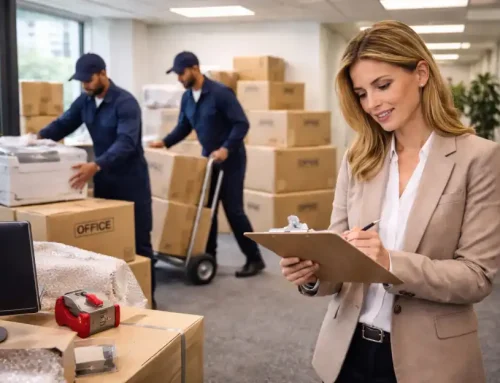
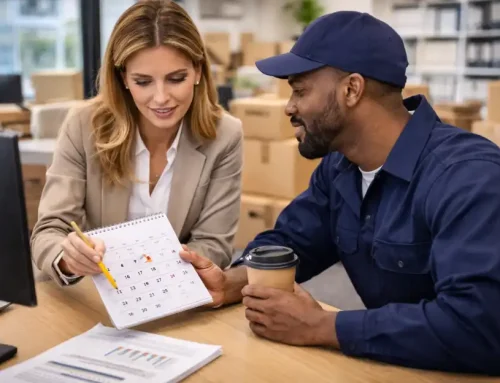
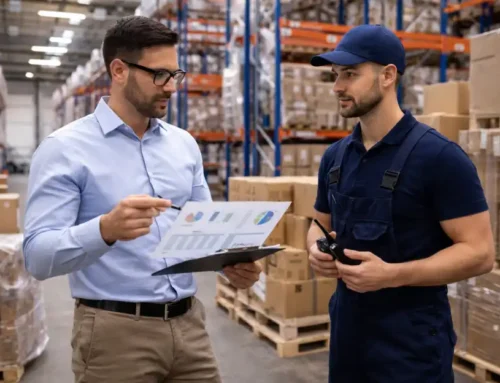
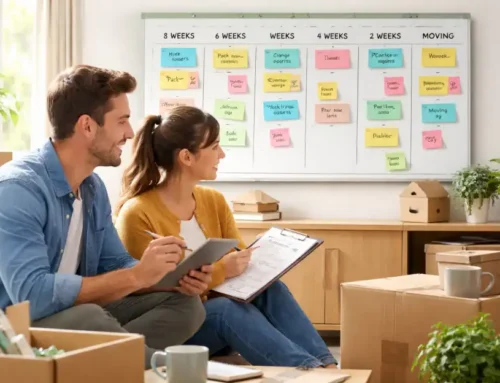
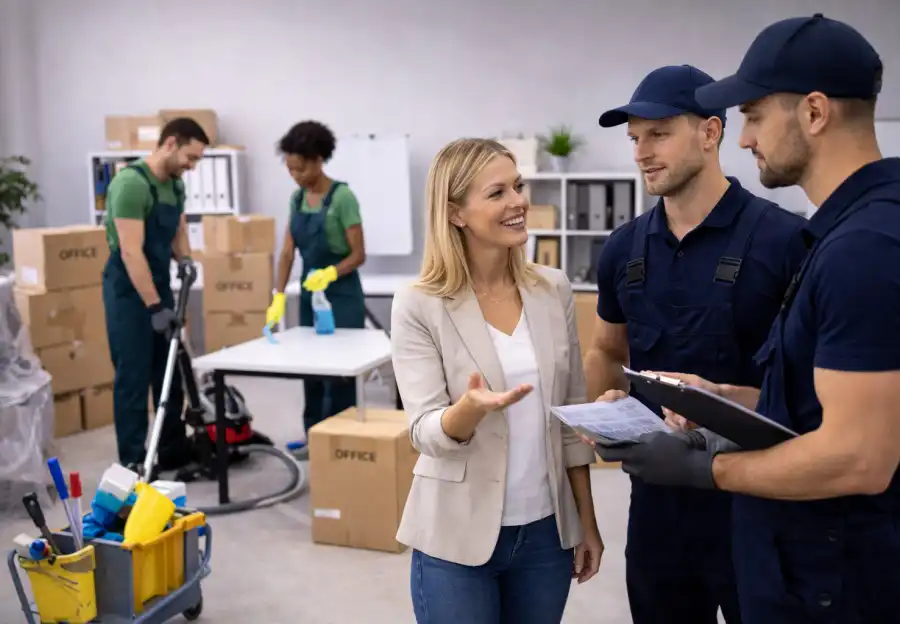
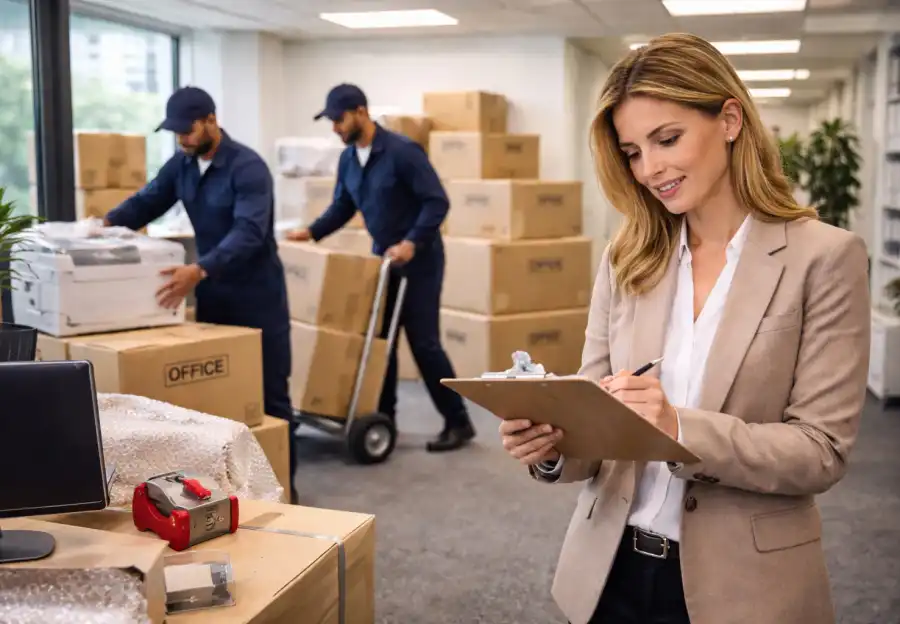
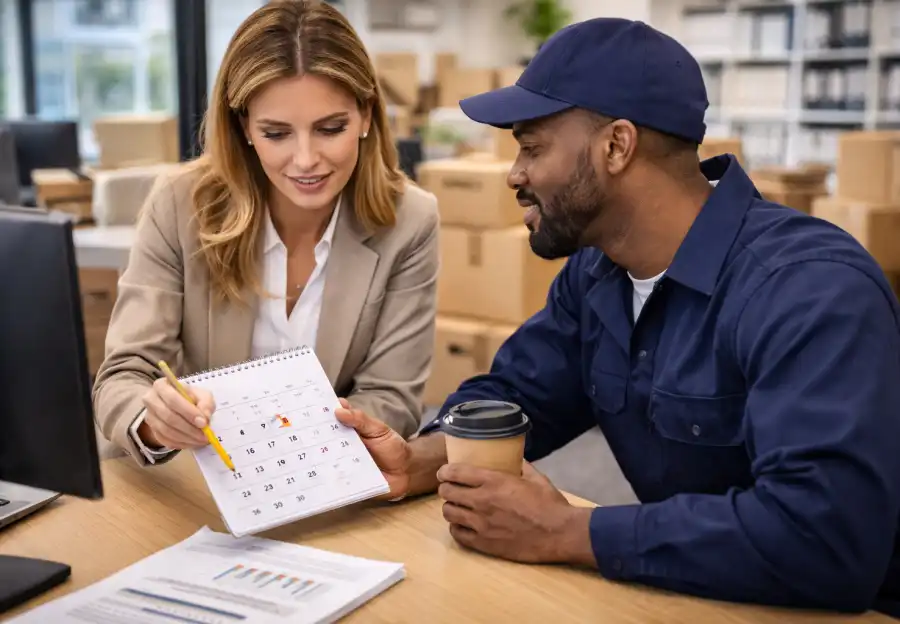
Creating a detailed moving plan and timeline is essential for coordinating multiple teams and activities. A structured plan should outline key phases, including packing schedules, furniture disassembly, IT shutdown, transportation, and setup at the new office. Assigning clear responsibilities to employees and vendors ensures accountability at every stage. Appointing a dedicated move coordinator or project manager centralizes communication and enables faster decision-making when issues arise. A comprehensive checklist covering permits, insurance, utility transfers, and building access prevents overlooked details that could delay the move or disrupt operations.
Budgeting and resource management play a critical role in office relocation efficiency. Office moves can be costly, so accurate cost estimation is essential. Expenses may include professional movers, packing materials, transportation, IT services, insurance, and temporary storage. Setting aside a contingency budget for unexpected expenses helps avoid delays caused by financial constraints. Companies can also reduce costs by reusing packing materials, donating or selling unused furniture, and negotiating bundled services with moving vendors. Strategic budgeting ensures that efficiency is achieved without compromising safety or quality.
Employee communication and engagement are vital to a successful office move. Employees need clear information about timelines, expectations, and their roles during the relocation. Regular updates through meetings, emails, or shared documents help reduce uncertainty and stress. Providing guidelines for packing personal items, handling equipment, and setting up workstations ensures consistency and prevents confusion. Involving department heads in planning helps address operational needs and prioritize essential resources. Informing clients, vendors, and partners in advance about potential disruptions maintains trust and business continuity.
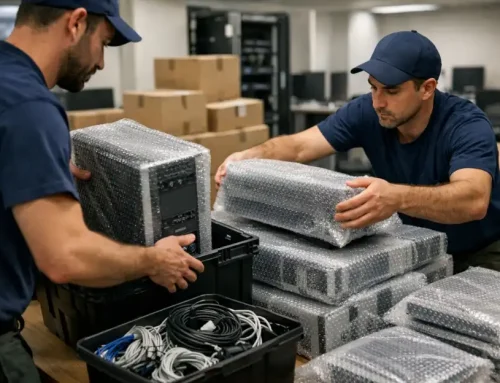
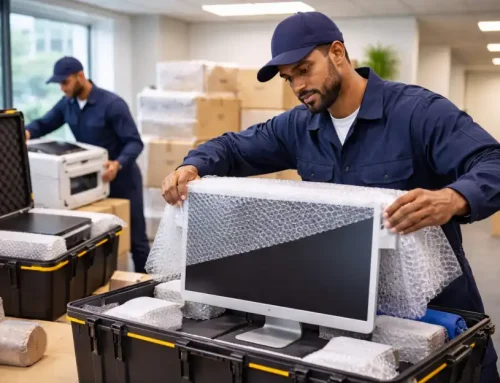
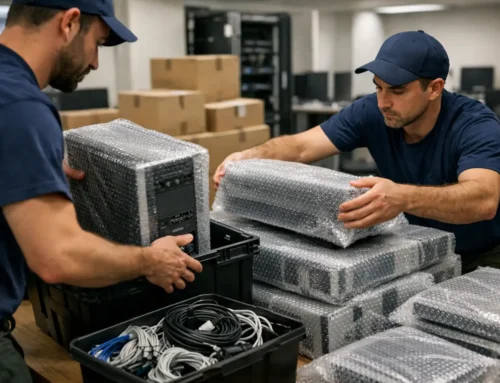
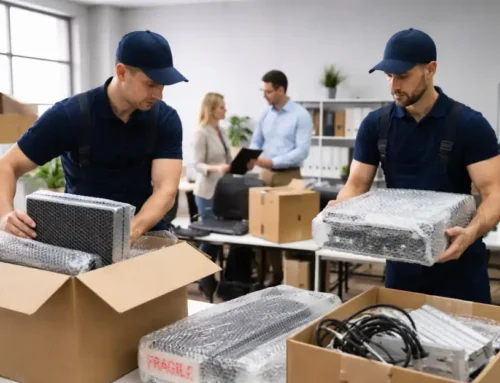
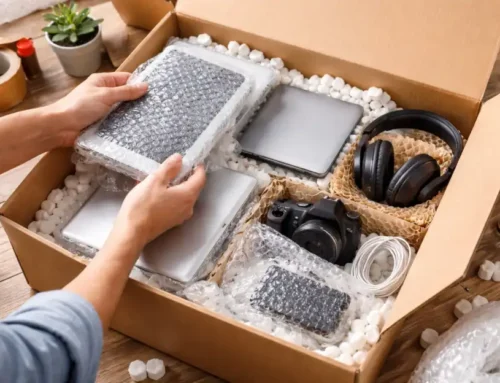
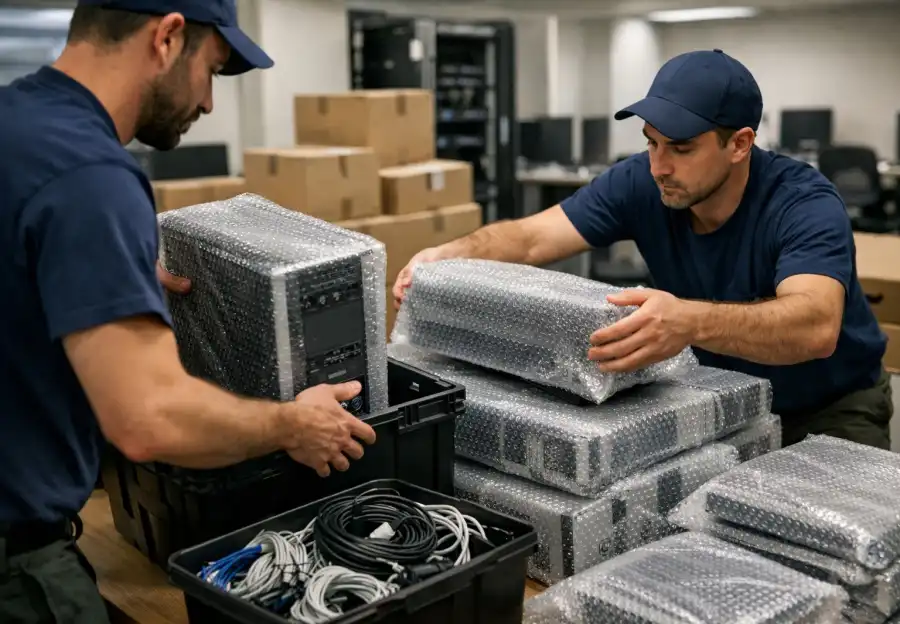
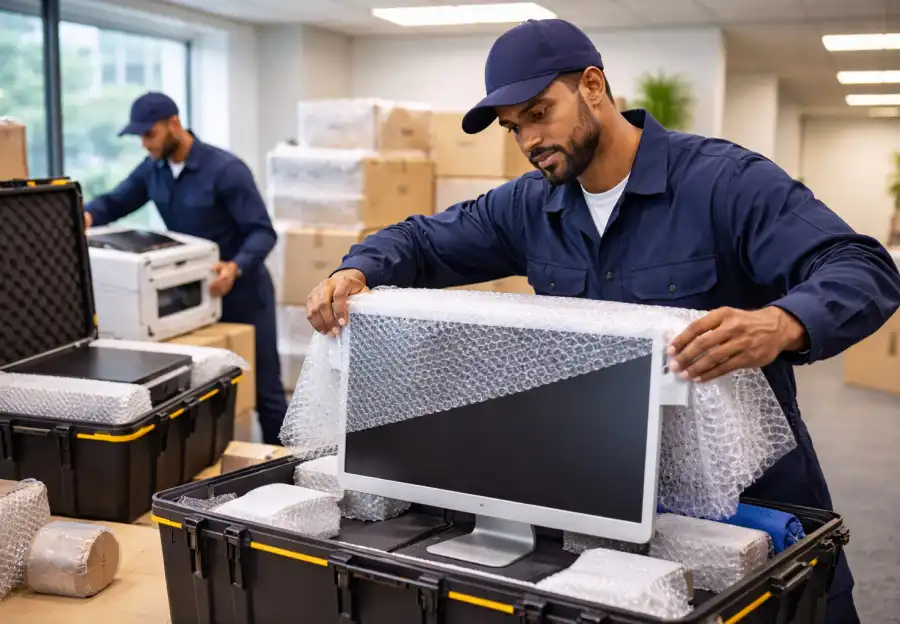
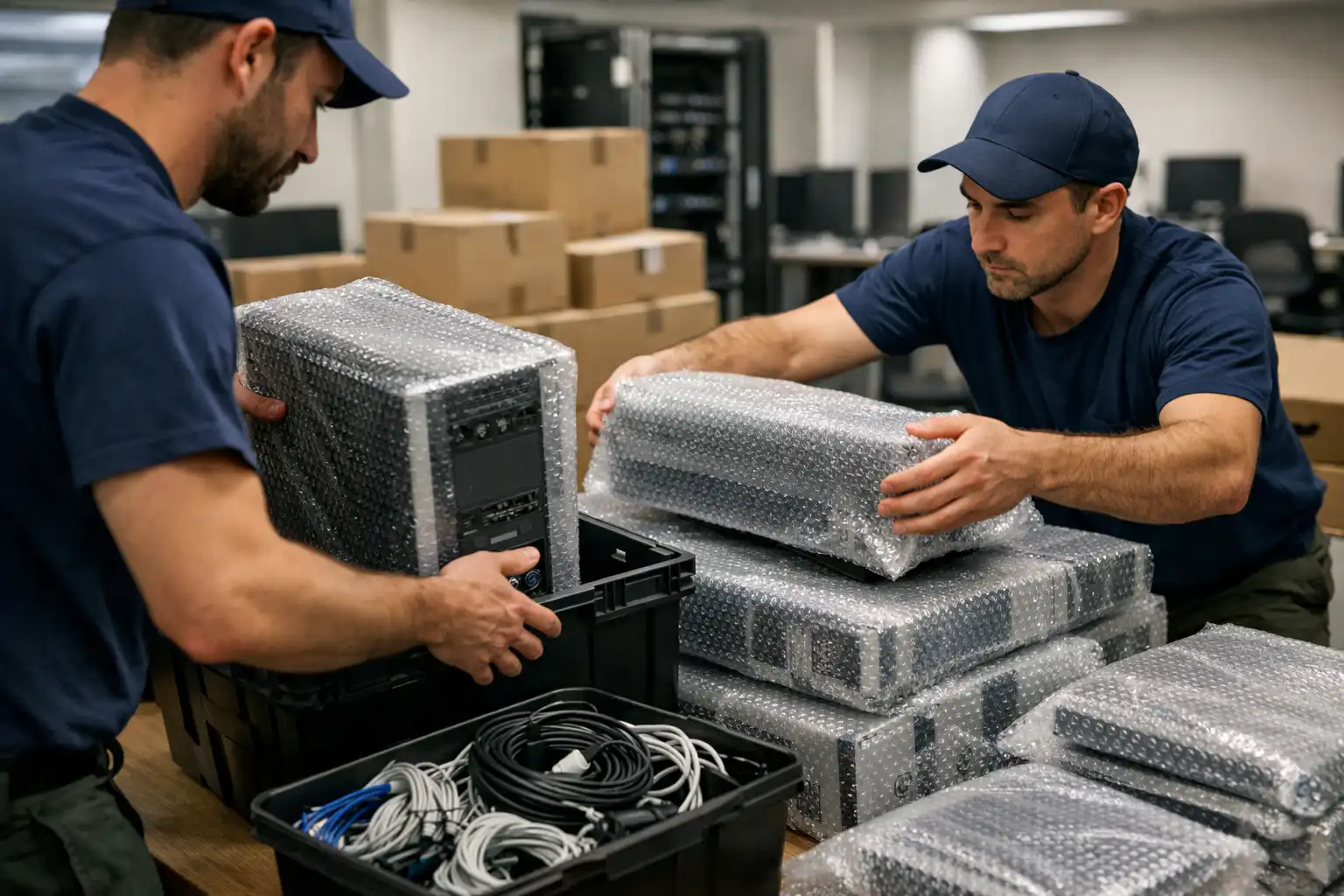
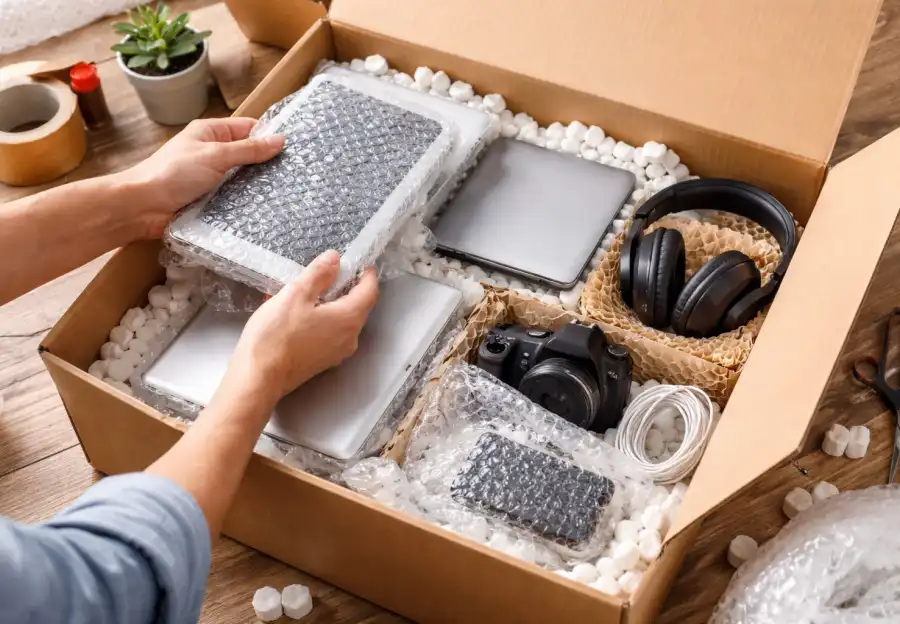
Technology and IT infrastructure are among the most critical aspects of an office move. Downtime can significantly impact productivity and customer service, so IT planning must be meticulous. This includes scheduling the disconnection, transport, and reinstallation of servers, computers, phone systems, and internet connections. Backing up all data before the move protects against data loss. Working with IT professionals or experienced movers ensures proper handling of sensitive equipment. Labeling cables, documenting network configurations, and securely packing devices reduce setup time and prevent costly errors at the new location.
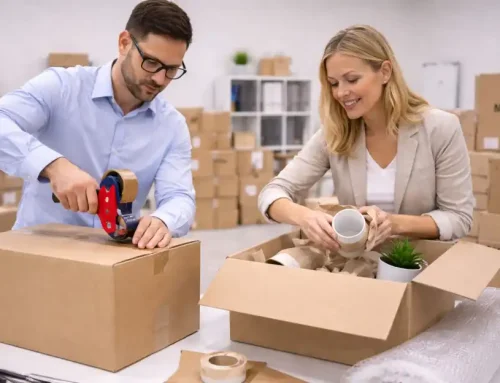
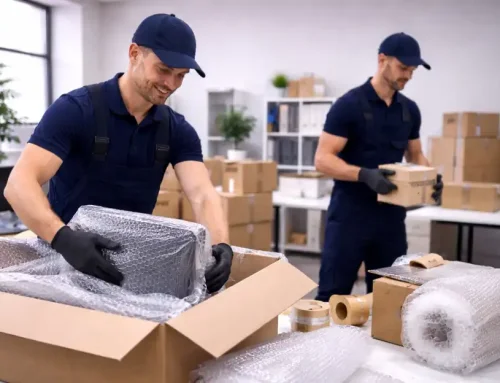
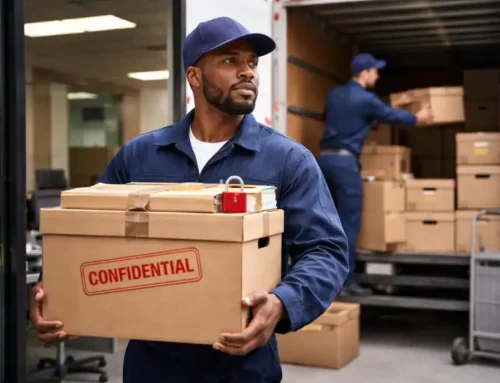
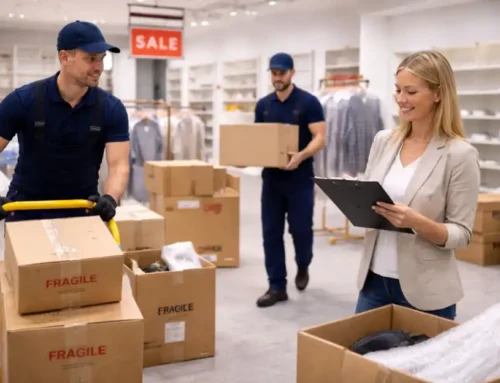
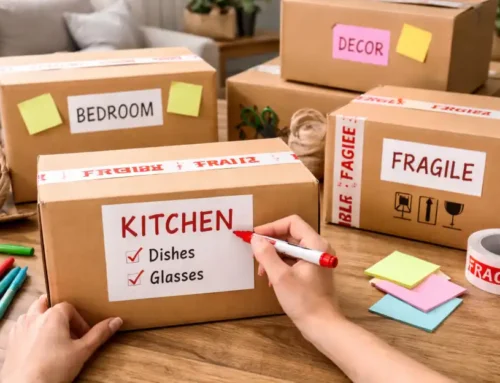
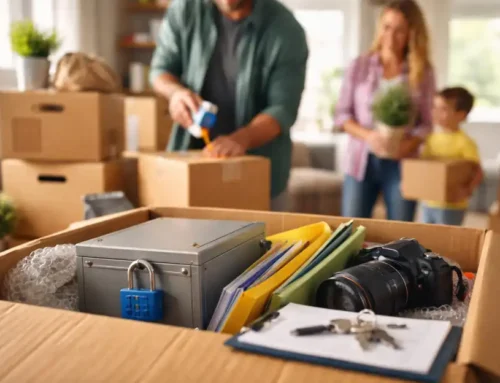
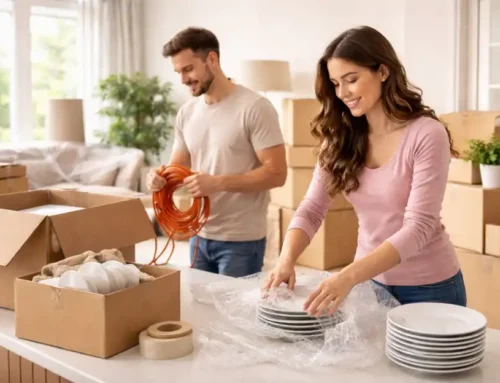
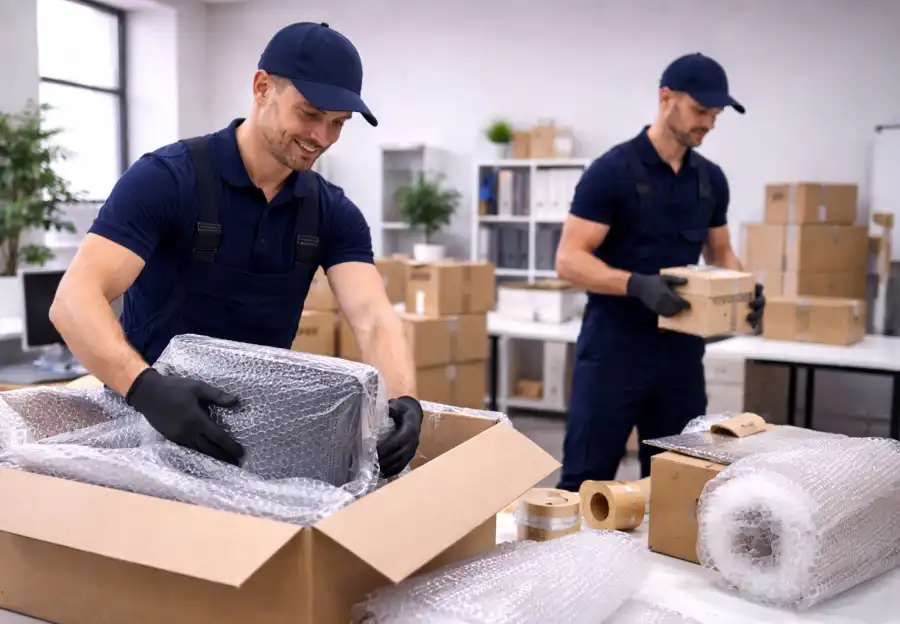
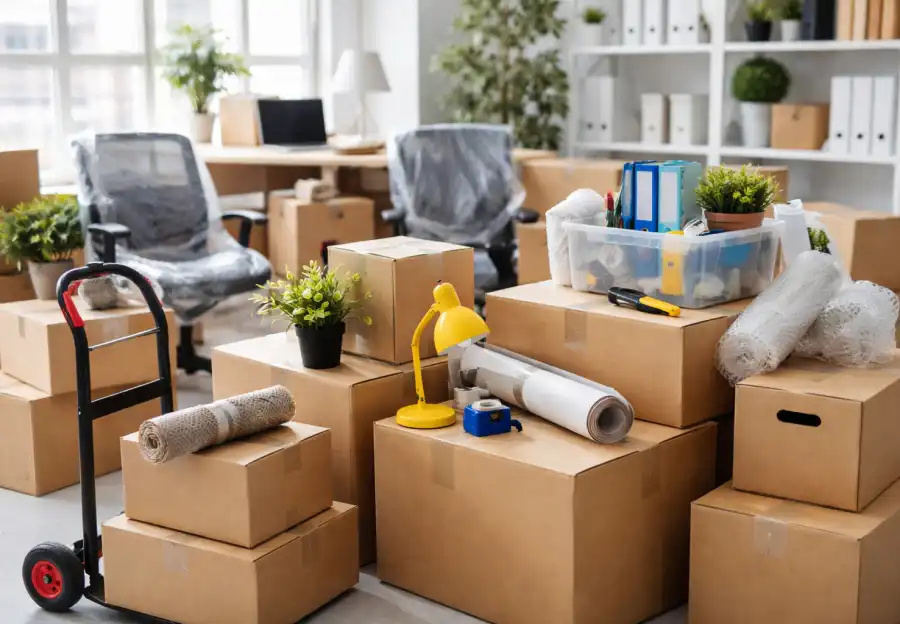
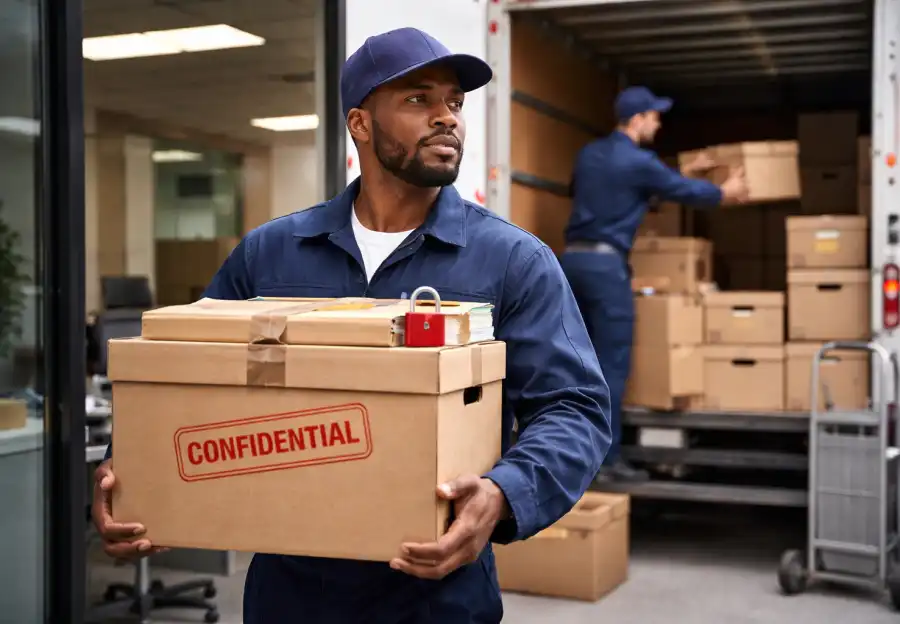
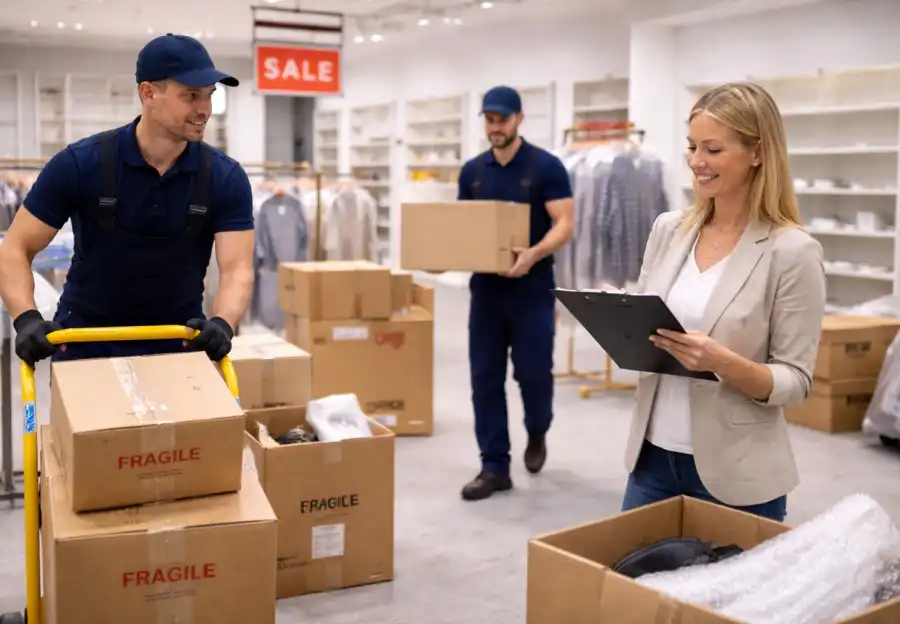
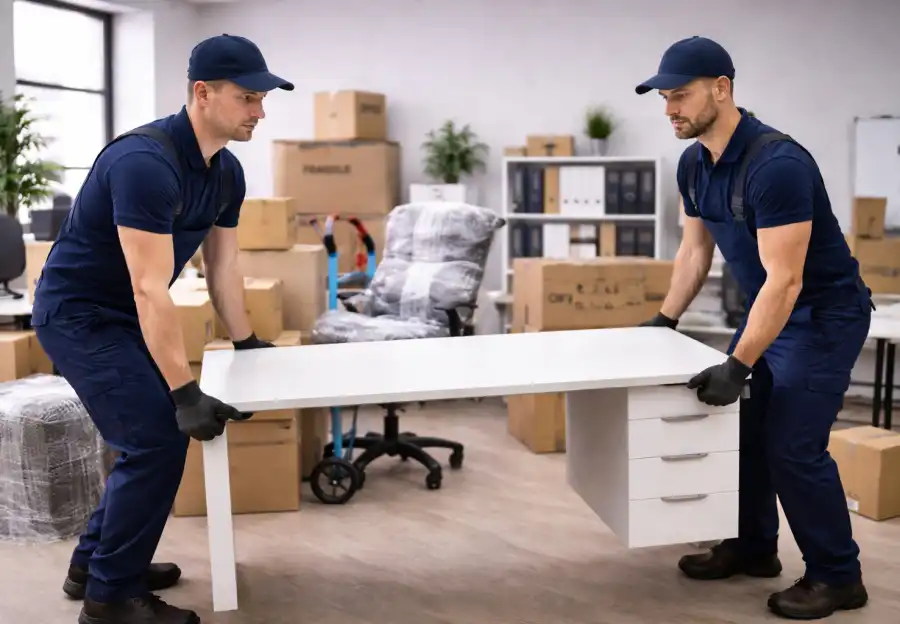
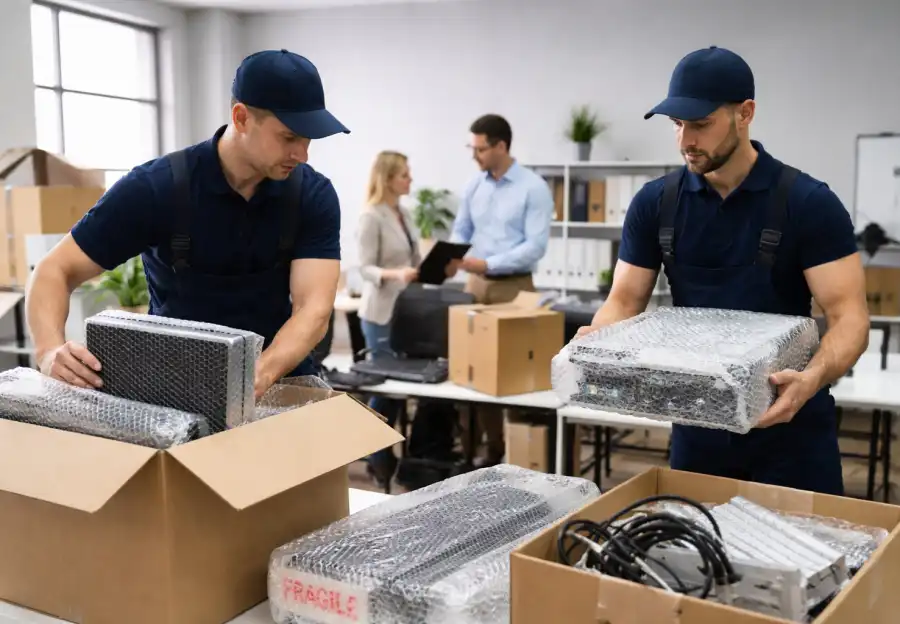
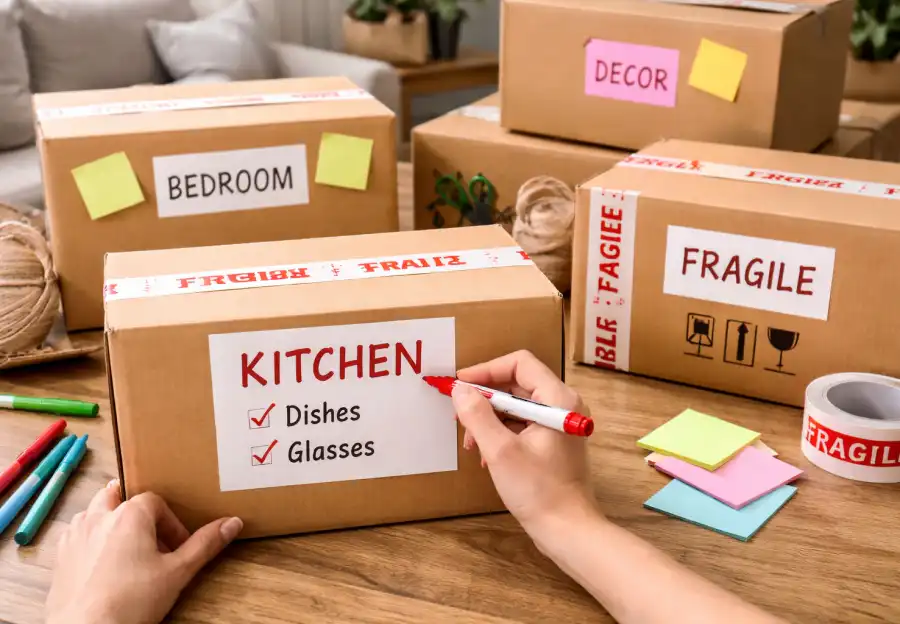
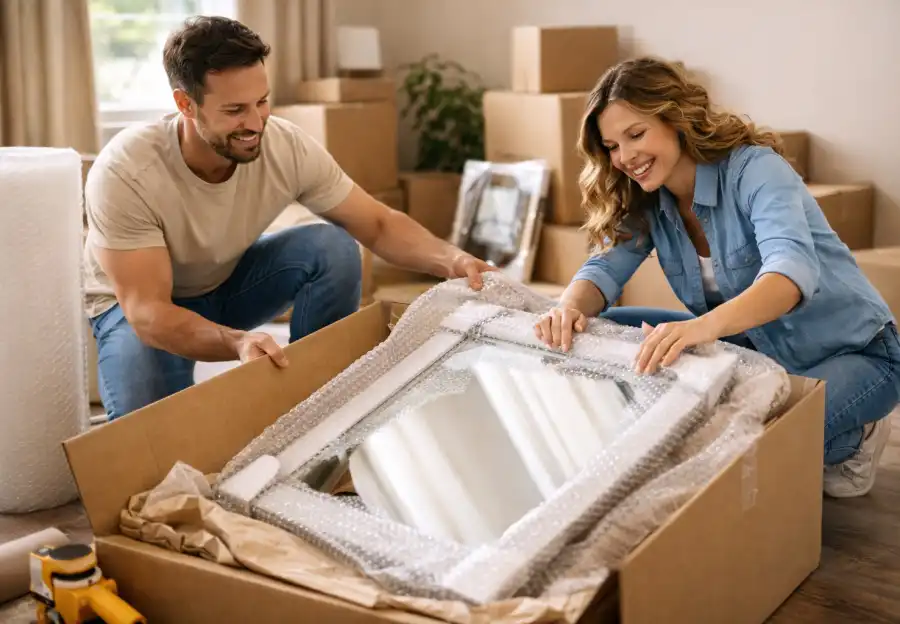
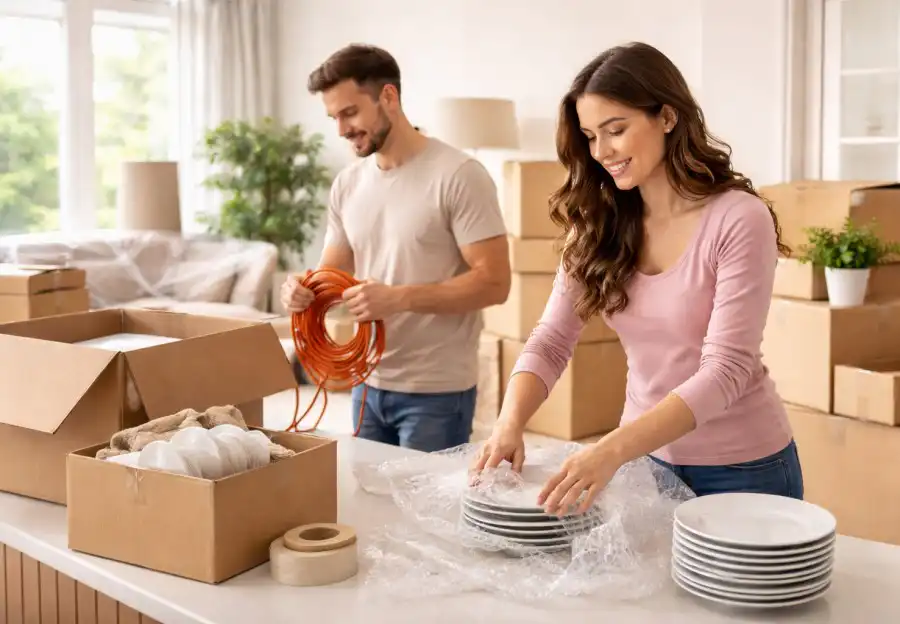
Packing and labeling strategies directly influence the speed and organization of unpacking. Using standardized boxes, consistent labeling, and a clear categorization system—such as by department, room, or priority—allows movers and employees to place items correctly. Separating essential items needed immediately from non-critical materials ensures that core operations can resume quickly. Clear instructions for fragile, heavy, or sensitive items reduce the risk of damage or workplace injuries. Organized packing creates a smoother transition from old office to new.
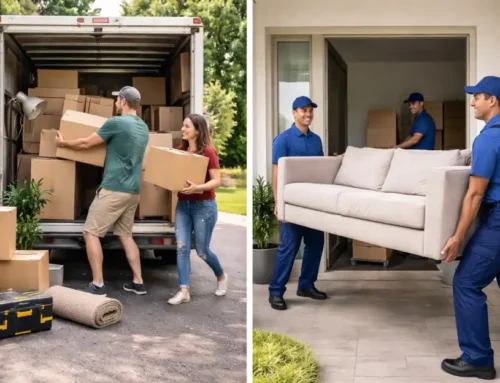
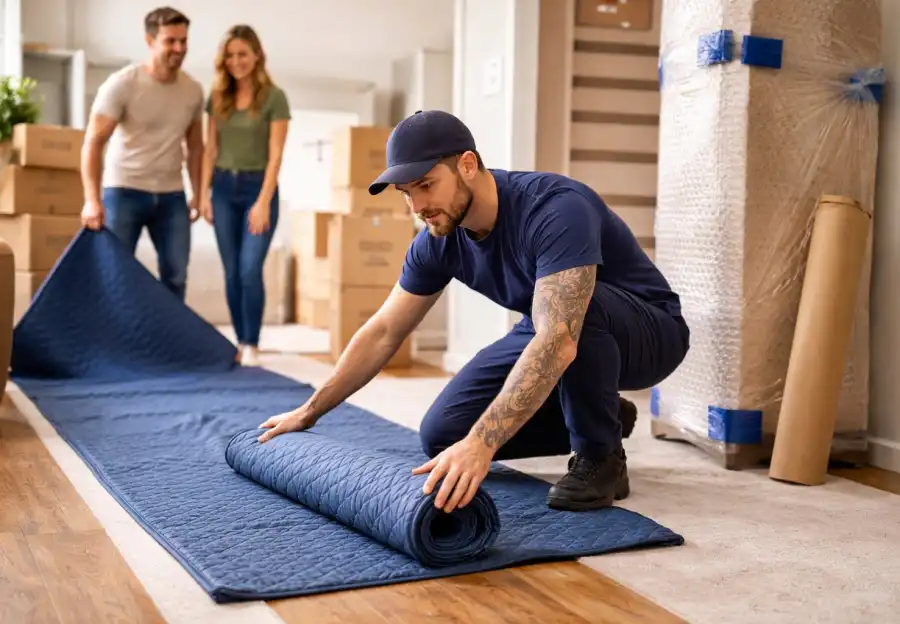
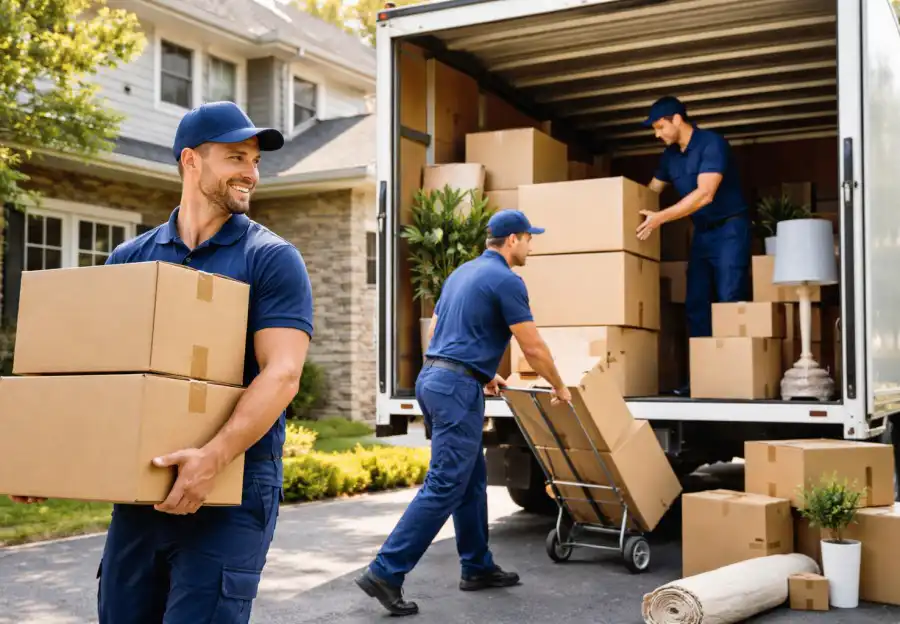
Logistical coordination is another crucial element of an efficient office relocation. This includes managing transportation schedules, building access, loading docks, elevators, and parking arrangements. Coordinating with building management at both locations avoids delays and conflicts. Contingency planning for traffic, weather, or equipment issues further minimizes disruptions. Planning the layout of the new office in advance allows furniture and equipment to be placed directly into functional workspaces, reducing confusion and unnecessary handling.
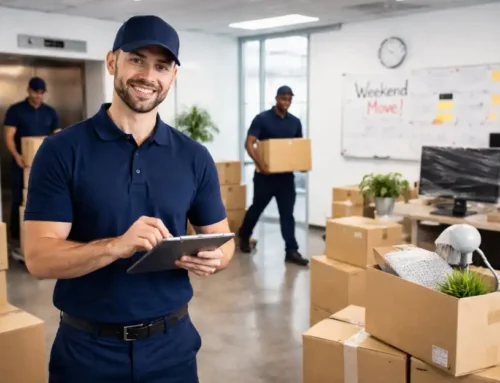
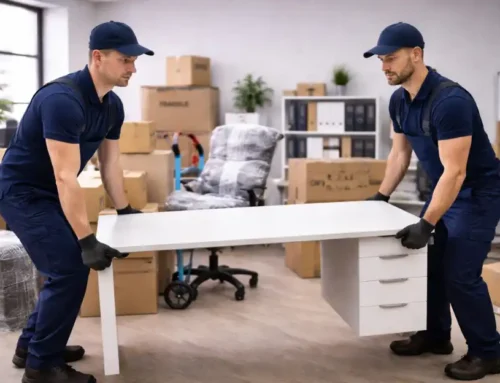
After the physical move, setting up the new office efficiently is essential for restoring productivity. Furniture, technology, and supplies should be arranged according to a pre-planned layout that supports workflow and ergonomics. Conducting an inventory check ensures that all items arrived safely and are functioning properly. Addressing issues immediately prevents prolonged downtime. Gathering feedback from employees and documenting lessons learned from the move can improve future relocations and operational processes.
In conclusion, an efficient office relocation is the result of early assessment, detailed planning, realistic budgeting, clear employee communication, strong IT coordination, organized packing, careful logistics, and systematic setup. When executed thoughtfully, an office move can be minimally disruptive, cost-effective, and even beneficial for long-term productivity. Efficiency in office relocation is not about rushing the process, but about careful preparation that prioritizes people, technology, and continuity at every stage.