January 15, 2026
How to Protect Your Floors and Walls While Moving
Protecting your floors and walls during a move is an essential but often overlooked step that can save you from costly repairs, scratches, dents, or scuff marks. Moving heavy furniture, large boxes, and other household items through tight spaces, hallways, staircases, and doorways presents a high risk of accidental damage, making it crucial to plan ahead and take preventative measures. Once scratches or dents occur, repairs can be expensive, time-consuming, and may delay settling into your new home, which underscores the importance of foresight and preparation before moving day.
The first step in protecting floors is to identify the types of surfaces in your home, as each material requires different protective solutions. Hardwood and laminate floors are highly susceptible to scratches and dents, tiles can be chipped or cracked, carpets are prone to dirt, stains, and compressed fibers, and vinyl can be scuffed or torn if heavy furniture is dragged across it. Walls, particularly drywall, are also vulnerable and can easily be dented, scratched, or scuffed during moving, especially around corners, doorways, or areas where furniture must pass. Understanding these risks allows homeowners to plan appropriate protective strategies tailored to their home’s unique features.
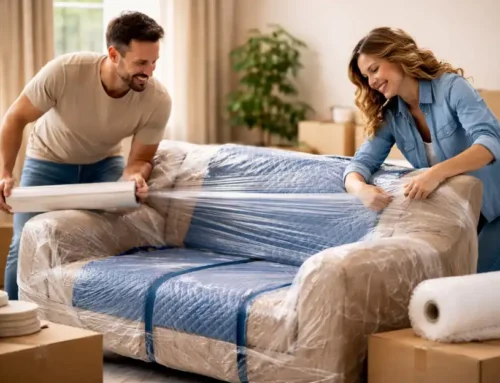
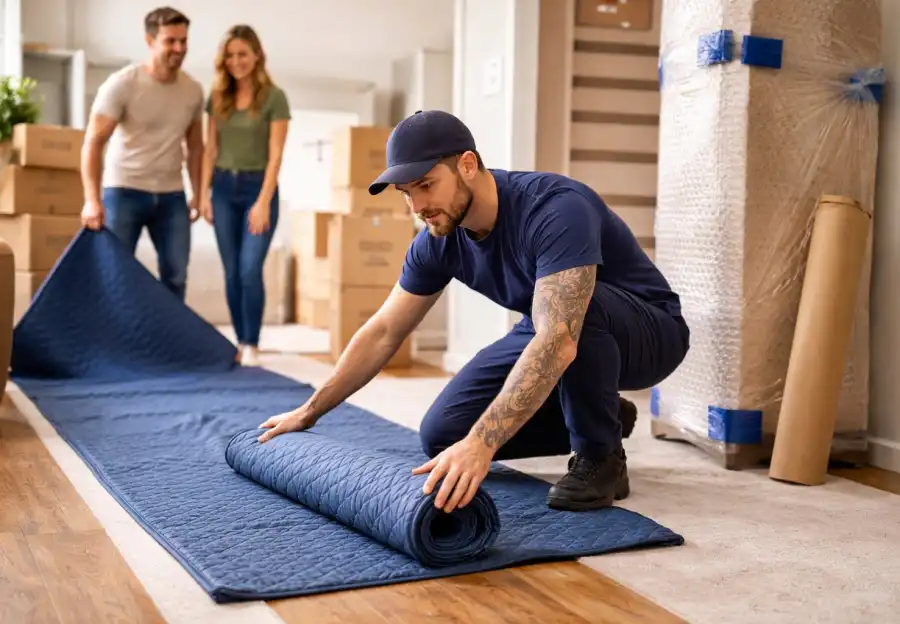
Using protective coverings for floors is a key strategy. Moving blankets, padded mats, cardboard, or runner rugs can shield surfaces from heavy impacts, dirt, and abrasions. These coverings should be placed along all high-traffic areas, including hallways, entryways, staircases, and areas surrounding elevators or loading docks. Taping mats and runners with non-damaging painter’s tape or masking tape ensures that they stay in place without leaving residue or damaging the flooring underneath. In areas with heavy foot traffic or where furniture will be dragged, using double layers or thicker padding provides extra protection and reduces the risk of scratches or dents.
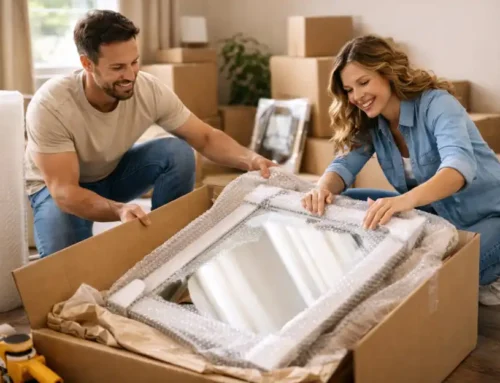
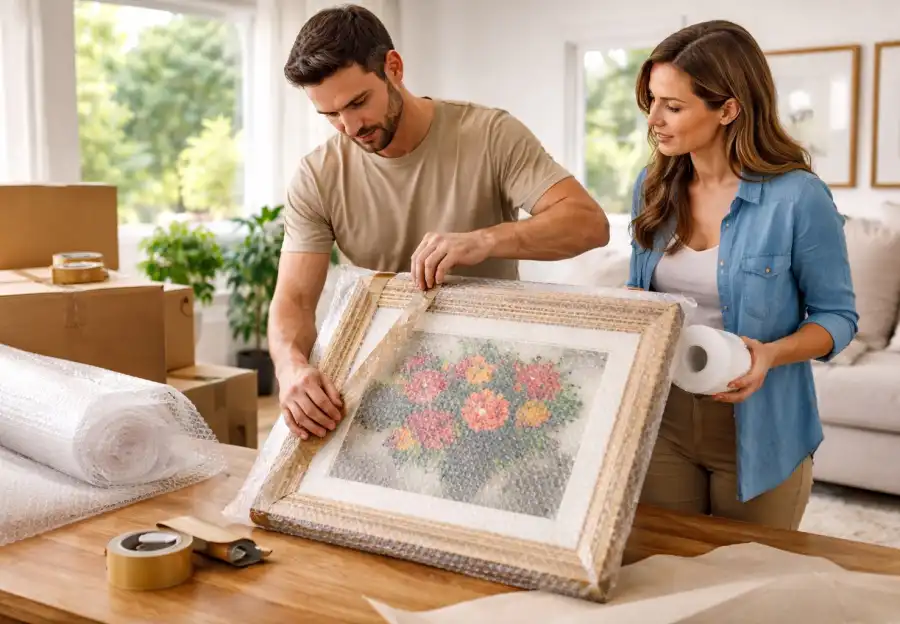
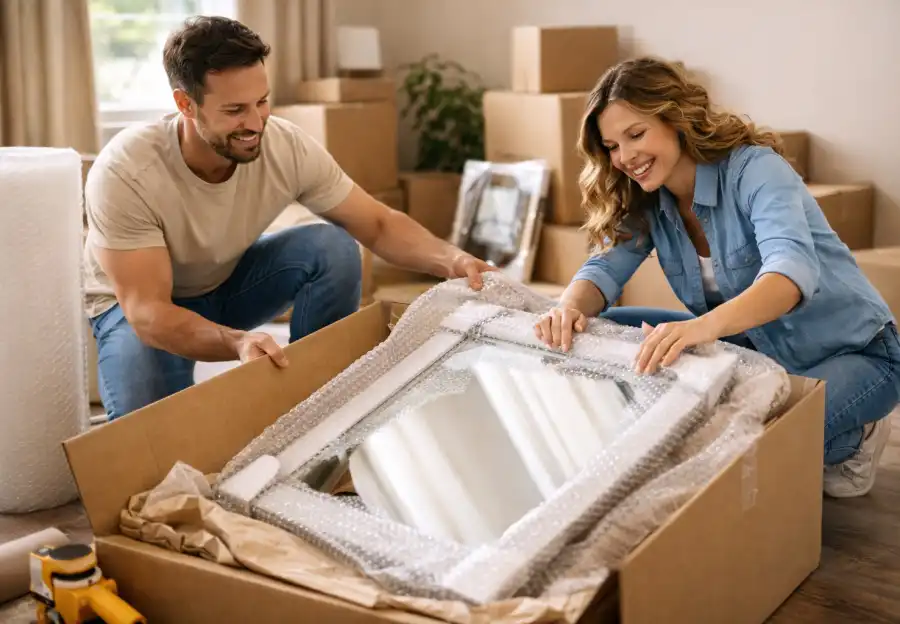
Walls require careful attention as well. Using edge guards, corner protectors, or foam padding along doorways, hallways, and tight corners prevents dents, chips, or scratches from furniture edges, doorknobs, and moving equipment. Removing wall-mounted items, artwork, or mirrors in advance reduces the risk of accidental bumps or cracks. Covering walls with cardboard sheets, protective film, or moving blankets in particularly narrow or high-risk areas provides an additional safeguard, ensuring that walls remain intact throughout the move.
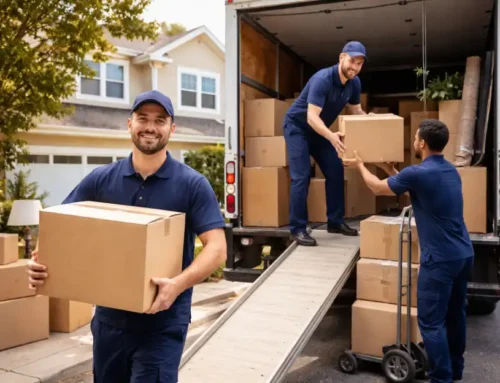
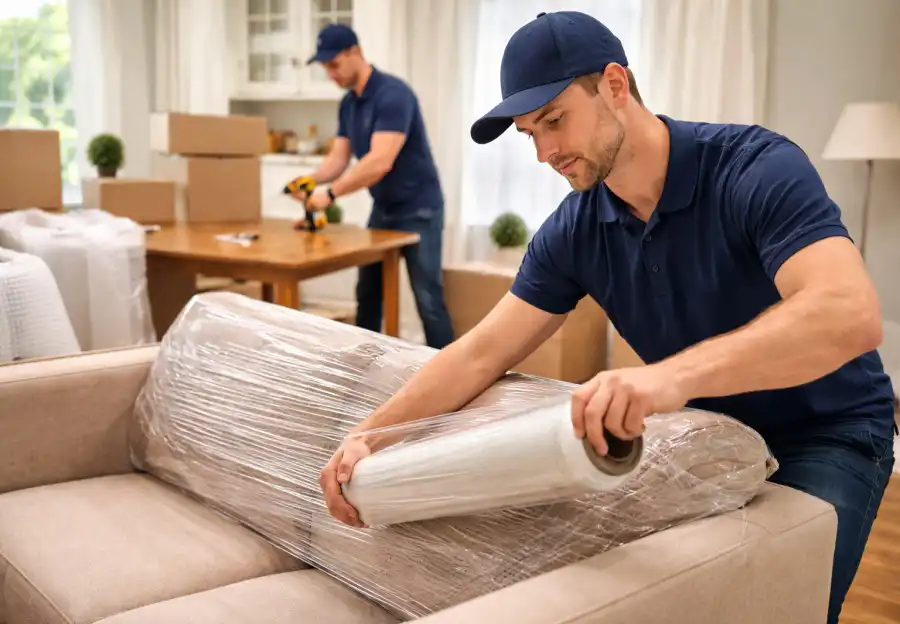
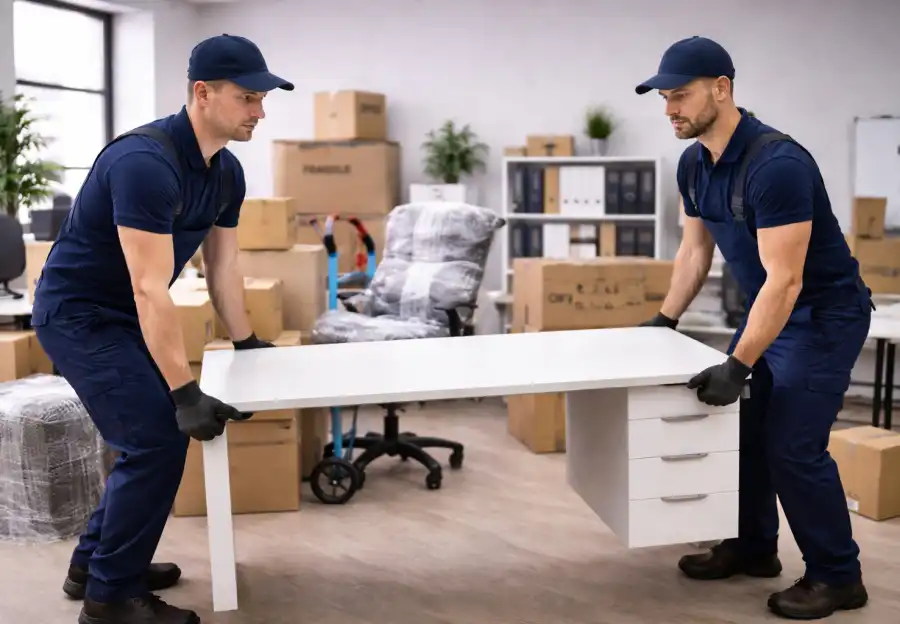
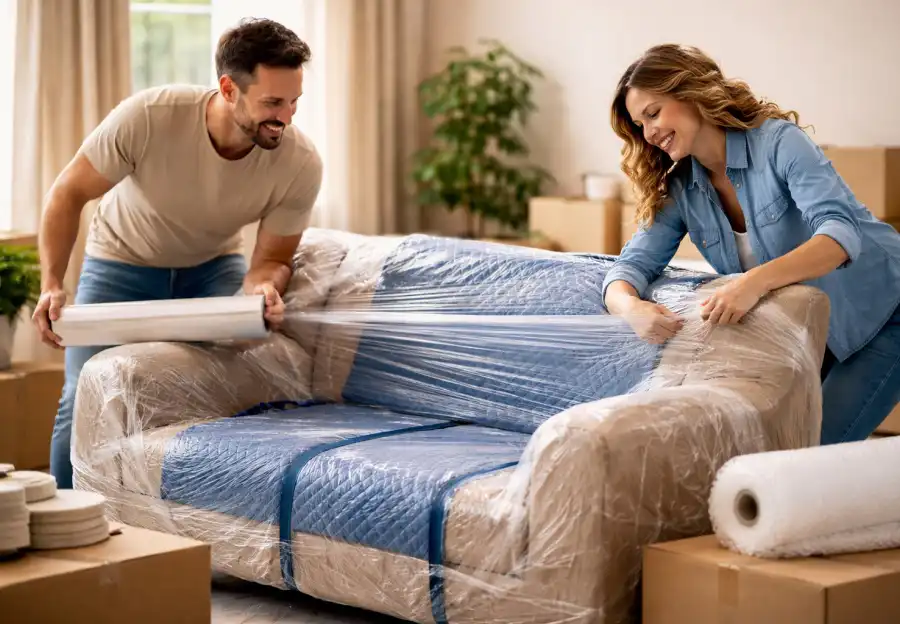
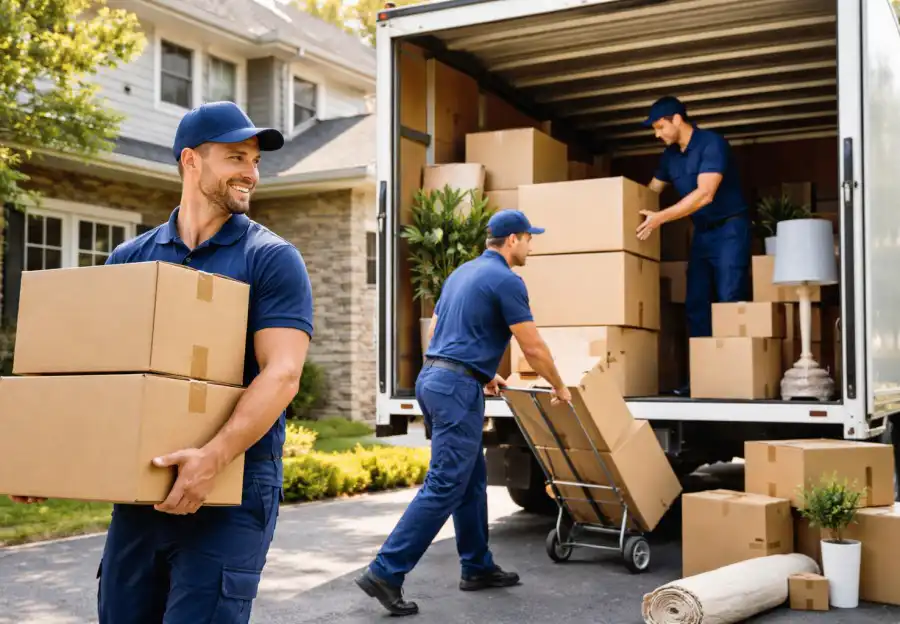
Furniture handling techniques are equally important. Improper lifting, dragging, or maneuvering of heavy items can directly damage floors and walls. Using dollies, sliders, lifting straps, or moving blankets underneath furniture allows items to glide safely over surfaces without scratching. Enlisting the help of multiple people ensures that heavy or awkward items are lifted and guided carefully through tight spaces. Keeping furniture upright and avoiding excessive tilting minimizes accidental collisions with walls or corners, and steady, deliberate movements prevent unintentional damage during the move.
Planning the layout and path of the move is another critical step. Assessing the route in advance, measuring doorways, staircases, and hallways, and clearing obstacles reduces the likelihood of bumping into walls or scraping floors. Leaving doors open, protecting thresholds, and temporarily removing rugs or carpets that could cause tripping hazards ensures a smooth passage for movers. Marking tight corners or high-risk areas with visible tape or signage can alert movers to proceed with caution, helping them navigate the home safely while avoiding collisions or damage.
Protecting floors from moisture, dirt, or debris is also essential. Moving items in and out of the home often involves tracking dust, mud, or water onto delicate surfaces. Placing protective mats at entrances, removing shoes, or covering heavily trafficked areas with plastic sheeting, cardboard, or padded floor protectors keeps floors clean and reduces the risk of permanent stains. Promptly cleaning spills or scuffs during the move preserves the integrity of flooring materials and ensures a polished, damage-free surface upon arrival.
For walls, avoiding adhesive materials that leave residue or damage paint is critical. Using non-permanent tape, reusable wall protectors, or protective padding keeps surfaces unmarked while still providing a buffer against accidental impacts. Instructing movers to maintain a safe distance between furniture and walls, and providing clear guidance on maneuvering around corners, further reduces the risk of dents, scratches, or scuffs.
Small items, corners, door frames, and stair rails often get overlooked, yet these areas are high-risk zones for damage. Using corner guards, foam padding, or cardboard shields in these spots ensures that even minor but common sources of damage are addressed. Extra caution is especially necessary when navigating narrow stairs, elevators, or confined spaces, as these areas are prone to scraping or denting if proper precautions are not taken.
Finally, communication with movers is critical. Informing them about which areas are most vulnerable, demonstrating the use of protective equipment, and emphasizing careful handling ensures everyone involved in the move is aware of potential hazards. Combining proper preparation, protective coverings, careful lifting techniques, strategic route planning, and constant vigilance allows homeowners to maintain pristine floors and walls. This reduces stress, prevents costly repairs, and ensures a safe, efficient, and well-organized move. By approaching the relocation with foresight, attention to detail, and the right protective measures, homeowners can successfully move without compromising the integrity of their home’s surfaces, ensuring that floors and walls remain intact, clean, and damage-free from start to finish.