
December 21, 2025
How to Prepare Your Home before Movers Arrive
Preparing your home before movers arrive is one of the most important steps in ensuring a smooth, efficient, and stress-free relocation. The process should begin well in advance—ideally several weeks before your scheduled moving date—so you have enough time to organize, plan, and address potential challenges without pressure. Early preparation allows you to gather packing supplies, coordinate logistics with movers or rental services, and create a detailed checklist to keep everything on track. By planning ahead, you avoid last-minute chaos and ensure every aspect of your move is handled thoughtfully and efficiently.
The first major step in preparing your home for a move is decluttering. Go through each room carefully and decide which items you truly want to take with you, which can be donated or sold, and which should be discarded. Over time, homes tend to accumulate unnecessary belongings, and moving presents an excellent opportunity to lighten your load. Reducing clutter makes packing faster and more organized, lowers transportation and packing costs, and allows you to start fresh in your new home without unnecessary items weighing you down.
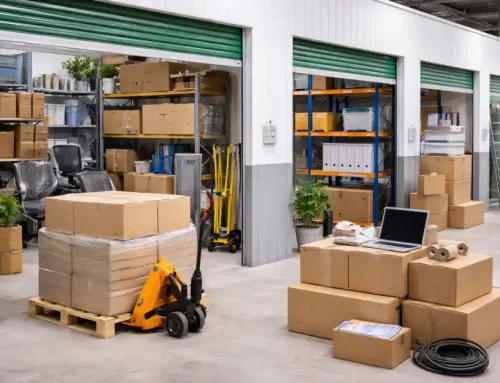
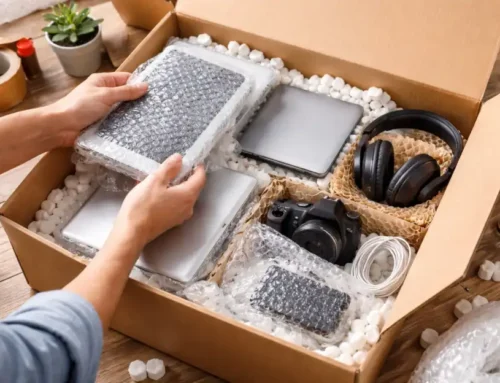
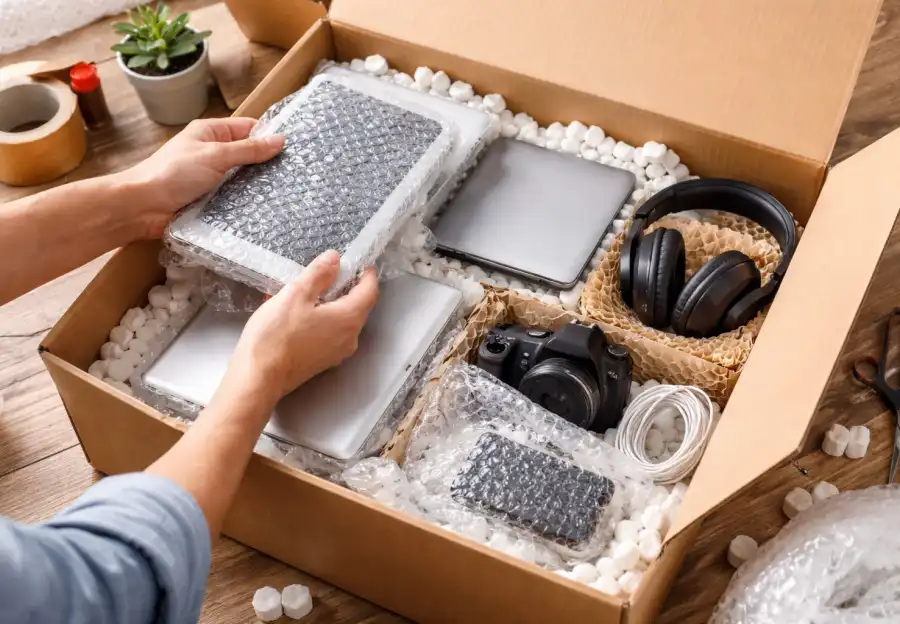
Once you’ve decluttered, gathering the right packing materials becomes essential. High-quality supplies such as sturdy boxes in various sizes, packing tape, bubble wrap, packing paper, mattress covers, and furniture blankets help protect your belongings during transit. Packing strategically is just as important as having the right materials. Start with items you use less frequently, such as seasonal décor or spare linens, and leave essentials like daily clothing, toiletries, medications, and important documents for last. This approach keeps your daily routine uninterrupted while maintaining an organized packing process.
Labeling boxes clearly is another critical preparation step that should never be overlooked. Each box should be marked with its contents and the room it belongs to, making unloading and unpacking far more efficient. Many people also use color-coded labels or numbering systems to simplify organization. Proper labeling helps movers place boxes in the correct rooms immediately, reduces confusion on moving day, and minimizes the risk of damage to fragile items by ensuring they are handled with care.
Scheduling and confirming your moving company or rental truck well in advance is equally important. Professional movers bring experience, equipment, and manpower that make handling heavy, bulky, or delicate items much safer. Take time to verify licensing, insurance coverage, customer reviews, and written estimates. Confirm arrival times and details ahead of time to avoid scheduling conflicts or delays. A reliable moving company ensures your move starts on time and proceeds smoothly.
Preparing your home physically before movers arrive helps the entire process run efficiently. Clear pathways by removing obstacles from hallways, stairways, and doorways so movers can move freely without risk. Secure rugs, protect flooring if necessary, and make sure entryways are easily accessible. Pets should be placed in a safe, quiet area away from the activity to prevent accidents or stress. These simple preparations allow movers to work quickly, safely, and without interruption.
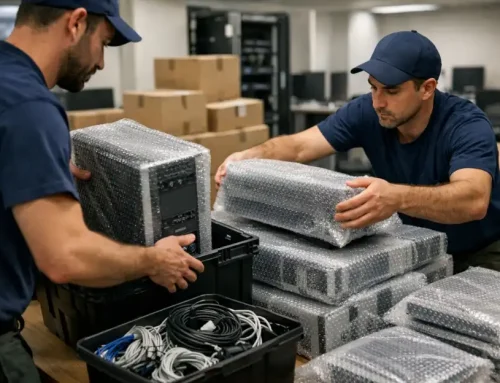
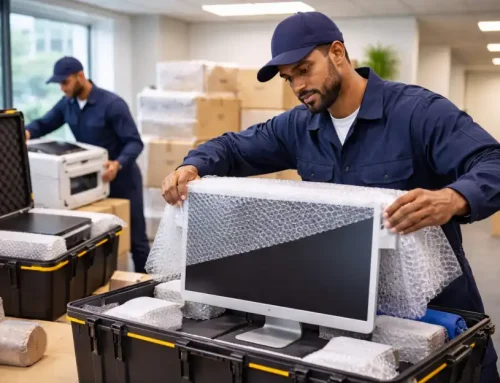
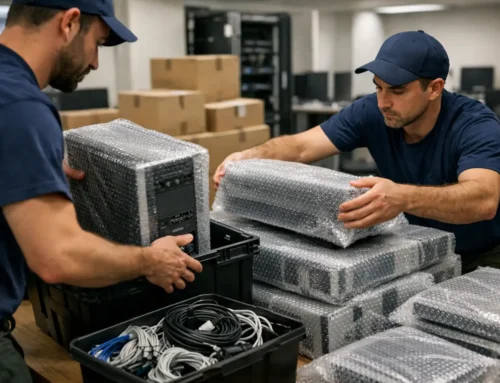
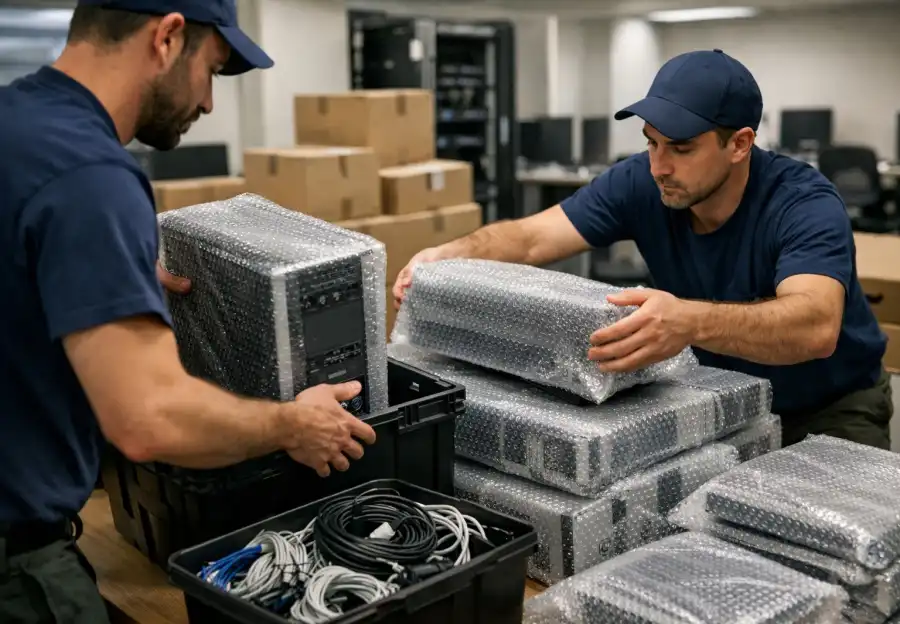
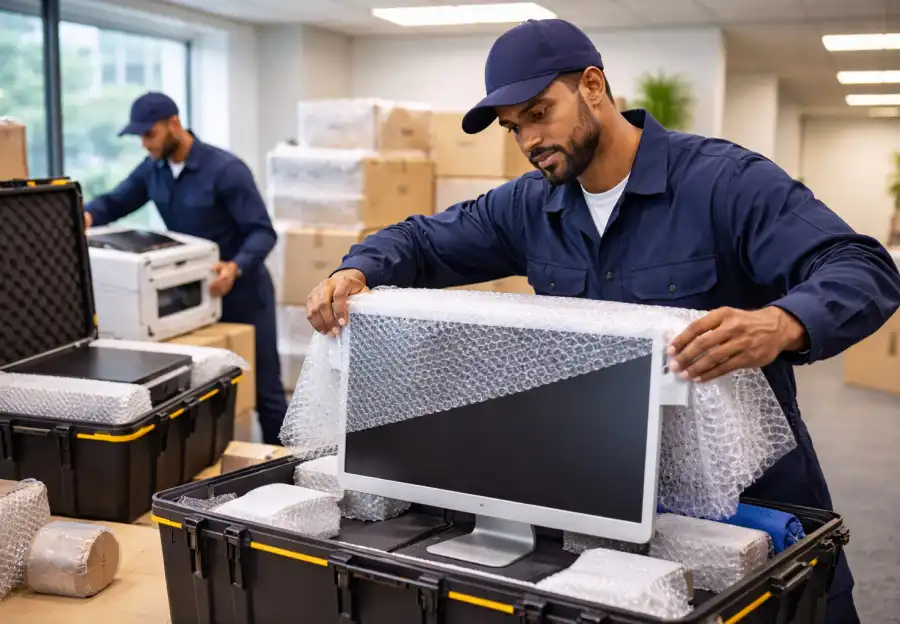
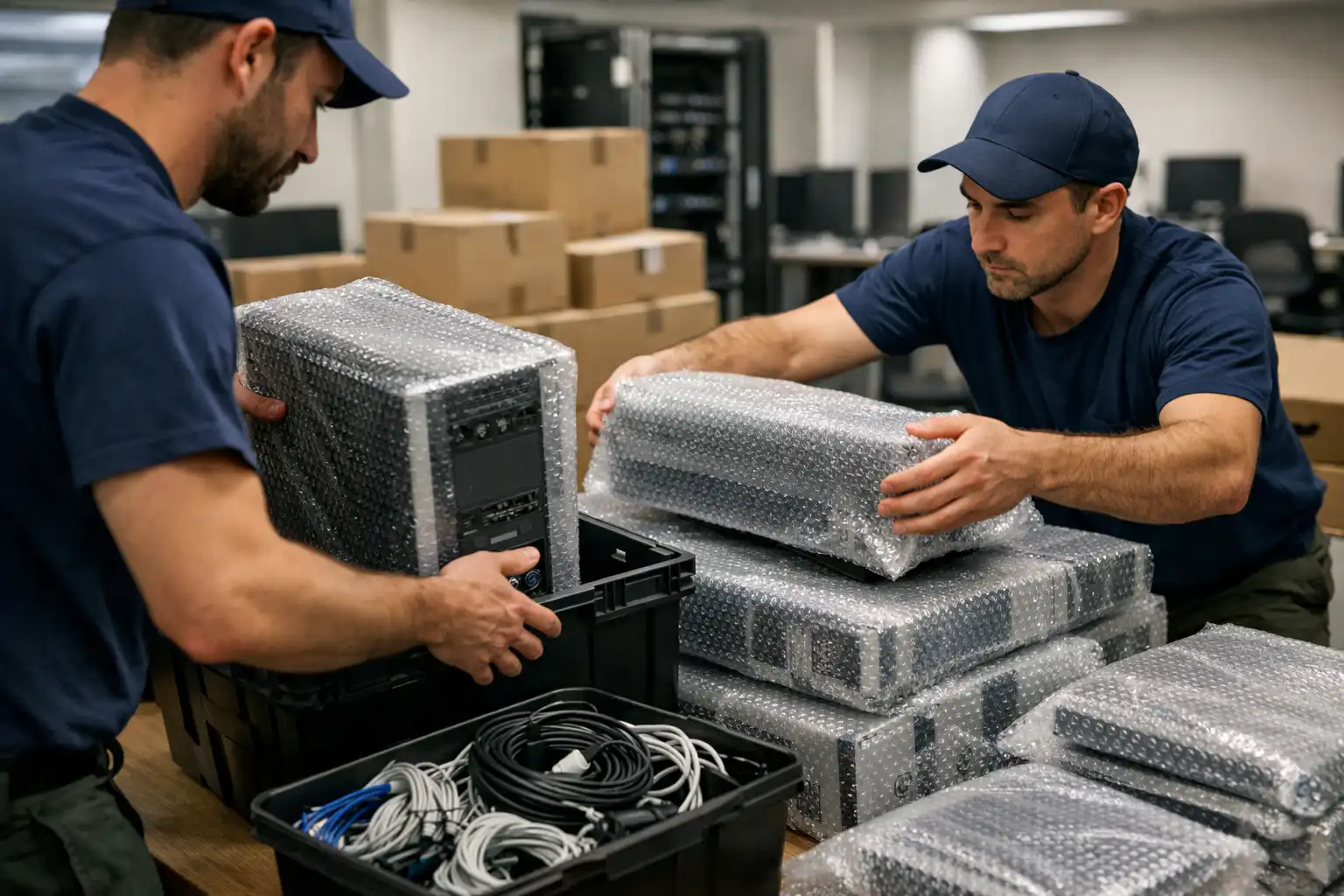
Appliances and electronics also require special attention before moving day. Refrigerators and freezers should be defrosted, washing machines drained, and gas or electrical connections safely disconnected according to manufacturer guidelines. Secure cords, plugs, and small components to prevent damage. Sensitive electronics such as computers, televisions, and sound systems should be packed carefully or transported separately when possible to reduce the risk of damage during transit.
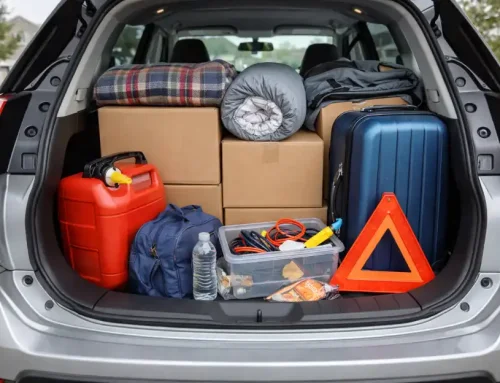
Creating a moving-day essentials kit is another highly recommended step. This kit should include medications, important documents, chargers, toiletries, snacks, water, and a change of clothes. Having these items easily accessible prevents frustration during the first night in your new home when boxes may still be unpacked. Valuables and critical documents should be kept with you rather than placed in the moving truck to ensure safety and peace of mind.
Maintaining an inventory list of your belongings provides added organization and accountability. Listing items, noting fragile or high-value pieces, and documenting large furniture helps both you and the movers track everything throughout the move. An inventory also serves as valuable documentation for insurance purposes in the rare event of loss or damage, offering clarity and protection.
Finally, coordinating utilities and communicating clearly with your moving company are essential steps. Schedule utility disconnections and reconnections ahead of time to ensure electricity, water, gas, and internet are available when you arrive. Provide movers with parking details, access instructions, and any special considerations such as narrow staircases or delicate flooring. Equally important is taking care of yourself—get adequate rest, stay hydrated, and approach moving day with a calm mindset.
By following these preparation strategies—early planning, decluttering, organized packing, clear labeling, professional coordination, and personal readiness—you can transform moving day into a smooth, manageable, and stress-free experience from start to finish.