February 23, 2026
How to Plan a Warehouse Move
Planning a warehouse move requires extensive preparation, strategic coordination, and meticulous attention to detail. Warehouses typically house large quantities of inventory, equipment, and materials that are critical to business operations, and any disruption or mismanagement during the move can result in lost productivity, damaged goods, and financial setbacks. To prevent these issues, the first step in the relocation process is conducting a comprehensive inventory of all items. This includes products, machinery, shelving units, pallets, and forklifts. Categorizing items by type, size, value, and fragility allows managers to prioritize high-value or delicate items and identify those that need specialized handling. Documenting serial numbers, barcodes, and storage locations ensures accountability and tracking throughout the move, reducing the risk of missing or misplaced assets.
A thorough risk assessment is a crucial component of warehouse move planning. Each relocation presents unique challenges, such as the hazards associated with heavy machinery, tall shelving, chemical storage, and perishable goods. Evaluating these risks enables the implementation of necessary safety measures, including securing hazardous materials, reinforcing shelving units, and providing protective equipment and training for staff. Environmental factors such as temperature, humidity, and exposure to sunlight must also be considered to preserve inventory integrity. Developing contingency plans for unexpected delays, equipment malfunctions, or accidents minimizes disruption to operations and reduces potential financial or material losses, ensuring that the move proceeds as smoothly as possible.
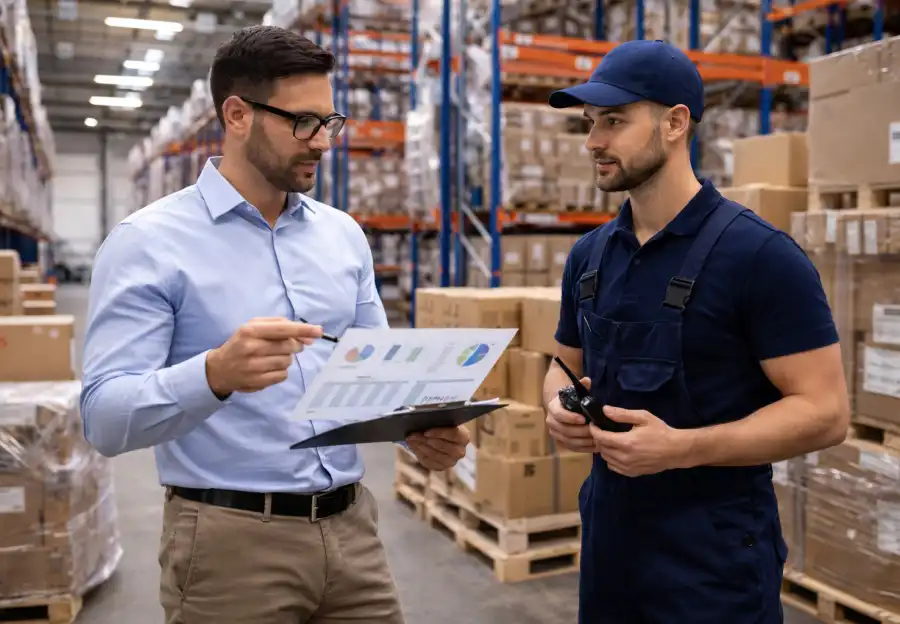
Creating a detailed move plan and timeline is essential due to the complexity of warehouse relocations. Multiple departments, personnel, and external vendors are typically involved, making a systematic approach necessary. Mapping out the sequence of tasks, from disassembling shelving to packing inventory, labeling, scheduling transportation, and reassembling equipment at the new location, ensures that operations remain organized. Establishing milestones and deadlines allows managers to track progress and maintain accountability. Coordinating with stakeholders such as logistics providers, IT specialists, and warehouse staff fosters clear communication, minimizes confusion, and allows for adjustments to accommodate unexpected challenges during the relocation process.
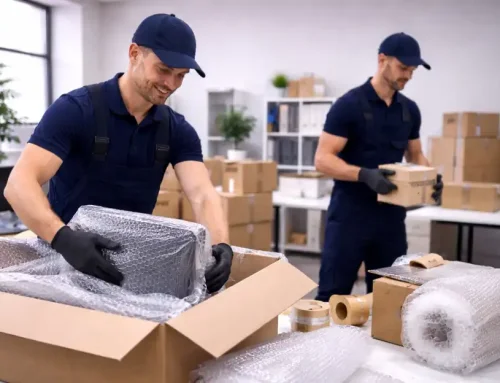
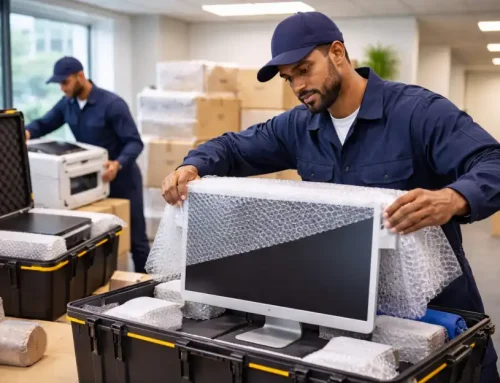
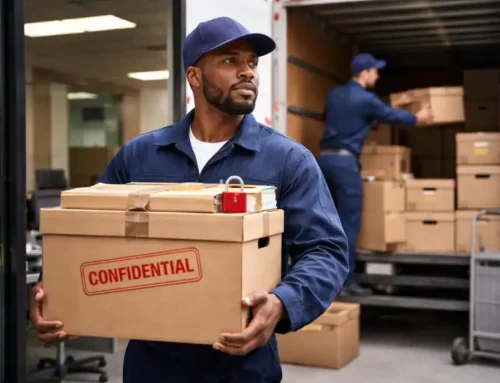
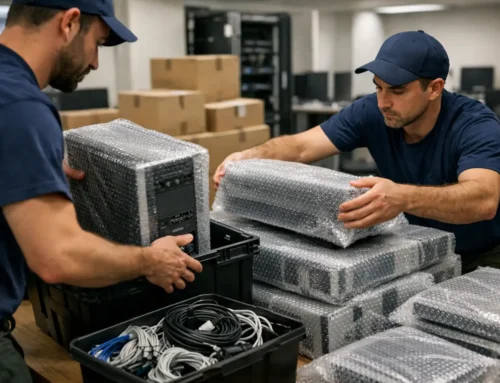
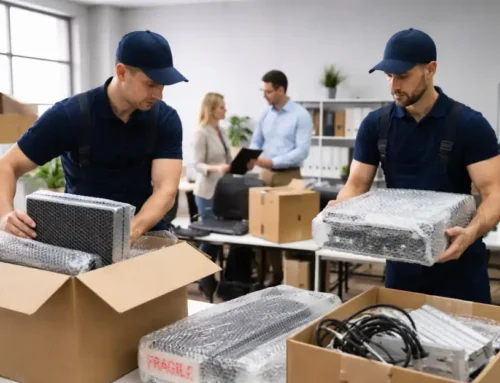
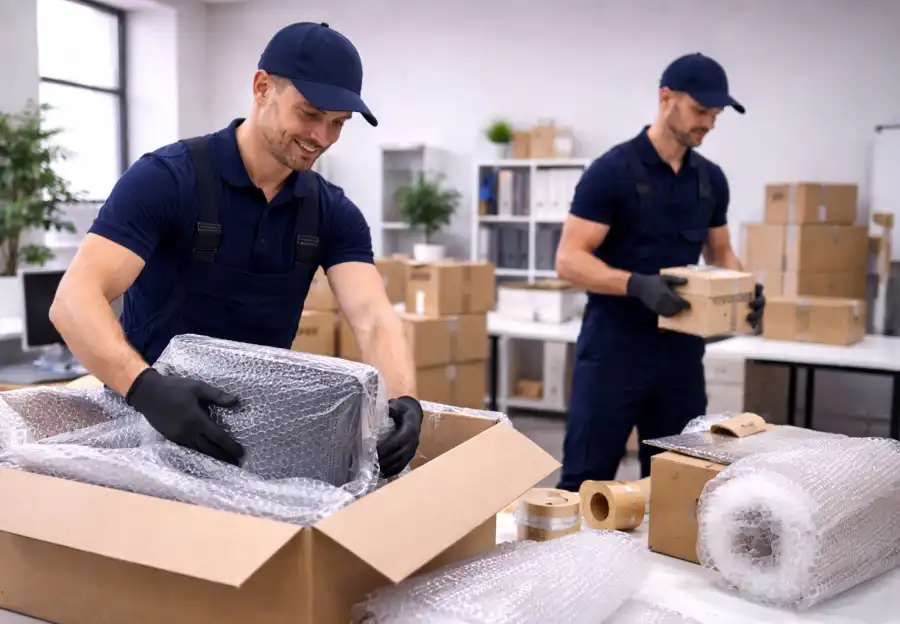
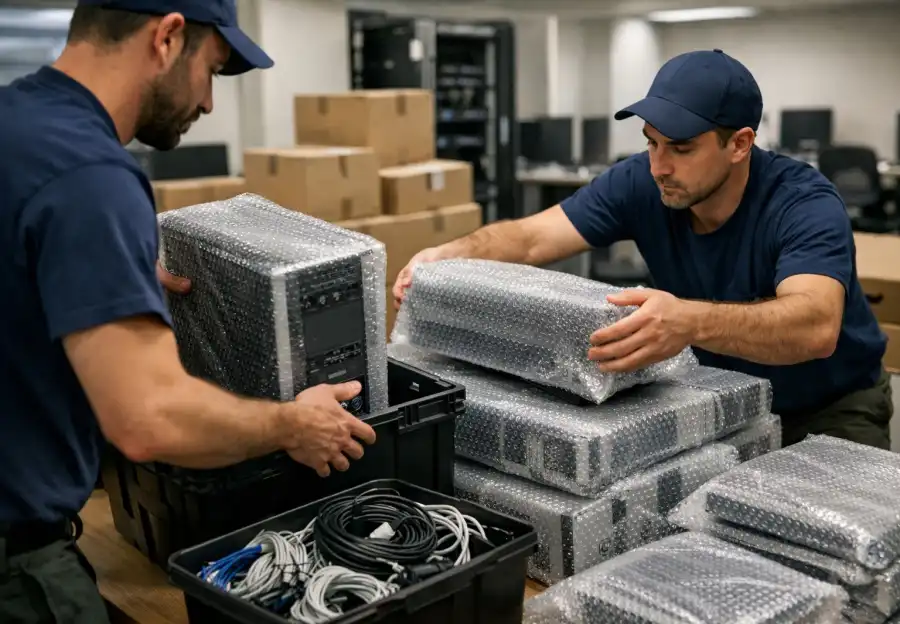
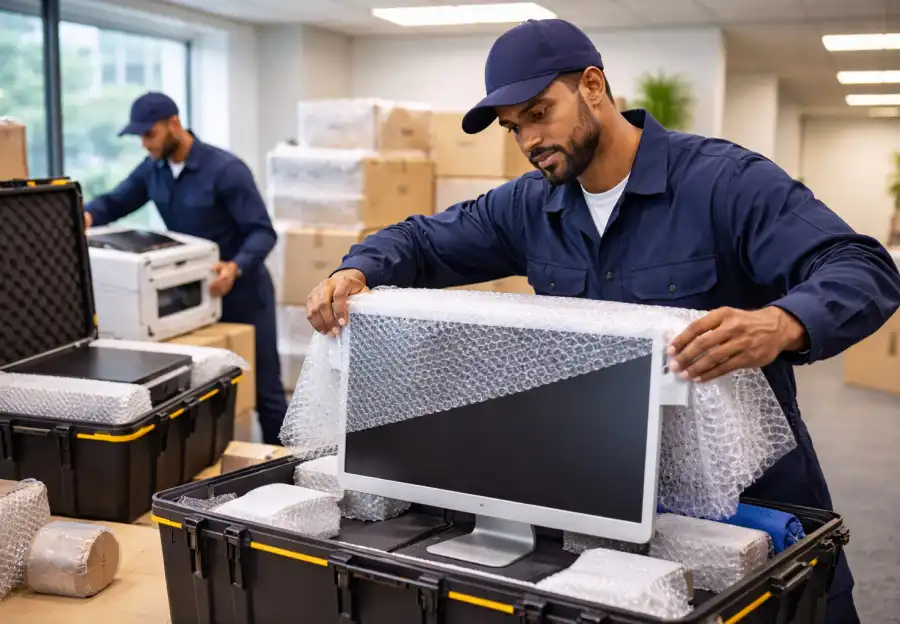
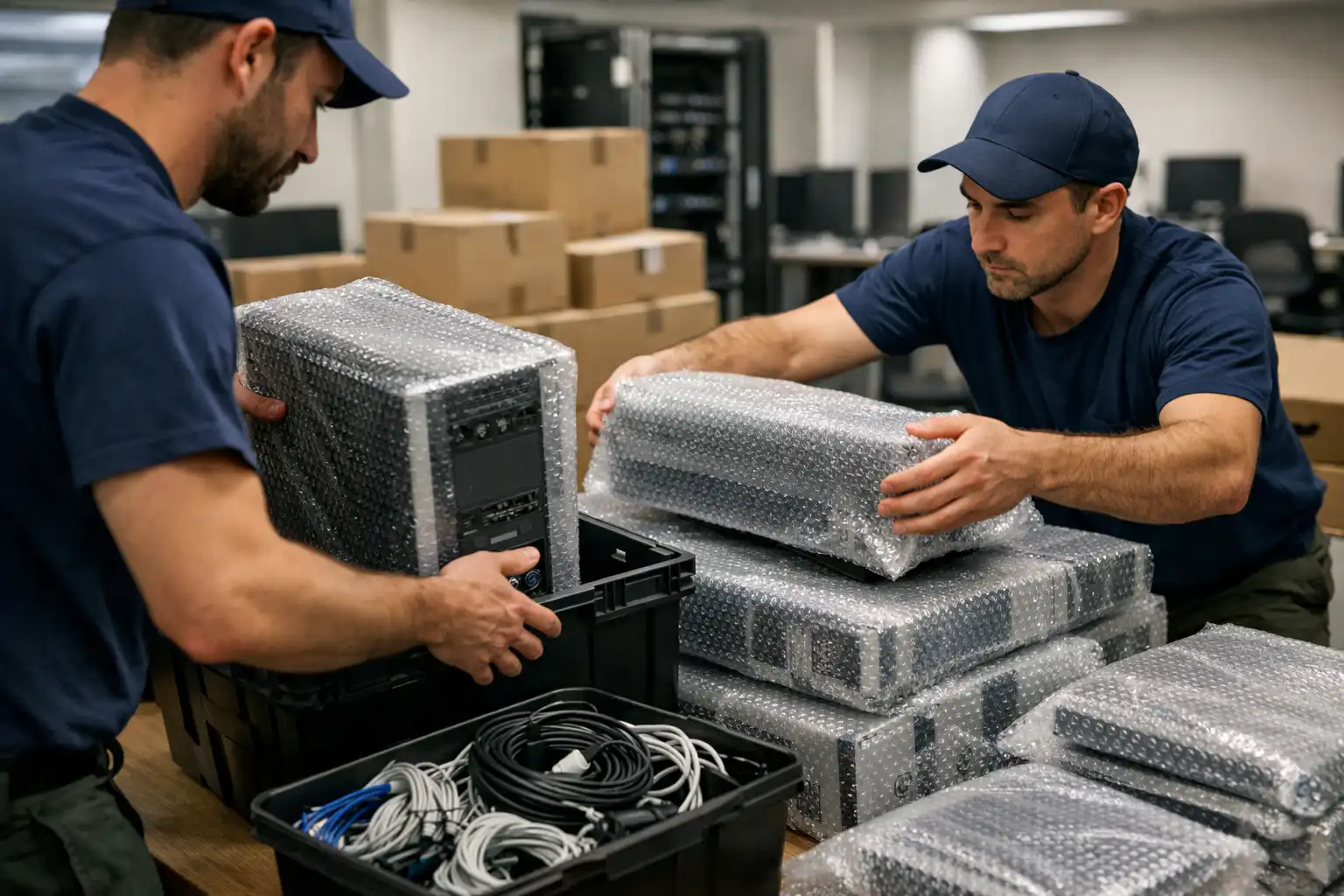
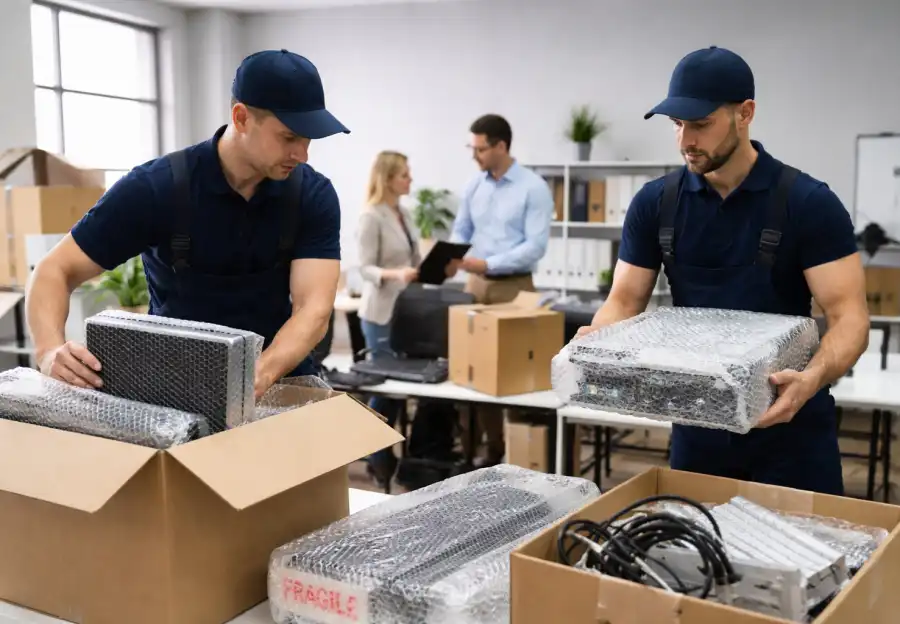
Effective packing and labeling strategies are vital for protecting inventory and equipment. Warehouse items often vary in size, weight, and fragility, requiring durable containers, shrink wrap, pallets, foam padding, and protective covers to prevent damage during transport. Clear labeling of boxes, crates, and pallets, including detailed information such as contents, destination, handling instructions, and priority level, facilitates efficient unpacking and proper placement at the new facility. Implementing color-coded or numbered systems further enhances organization, allowing teams to quickly identify categories, sections, or high-priority items, and streamlines the overall setup process in the new warehouse.
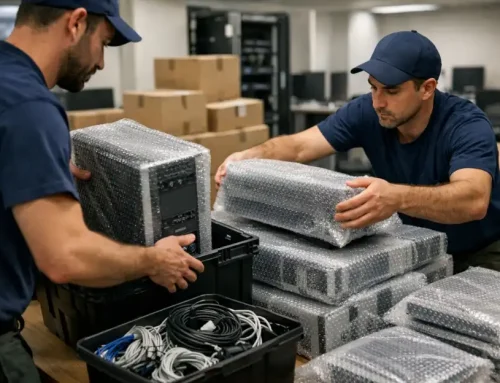
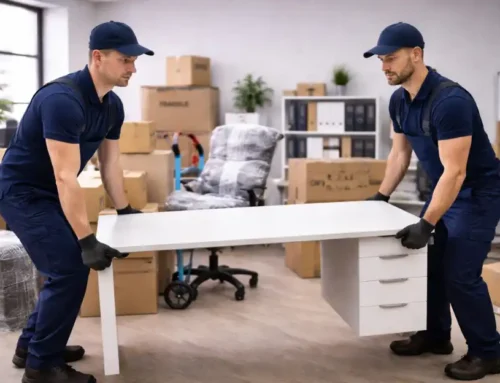
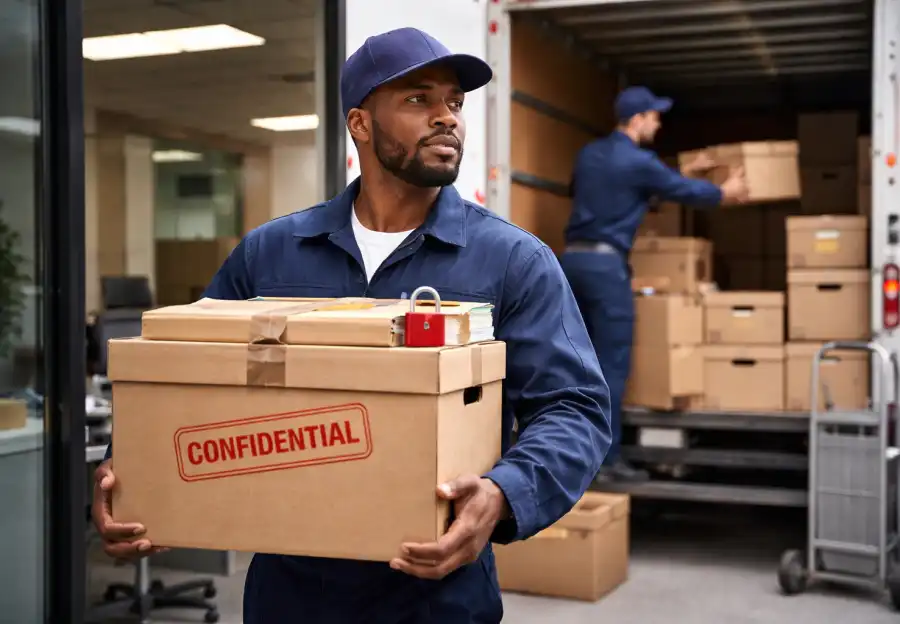
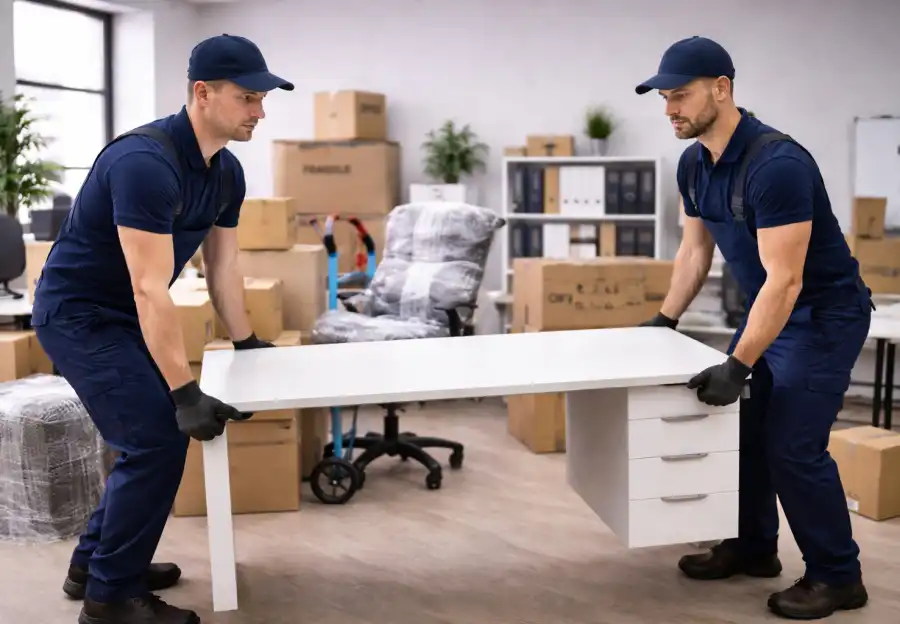
Specialized equipment and professional movers are often necessary for handling heavy machinery, forklifts, large racks, and oversized inventory. Engaging experienced moving companies familiar with warehouse operations ensures that items are packed securely, transported safely, and unloaded efficiently. Coordinating with internal staff guarantees proper supervision, floor planning, and adherence to safety protocols. Additionally, involving IT and inventory management professionals ensures that technology infrastructure, barcode scanners, and inventory systems are properly managed, reinstalled, and tested in the new facility, preventing operational delays and ensuring a smooth transition.
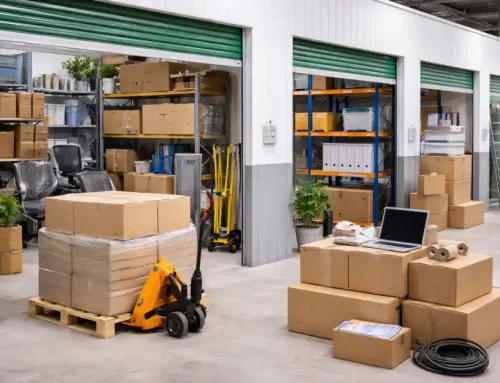
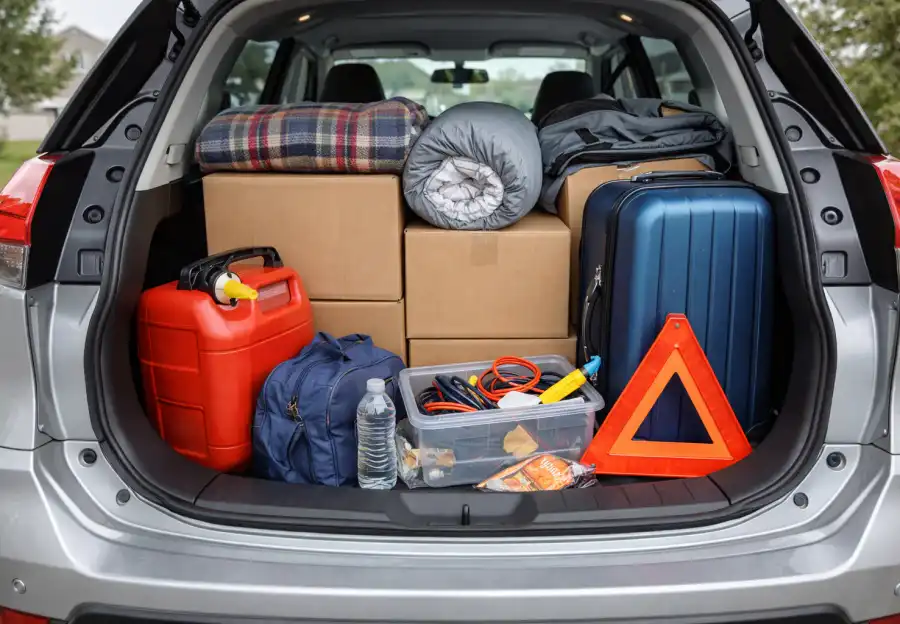
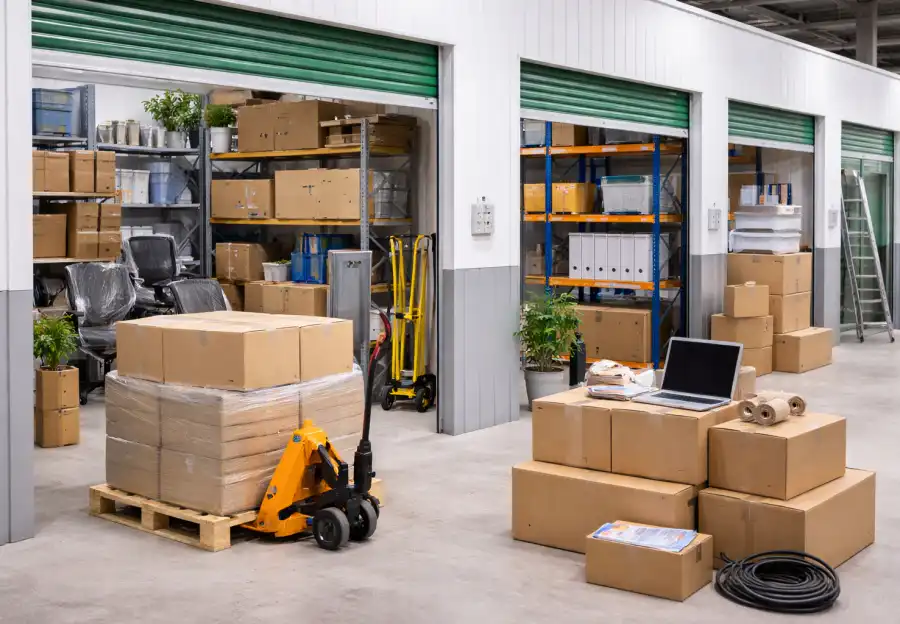
Logistics and route planning are critical elements in warehouse relocations. Bulk and heavy items require careful scheduling of transportation, secured loading docks, and optimized travel routes to minimize transit time and reduce the risk of damage. Monitoring environmental conditions during transport, securing items effectively, and utilizing forklifts, pallet jacks, and cranes safely are essential for efficient handling. Coordination between both the origin and destination facilities ensures seamless movement of inventory, reduces bottlenecks, and prevents unexpected obstacles from disrupting the relocation process.
Reassembly and setup at the new warehouse are equally important for operational continuity. Proper installation of shelving units, organization of inventory, and strategic placement of equipment according to workflow maintain efficiency. Conducting quality checks, verifying inventory counts, and inspecting for damage allows for immediate corrective actions if necessary. Implementing updated storage systems, labeling methods, or technology solutions during setup can further enhance operational efficiency, improve safety, and reduce the likelihood of errors in the future, creating a more organized and functional warehouse environment.
Finally, maintaining clear communication, providing employee training, enforcing safety standards, and establishing post-move feedback mechanisms ensures continuous improvement. Managers can evaluate the move, identify lessons learned, and refine procedures for future relocations. By combining thorough inventory assessment, risk evaluation, detailed planning, specialized packing, professional handling, careful logistics, and systematic setup, businesses can execute warehouse moves that are safe, efficient, and minimally disruptive. Strategic preparation, attention to detail, and coordinated teamwork transform a potentially high-risk operation into a controlled and successful relocation, protecting assets, maintaining productivity, supporting staff, and ensuring that the new warehouse is fully operational, ultimately safeguarding the business and its long-term continuity.