
January 18, 2026
How to Pack an Emergency Moving Day Box
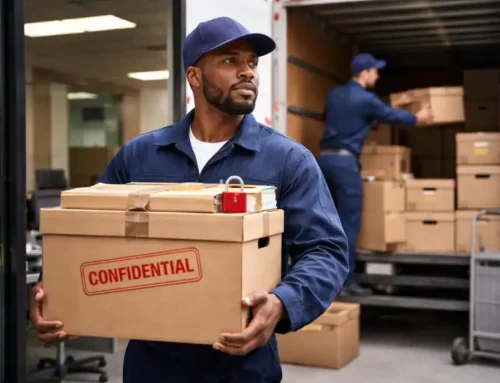
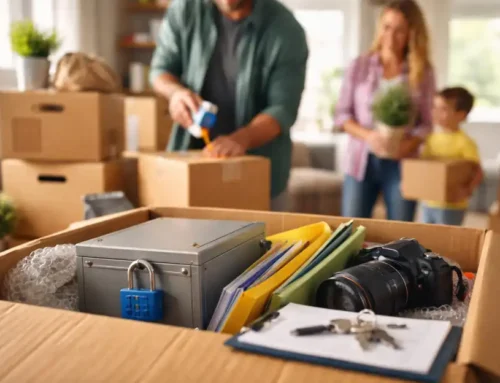
Packing an emergency moving day box is one of the smartest and most practical steps you can take to ensure a smooth and stress-free move, because no matter how organized or well-planned your relocation is, there will always be items you need immediate access to on moving day or during the first 24 to 48 hours in your new home. Having a dedicated, easily identifiable emergency box prevents the frustration of digging through countless packed boxes searching for essentials, providing peace of mind, especially when managing a hectic move with family, pets, or professional movers. The first step in creating this box is identifying essential items, which should include everything you are likely to need immediately. Important documents such as passports, birth certificates, medical records, insurance policies, moving contracts, and identification cards must be included, because these items are irreplaceable and should never be packed with general household goods that may be buried under multiple layers of boxes. Keys, wallets, phones, chargers, and other items critical to daily life should also be included to ensure they are easily accessible.
Personal care items are equally important, because moving day often involves long hours, early mornings, and unexpected delays. Including toiletries such as toothbrushes, toothpaste, soap, shampoo, deodorant, medications, prescription glasses or contacts, and basic first aid supplies allows you to stay comfortable, maintain hygiene, and address minor injuries or ailments that may occur during the move. Items like hand sanitizer, tissues, and wipes are particularly useful for cleaning hands or surfaces during loading, unloading, or travel, ensuring that you and your family remain healthy and comfortable throughout the process.
Including snacks and drinks in the emergency moving day box is another essential step, because moving day can be exhausting, and having non-perishable items such as granola bars, nuts, dried fruit, bottled water, or juice ensures that you, your family, and helpers can stay energized and hydrated. This eliminates the need to search for food or make multiple stops, saving time and maintaining focus while keeping stress levels down. For families with children or pets who may require frequent nourishment or comfort, having these items on hand is especially important to prevent delays or emergencies.
For families with young children, babies, or pets, the emergency box should include items that keep them safe, entertained, and comfortable. Packing a separate box for toys, books, diapers, wipes, formula, bottles, and feeding supplies ensures that children are not left without essentials during a chaotic day. Including pet food, leashes, carriers, bowls, and other necessities keeps animals secure, reduces anxiety, and prevents last-minute scrambling for forgotten items. By anticipating these specific needs, homeowners can minimize stress and maintain order during the move.
Tools and moving essentials are another critical component, because even small items such as scissors, box cutters, tape, markers, rubber bands, a multi-tool, or a flashlight can be lifesaving on moving day. These items allow you to open boxes, secure furniture, label items, or navigate in low-light conditions. Including extension cords, power strips, or spare batteries ensures that electronics remain charged and functional, which is especially important for communication devices, portable lighting, or essential appliances in the new home.
Clothing for immediate needs should also be included, because after a long move, you may need a change of clothes, sleepwear, or layers to accommodate changing weather or temperatures in your new home. Including basic clothing such as socks, underwear, a jacket, or comfortable shoes ensures that you are prepared for the first night or two without having to unpack every box. Keeping these items in a single, clearly labeled container makes them accessible and convenient.
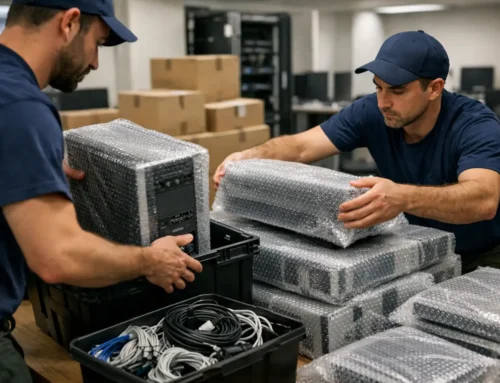
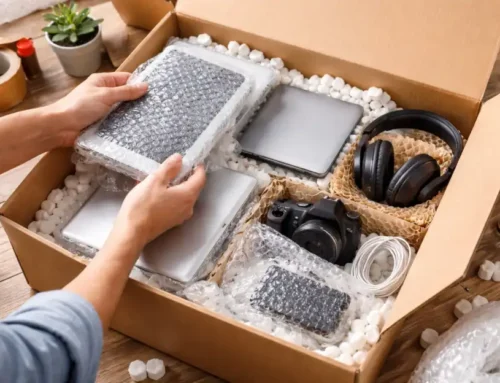
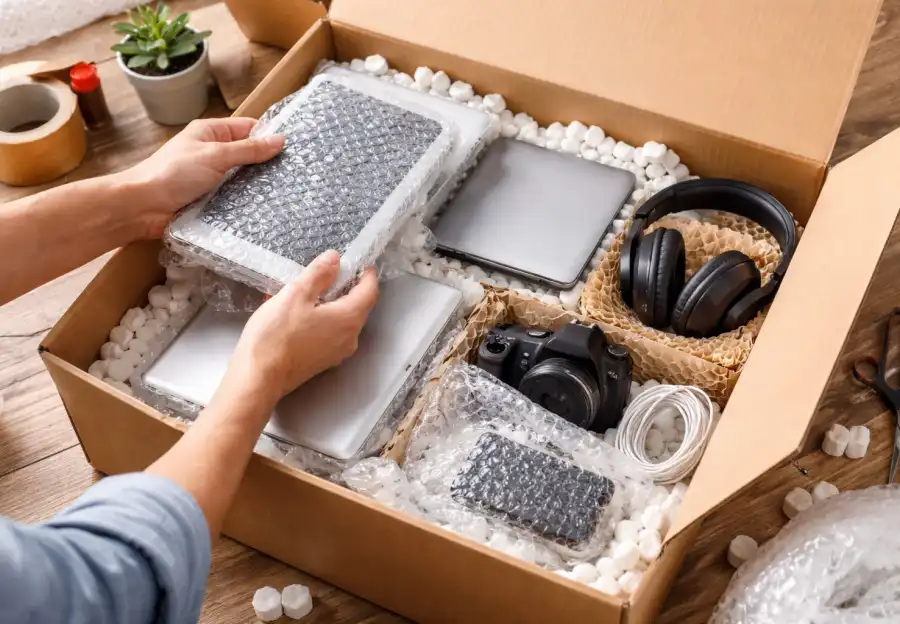
For technology and work-related items, including laptops, chargers, important cables, and essential office supplies in your emergency box ensures that you can maintain productivity or access critical information without delay. This is particularly important for those working remotely or needing to coordinate logistics, bills, or communications during the transition.
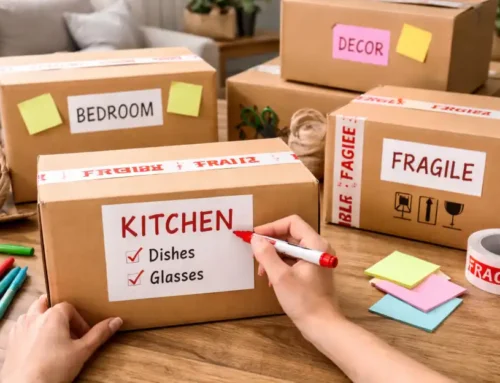
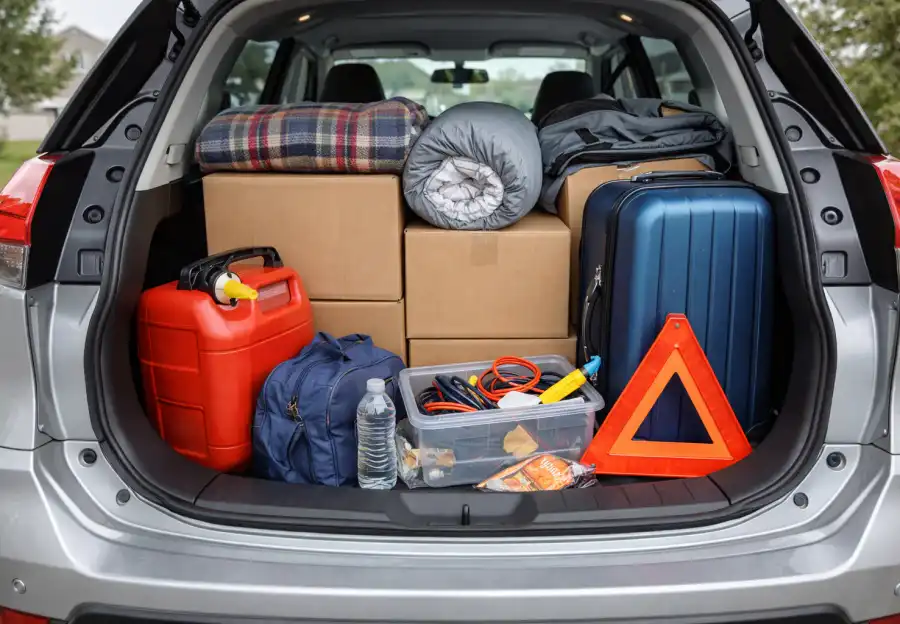
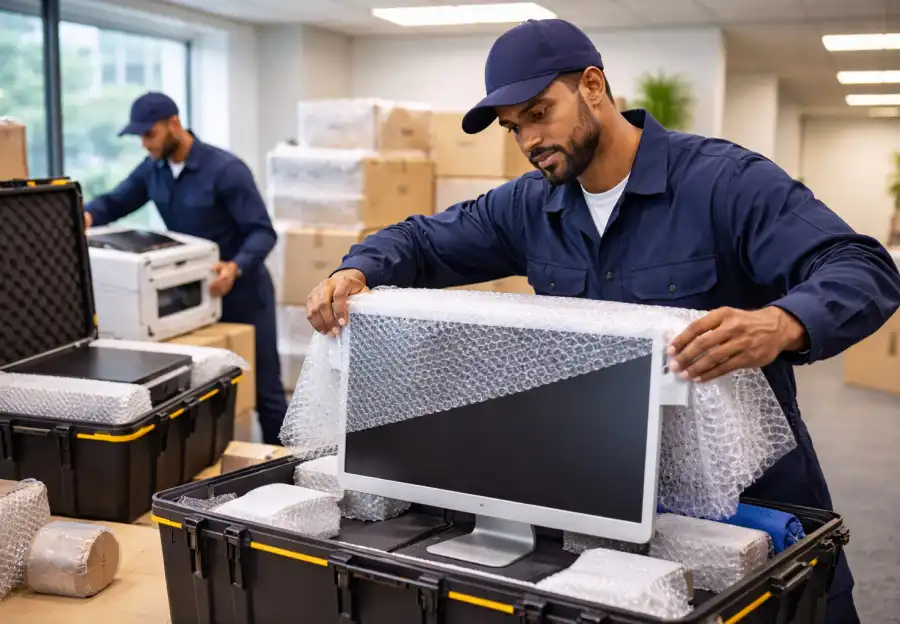
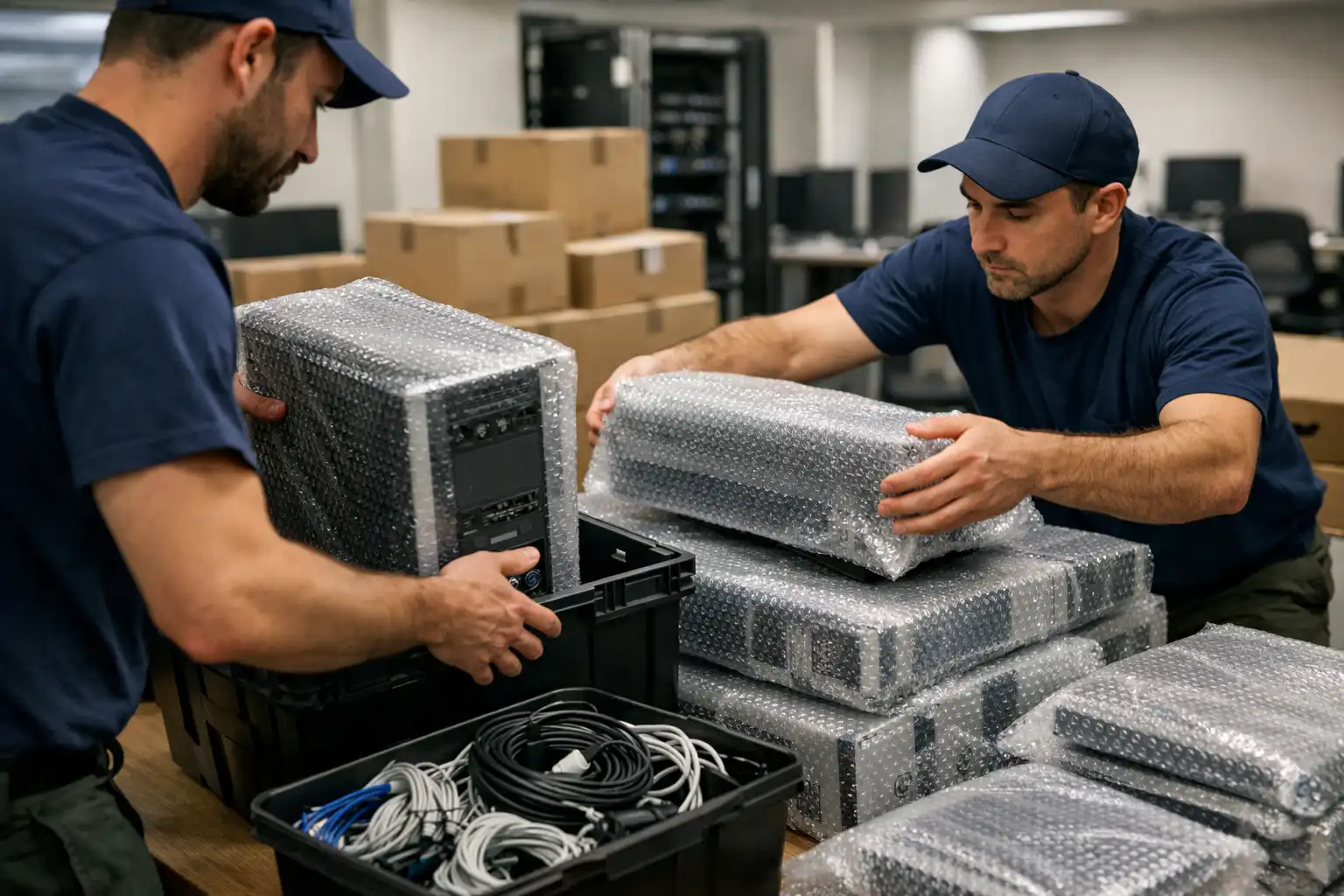
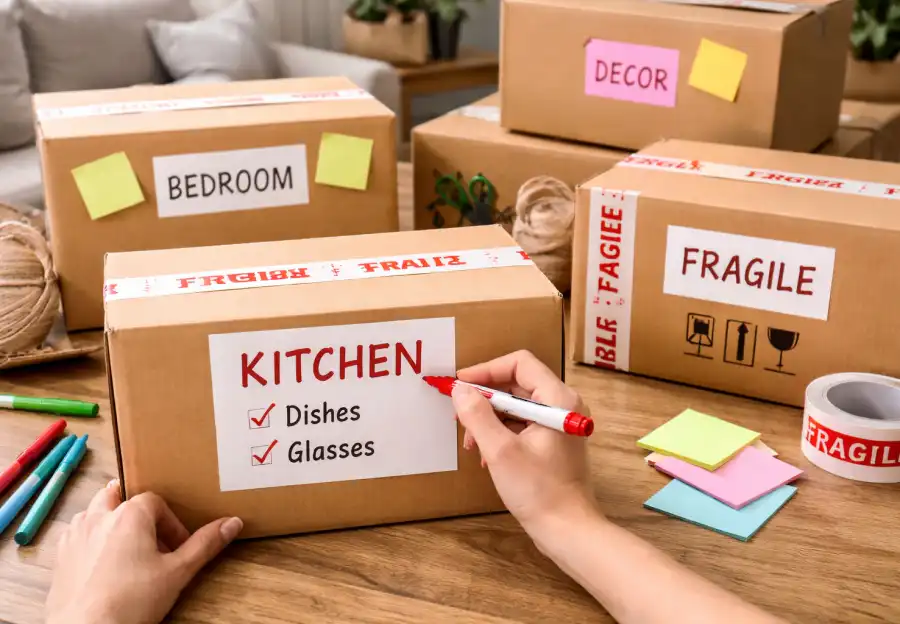
Packing strategies for the emergency box should focus on durability, organization, and accessibility. Using a sturdy, clearly labeled, and waterproof container such as a plastic bin, tote, or reinforced cardboard box ensures that items remain protected from weather, shifting during transport, or accidental spills. Packing heavier items at the bottom and lighter, fragile items on top maintains structural integrity, and using compartments or zip-top bags helps separate categories for quick retrieval. Labeling the box prominently as “Emergency Moving Day Box” or “Open First” ensures that movers, family members, or helpers immediately recognize it and handle it accordingly, preventing it from being placed at the bottom of the truck or mixed with non-essential boxes. Keeping the box close at hand in the moving vehicle or a designated area of the home ensures immediate access upon arrival at the new residence.
Finally, reviewing the contents of your emergency box before the move and periodically updating it ensures that nothing essential is left out, items are not expired, and supplies remain functional and relevant. Maintaining this box as a separate, organized, and ready-to-use container transforms the often chaotic moving day into a more manageable and less stressful experience. It allows you to focus on larger tasks such as coordinating movers, arranging furniture, and unpacking major household items. Having immediate access to essentials removes uncertainty, reduces panic, and provides a sense of control during an otherwise hectic and unpredictable process.
In conclusion, careful planning, thoughtful selection of items, durable and organized packing, clear labeling, and strategic placement of an emergency moving day box is an indispensable component of any successful move. This box ensures that you, your family, and your belongings are safe, comfortable, and prepared from the first step out of the old home to the final unpacking and settling in the new home. Creating this box is not just a convenience but a necessity for maintaining order, reducing stress, and enhancing efficiency on one of the most important days of a relocation.