
February 13, 2026
How to Move With Seniors Smoothly
Moving with seniors requires a thoughtful, patient, and highly organized approach because older adults often have unique physical, emotional, and cognitive needs that must be carefully considered. Relocation can be disruptive at any stage of life, but for seniors it may involve leaving behind long-term homes, familiar routines, and emotional connections built over decades. A well-planned move helps reduce anxiety, preserves dignity, and ensures safety. By approaching the process with empathy and structure, families can transform what might feel overwhelming into a manageable and supportive transition.
Early planning is the foundation of a successful move with seniors. Giving older adults plenty of time to prepare allows them to process the change emotionally and participate meaningfully in decisions. Discussing timelines, expectations, and priorities well in advance prevents last-minute pressure and confusion. Involving seniors in planning helps maintain their sense of control and independence, which is vital for emotional well-being. When everyone understands the plan, the move proceeds more calmly and predictably, reducing stress for seniors who may become overwhelmed by sudden changes.
Assessing a senior’s personal and medical needs is a critical part of preparation. Mobility limitations, chronic health conditions, or cognitive challenges influence how the move should be handled. This assessment helps determine whether accommodations such as accessible transportation, mobility aids, additional rest breaks, or caregiver assistance are required. It is also important to ensure that medications, medical equipment, and healthcare schedules remain uninterrupted. Consulting healthcare providers and arranging professional support on moving day can significantly reduce risks and provide reassurance to both seniors and their families.
Downsizing and decluttering are often the most emotionally challenging aspects of moving with seniors. Many older adults have accumulated possessions over a lifetime, each carrying memories and meaning. This process must be approached with patience and respect, allowing seniors to decide what to keep, donate, or sell. Encouraging gradual sorting rather than rushing decisions helps preserve autonomy and reduces emotional strain. Categorizing items by importance and fragility ensures that cherished belongings are handled carefully and prioritized during packing and unpacking.
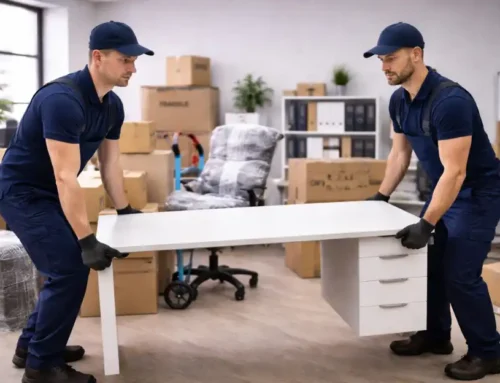
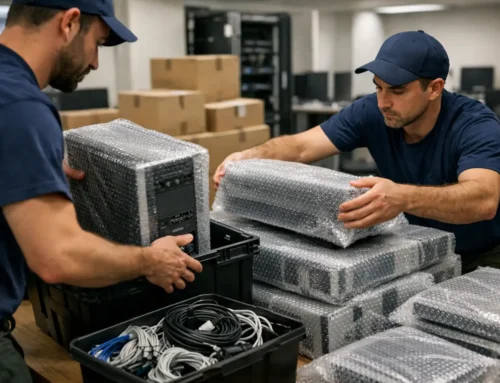
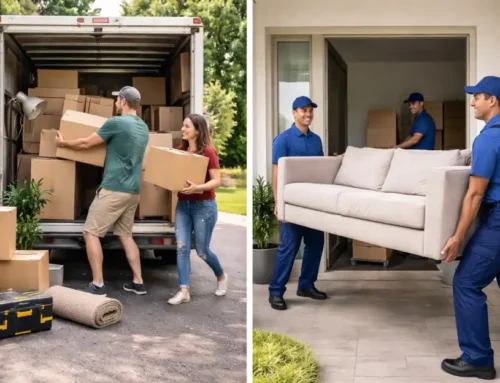
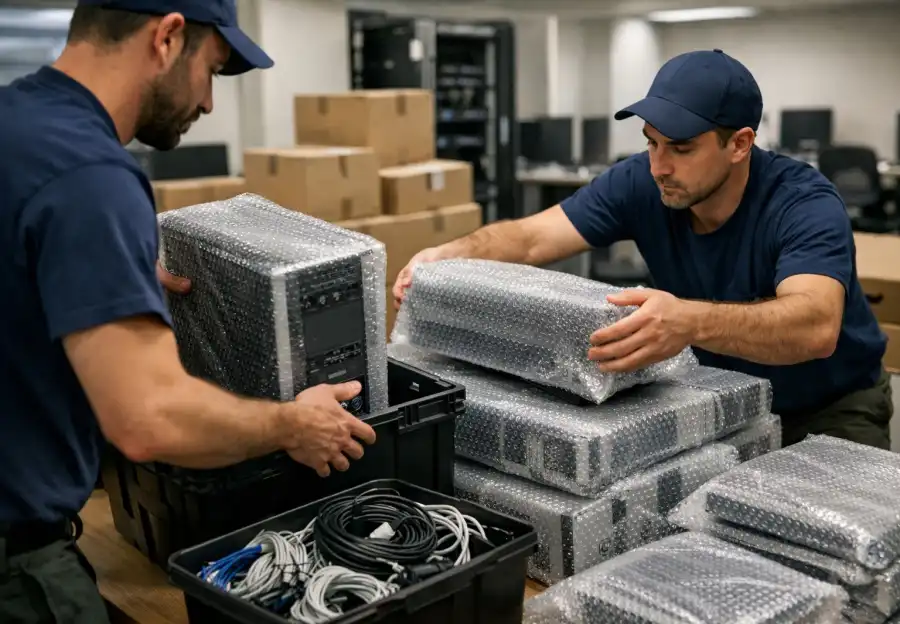
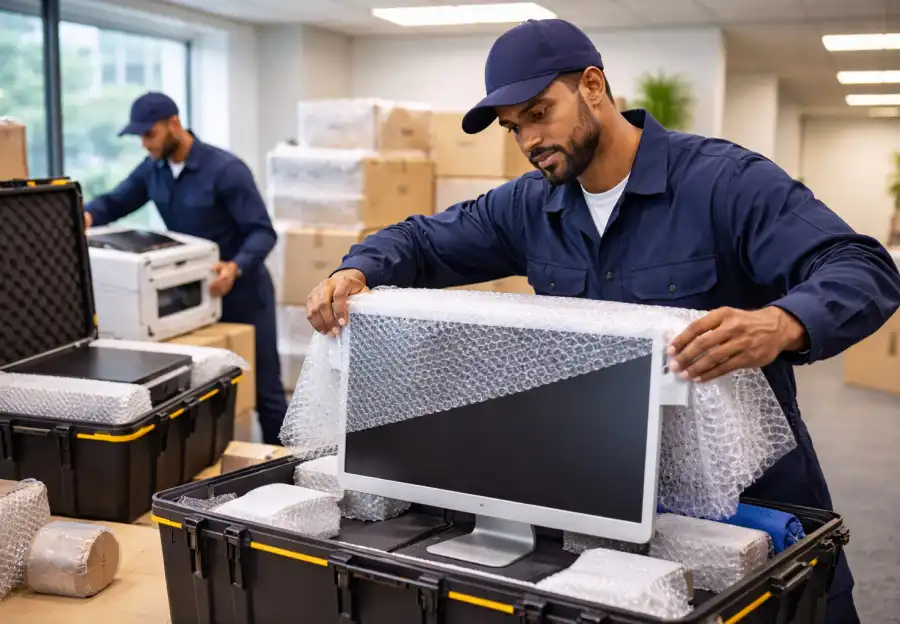
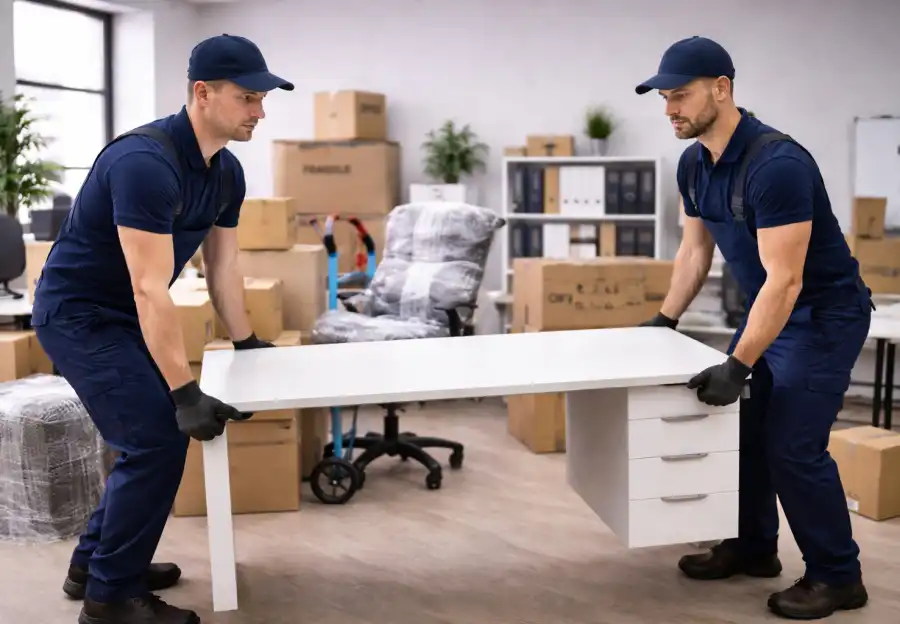
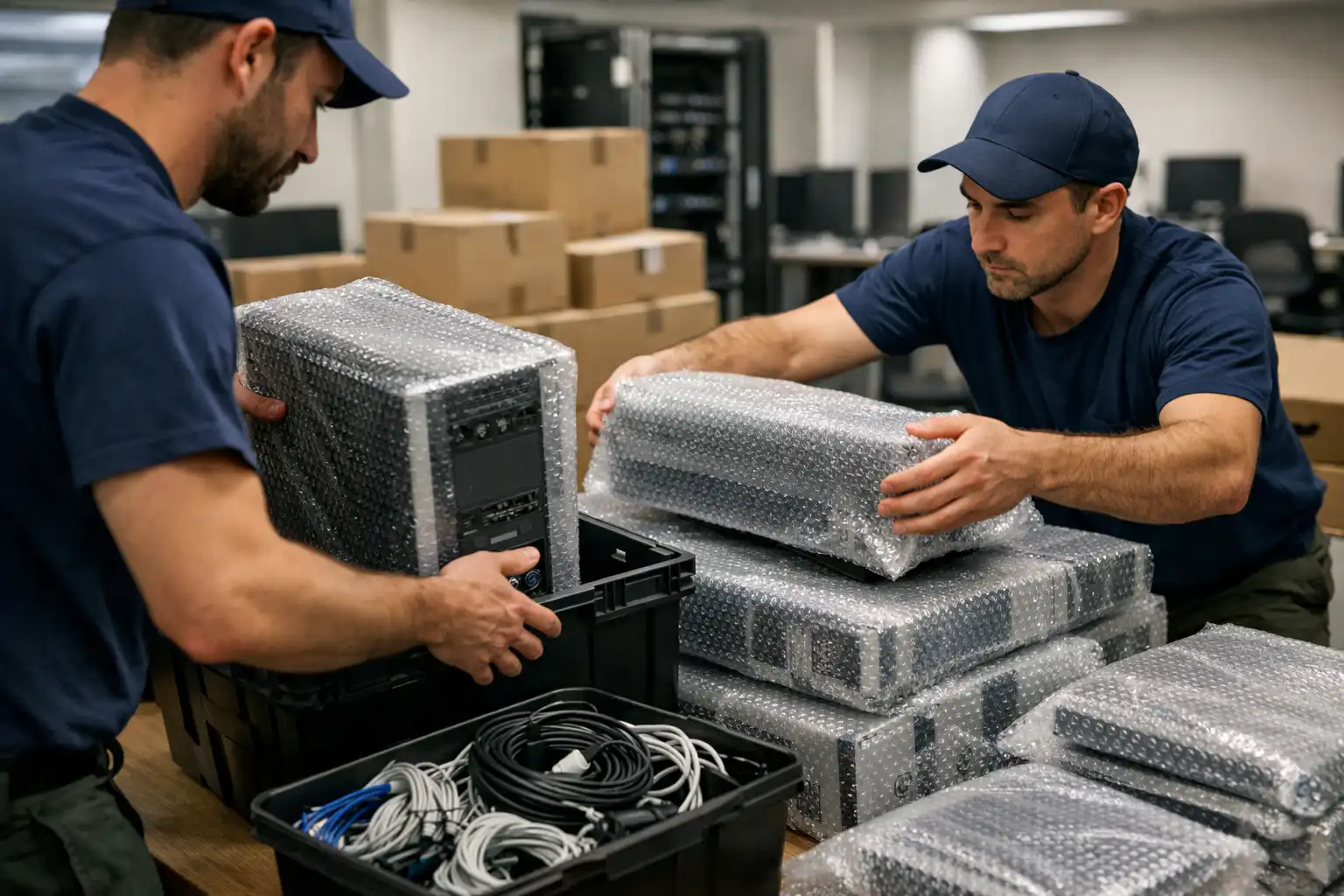
Hiring professional movers experienced in senior relocations can greatly ease the process. These professionals understand the physical and emotional considerations involved and are trained to handle delicate belongings, heavy furniture, and mobility equipment safely. They can assist with packing, loading, and navigating challenging spaces such as stairs or narrow hallways. This support reduces physical strain on seniors and family members, minimizes the risk of injury, and helps the move progress efficiently and securely.
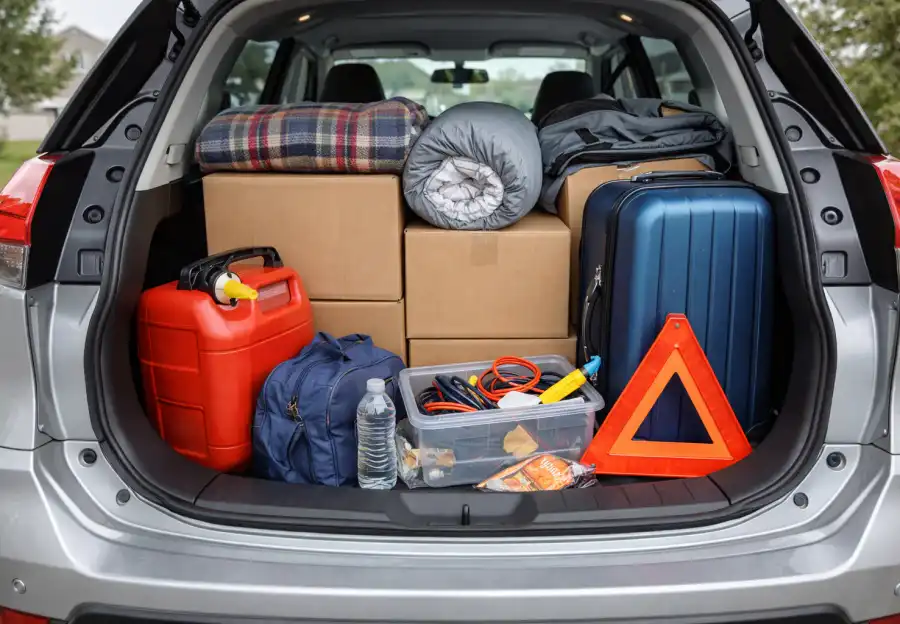
Maintaining familiar routines and comfort items is essential during a senior move. Familiar furniture, décor, photographs, and personal belongings provide a sense of continuity and reassurance. Packing a “first-day essentials” box with medications, clothing, toiletries, snacks, and important documents ensures immediate access to necessities. Placing familiar items prominently in the new home helps seniors feel grounded and reduces disorientation. These small but meaningful touches can significantly improve emotional comfort during the transition.
Clear communication and emotional support are equally important throughout the process. Moving can evoke feelings of loss, anxiety, or uncertainty for seniors. Maintaining open conversations, listening actively, and acknowledging their concerns fosters trust and reassurance. Involving them in decisions about furniture placement or room setup promotes empowerment and inclusion. Celebrating progress and milestones during the move can also help shift focus from stress to achievement, making the experience more positive.
Careful coordination of transportation and logistics is vital on moving day. Seniors may tire easily, so arranging comfortable, accessible transportation with planned rest stops, hydration, and bathroom access is essential. Coordinating schedules between movers, caregivers, and family members ensures smooth execution and prevents confusion. A calm, well-organized moving day protects physical well-being and helps seniors feel supported rather than overwhelmed.
Upon arrival at the new home, thoughtful setup is key to helping seniors settle in quickly. Frequently used items should be placed within easy reach, and furniture should be arranged to maximize mobility and safety. Creating familiar spaces such as the bedroom and kitchen first helps restore a sense of normalcy. Gradually introducing seniors to the new neighborhood, nearby medical facilities, and social opportunities supports engagement and reduces feelings of isolation.
Ultimately, patience, flexibility, and consistent support make all the difference when moving with seniors. Adjustment takes time, and each individual’s needs and pace will vary. By planning early, respecting emotional attachments, addressing medical needs, hiring experienced movers, maintaining routines, and offering continuous reassurance, families can ensure a relocation that is safe, dignified, and empowering. With empathy and careful attention, moving with seniors can become a positive step toward comfort, independence, and a fulfilling new chapter.