
December 23, 2025
How to Move Efficiently with Kids
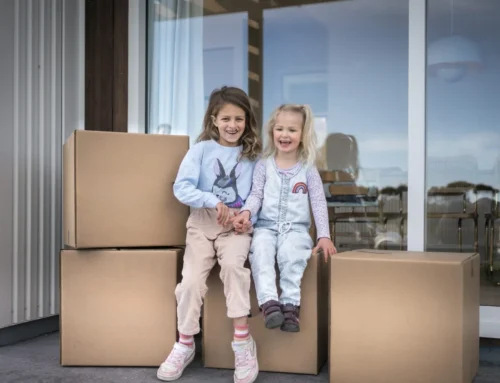
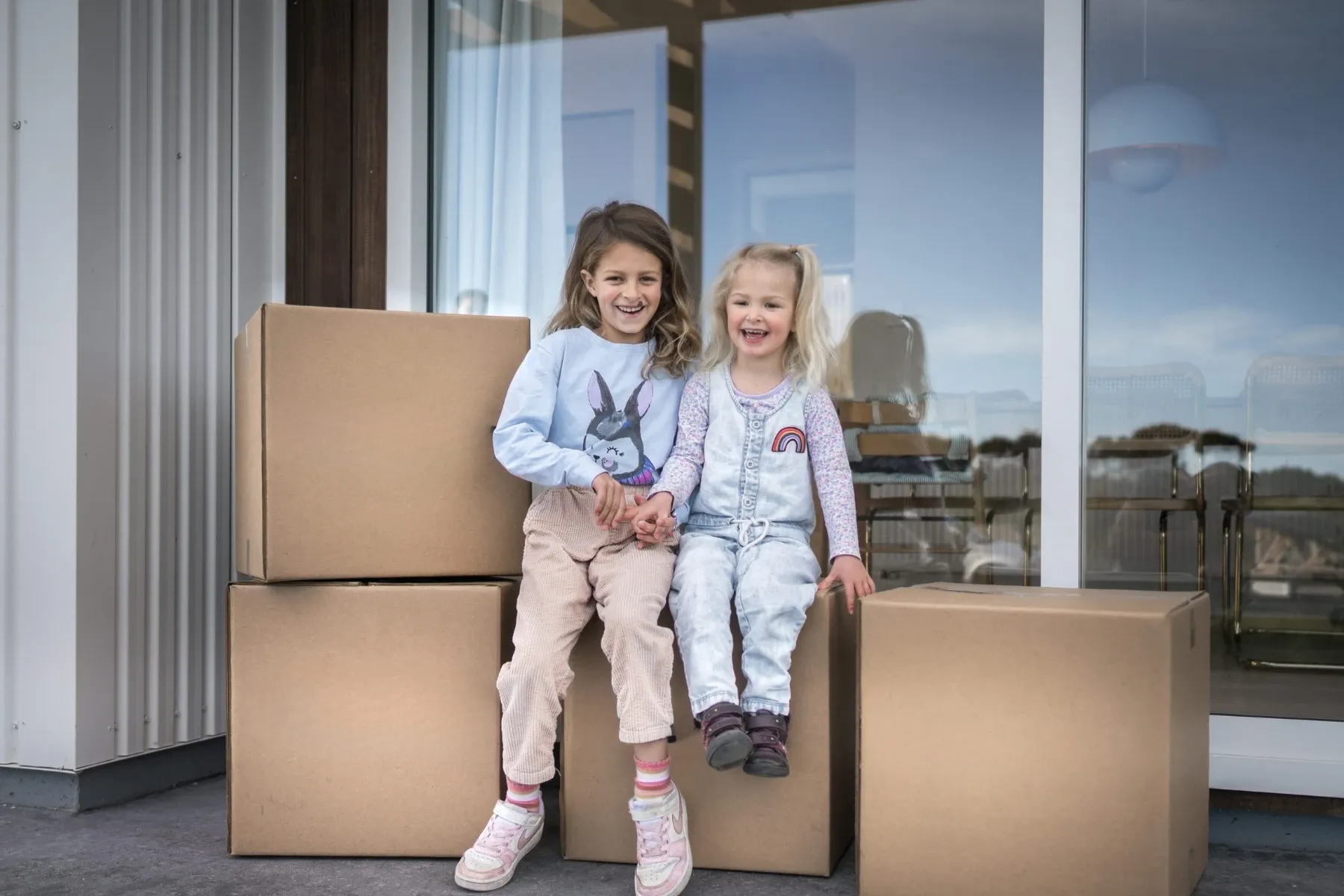
Moving to a new home is always a complex and sometimes stressful process, but when children are involved, the challenges increase significantly. Kids thrive on routine, familiarity, and predictability, so a move can feel overwhelming for them if it is not handled with care. For parents, moving efficiently with children requires thoughtful planning, emotional awareness, and strong organization to ensure the transition is as smooth and stress-free as possible for the entire family.
The most important step in moving with kids is preparation well in advance. Last-minute decisions often lead to chaos, confusion, and anxiety, which children quickly absorb. Planning early allows parents to stay calm and gives children time to mentally adjust to the upcoming change. Involving kids early in the process is especially helpful. Explaining what is happening in age-appropriate terms and assigning small tasks helps children feel included rather than anxious about the unknown.
Creating a detailed moving checklist is essential for staying organized. This checklist should cover every stage of the move, including decluttering, packing, scheduling movers, setting up utilities, and transportation. It is especially helpful to include a section focused on children’s needs, such as packing toys, books, comfort items, and favorite clothing separately. Having these familiar items easily accessible can provide emotional comfort and reduce stress during the move.
Decluttering before packing is another critical step that benefits both parents and children. Reducing the number of items to move makes the process faster and more efficient, while also teaching children valuable lessons about organization and letting go of things they no longer need. Parents can involve children by encouraging them to donate toys or clothes they have outgrown, turning the experience into a positive lesson about generosity and responsibility.
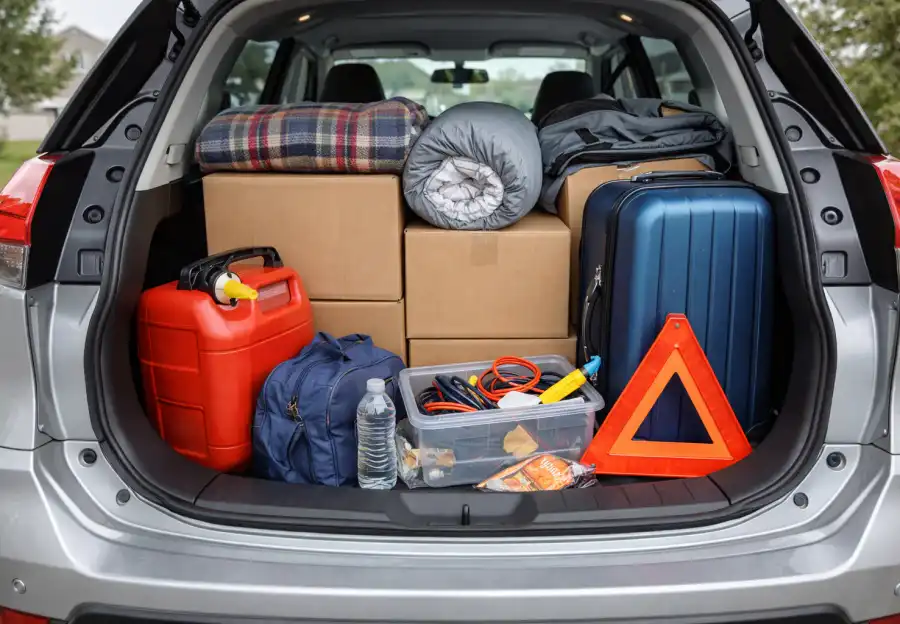
Packing “moving essentials” boxes for children is a highly effective strategy. These boxes should include snacks, water, toiletries, extra clothes, favorite toys, books, and comfort items. Keeping these essentials nearby ensures that children’s immediate needs are met on moving day. Clearly labeling boxes with each child’s name and room assignment also helps prevent confusion and makes unpacking easier at the new home.
During the packing process, children can be given small, manageable responsibilities such as labeling boxes, sorting toys, or helping pack lightweight items under supervision. This involvement reduces boredom and helps children feel useful and included. However, parents should remain patient and realistic, understanding that children have limited attention spans and may become distracted easily.
Scheduling the move in a way that preserves routines is another important consideration. Avoiding major disruptions such as school exams or bedtime routines can help maintain stability. If the move takes place during school breaks, parents can plan engaging activities to keep children occupied while packing and traveling.
On moving day, organization and supervision are key. Ideally, one parent or trusted caregiver should focus solely on the children, while the other manages movers, logistics, and transportation. Simple activities like coloring, puzzles, games, or short videos can keep kids entertained. Regular breaks for snacks, stretching, and movement help prevent frustration and fatigue.
Clear and consistent communication throughout the process is vital. Parents should reassure children, validate their feelings, and encourage them to express emotions such as excitement, fear, or sadness. Feeling heard and supported helps children process the transition in a healthy way.
Once at the new home, setting up children’s rooms first can significantly ease the adjustment. Seeing familiar belongings and having their own space quickly re-established helps children feel safe and grounded. Maintaining familiar routines such as meal times and bedtime rituals also provides comfort amid change.
Exploring the new neighborhood together can turn uncertainty into excitement. Visiting nearby parks, schools, libraries, and shops helps children feel connected and curious about their new surroundings. For long-distance moves, careful travel planning is essential, including frequent breaks, snacks, entertainment, and comfort items.
Emotional preparation should not be overlooked. Parents should explain the reasons for the move, highlight positive opportunities, and acknowledge challenges honestly. Staying in touch with teachers, caregivers, or pediatricians can also help monitor children’s emotional well-being during the transition.
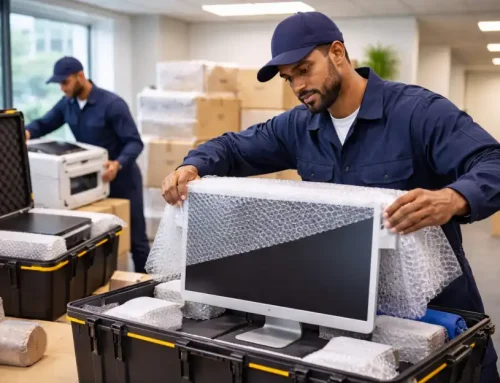
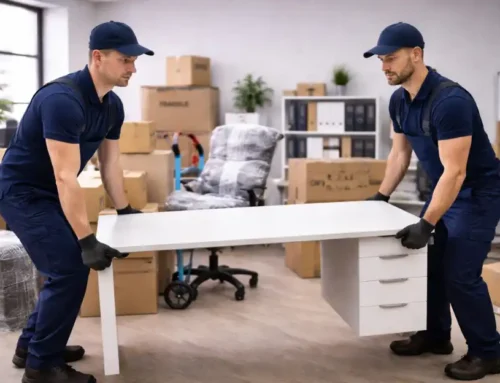
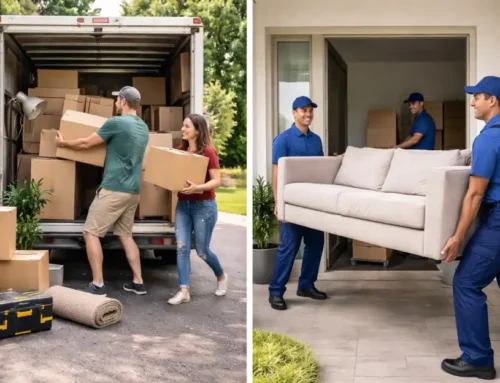
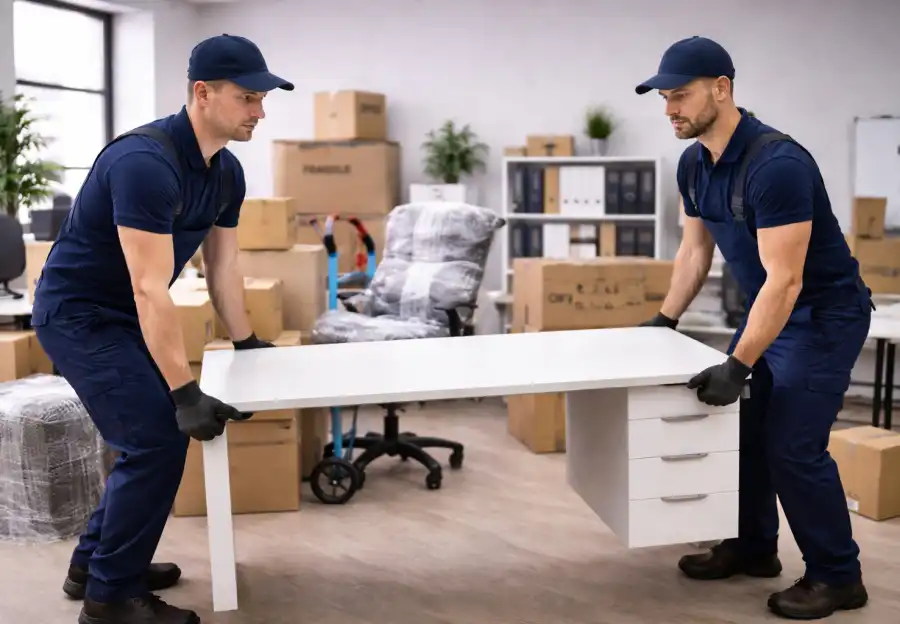
Hiring professional movers can significantly reduce physical stress, allowing parents to focus on their children’s needs. Framing the move as an adventure, celebrating milestones, and turning unpacking into a family activity can create positive memories and strengthen family bonds.
Ultimately, moving efficiently with kids requires a balance of planning, empathy, routine, and flexibility. With the right approach, a move can become a positive shared experience that helps children feel secure, supported, and excited about their new beginning.