
January 19, 2026
How to Manage Time on Moving Day
Managing time on moving day is one of the most critical factors in ensuring a smooth, efficient, and stress-free relocation, because moving involves coordinating numerous tasks simultaneously, including packing, loading, transportation, unloading, and unpacking. Without proper time management, even a well-organized move can quickly become chaotic and overwhelming. The first step in effective time management is planning in advance. Creating a detailed moving day schedule allows you to allocate specific time slots for each task, identify high-priority items, and account for potential delays or unforeseen challenges. This schedule should begin well before moving day by arranging the moving company or rental truck, confirming arrival times, gathering necessary supplies, and organizing belongings into manageable categories. Doing so ensures that movers, family members, and helpers are aligned on expectations and responsibilities, reducing the likelihood of wasted time or confusion.
Prioritization of tasks is another key component of effective time management, because not all tasks carry the same level of urgency. Focusing first on essential items such as fragile or high-value possessions, necessary utilities, and important documents prevents last-minute scrambling and ensures that critical items are handled appropriately. Less essential tasks, such as packing miscellaneous items or decorative objects, can be scheduled for later in the day or even days in advance. This approach allows the move to progress in a logical, efficient sequence without bottlenecks or unnecessary interruptions, while ensuring that the most important items receive the attention they require.
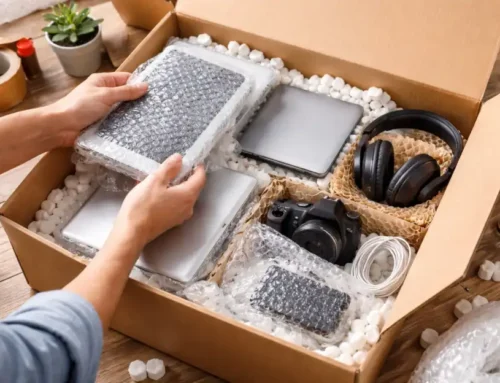
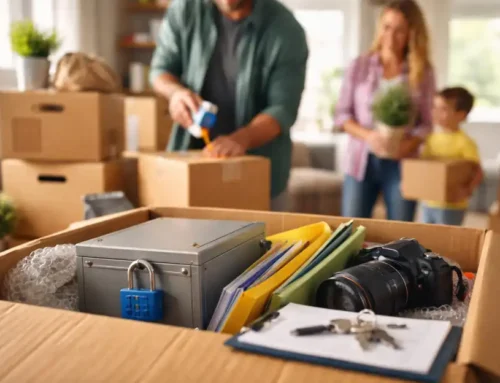
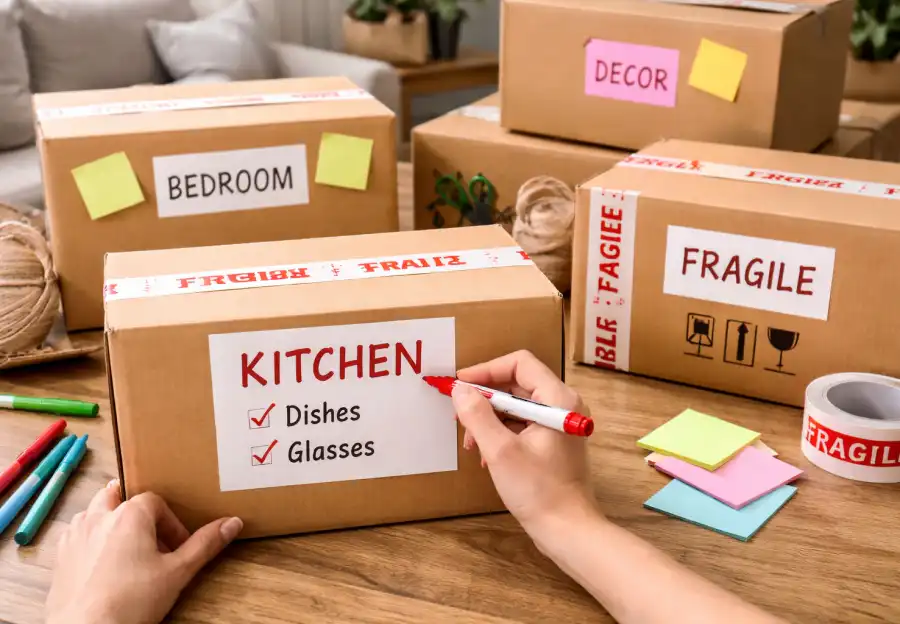
Preparing an organized packing system is equally important. Allocating specific boxes, labeling them clearly, and categorizing belongings by room or function not only speeds up packing but also simplifies loading and unloading, while ensuring that items are easy to find upon arrival in the new home. Using color-coded labels, numbered boxes, or a checklist of contents saves time by preventing repeated searches for particular items, reducing stress, and enhancing overall efficiency. Packing essential items in a separate “first-day” box guarantees immediate access to necessities without disrupting the rest of the move, which can be particularly helpful during the first night in a new home.
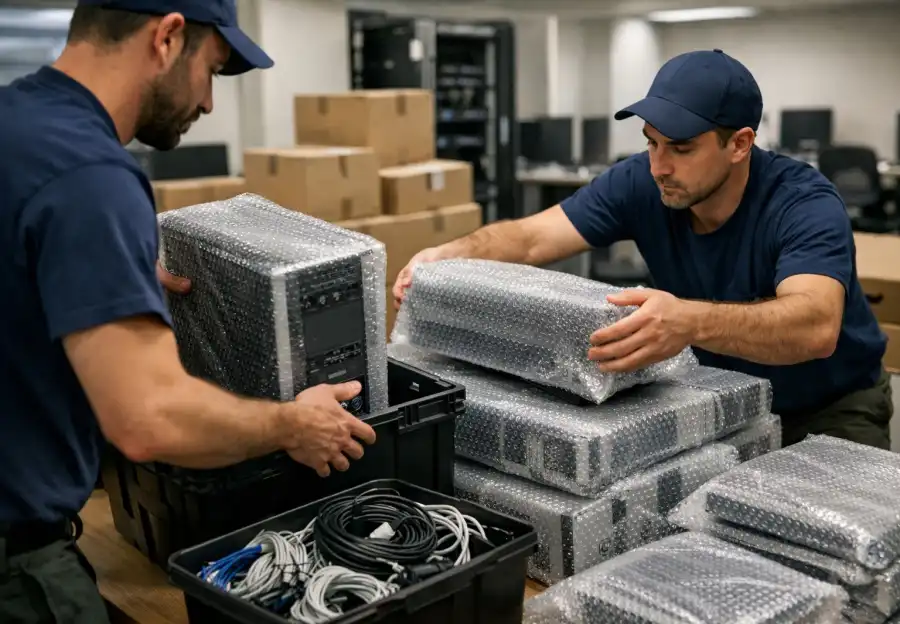
Time management also involves coordinating effectively with movers or helpers. Clear communication of expectations, arrival times, and responsibilities ensures that everyone is working in sync. Providing instructions about fragile items, large furniture, and high-priority boxes prevents delays or accidents, while checking in with movers periodically throughout the day helps monitor progress, address potential obstacles quickly, and adjust plans as needed. This oversight maintains momentum and reduces downtime, ensuring that tasks proceed smoothly and according to schedule.
Another strategy for managing time effectively is preparing your home in advance. Completing tasks such as clearing pathways, disconnecting appliances, removing wall-mounted items, and protecting floors or walls before movers arrive saves valuable minutes or even hours on moving day. Ensuring that movers can access rooms easily and work efficiently reduces delays, while pre-loading small or non-essential items into vehicles, if feasible, further streamlines the process and allows more time for critical tasks.
Creating a realistic timeline is crucial. Estimating the time required for each task, factoring in travel time, meal breaks, and unexpected delays, prevents underestimating the scope of the move, which is a common source of stress. Building buffer time into the schedule provides flexibility to handle delays such as traffic, bad weather, or last-minute packing needs. Using a timer or a moving day checklist helps keep everyone focused and on schedule, reinforcing accountability and reducing the temptation to linger on minor tasks that could disrupt the overall flow.
Minimizing distractions is another effective way to manage time. Turning off phones, limiting social media use, and designating one person to handle communication or coordination allows movers and family members to stay focused on the tasks at hand. Having all essential supplies, tools, and materials readily available avoids unnecessary interruptions, while preparing snacks, water, and meals in advance ensures that energy levels remain high without frequent breaks that disrupt workflow.
Delegating tasks wisely is also key. Assigning responsibilities according to individual strengths or familiarity with items enhances speed and efficiency while preventing confusion or duplicated effort. Having a designated person in charge of overseeing the timeline, checking off completed tasks, and troubleshooting any issues ensures accountability, coordination, and steady progress throughout the day. This leadership role keeps the moving process organized and prevents minor setbacks from escalating into major delays.
Packing for immediate needs, such as an emergency box with toiletries, important documents, and essential clothing, saves time later, because these items can be accessed quickly without unpacking multiple boxes. Similarly, having a clear plan for loading and unloading the truck prevents wasted time moving items multiple times. Strategically placing boxes by room, labeling them clearly, and using proper equipment such as dollies, sliders, or straps allows for faster and safer handling, reducing overall effort while keeping the schedule on track.
Finally, maintaining a calm and focused mindset is critical for effective time management. Moving day can be hectic, and rushing, panicking, or becoming frustrated often results in mistakes, injuries, or overlooked items that ultimately slow down progress. Pacing the work, staying organized, and following the pre-established schedule ensures that tasks are completed efficiently, safely, and in order. By combining detailed planning, prioritization, pre-packing, clear communication, realistic timelines, strategic delegation, and a focus on essential items, homeowners can successfully manage time on moving day. This transforms a potentially stressful and overwhelming experience into a controlled, organized, and productive process, demonstrating that careful time management is one of the most powerful tools for ensuring a successful relocation from start to finish.