January 5, 2026
How to Keep Your Belongings Safe During a Move
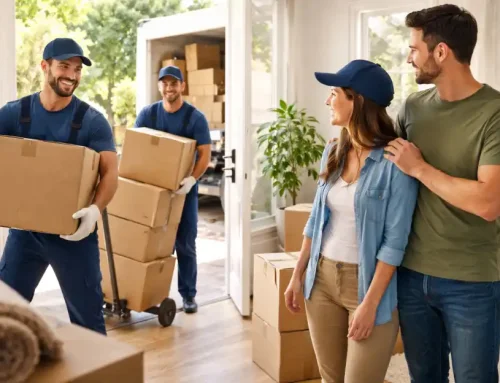
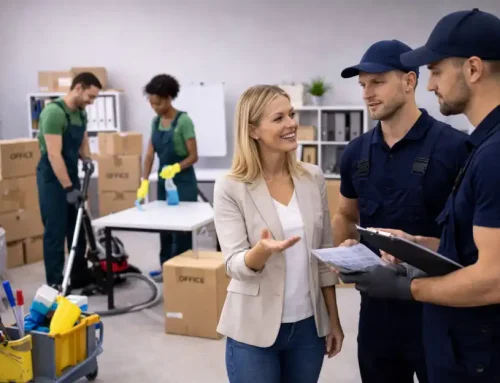
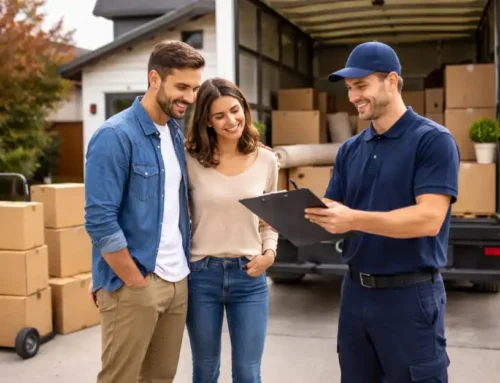
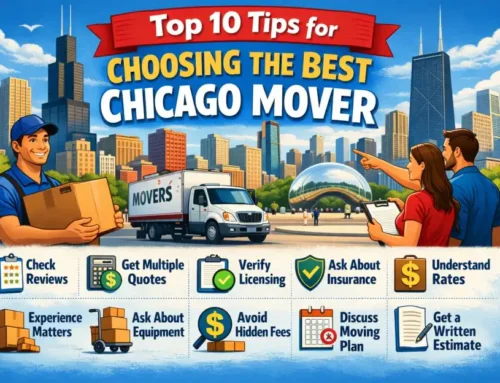
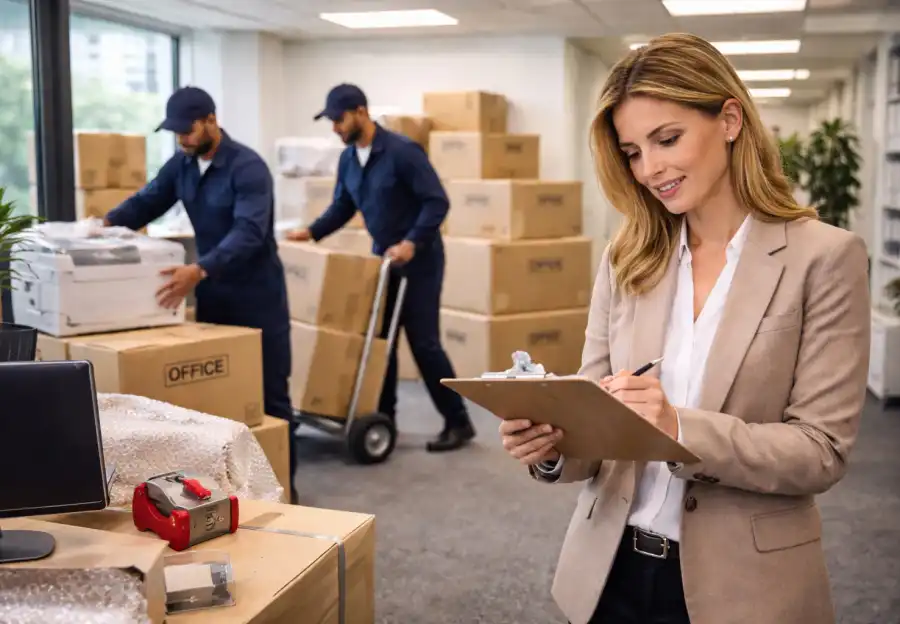
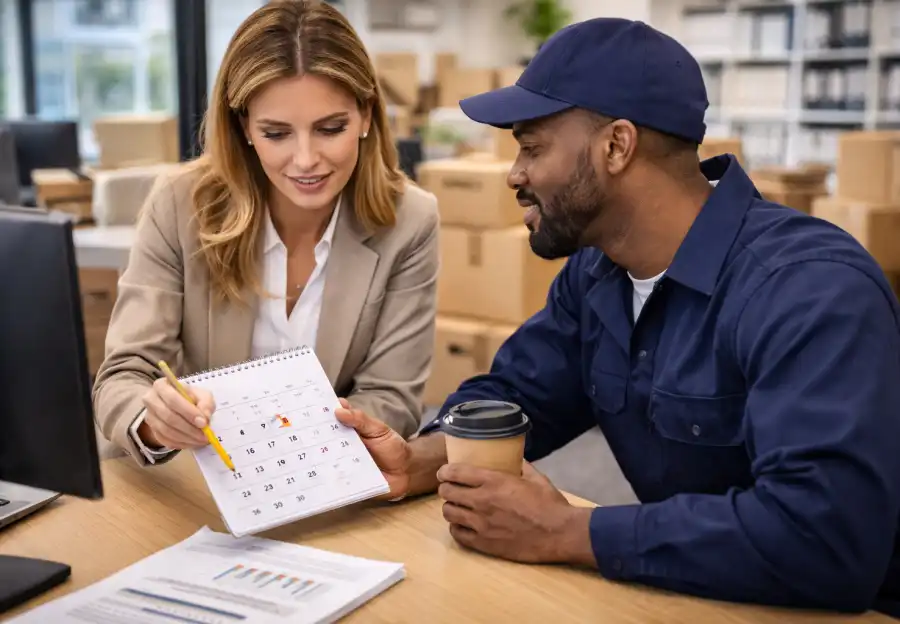
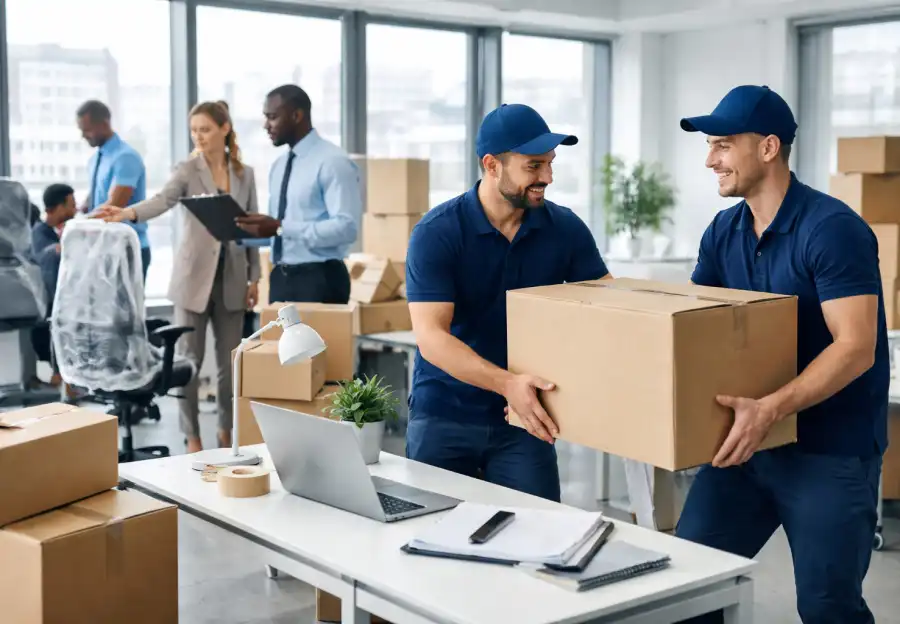
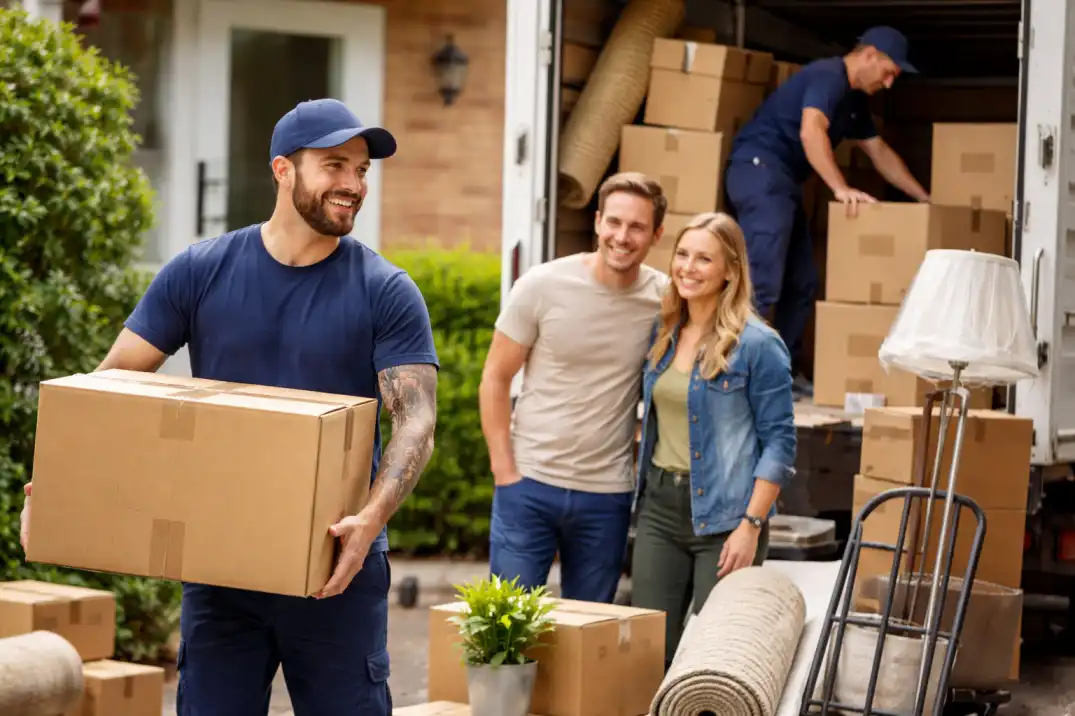
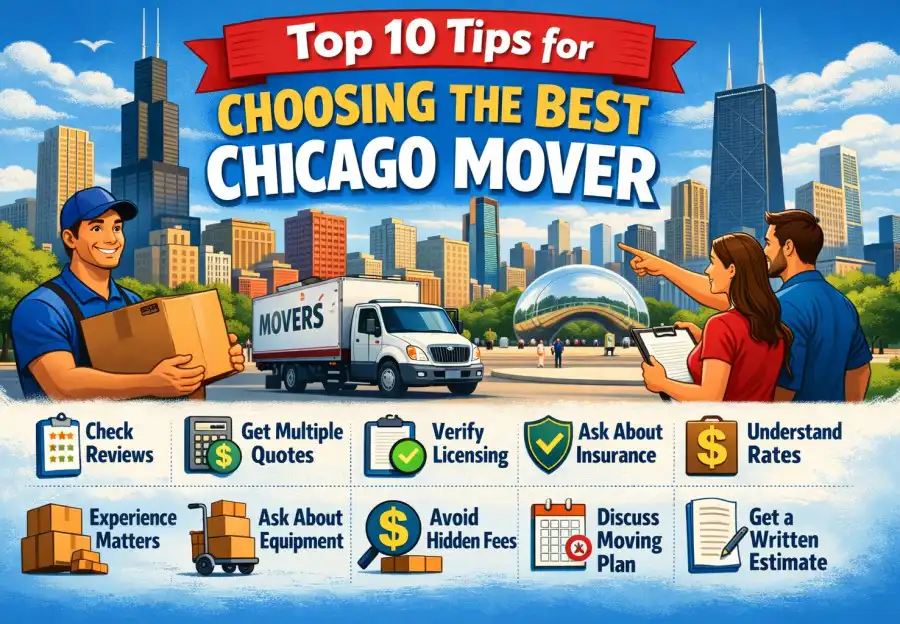
Keeping your belongings safe during a move is one of the most important priorities in any relocation. A move involves multiple stages where items can be exposed to damage, loss, or even theft, so protecting your possessions requires careful planning, organization, and proactive decision-making from the very beginning. The first and most critical step is selecting the right moving company. Choosing licensed, insured, and reputable movers ensures that trained professionals handle your belongings using proper equipment, proven packing techniques, and safe transport procedures. Verifying credentials, reading customer reviews, and checking references greatly reduces the risk of hiring unreliable or fraudulent movers who could compromise the safety of your items.
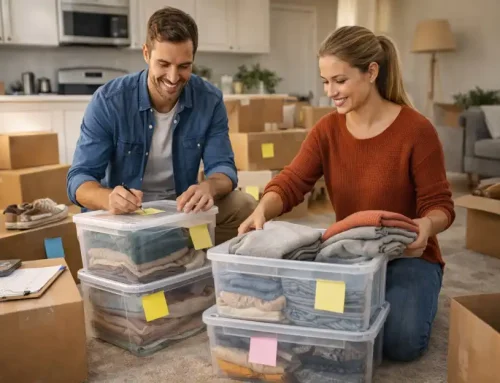
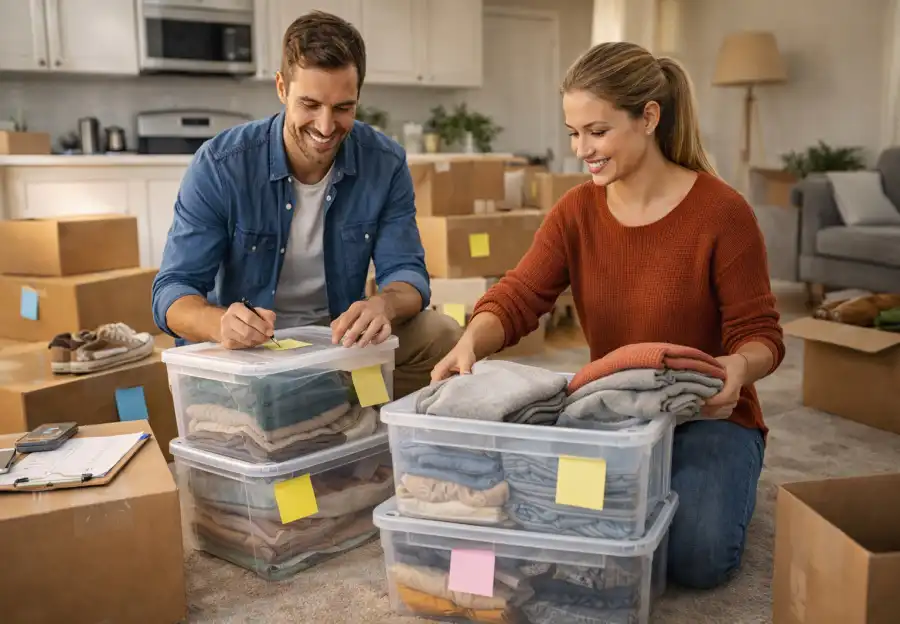
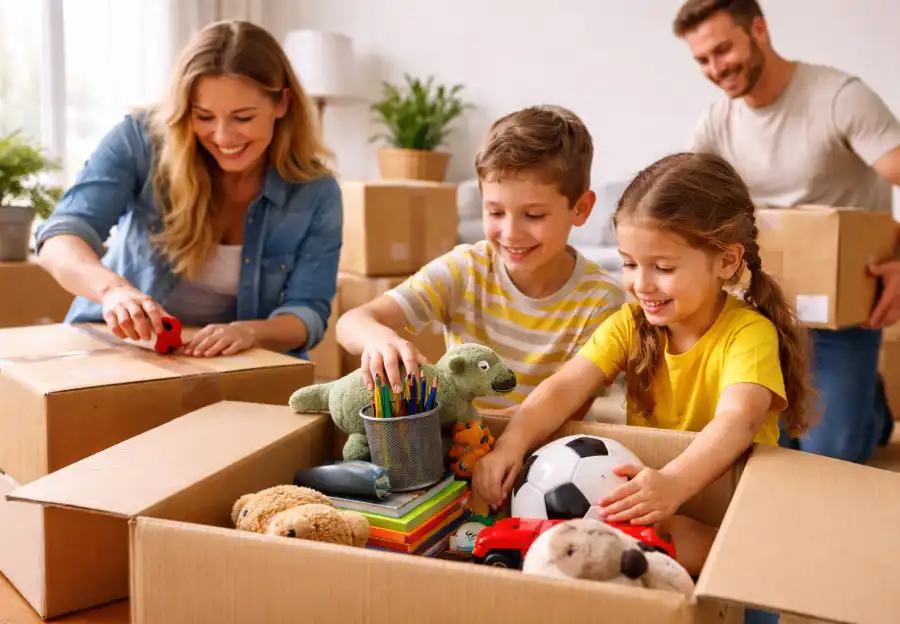
Decluttering and organizing your belongings before packing is another essential safety measure. Reducing the number of items you move allows you to focus your attention on the belongings that truly matter. Sorting items by type, fragility, and value helps you plan how each category should be packed and transported. This process also gives you the opportunity to donate, sell, or discard items you no longer need, minimizing clutter and lowering the risk of damage. Fewer items mean fewer opportunities for accidents, making the move easier to manage and safer overall.
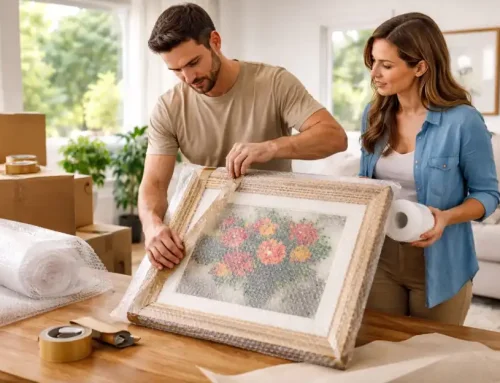
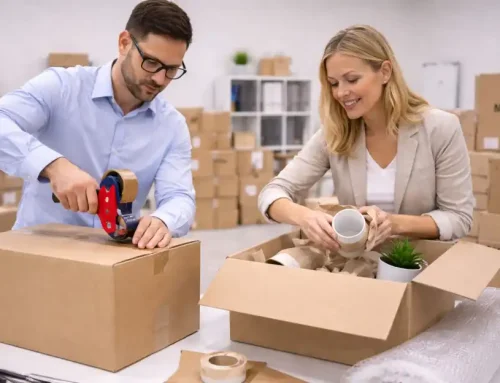
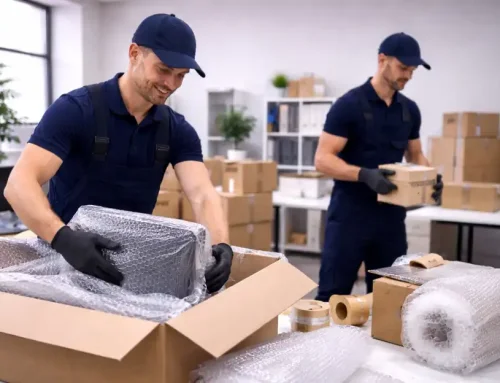
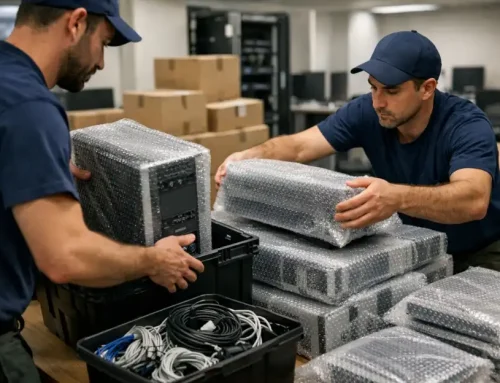
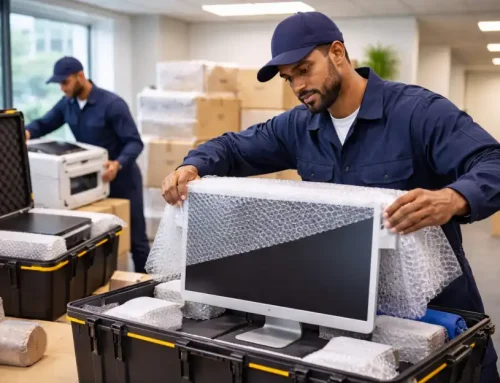
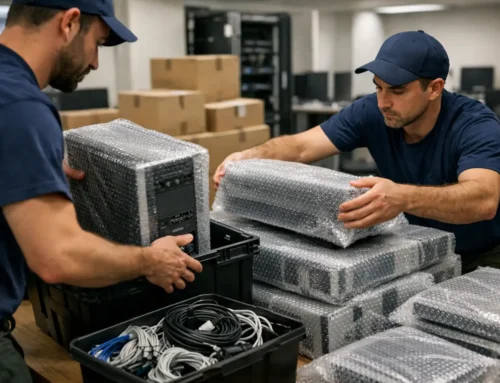
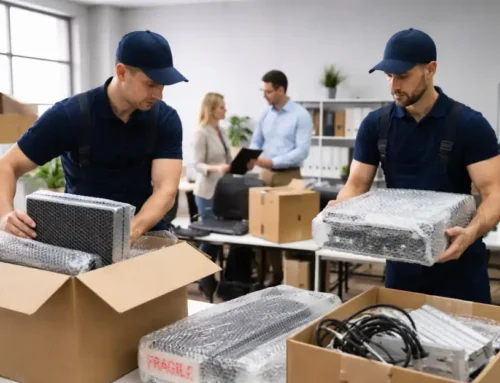
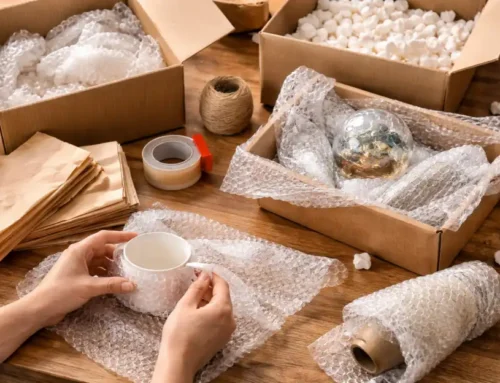
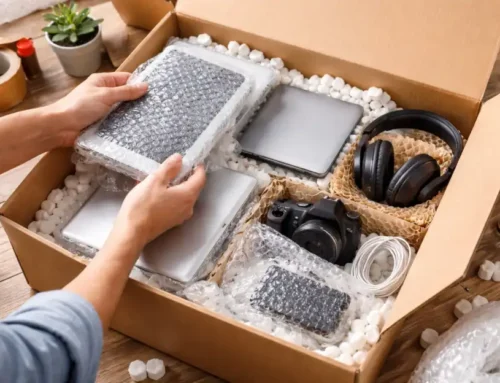
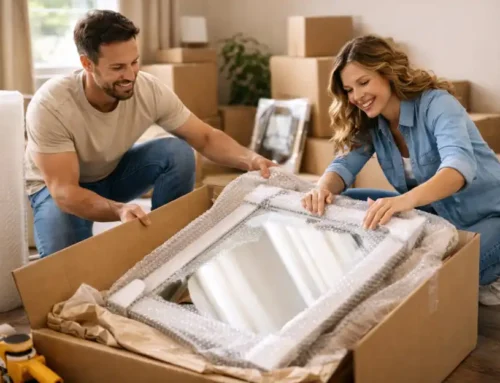
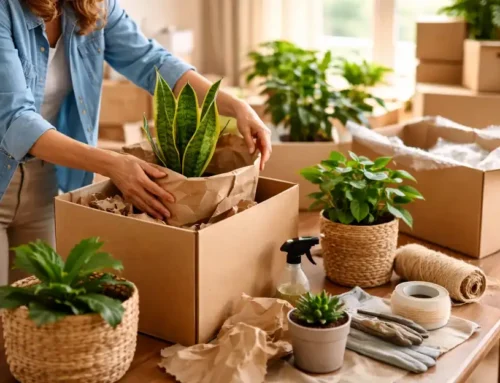
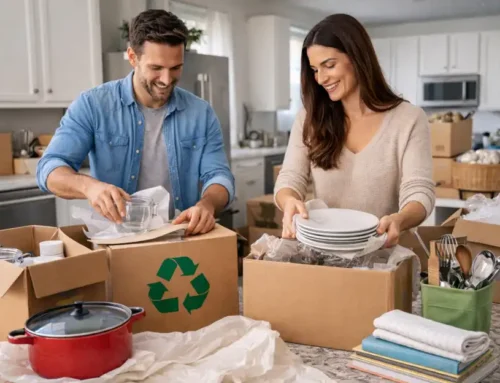
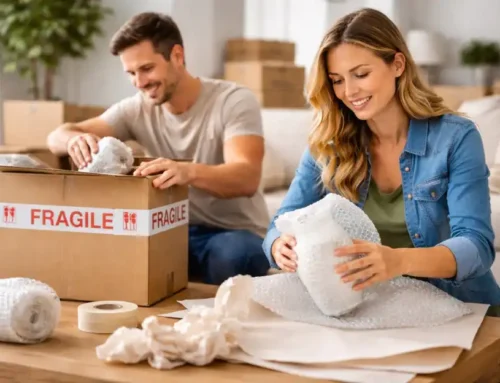
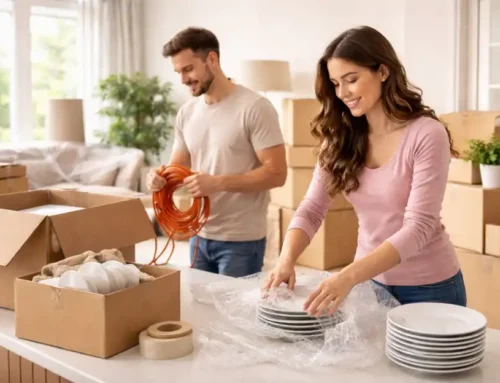
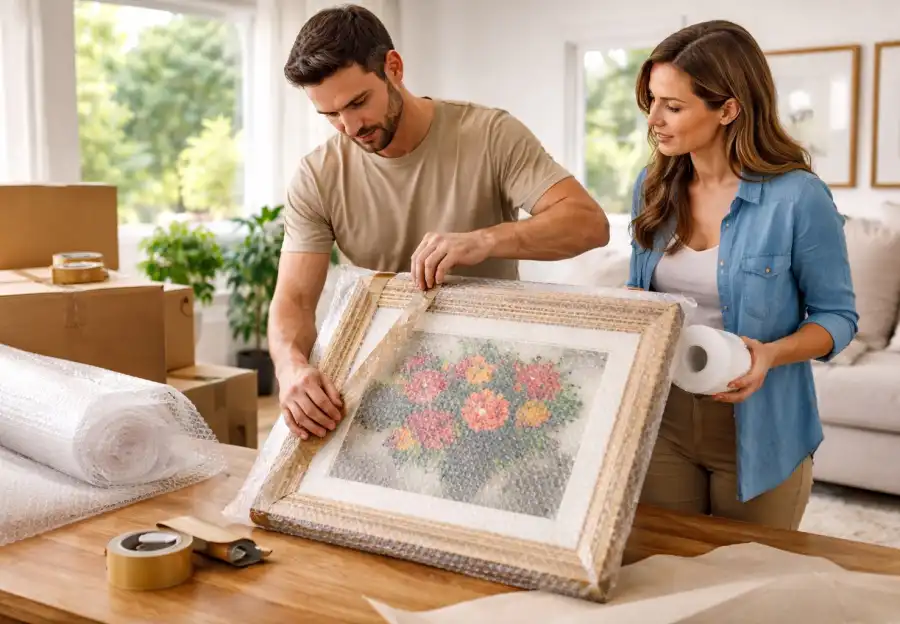
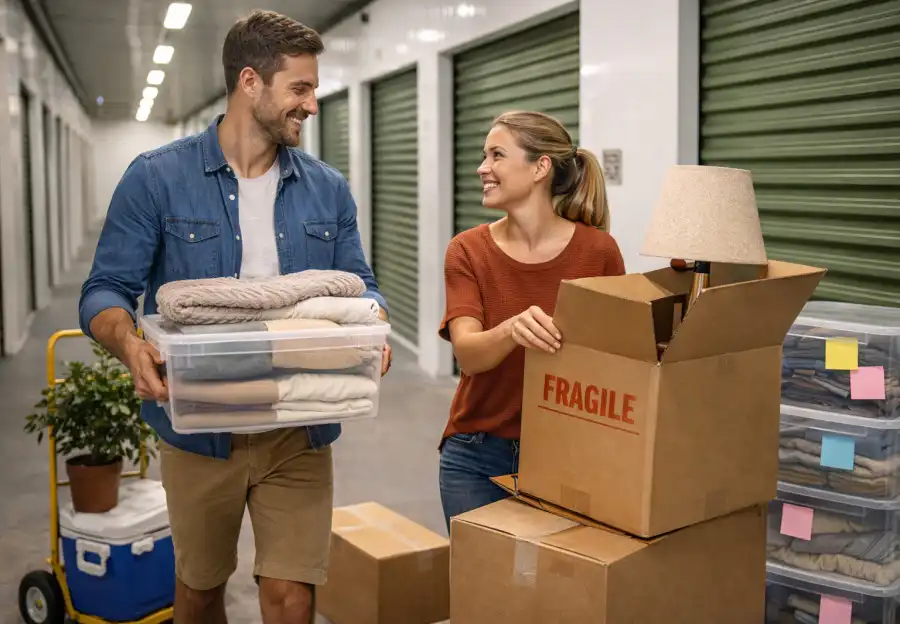
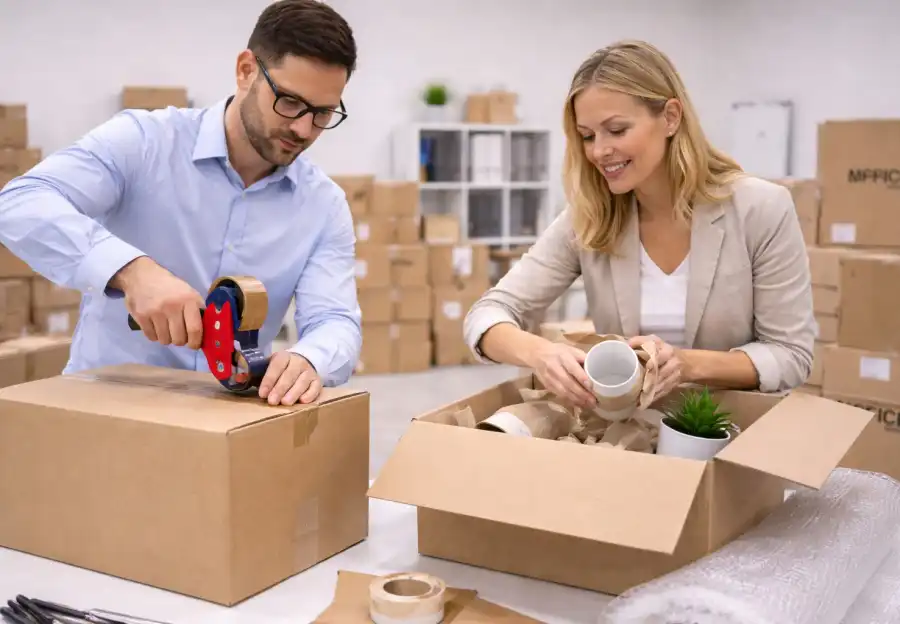
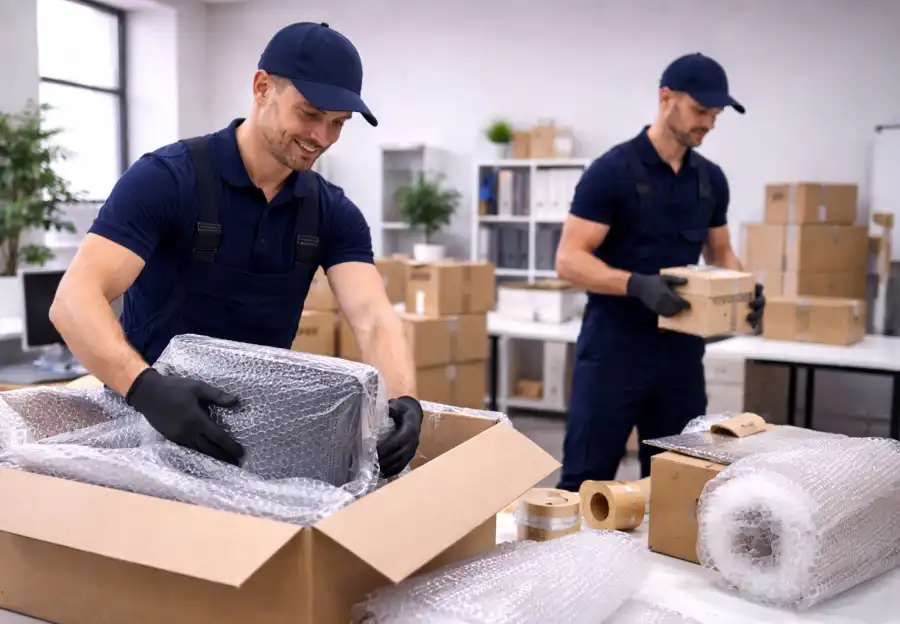
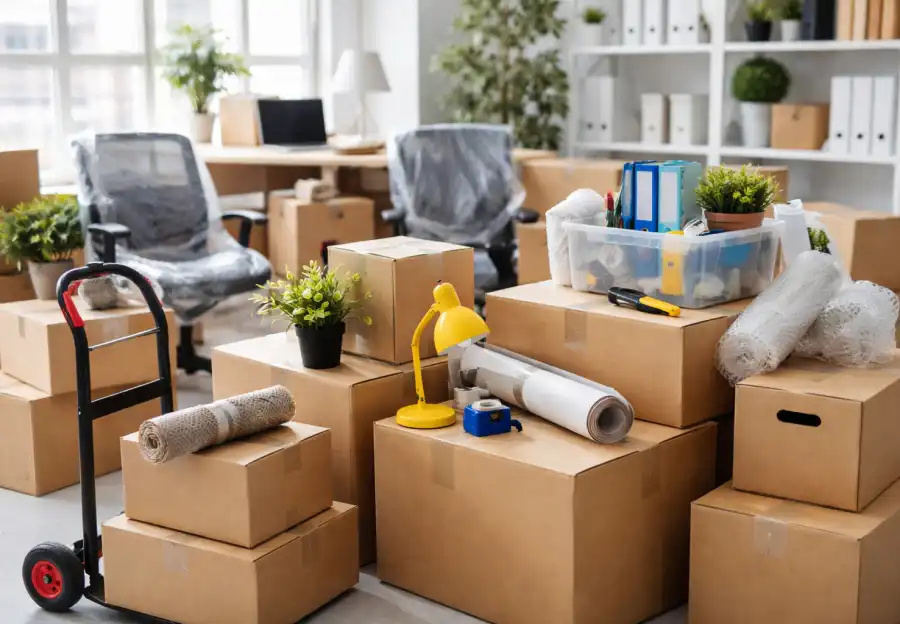
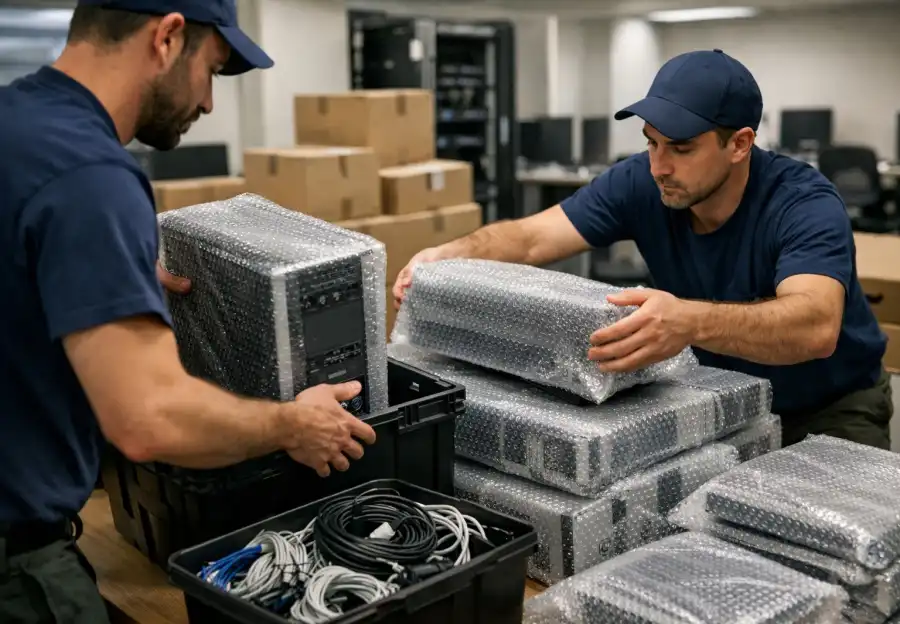
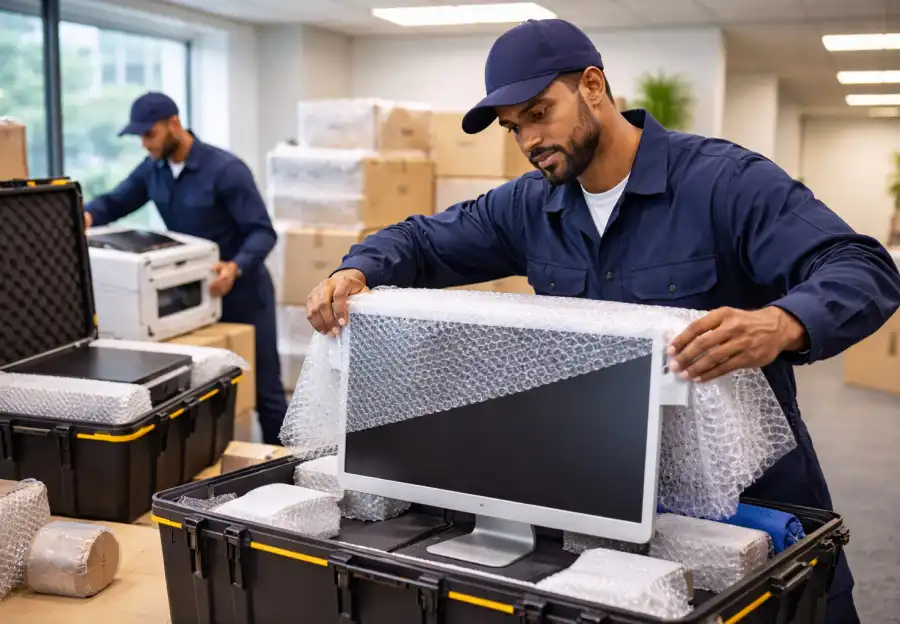
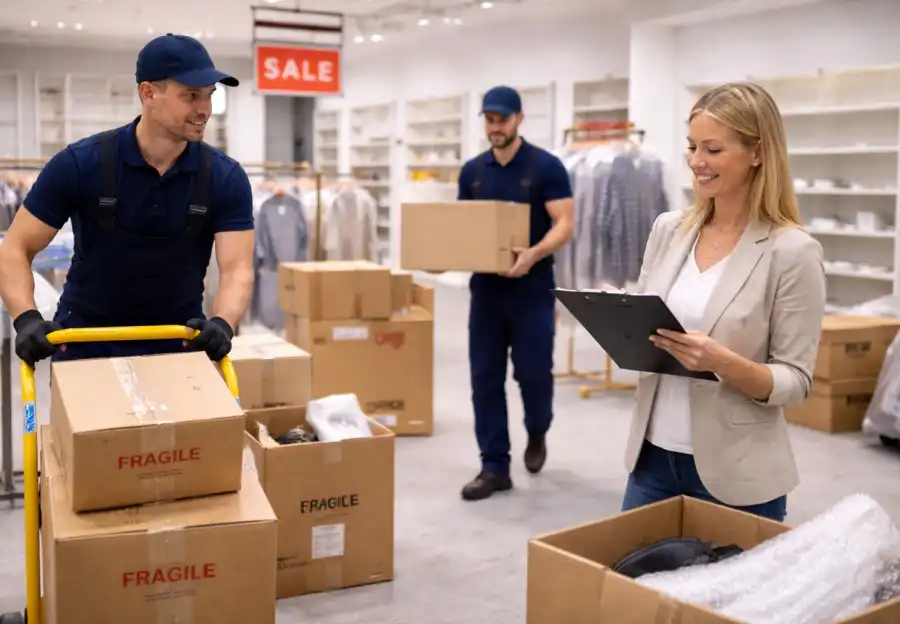
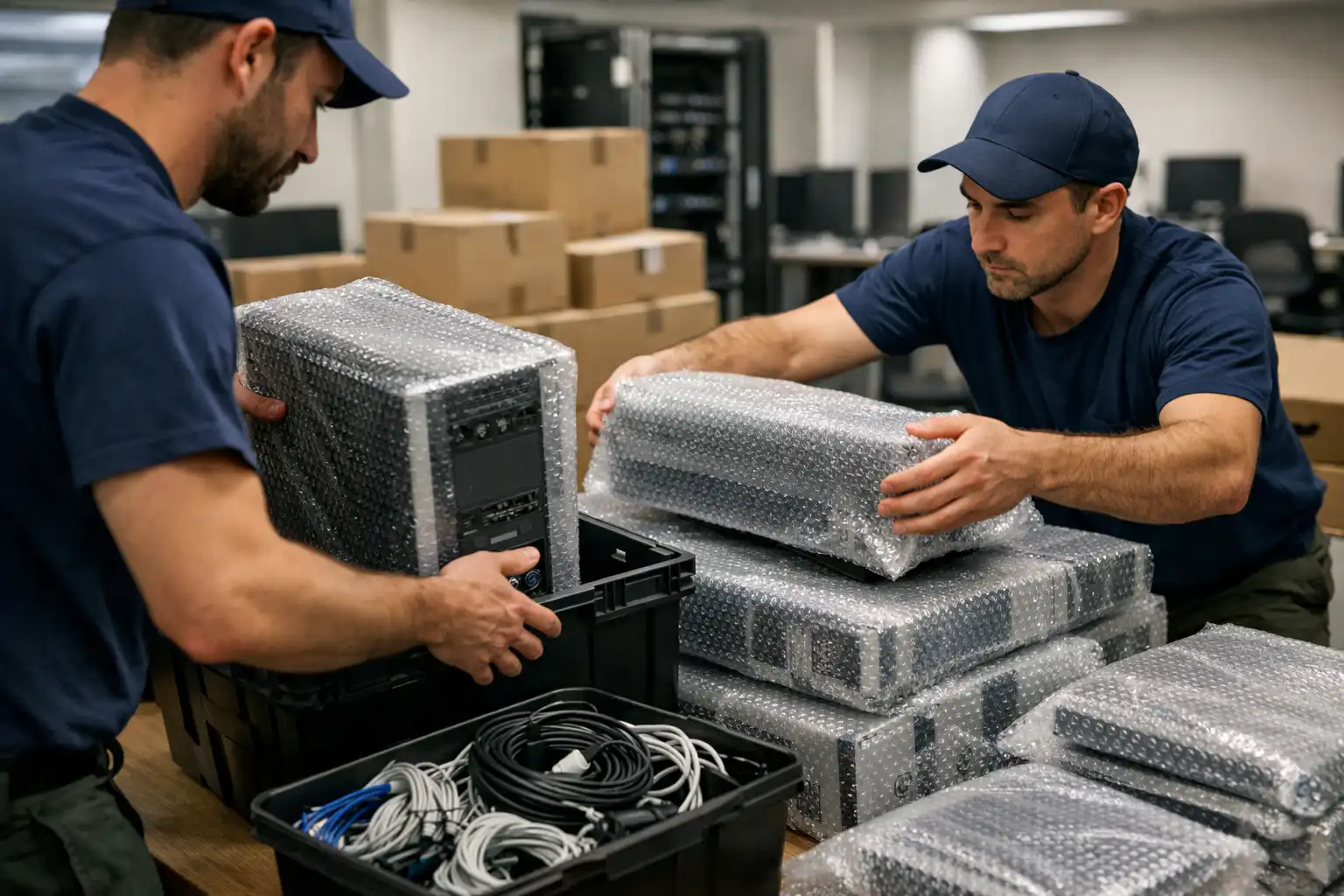
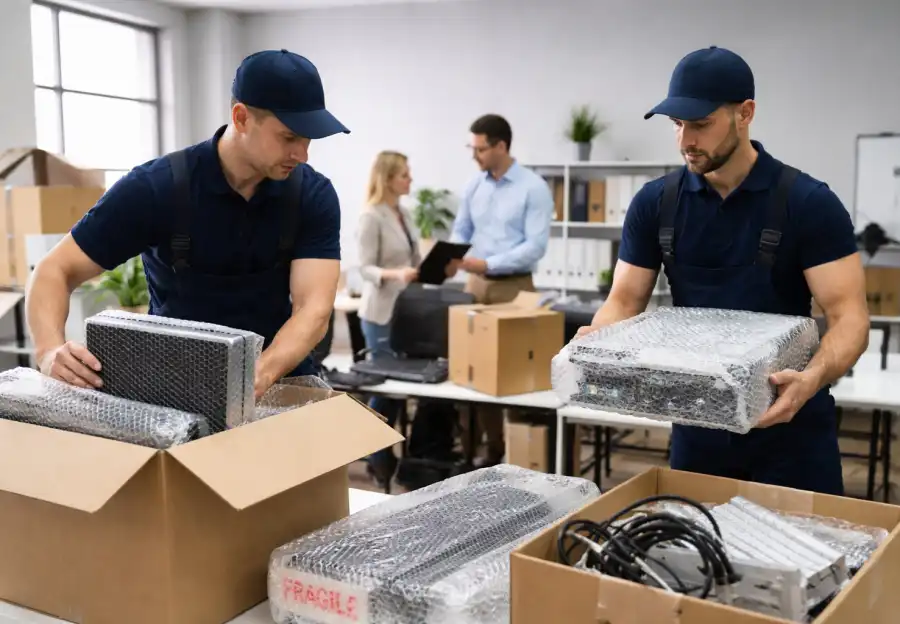
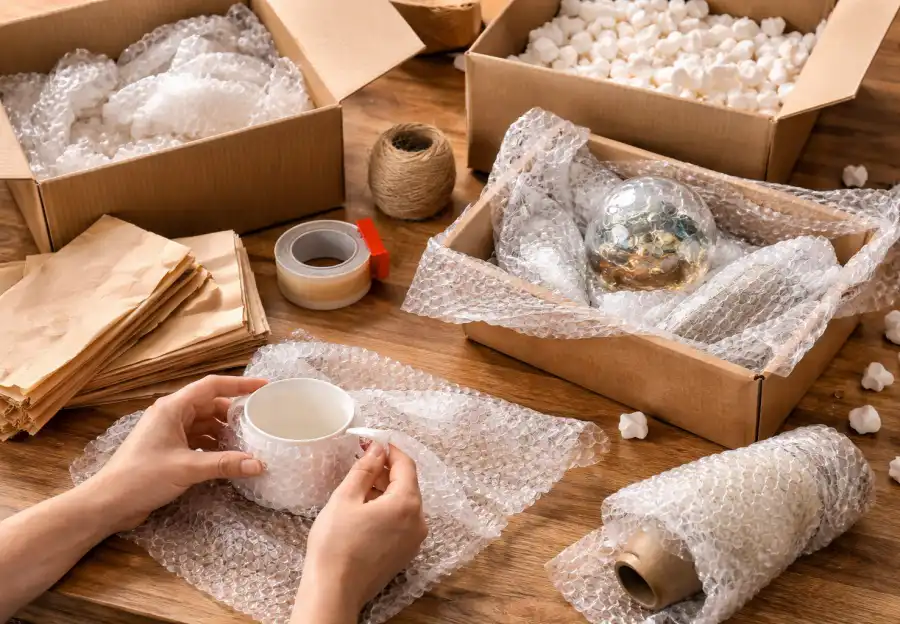
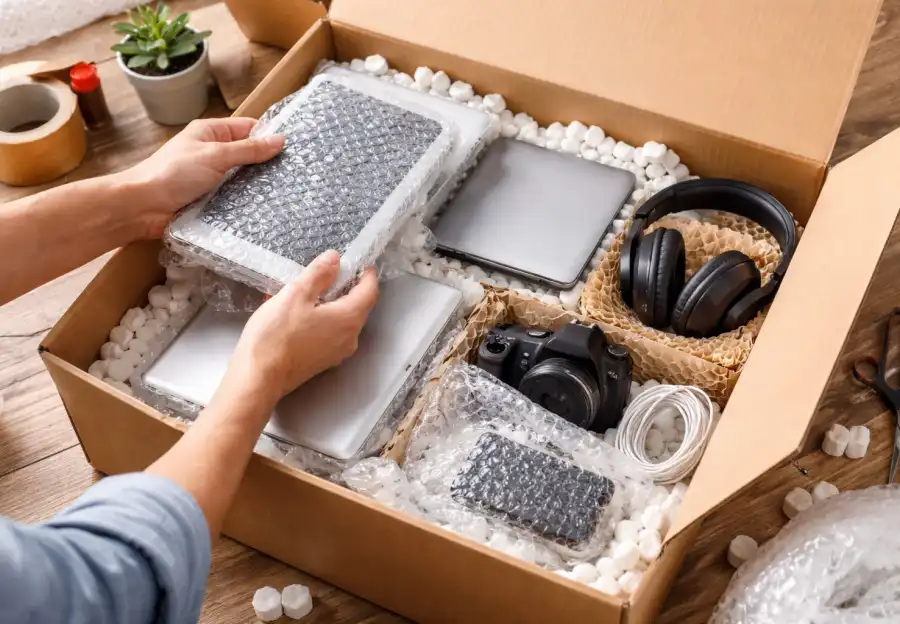
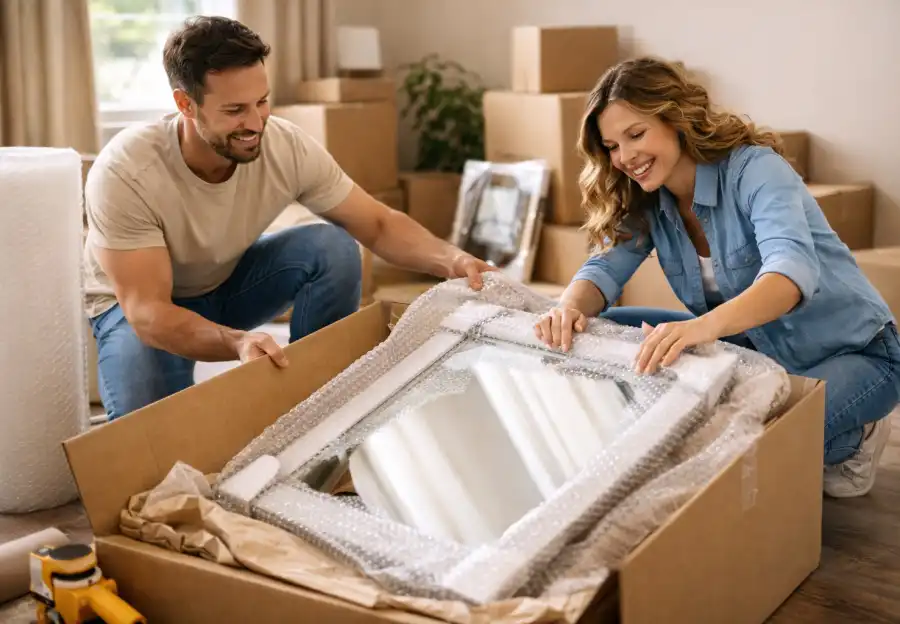
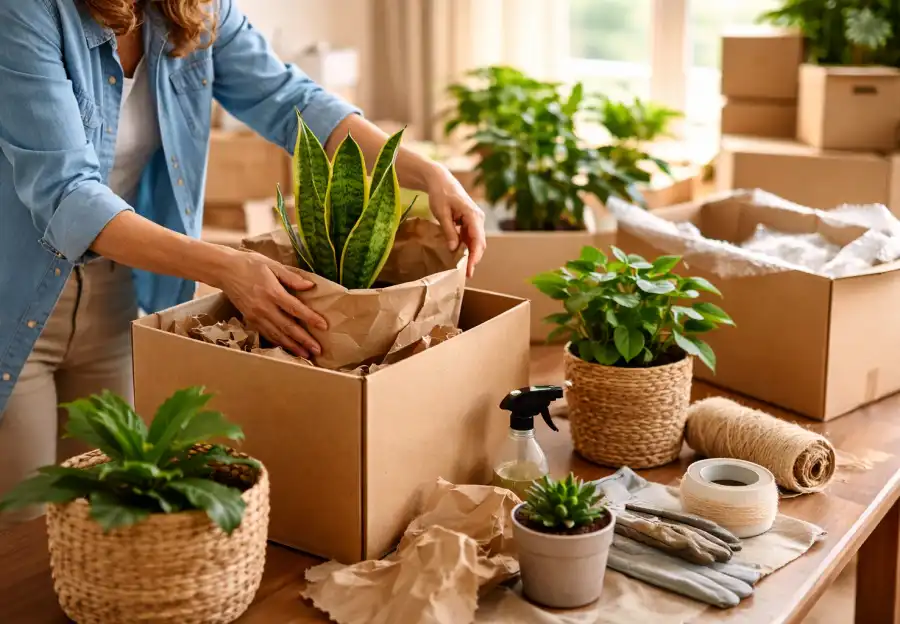
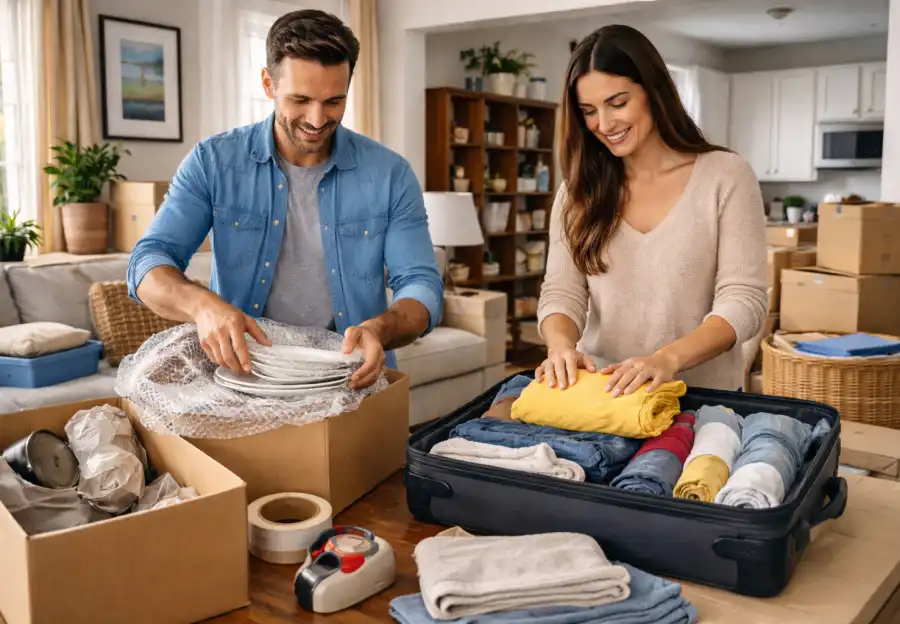
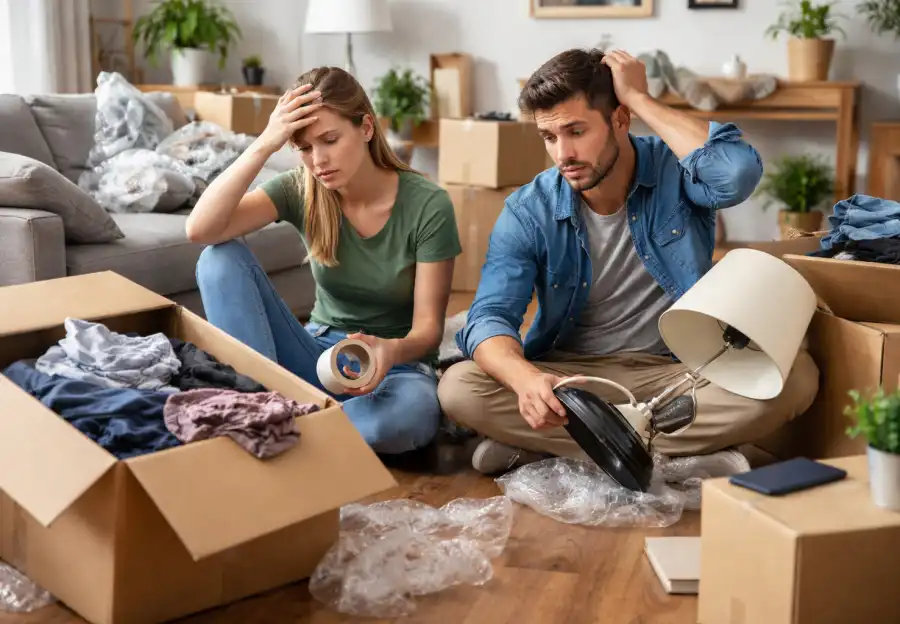
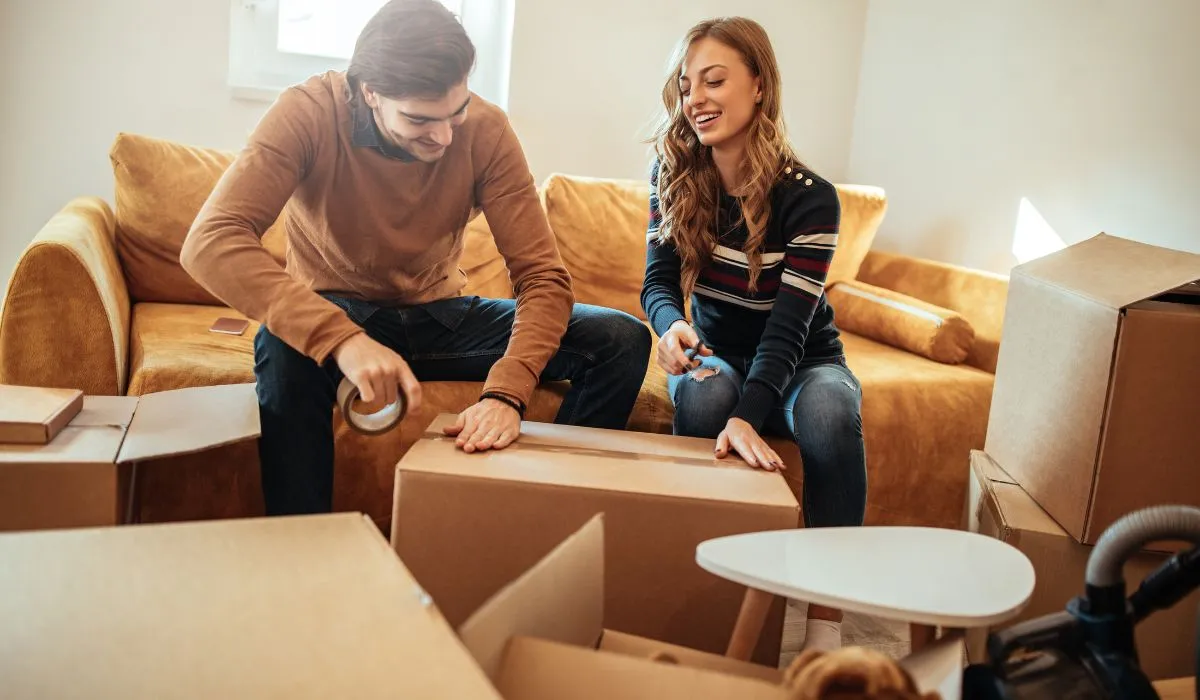
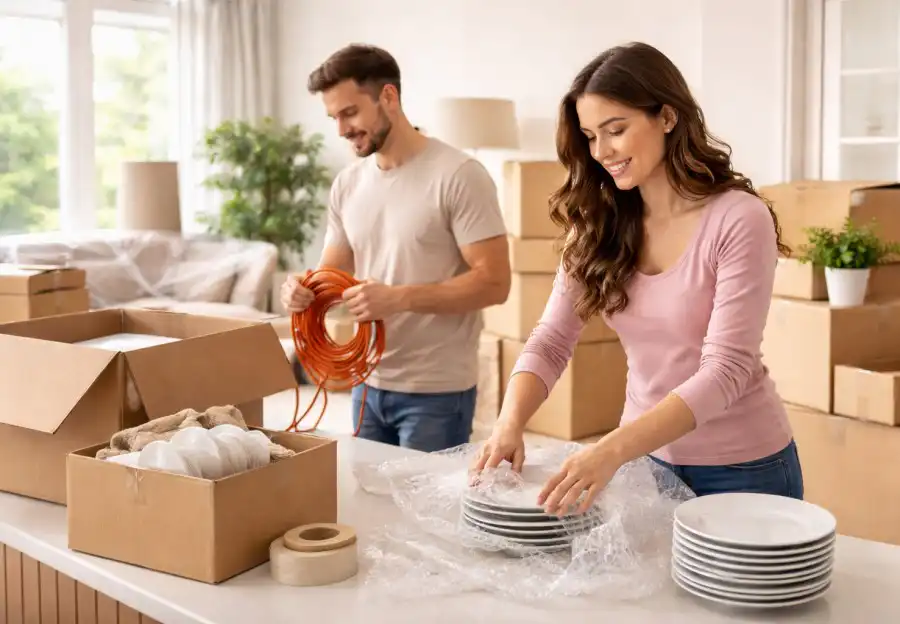
Using proper packing materials is critical to protecting your possessions. High-quality boxes, strong packing tape, bubble wrap, packing paper, furniture blankets, and specialty containers shield items from impact, moisture, and dust. Fragile belongings should be wrapped individually, cushioned generously, and packed in sturdy boxes clearly labeled as “fragile.” Electronics, artwork, antiques, and sentimental heirlooms often require specialized packaging or professional crating to ensure maximum protection. Investing in the right materials significantly reduces the chance of breakage during transport.
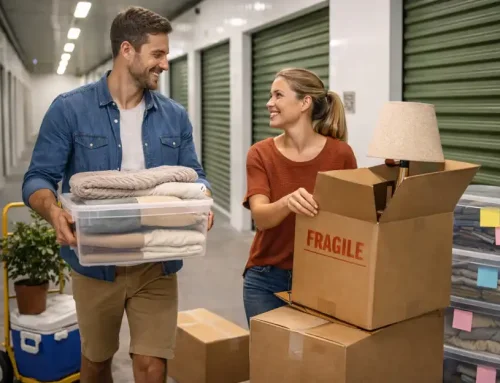
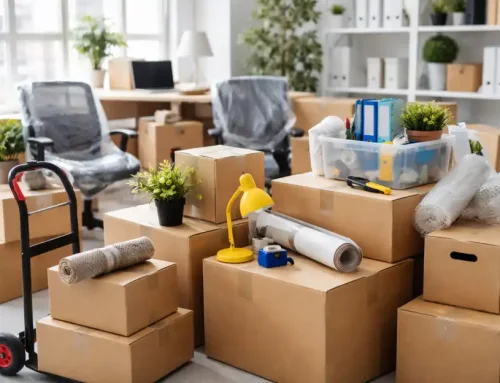
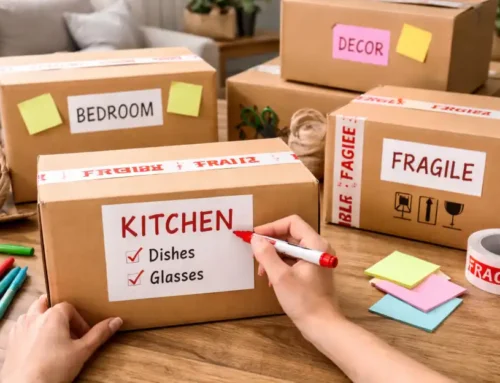
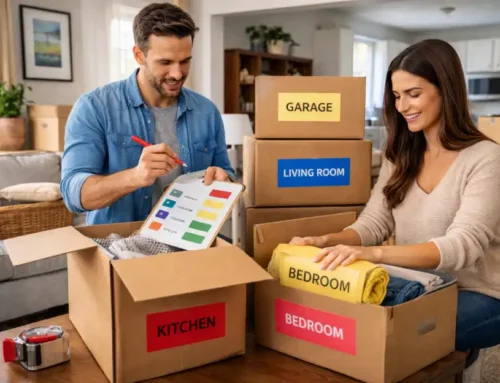
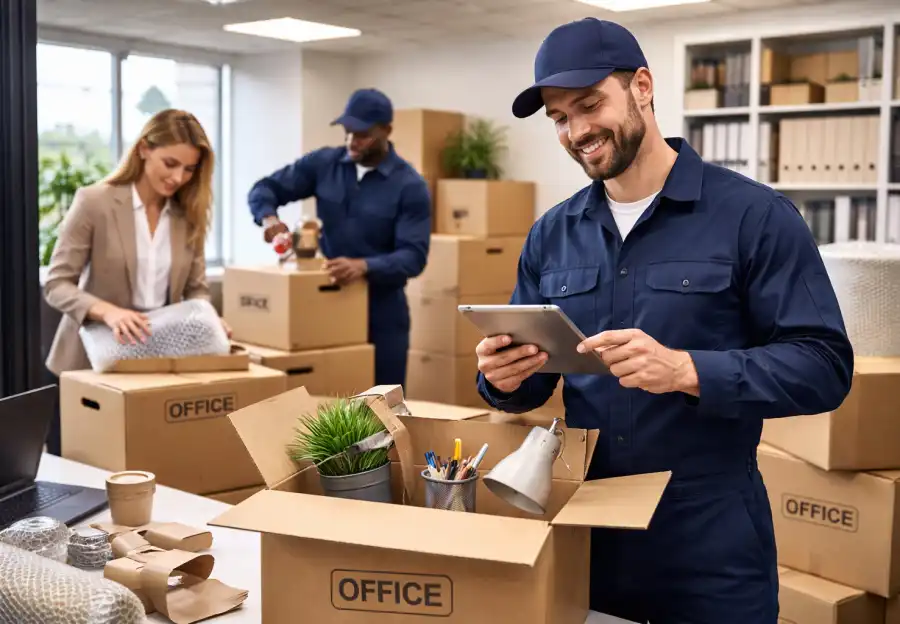
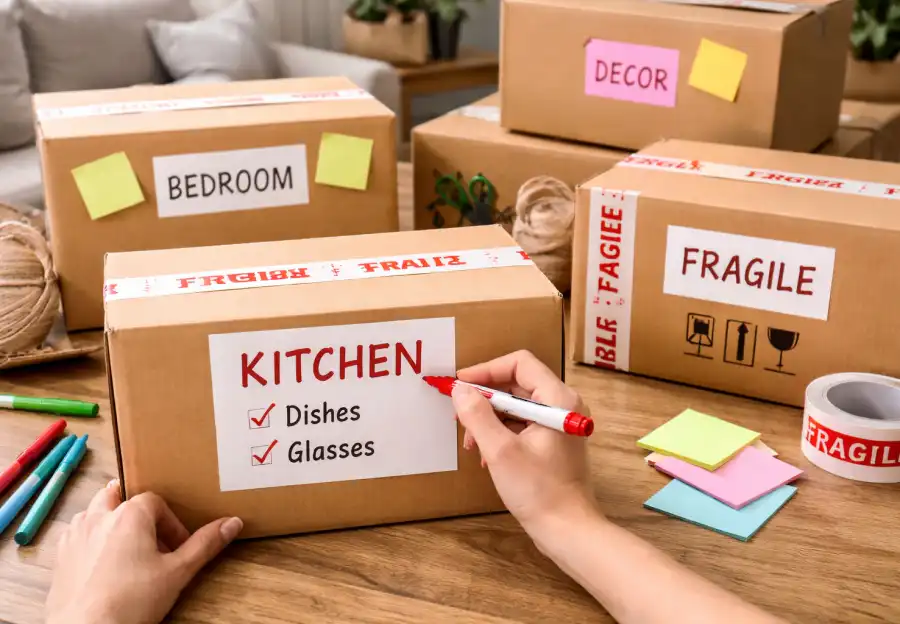
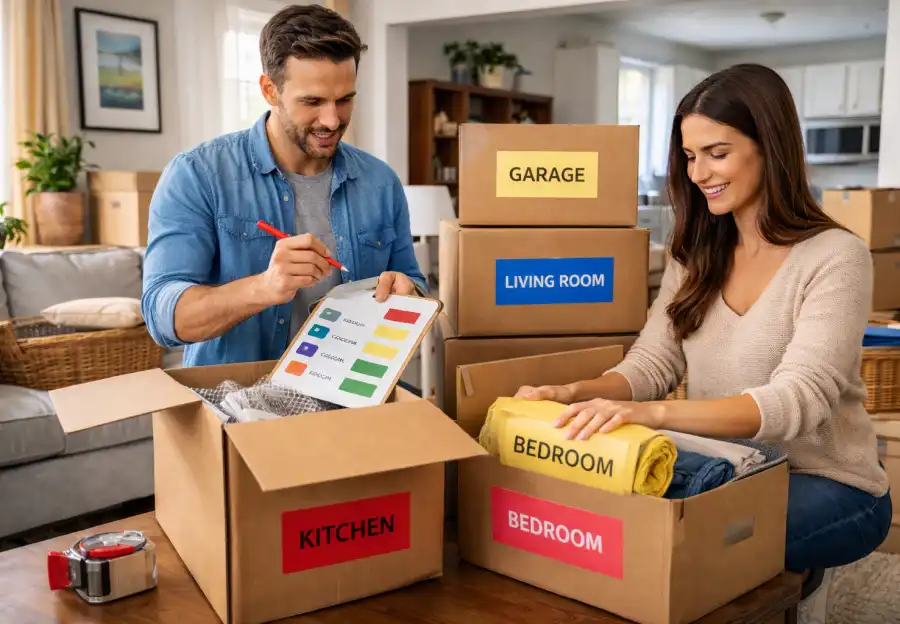
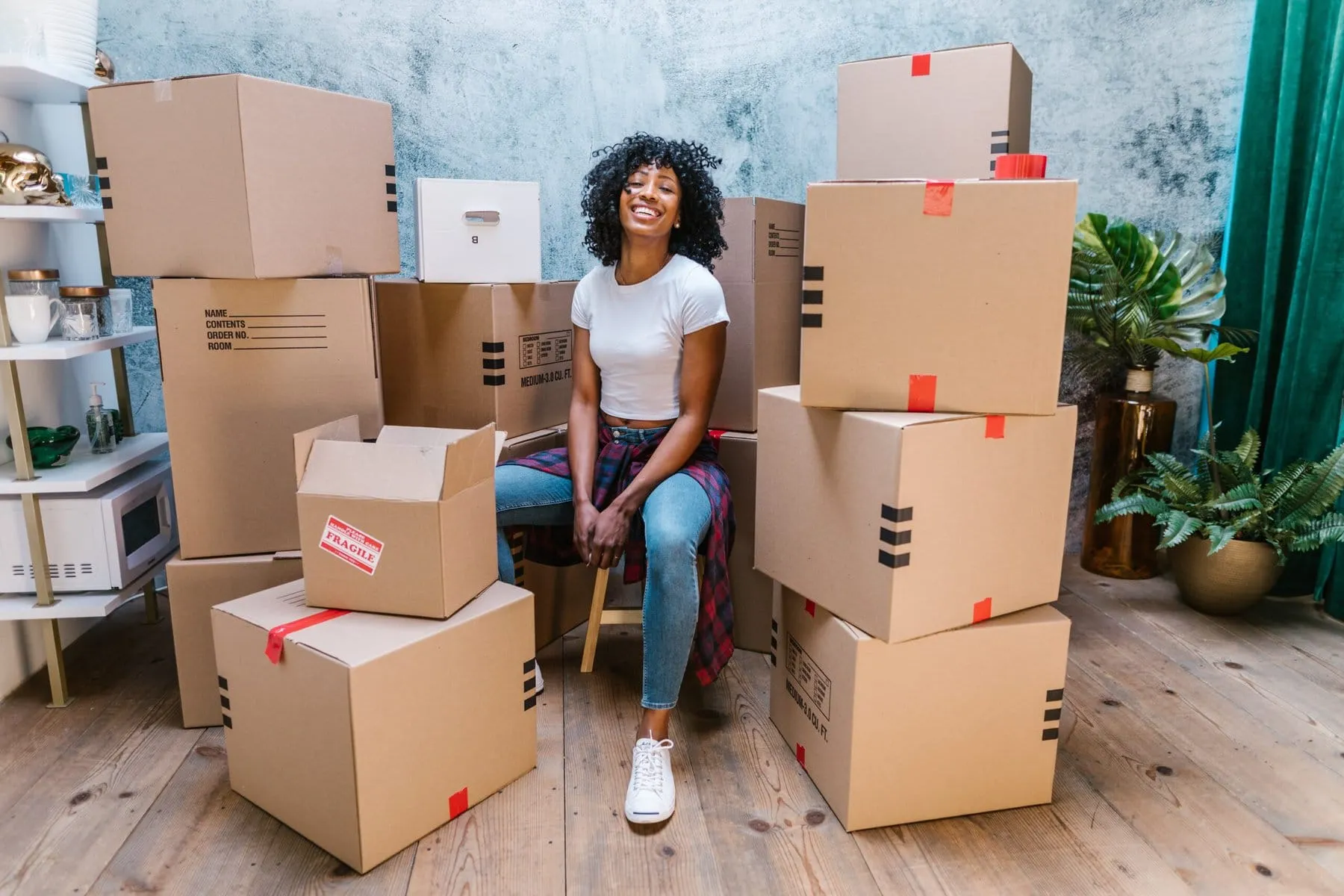
Strategic packing techniques further enhance safety. Boxes should be filled completely to prevent shifting, with heavier items placed at the bottom and lighter ones on top. Similar items should be packed together, and empty spaces filled with padding to prevent movement. Clear labeling of each box with its contents and destination room allows movers to handle items appropriately and place them correctly in your new home. This reduces unnecessary handling, prevents mishaps, and makes unpacking both safer and more efficient.
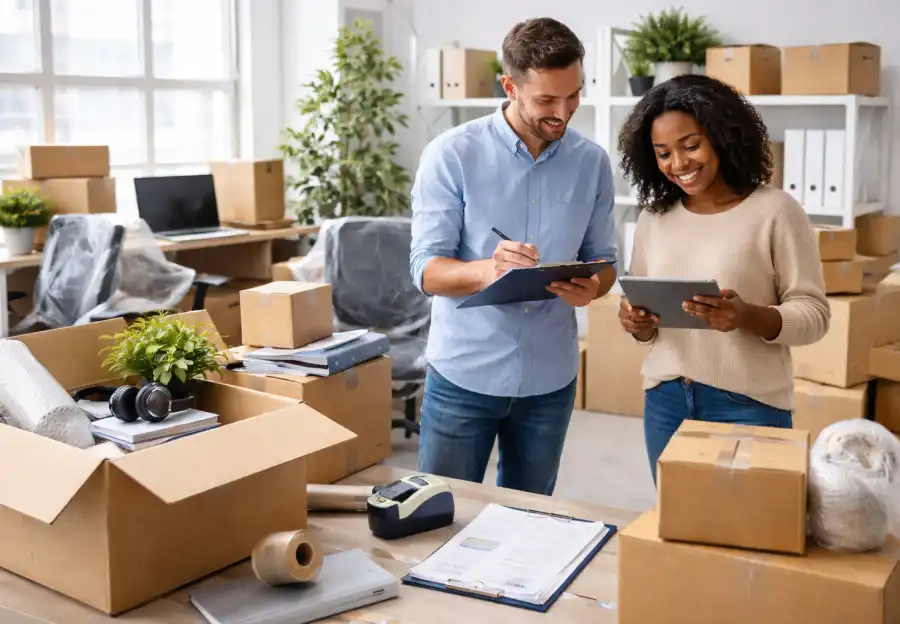
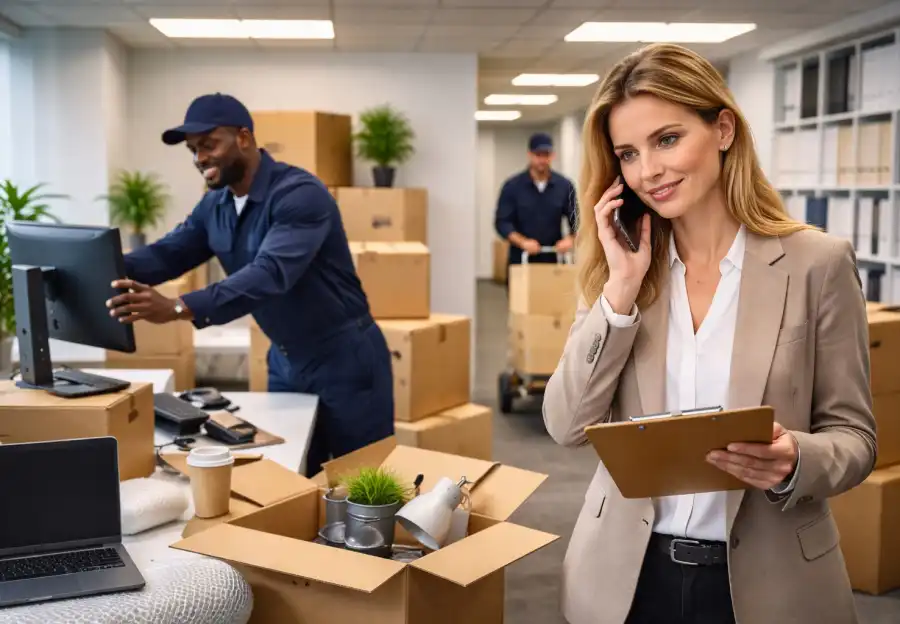
Maintaining a detailed inventory of your belongings is another powerful protective measure. Listing items, noting their condition, and taking photos or videos before the move provides documentation in case of loss or damage. An inventory also helps you track boxes during loading and unloading, ensuring nothing is misplaced. Creating digital backups of important documents, photos, or files adds another layer of security, protecting irreplaceable information even if physical items are lost or damaged.
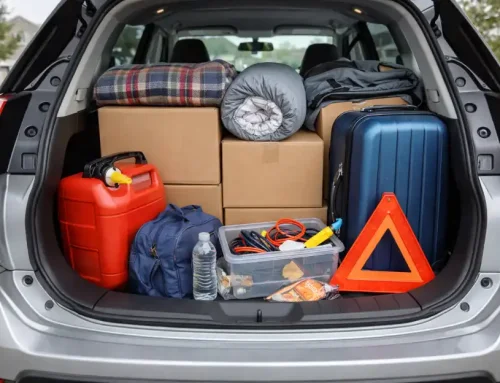
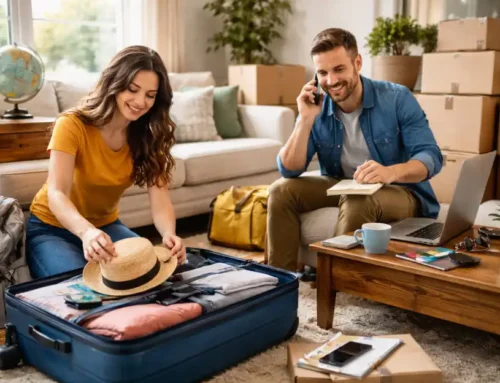
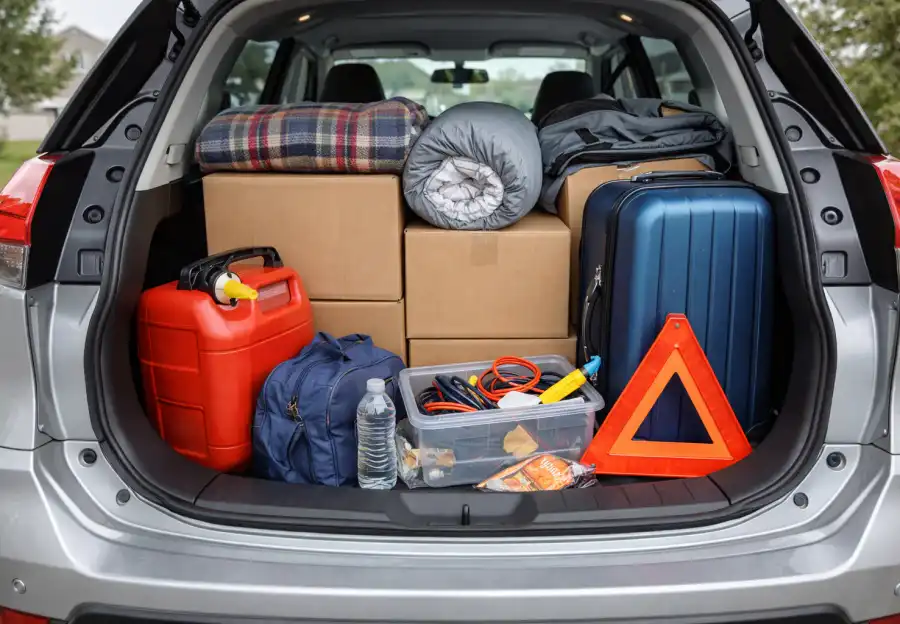
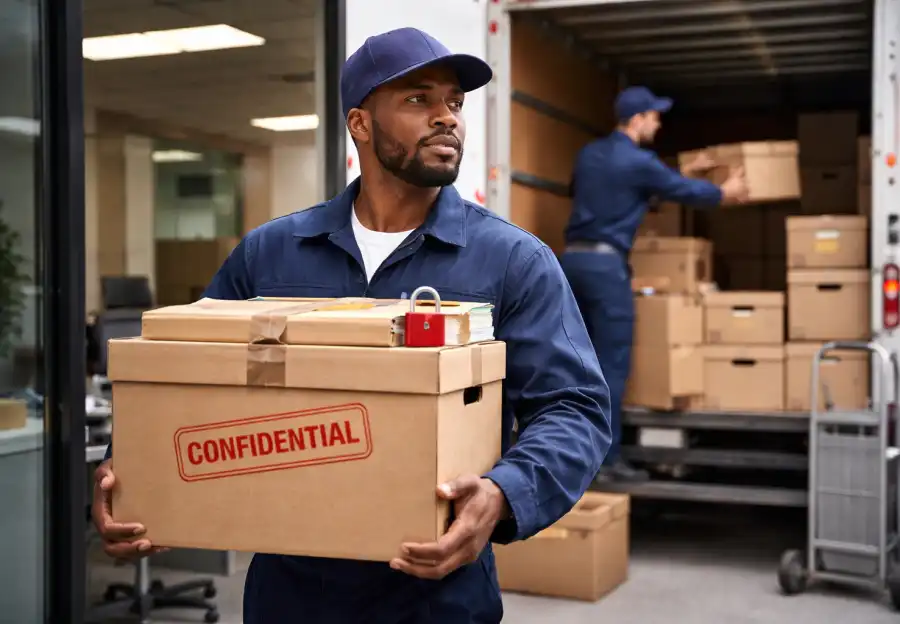
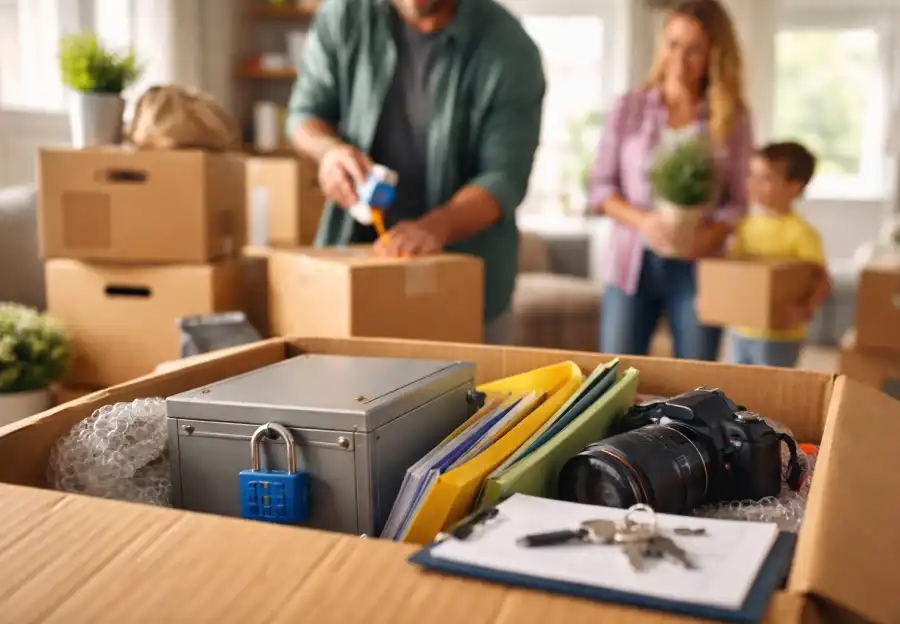
Separating and safeguarding valuables and essentials is equally important. Items such as passports, legal documents, financial records, medications, jewelry, and personal electronics should be kept with you rather than packed with household goods. Keeping these items under your direct control reduces the risk of theft or misplacement. Preparing a dedicated essentials bag ensures immediate access to important items upon arrival, reducing stress and improving security.
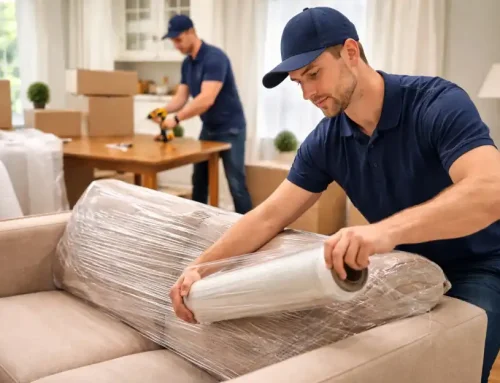
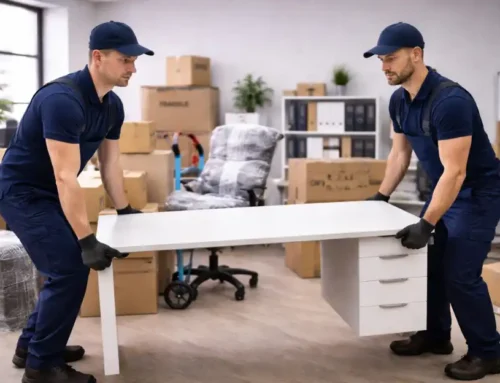
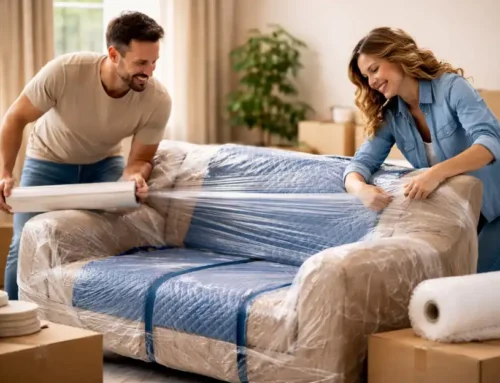
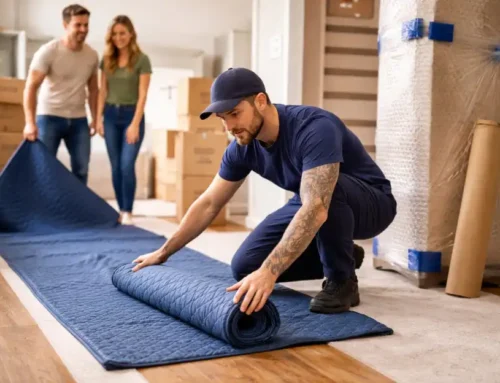
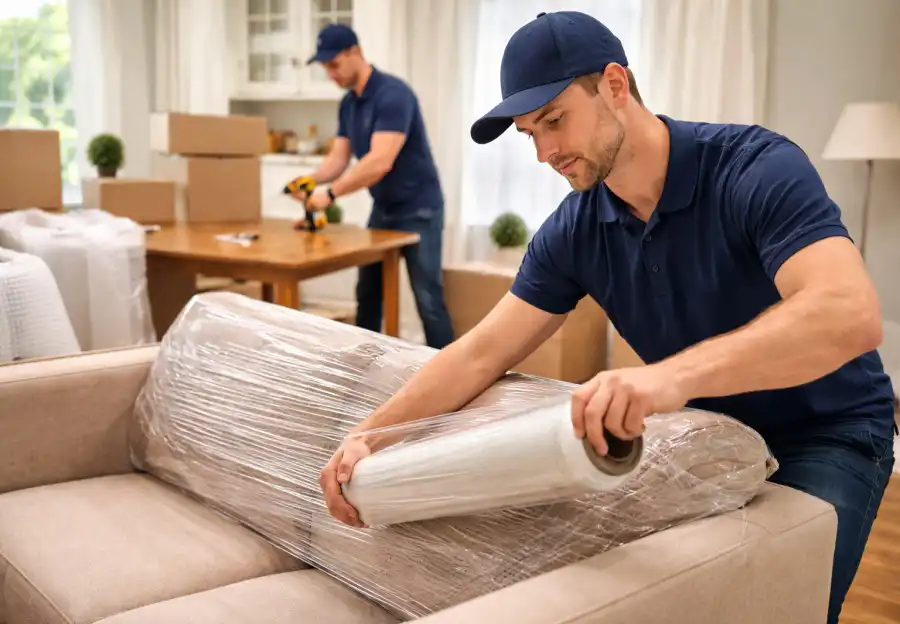
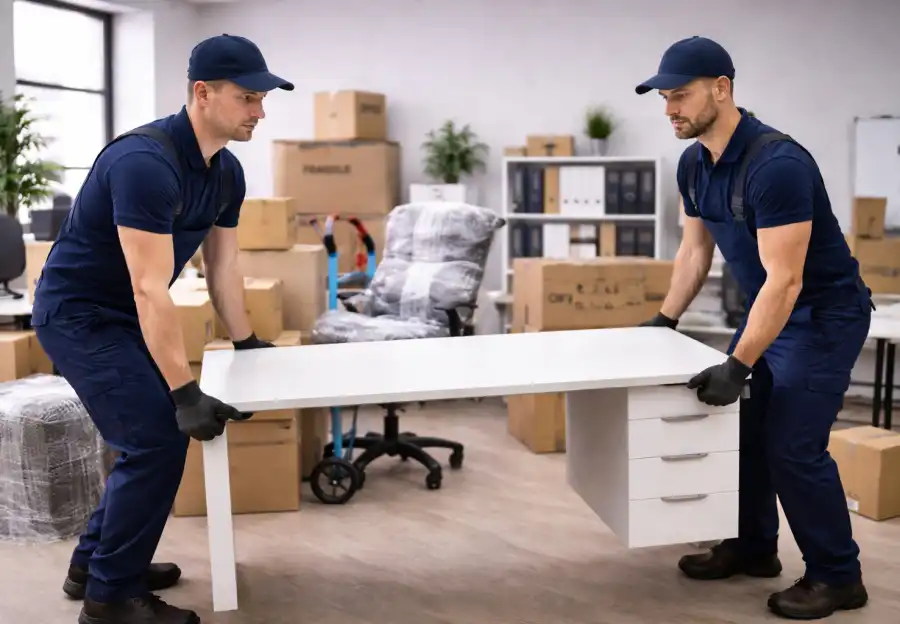
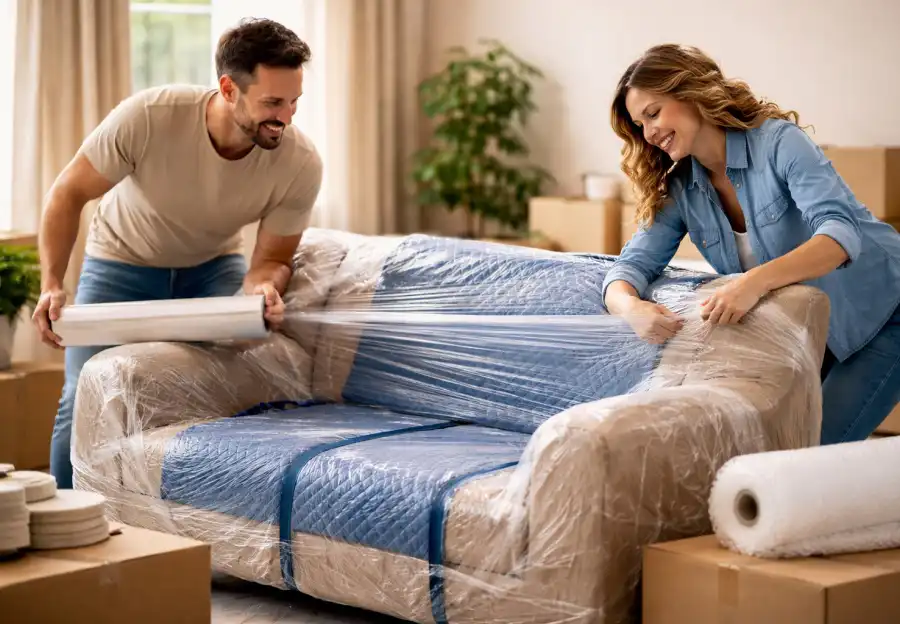
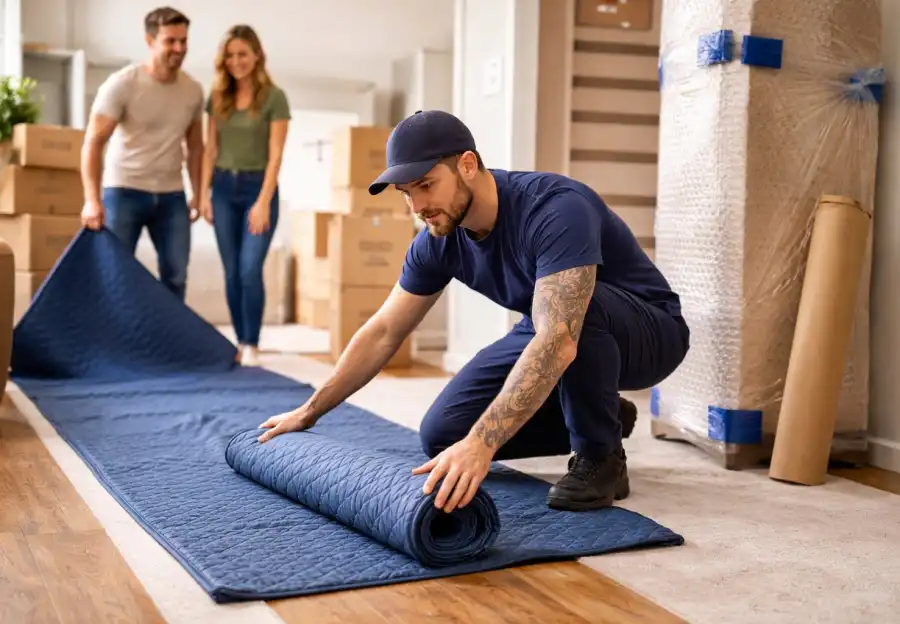
Proper preparation of furniture and large items is another key step. Disassembling bulky furniture, securing loose components, and wrapping surfaces with protective blankets helps prevent scratches, dents, and breakage. Using straps and padding during transport protects delicate finishes and structural integrity. Clearly communicating special handling instructions to movers ensures that fragile or valuable pieces receive the care they require.
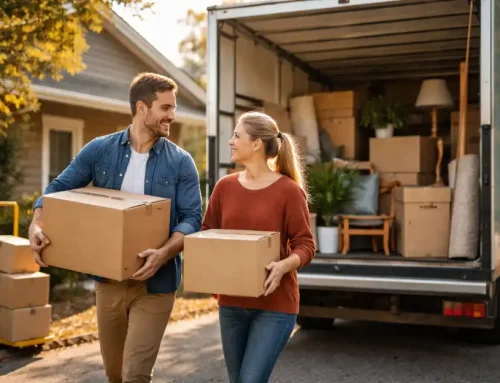
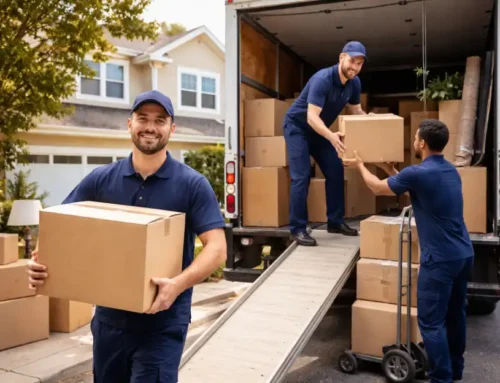
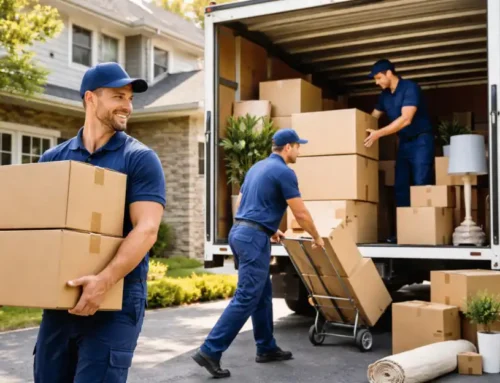
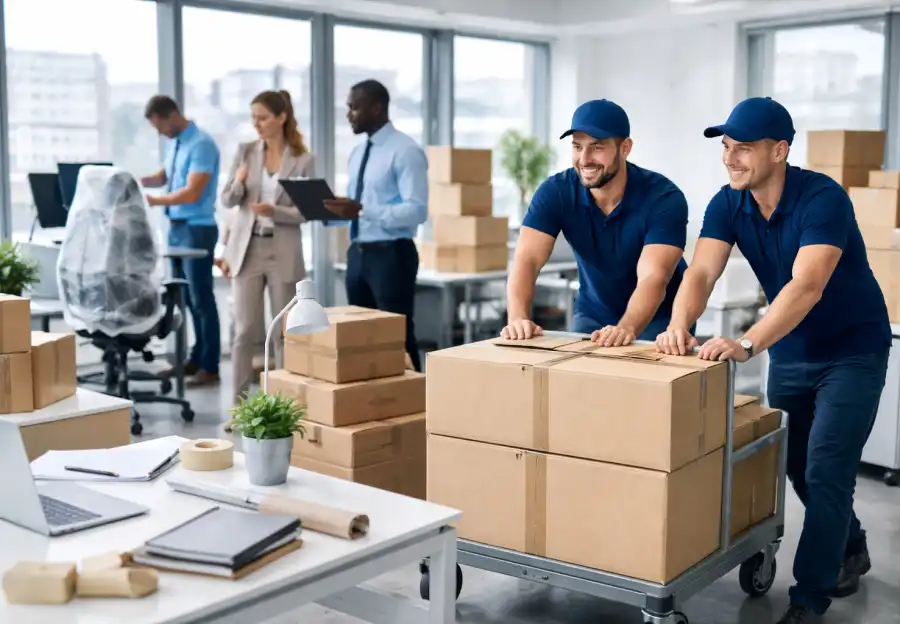
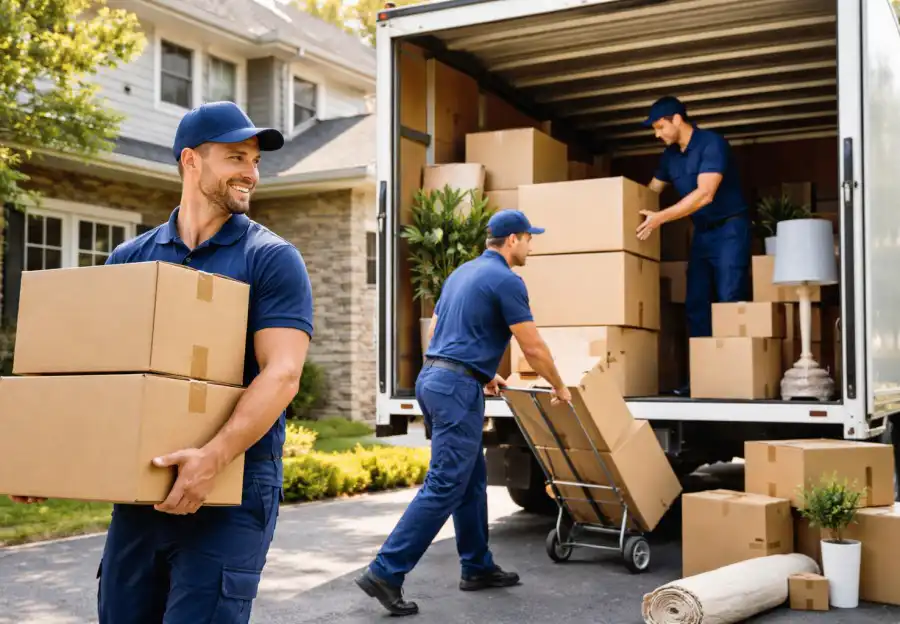
Ensuring safe truck loading is just as important as careful packing. Items that shift during transport are more likely to be damaged. Professional movers use strategic stacking, strapping, padding, and weight distribution to minimize movement and protect fragile surfaces. Avoiding overloading and keeping pathways clear inside the truck also helps prevent accidents and injuries during transport.
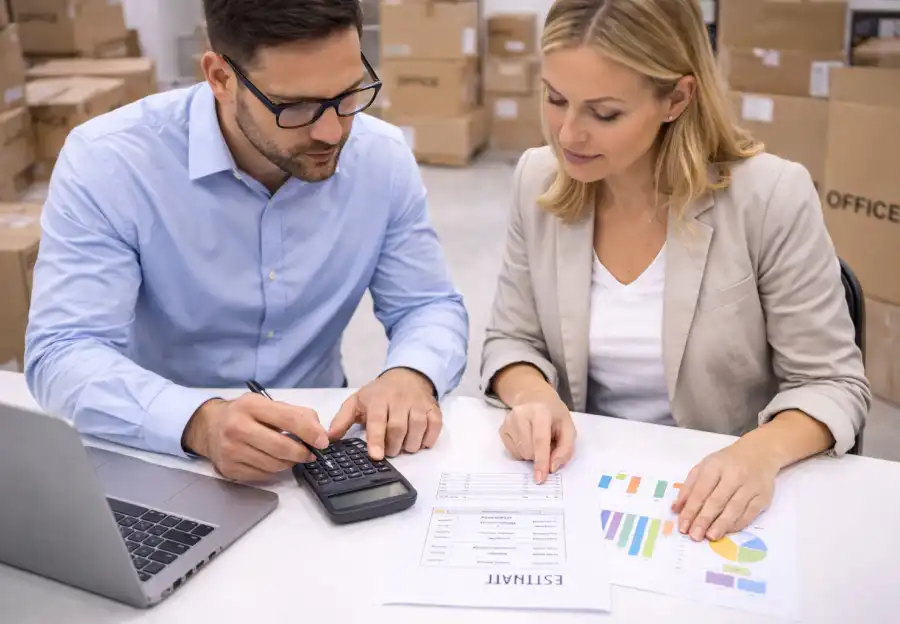
Insurance coverage plays a vital role in safeguarding your belongings. Understanding your mover’s liability options, such as basic coverage or full-value protection, allows you to choose the level of security that best suits your needs. Supplemental or third-party insurance may be necessary for high-value or irreplaceable items. Proper documentation of item value ensures that any claims can be processed smoothly and fairly.
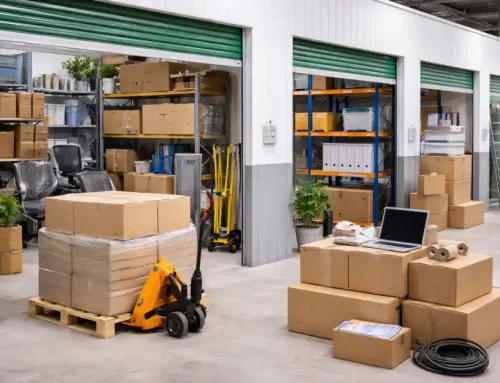
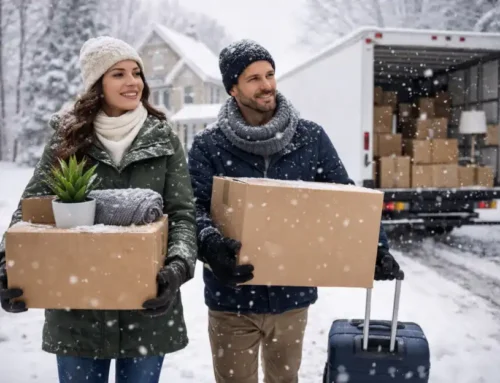
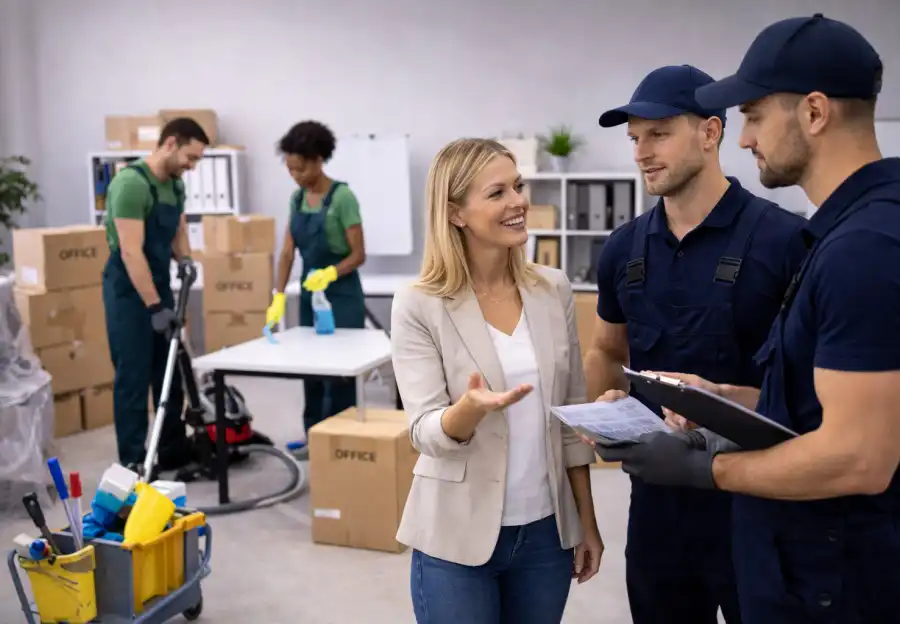
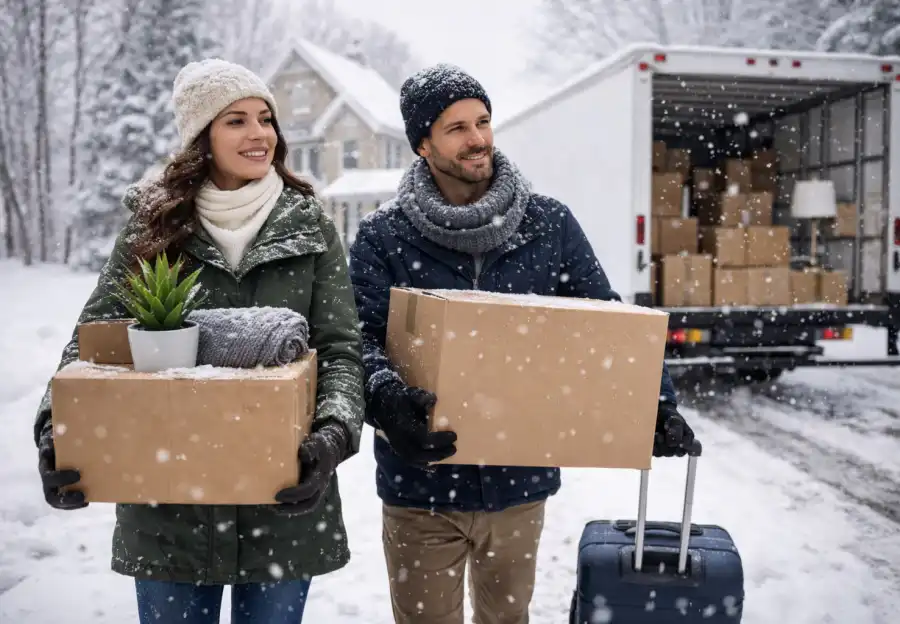
Environmental factors should not be overlooked, as extreme temperatures, humidity, or moisture can damage electronics, artwork, clothing, and wooden furniture. Using climate-controlled transport or storage, sealing boxes properly, and protecting items from rain or direct sunlight helps preserve their condition. Finally, staying organized and present during loading and unloading, maintaining clear communication with movers, and monitoring the handling of your belongings significantly reduces the risk of problems. By combining careful planning, proper materials, organization, and vigilance, you can protect your possessions and complete your move with confidence, peace of mind, and control.