February 18, 2026
How to Handle Sensitive Equipment During a Business Move
Handling sensitive equipment during a business move requires meticulous planning, careful preparation, and precise execution. Office relocations often involve critical technology, delicate instruments, specialized machinery, and high-value assets that are essential to daily operations. Any damage, loss, or prolonged downtime can significantly disrupt productivity and result in financial loss. A structured, methodical approach ensures that sensitive equipment is protected, risks are minimized, and business continuity is maintained throughout the relocation process.
The process begins with a comprehensive inventory of all sensitive equipment. This step involves identifying what needs to be moved, what requires specialized handling, and what can be replaced, upgraded, or temporarily decommissioned. Categorizing equipment by type, value, and fragility allows businesses to prioritize resources and allocate appropriate protection. Documenting serial numbers, maintenance histories, warranty details, and current condition provides accountability and simplifies insurance claims if damage occurs. A detailed inventory also helps ensure that no critical items are misplaced during the move.
Conducting a thorough risk assessment is equally important, as each piece of sensitive equipment presents unique vulnerabilities. Potential risks may include vibration, impact, temperature fluctuations, humidity, dust exposure, electromagnetic interference, or improper handling. Evaluating these risks in advance allows movers and staff to implement preventative measures. Consulting manufacturer guidelines and service manuals provides essential instructions for disassembly, packing, transport, and reinstallation, ensuring that equipment remains functional and compliant with warranty requirements throughout the move.
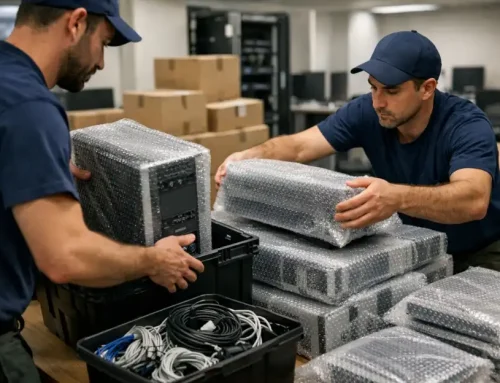
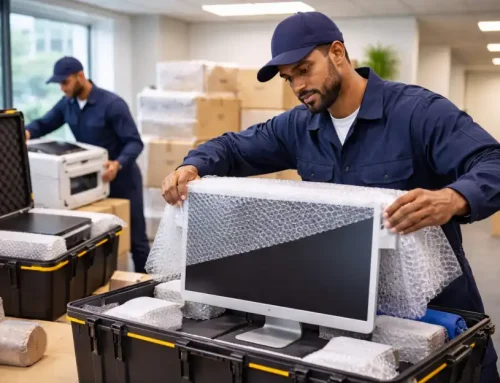
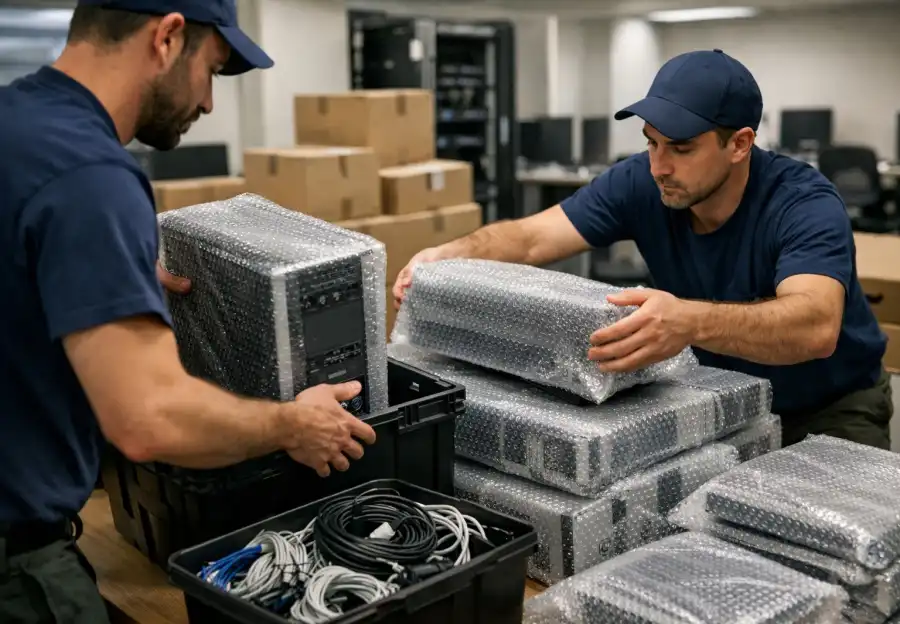
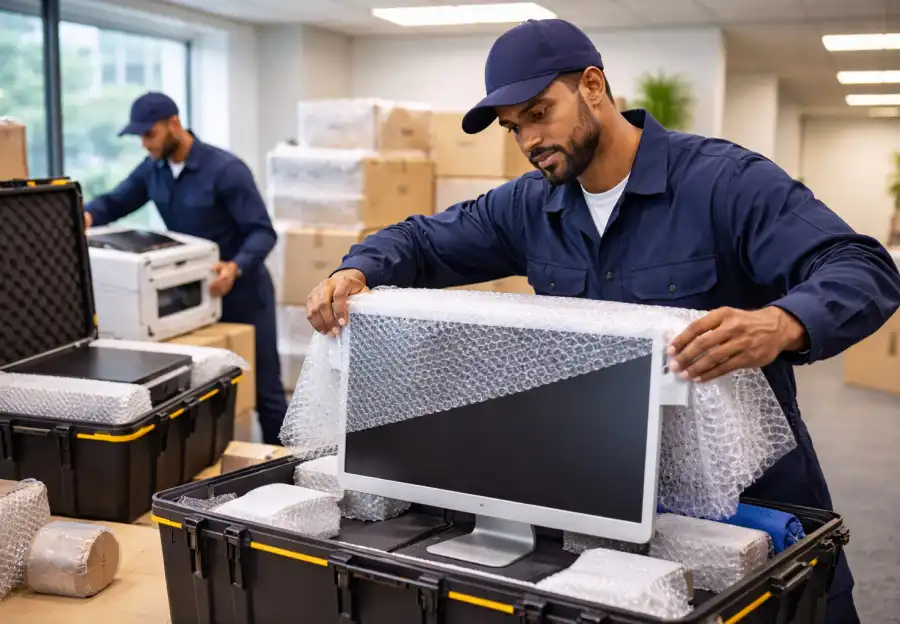
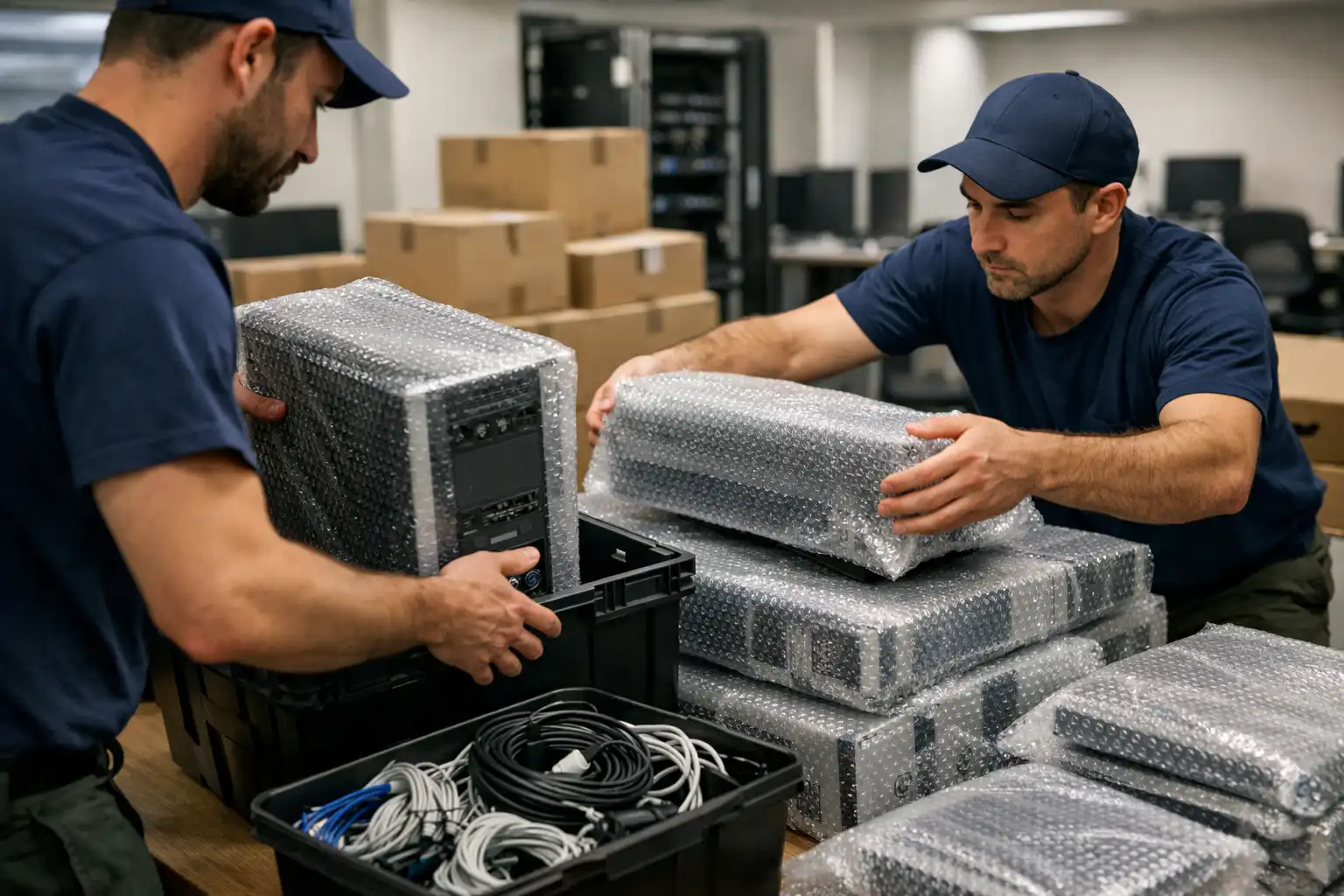
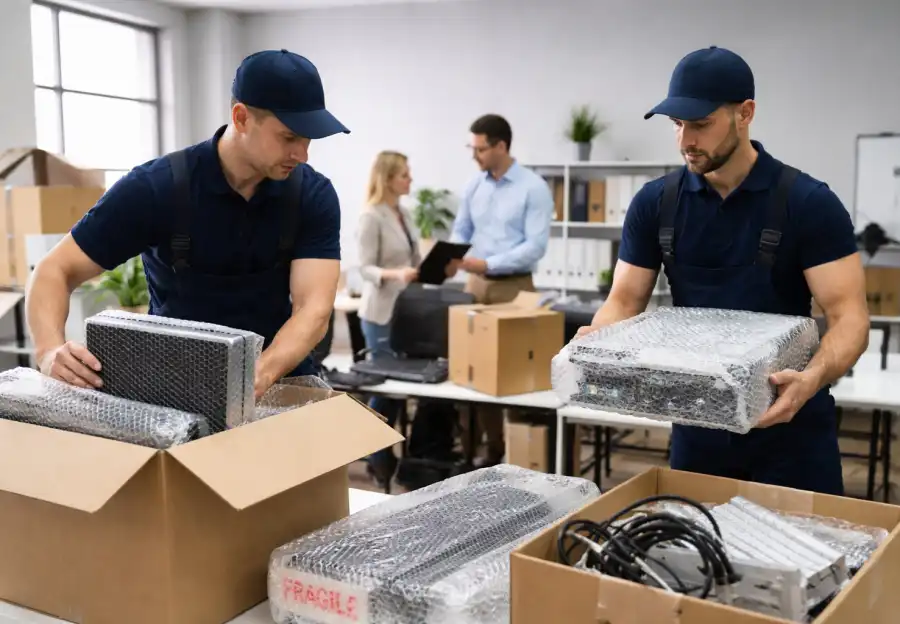
Professional packing and protective materials play a central role in safeguarding sensitive equipment. Custom crates, padded containers, anti-static bags, foam inserts, and protective wraps help shield devices from shock, moisture, and electrostatic discharge. Securing loose components, cables, and attachments prevents internal movement that could cause damage. Clear labeling with instructions such as “Fragile,” “This Side Up,” or “Handle with Care” ensures proper handling. Including detailed handling instructions and contact information for responsible personnel further reduces the risk of mishandling.
Disassembly and preparation are critical for equipment that cannot be transported fully assembled. Carefully disconnecting power sources, removing detachable parts, and stabilizing delicate components reduces stress on the equipment during transit. Photographing or documenting the setup before disassembly simplifies reassembly at the new location. Small parts such as screws, connectors, and accessories should be stored in labeled bags to prevent loss. Clearly marking cables and ports ensures accurate reconnection and preserves operational integrity upon arrival.
Coordination with professional movers and specialized technicians is essential for handling sensitive equipment. Standard office movers may not have the expertise required for advanced technology, laboratory instruments, or specialized machinery. Hiring relocation professionals experienced in these areas ensures best practices are followed. Involving IT staff or certified technicians during packing, transport, and installation reduces the risk of data loss, system failure, or extended downtime. Having a dedicated team available to address unexpected issues during transit further enhances reliability.
Climate and environmental control are also critical considerations. Many types of sensitive equipment are vulnerable to temperature extremes, humidity, dust, and vibration. Using climate-controlled vehicles and protective cases helps maintain optimal conditions during transport. Avoiding exposure to direct sunlight, moisture, or harsh environments prevents damage. If temporary storage is required, facilities should meet environmental standards appropriate for the equipment. Monitoring conditions with sensors can provide early warnings of potential threats during transit.
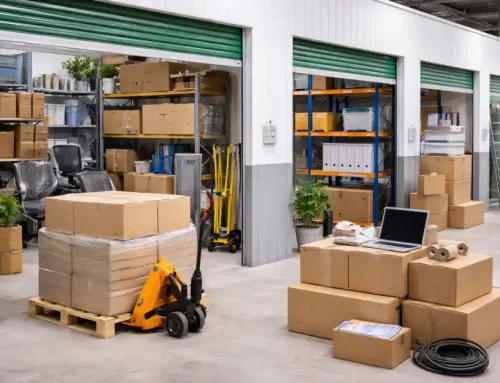
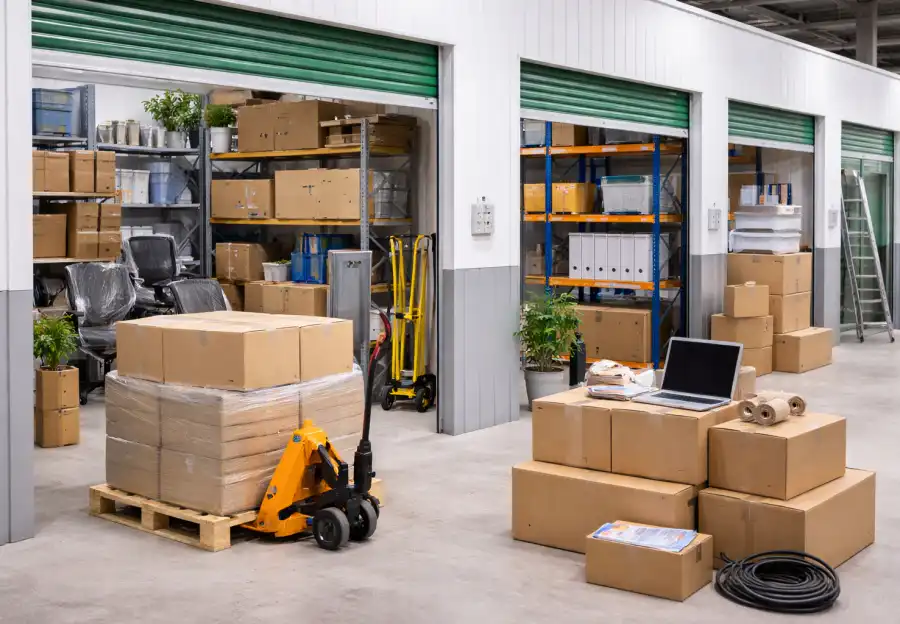
Careful transportation logistics are necessary to ensure safe handling throughout the move. Planning routes to minimize travel time and avoid rough roads reduces vibration and impact risks. Scheduling transportation during off-peak hours helps prevent delays and congestion. Specialized dollies, lifts, and carts should be used for heavy or bulky equipment to reduce strain and prevent accidents. Coordinating with building management for elevator access, loading docks, and parking ensures smooth loading and unloading without unnecessary obstacles.
Reinstallation and testing at the destination are essential to restoring operations quickly. Following documented setup procedures, reconnecting components accurately, and verifying calibration and connectivity ensures equipment functions as intended. Performing thorough testing, quality checks, and software or firmware updates helps identify and resolve issues early. Providing staff training on relocated equipment further supports a seamless transition and minimizes operational disruption.
Finally, insurance and contingency planning provide an important safety net. Comprehensive coverage protects against loss, theft, or accidental damage. Backup equipment, temporary rentals, or alternative workflows should be planned to maintain operations if issues arise. Documenting the entire process creates a valuable reference for future moves. Through careful planning, professional coordination, and attention to detail, businesses can relocate sensitive equipment safely and efficiently, ensuring continuity, protection, and long-term operational success.