
December 30, 2025
How to Handle Moving Stress the Right Way
Moving is widely regarded as one of the most stressful life events, involving a combination of physical labor, logistical planning, emotional adjustments, and financial considerations, and learning how to manage this stress effectively is essential for maintaining your health, energy, and focus during the relocation process, and the first step in handling moving stress is early preparation, which includes creating a comprehensive moving plan that outlines tasks, timelines, and responsibilities, because having a clear roadmap reduces uncertainty and prevents last-minute chaos, allowing you to approach each stage of the move with a sense of control and confidence, while breaking the process down into manageable steps can make even the most complex relocation feel achievable.
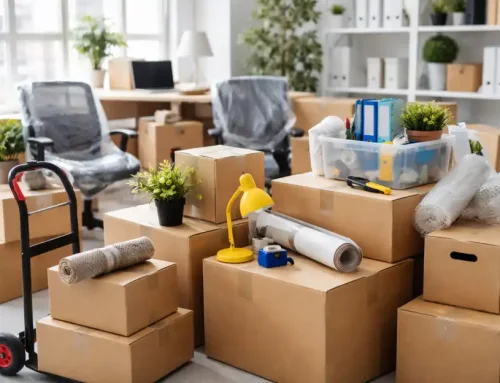
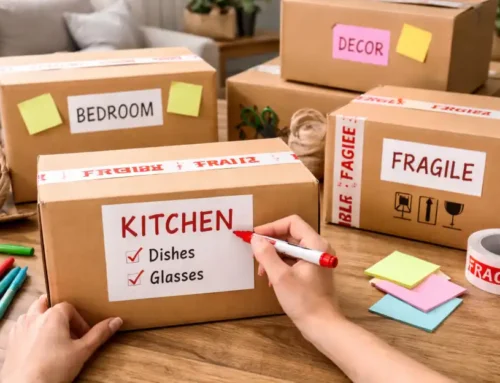
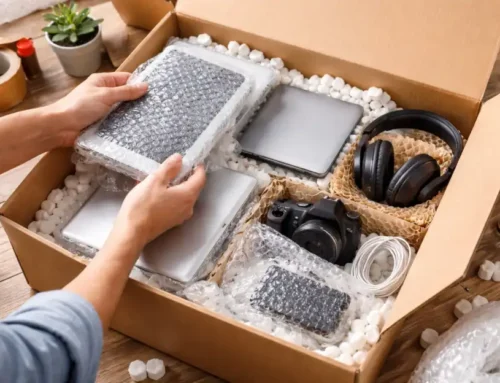
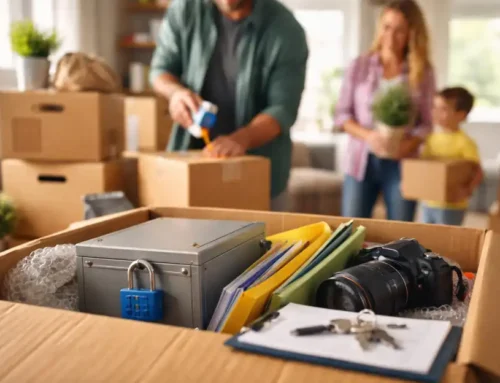
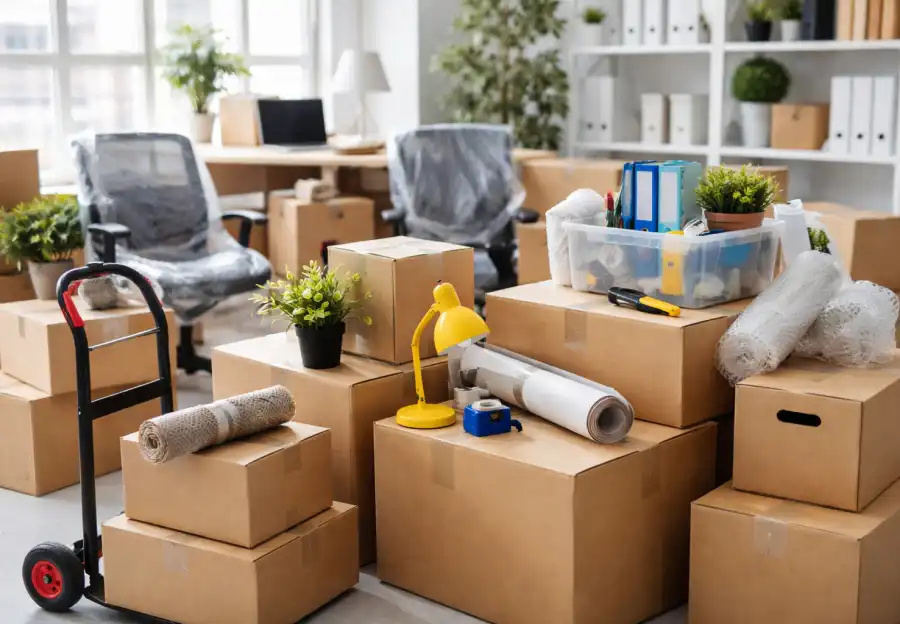
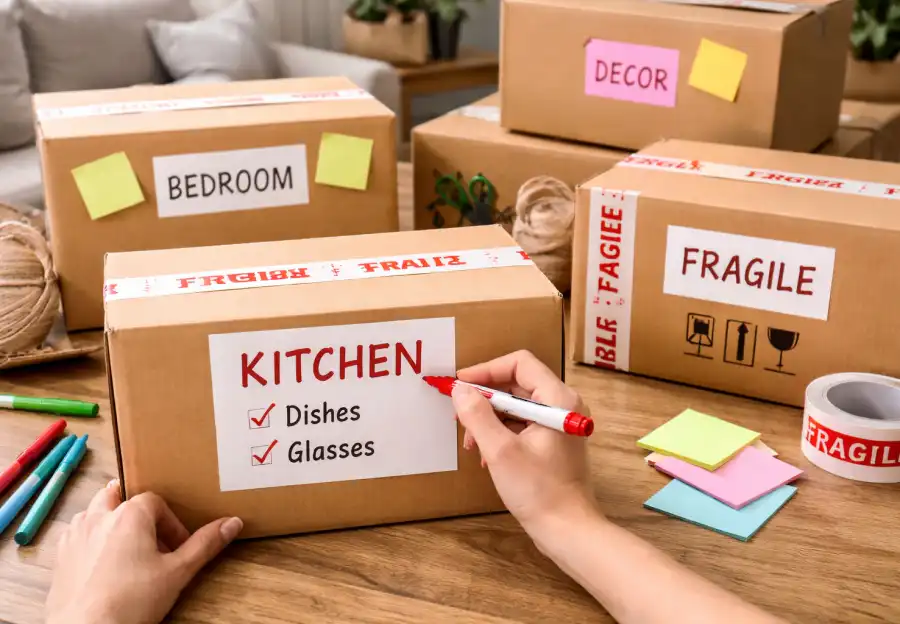
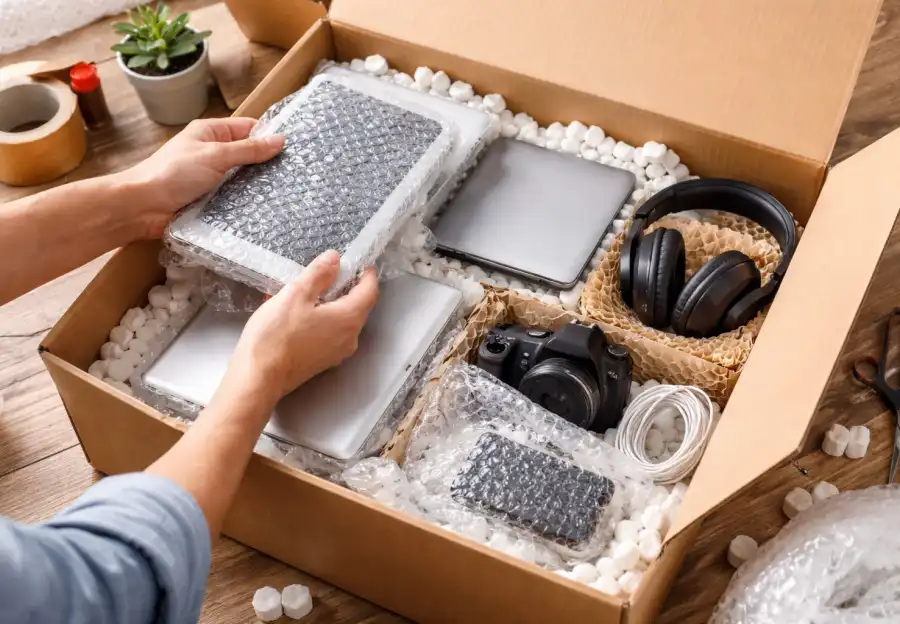
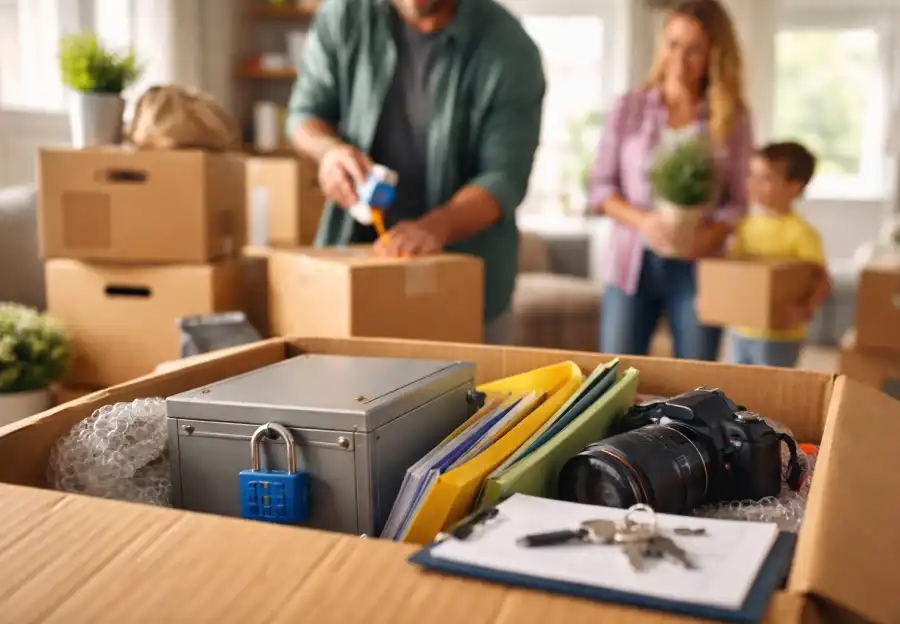
One of the most effective strategies for reducing moving stress is decluttering before you pack, as sorting through your belongings, deciding what to keep, donate, sell, or discard, and minimizing excess items not only decreases the volume of what needs to be packed and transported but also provides a sense of accomplishment and clarity, reducing the mental burden of handling unnecessary possessions, while also potentially generating extra funds if you sell items you no longer need; organizing your packing process systematically is another key approach to handling moving stress, and by starting with non-essential items several weeks in advance, labeling boxes clearly by room and content, using proper packing materials, and creating a detailed inventory, you can reduce confusion and ensure that everything is accounted for, while strategically packing essentials separately so that they are easily accessible on moving day minimizes frustration and allows you to settle into your new home quickly.
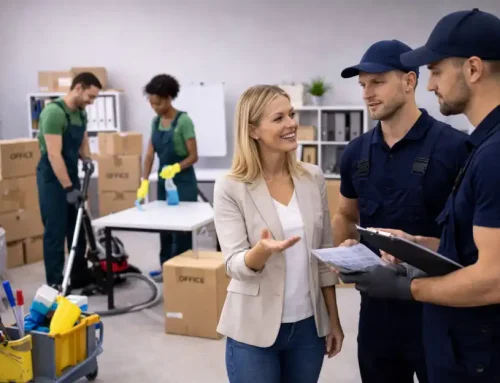
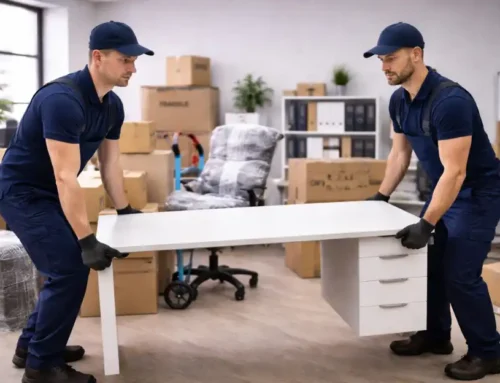
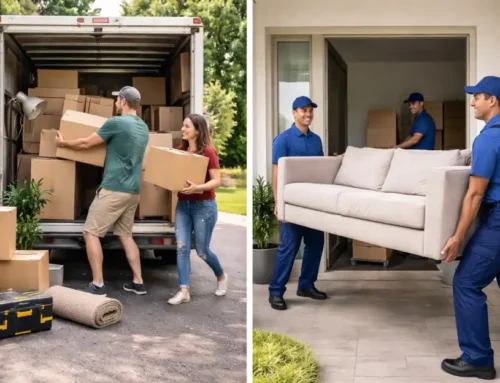
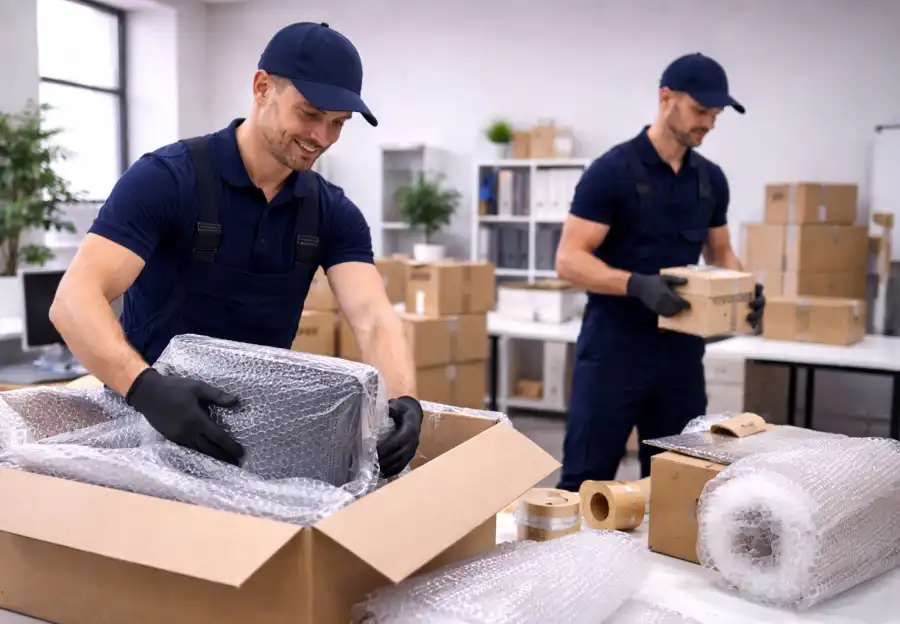
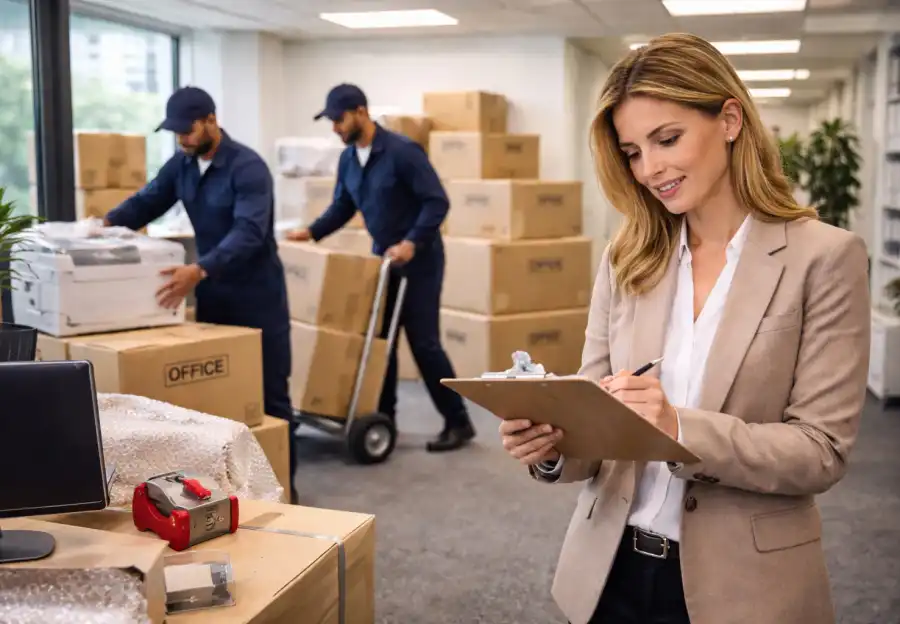
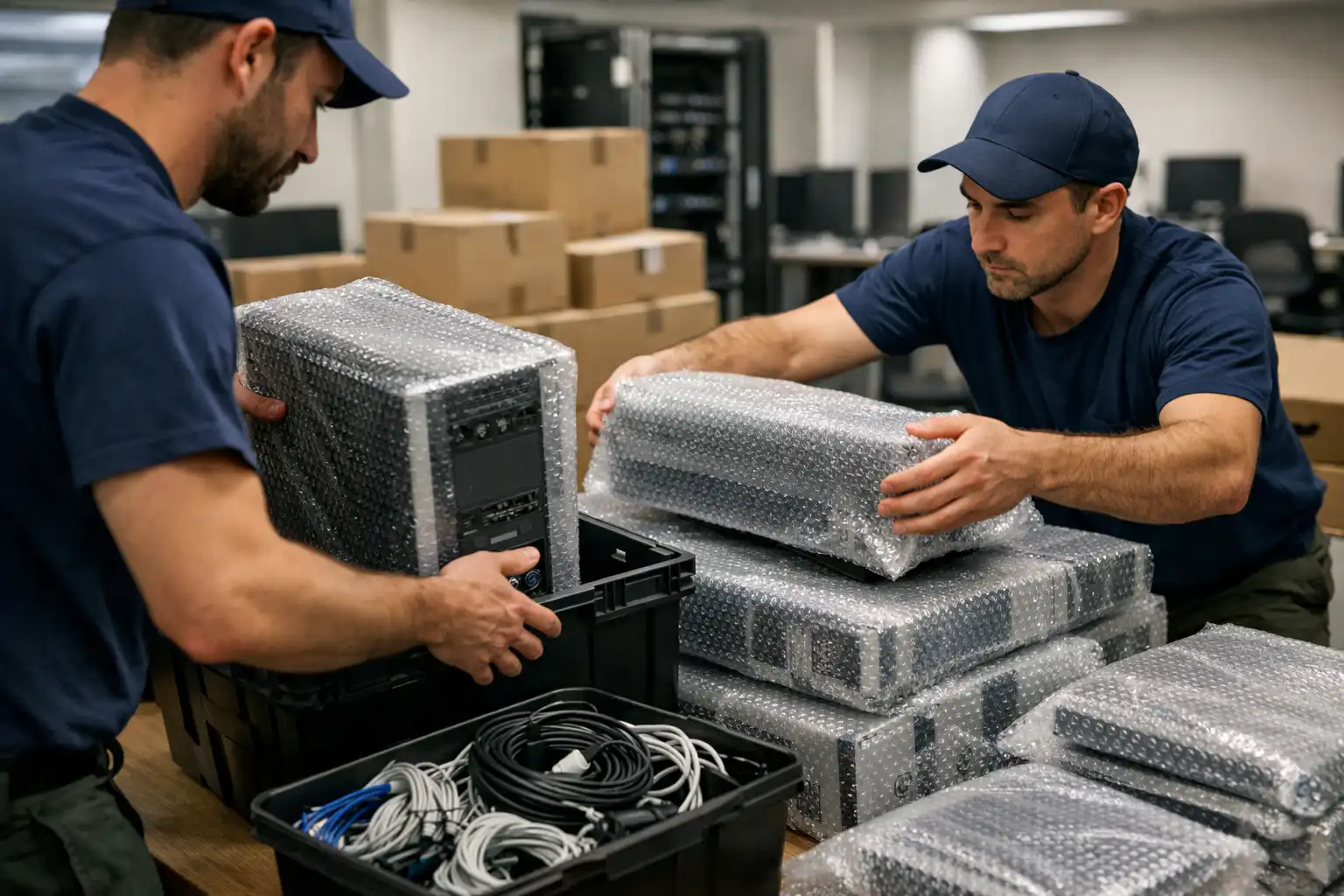
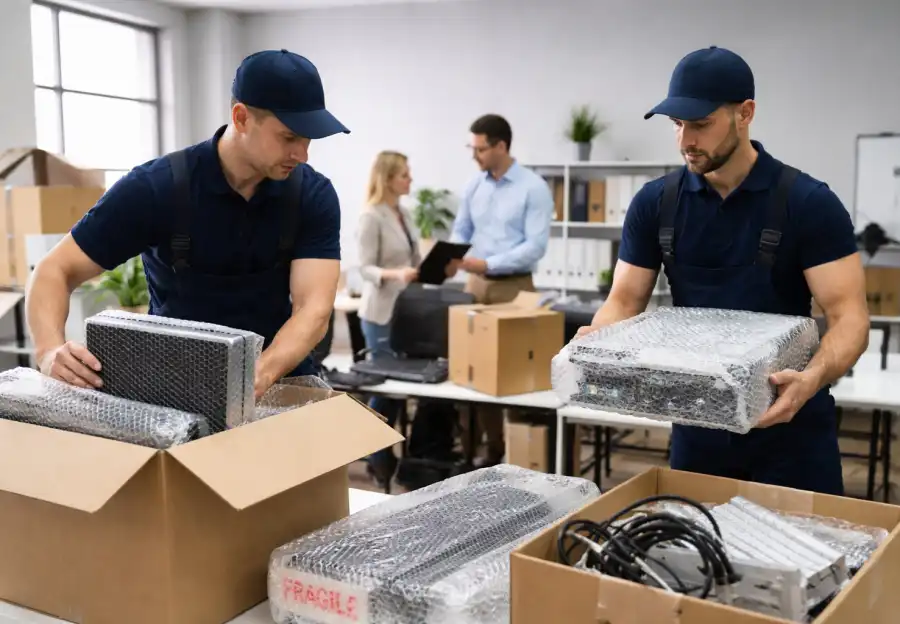
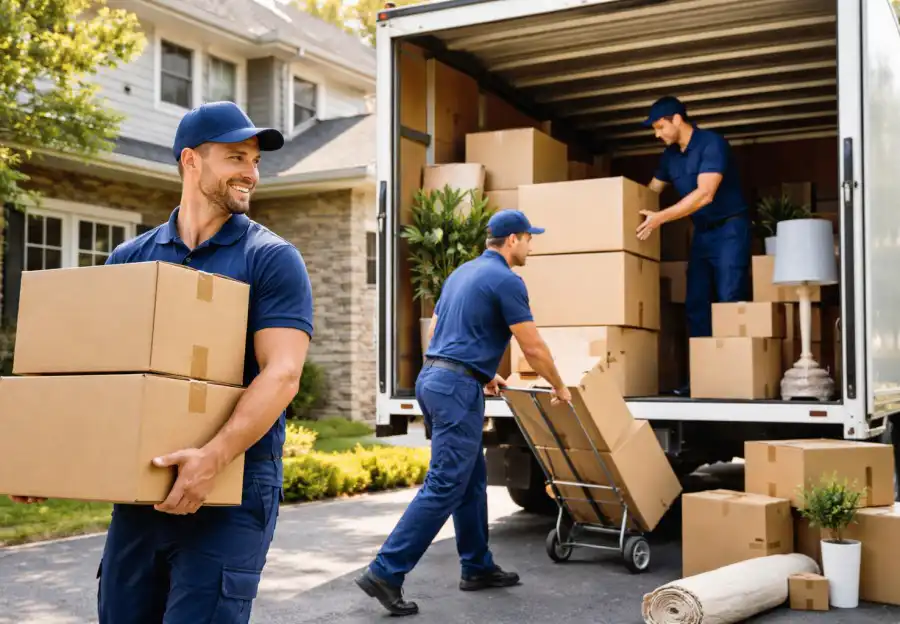
Enlisting support from friends, family, or professional movers is an important factor in stress management, as having reliable assistance reduces the physical workload, provides emotional support, and allows you to delegate tasks effectively, while professional movers bring expertise, equipment, and efficiency that minimize the risk of damage, delays, or miscommunication, thereby relieving a significant portion of moving-related anxiety; maintaining clear communication throughout the process is also crucial, including coordinating with movers, landlords, or real estate agents, confirming schedules, and keeping all parties informed of special requirements, because miscommunication can lead to last-minute surprises, added stress, and financial strain, and proactively managing these interactions ensures smoother transitions and fewer unexpected challenges; taking care of personal well-being during a move is equally important, as proper rest, hydration, nutrition, and exercise help sustain.
Physical energy and emotional resilience, while setting aside brief moments for relaxation or stress-relief activities, such as meditation, deep breathing, or short walks, can prevent overwhelm, increase focus, and help you remain calm under pressure; managing expectations and maintaining a positive mindset are additional strategies for handling moving stress, as understanding that delays, minor damages, or logistical hiccups may occur allows you to approach challenges with flexibility rather than frustration, and focusing on the excitement and opportunities associated with your new home or location can shift your perspective from anxiety to anticipation, making the process more enjoyable; financial stress is another major contributor to moving anxiety, and creating a realistic budget that accounts for moving services, packing materials, insurance, transportation, and contingencies helps prevent surprise expenses, while comparing quotes from multiple movers, taking advantage of cost-saving opportunities, and planning ahead ensures that you stay within budget without compromising quality or safety; organizing and prioritizing tasks is critical for minimizing stress, and creating a timeline that includes packing schedules, utility setups, address changes, and essential appointments allows you to tackle each responsibility sequentially, reducing the feeling of being overwhelmed, while also providing a visual representation of progress that motivates and reassures you; staying flexible and adaptable is another vital approach, as unexpected events, such as weather changes, traffic delays, or last-minute adjustments, are common during moves, and cultivating patience and problem-solving skills helps you handle these challenges calmly, minimizing frustration and anxiety; finally, self-care and support networks play an important role in managing stress effectively, and taking breaks, asking for help when needed, celebrating small milestones, and communicating openly with family members or roommates about expectations and responsibilities creates a collaborative environment that reduces tension and fosters a sense of teamwork; by implementing these strategies?early preparation, decluttering, systematic packing, enlisting support, clear communication, personal well-being, positive mindset, budgeting, task prioritization, flexibility, and self-care?you can handle moving stress the right way, turning a potentially overwhelming experience into a manageable, organized, and even rewarding process, ensuring that you arrive at your new home with confidence, composure, and a sense of accomplishment, while protecting your physical health, emotional well-being, and relationships, and ultimately creating the foundation for a smooth transition and a positive start in your new space, demonstrating that with planning, organization, and proactive stress management, moving can be less daunting and more enjoyable than most people anticipate.