
March 18, 2026
How to Handle Last-Minute Packing Tasks
Handling last-minute packing tasks effectively is a critical skill that can significantly influence the success, efficiency, and stress level of any relocation, reorganization, or storage project. Unlike general packing advice, last-minute packing demands rapid decision-making, careful prioritization, and structured execution under tight time constraints. The process often requires assessing which items are essential, which can be consolidated, and which may be left for later or discarded, ensuring that even under pressure, tasks are completed efficiently and safely. A well-thought-out approach prevents overlooked items, reduces physical strain, and minimizes the chaos typically associated with last-minute packing scenarios.
The first step in managing last-minute packing tasks is to establish a clear plan. Even with limited time, breaking down the workload into smaller, manageable segments allows individuals to approach the task methodically. Prioritization is key—start with the most critical items, fragile possessions, and objects that are frequently used or difficult to replace. Grouping items by category, destination, or usage not only streamlines the process but also helps in organizing boxes logically for transport or storage. Maintaining a simple workflow reduces confusion and ensures that tasks can be executed quickly without compromising organization or safety.
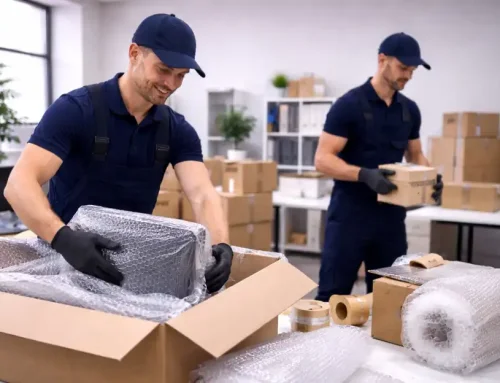
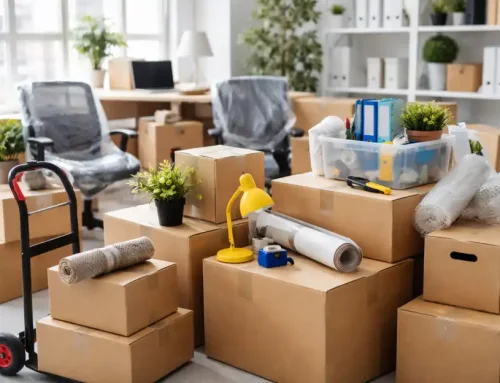
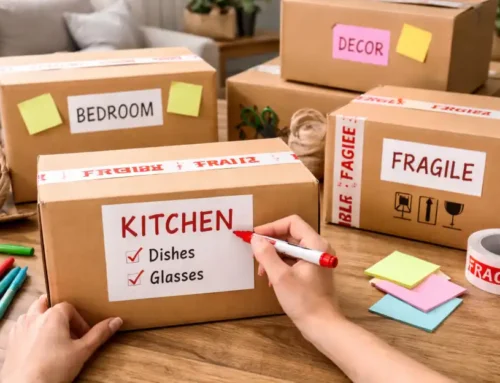
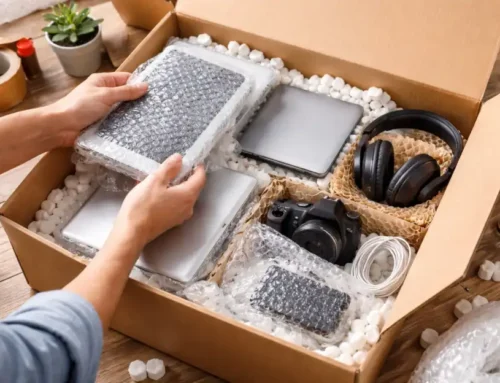
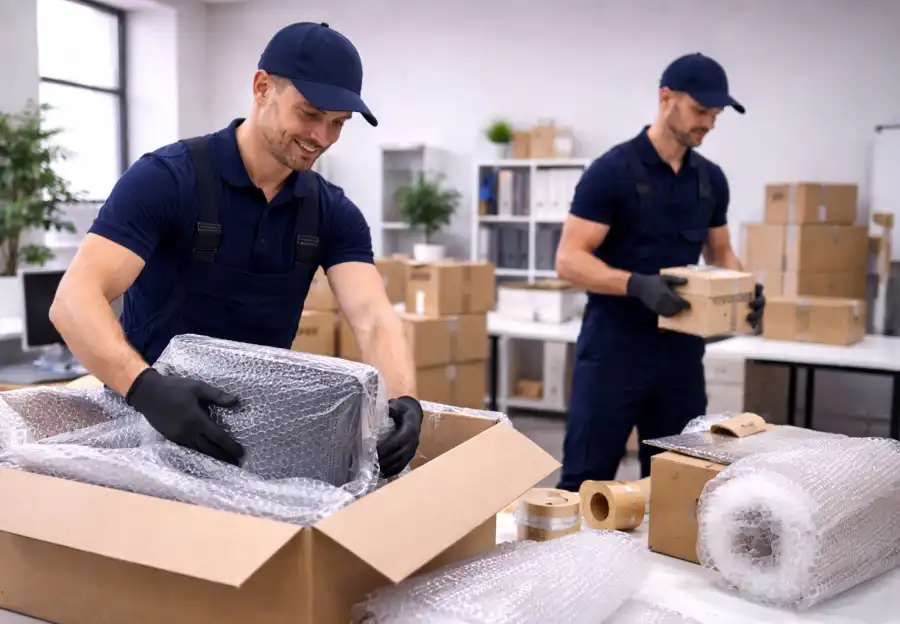
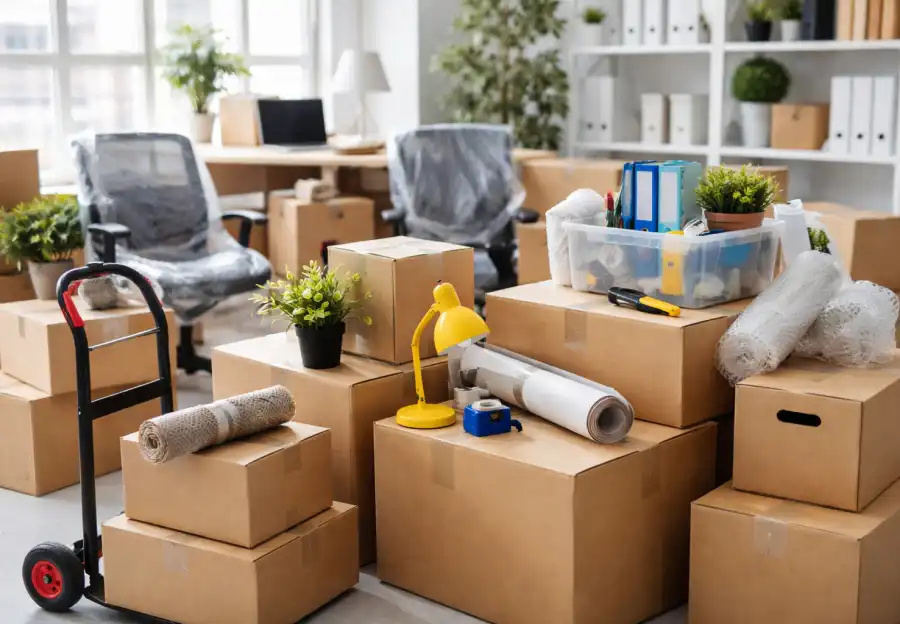
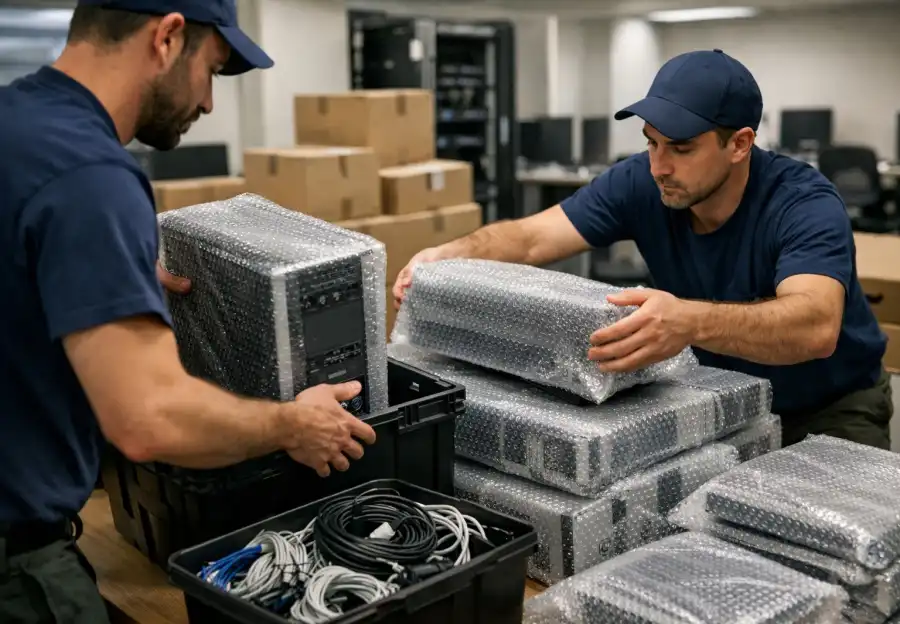
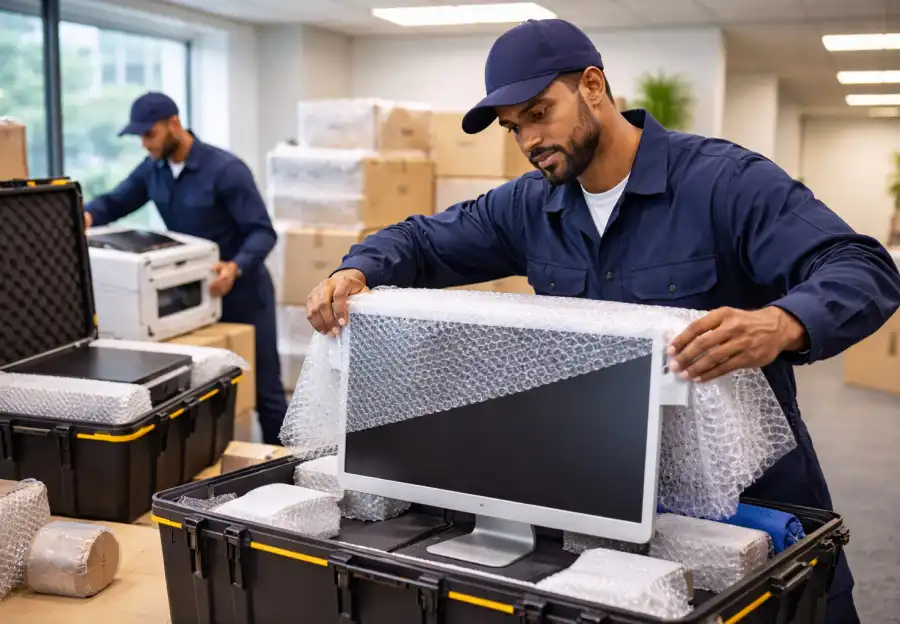
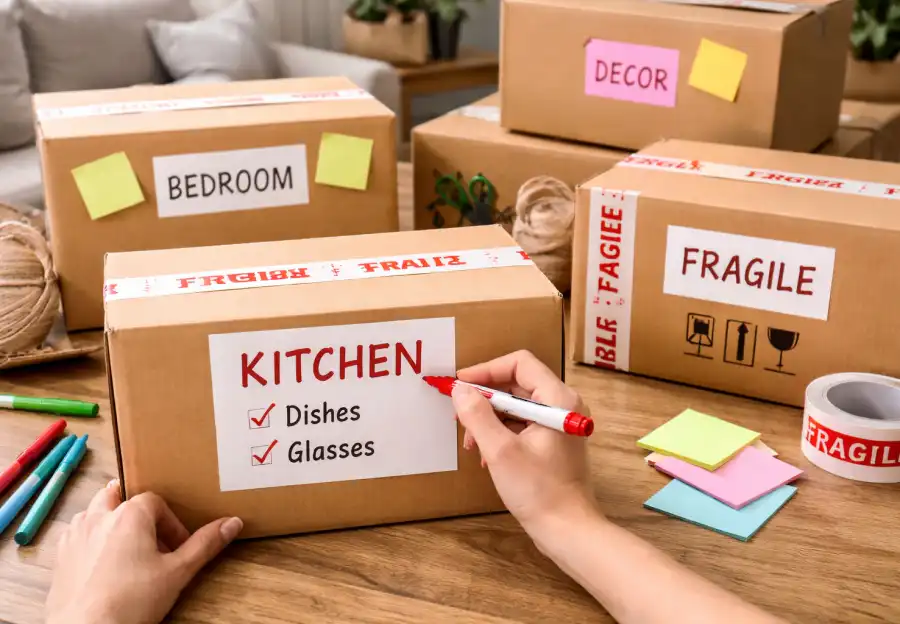
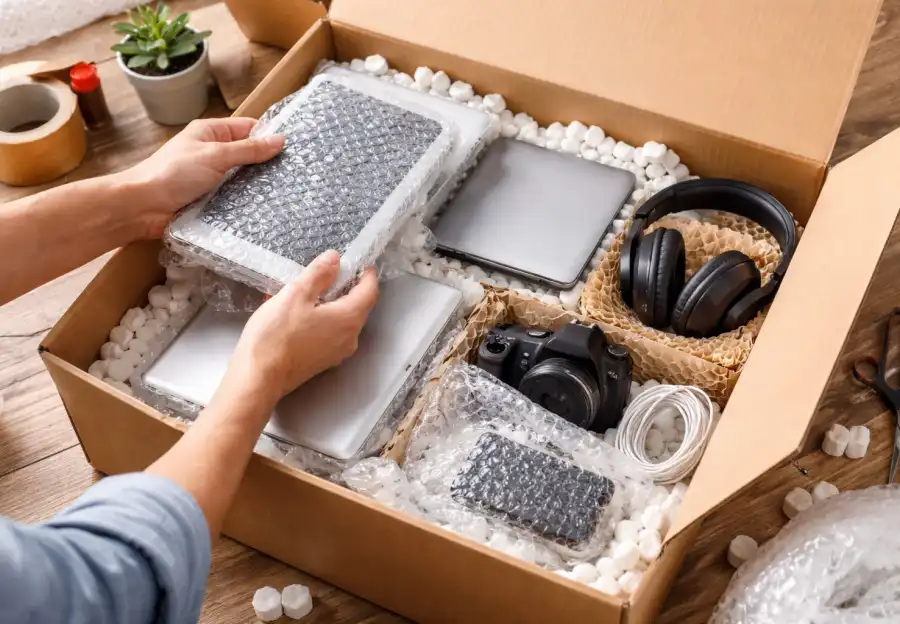
Selecting the right materials and tools is another crucial consideration in last-minute packing. Using appropriately sized boxes, packing paper, bubble wrap, and tape allows for efficient protection of belongings while minimizing wasted time searching for supplies. If conventional packing materials are unavailable, improvisation with household items such as towels, blankets, or reusable containers can serve as effective cushioning. Having markers, labels, and a basic checklist on hand further supports organization and ensures that boxes are clearly identified, which simplifies unpacking and prevents loss of essential items.
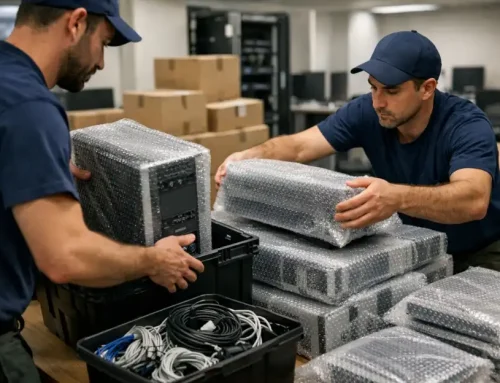
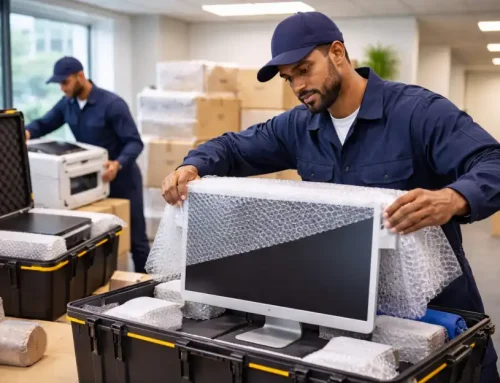
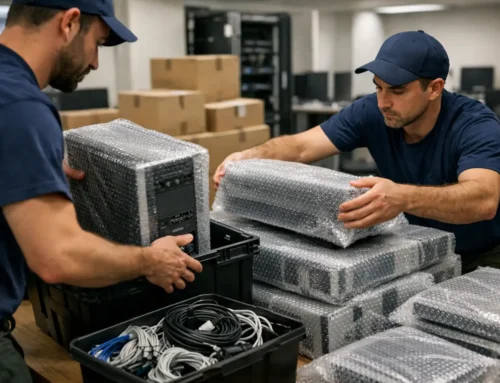
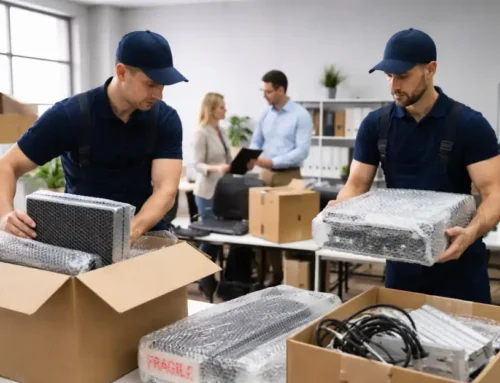
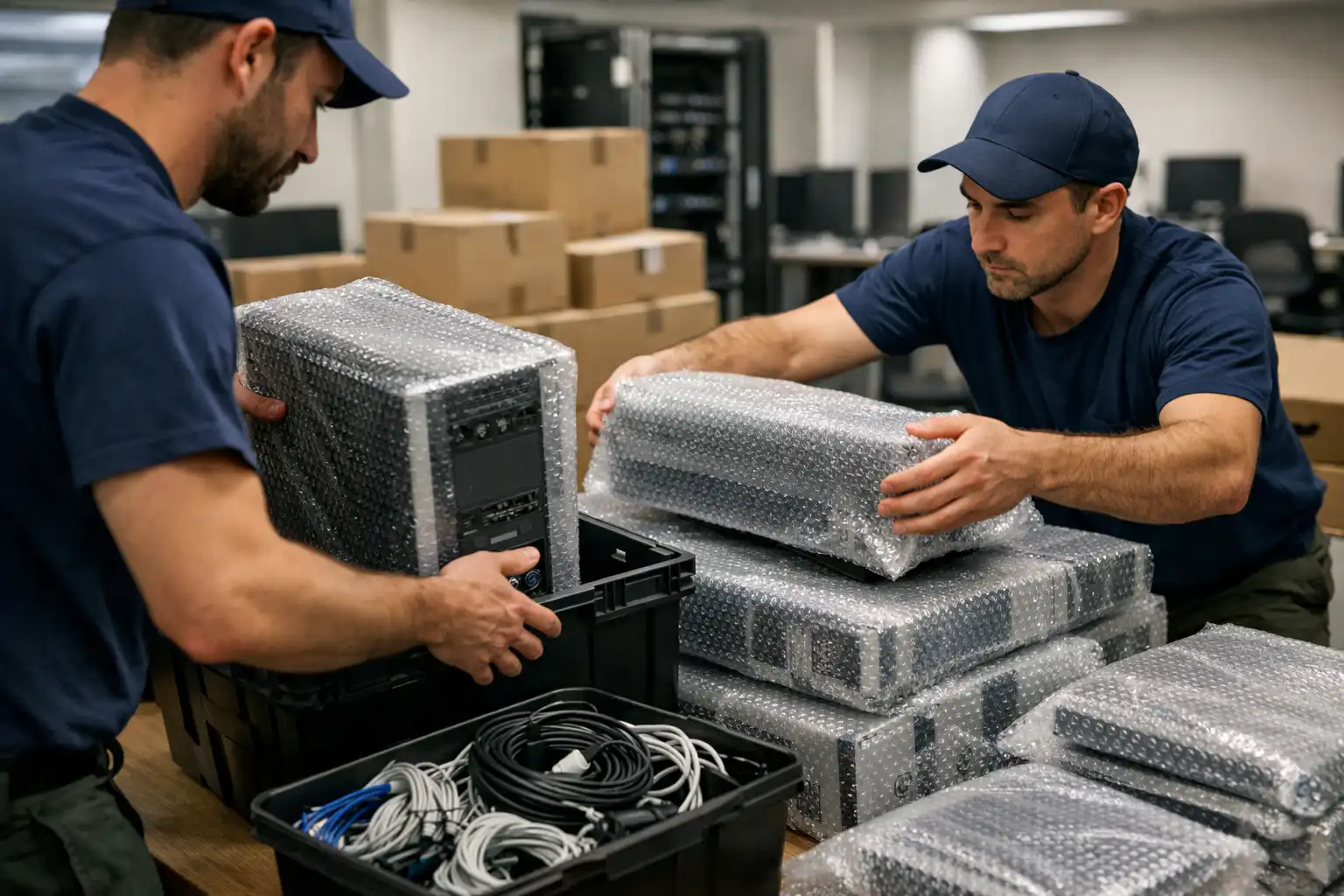
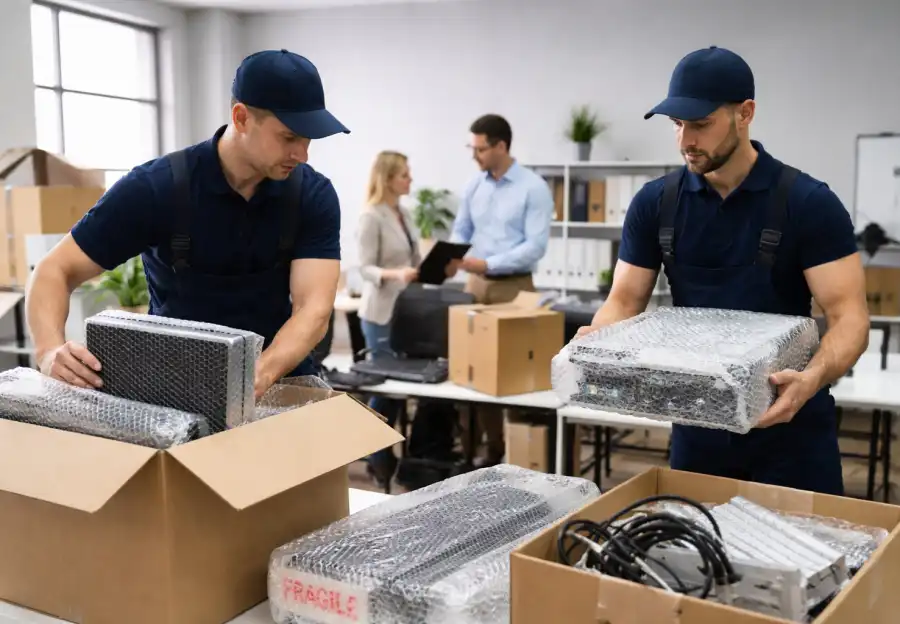
Efficiency during the actual packing phase depends heavily on systematic handling. Fragile items should be wrapped and placed carefully, with heavier objects at the bottom and lighter items on top. Nesting similar items and consolidating loose components into small containers can save both space and time. Quick, repetitive techniques such as wrapping several similar items together or stacking like-sized boxes can accelerate the process while maintaining safety and minimizing potential damage. The key is to combine speed with methodical execution, avoiding haphazard packing that could lead to breakage or unnecessary stress.
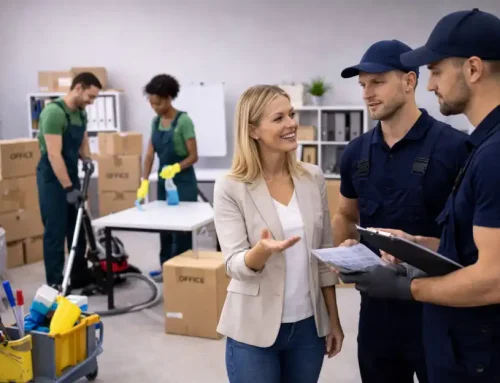
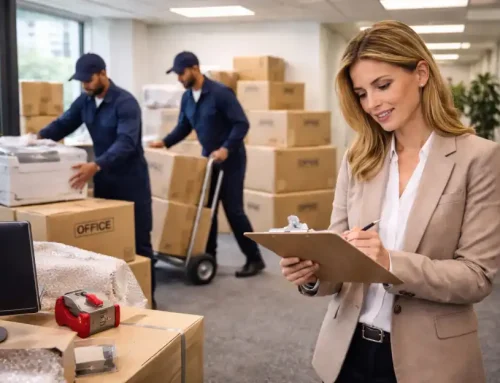
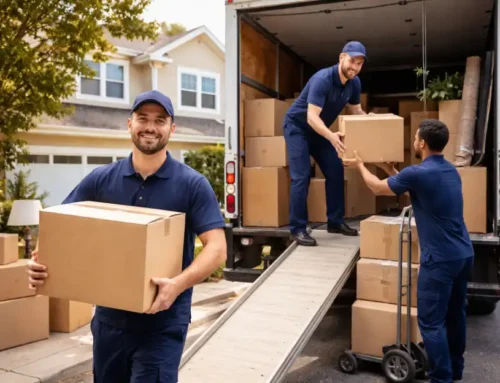
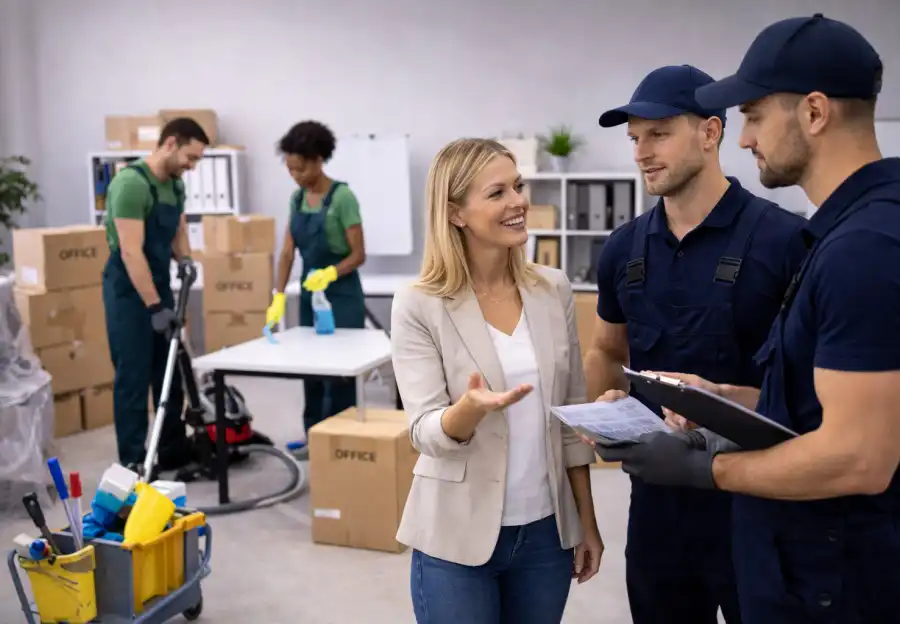
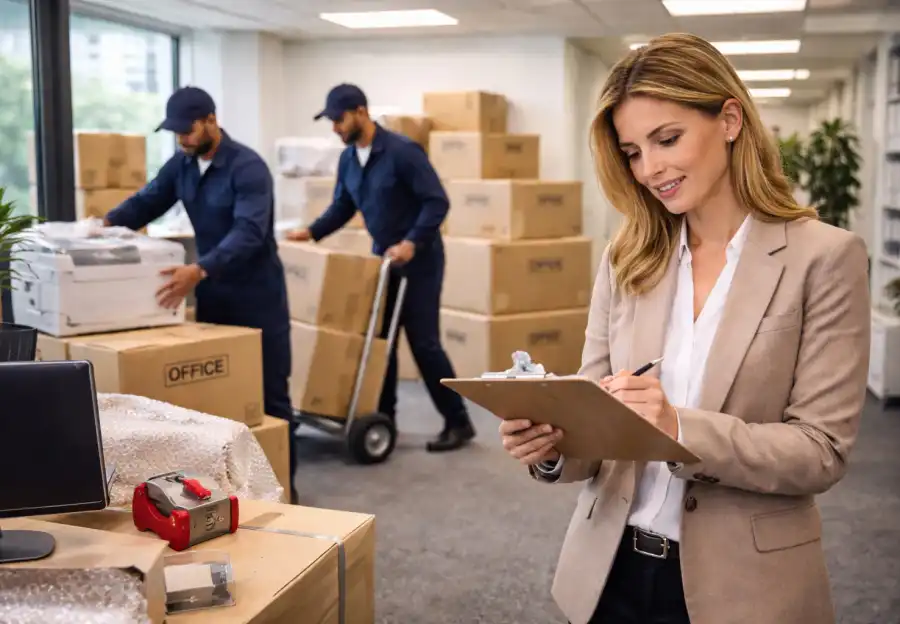
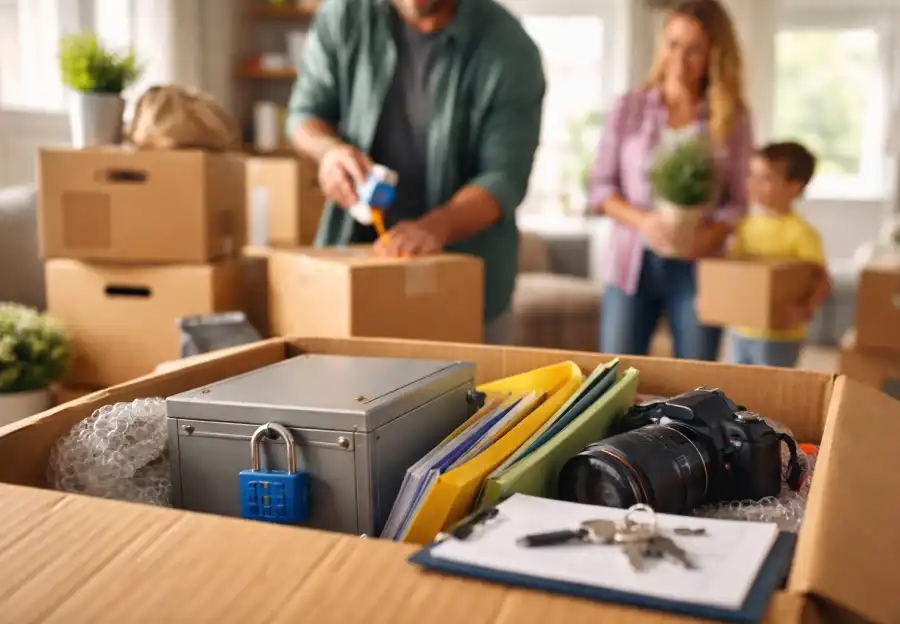
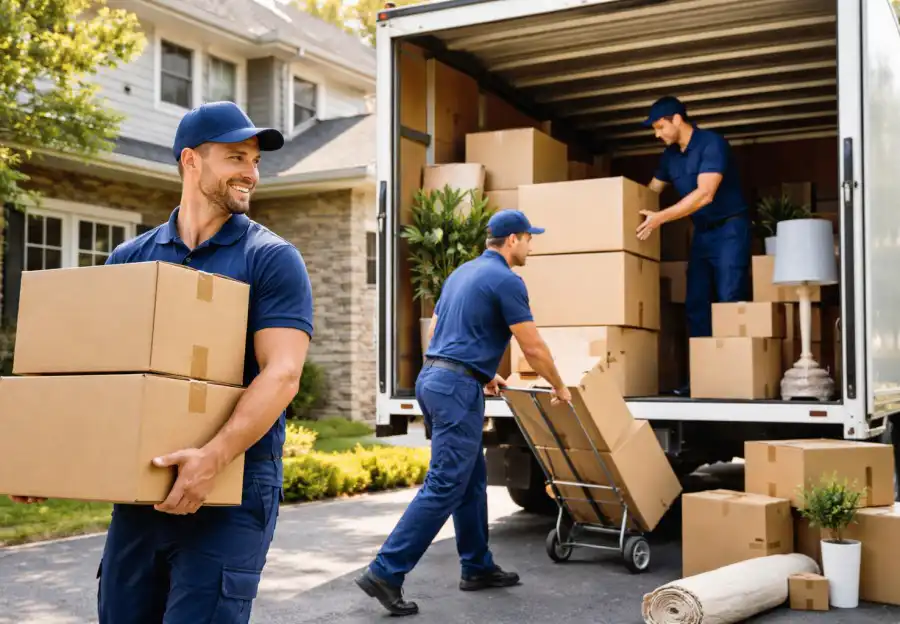
Time management and delegation also play pivotal roles in last-minute packing. Assigning specific tasks to family members, roommates, or hired help allows multiple areas to be addressed simultaneously. Clear communication about priorities, fragile items, and labeling procedures ensures that everyone works cohesively, avoiding duplication of effort or overlooked belongings. Using timers or structured intervals for packing sessions can help maintain focus and momentum, allowing the team to tackle even large volumes of items within a compressed schedule.
Another important strategy is to anticipate challenges and build flexibility into the process. Last-minute packing often involves unforeseen obstacles such as missing supplies, unexpected clutter, or last-minute changes in schedule. Keeping extra materials on hand, maintaining a list of essential items, and leaving a small margin for adjustments can prevent panic or delays. In addition, mentally preparing for rapid problem-solving enables individuals to adapt without losing composure, ensuring that packing remains efficient even under high-pressure conditions.
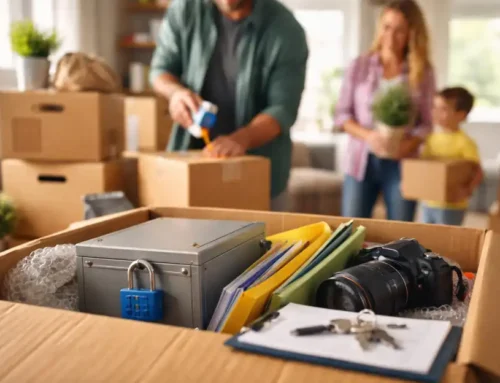
Psychological strategies also contribute to successful last-minute packing. Maintaining a calm, focused mindset reduces anxiety and promotes clear decision-making. Using structured systems such as labeling boxes by room or category, creating short-term checklists, and keeping high-priority items easily accessible provides a sense of control amidst the rush. Positive reinforcement, whether through short breaks or small rewards, can maintain energy levels and motivation, helping individuals sustain productivity during a physically and mentally demanding task.
Sustainability and organization are equally important, even when time is limited. Whenever possible, using existing containers, reusable materials, or eco-friendly alternatives reduces waste and promotes environmental responsibility. Organizing items logically during last-minute packing not only facilitates a smoother move or storage process but also ensures that unpacking, setup, or retrieval is more straightforward. A systematic approach enhances efficiency and preserves the integrity of items, demonstrating that speed does not have to come at the cost of order or care.
Finally, reflecting on the process and implementing lessons learned can improve future last-minute packing experiences. Noting which strategies were effective, which items were difficult to pack quickly, and how the workflow could be optimized provides valuable insights for subsequent relocations or urgent packing scenarios. Building these skills over time cultivates a stronger sense of preparedness, reduces stress during tight deadlines, and strengthens problem-solving capabilities that are transferable to other aspects of daily life.
In conclusion, handling last-minute packing tasks successfully requires a combination of planning, prioritization, efficient material use, systematic execution, and adaptability. By breaking down tasks into manageable steps, maintaining organization, using proper tools, delegating effectively, and applying psychological strategies, individuals can complete last-minute packing with minimal stress and maximum efficiency. This approach not only ensures the protection of belongings and smooth relocation or storage but also fosters transferable skills in time management, organization, and problem-solving, making last-minute packing a structured, manageable, and ultimately productive process.