
January 31, 2026
How to Decide What to Keep or Toss before Moving
Deciding what to keep or toss before moving is a crucial step in preparing for a relocation because it simplifies packing, reduces moving costs, and contributes to a more organized, functional, and stress-free new home. While the task may initially seem overwhelming, approaching it systematically allows homeowners to make thoughtful, intentional decisions about each item. A practical starting point is a room-by-room assessment that evaluates the usefulness, sentimental value, and condition of belongings. Breaking the home into manageable sections prevents burnout, helps maintain focus, and provides a clear framework for decision-making. Beginning with non-essential areas such as storage rooms, attics, basements, or closets allows you to tackle items you are least attached to first, making it easier to develop a mindset of prioritization and efficiency.
Practicality is one of the first considerations when deciding what to keep, because items that are frequently used, necessary for daily routines, or essential to your lifestyle should generally be retained. Conversely, items that are rarely used, duplicates, or outdated are strong candidates for disposal, donation, or sale. Evaluating practicality involves asking questions such as whether the item has a specific purpose in your new home, whether it fits within the space available, and whether it aligns with your current needs and habits. Items that do not serve a meaningful function add unnecessary weight, clutter, and cost to the move. Removing them beforehand streamlines packing and allows for a more organized and efficient unpacking process.
Sentimental value is another important factor, because certain items carry emotional significance, family history, or personal memories. While it may be tempting to hold onto everything, being selective ensures that you preserve truly meaningful items without becoming weighed down by excess. Creating a specific category for keepsakes, photographs, or heirlooms helps differentiate what is important from what is replaceable or purely decorative. Additionally, digitizing or photographing certain possessions can maintain the memory without requiring physical transport, reducing volume and lowering the risk of damage during the move.
The condition of items is also critical to the decision-making process. Broken, damaged, or worn-out belongings can create additional work, expense, or clutter in a new home. Evaluating whether an item is functional, safe, and aesthetically acceptable helps determine if it should be repaired, repurposed, donated, or discarded. Items that cannot be salvaged or are too costly to fix generally should be removed from the moving inventory, as transporting them adds unnecessary weight, labor, and cost, and can result in disappointment or frustration upon arrival. This approach ensures that only usable, valuable items are brought into the new space.
A practical method for organizing this process is to categorize items into “keep,” “donate/sell,” and “discard” piles. Visualizing belongings in this way allows for easier decision-making, streamlines packing, and helps reduce stress. It also creates opportunities to give back to the community, sell unwanted items to offset moving costs, or responsibly recycle materials that cannot be repurposed. Clearly labeling these categories ensures that movers, family members, or helpers understand where each item belongs, preventing confusion and contributing to a smoother, more organized relocation.
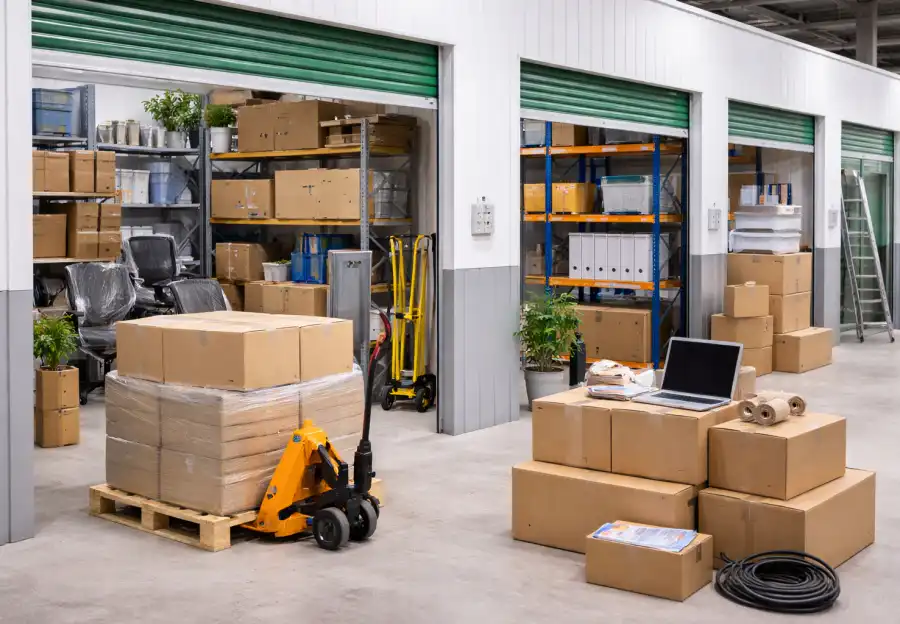
Considering the new living space is equally important. Items that fit comfortably in the current home may be too large, bulky, or unnecessary in a new apartment, house, or storage unit. Taking accurate measurements of furniture, appliances, and other possessions allows you to plan placement in advance, avoid overcrowding, and ensure that every item serves a functional or aesthetic purpose. This process also highlights opportunities to downsize, replace, or consolidate belongings, reducing moving costs and simplifying unpacking and organization upon arrival.
Lifestyle changes should guide decisions as well, because needs, routines, and habits evolve over time. Possessions that no longer align with your current lifestyle are prime candidates for removal, while keeping items that support your daily routines ensures a smoother transition, greater comfort, and more efficient use of space. Reevaluating wardrobe, kitchenware, electronics, and recreational items helps eliminate clutter while preserving essentials that enhance everyday life. This thoughtful assessment ensures that your new home reflects your present priorities rather than past acquisitions.
Patience, honesty, and practicality are key when deciding what to keep or toss. Moving is an opportunity to start fresh, create intentional living spaces, and reduce the stress associated with excess belongings. By evaluating practicality, sentimental value, condition, functionality, space constraints, and lifestyle relevance, homeowners can streamline the move, reduce costs, simplify packing and unpacking, and establish a foundation for a more organized and enjoyable home environment. Careful decision-making ensures that each possession brought to the new home is valued, useful, and meaningful, transforming the move into an opportunity for clarity, efficiency, and a positive fresh start.
Ultimately, deciding what to keep or discard before a move is about more than just logistics; it is about intentionality and foresight. Thoughtful evaluation helps create a living space that is functional, comfortable, and free from unnecessary clutter, reducing both mental and physical strain during the transition. By combining practical assessment, sentimental consideration, and strategic organization, homeowners can approach their move with confidence and clarity, ensuring that the relocation process is smooth, cost-effective, and stress-free. This method allows the new home to reflect the occupants’ priorities, values, and lifestyle, turning what might be a daunting task into a deliberate and fulfilling step toward a fresh start.