
January 26, 2026
How to Coordinate a Move With Multiple Stops
Coordinating a move with multiple stops requires careful planning, strategic organization, and clear communication, because unlike a straightforward relocation from one location to another, multi-stop moves involve additional logistics, potential delays, and a higher risk of misplacing or damaging belongings. Each stop adds complexity, making it essential to approach the move with a detailed plan and a focus on efficiency, accuracy, and safety. By preparing thoughtfully, homeowners can reduce stress, avoid mistakes, and ensure that all items reach their intended destinations on schedule.
The first step in managing a multi-stop move is creating a detailed moving timeline. Outlining every stop, estimated arrival and departure times, and the sequence of locations allows you to anticipate challenges, plan for contingencies, and keep the entire process organized. This timeline serves as a roadmap for movers, family members, or helpers, providing clarity on responsibilities and expectations. Incorporating buffer periods for traffic, loading, unloading, and rest breaks reduces stress and provides flexibility in case unforeseen issues arise. A well-structured schedule also facilitates better coordination with each stop, ensuring that timing conflicts or bottlenecks are minimized.
Another critical aspect of a multi-stop move is decluttering before the relocation begins. Reducing the volume of items to transport simplifies the moving process, lowers costs, and minimizes the potential for confusion during multiple stops. Organizing belongings into categories such as essentials, non-essentials, fragile items, and items for storage or donation allows for more efficient packing, labeling, and placement at each destination. Additionally, separating items based on their intended stop prevents accidental unloading at the wrong location and helps movers prioritize their efforts. Decluttering also allows homeowners to reassess which items are truly necessary, making the move more manageable and cost-effective.
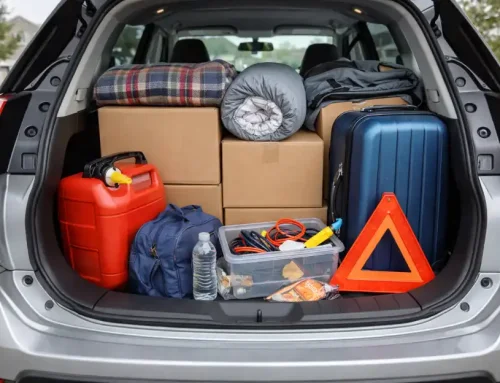
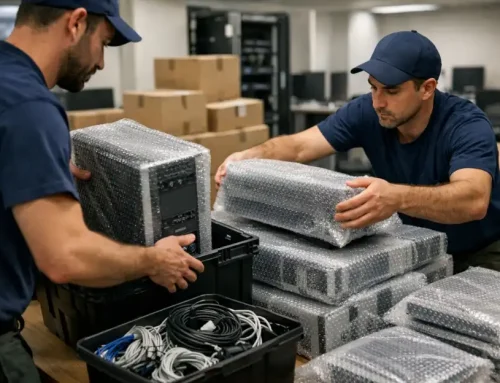
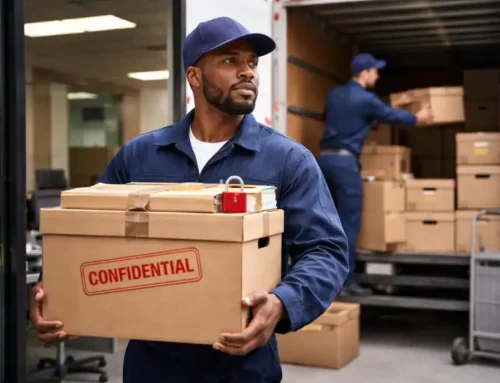
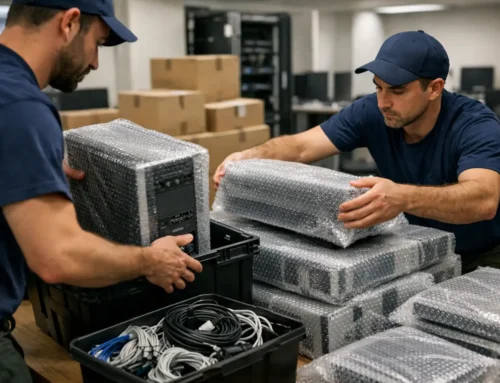
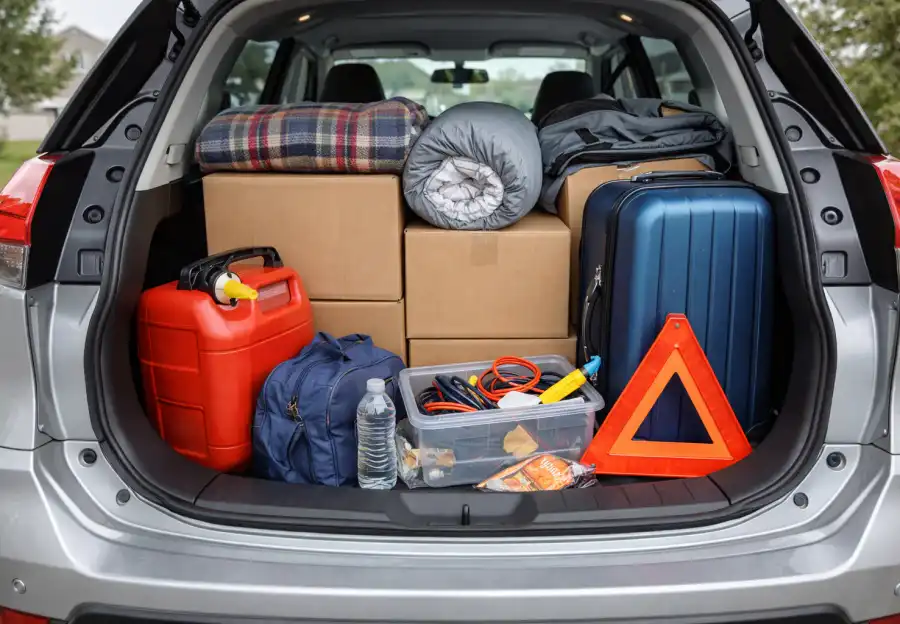
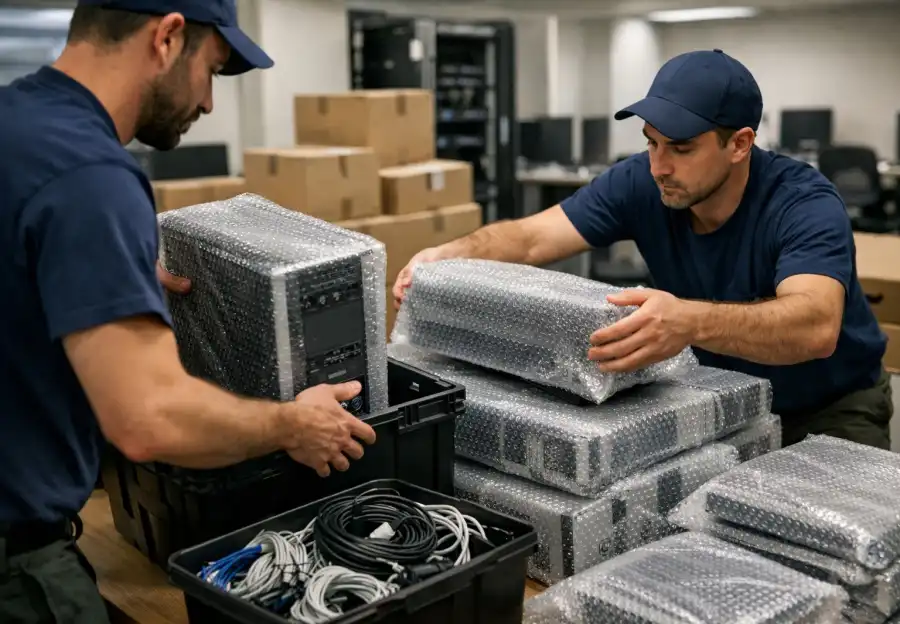
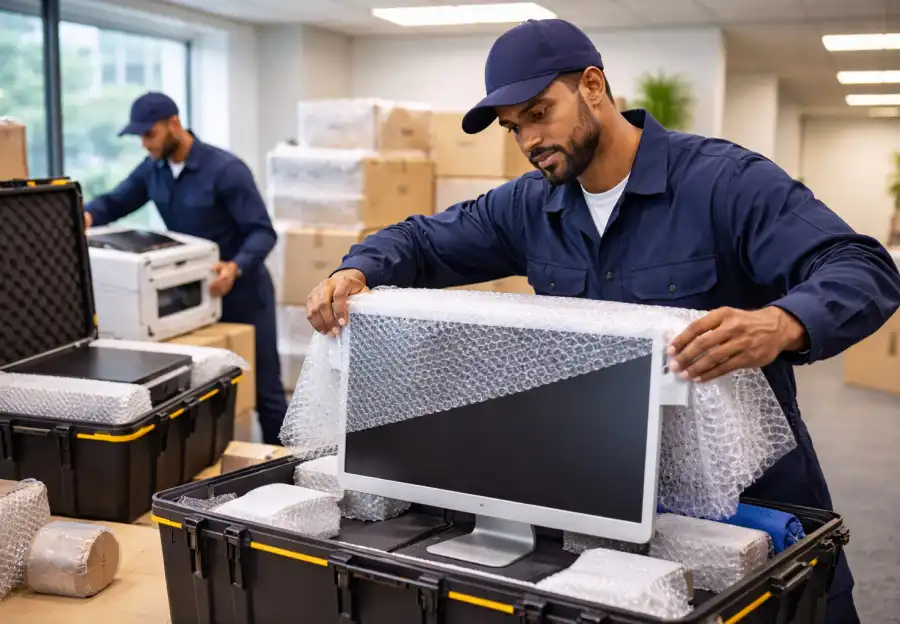
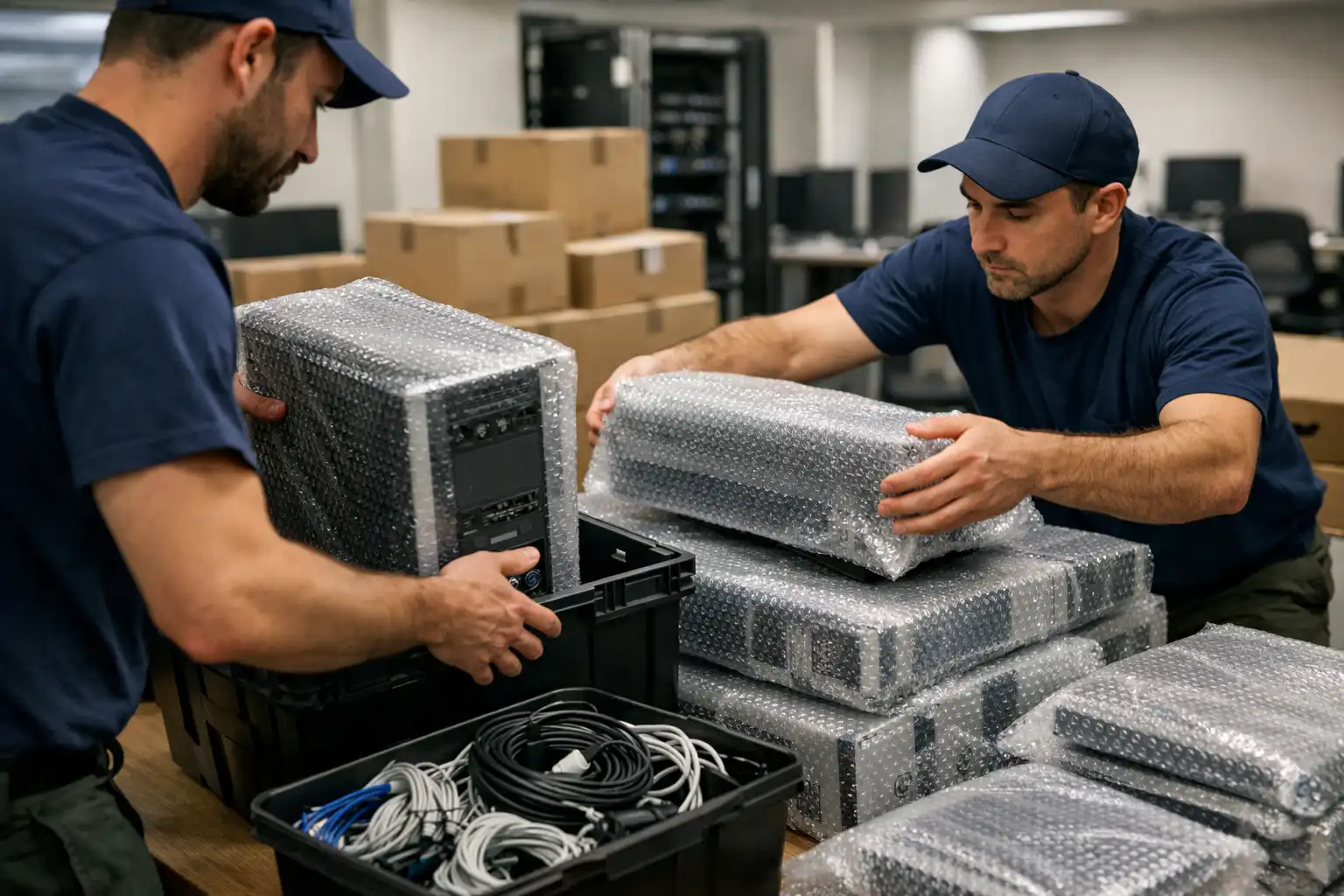
Packing strategically is especially important for moves with multiple stops, because items must be easily accessible at the correct point without disrupting the rest of the shipment. Using durable boxes, protective padding, clear labeling, and color-coded systems ensures that movers can quickly identify which items belong at each stop while protecting fragile or valuable belongings from damage. Preparing an emergency or “first-stop” box with essentials for each location guarantees that critical items are immediately accessible, reducing frustration and maintaining comfort during transitions. Thoughtful packing reduces the risk of lost or misplaced items and helps maintain a smooth workflow throughout the move.
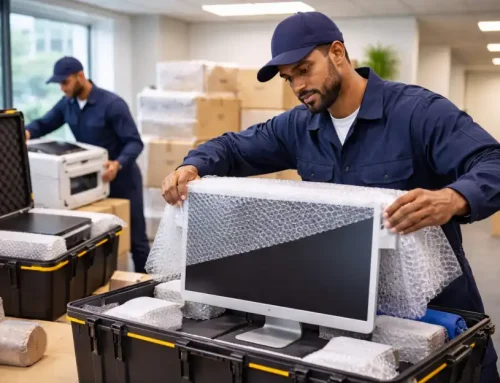
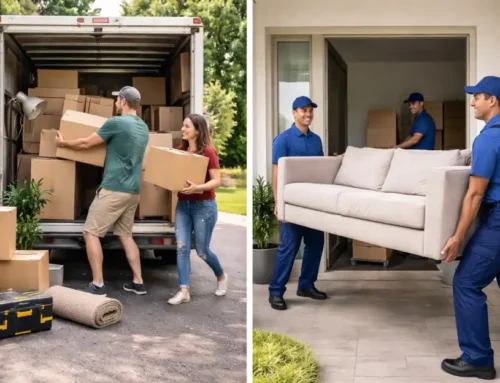
Selecting the right moving company is crucial for multi-stop relocations. Professional movers experienced in complex moves understand the unique challenges involved, including route planning, load sequencing, scheduling, and communication. Researching multiple companies, verifying licenses and insurance, reading reviews, and requesting binding estimates allows homeowners to hire a reliable provider capable of handling multiple deliveries efficiently and safely. Confirming that the movers have experience with multi-stop logistics reduces the likelihood of delays, misplaced belongings, or miscommunication. A reputable moving company can also provide guidance on how to load the truck effectively and manage timing across multiple locations.
Route planning and logistics management are essential elements of a successful multi-stop move. Coordinating travel between several destinations requires consideration of distances, traffic, road conditions, and parking availability. Mapping the most efficient sequence of stops, calculating travel times, and planning for fuel, rest breaks, and accommodations ensures a smooth journey. Careful route management minimizes travel time, reduces stress, and keeps movers and household members comfortable and focused. Being able to adjust plans in real time based on traffic, weather, or unforeseen obstacles further enhances the efficiency of the move and prevents missed appointments or unnecessary delays.
Budgeting accurately is another vital factor. Multi-stop moves often incur additional labor, fuel, and time-related expenses. Creating a comprehensive budget that accounts for moving company fees, packing materials, storage if necessary, transportation, meals, lodging, and potential contingencies ensures that costs remain controlled. Strategic cost-saving measures, such as combining deliveries, moving during off-peak times, or decluttering to reduce volume, can further optimize the budget. Keeping detailed records of estimates, invoices, and payments allows for efficient financial management and reduces stress throughout the process.
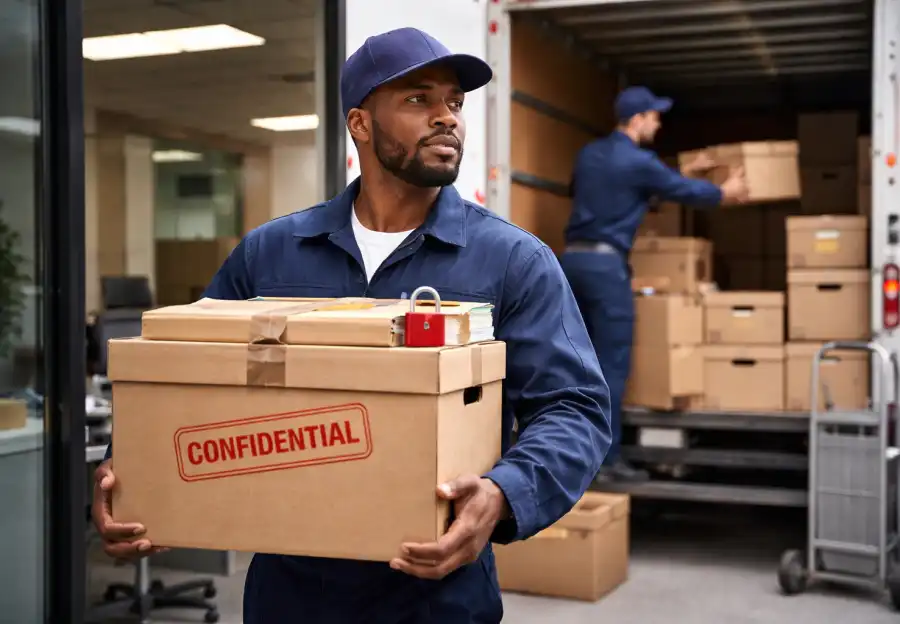
Communication is a key component of a successful multi-stop move. All parties involved must understand the plan, schedule, and special requirements for each stop. Providing written instructions, including which items go to which location, handling guidelines for fragile items, and delivery priorities, helps movers understand expectations and reduces the risk of errors. Maintaining contact via phone, text, or email throughout the move allows for real-time updates, troubleshooting, and adjustments, ensuring that the process stays on track even if unexpected challenges arise.
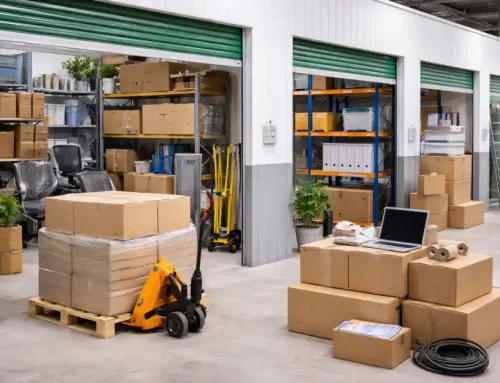
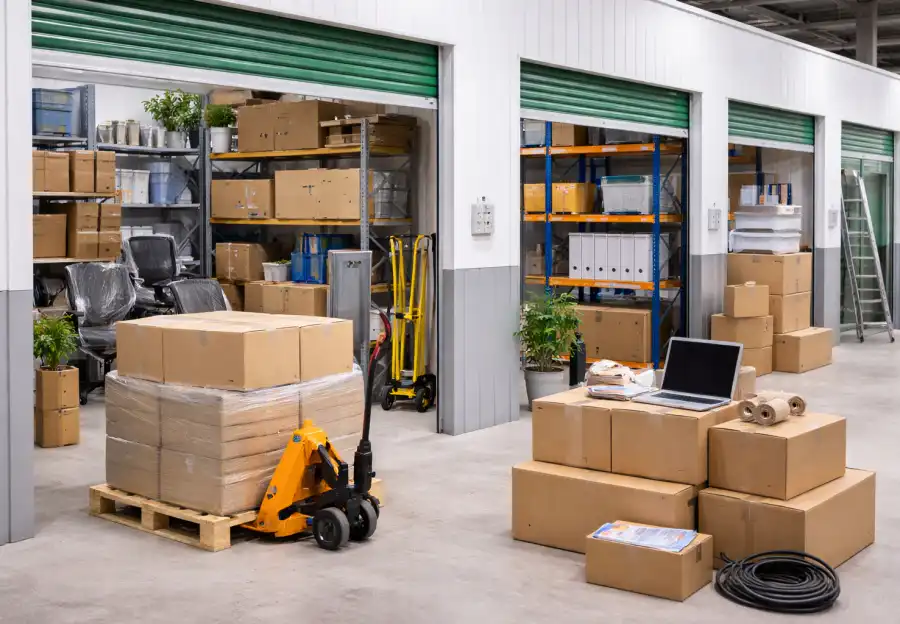
Preparing each stop in advance is also critical. Ensuring that access points, parking, elevators, or loading zones are available allows movers to unload efficiently. Arranging for temporary storage if needed, clearing pathways, and setting up each destination for the arrival of items reduces delays and minimizes the risk of damage. Having a checklist for unpacking priorities at each location ensures that essential areas, such as bedrooms, kitchens, and bathrooms, are functional immediately, providing comfort and organization.
Finally, patience, flexibility, and careful oversight are essential for multi-stop moves. Even with meticulous planning, unexpected events such as traffic delays, weather, or equipment issues may arise. Staying calm, problem-solving efficiently, and maintaining organization throughout the move ensures that each stop is handled correctly, items are delivered to the right location, and the overall process remains on schedule. By combining strategic planning, professional movers, careful packing, clear labeling, route management, budgeting, proactive communication, and preparation at each destination, homeowners can successfully coordinate a multi-stop move. This approach ensures that belongings arrive safely, timelines are maintained, and the relocation is executed smoothly and efficiently, demonstrating that attention to detail, foresight, and methodical execution are key to managing complex multi-stop moves with minimal stress and maximum efficiency.