
January 7, 2026
How to Choose the Best Moving Insurance
Choosing the best moving insurance is one of the most important steps in protecting your belongings during a relocation. A move involves multiple stages—packing, loading, transportation, unloading, and sometimes storage—each of which presents opportunities for damage, loss, or theft. Understanding your insurance options and making informed decisions can significantly reduce stress while providing valuable peace of mind. The first step in selecting the right moving insurance is understanding the different types of coverage available, such as basic liability, full-value protection, and replacement cost coverage. Each option comes with specific limits and responsibilities, and knowing what is covered, what is excluded, and how claims are handled allows you to choose protection that matches the value and nature of your possessions.
Basic liability coverage, which is often included at no additional cost with professional movers, typically provides minimal compensation based on weight rather than actual value. This type of coverage may be sufficient for low-value items but is rarely adequate for fragile, expensive, or sentimental belongings. Full-value protection offers a higher level of security, requiring movers to repair, replace, or reimburse the current market value of damaged or lost items. Replacement cost coverage goes a step further by covering the cost of replacing items with new equivalents. Understanding these distinctions helps homeowners avoid false assumptions and ensures that important belongings receive appropriate protection.
Accurately determining the value of your possessions is another essential step in choosing the right insurance. Underestimating the value of your belongings can leave you underinsured, while overestimating may result in unnecessary premiums. Conducting a detailed inventory, taking photos or videos, and gathering receipts for high-value items creates a clear and reliable record. This documentation not only helps insurance providers calculate appropriate coverage limits but also strengthens your position if you need to file a claim.
Researching and comparing insurance providers is equally important. Moving companies and third-party insurers vary widely in their coverage options, customer service, and claims processes. First-time movers often focus solely on price, overlooking reliability and responsiveness. Reading reviews, verifying licenses, and asking specific questions about claim timelines and dispute resolution helps you select a reputable provider. A trustworthy insurer ensures that if something goes wrong, you receive timely support rather than added frustration.
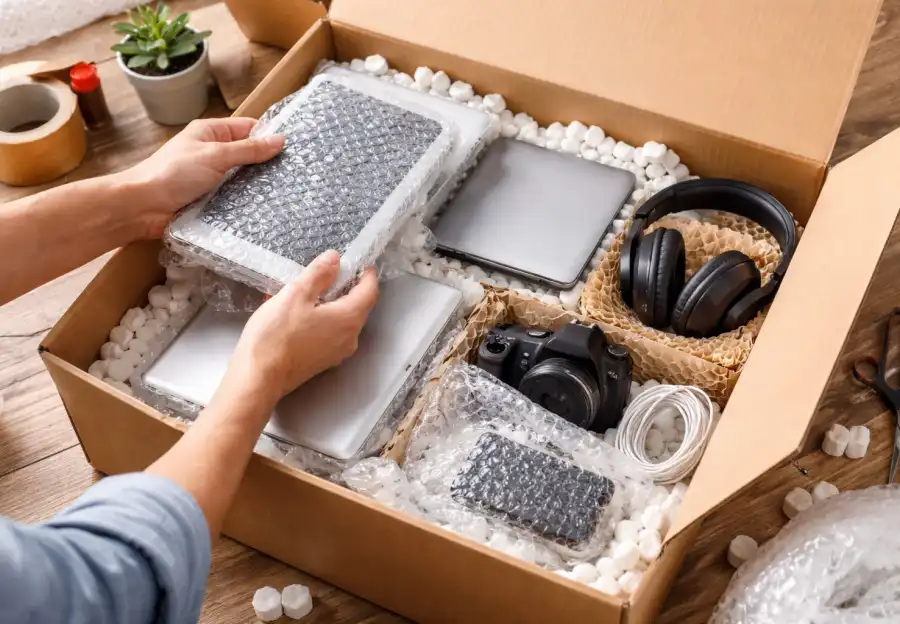
Carefully reviewing the terms and conditions of any policy is critical. Many moving insurance policies include exclusions, deductibles, and specific requirements that can affect coverage. Certain items, such as electronics, artwork, or outdoor equipment, may have coverage limits or require special packing methods. Some policies only apply if items are packed by professional movers. Understanding these conditions in advance prevents unpleasant surprises and ensures that you meet all requirements to qualify for compensation.
Evaluating the nature and risk level of your move also plays an important role in selecting insurance. Local moves generally carry fewer risks than long-distance or international relocations, which involve extended transit times, multiple handling points, and potential storage. Weather conditions, transportation methods, and access challenges can also increase risk. Choosing coverage that reflects these factors ensures you are neither overpaying for unnecessary protection nor leaving yourself vulnerable to loss.
Supplemental or third-party insurance may be necessary for high-value or specialty items. Standard moving insurance may not fully cover jewelry, antiques, artwork, or collections. Adding riders or purchasing separate policies ensures comprehensive protection for these items. This layered approach offers added security and multiple avenues for claims, particularly for irreplaceable possessions.
Documentation and communication are vital throughout the insurance process. Insurers often require inventories, photos, and proof of condition to process claims efficiently. Keeping organized records and communicating proactively with your insurer about special items or concerns helps avoid disputes. Understanding the claims process in advance, including deadlines and documentation requirements, ensures you are prepared if damage or loss occurs.
Finally, weighing the cost versus benefit of moving insurance is essential. While higher coverage may cost more upfront, it can save significant expense and stress in the event of damage. By understanding coverage options, accurately valuing belongings, researching providers, reviewing policy details, and preparing documentation, homeowners can choose the best moving insurance and relocate with confidence, knowing their possessions are protected at every stage of the move.