February 3, 2026
Creative Ways to Recycle Packing Materials
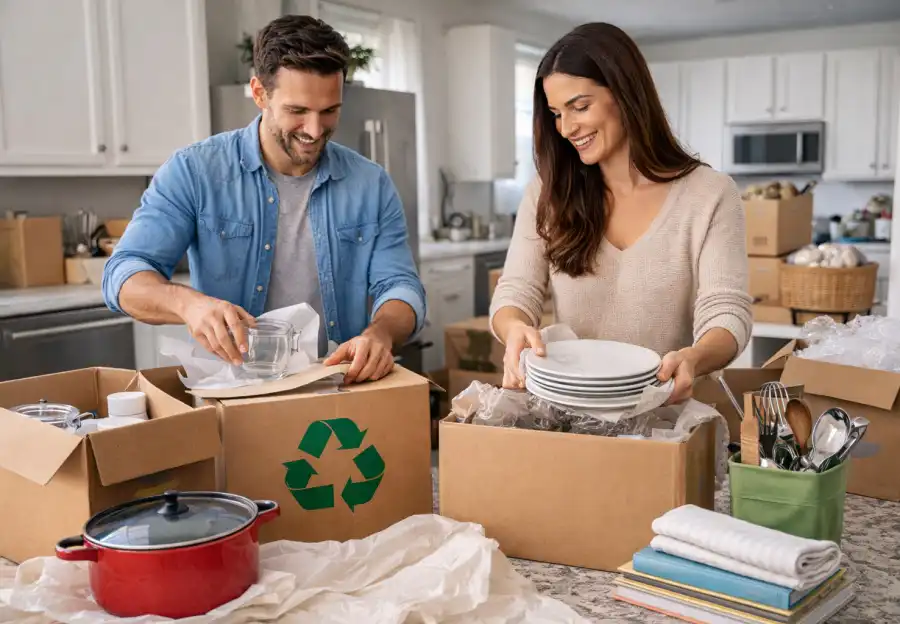
Recycling packing materials creatively is an excellent way to reduce waste, save money, and make the moving process more sustainable. A typical move generates a large amount of cardboard, bubble wrap, packing paper, foam, and other materials that are often discarded immediately after unpacking. With a little imagination, however, these items can be reused in practical, functional, and even decorative ways. By doing so, you not only help the environment but also extend the value of materials you already have, turning what might seem like clutter into useful resources for your home and daily life.
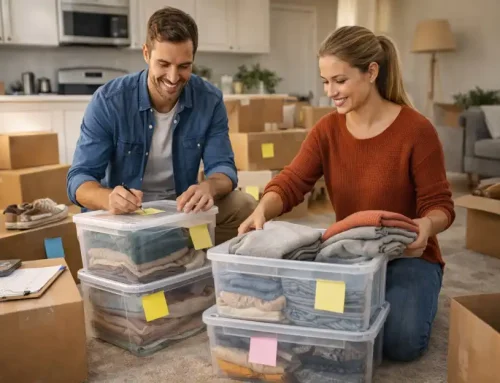
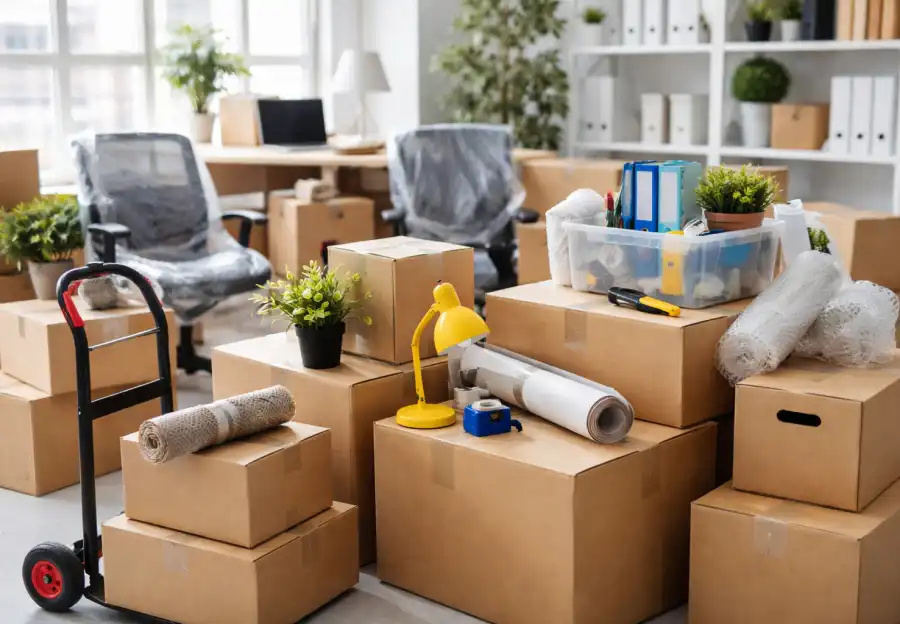
The first step in recycling packing materials is to take inventory of what you have left after your move. Knowing the types, sizes, and quantities of boxes, paper, bubble wrap, and cushioning materials allows you to plan how to reuse them effectively. This process helps prevent unnecessary clutter and ensures that materials are not wasted simply because they were overlooked. Once you understand what is available, it becomes much easier to match materials with potential uses around the house, garden, or community.
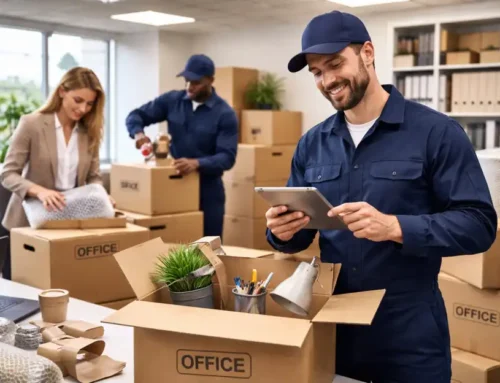
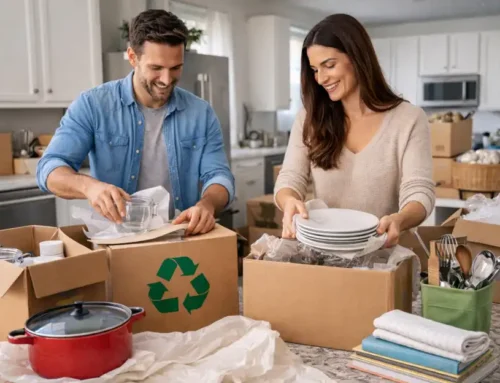
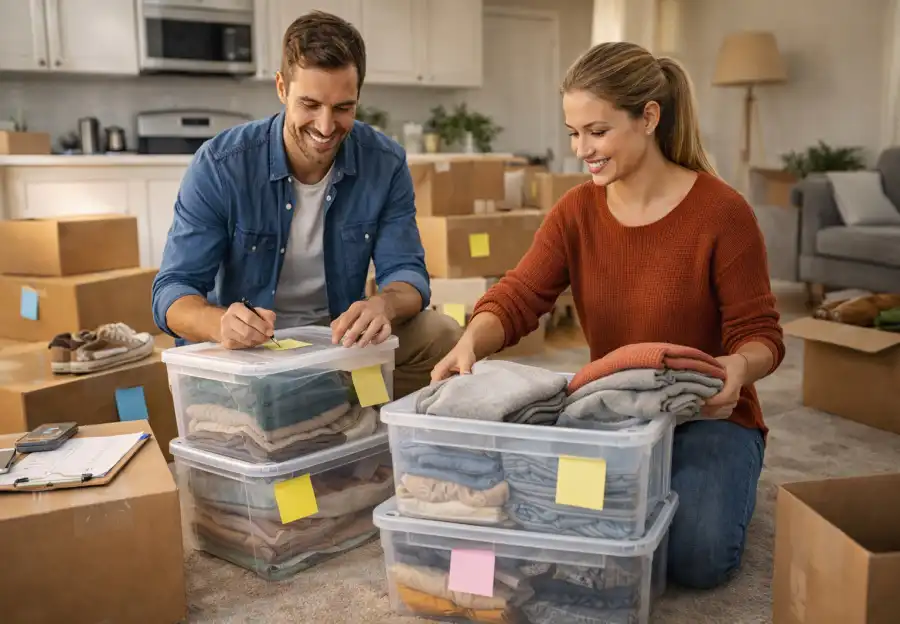
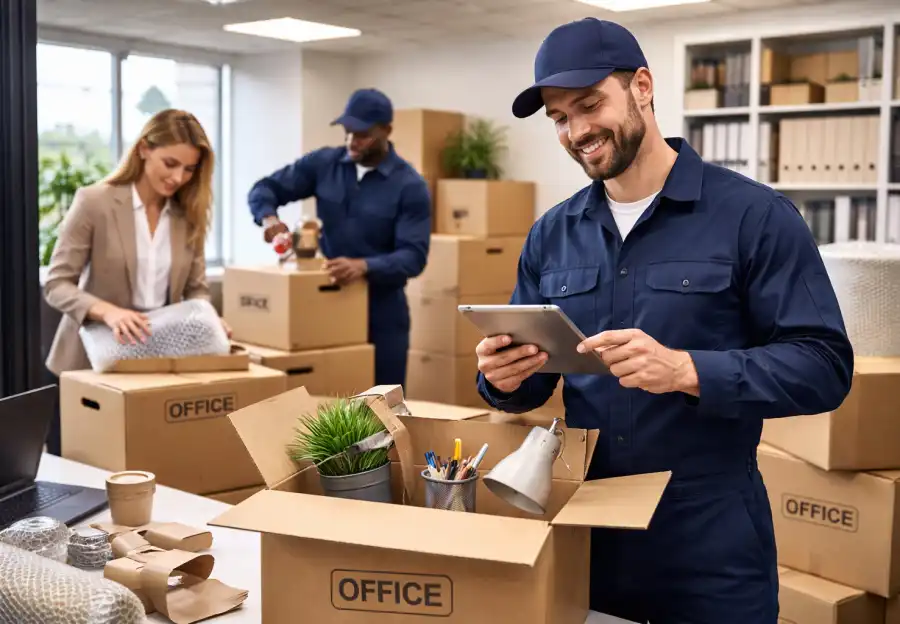
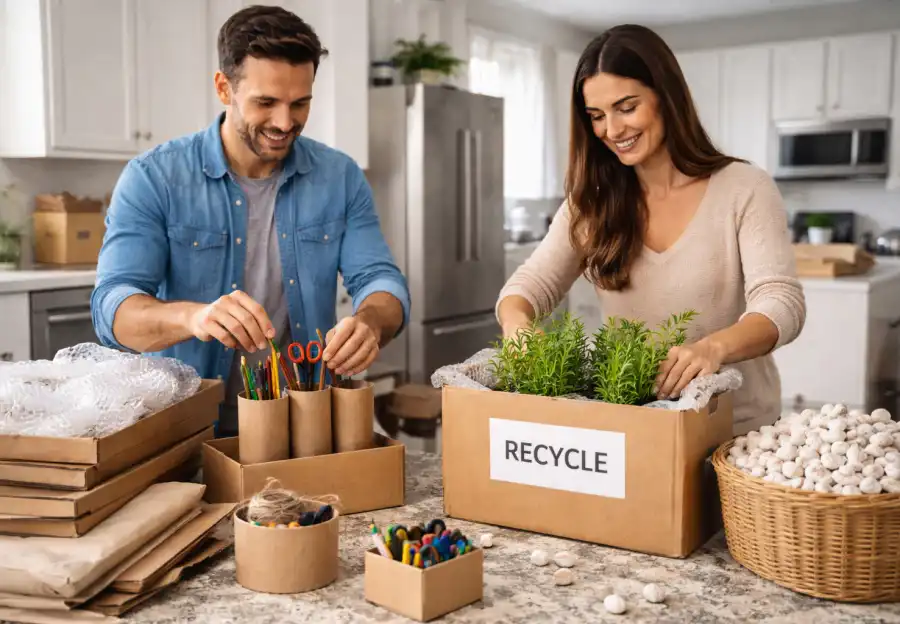
Cardboard boxes are among the most versatile packing materials and can be recycled in numerous creative ways. Flattened boxes can be used for storage and organization, such as keeping seasonal clothing, toys, or craft supplies neatly contained. With a little cutting and folding, cardboard can be transformed into drawer dividers, magazine holders, or under-bed storage solutions. Smaller pieces of cardboard are also excellent for protecting surfaces during DIY projects, painting, or crafting, as they can shield floors, tables, and shelves from spills or scratches without requiring the purchase of additional protective materials.
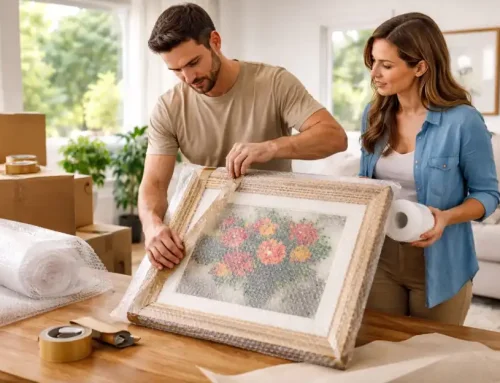
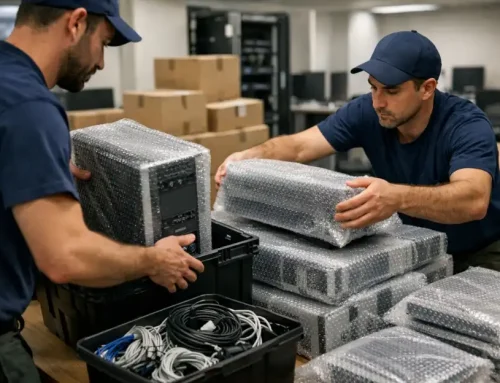
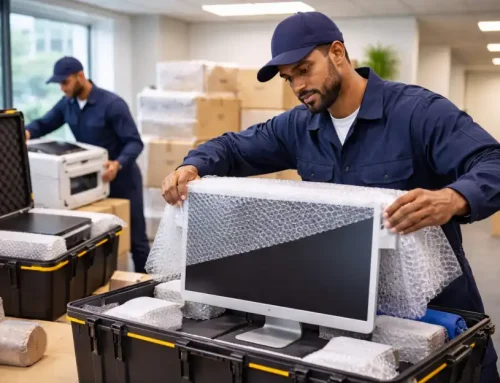
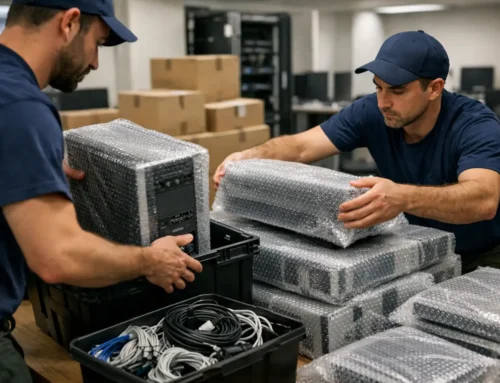
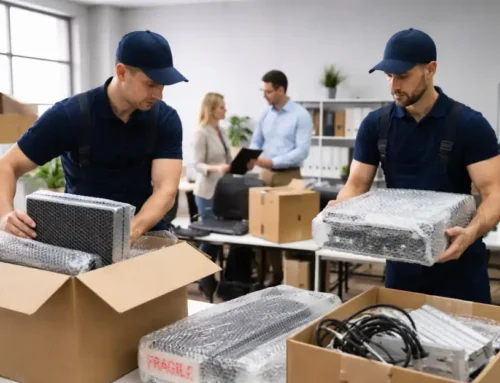
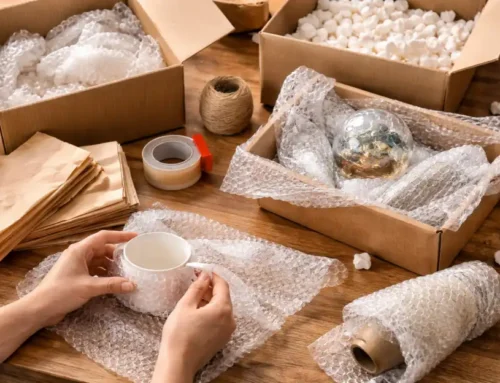
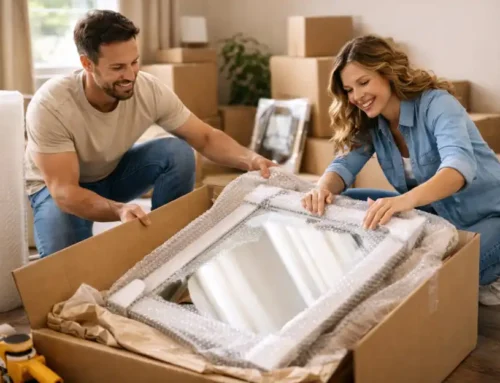
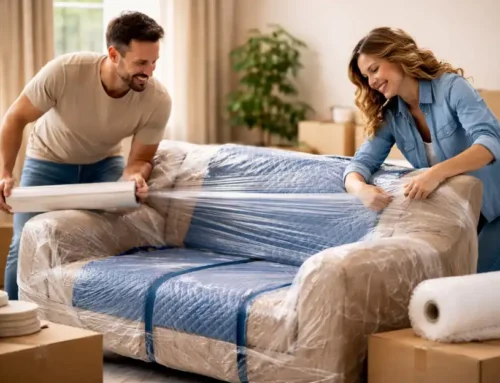
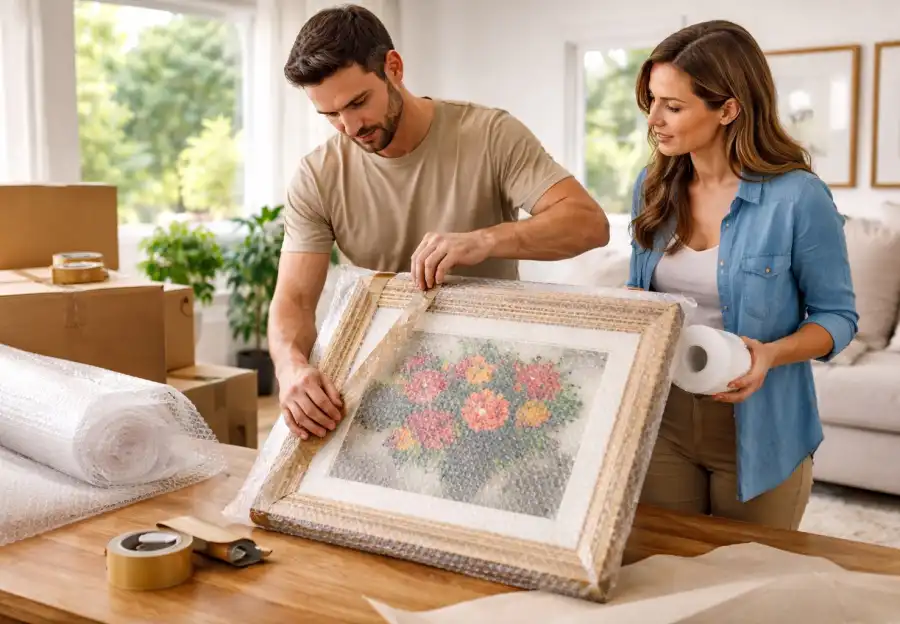
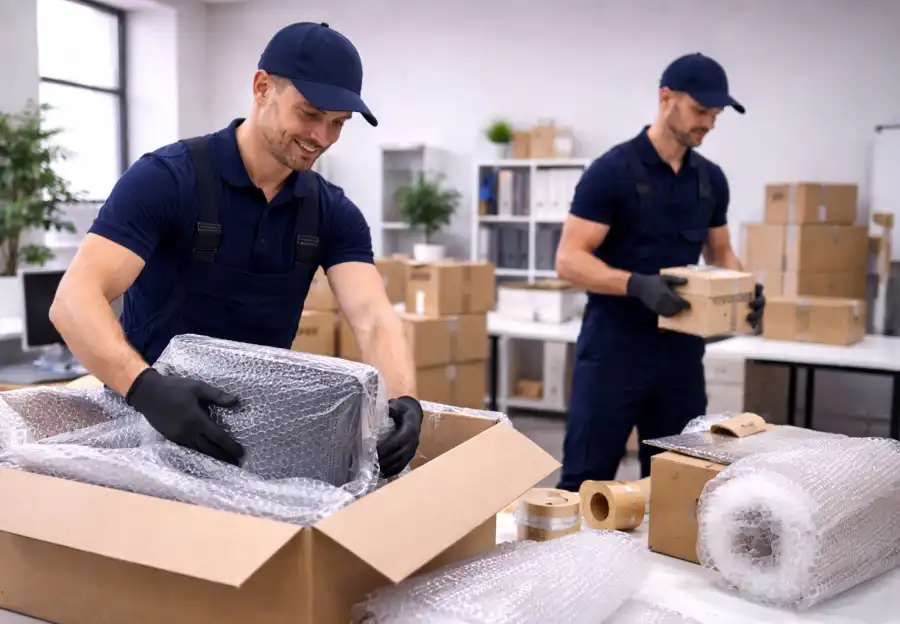
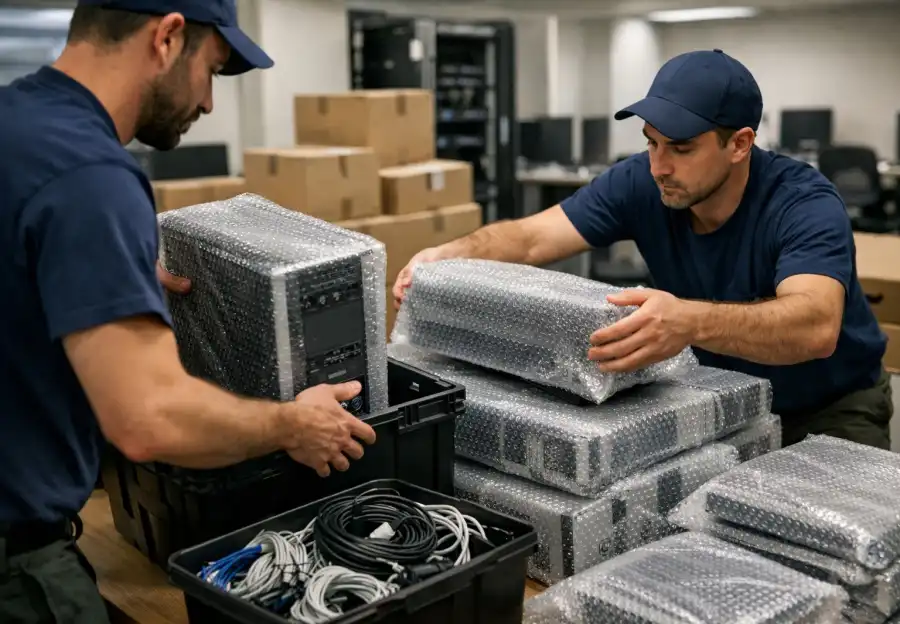
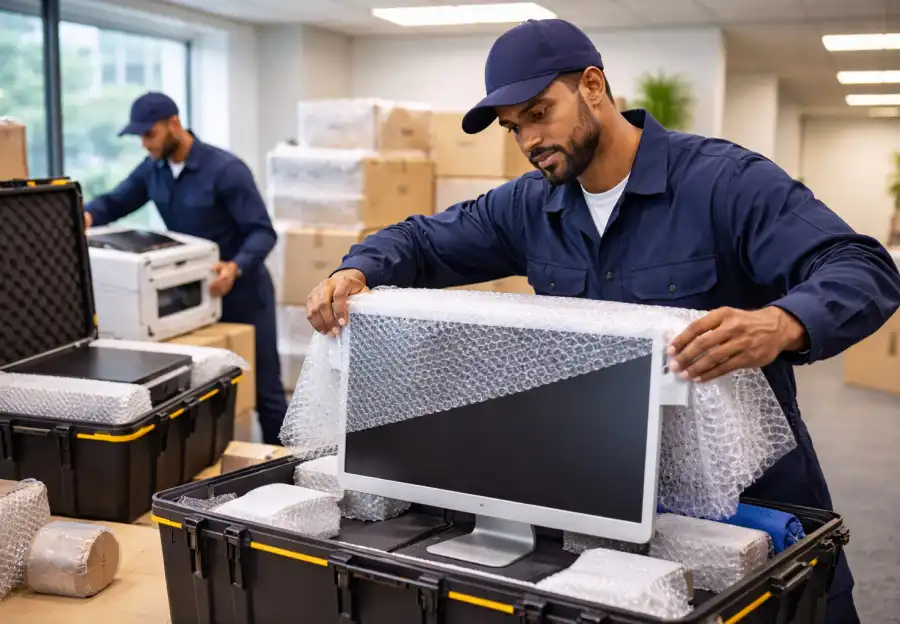
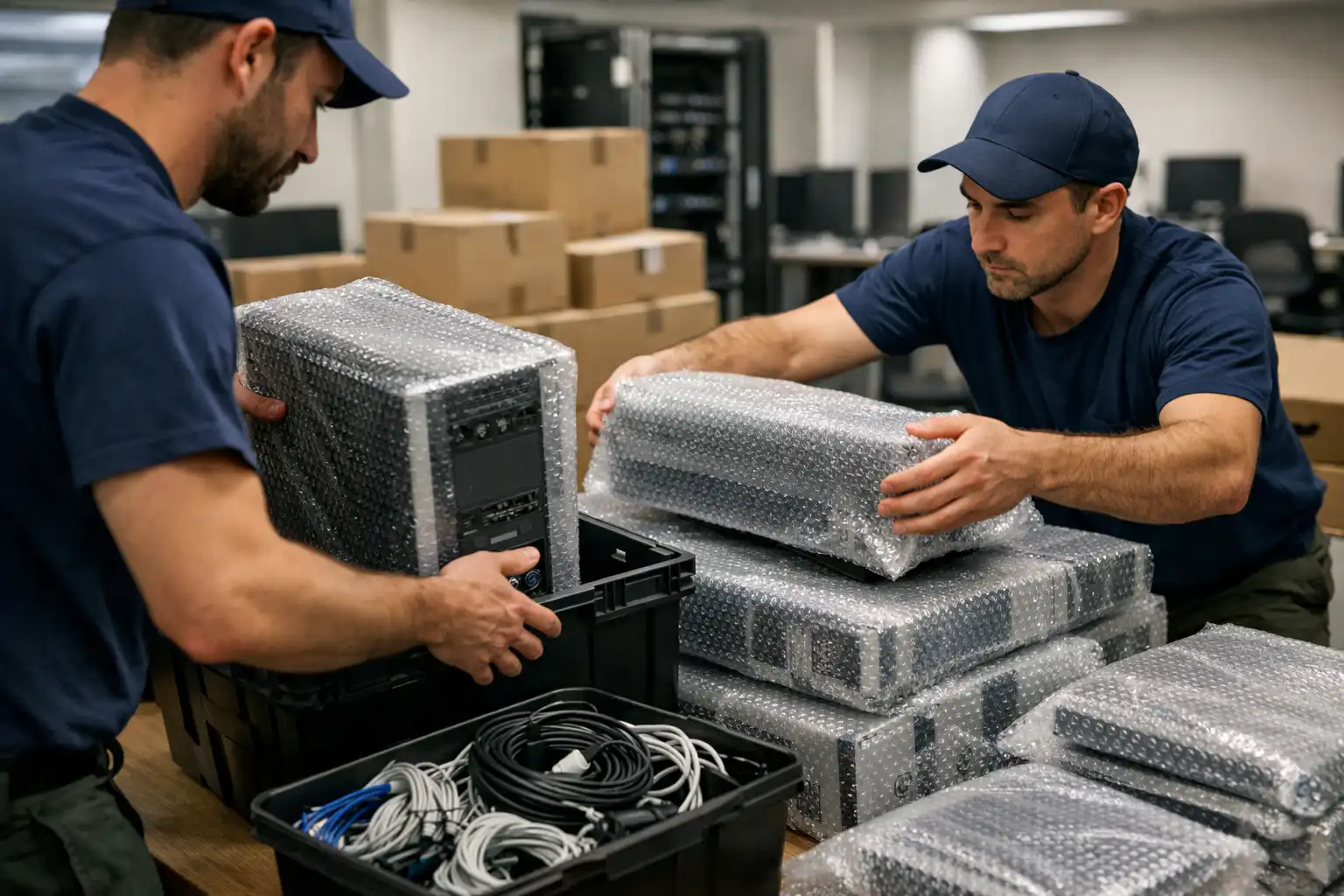
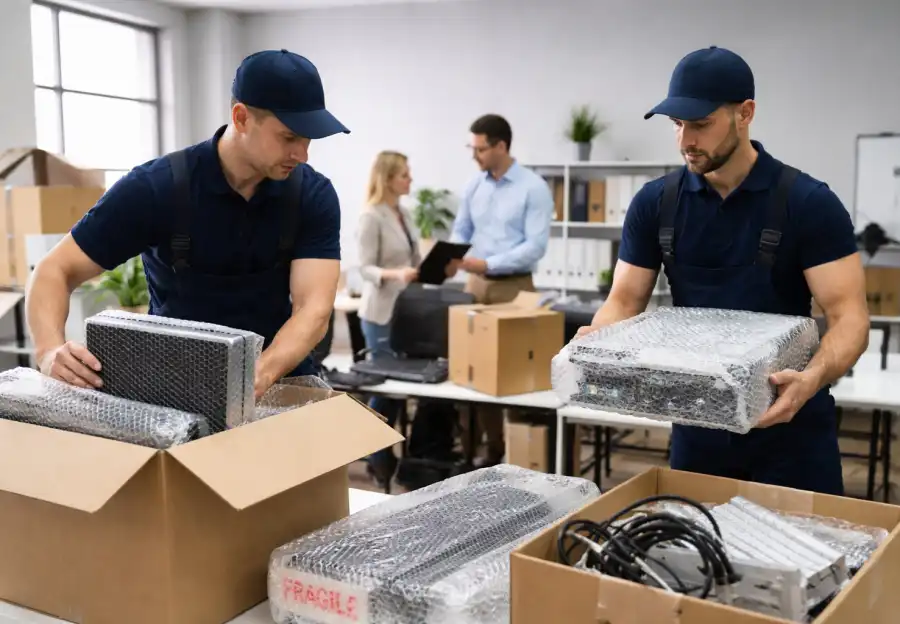
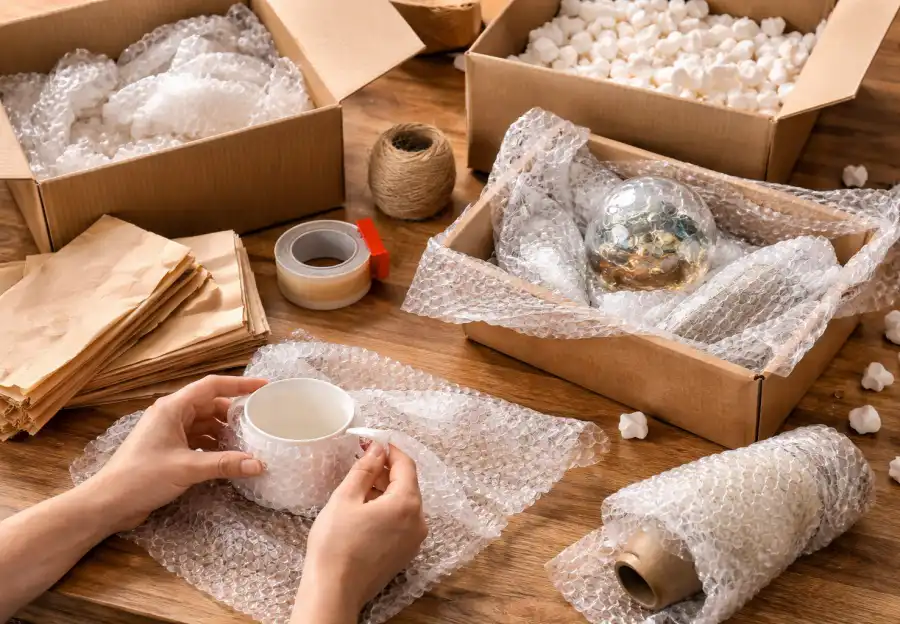
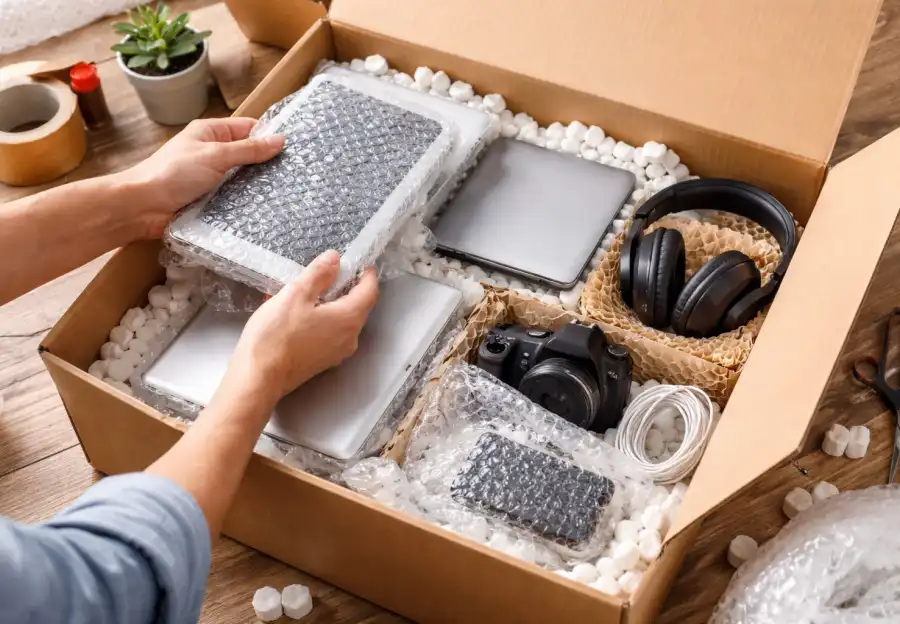
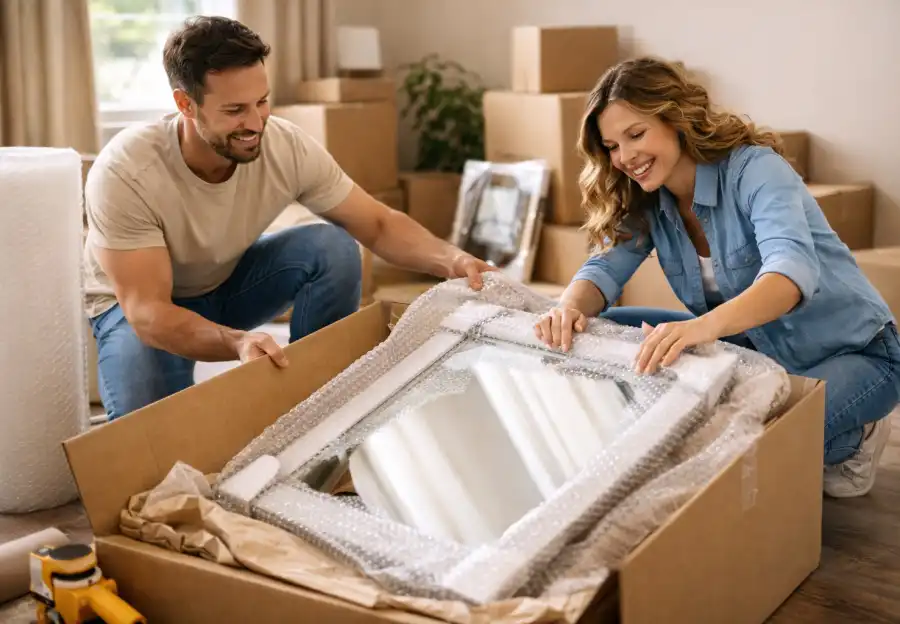
Bubble wrap is another commonly used packing material that offers many opportunities for reuse. Its cushioning properties make it ideal for wrapping fragile household items when placing them into storage or transporting them again. Bubble wrap can also protect holiday decorations, glassware, or electronics during off-season storage. Beyond packing, it can be used in gardening, such as lining outdoor planters to provide insulation for plant roots during colder months. Additionally, bubble wrap can serve as a simple stress-relief or play material, especially for children, making it both practical and entertaining.
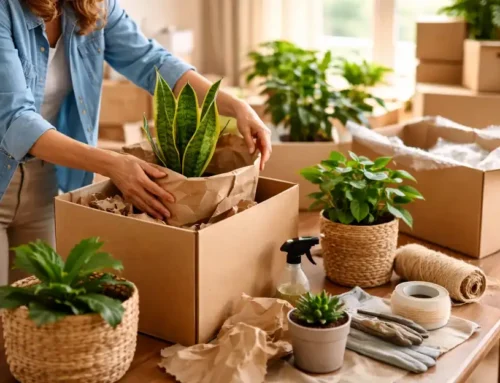
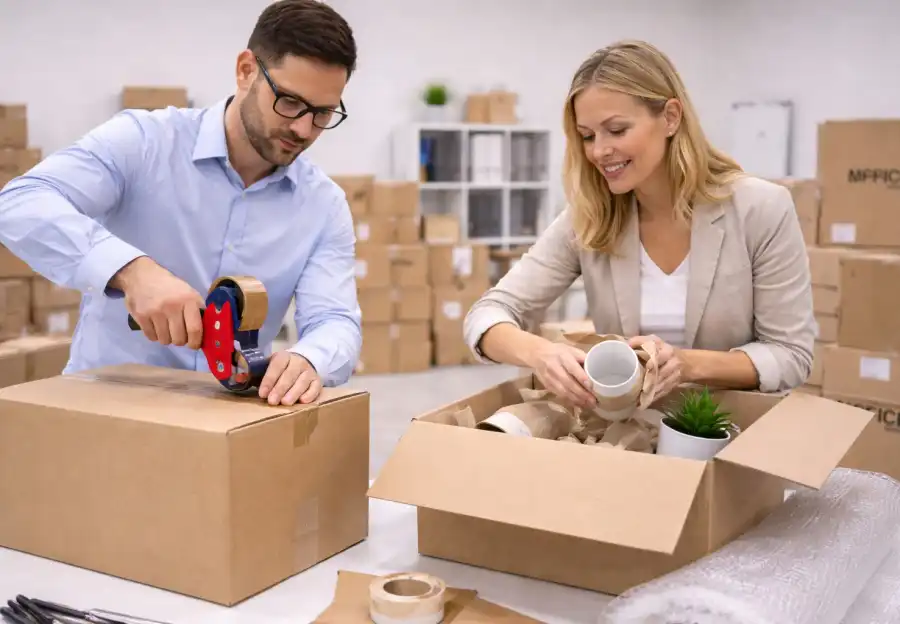
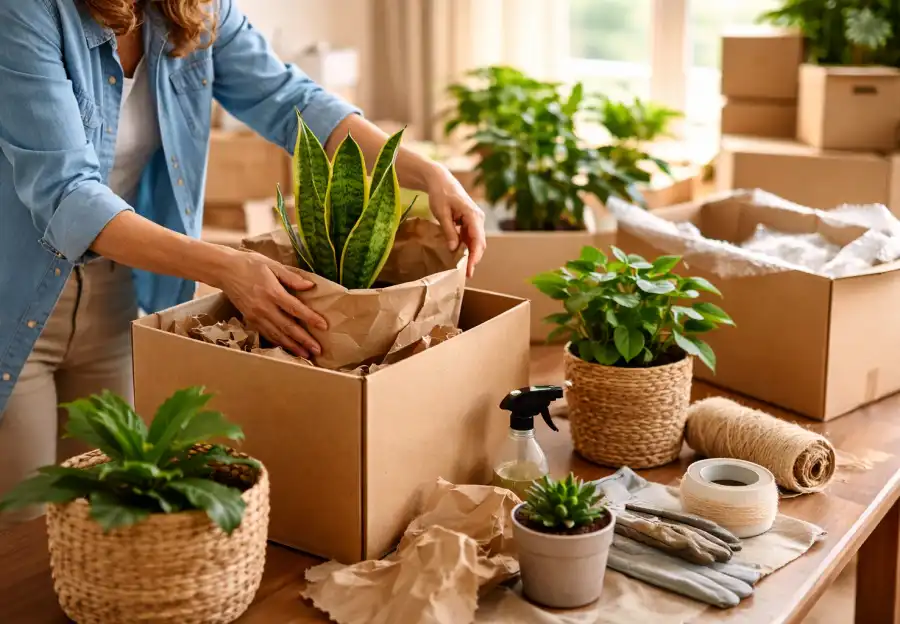
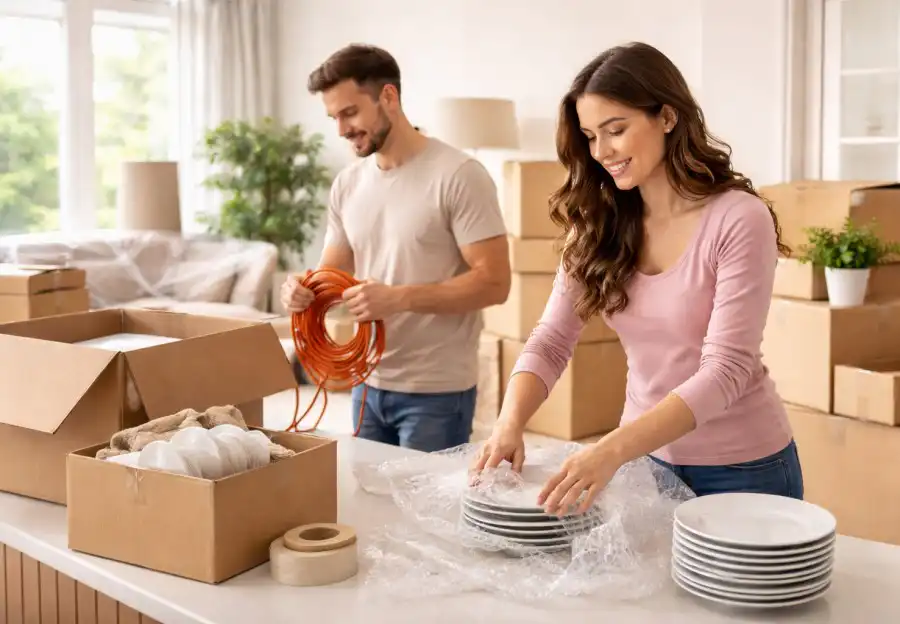
Packing paper and newsprint can also enjoy a second life after a move. Shredded paper works well as filler for gift boxes, pet bedding, or compost material, depending on the type of paper and ink used. Intact sheets can line drawers, shelves, or storage bins, protecting surfaces and keeping items clean. Packing paper is also ideal for wrapping fragile kitchenware or electronics when storing or shipping them, ensuring safety while reusing material that would otherwise be thrown away. Craft projects such as papier-mâché further demonstrate how packing paper can be transformed into creative and functional items.
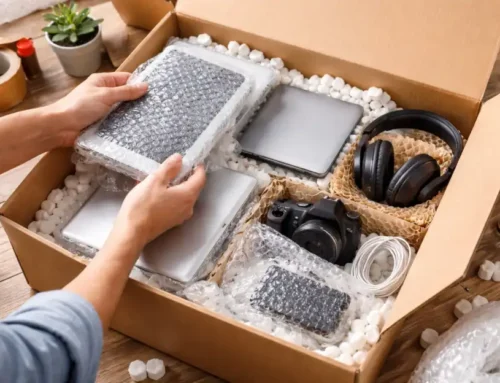
Foam inserts, packing peanuts, and other cushioning materials are often overlooked but can be reused in many ways. These materials are excellent for protecting delicate items during storage or transport and can be placed inside boxes when shipping gifts or storing glassware. Foam can also be used as padding for furniture during home renovations or rearrangements. In creative projects, foam and peanuts can serve as filler for stuffed toys, DIY pillows, or sensory activities for children, maximizing their usefulness instead of sending them straight to the landfill.
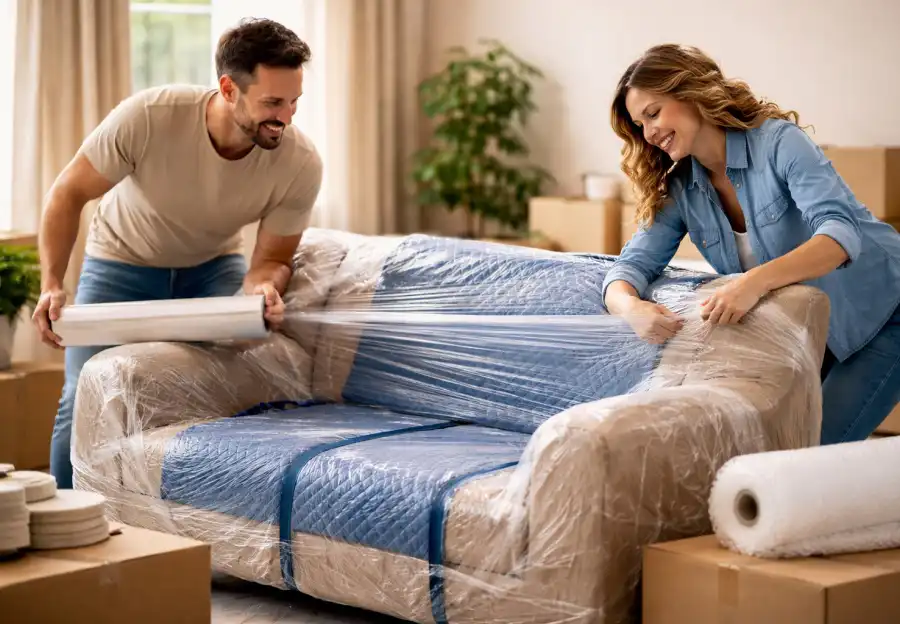
Beyond individual materials, entire boxes and packing supplies can be repurposed for creative home projects. Cardboard can be cut and assembled into playhouses, doll furniture, or custom organizers. Bubble wrap can be used as temporary insulation for windows or drafty areas, helping to improve energy efficiency. Even packing tape, string, or ties used during the move can be reused in gardening, crafting, or small household repairs, reinforcing a mindset of sustainability and resourcefulness.
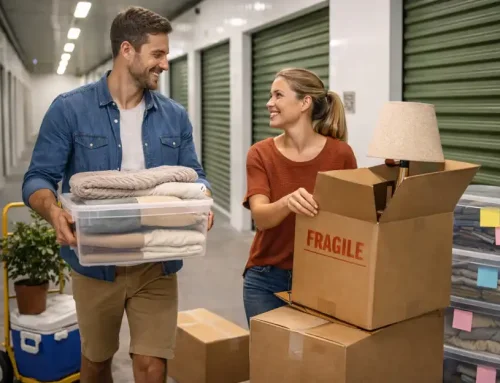
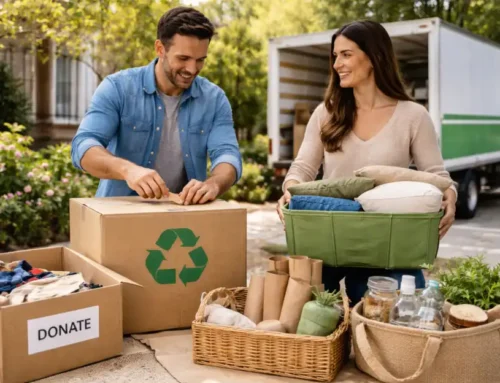
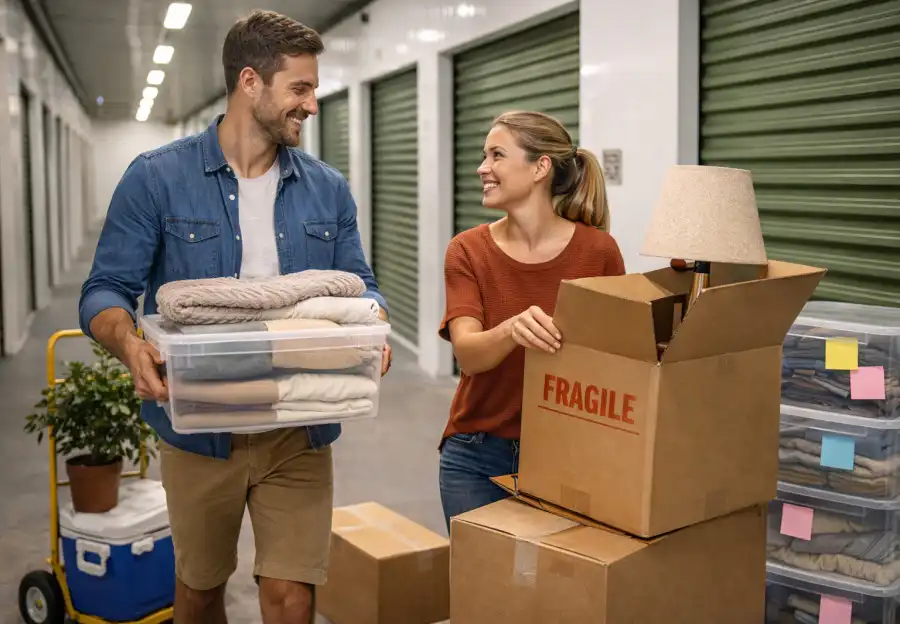
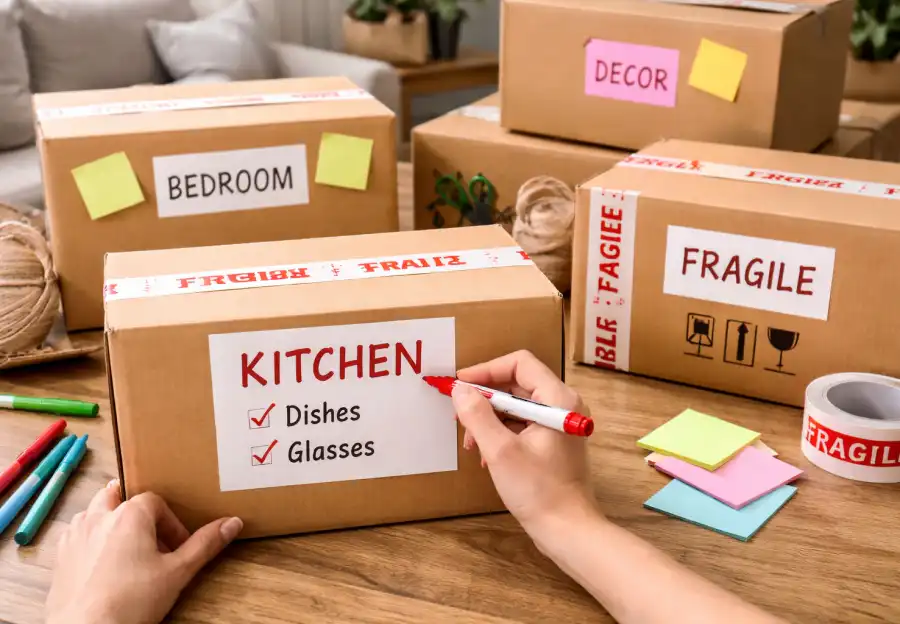
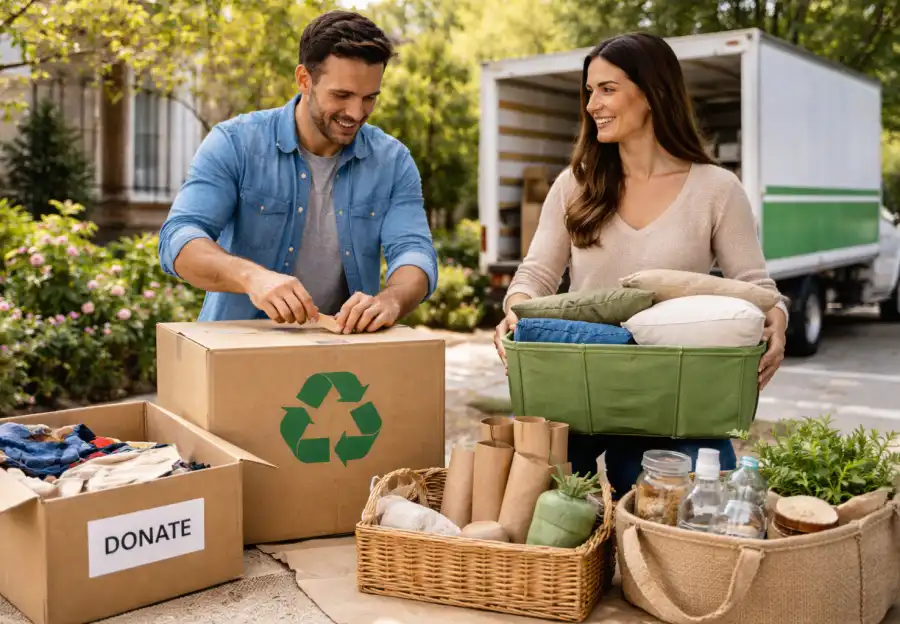
Donating packing materials is another effective recycling option. Community centers, schools, local businesses, and charitable organizations often need boxes, paper, and cushioning materials for storage, shipping, or crafts. Donating these items extends their lifecycle, supports others, and reduces waste. Similarly, storing packing materials for future use is practical and economical. Keeping sturdy boxes and protective materials neatly labeled and stacked ensures they are ready for future moves, seasonal storage, or organization projects.
Ultimately, thinking creatively about recycling packing materials encourages environmentally conscious habits and problem-solving. By reusing, donating, storing, and repurposing cardboard, paper, bubble wrap, and foam, homeowners can reduce waste, save money, and contribute to a culture of sustainability. Every move becomes an opportunity to minimize environmental impact and transform disposable materials into valuable, purposeful resources for the home, garden, and community.