
January 11, 2026
How to Organize Your Home before Moving Out
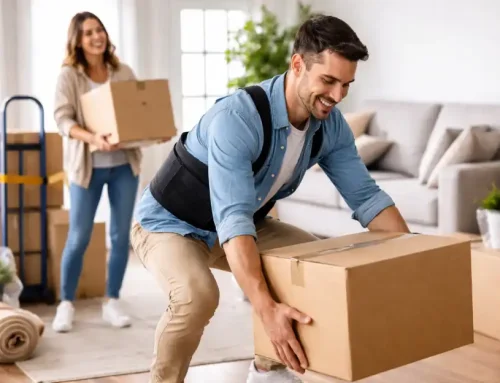
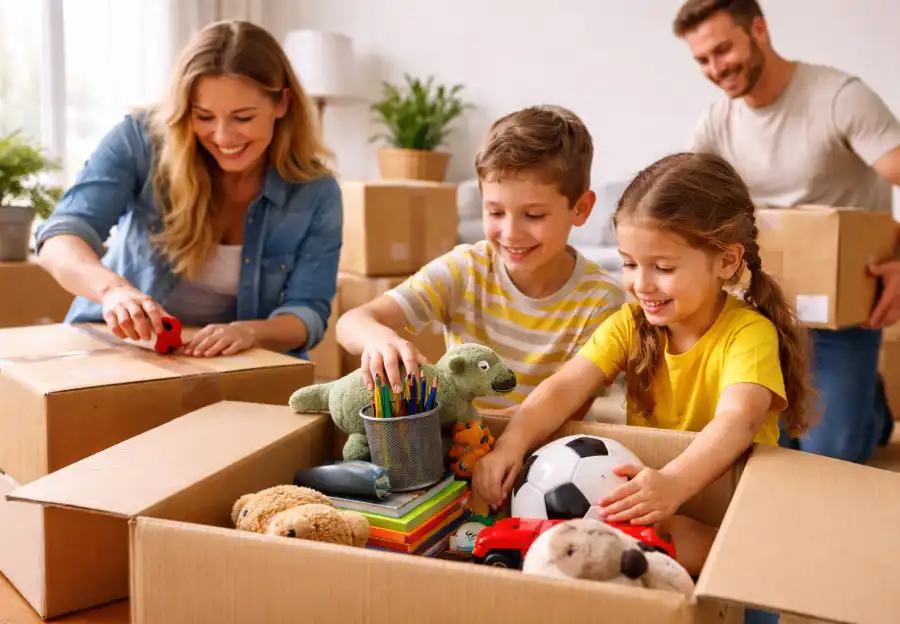
Organizing your home before moving out is a crucial step that can dramatically reduce stress, save time, and ensure a smooth transition to a new residence. Preparation is the cornerstone of an effective move, because attempting to pack and relocate without a clear strategy often results in chaos, misplaced items, and unnecessary delays. Creating a detailed plan that incorporates decluttering, categorization, labeling, and scheduling provides structure and makes the moving process manageable from start to finish. Beginning with decluttering, homeowners should systematically go through every room, closet, drawer, and storage area to decide which items to keep, donate, sell, or discard. This step not only reduces the number of belongings to move but also allows you to assess the value and necessity of each item, ensuring that only essentials are prioritized while giving the new home a fresh and organized start.
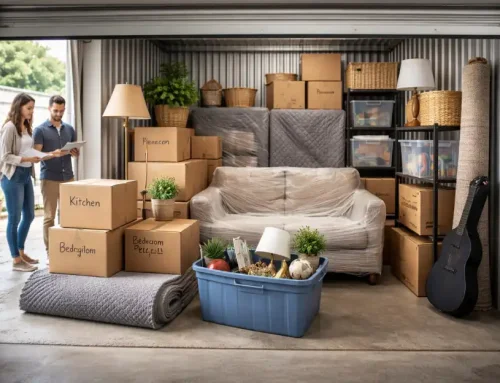
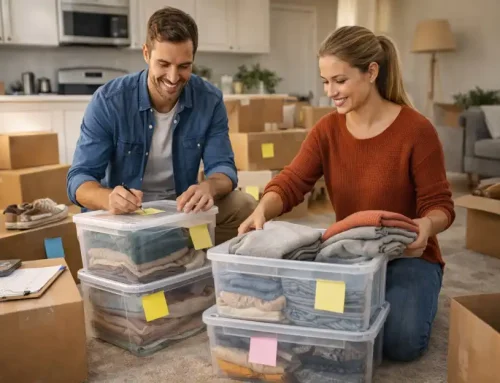
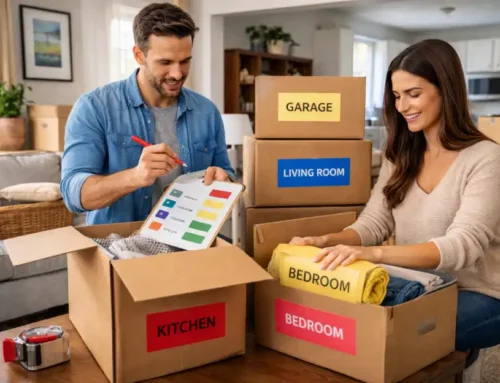
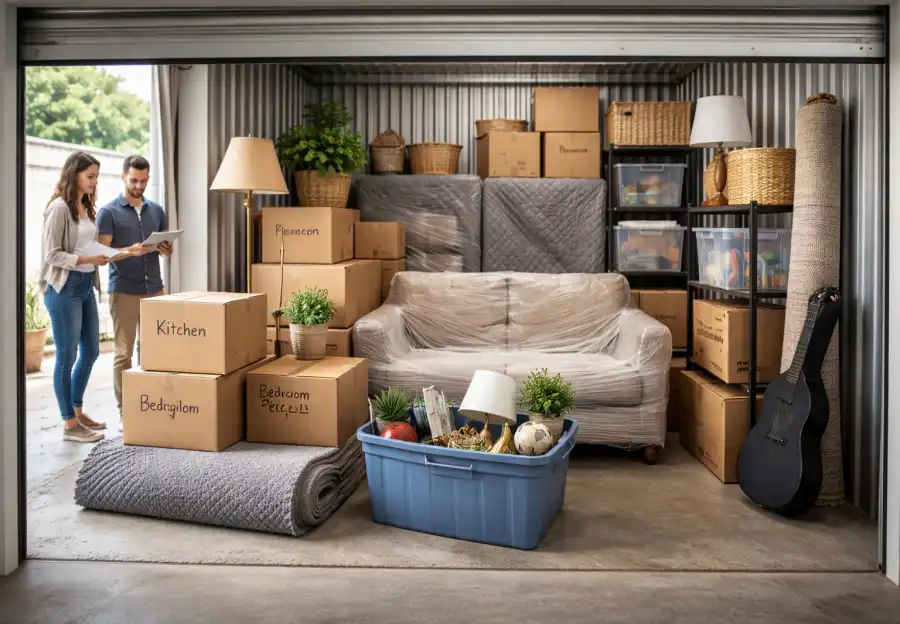
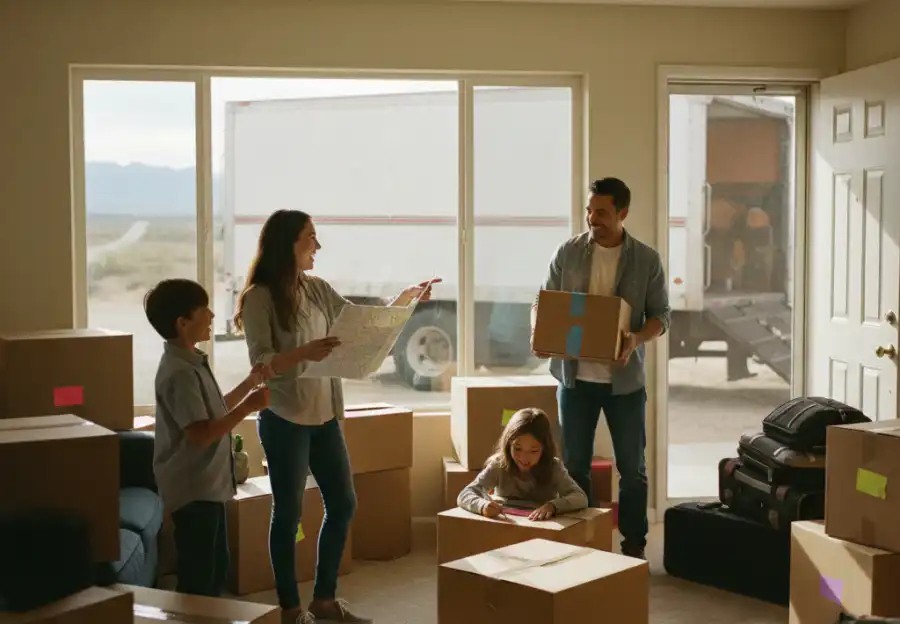
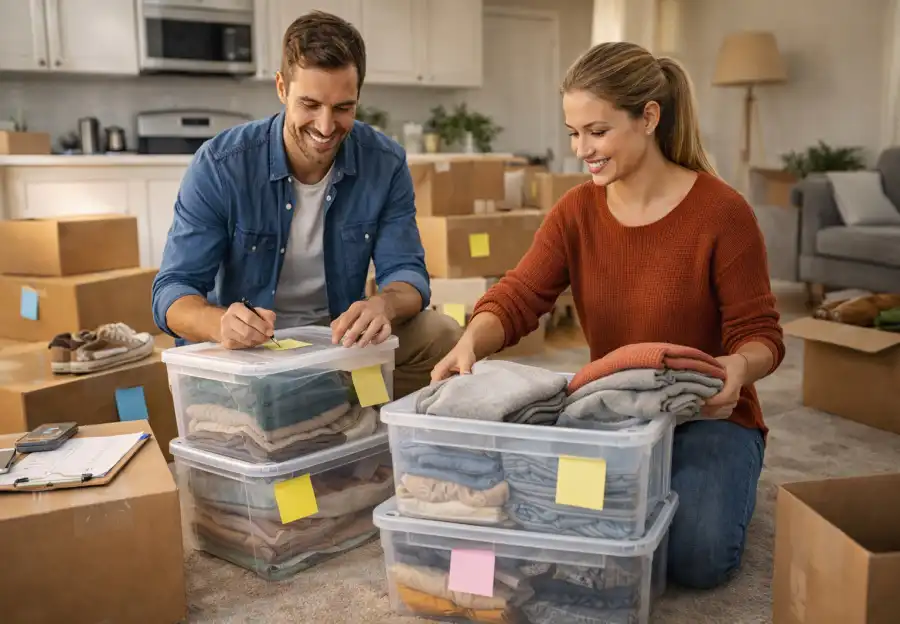
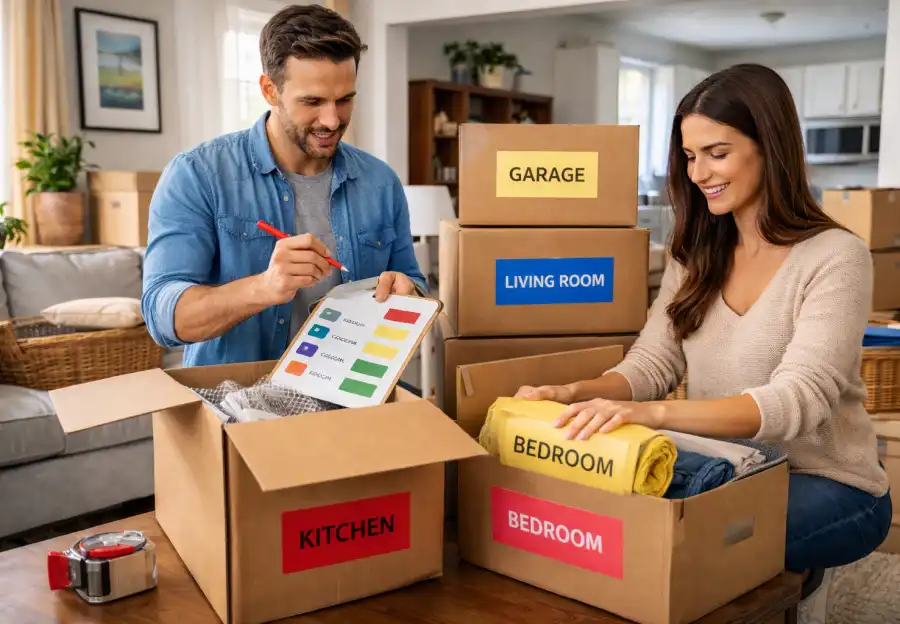
Categorization is another critical step in preparing a home for a move. Organizing items by type, frequency of use, or room destination simplifies both packing and unpacking. Grouping similar items together ensures that boxes are labeled clearly and moved efficiently, while preventing fragile or valuable items from being packed with heavy or less important belongings. Many homeowners find that implementing a color-coded or numbered system further enhances organization, making it easier to track items during transit and to identify which boxes belong in specific rooms upon arrival. This approach not only reduces confusion but also ensures a more efficient workflow, particularly when multiple people are assisting with the move.
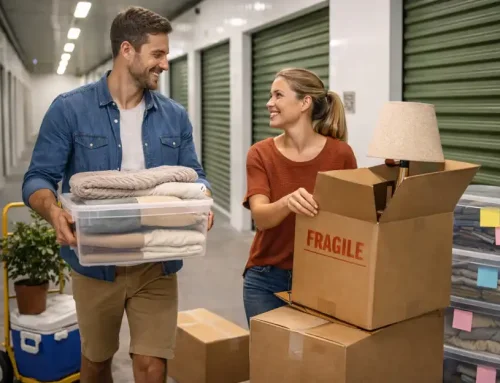
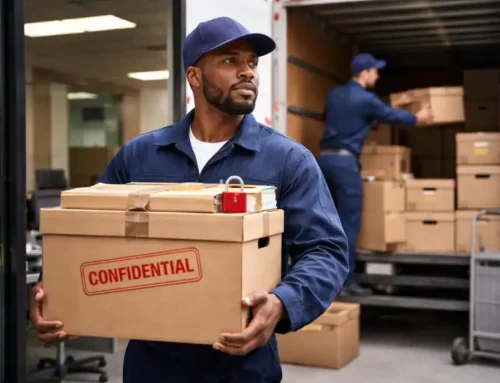
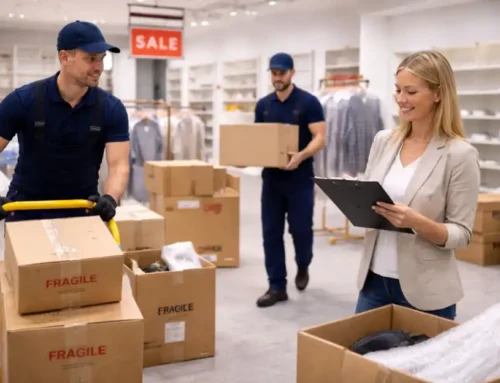
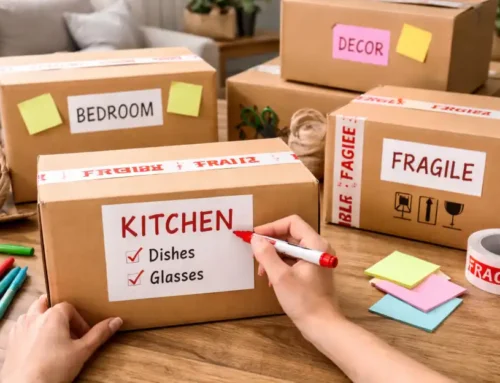
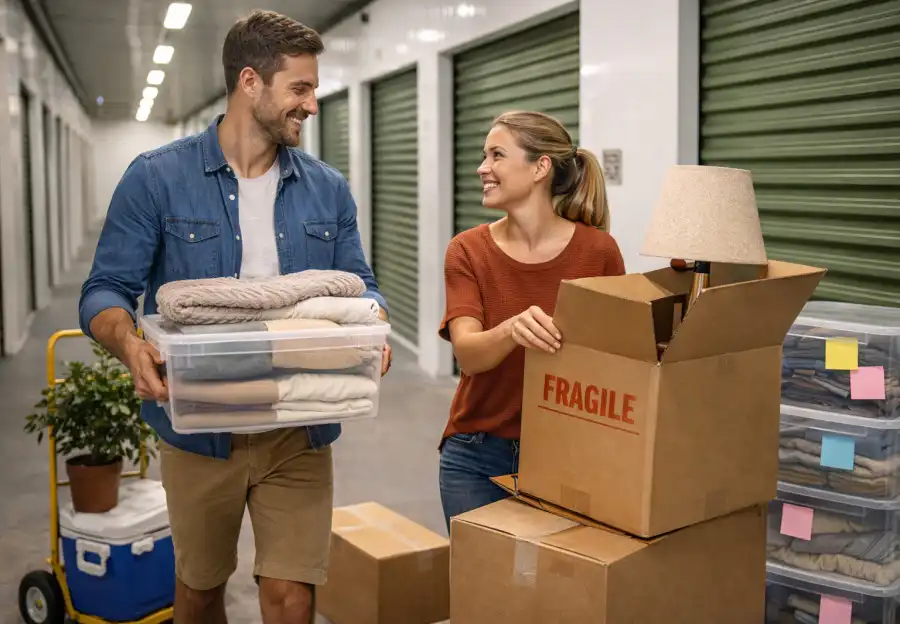
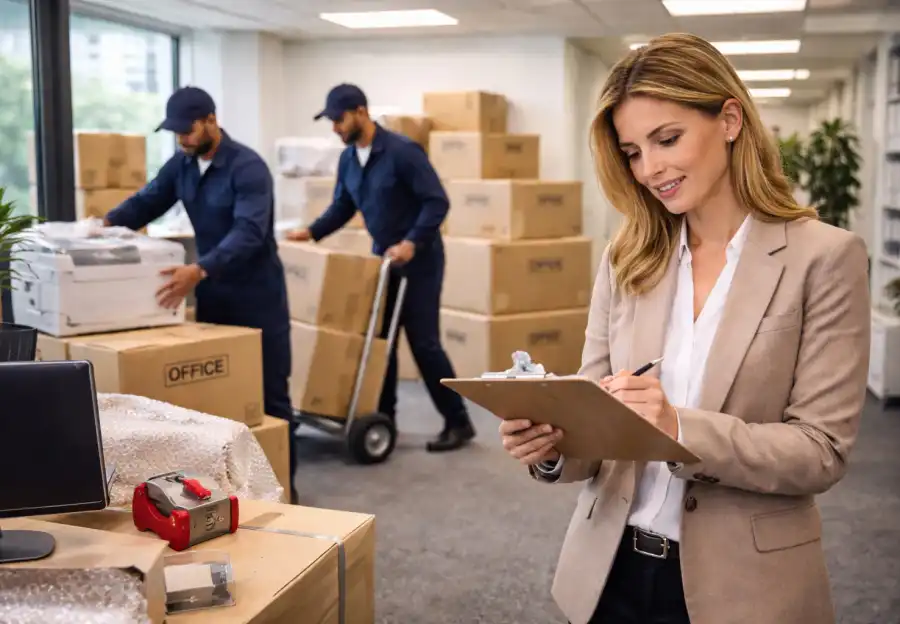
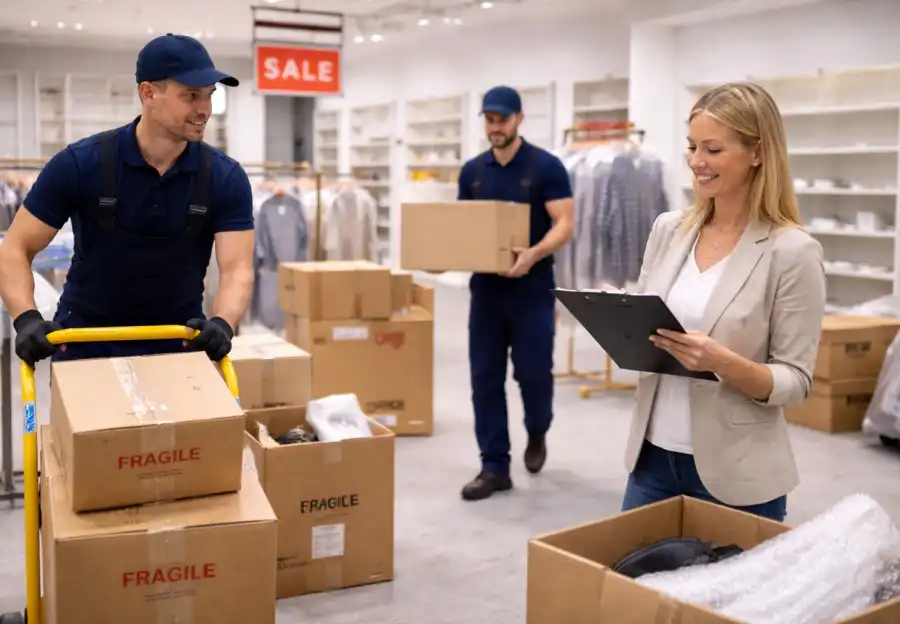
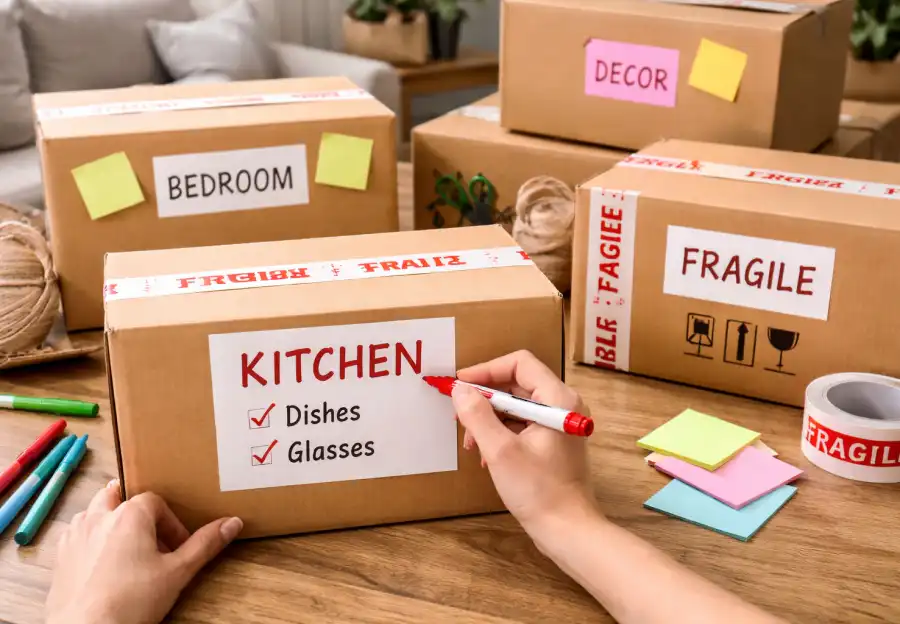
Labeling each box is essential for an organized relocation. Clear, detailed labels that indicate the room, contents, and any special handling instructions allow movers or helpers to place boxes in the correct location immediately, saving time and reducing stress. Including notes such as “fragile” or “handle with care” ensures delicate items receive appropriate attention, while maintaining an inventory of all boxes provides a reference if anything is lost or damaged. This detailed documentation also offers peace of mind, allowing homeowners to feel confident that every item is accounted for and can be located easily when unpacking.
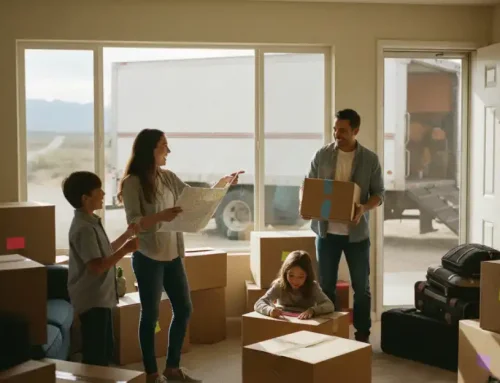
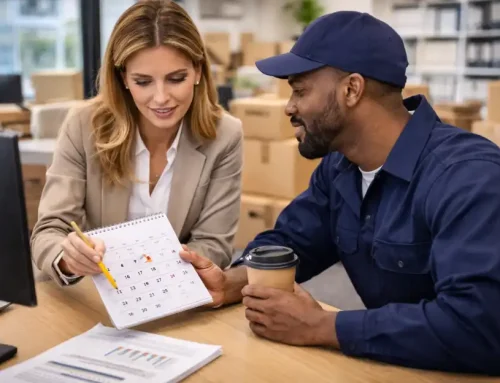
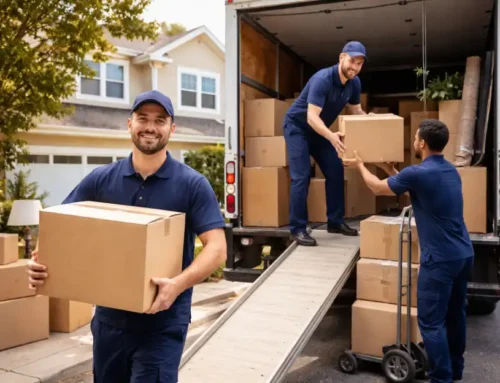
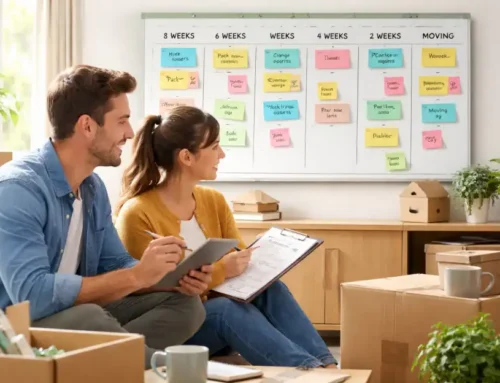
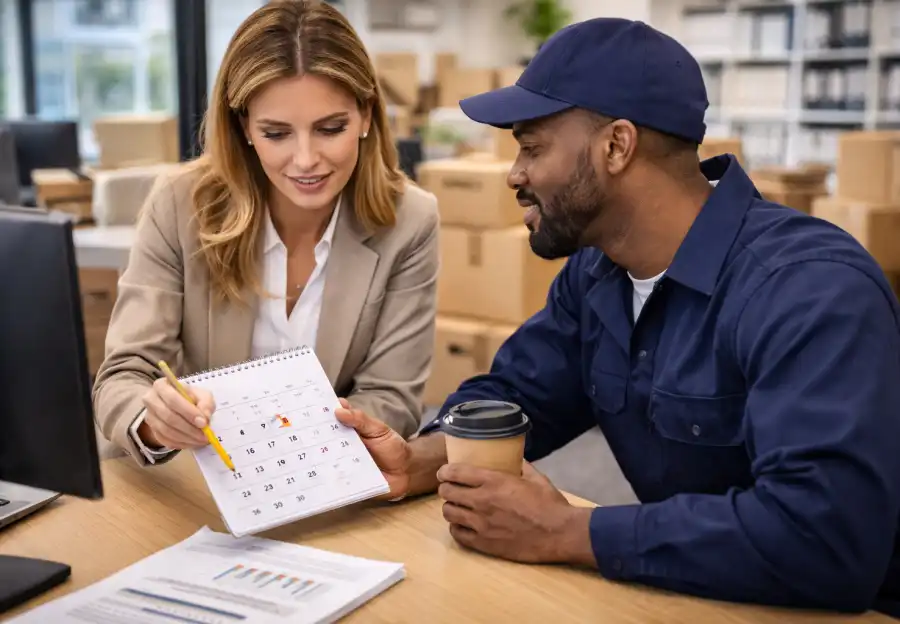
Scheduling and timing play a pivotal role in home organization before moving. Tackling the packing process in phases prevents overwhelm and allows for a smoother workflow. Starting with non-essential items weeks in advance, followed by seasonal or rarely used belongings, and finally addressing daily necessities closer to the move date ensures everything is ready without last-minute stress. This phased approach also allows time to gather packing supplies, coordinate with movers, and make adjustments as necessary, creating a more controlled and predictable moving experience.
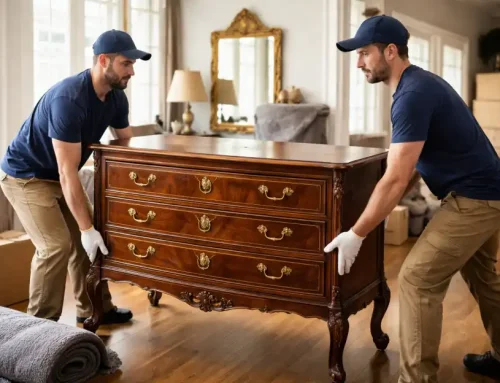
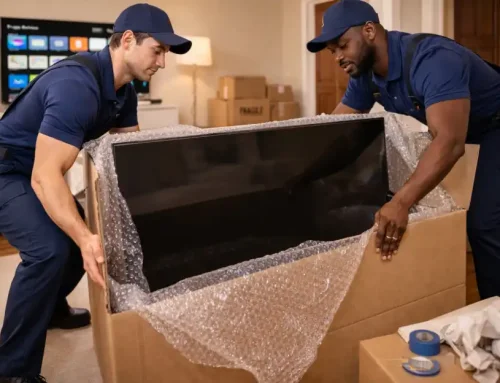
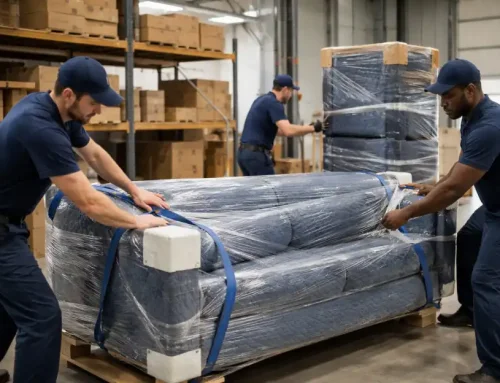
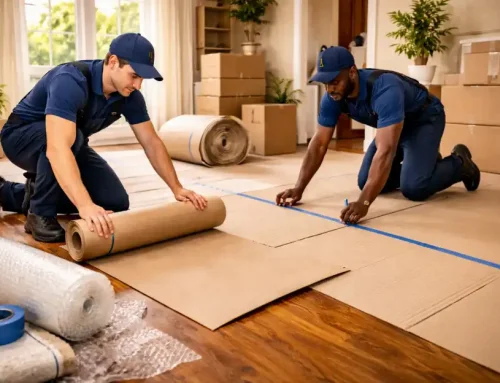
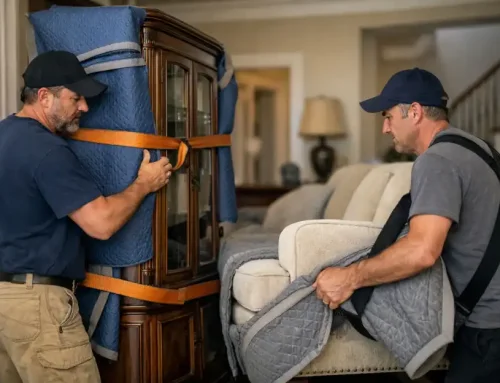
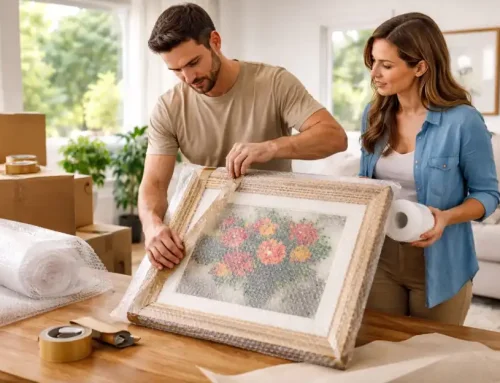
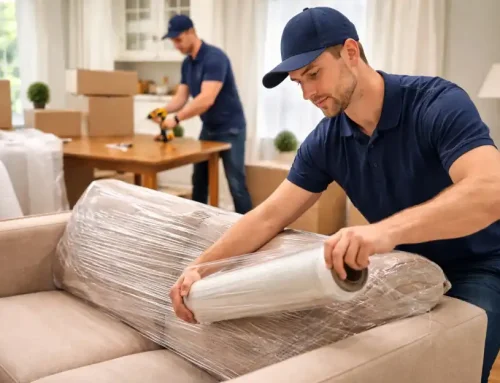
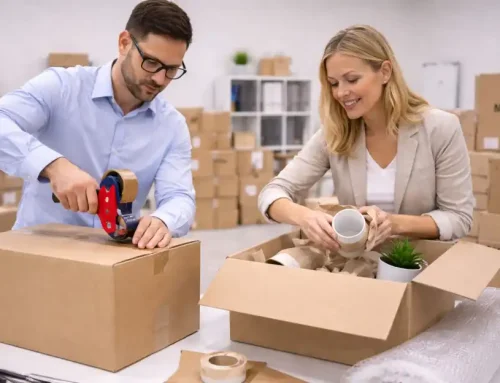
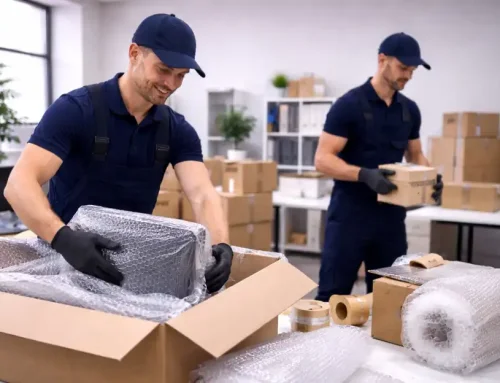
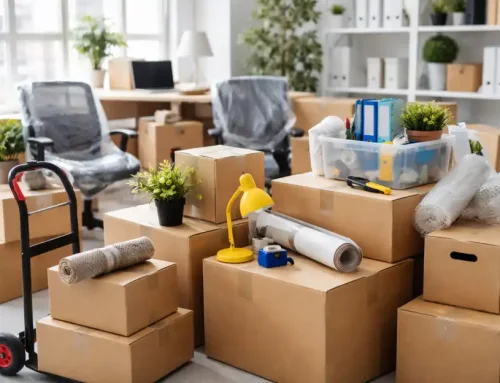
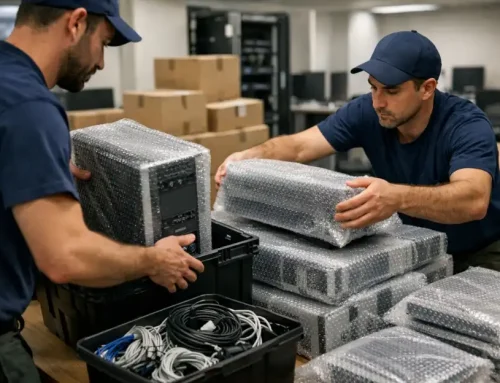
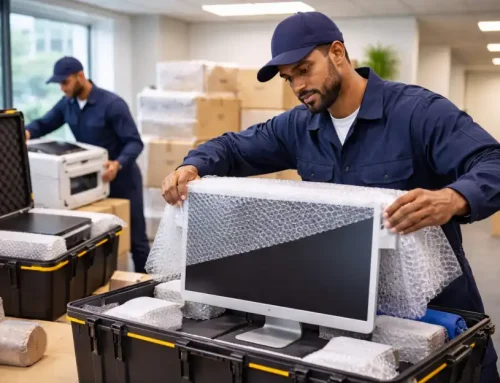
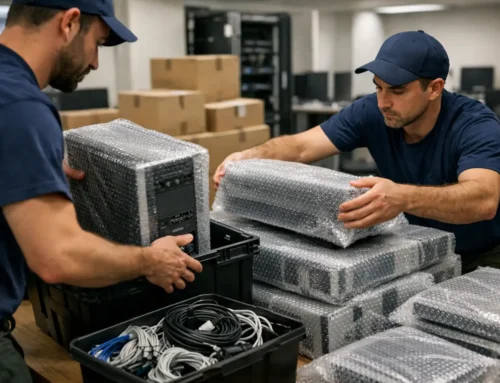
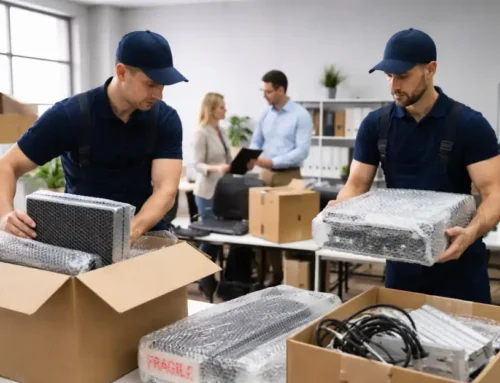
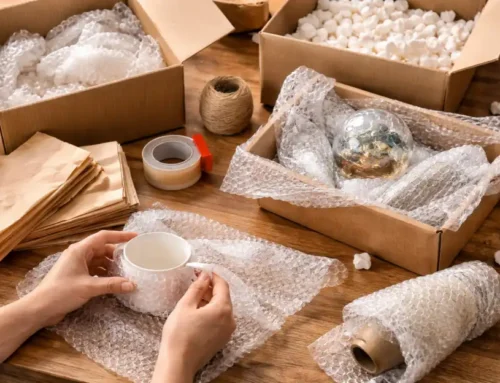
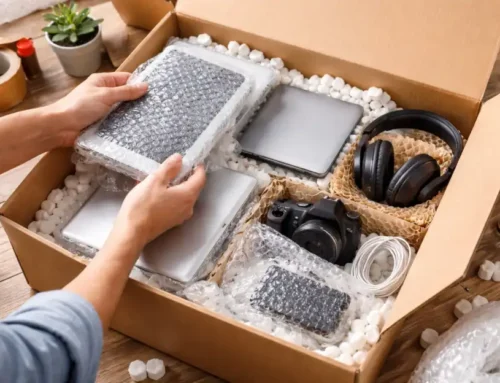
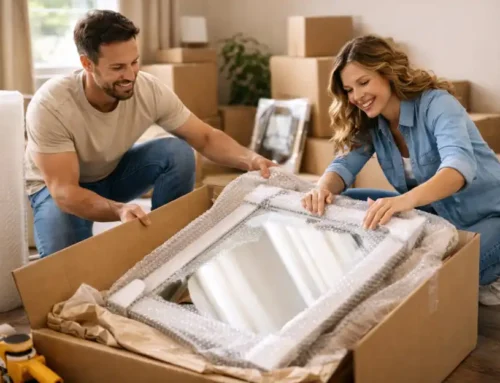
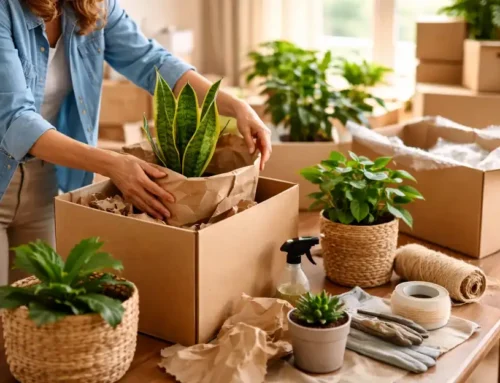
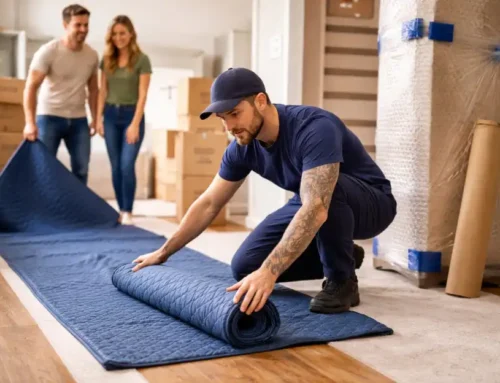
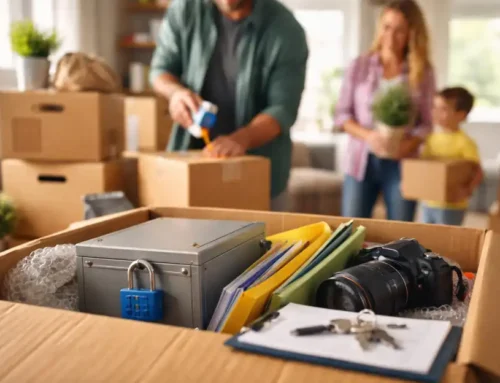
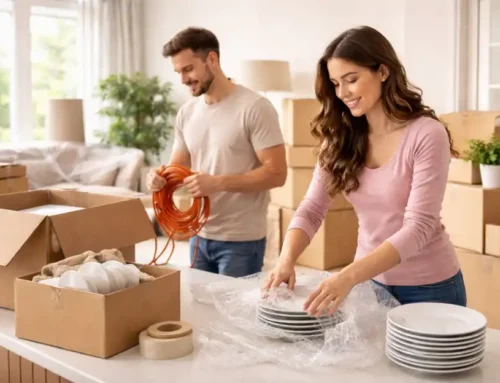
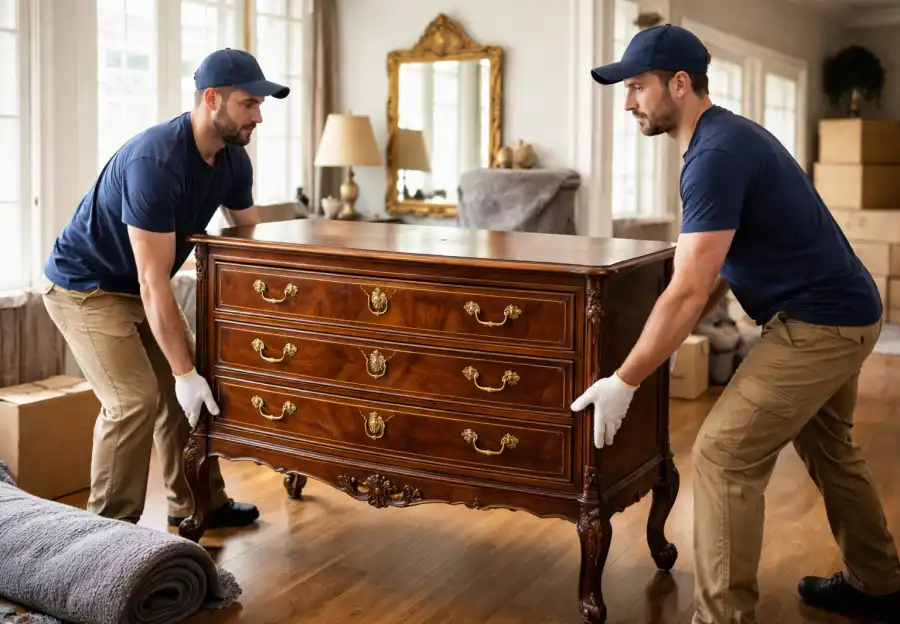
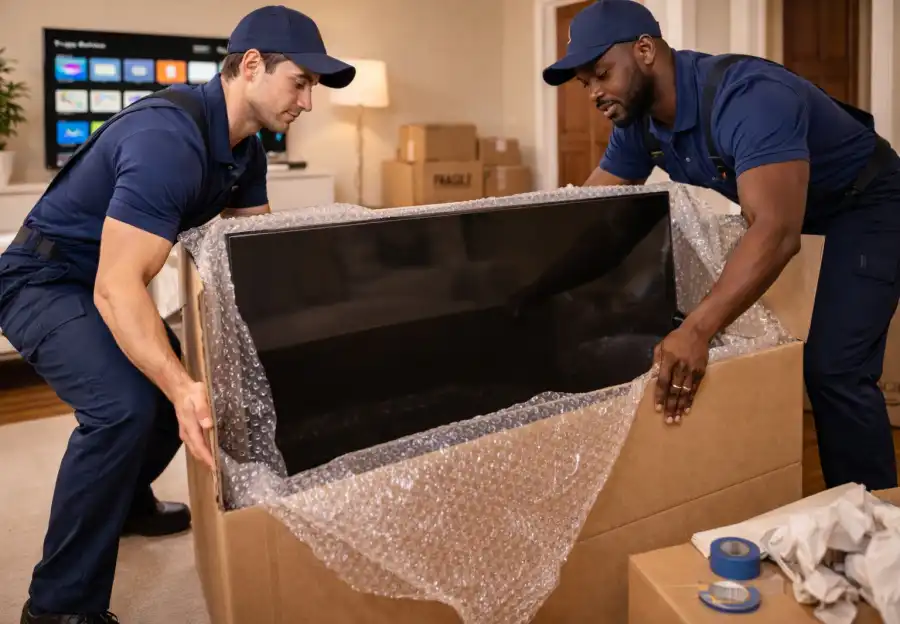
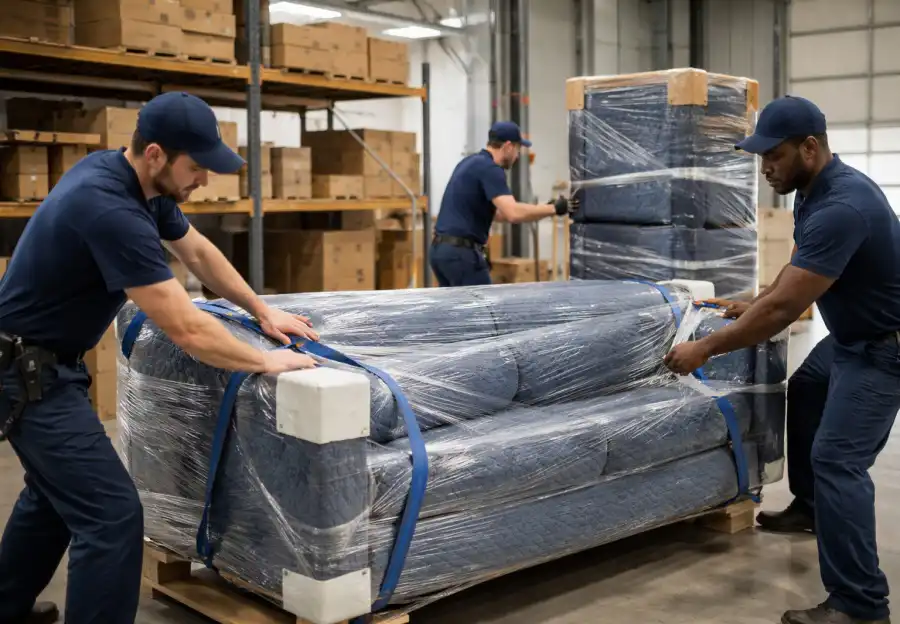
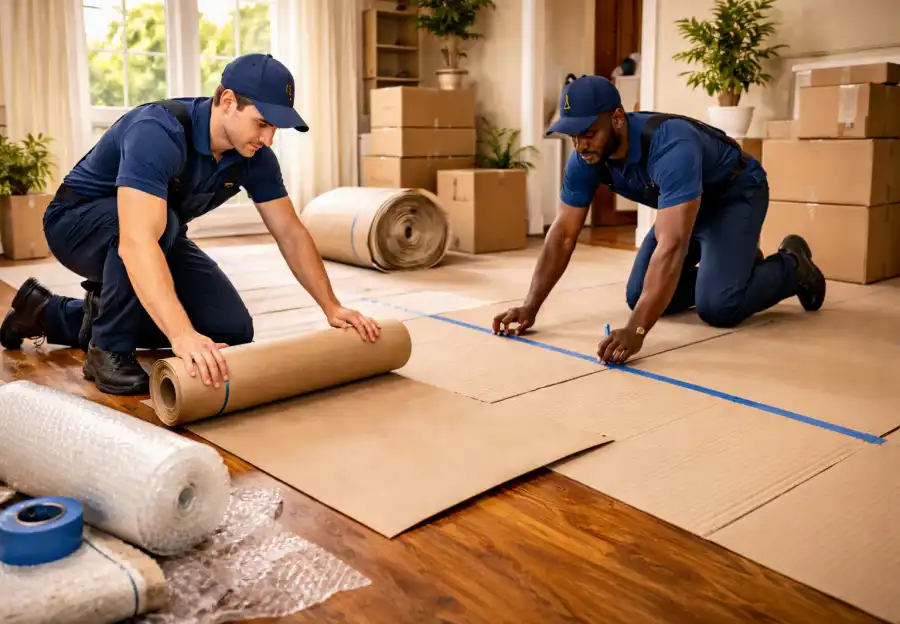
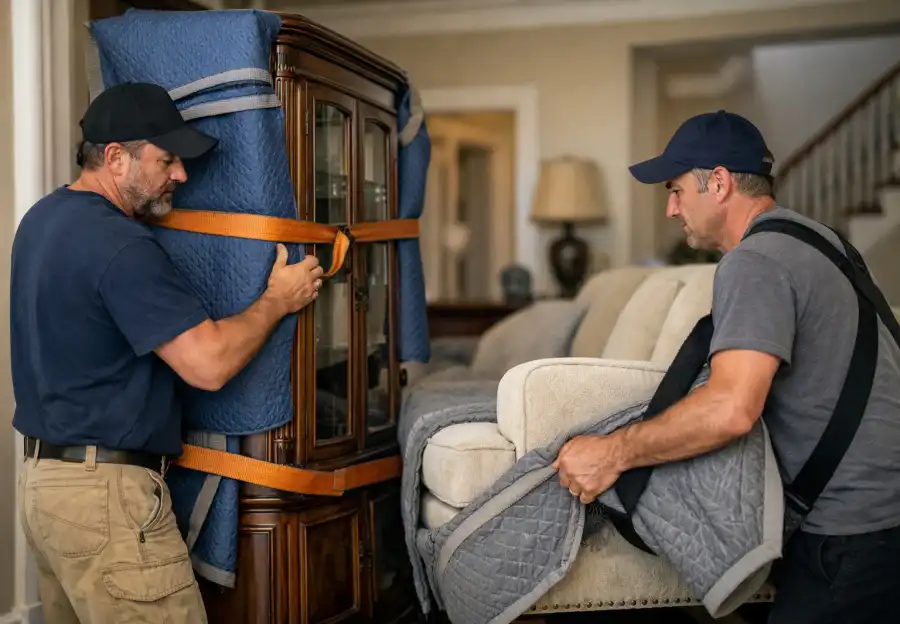
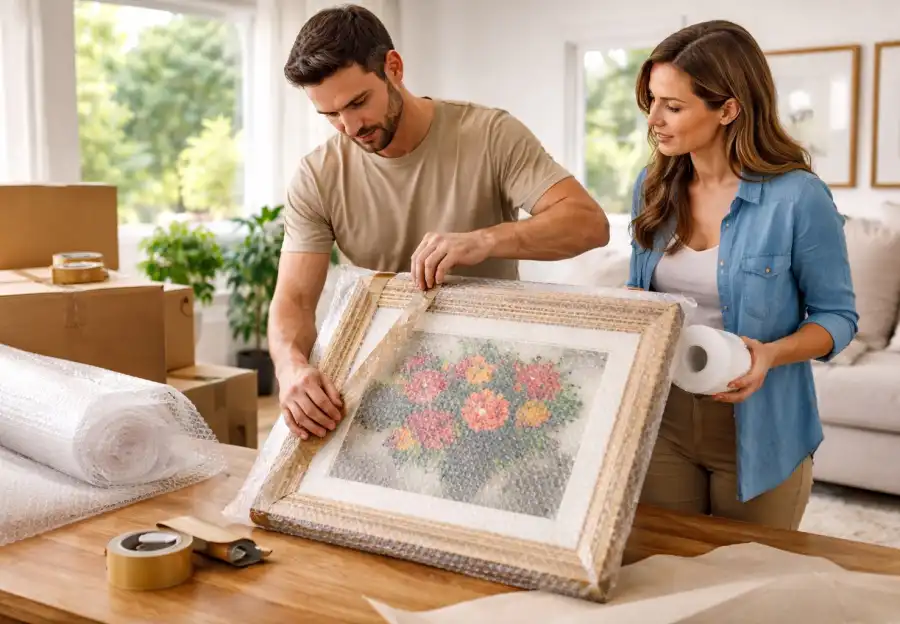
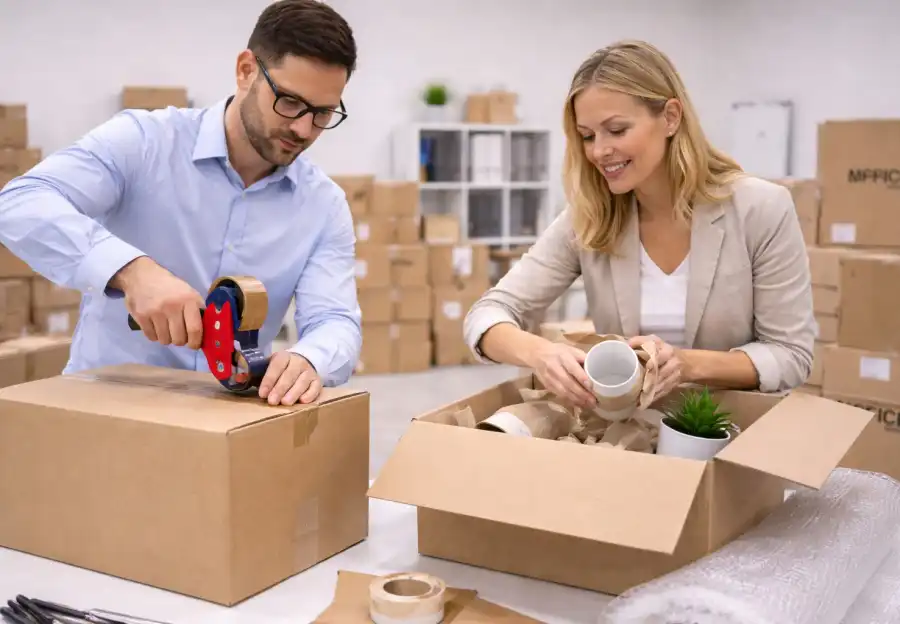
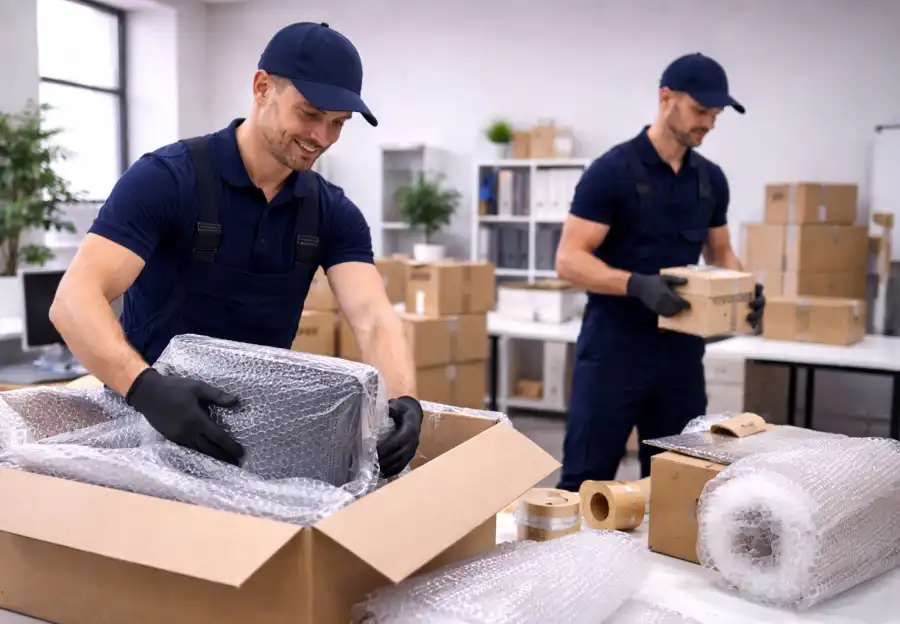
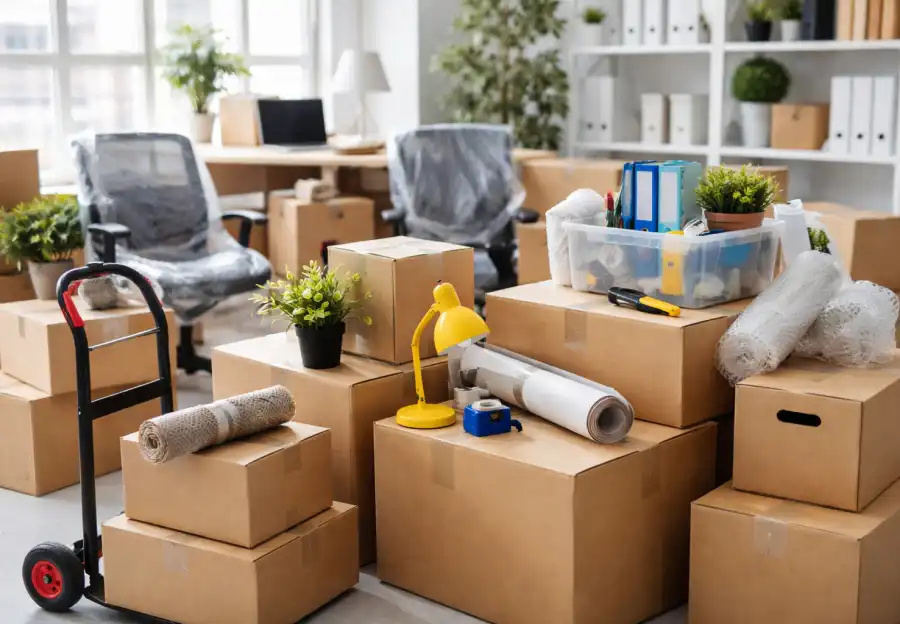
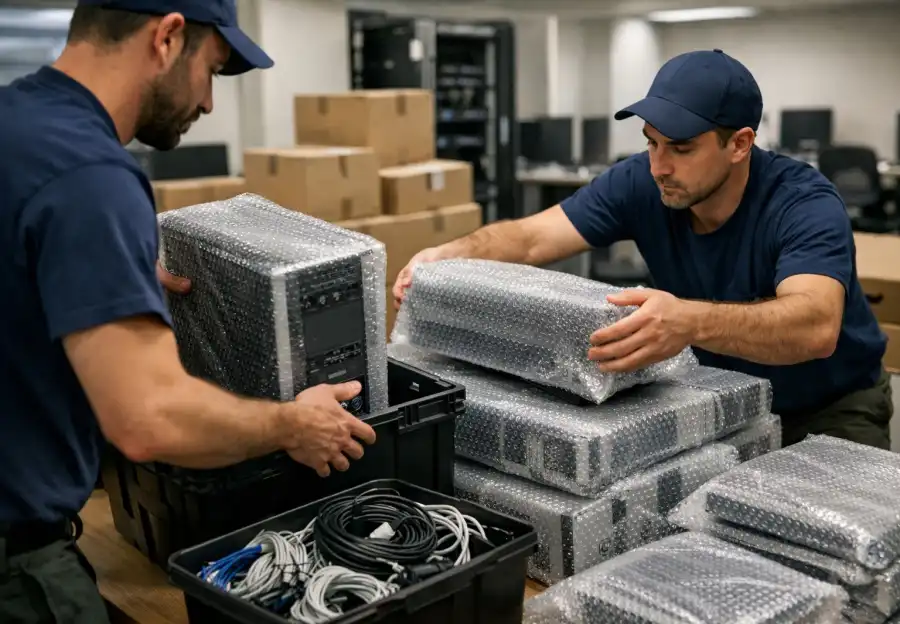
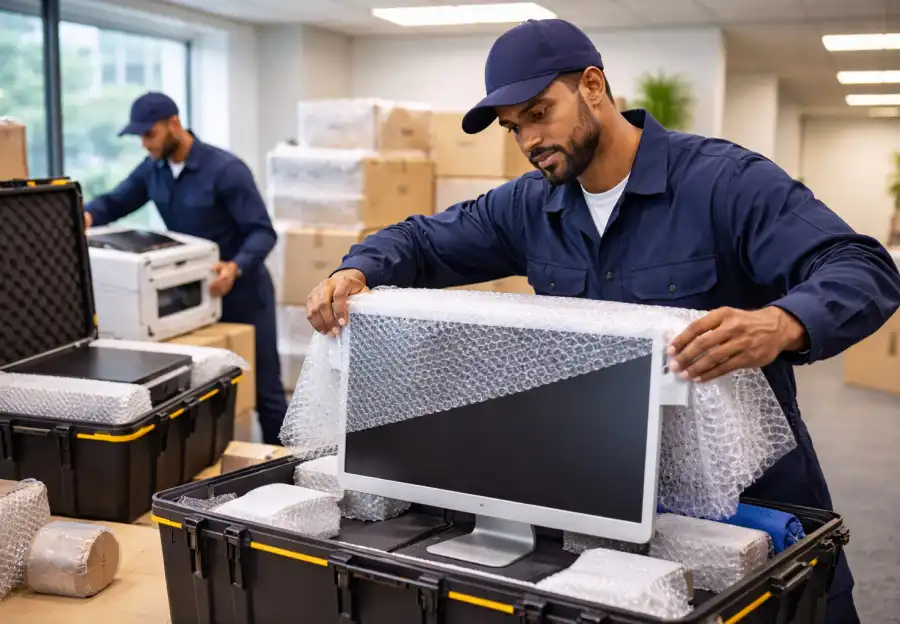
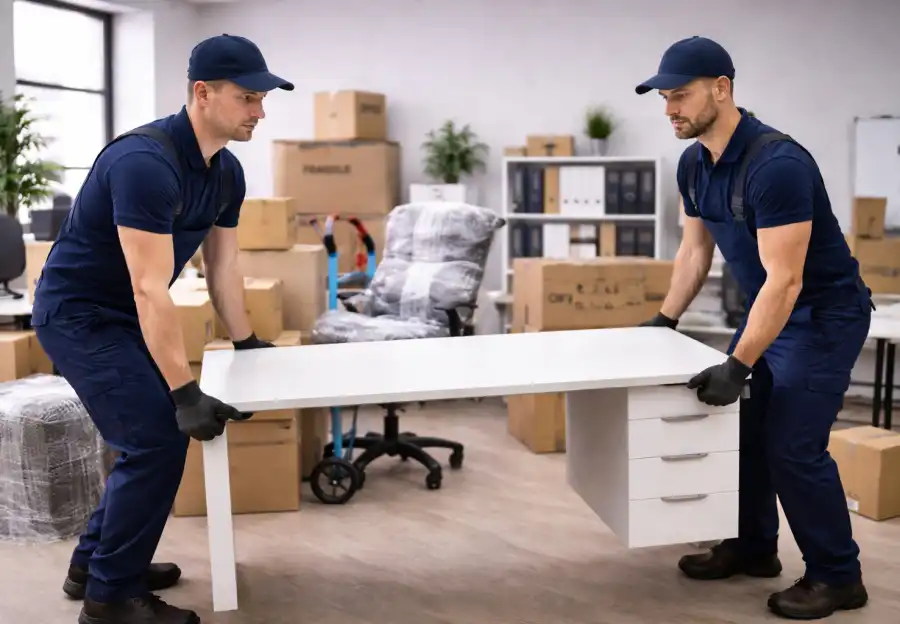
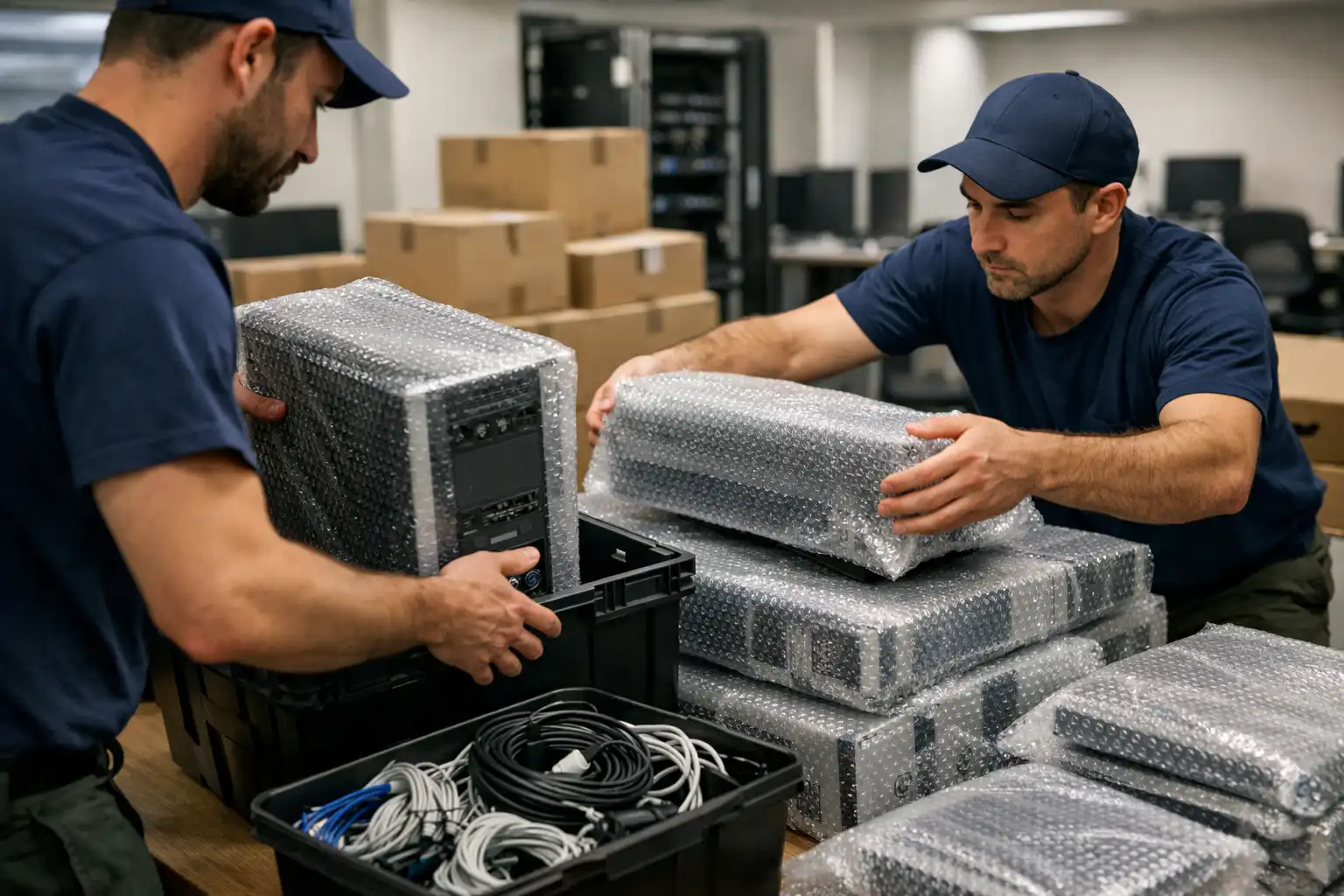
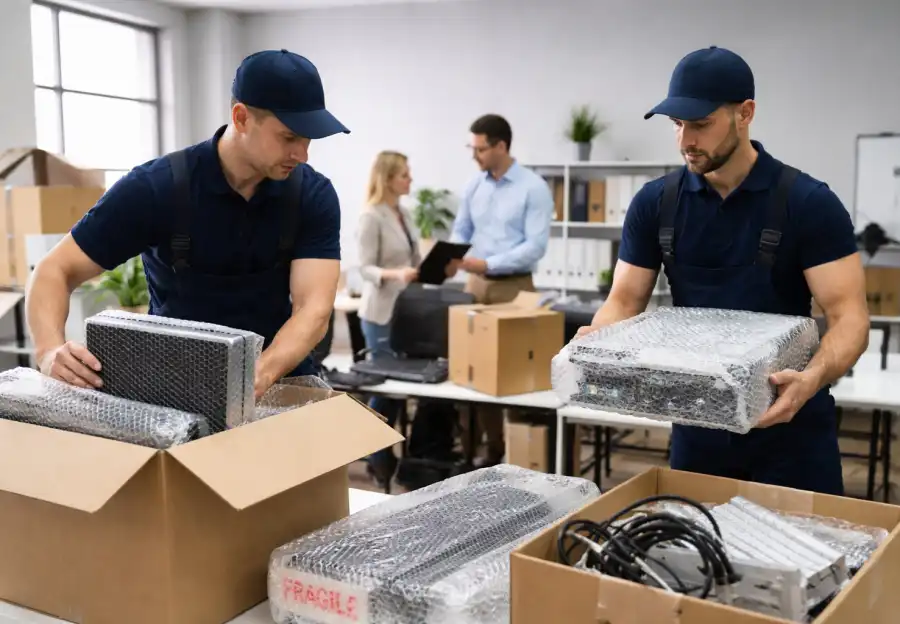
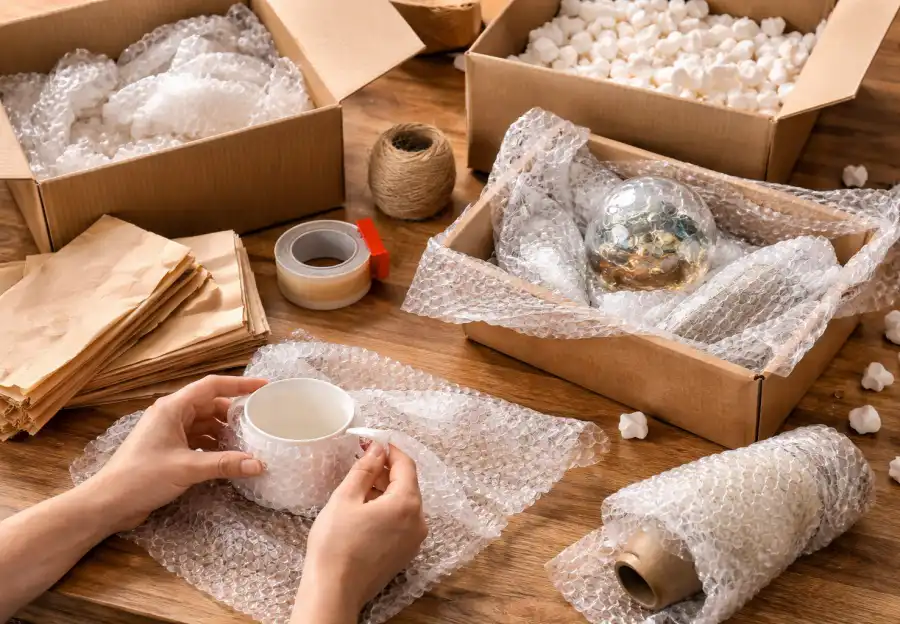
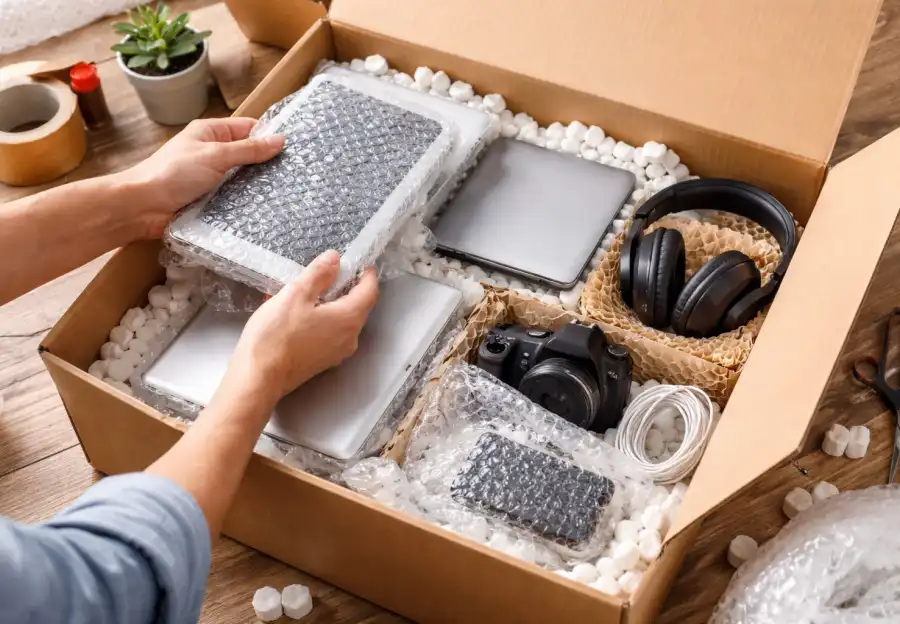
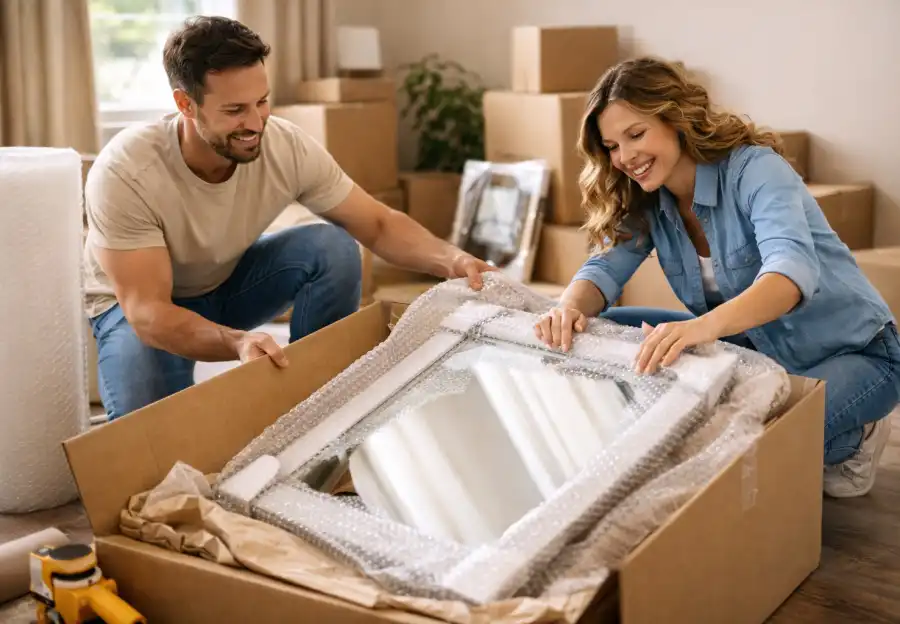
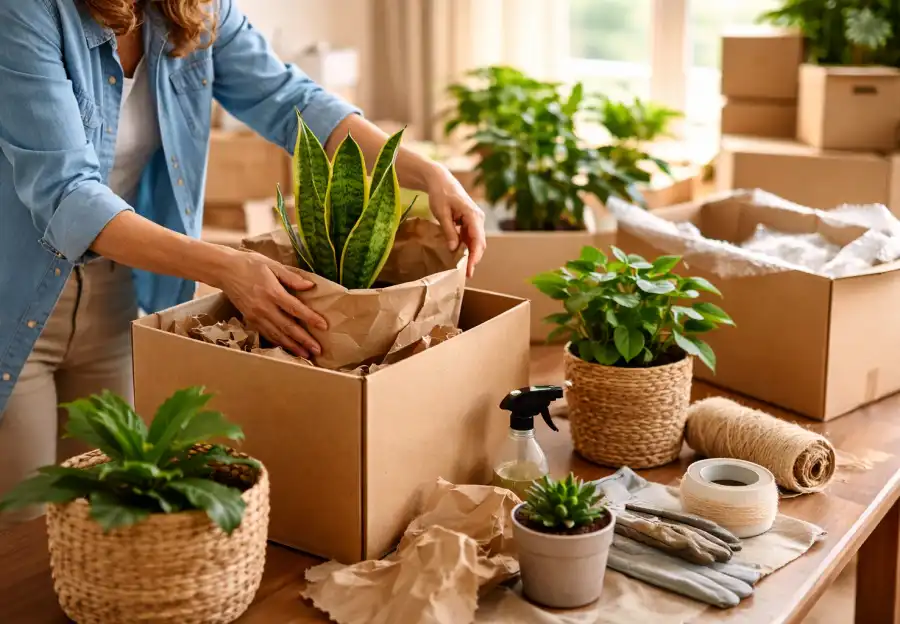
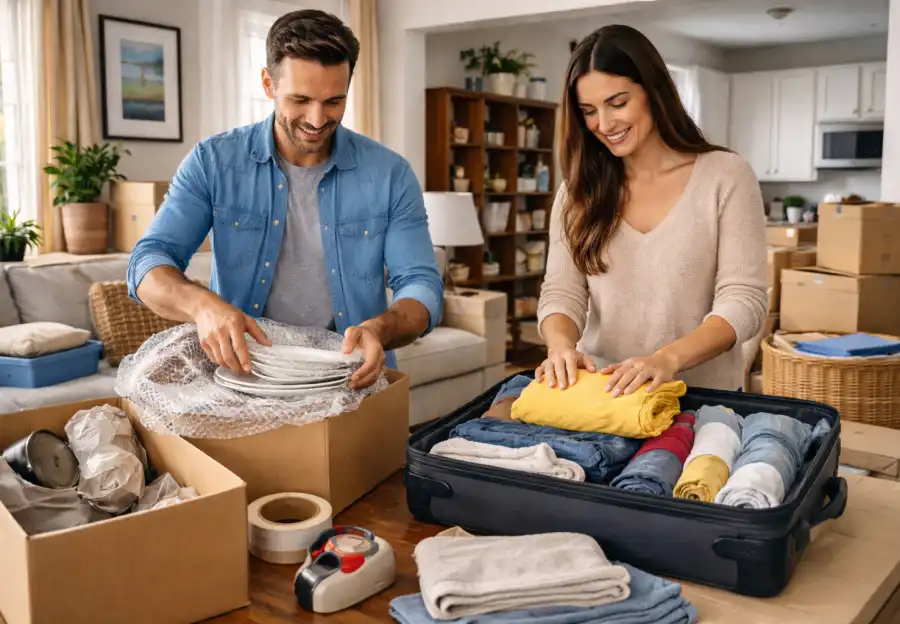
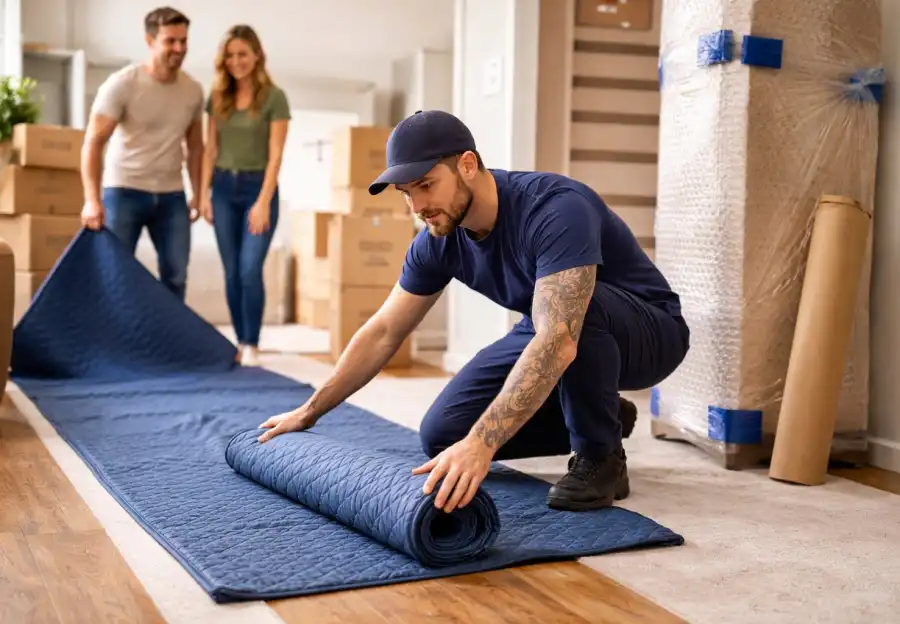
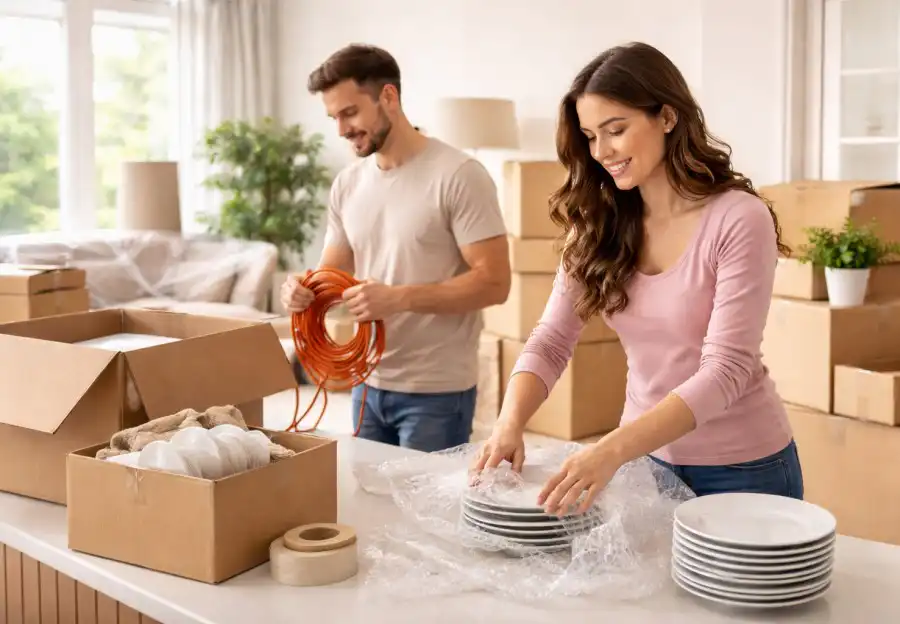
Using proper packing materials is another key consideration. High-quality boxes, packing tape, bubble wrap, packing paper, and furniture blankets protect belongings and facilitate a safer, more efficient move. Understanding which items require extra cushioning, custom boxes, or protective coverings ensures that electronics, fragile household goods, and valuable items are adequately protected. Proper packing materials also help prevent damage to furniture, walls, or floors during loading and transportation, preserving the condition of both possessions and the home itself.
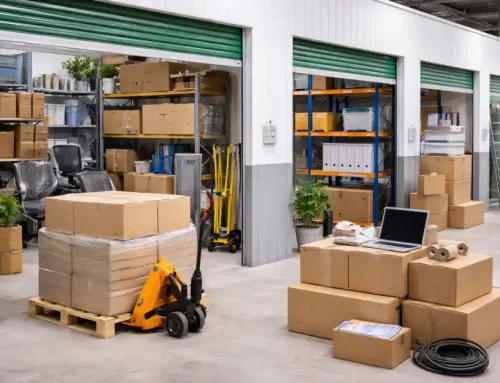
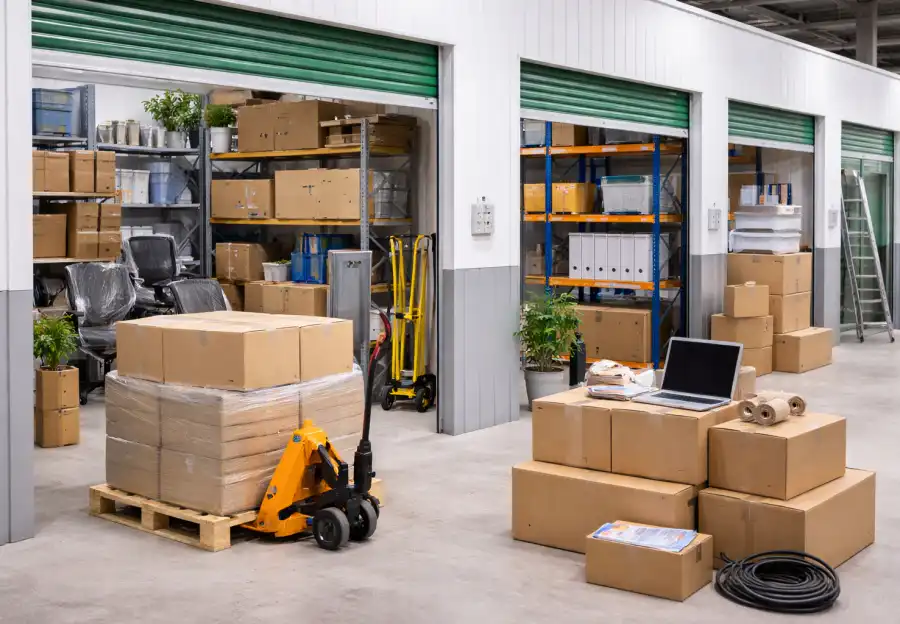
Organizing storage spaces such as closets, garages, basements, and attics is particularly important because these areas often contain forgotten, overlooked, or accumulated items. Sorting through these spaces reduces clutter, ensures nothing is missed during packing, and prevents movers from encountering unexpected or potentially hazardous items. Thorough assessment of these areas guarantees that all belongings are accounted for, packed appropriately, and accessible for transport, streamlining the moving process and minimizing surprises on moving day.
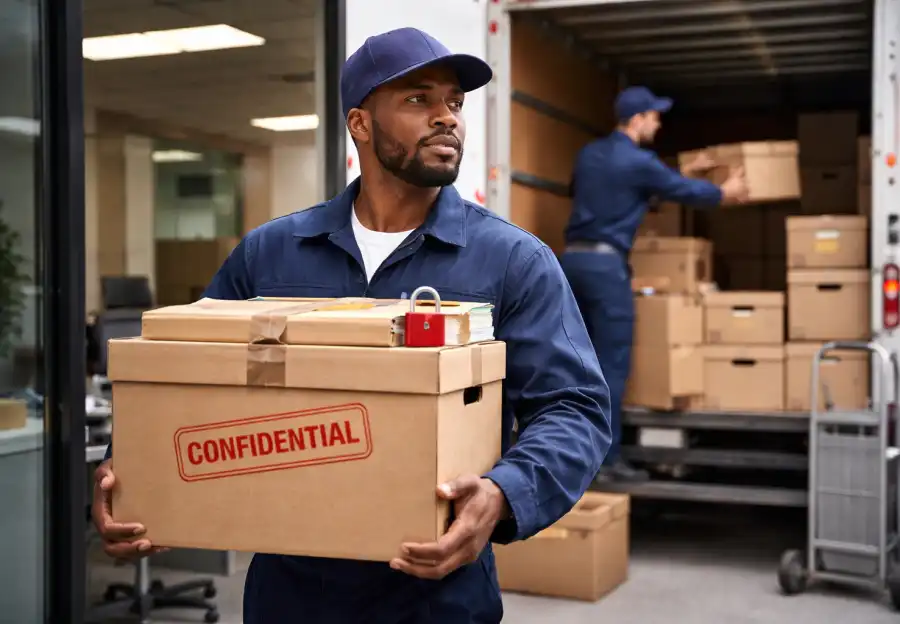
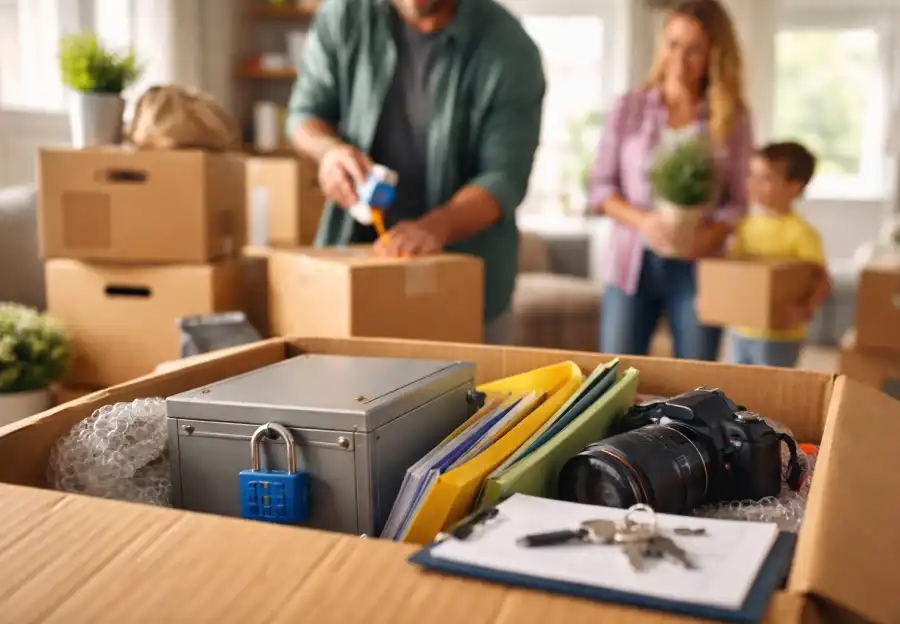
In addition to physical organization, digital preparation is equally valuable. Keeping important documents, moving contracts, receipts, and personal records in a single, accessible location allows homeowners to manage administrative tasks efficiently. Digital organization facilitates inventory tracking and provides documentation for insurance claims if needed. Additionally, maintaining clear communication with movers or helpers regarding which items are high priority or require special attention ensures a smoother coordination and reduces potential errors.
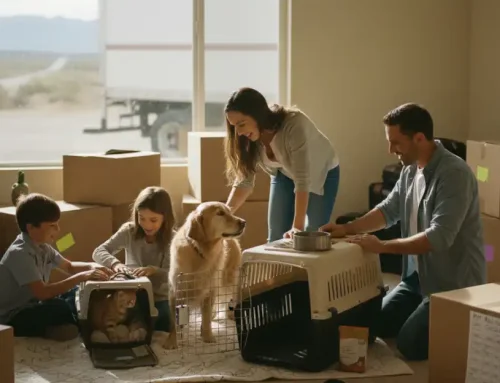
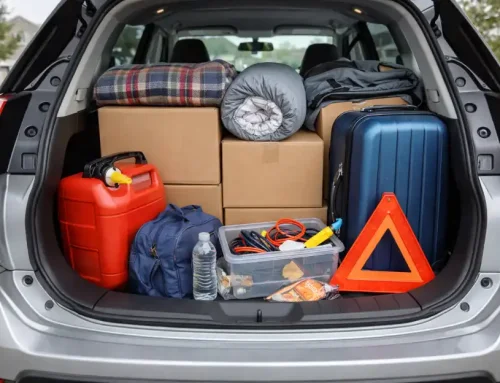
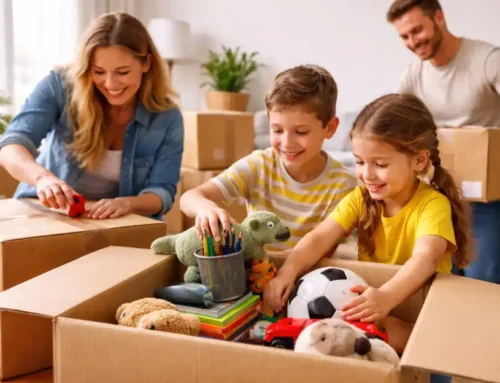
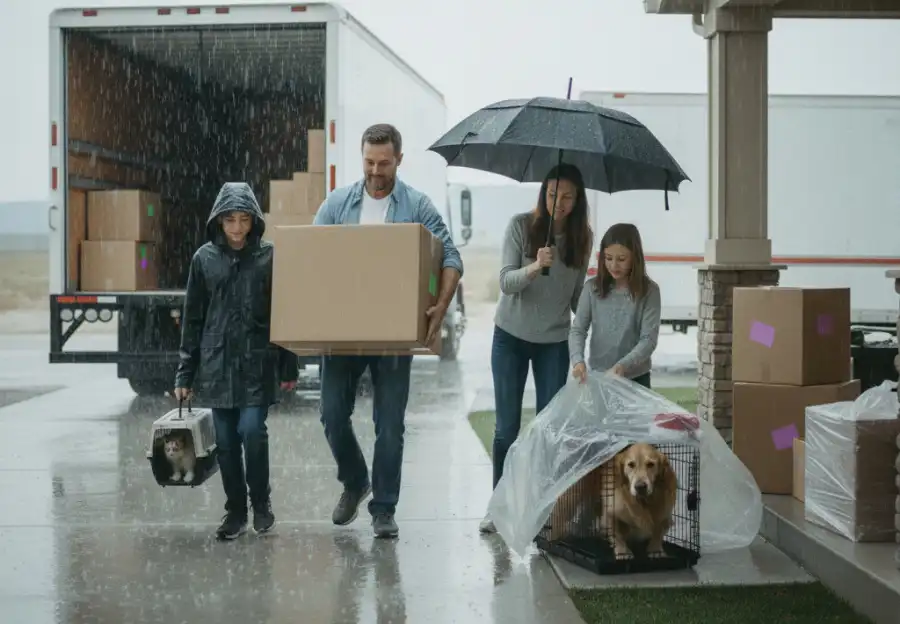
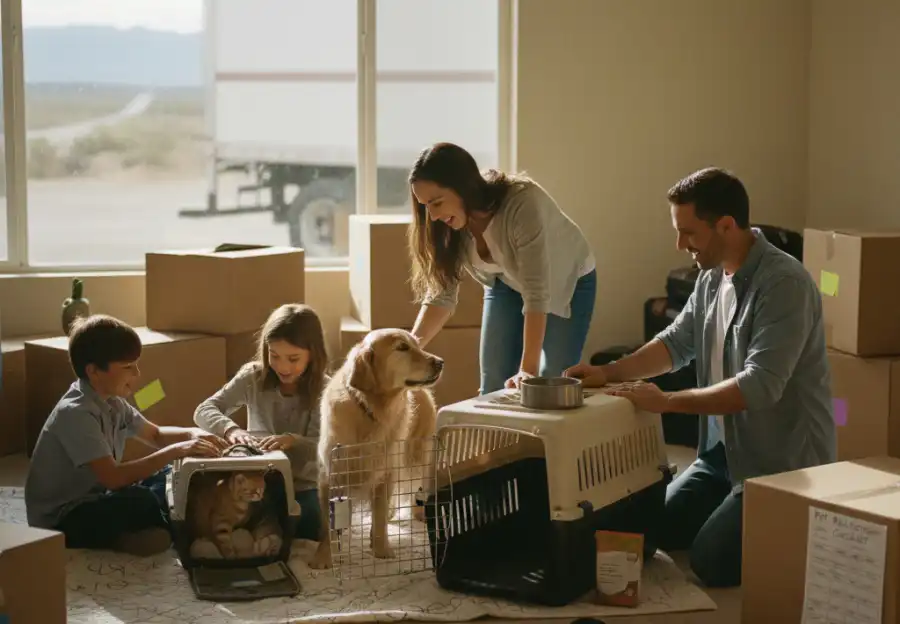
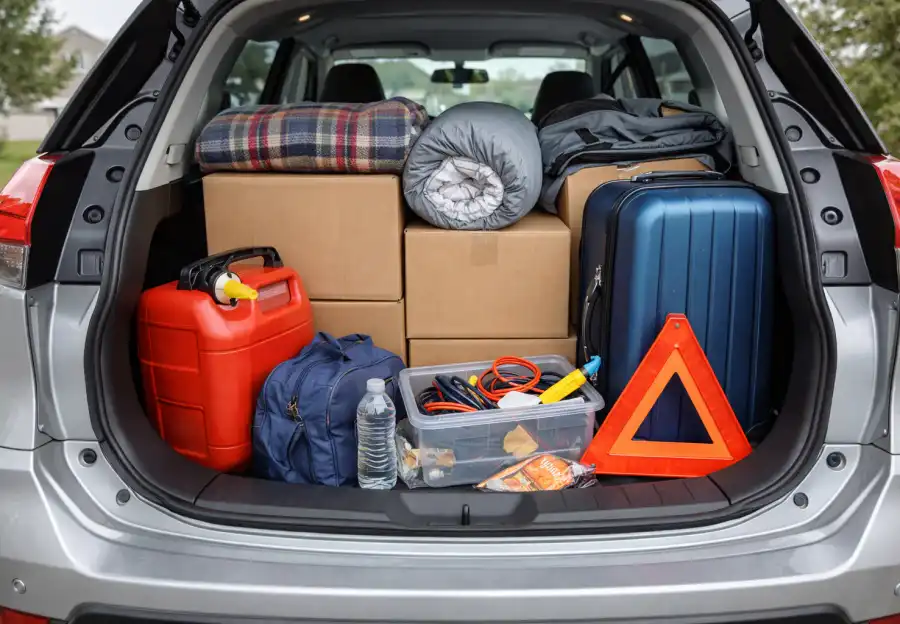
Personalizing organization to the needs of your household is another essential step. Children, pets, or elderly family members may require special arrangements for their belongings, routines, and safety during the move. Setting aside dedicated boxes or bags for essential items such as medications, toiletries, favorite toys, or important documents ensures that daily life can continue smoothly despite the chaos of relocation. Anticipating these needs minimizes stress and keeps the household functioning during the transition.
Finally, cultivating a mindset of systematic organization, patience, and foresight throughout the moving process allows homeowners to approach relocation with confidence. When each item is carefully considered, packed, and labeled; every room and storage space has been assessed; and all logistical details are addressed, stress is minimized, errors are prevented, and unloading and unpacking become significantly easier. Proper organization before moving not only protects your belongings and time but also transforms what could be an overwhelming task into a well-managed, streamlined, and even rewarding experience, ensuring a smooth, efficient, and stress-free transition to your new home.