
January 1, 2026
How to Create a Personalized Moving Timeline
Creating a personalized moving timeline is one of the most effective ways to reduce stress, stay organized, and ensure a smooth and efficient relocation. Moving involves numerous tasks, deadlines, and responsibilities that can quickly become overwhelming without a clear plan. The first step in developing your timeline is to determine your move date and work backward, establishing key milestones like when to start packing, notify utilities, schedule movers or rental trucks, and handle administrative tasks. Having a structured schedule allows you to allocate sufficient time for each stage of the move, prevents last-minute panic, and ensures that nothing is overlooked. It also gives you a sense of control over the entire process.
Next, assess the scope of your move. This includes understanding the size of your household, the number of belongings, the distance of your relocation, and any special requirements such as handling fragile or oversized items, arranging for pet transport, or coordinating with schools or workplaces. Understanding the complexity and volume of your move helps you estimate how much time is needed for packing, logistics, and preparation, allowing you to set realistic deadlines for each step of your timeline. Decluttering is another crucial early milestone in your personalized moving timeline. Sorting through your possessions and deciding what to keep, donate, sell, or discard not only makes packing easier but also lowers moving costs, frees up space in your new home, and provides a sense of accomplishment. By assigning a specific window of time for decluttering in your schedule, you can tackle it systematically without feeling rushed or overwhelmed.
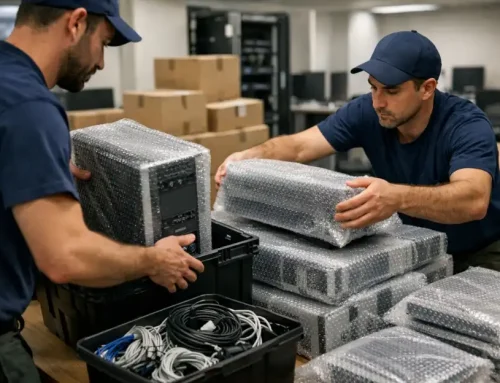
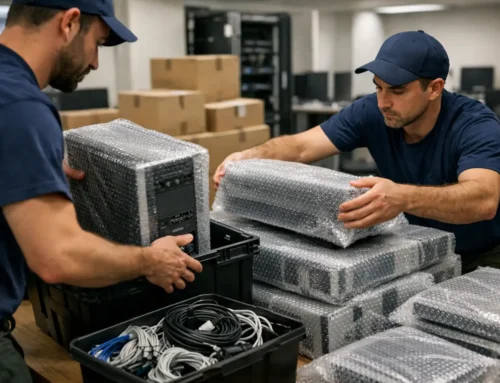
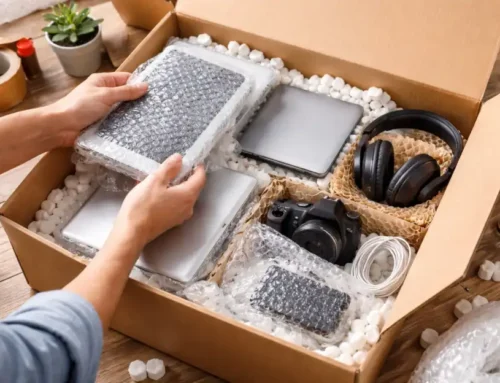
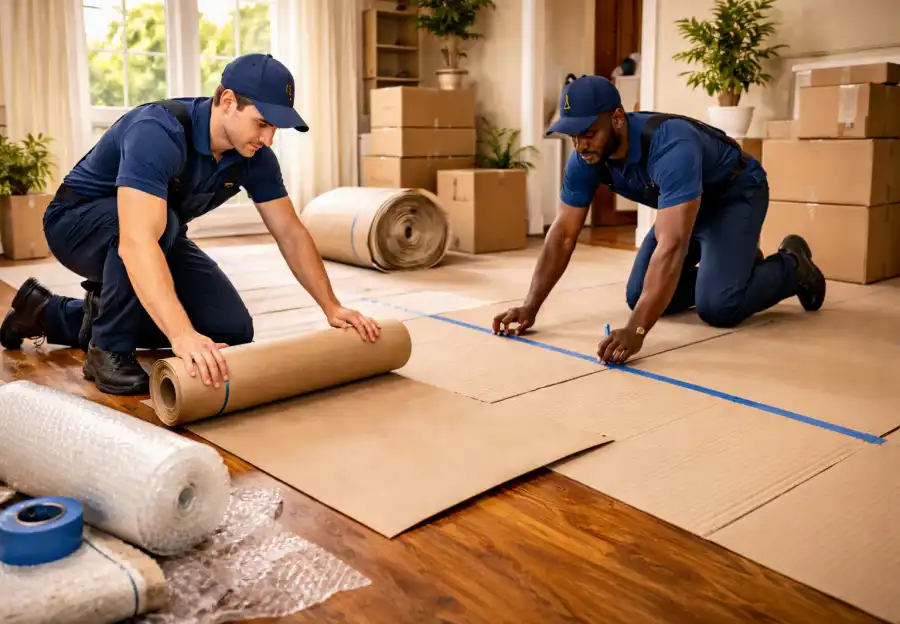
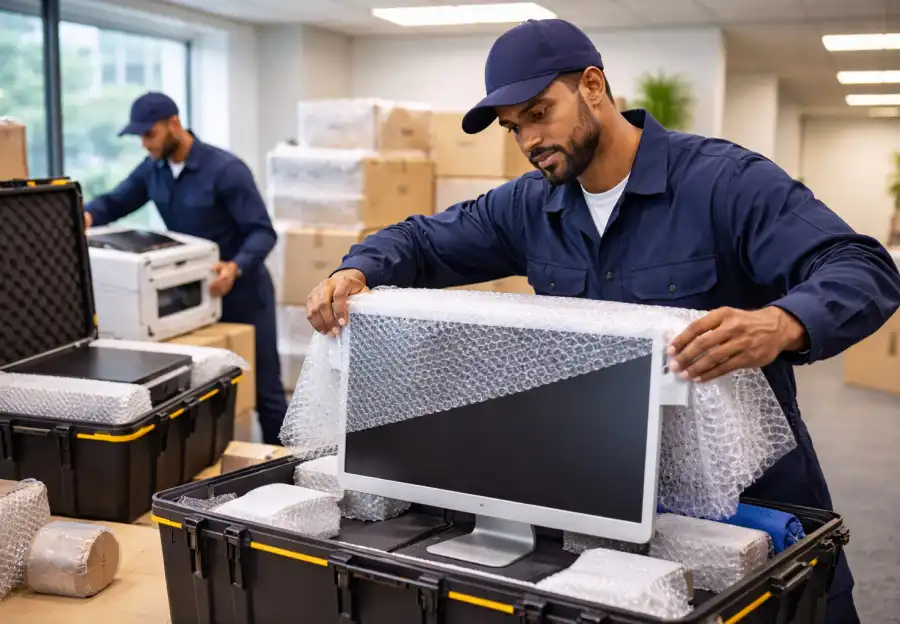
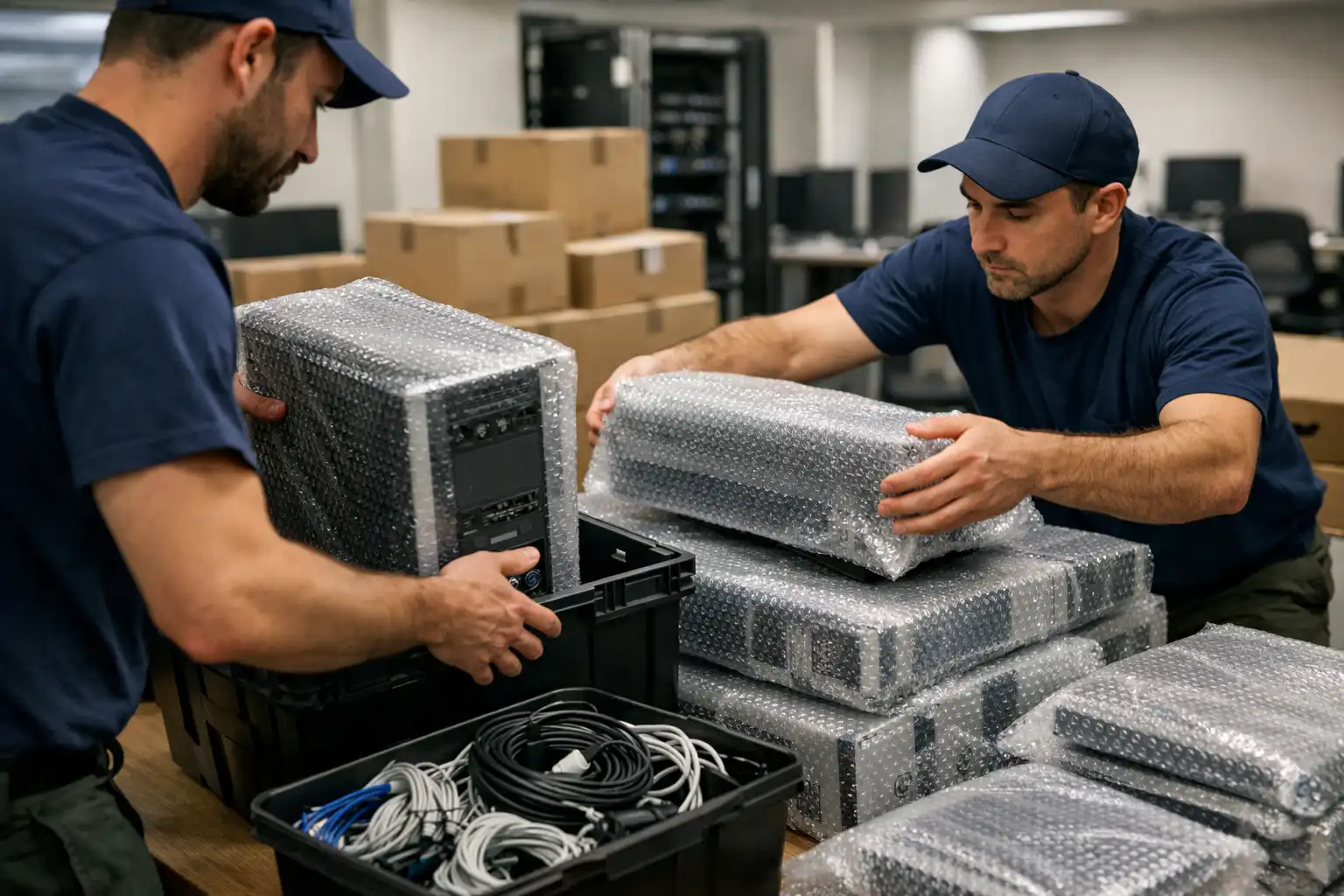
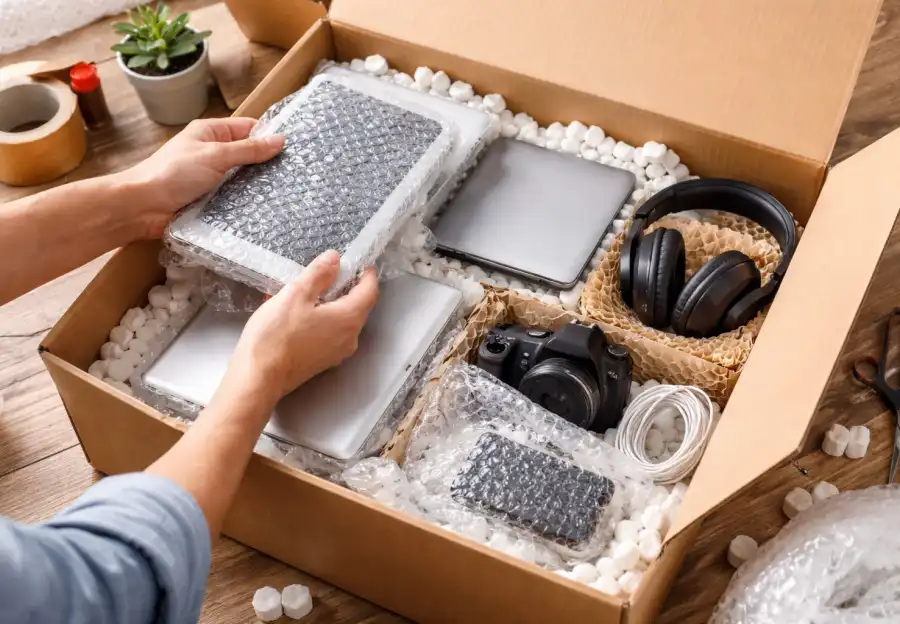
Gathering moving supplies is another key step. Your timeline should include a period for obtaining boxes, packing tape, bubble wrap, packing paper, furniture blankets, labels, and markers. Ensuring that all necessary materials are ready before you begin packing prevents interruptions and allows you to work efficiently. Packing itself should be broken down into manageable phases in your timeline. Start with non-essential items, like seasonal clothing, decorations, or rarely used kitchenware, followed by essential items closer to moving day. Careful packing of fragile and valuable items, with appropriate padding and labeling, should be incorporated. A phased approach allows you to maintain control, reduce stress, and avoid the chaos of trying to pack everything at once. Clearly labeling each box with its contents and destination room ensures efficient unpacking and organization upon arrival.
Your personalized timeline should also account for administrative tasks and notifications, such as changing your address with the postal service, updating subscriptions, notifying banks, employers, and schools, and scheduling utility shutoffs and setups. Completing these tasks in a timely manner prevents disruptions, ensures continuity of services, and allows you to settle smoothly into your new home. By assigning specific dates or deadlines for each administrative action, you can avoid the stress of last-minute scrambling. Scheduling movers or rental trucks is another key milestone in your timeline. Booking early ensures availability, allows you to select the right size vehicle or service package, and provides ample time to coordinate with the moving company regarding special instructions, access requirements, or additional services like packing assistance or temporary storage. Confirming all details in advance reduces the risk of surprises or delays on moving day.
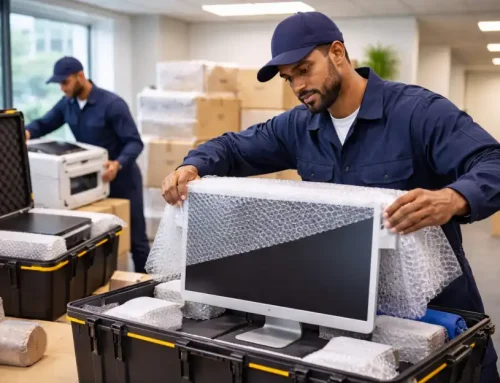
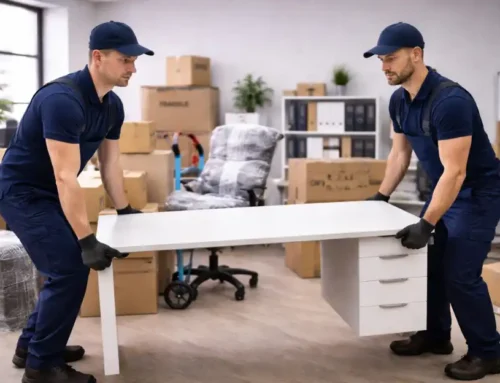
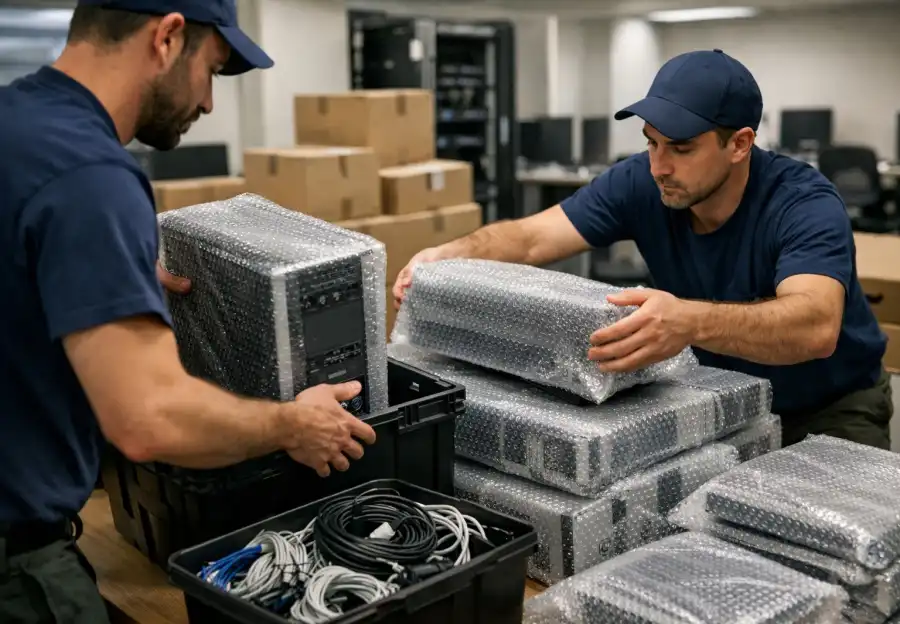
Your timeline should also include a plan for moving-day essentials, such as packing a separate bag or box with toiletries, medications, important documents, chargers, snacks, and items for children or pets. Having these items easily accessible ensures comfort and reduces stress on the day of the move. Including this step in your schedule ensures you don’t forget crucial necessities. Disassembling and preparing furniture, appliances, and electronics is another important step. Your timeline should designate specific days for disconnecting, cleaning, and safely preparing these items for transport. Proper preparation prevents damage, facilitates efficient loading, and reduces the risk of injury. Assigning this task to a designated day in your schedule keeps the process organized and manageable.
Incorporating buffer days into your personalized moving timeline is essential. Unexpected delays, weather changes, or last-minute issues are common during relocation, so allowing flexibility ensures that minor setbacks do not derail your entire schedule or increase stress. Maintaining a realistic timeline that accounts for potential contingencies helps you stay on track. Finally, your timeline should include post-move tasks such as unpacking, arranging furniture, setting up utilities, registering vehicles, updating licenses, and settling children or pets into new routines. Planning these steps in advance provides structure for the first days and weeks in your new home, reducing the feeling of being overwhelmed and ensuring a smooth transition. Reviewing and adjusting your timeline as needed throughout the process allows you to adapt to any changes or unexpected developments.
By considering all of these elements—determining the move date, assessing the scope of the move, decluttering, gathering supplies, phasing packing, handling administrative tasks, booking movers or trucks, preparing essentials, disassembling furniture, incorporating buffer days, and planning post-move activities—you can create a personalized moving timeline that guides every stage of your relocation. This approach minimizes stress, maximizes efficiency, and allows you to approach your move with confidence, clarity, and control. A well-structured schedule ensures that no important steps are overlooked, your belongings are protected, and your transition into your new home is as seamless and organized as possible, demonstrating that careful planning is key to turning the challenging experience of moving into a manageable and even rewarding process.