February 24, 2026
How to Relocate a Retail Store
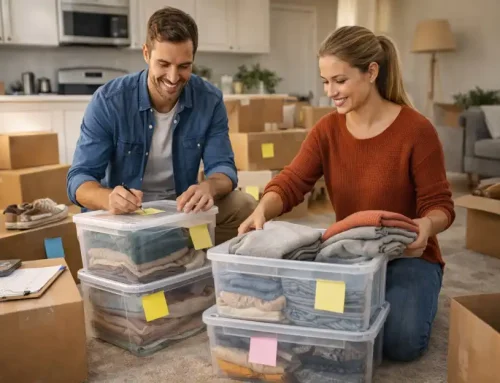
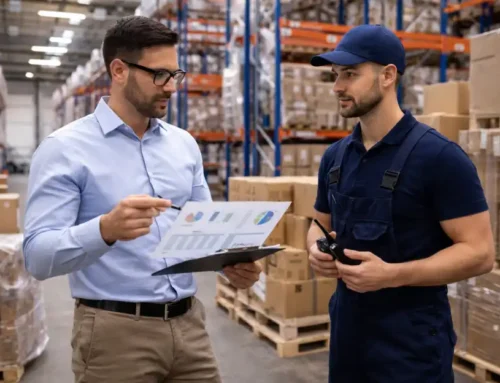
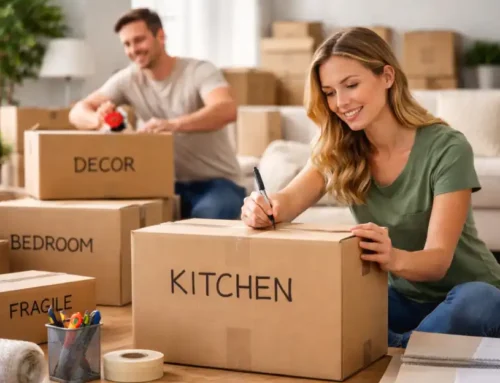
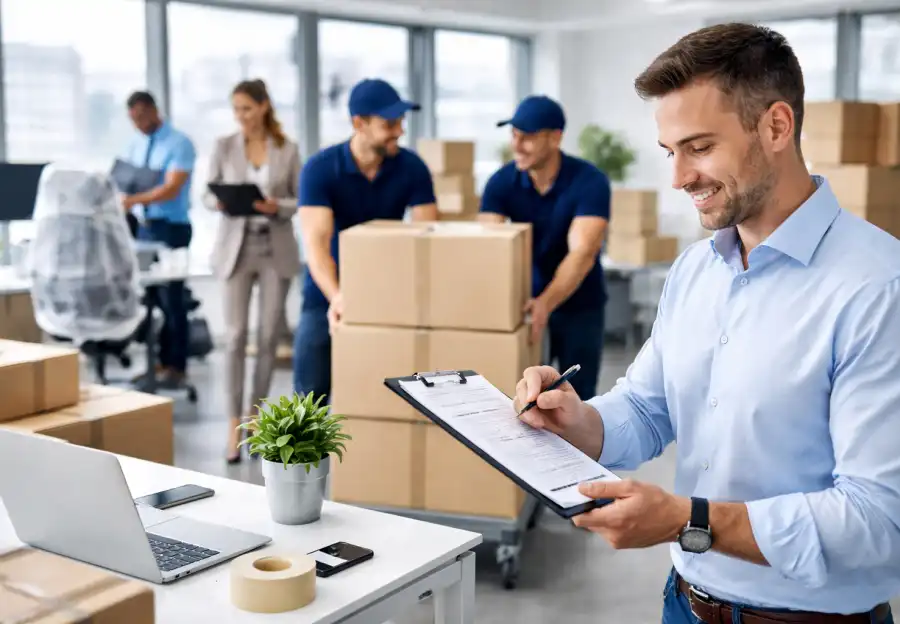
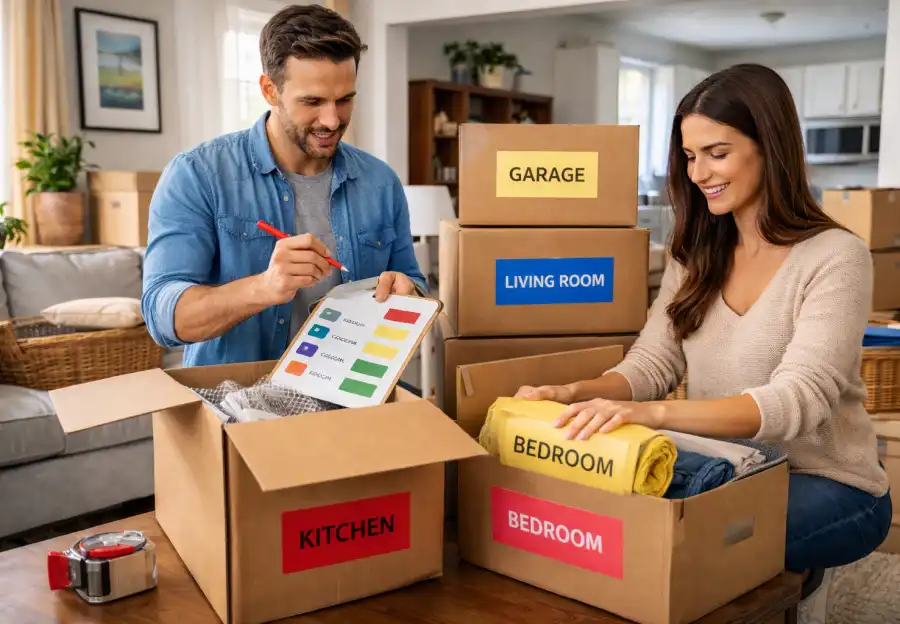
Relocating a retail store requires careful planning, strategic coordination, and detailed execution because the process involves moving not only inventory and fixtures but also operational systems, while maintaining customer loyalty and minimizing downtime. The first step in a successful retail relocation is conducting a comprehensive assessment of the current store. This includes evaluating inventory, fixtures, equipment, signage, and technology systems. Noting the condition, size, weight, and value of each item allows for proper prioritization and specialized handling. Creating an itemized inventory ensures accountability, prevents loss, facilitates insurance claims in case of damage, and provides a clear reference for efficiently setting up the new location.
Selecting the new location is equally important because it directly impacts customer traffic, sales potential, and brand visibility. Factors such as accessibility, parking availability, nearby competitors, local demographics, and lease terms should be carefully considered. Additionally, the layout and square footage of the new space influence fixture placement, traffic flow, storage solutions, and overall customer experience. Consulting with architects, designers, or space planners can optimize the store layout, improving operational efficiency and customer engagement while ensuring the store functions effectively from day one.
Communication with staff is critical throughout the relocation process. Employees need to be informed, prepared, and engaged to reduce stress and maintain productivity. Providing regular updates about the move timeline, expectations, responsibilities, and the new store layout ensures everyone understands their role. Training staff on packing, handling inventory, and managing new technology or equipment prepares them for the transition. Involving employees in planning also encourages ownership, boosts morale, and identifies operational challenges that management might overlook, creating a smoother and more collaborative relocation experience.
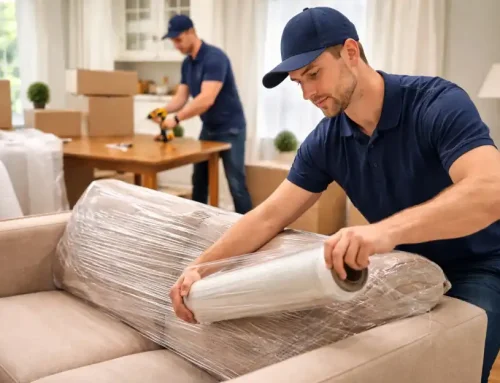
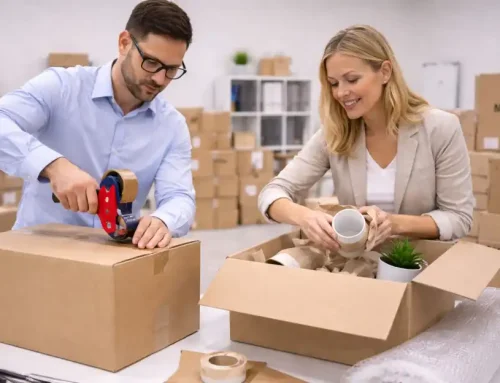
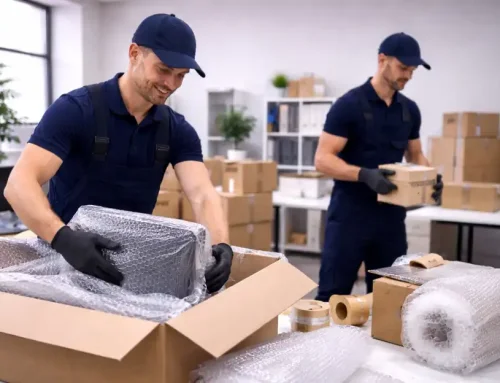
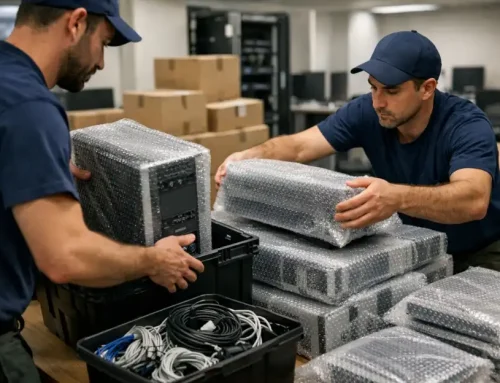
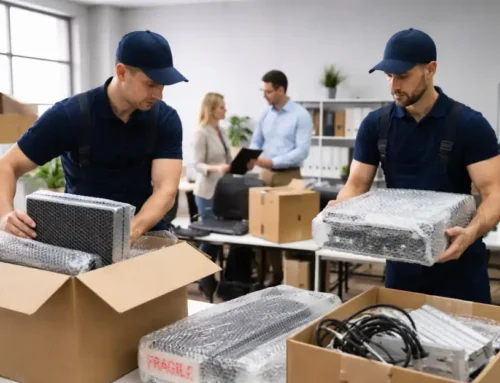
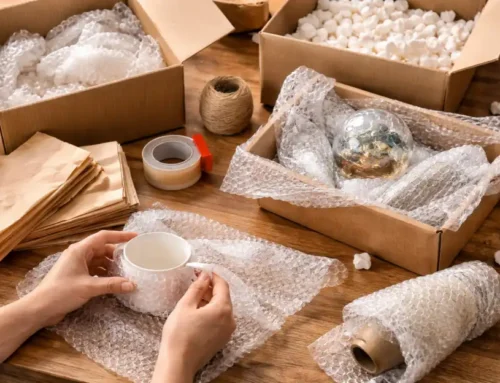
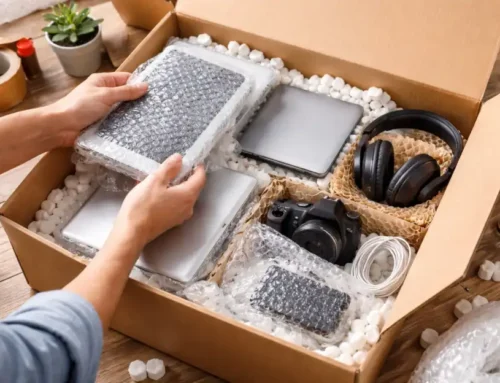
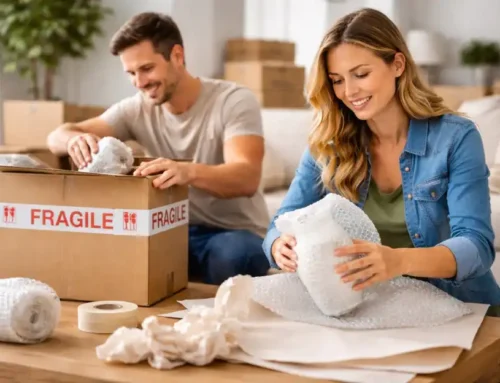
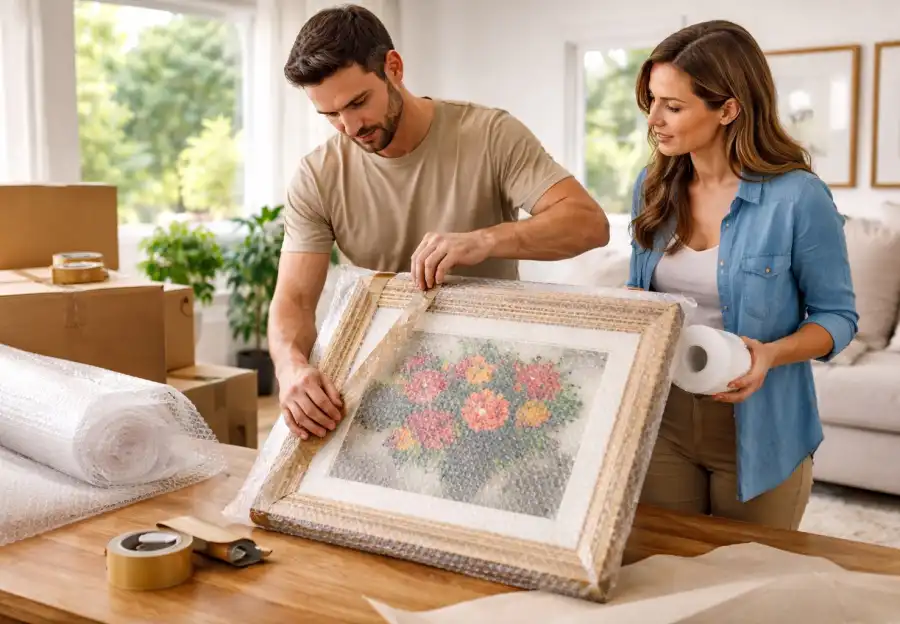
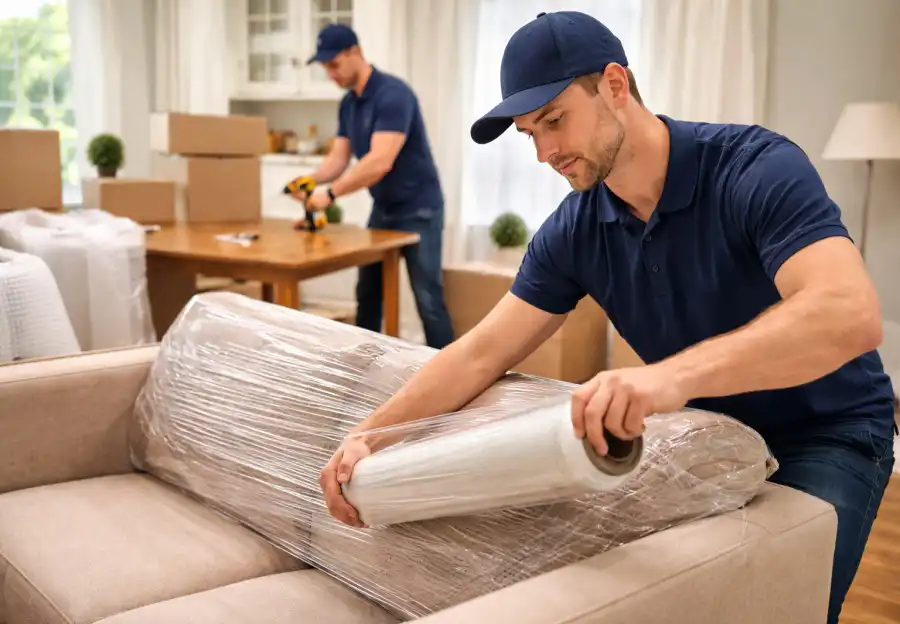
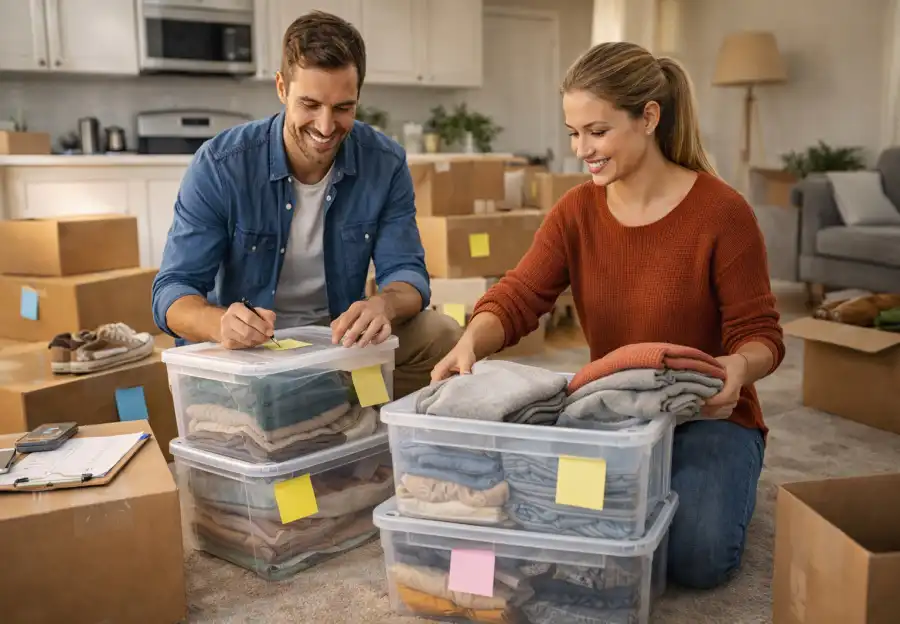
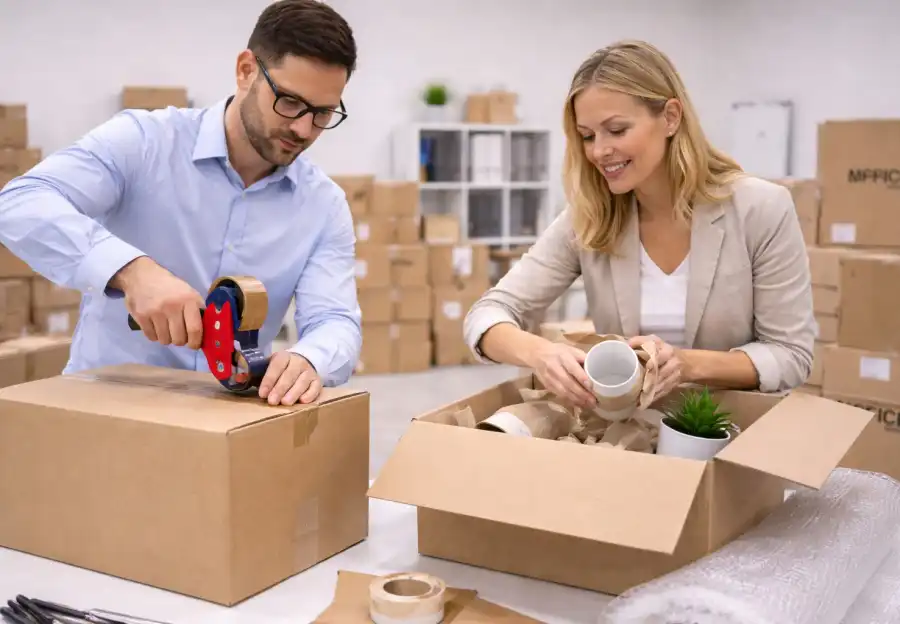
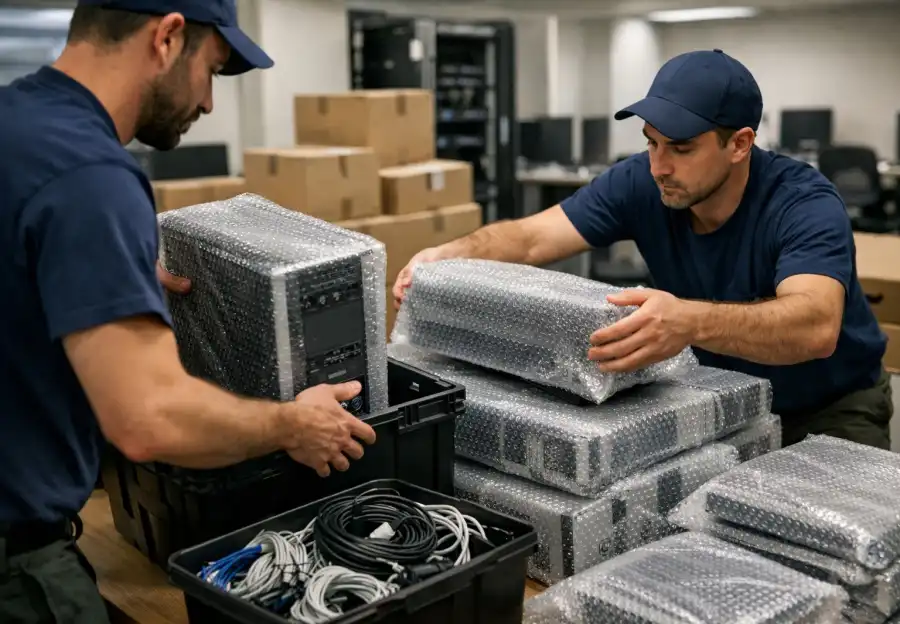
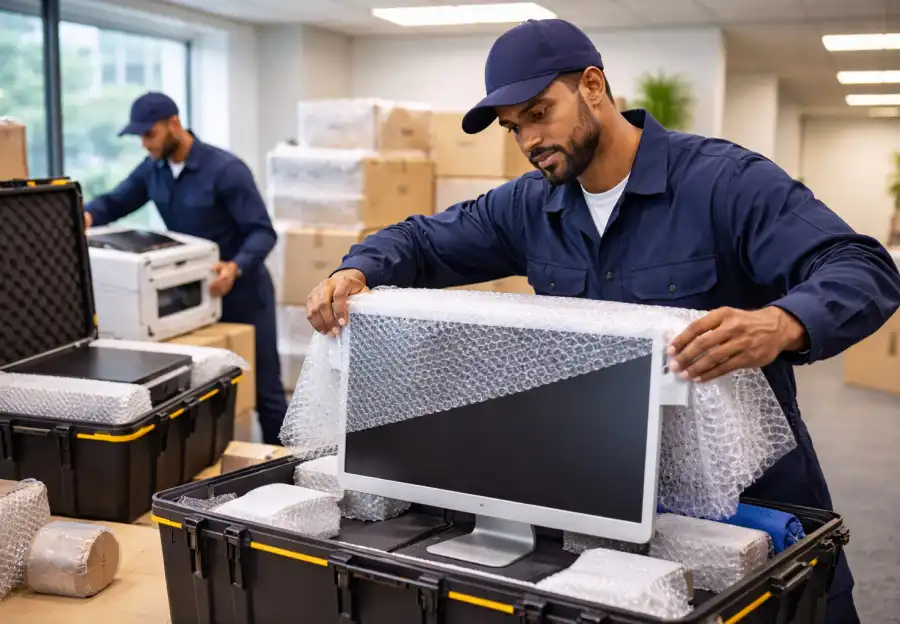
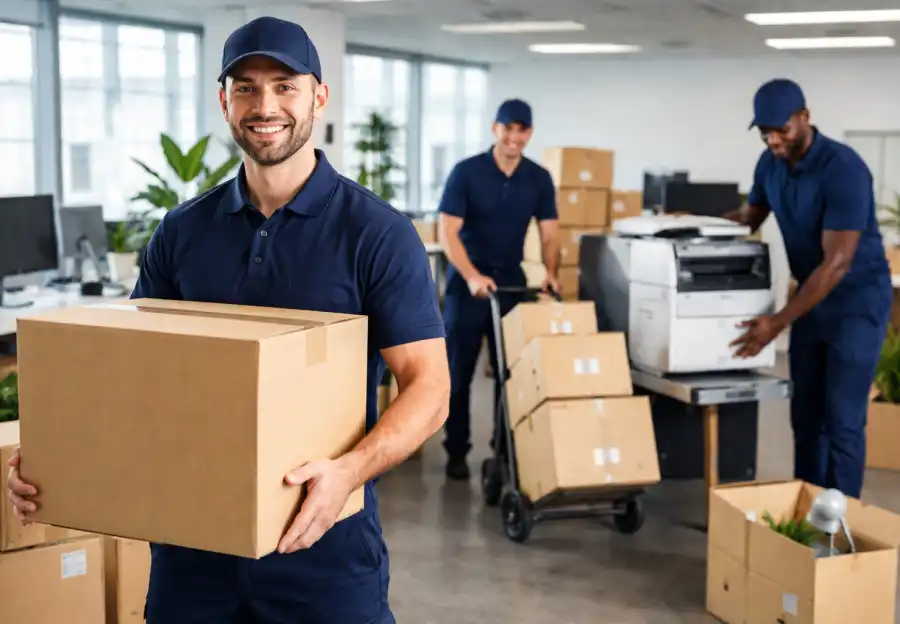
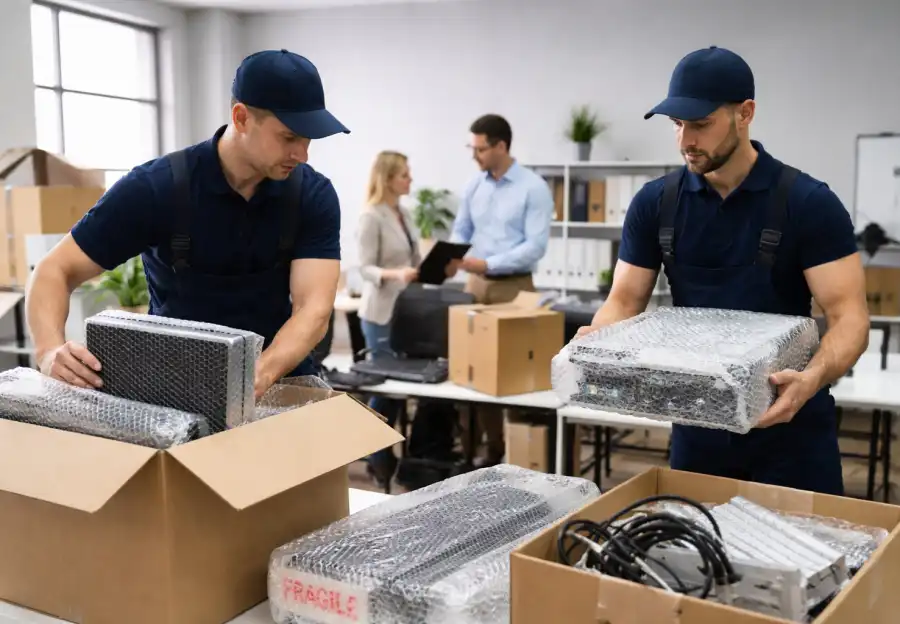
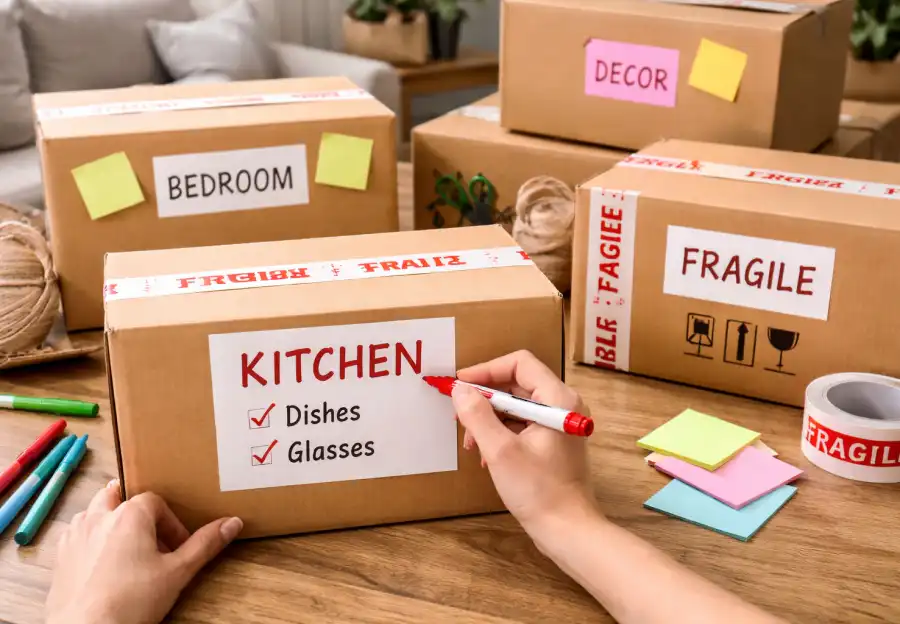
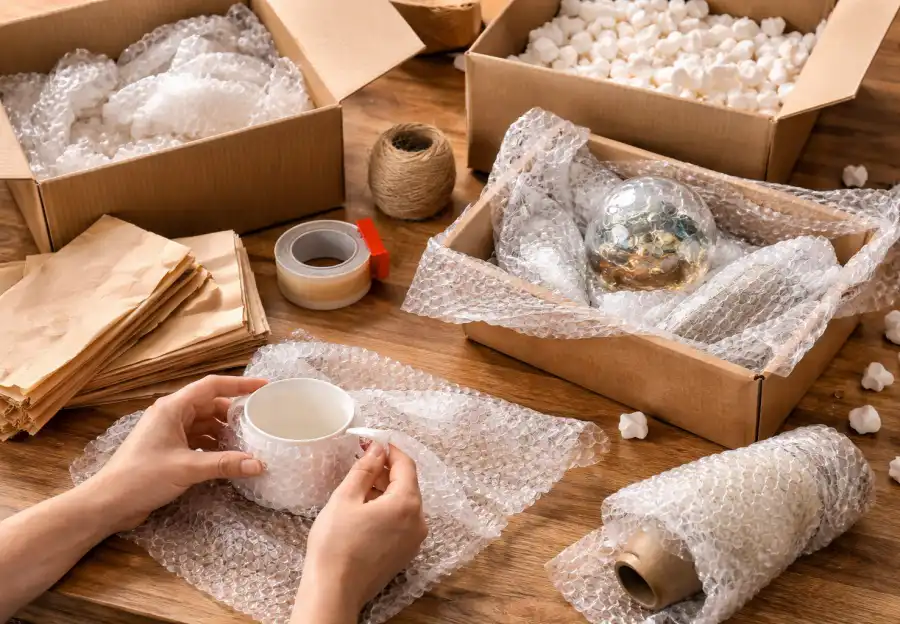
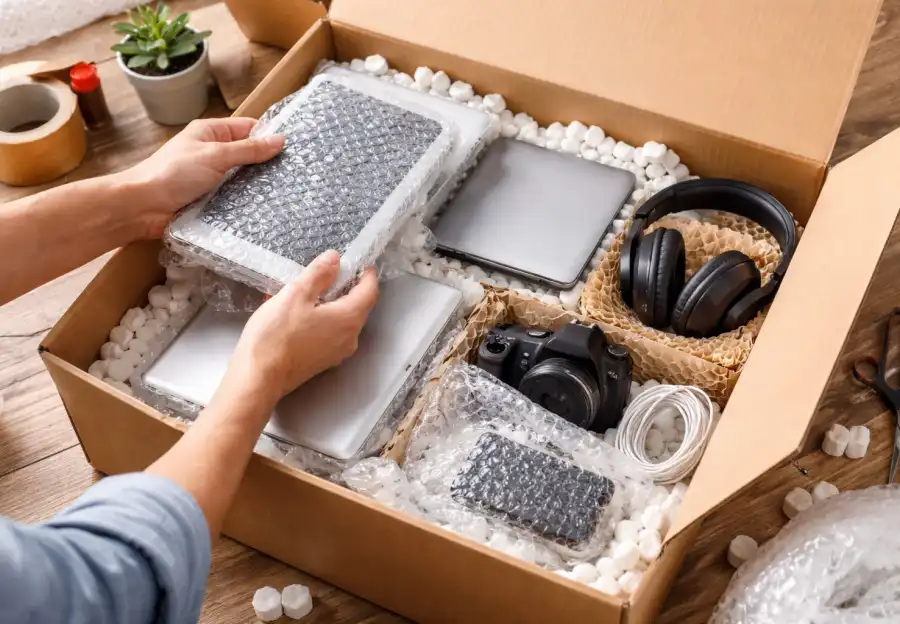
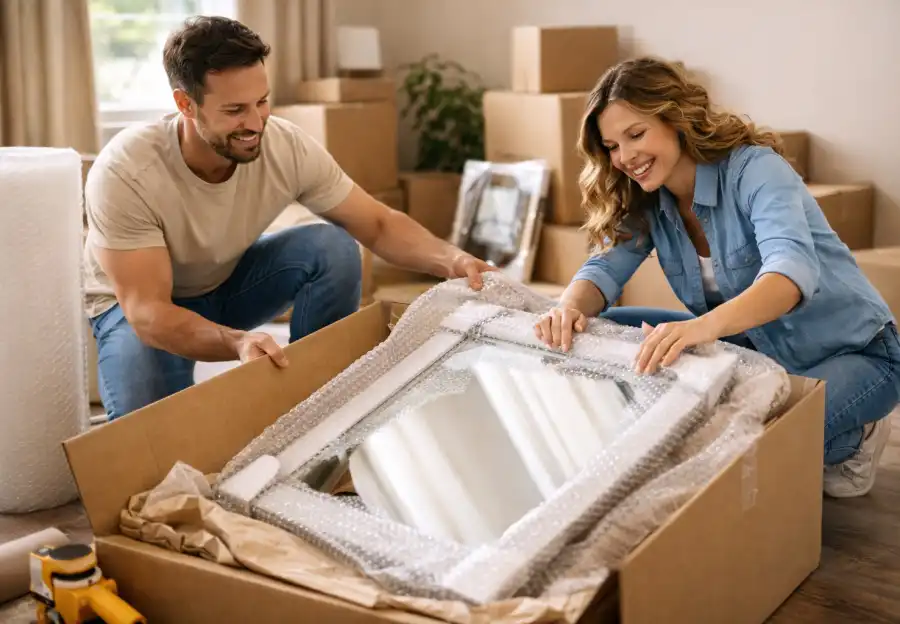
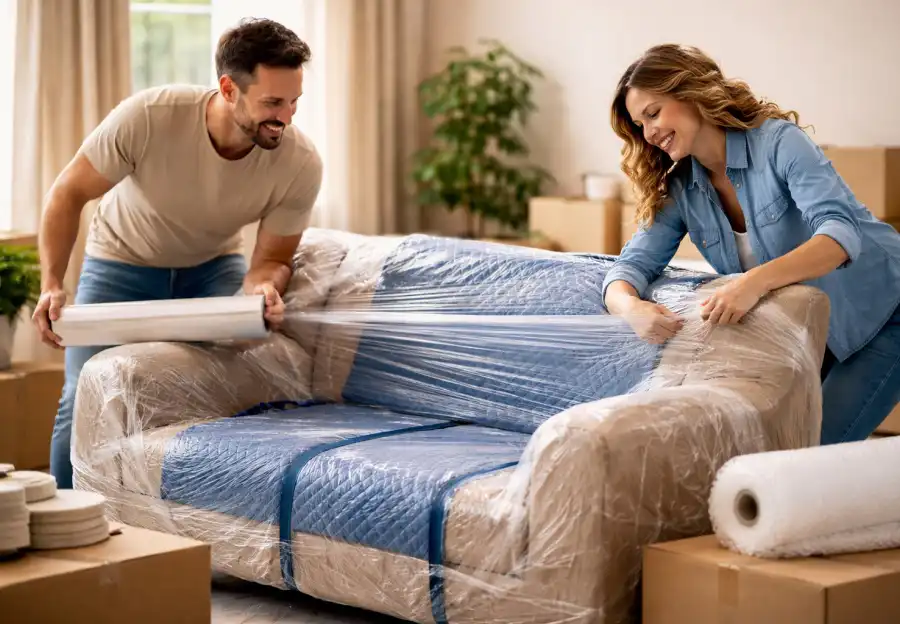
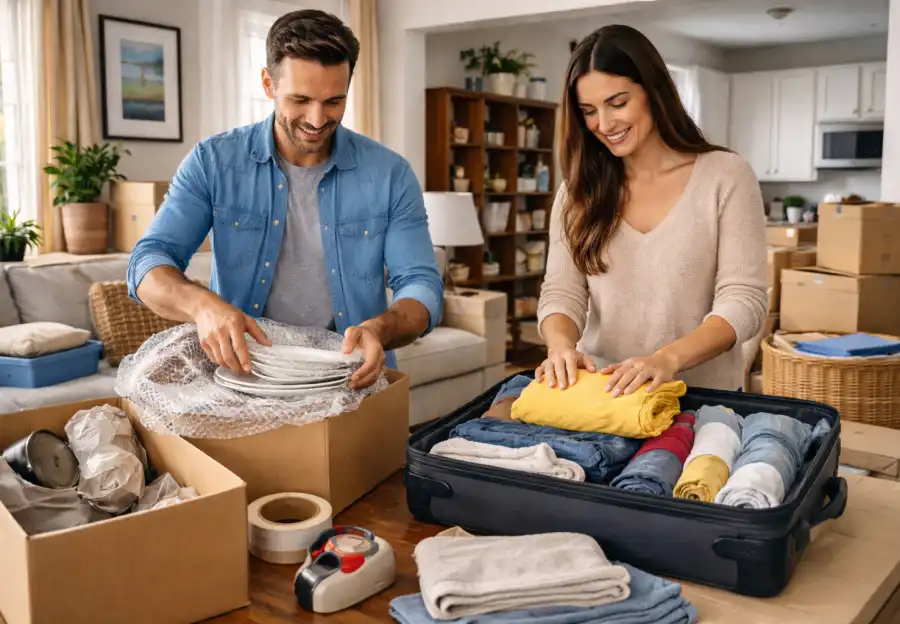
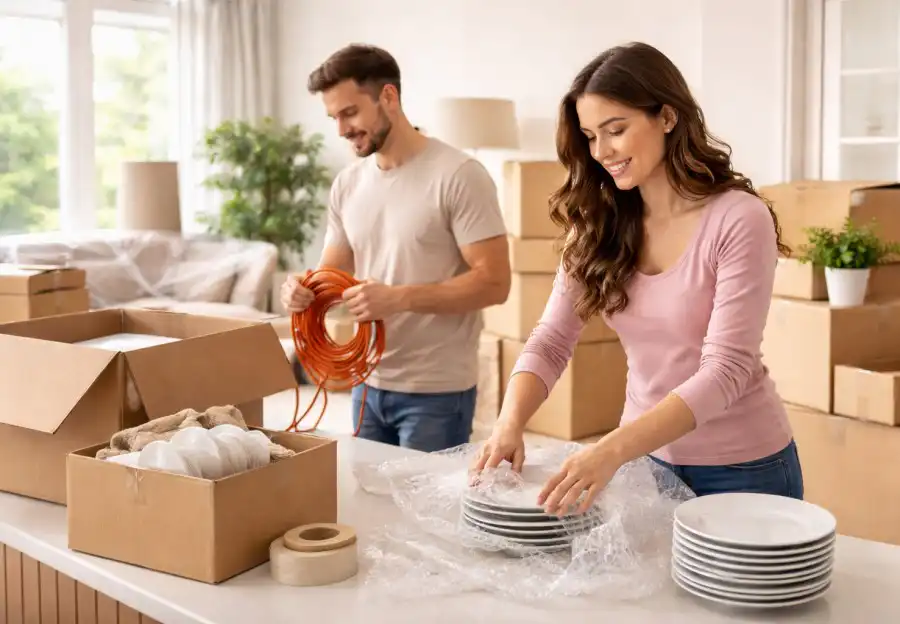
Inventory management during the move is essential because retail stock is often high in both volume and value. Categorizing products, checking for perishable or fragile items, and prioritizing high-demand merchandise ensures critical inventory is protected and accessible. Using durable packing materials, secure containers, disassembling shelving when necessary, and applying protective wrapping helps prevent damage. Coordinating with inventory management systems or barcode scanners allows for accurate tracking during transit and simplifies setup at the new location, enabling the store to resume operations quickly and efficiently.
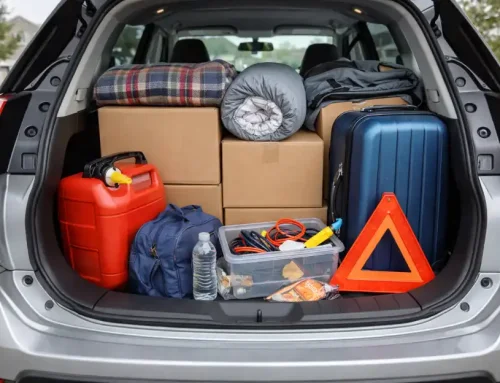
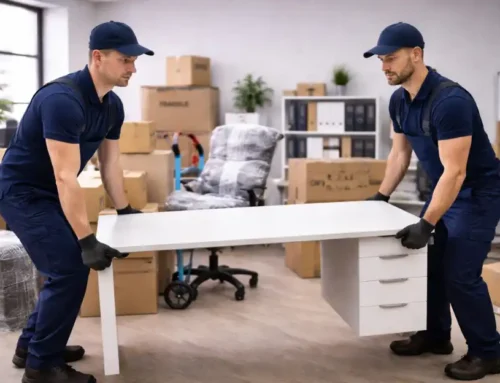
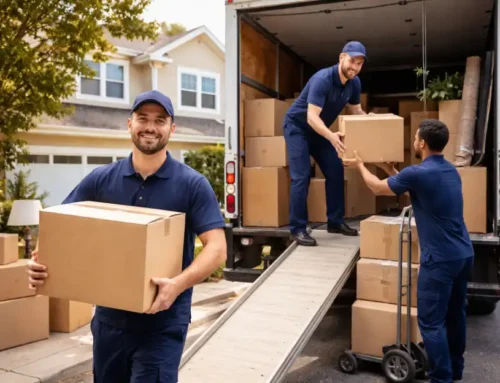
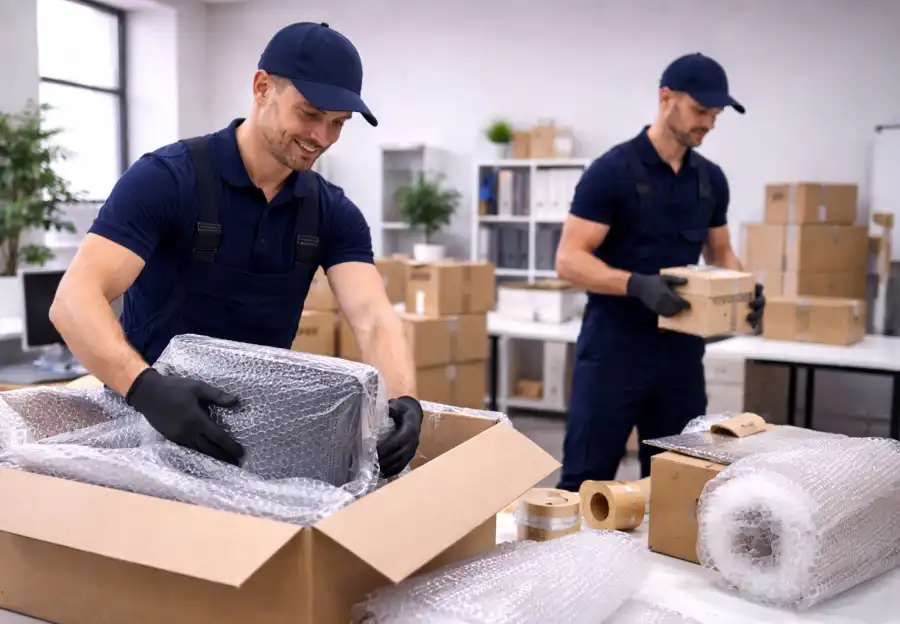
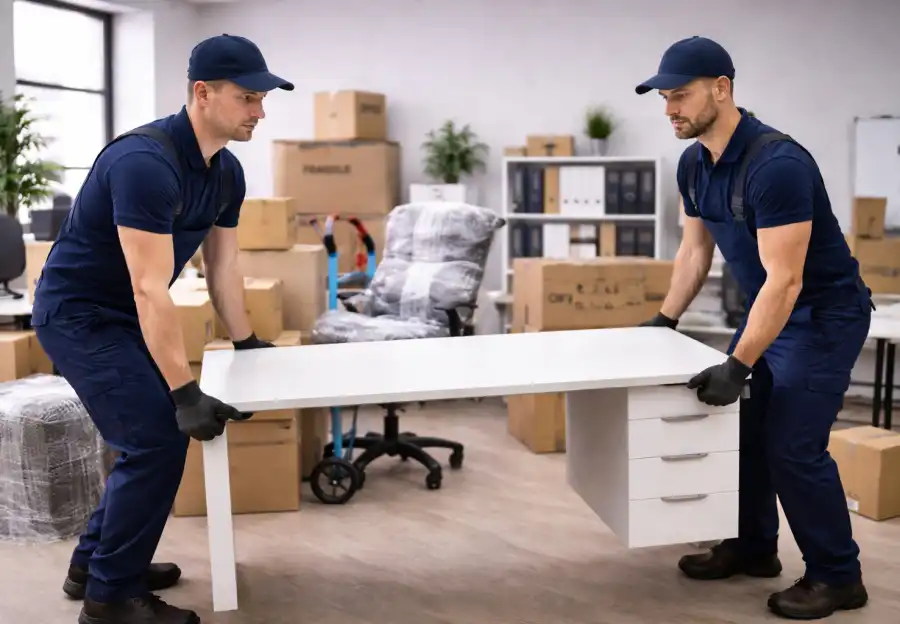
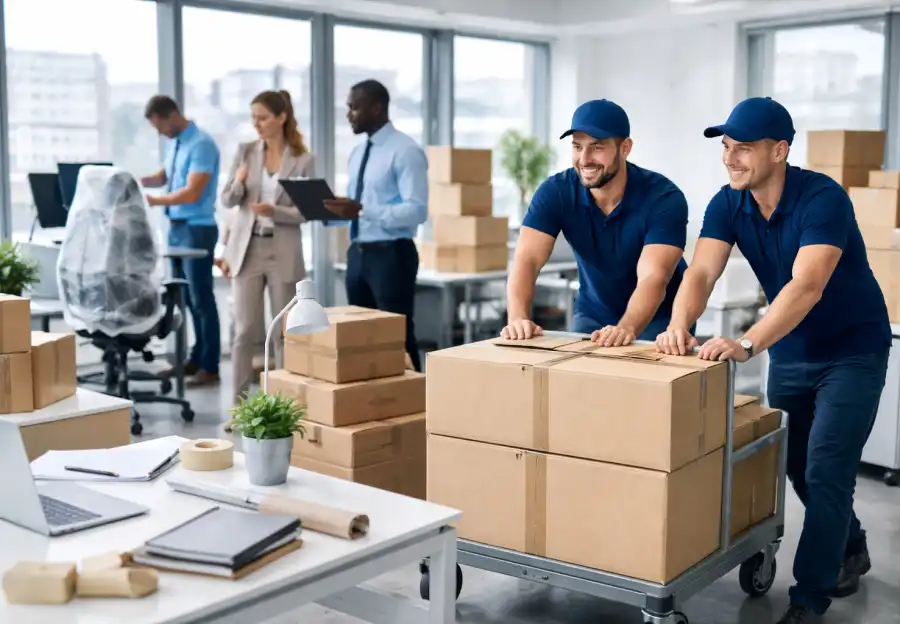
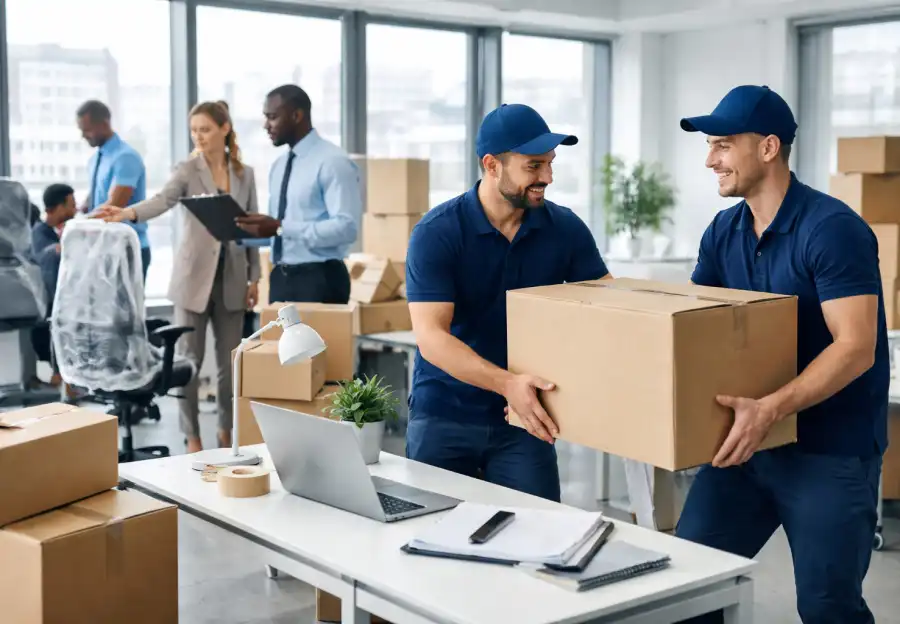
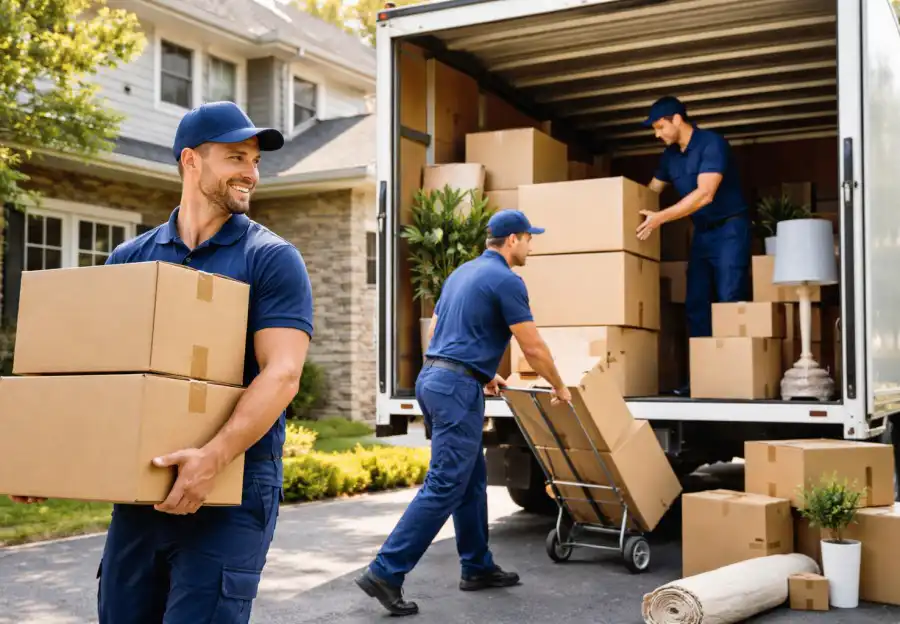
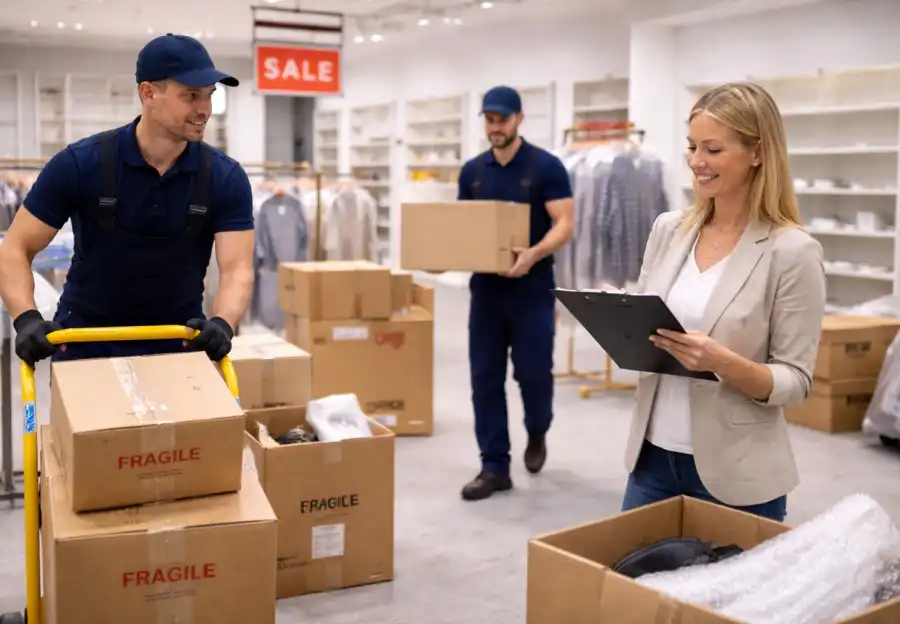
Logistics and transportation planning are vital because retail store items can include large displays, heavy shelving, point-of-sale equipment, and merchandise. Scheduling professional movers, securing appropriate vehicles, and planning routes minimizes the risk of damage, reduces downtime, and ensures timely arrival. Coordinating with building management, loading docks, elevators, and access points at both locations prevents bottlenecks and delays. Additionally, contingency planning for weather, traffic, or unforeseen circumstances ensures the relocation proceeds smoothly and according to schedule.
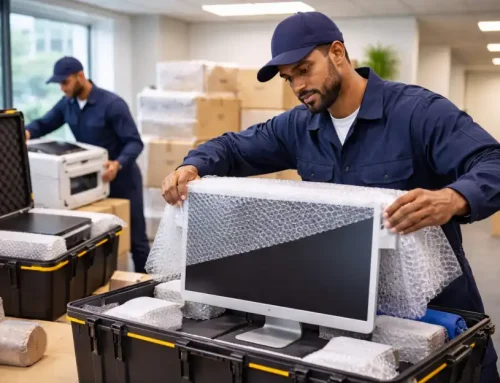
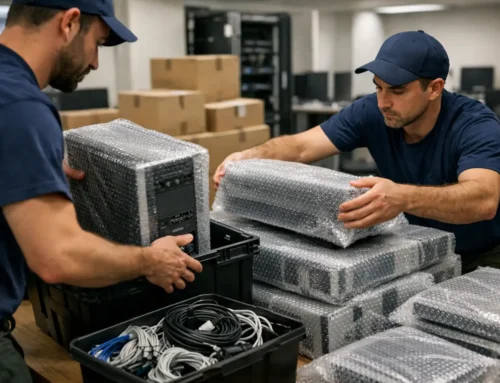
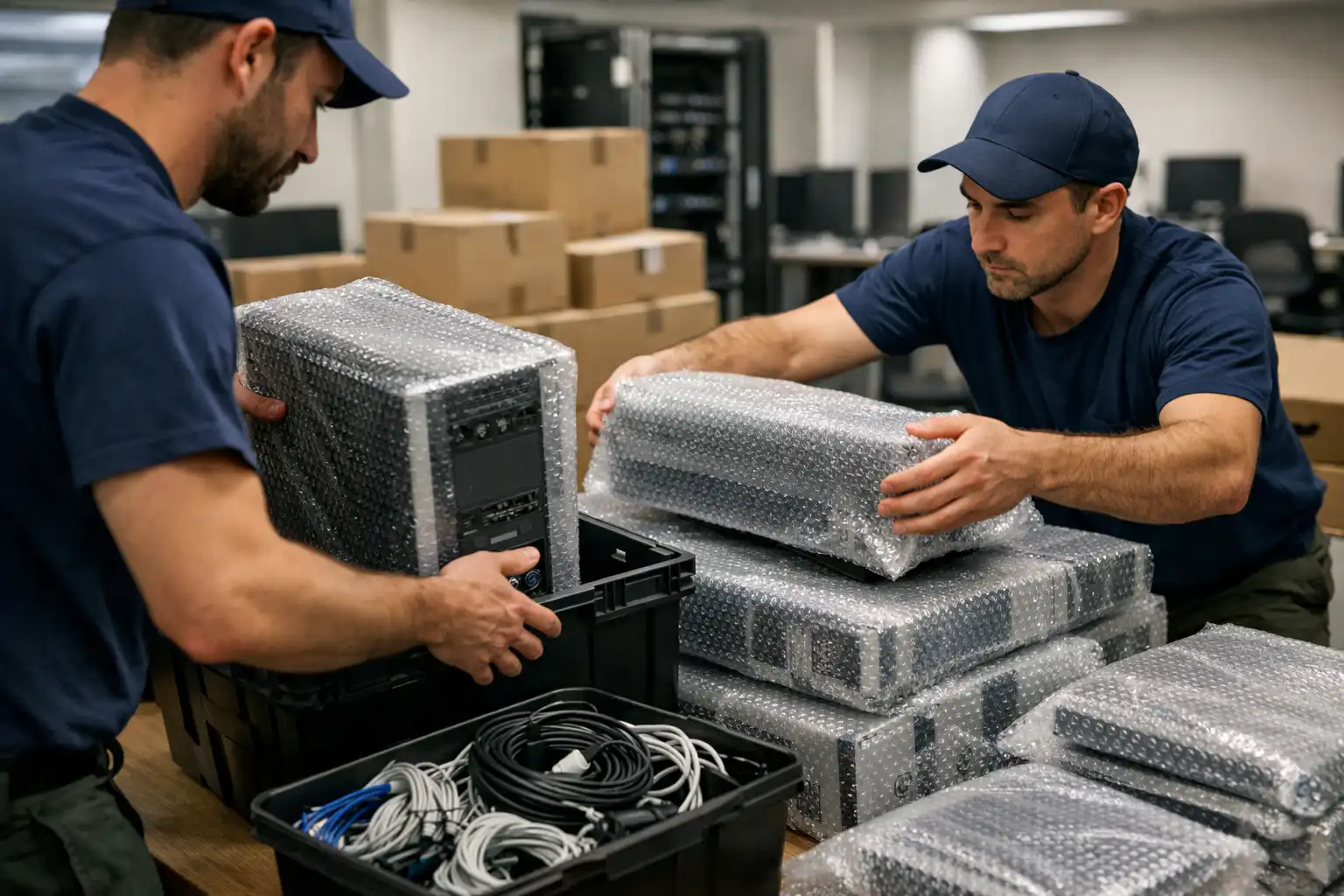
Technology and point-of-sale (POS) systems require special attention, as these are critical to business operations. Planning the disconnection, transportation, and reinstallation of POS terminals, computers, networking devices, security cameras, and other electronics prevents data loss and operational downtime. Backing up software, documenting configurations, and involving IT specialists ensures systems are functional immediately after the move. Clear communication to employees about the timeline for reconnecting technology enables a coordinated resumption of operations and minimizes disruption.
Marketing and customer communication are essential components of a successful retail move. Informing customers, vendors, and partners about the new location, move dates, and reopening schedule preserves loyalty, maintains foot traffic, and prevents lost sales. Using email campaigns, social media announcements, in-store signage, and local advertising ensures the move is widely publicized. Offering promotions, special events, or incentives at the new location helps attract both existing and new customers, generating excitement and engagement from the outset.
Upon arrival at the new store, careful placement of fixtures, merchandising of inventory, and setup of technology systems ensures operational efficiency and customer satisfaction. Inspecting for damage, verifying inventory counts, and testing equipment immediately allows prompt resolution of any issues. Providing employees with clear guidance on workstation assignments, stocking procedures, and operational protocols ensures a smooth start, maintains customer service quality, and reinforces safety standards. Training staff to navigate the new layout enhances efficiency, reduces errors, and supports a positive customer experience.
Finally, post-move evaluation and feedback are critical. Analyzing what worked well, identifying areas for improvement, and acknowledging employee efforts strengthens future relocation planning. Combining comprehensive assessment, careful inventory management, strategic planning, staff involvement, professional handling, coordinated logistics, technology preparation, marketing communication, and meticulous setup allows a retail store relocation to be executed efficiently and safely. This approach minimizes downtime, protects assets, maintains customer satisfaction, and ensures the business continues to operate smoothly while leveraging the opportunities presented by the new location. By focusing on planning, communication, and attention to detail, a seamless retail store move can be achieved.