
February 14, 2026
How to Plan a Commercial Office Move
Planning a commercial office move requires a strategic, organized, and detail-oriented approach because relocating an entire workplace involves far more than simply transporting furniture from one location to another. Office moves affect employees, clients, technology, workflows, and business continuity, making careful preparation essential. Without a structured plan, disruptions can lead to lost productivity, damaged equipment, and unnecessary expenses. A well-managed relocation, however, can be efficient, cost-effective, and even an opportunity to improve operations and workplace efficiency.
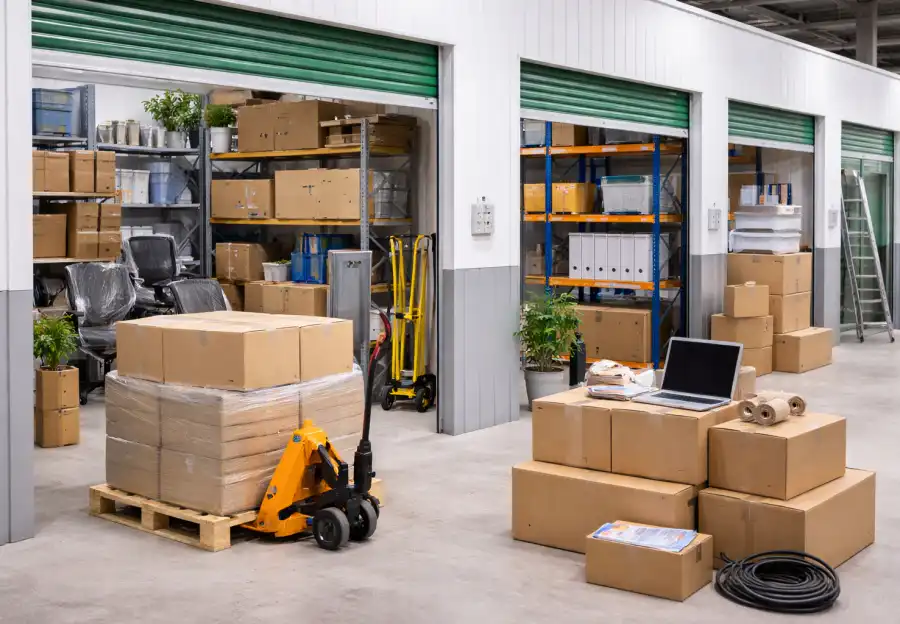
The first step in a successful commercial office move is conducting a comprehensive assessment of the current office. This involves evaluating the size of the space, the volume and types of items to be moved, and the specific needs of each department. Understanding what furniture, equipment, documents, and technology must be relocated allows for accurate planning and resource allocation. This assessment also helps identify items that are outdated, unused, or no longer necessary, making it easier to decide what should be moved, upgraded, donated, or discarded. Reducing unnecessary items lowers moving costs, minimizes clutter in the new office, and decreases the risk of damage during transit.
Once the assessment is complete, creating a detailed moving plan and timeline is essential. A commercial office move involves multiple stages, including packing, IT disconnection, furniture disassembly, transportation, and setup at the new location. Establishing clear milestones and deadlines ensures that each phase progresses smoothly. Assigning a dedicated move coordinator or project manager centralizes communication, maintains accountability, and allows for quick problem-solving if issues arise. This role is crucial for coordinating vendors, managing schedules, and ensuring that permits, insurance, and utility transfers are handled well in advance.
Budgeting and resource management play a critical role in office relocations. Moving costs can add up quickly, including expenses for professional movers, packing materials, transportation, insurance, IT services, and potential downtime. Creating a detailed budget with contingency funds helps prevent unexpected overspending. Cost-saving strategies such as selling or donating unused furniture, reusing packing materials, or consolidating shipments can significantly reduce expenses. Negotiating with moving companies and service providers may also result in discounts or bundled services that improve overall value without compromising quality or safety.
Effective employee communication and involvement are vital to a smooth office move. Employees need clear information about timelines, expectations, and their responsibilities during the relocation. Regular updates through meetings, emails, or internal communication platforms reduce confusion and anxiety. Providing packing guidelines, labeling instructions, and deadlines ensures consistency and efficiency. Addressing practical concerns such as commuting changes, parking, workspace assignments, and office amenities helps maintain morale and productivity. Involving department heads or team leaders in planning ensures that specific operational needs are considered and that workflow continuity is preserved.
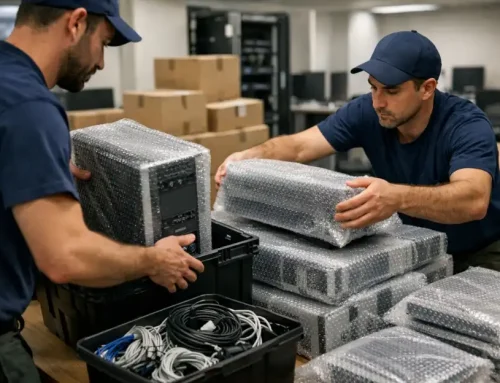
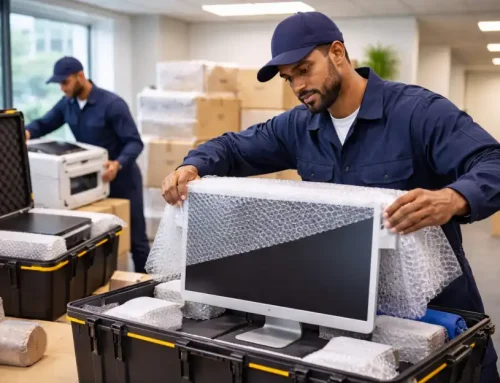
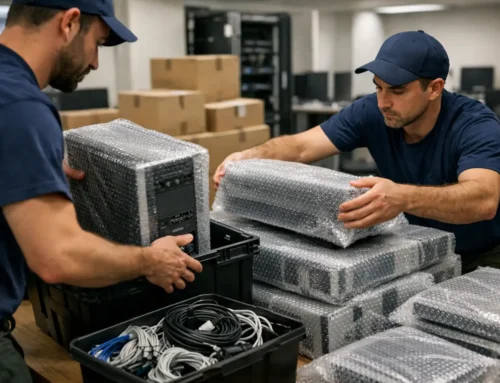
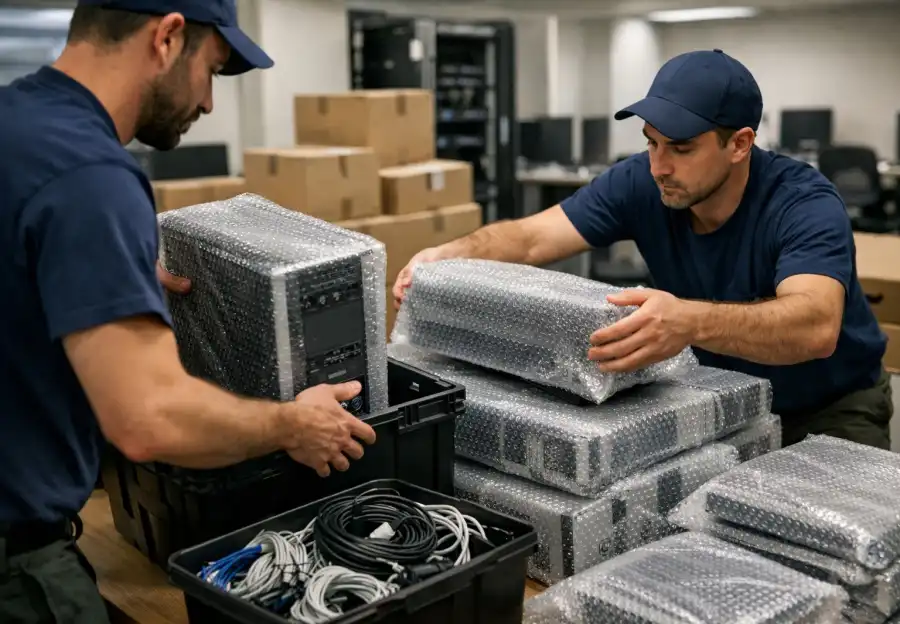
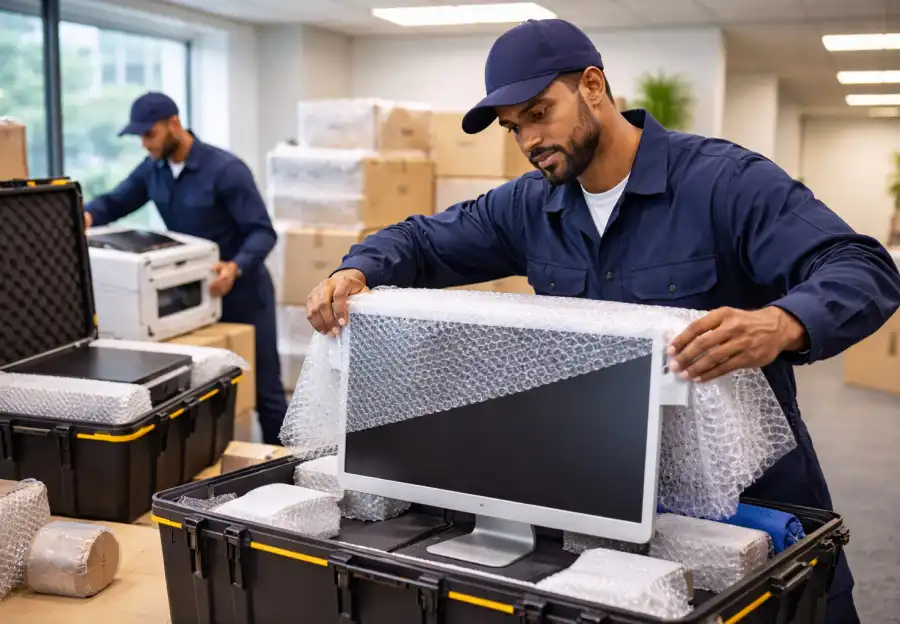
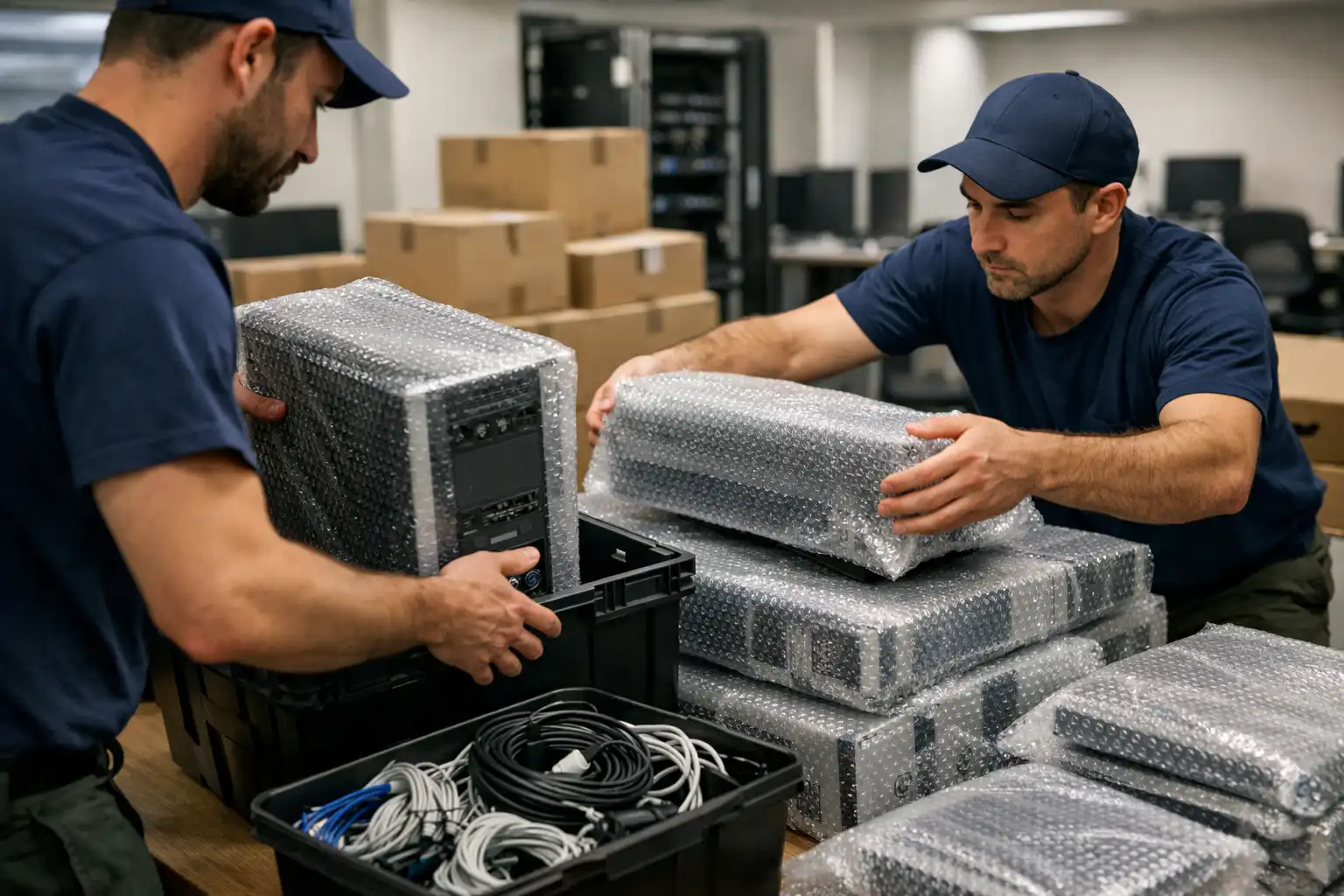
Technology and IT infrastructure are among the most critical components of a commercial office move. Downtime can severely impact productivity, customer service, and revenue, so careful planning is essential. This includes coordinating the relocation of servers, computers, phones, and network equipment, as well as ensuring internet connectivity and software access at the new location. Backing up all data before the move protects against loss, while documenting network configurations and labeling cables simplifies reinstallation. Working with IT professionals or experienced movers reduces the risk of equipment damage and ensures a faster return to full operation.
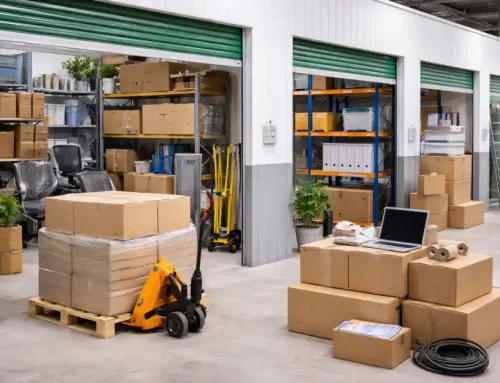
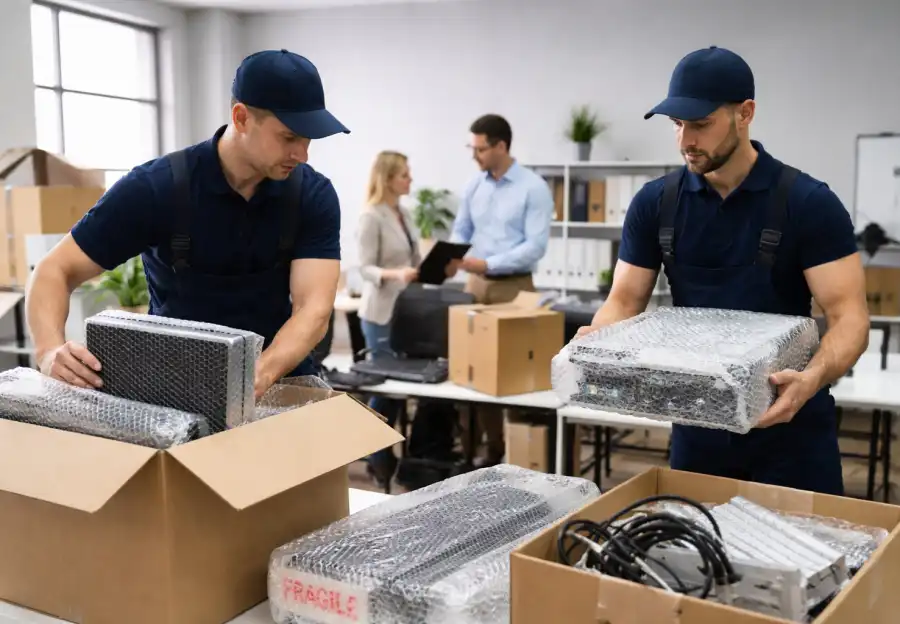
Packing and labeling strategies significantly influence the efficiency of both the move and the unpacking process. Using standardized boxes, protective materials, and clear labels helps prevent damage and confusion. Color-coding boxes by department, floor, or priority allows movers to place items correctly in the new office, reducing setup time. Separating essential items, such as critical documents or equipment needed immediately, ensures that operations can resume quickly. Organized packing also makes it easier to track items and identify any missing or damaged goods.
Coordinating logistics is another crucial aspect of commercial office moves. This includes scheduling transportation, securing loading docks, reserving elevators, and coordinating access with building management at both locations. Clear logistical planning prevents delays, congestion, and conflicts on moving day. Contingency plans should also be in place for unexpected challenges such as traffic issues, weather disruptions, or equipment delays. Being prepared for these scenarios helps keep the move on schedule and reduces stress for employees and management.
After the physical move is complete, efficient setup of the new office is essential. Prioritizing furniture placement, IT setup, and supply organization allows employees to resume work quickly. A functional and well-organized workspace supports productivity, collaboration, and employee satisfaction. Conducting a post-move inventory and inspection ensures that all items arrived safely and are in working condition. Any issues can then be addressed promptly with movers or service providers.
Finally, reviewing the move and gathering feedback from employees provides valuable insights for future relocations. Documenting lessons learned highlights what worked well and what could be improved. By combining thorough assessment, detailed planning, effective communication, careful budgeting, strong IT coordination, organized packing, and efficient setup, businesses can execute a commercial office move that is smooth, cost-effective, and minimally disruptive. With careful preparation and professional support, even complex office relocations can be completed successfully, setting the stage for continued growth and productivity in the new space.