January 3, 2026
How to move without losing your sanity
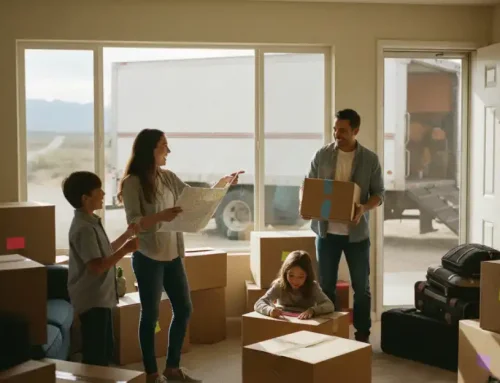
Moving is widely recognized as one of life’s most stressful events, as it combines physical labor, logistical challenges, financial pressure, and emotional change all at once. Learning how to move without losing your sanity requires thoughtful preparation, organization, and intentional stress-management strategies. The foundation of a calm move begins with early preparation. Creating a detailed moving plan that breaks the process into manageable tasks, sets realistic deadlines, and assigns responsibilities gives you a sense of control. A clear roadmap prevents last-minute panic, helps you track progress, and provides emotional reassurance by allowing you to approach each phase methodically rather than reactively.
Decluttering before packing is another essential step in protecting your mental well-being during a move. Sorting through your belongings and deciding what to keep, donate, sell, or discard reduces the number of items you need to pack and transport. This not only lowers moving costs but also makes packing far less overwhelming. Decluttering can be surprisingly therapeutic, as letting go of unnecessary items creates a sense of closure and fresh beginnings. Setting aside dedicated time for this process ensures it remains organized and intentional rather than rushed and emotionally draining.
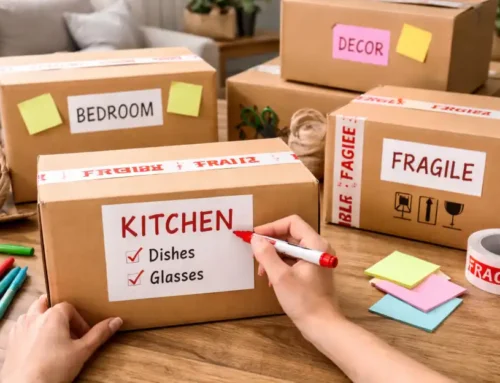
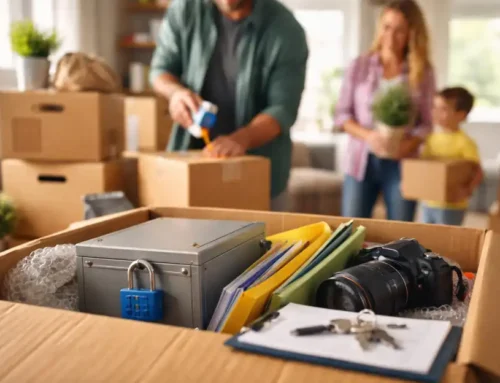
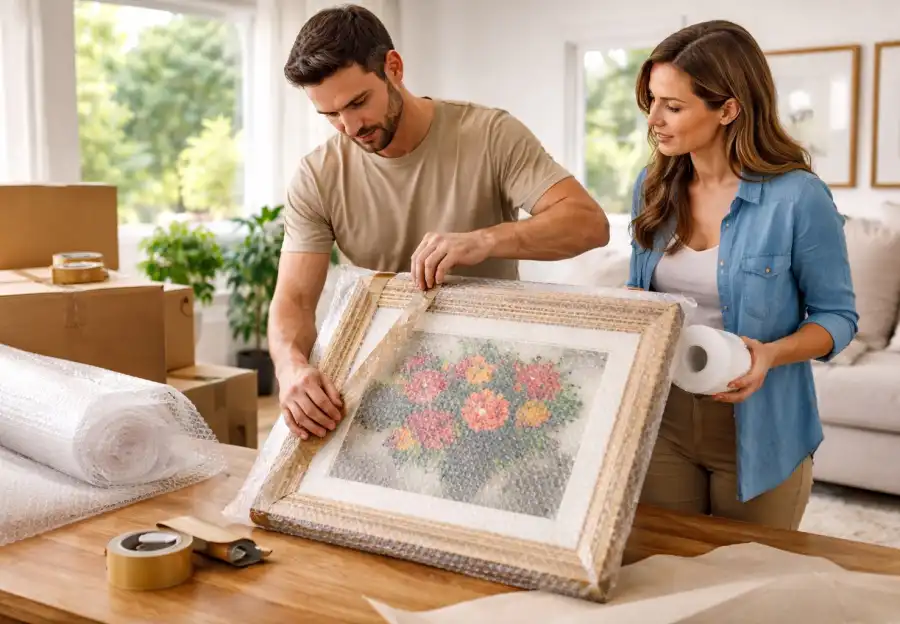
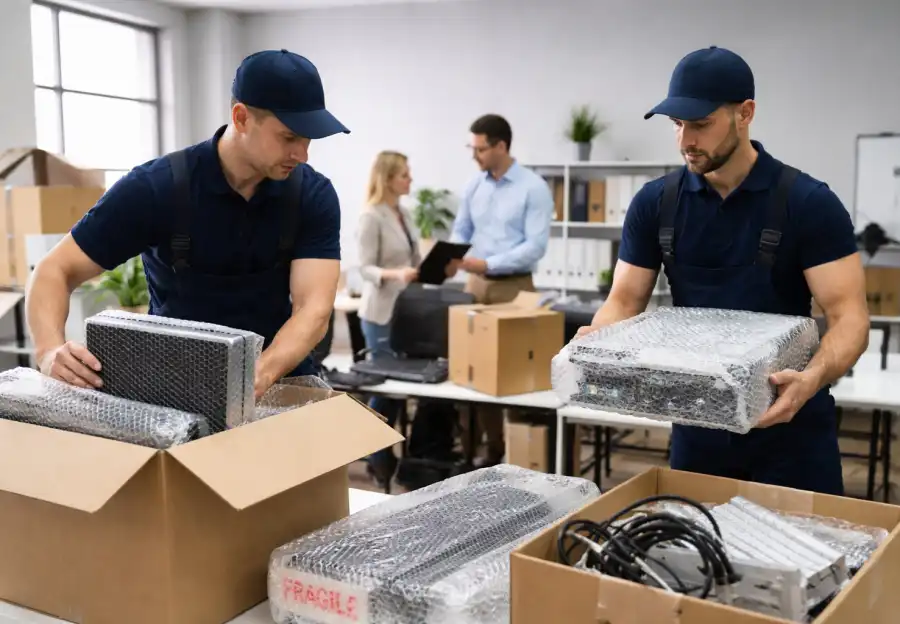
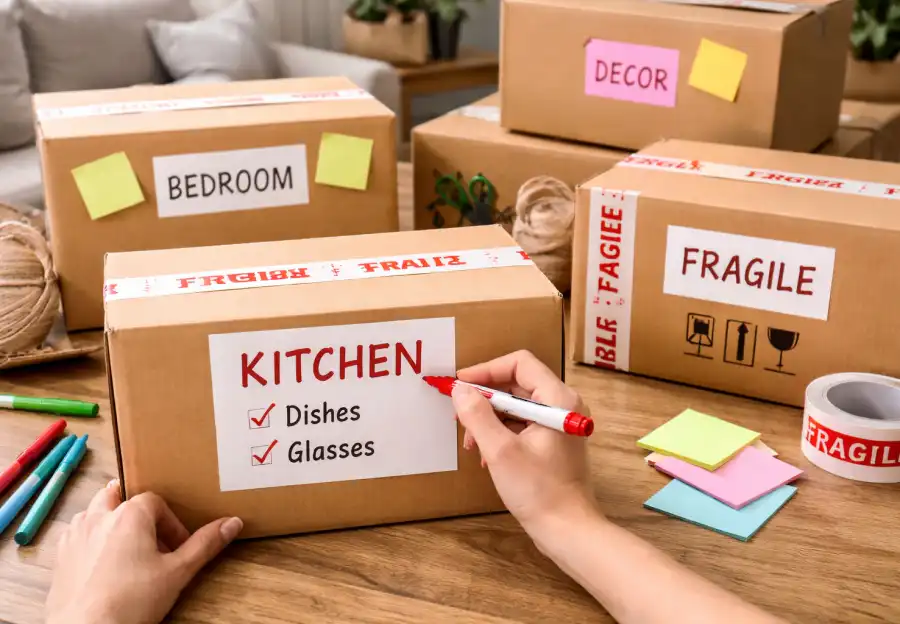
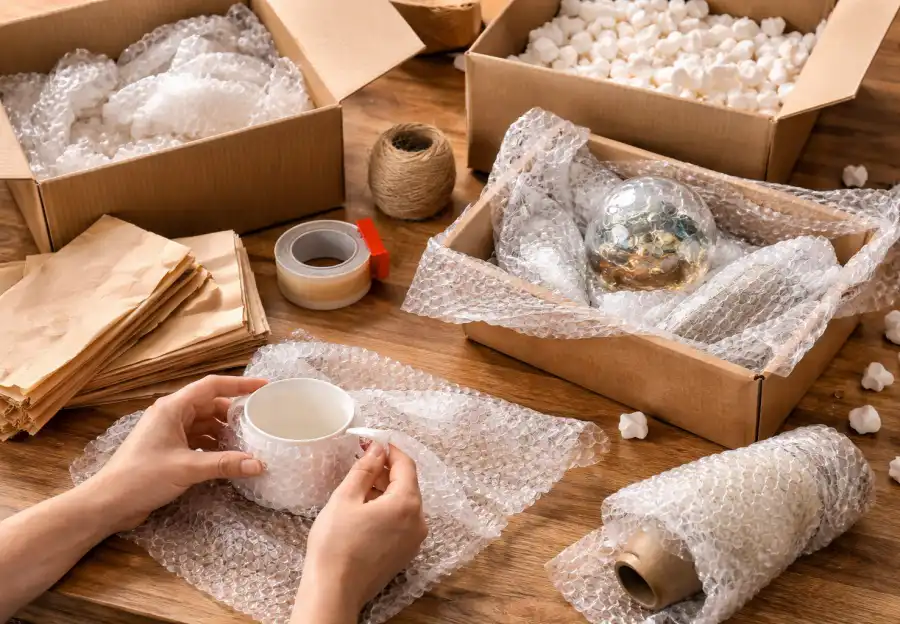
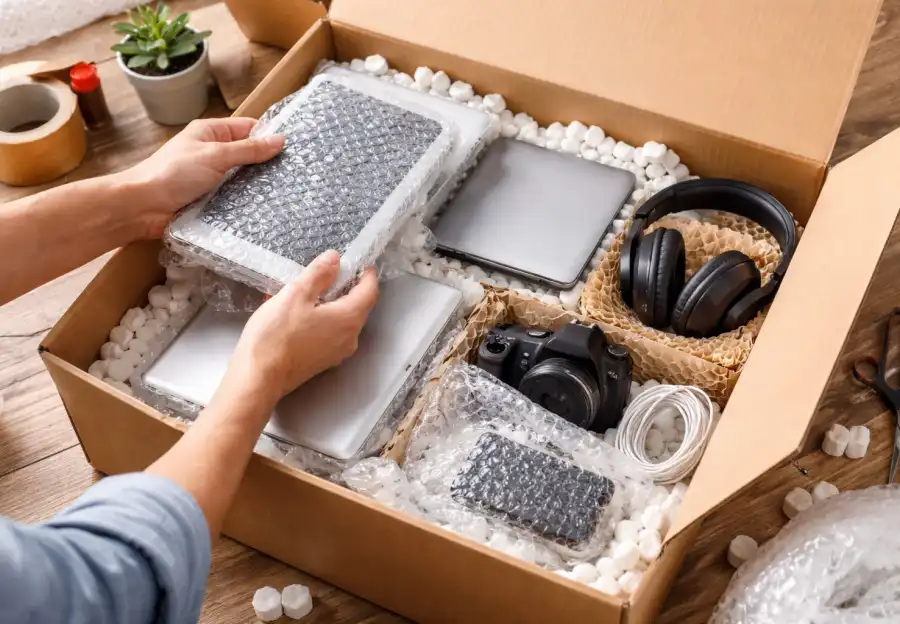
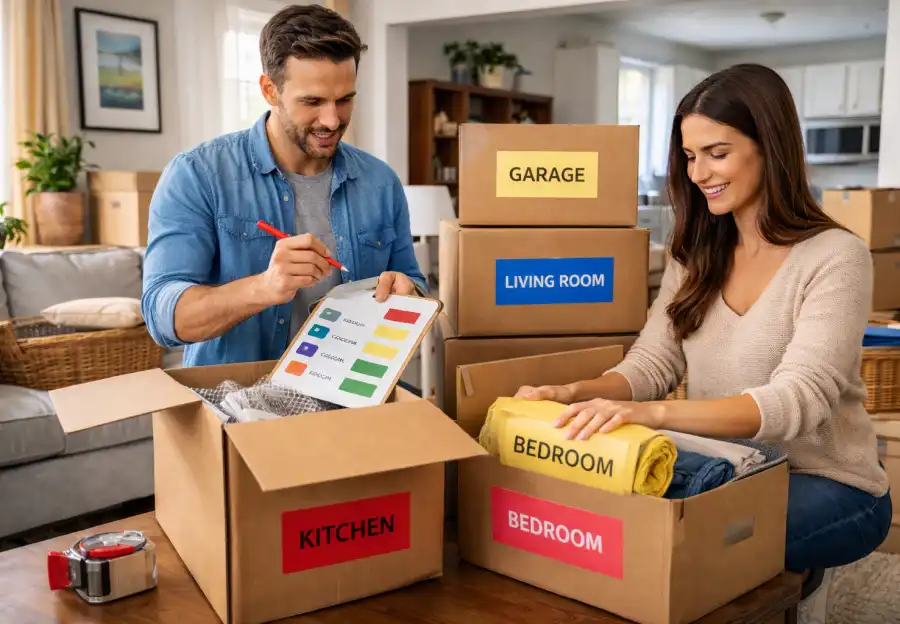
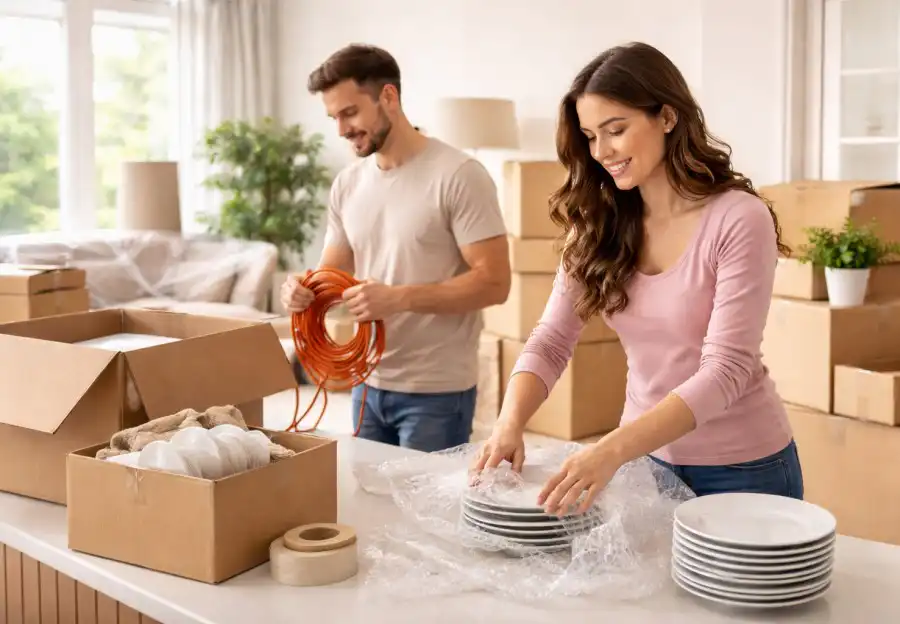
An organized packing system is equally critical for maintaining sanity. Packing by room, using quality materials, and clearly labeling boxes with both contents and destination rooms can dramatically reduce confusion. Creating an inventory of your belongings provides peace of mind and makes it easier to track items during the move. This structured approach minimizes the risk of lost or damaged items and simplifies unpacking, allowing you to quickly locate essentials once you arrive at your new home. Knowing where everything is reduces frustration and helps you feel settled faster.
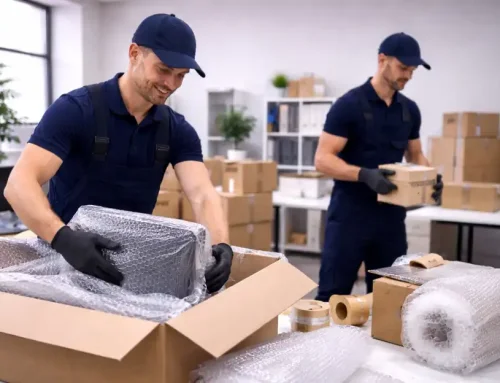
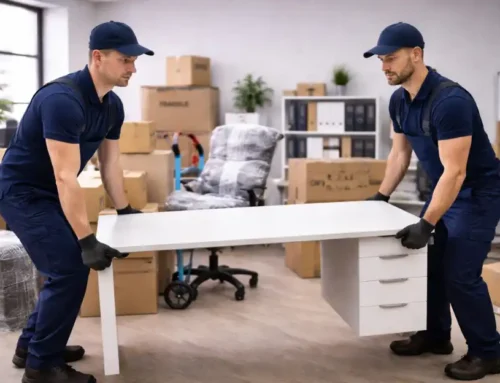
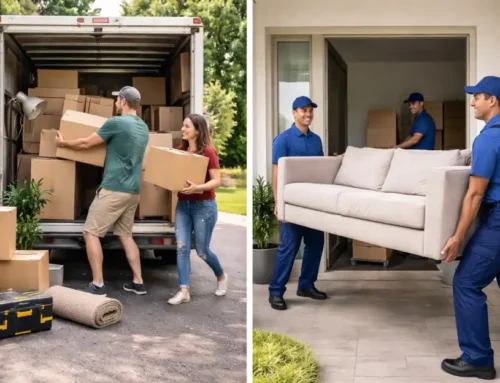
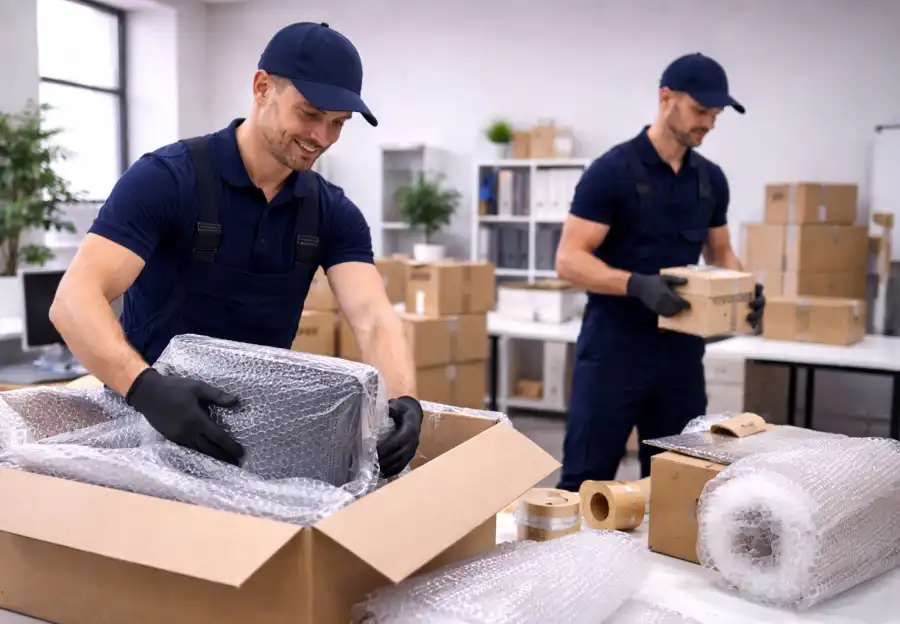
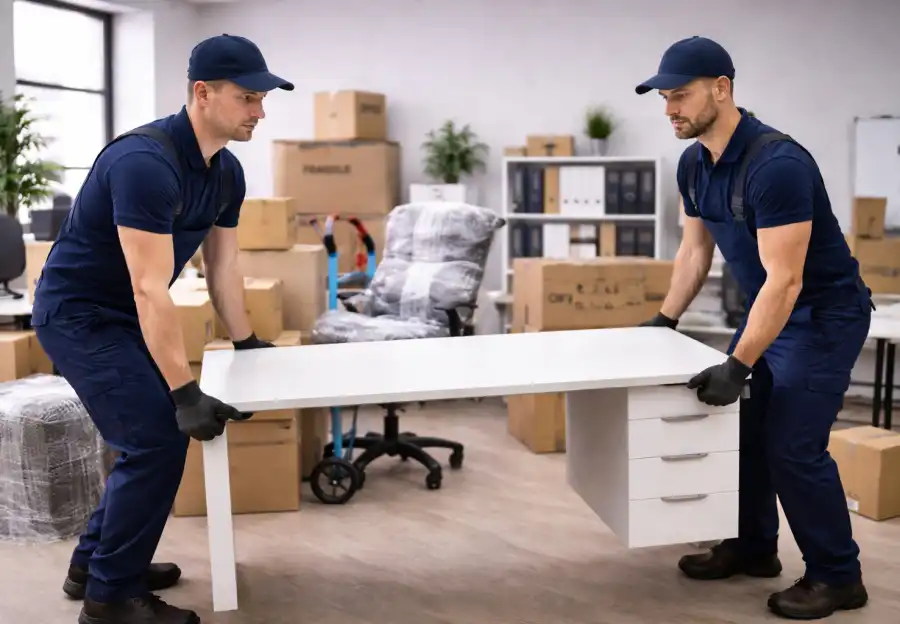
Enlisting help is another powerful way to reduce stress. Whether you rely on friends, family, or professional movers, support makes a significant difference. Moving alone can quickly become physically exhausting and emotionally overwhelming. Reliable assistance ensures that heavy lifting and transportation are handled efficiently while also offering emotional encouragement. Sharing the workload fosters a sense of teamwork and reminds you that you do not have to manage everything on your own, which can be incredibly comforting during a demanding transition.
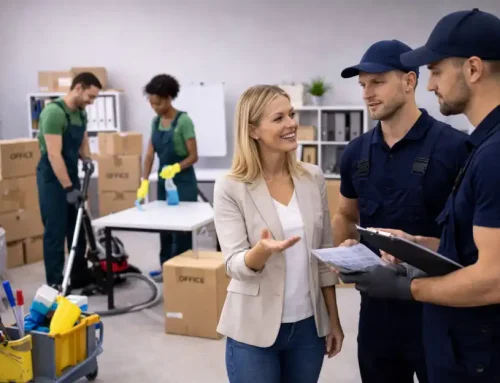
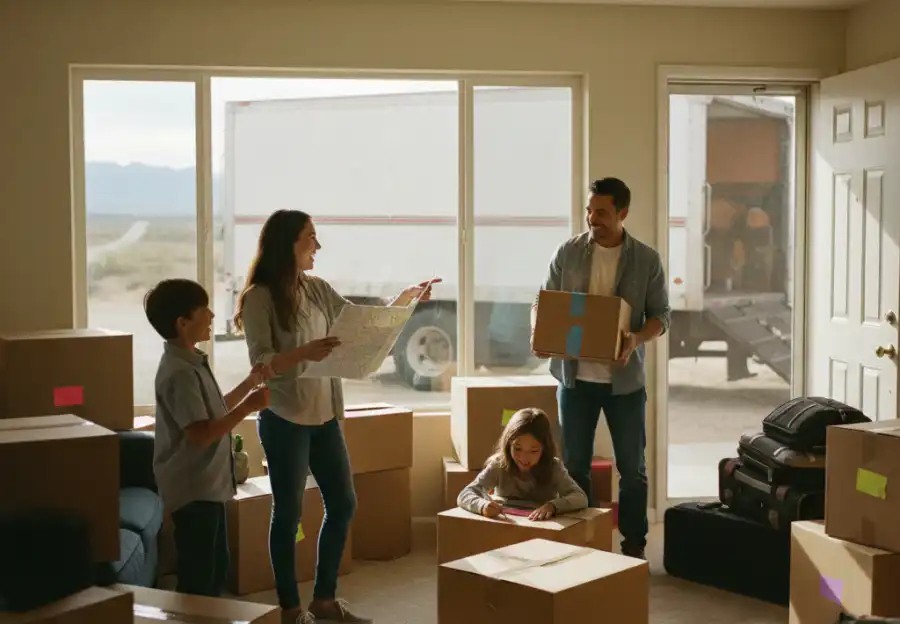
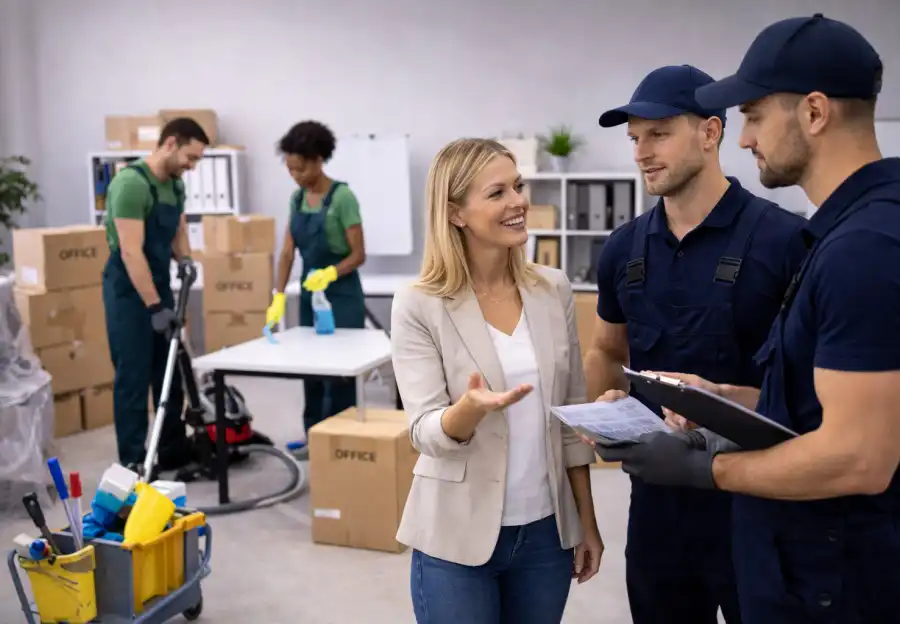
Clear communication throughout the moving process is essential for preventing unnecessary stress. Coordinating schedules, confirming expectations, and discussing special instructions with movers, landlords, or household members helps avoid misunderstandings and delays. Asking questions early and confirming details in writing allows you to address potential issues proactively. When everyone involved understands their role and responsibilities, the move feels more controlled and far less chaotic.
Taking care of your personal well-being is just as important as managing logistics. Adequate sleep, regular meals, hydration, and short breaks help maintain energy, focus, and emotional balance. Incorporating simple stress-relief practices such as deep breathing, stretching, meditation, or brief walks can prevent burnout. These small acts of self-care allow you to reset mentally and approach tasks with clarity instead of frustration, which is vital for maintaining emotional resilience during a move.
Financial planning also plays a major role in reducing stress. Unexpected expenses can quickly undermine your sense of control, so creating a realistic budget is essential. This should include moving services, packing supplies, insurance, fuel, and a contingency fund for surprises. Comparing quotes, reviewing contracts carefully, and tracking expenses help avoid unpleasant financial shocks. Knowing that you are financially prepared allows you to focus on the move itself rather than worrying about hidden costs.
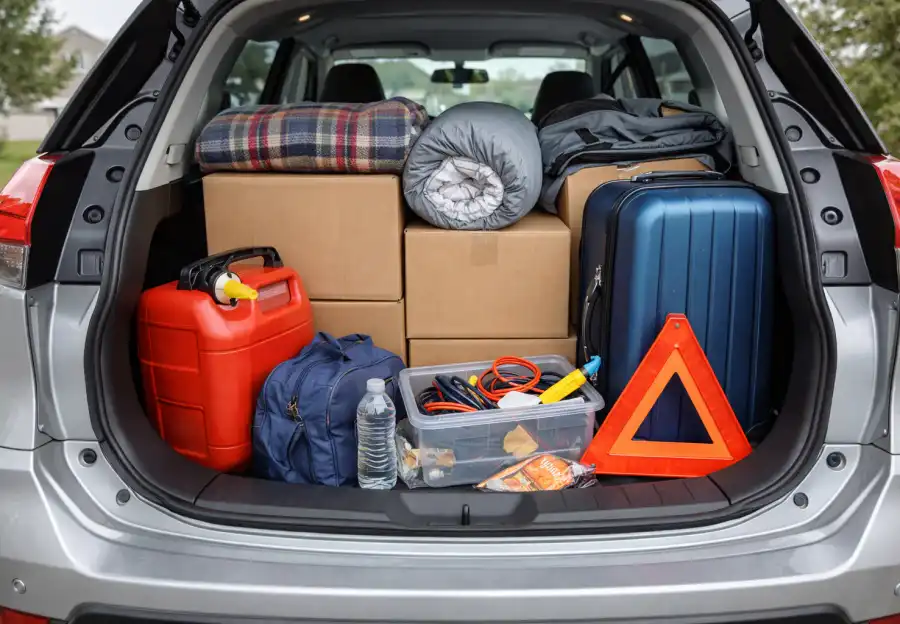
Flexibility and adaptability are crucial qualities during any relocation. No matter how well you plan, unexpected challenges such as weather delays, traffic, or last-minute changes can arise. Cultivating patience and a problem-solving mindset helps you respond calmly instead of feeling overwhelmed. Accepting that some things are beyond your control allows you to adjust without emotional escalation, preserving your mental balance throughout the process.
Staying organized with a moving checklist or timeline further enhances your sense of control. Documenting tasks, deadlines, and priorities helps you focus on one step at a time rather than the entire move all at once. Checking off completed tasks provides motivation and reassurance that progress is being made. A well-maintained checklist transforms a complex move into a series of achievable actions, reducing feelings of chaos.
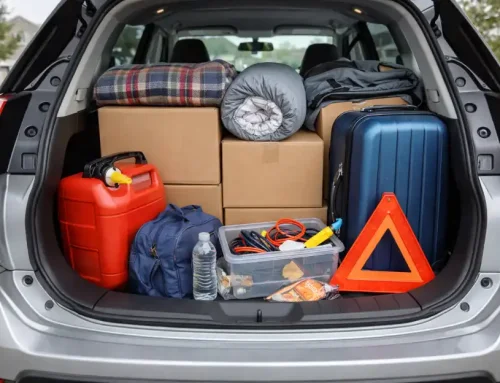
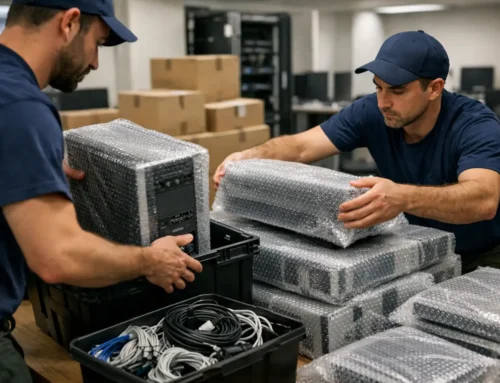
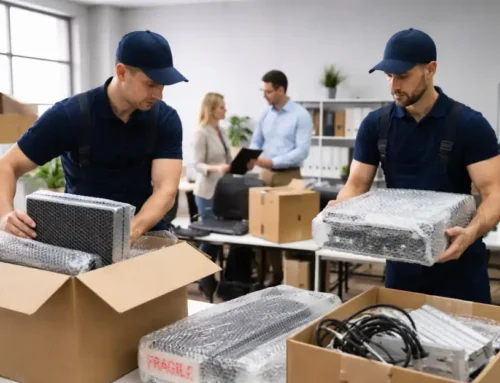
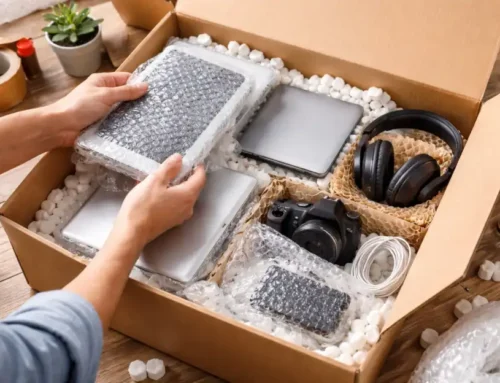
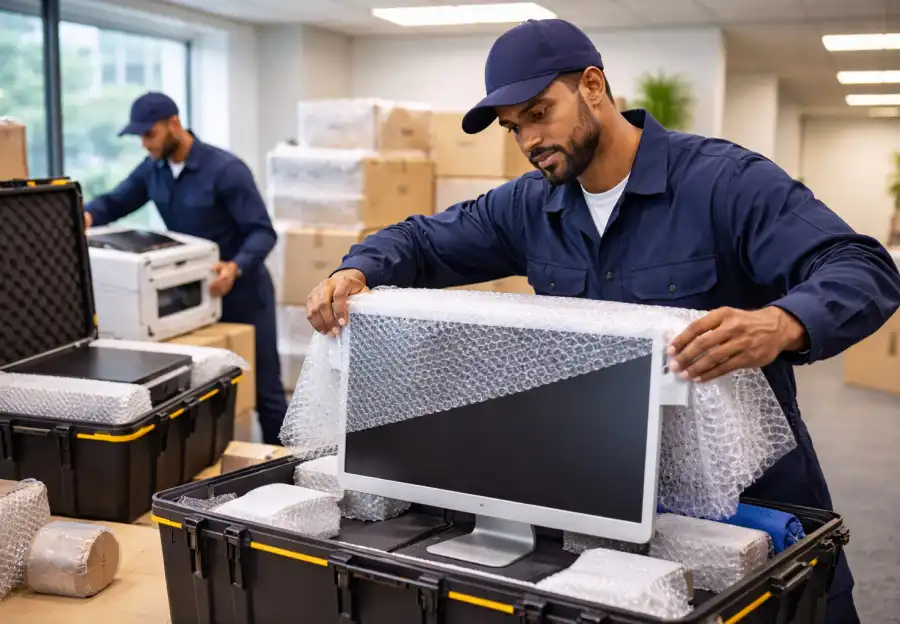
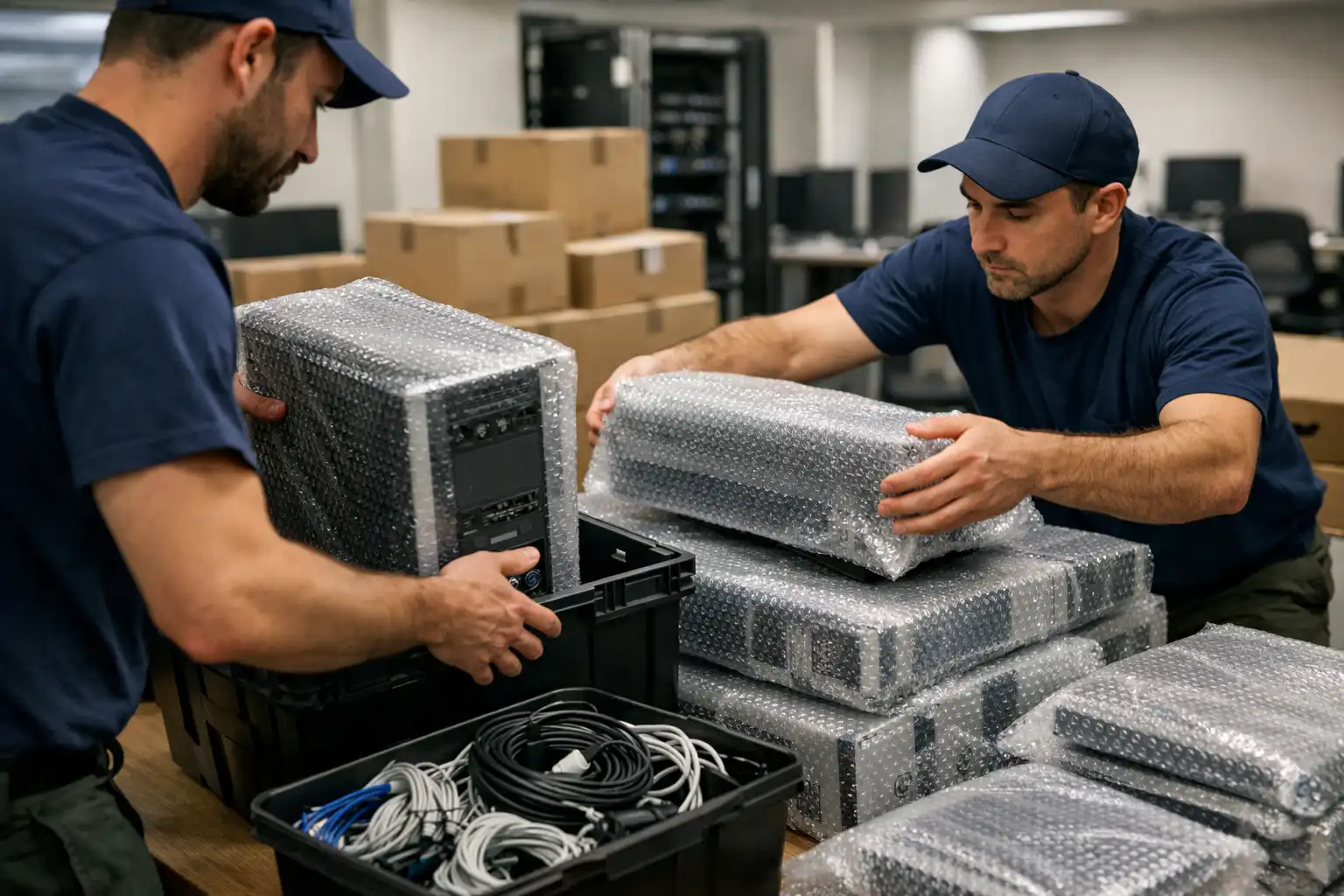
Packing strategically also contributes to a smoother, less stressful experience. Starting weeks in advance with non-essential items allows you to pace yourself and avoid exhaustion. Leaving daily essentials for last ensures comfort during the final days. Handling fragile or valuable items carefully and labeling boxes clearly helps protect your belongings and prevents future frustration during unpacking.
Finally, maintaining a positive mindset is one of the most powerful tools for moving without losing your sanity. Approaching the move with patience, humor, and optimism allows you to handle setbacks more gracefully. Focusing on the opportunities and excitement of your new home helps balance the inevitable stress. Planning post-move tasks in advance, such as utility setups and unpacking priorities, ensures a smoother transition. By combining preparation, organization, self-care, flexibility, and positivity, you can move with confidence, calm, and a sense of accomplishment, proving that even one of life’s most challenging transitions can be managed successfully.