March 1, 2026
Moving Confidential Files Securely
Moving confidential files securely plays a critical role in managing both personal and professional transitions. Unlike general moving or packing tasks, handling sensitive documents requires careful attention to detail, thoughtful planning, and specialized procedures. Confidential files may include legal papers, medical records, financial statements, proprietary business documents, or personal identification records, all of which demand protection from loss, damage, or unauthorized access. By adopting a structured approach, individuals can reduce stress, prevent errors, and ensure that sensitive information reaches its destination safely while maintaining compliance with privacy requirements.
The first step in moving confidential files securely is to categorize and inventory all documents. This involves identifying files by type, sensitivity, and urgency, which allows movers to prioritize packing and transport methods accordingly. Creating a comprehensive inventory not only reduces the risk of misplacement but also ensures that no critical records are left behind or overlooked. Digital backups should also be considered at this stage, particularly for essential or irreplaceable documents. Having a well-documented inventory serves as a roadmap, guiding both packing and transport, while providing reassurance that every item is accounted for.
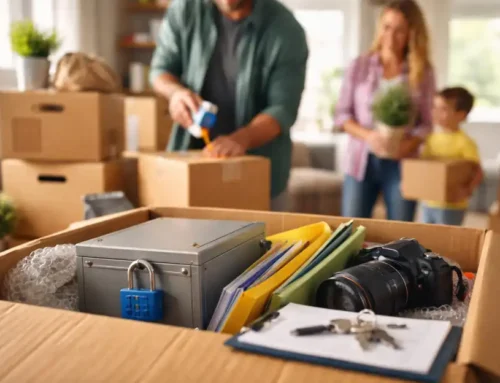
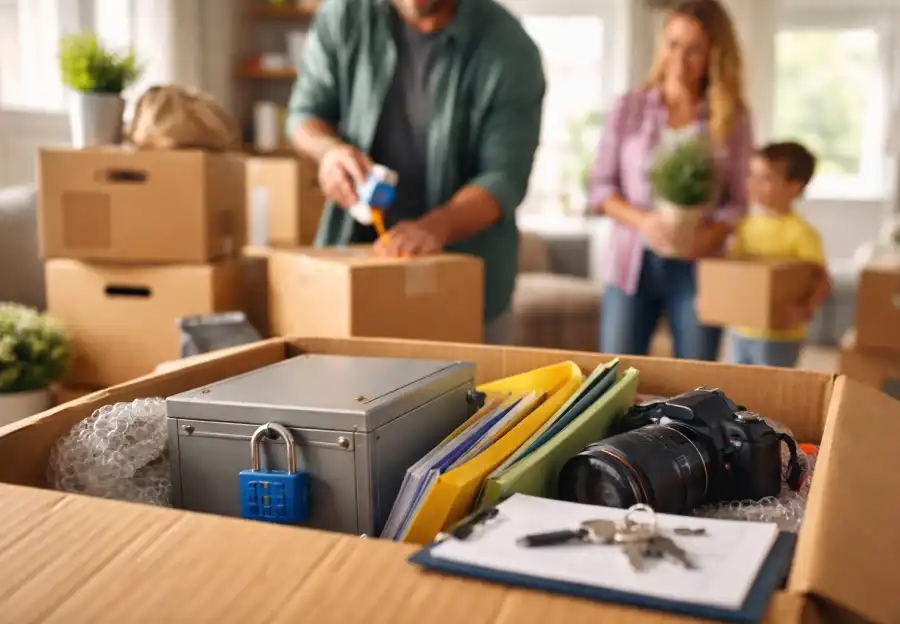
Selecting appropriate storage and transport materials is the next crucial step. Confidential files should be packed in sturdy, tamper-evident containers or lockable boxes to prevent unauthorized access. Acid-free folders, document sleeves, and waterproof envelopes help protect against physical damage such as moisture, tearing, or fading. For high-value or highly sensitive files, using a lockable briefcase or secure transport case with a combination lock adds an extra layer of protection. Labeling boxes discreetly with general terms such as “Files” or “Documents” rather than specifying contents also minimizes the risk of drawing unwanted attention during transit.
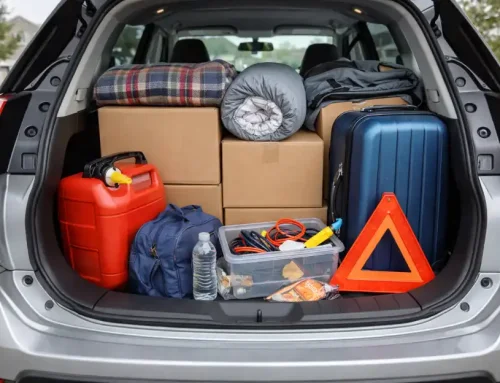
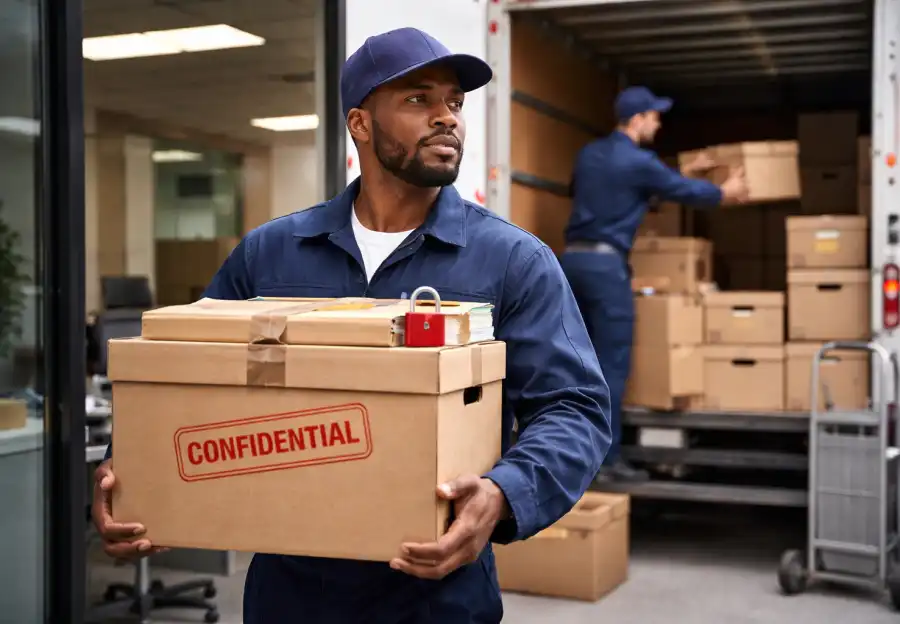
Another key consideration is the method of transport. For short distances, personally carrying confidential files is often the safest approach, as it allows direct supervision and immediate response to potential issues. For longer distances, professional movers specializing in secure document handling should be considered. These services often provide insured transport, secure storage options, and trained personnel familiar with confidentiality protocols. Whether self-transporting or using a service, ensuring that files remain under controlled conditions—avoiding exposure to extreme temperatures, moisture, or jostling—is essential for maintaining the integrity of sensitive materials.
Digital considerations also play a role in securely moving confidential files. Many organizations maintain hybrid systems with both paper and electronic records. Encrypting digital files and using secure cloud storage or external hard drives with password protection reduces the risk of unauthorized access during relocation. When physical documents are scanned or converted into secure digital formats, it creates redundancy, ensuring that even if paper files are temporarily inaccessible, important information remains retrievable. This dual-layer strategy is particularly useful for businesses managing compliance requirements or legal obligations.
Maintaining strict organizational practices throughout the moving process further enhances security. Packing files by category, department, or purpose facilitates easy access and reduces handling, which in turn minimizes the risk of misplacement. Using color-coded folders, internal indexes, or numbered boxes creates a clear system for both transport and unpacking. Consistent labeling and detailed documentation ensure that files can be quickly located at the destination, which saves time and reduces the risk of human error during a high-pressure move.
Confidentiality is not only about physical security but also about personnel oversight. Only trusted individuals should be involved in packing, transport, and unpacking of sensitive files. Clear instructions and accountability measures, such as requiring sign-offs when files are transferred, help maintain a chain of custody and prevent unauthorized access. In professional settings, confidentiality agreements or nondisclosure measures may be appropriate to further safeguard sensitive information. This human factor is as important as physical protections in ensuring files remain secure throughout the move.
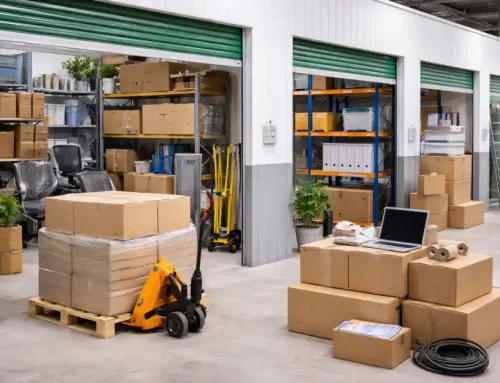
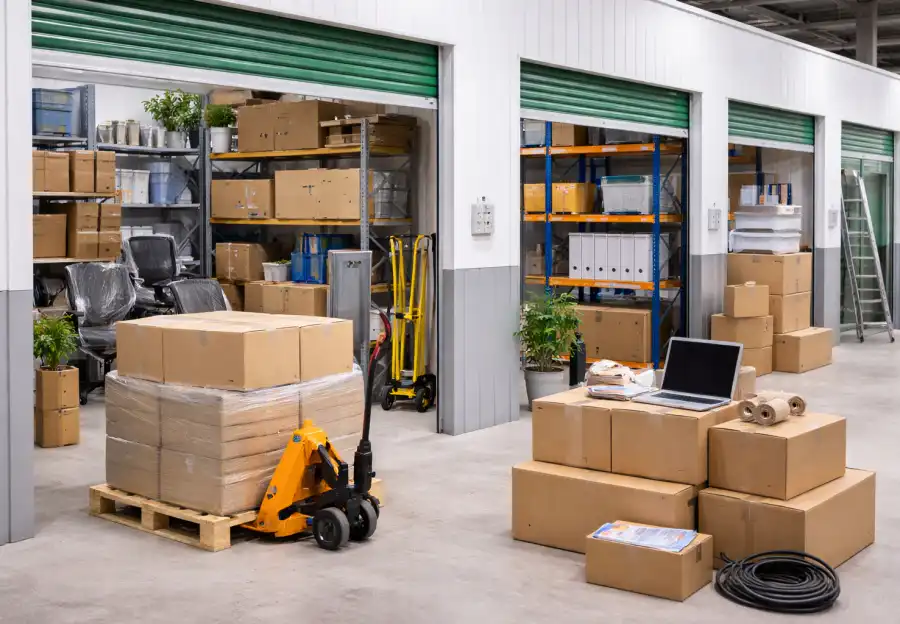
Upon arrival at the new location, establishing secure storage areas immediately is critical. Lockable filing cabinets, secure shelving, or restricted-access rooms provide long-term protection for confidential files. Files should be unpacked systematically according to the previously established inventory and organizational system. Temporary unpacking stations can help keep files organized during transit without compromising security. Additionally, reviewing the condition of documents upon arrival allows immediate attention to any damage or missing items, preventing further complications or data loss.
Lastly, reviewing and refining security practices after the move strengthens future relocations. Reflecting on what procedures worked effectively, what challenges arose, and what adjustments may be needed helps improve efficiency and confidence for future moves. Training staff or household members on secure document handling and maintaining a culture of vigilance ensures that confidentiality remains a priority beyond the immediate relocation. By integrating these habits, moving confidential files securely becomes not just a single task but an ongoing framework for responsible document management.
In summary, moving confidential files securely requires detailed planning, careful handling, and consistent oversight. Categorizing and inventorying files, using appropriate packing materials, choosing safe transport methods, integrating digital backups, maintaining organizational systems, supervising personnel, and ensuring secure storage all contribute to a successful move. Each of these steps reduces the risk of damage, loss, or unauthorized access, while fostering confidence and clarity throughout the relocation process. By approaching the task methodically, individuals and organizations can protect sensitive information, streamline transitions, and develop skills that extend into everyday planning, organization, and risk management, demonstrating that security, efficiency, and accountability are achievable even during the complex process of moving.