
February 28, 2026
How to Plan a Weekend Office Move
Planning a weekend office move requires meticulous preparation, strategic coordination, and precise execution. Moving an entire office involves numerous complex challenges, including packing and transporting furniture, office equipment, electronics, files, and supplies. Ensuring minimal disruption to regular business operations is critical, and when the move is scheduled over a weekend, compressed timelines and limited working hours make careful planning even more essential. The first step in a successful weekend office move is conducting a detailed inventory of all items, categorizing them by size, weight, fragility, and priority. This process not only helps allocate resources effectively but also identifies items that can be discarded, recycled, or donated, reducing overall volume and simplifying the move. High-priority or sensitive items such as servers, computers, or confidential documents can be flagged for special handling, ensuring they are packed, labeled, and transported safely.
Clear communication with employees and key stakeholders is equally important. Everyone needs to understand their responsibilities during the move, including packing personal items, preparing workstations, and assisting movers with equipment disconnection or assembly. Providing a timeline with step-by-step instructions ensures tasks are completed efficiently, reduces confusion, and minimizes bottlenecks. Pre-move briefings allow employees to ask questions, clarify uncertainties, and align with the overall plan. This cooperative approach helps create a smooth workflow, reduces stress, and ensures that everyone is prepared to contribute effectively within the short weekend window.
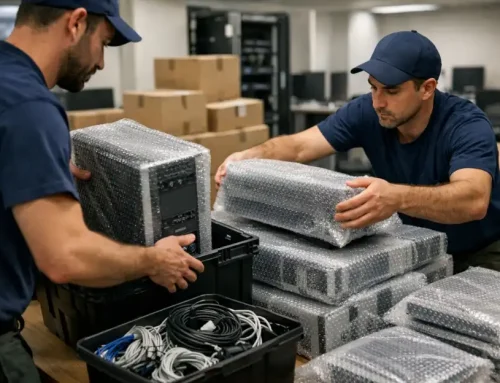
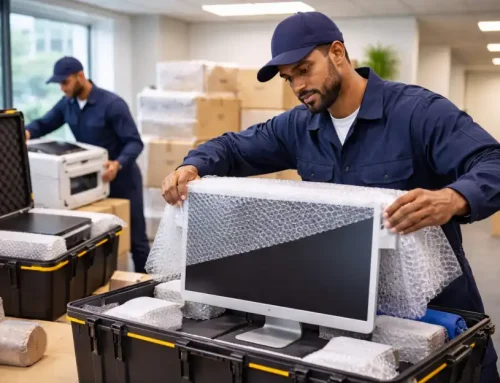
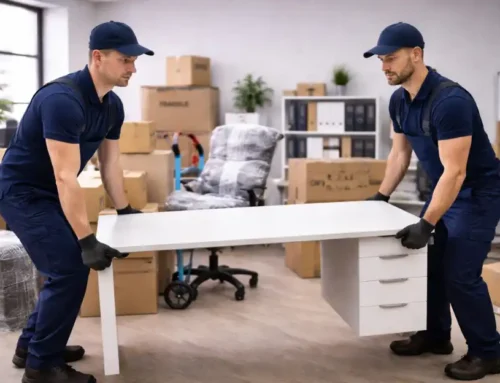
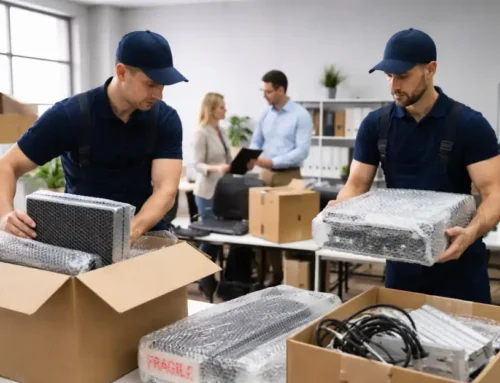
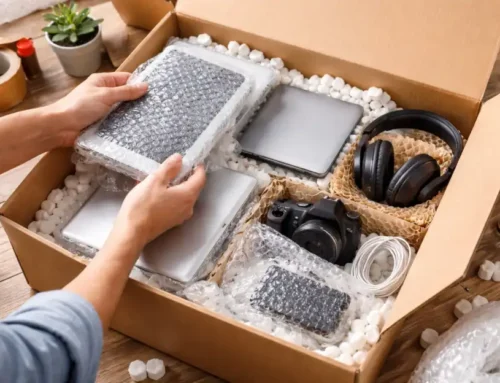
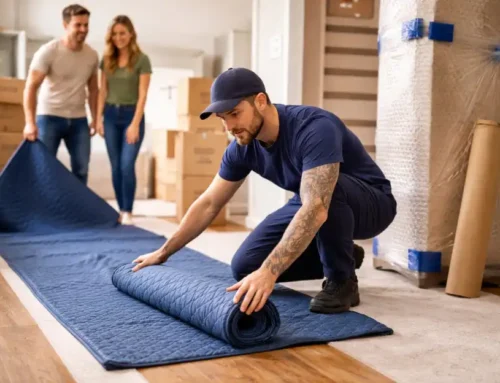
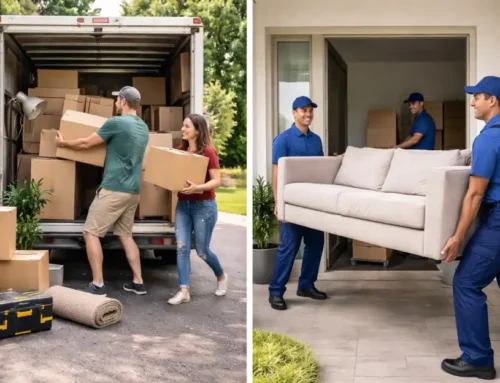
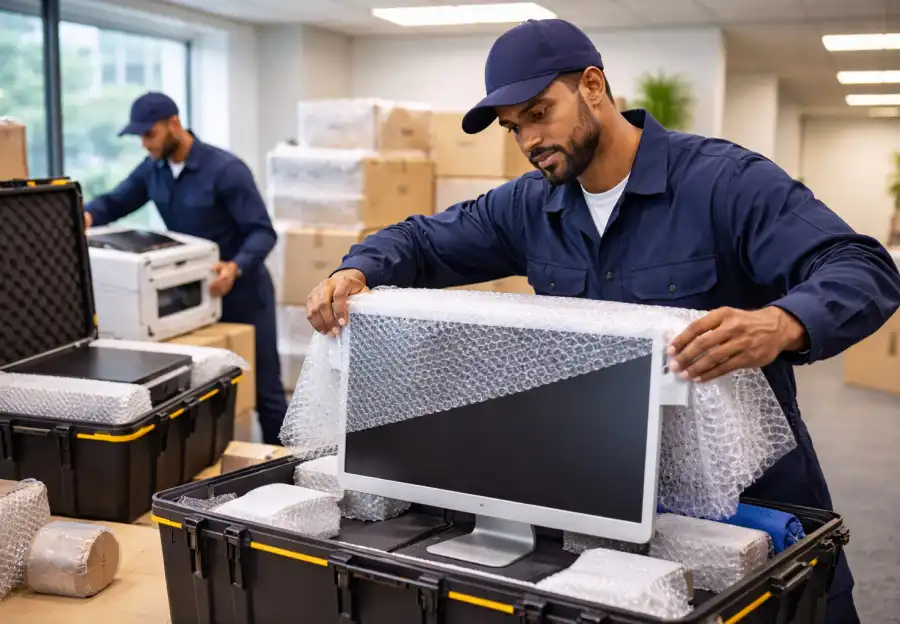
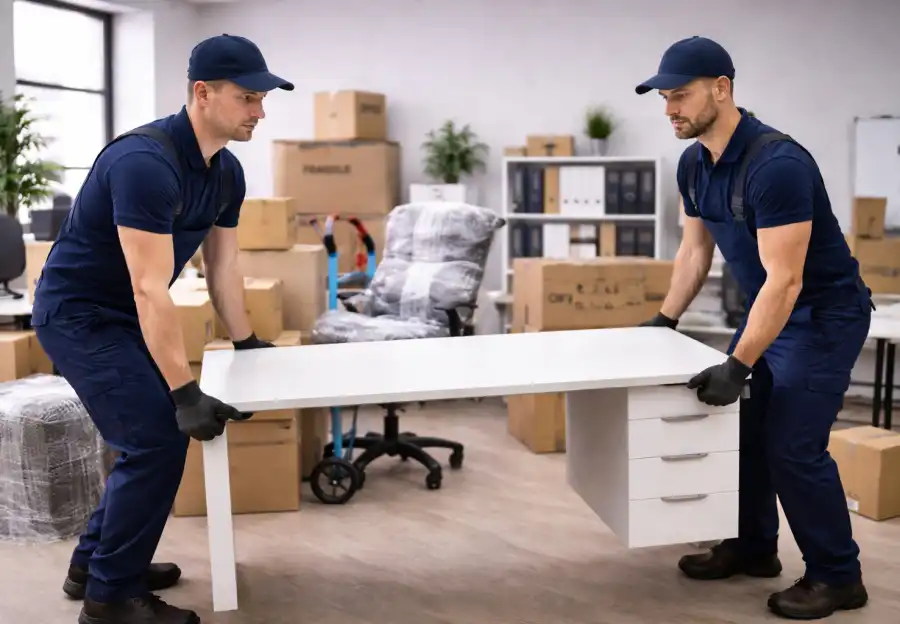
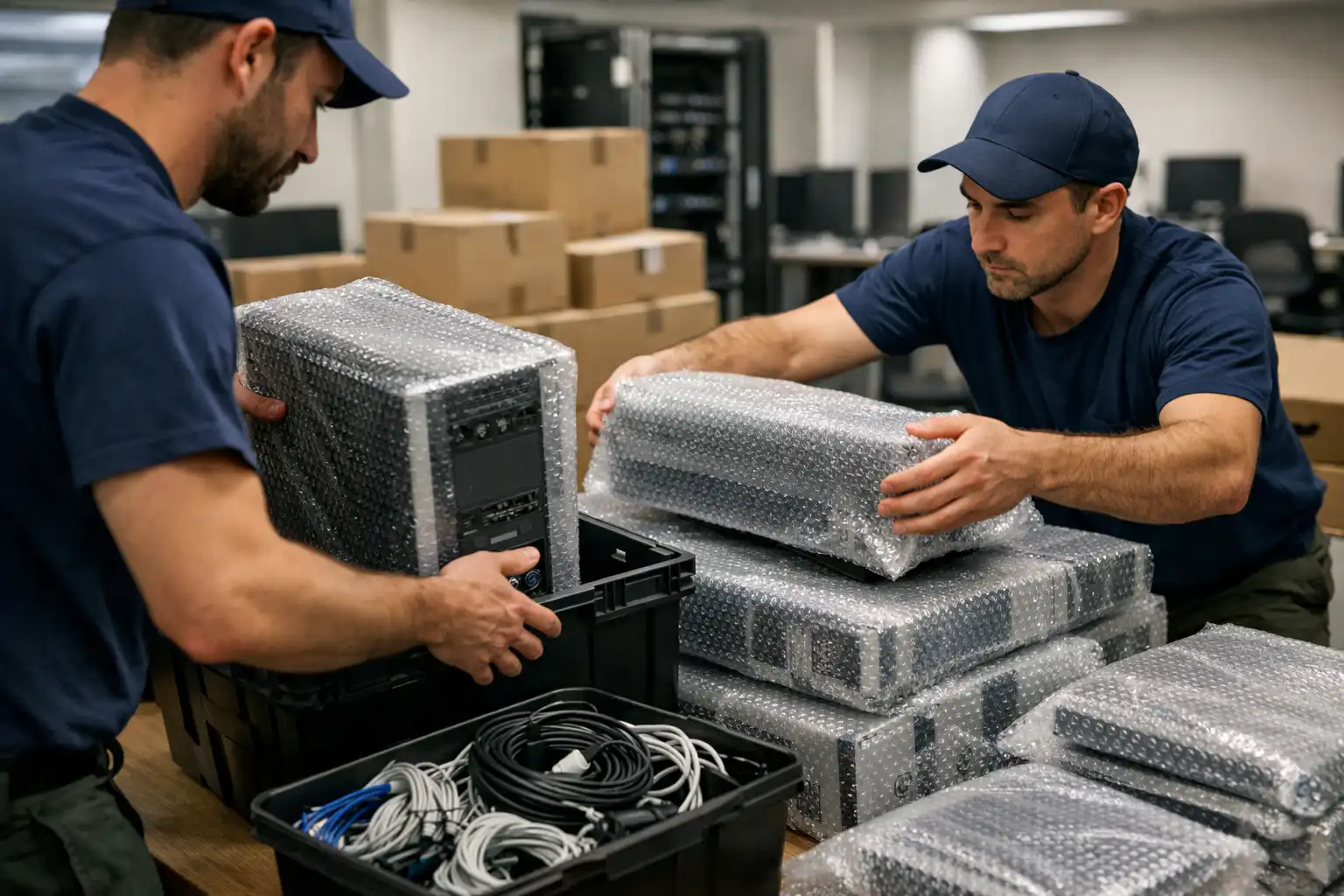
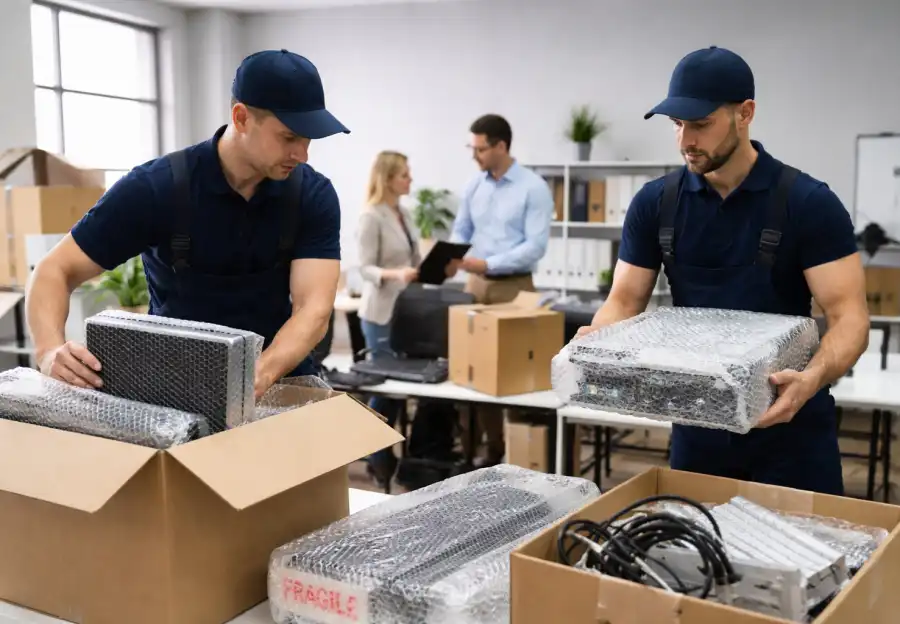
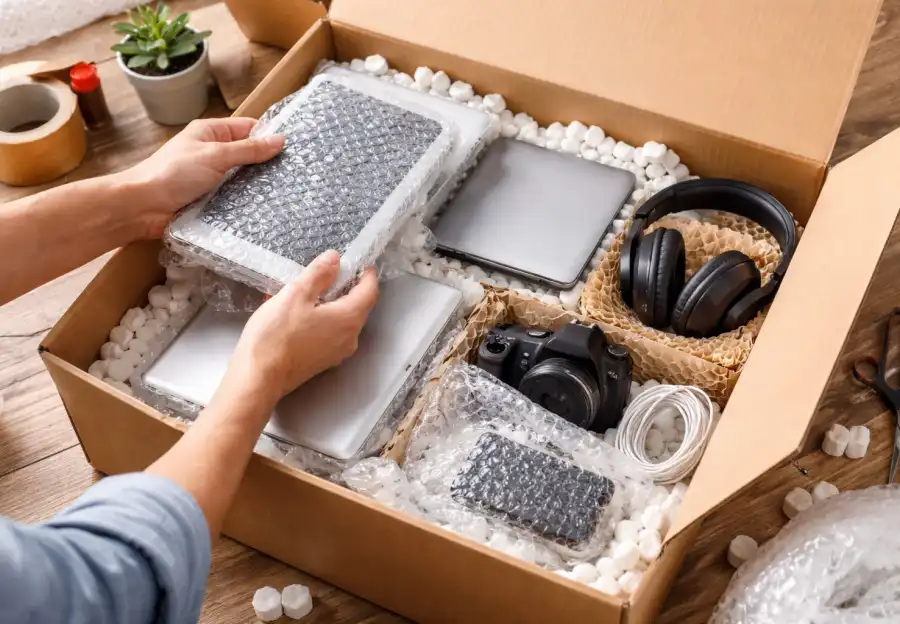
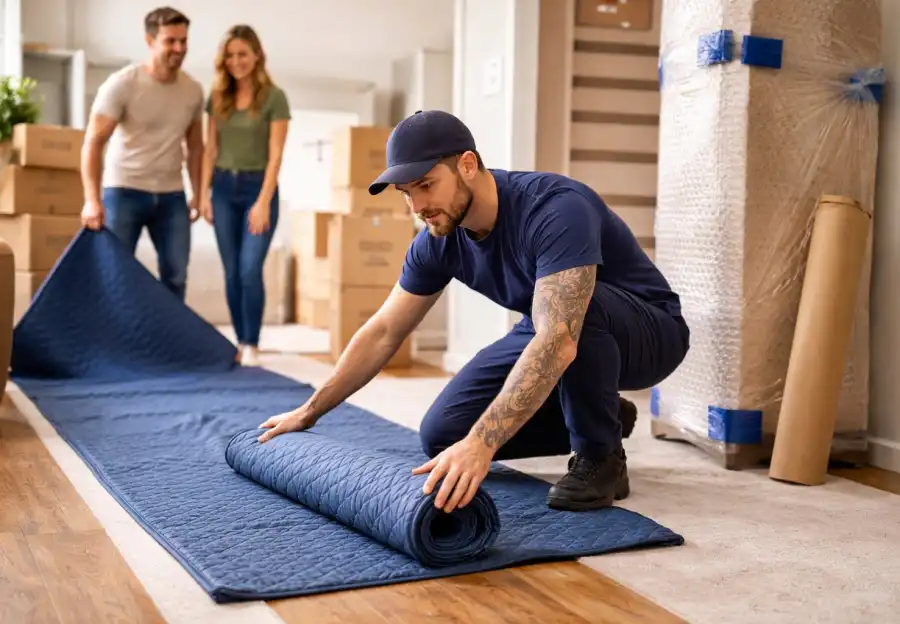
Hiring professional movers is another critical component of a successful weekend relocation. Experienced moving teams bring the necessary expertise, manpower, and specialized equipment to handle large-scale office moves efficiently. They can safely transport heavy furniture, delicate electronics, and specialized equipment, minimizing the risk of injury or damage. Professional movers also optimize the sequence of loading, transport, and unloading to maximize time efficiency, which is particularly important given the limited hours available over a weekend. Additionally, they provide protective materials such as crates, bubble wrap, and padding, ensuring that office assets remain secure throughout the move, reducing the likelihood of costly damage or delays.
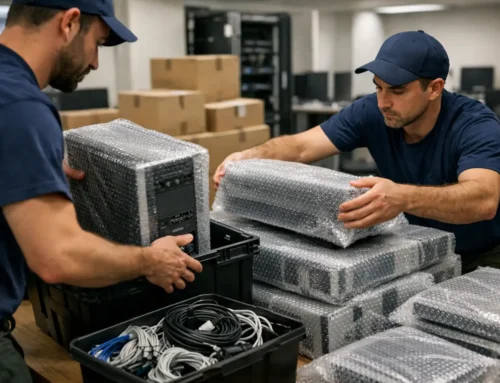
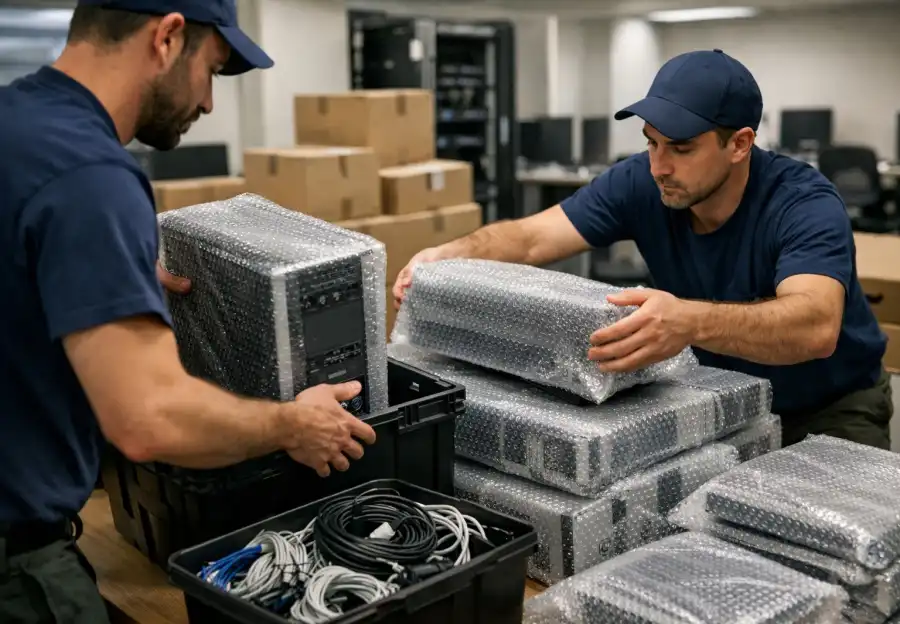
Technology and IT infrastructure demand special attention during a weekend office move. Even short downtime can be expensive for businesses, so computers, servers, networking devices, and telecommunication systems must be properly disconnected, packed, and labeled. Completing backups before the move protects against data loss. Assigning IT staff to oversee the setup at the new location ensures network functionality, software accessibility, and workstation readiness. A clear plan for testing all systems post-move guarantees that employees can resume work immediately, preventing operational disruption and supporting continuity of business activities.
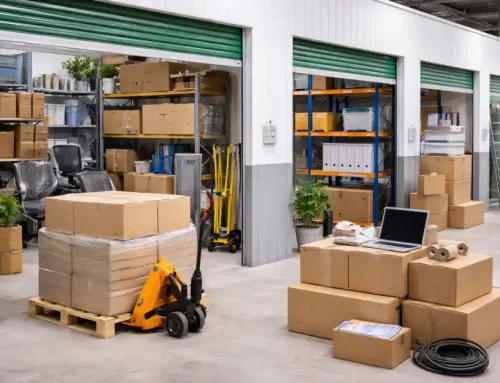
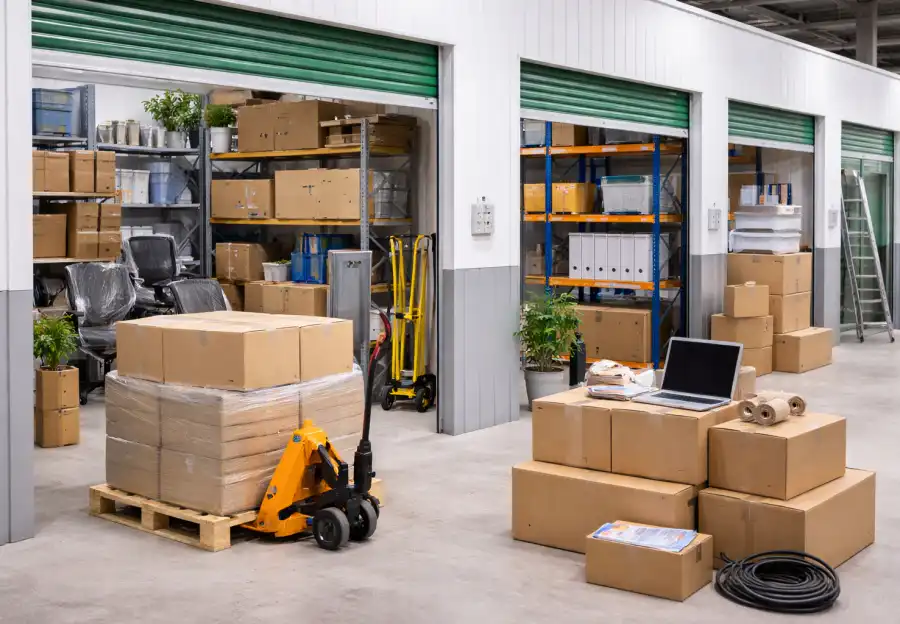
Logistics planning is another key element, as weekend moves often involve limited access to elevators, loading docks, parking areas, and other shared spaces. Coordinating in advance with building management ensures that elevators are reserved, loading zones are available, and any necessary permits are obtained. Informing neighboring tenants about potential disruptions creates goodwill and reduces complaints. Mapping out the sequence of tasks, such as which items to pack first, which furniture to disassemble, and which electronics to move last, allows the relocation to proceed in an orderly fashion. Designating staging areas for temporary storage of packed items inside the building further facilitates a smooth transition from packing to transport.
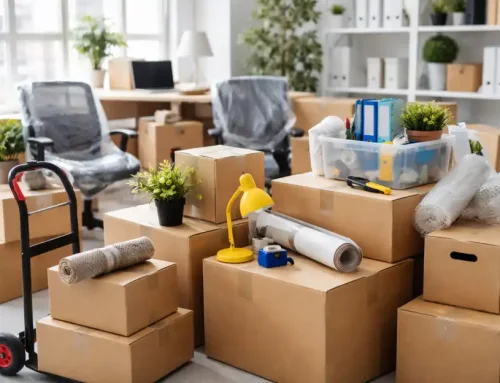
A well-planned packing strategy is essential for saving time, protecting valuable assets, and streamlining unpacking. Clearly labeling boxes with contents, department, and priority level allows movers to place items accurately in the new office. Implementing a color-coded or numbered inventory system enhances tracking and accountability, ensuring that critical items are immediately accessible upon arrival. Organized packing minimizes confusion and misplaced items, which is particularly important when operating under the time constraints of a weekend schedule.
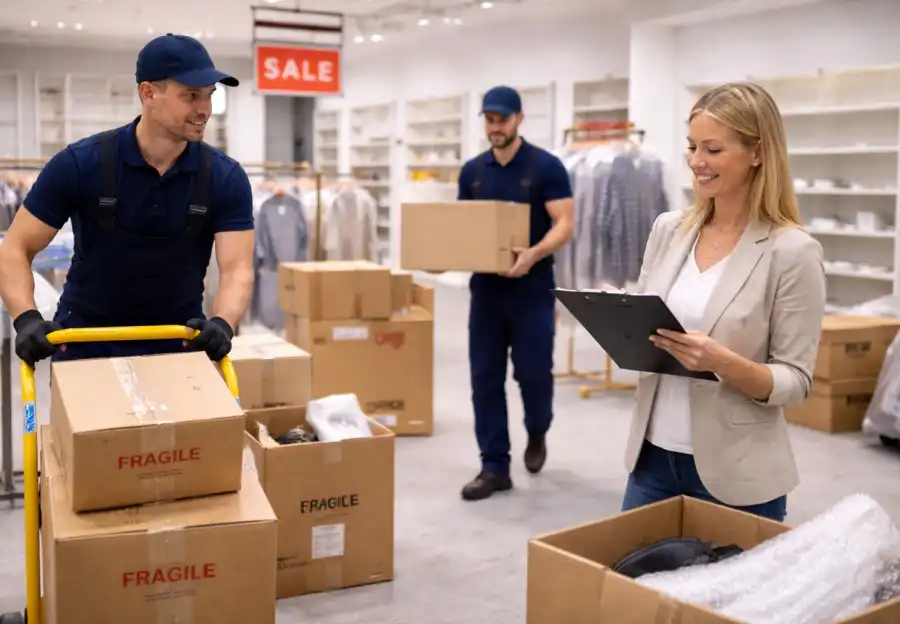
Post-move setup is equally important for maintaining productivity. Employees need quick access to essential files, supplies, and equipment to resume normal operations. Planning workstation layouts, reconnecting IT systems, and arranging furniture and storage areas in advance ensures efficiency. Conducting a post-move inspection in coordination with movers verifies that all items arrived intact, that no damage occurred to the building or office assets, and that any issues are addressed immediately. This step provides closure, accountability, and reassurance for both management and staff.
Finally, evaluating the move after completion is valuable for future planning. Identifying what strategies worked, what challenges arose, and areas for improvement allows for more efficient relocations in the future. Recognizing and thanking employees and movers for their efforts fosters morale, reinforces teamwork, and demonstrates appreciation for everyone’s contributions. By combining comprehensive inventory assessment, clear communication, hiring professional movers, detailed logistics planning, strategic packing, IT coordination, building management collaboration, post-move setup, and evaluation, a weekend office move can be executed efficiently, safely, and successfully. This approach minimizes downtime, protects assets, maintains employee productivity, and ensures a seamless transition to the new workspace, proving that careful preparation, professional support, and proactive coordination are essential for managing complex relocations under time constraints.